The Florida Plants That Quietly Attract Snakes To Your Yard Without You Realizing It
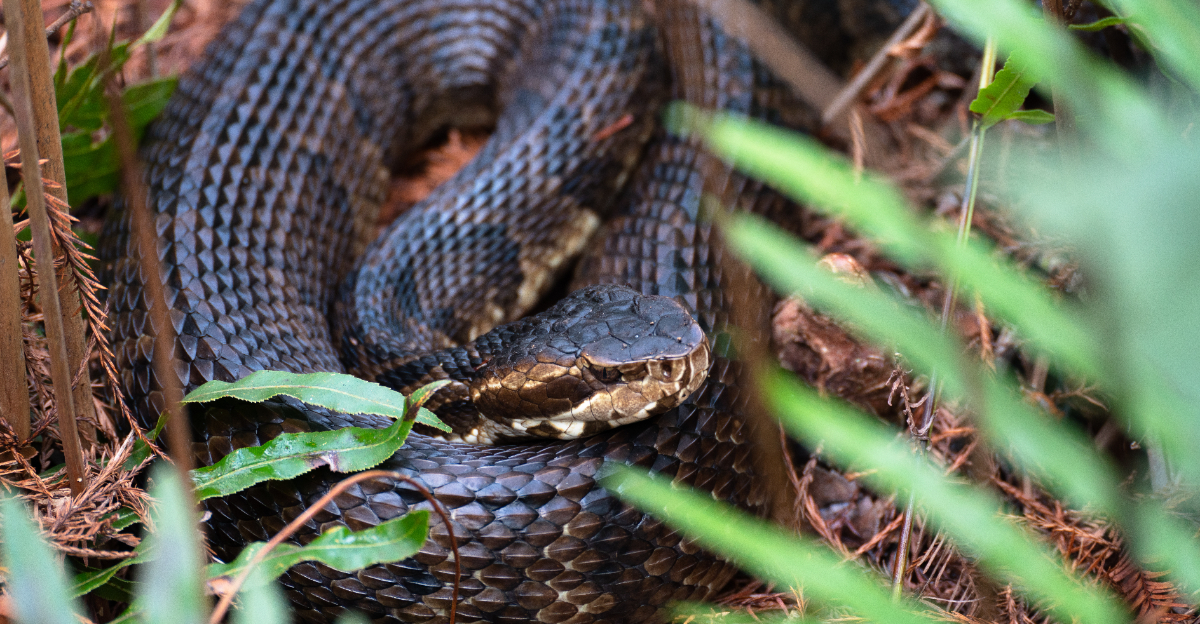
Snakes in a Florida yard are not random. They follow prey, they follow shelter, and they follow the specific plant conditions that make a yard worth moving through or settling into.
Most Florida homeowners never connect the plants growing in the yard to the snake activity happening around it. That connection is real and specific.
Certain plants attract the rodents and frogs that snakes hunt. Others create the dense, low, undisturbed cover that snakes use for shelter and thermoregulation.
A yard with both is a yard that snakes find genuinely useful, and a yard they return to rather than passing through. This is not a reason to pull every plant in the yard.
Most Florida snakes are harmless and ecologically valuable. It is a reason to understand what the landscape is quietly offering to them and make informed decisions about what grows where, and how close to the house it does so.
1. Asiatic Jasmine Builds A Hidden Highway At Ground Level
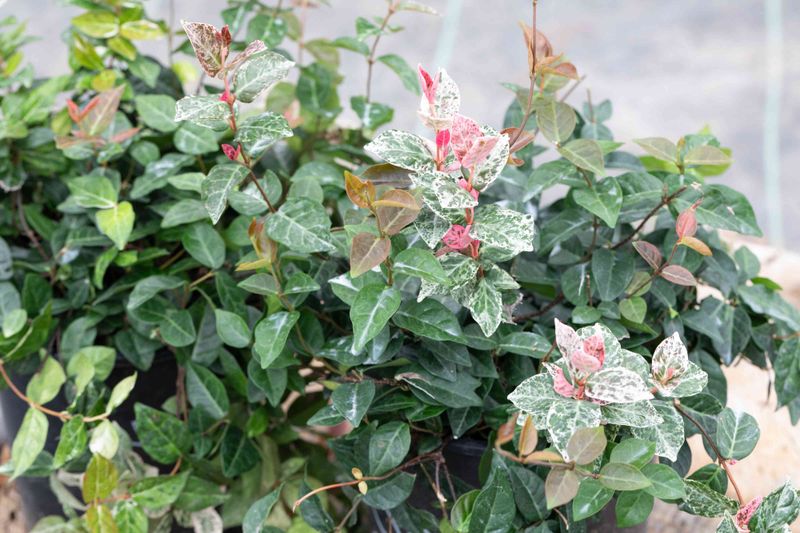
A mature bed of Asiatic jasmine can look tidy from above, but what happens underneath is a different story. The stems weave together so tightly that the ground beneath becomes nearly invisible.
Leaf litter collects in those spaces, creating cool, shaded zones that stay moist even during dry spells.
Small lizards, frogs, and insects are drawn to exactly that kind of sheltered microhabitat. Rodents sometimes use dense ground cover as a travel corridor too.
A snake that feeds on any of those animals may simply follow the food into the same area, with the thick canopy providing useful concealment along the way.
Asiatic jasmine is not releasing any signal that calls wildlife in. The habitat it creates is doing the work instead.
This distinction matters because ripping out every inch of ground cover is rarely the right answer, especially in a yard where you want some wildlife activity.
The most practical adjustment is edging your jasmine beds regularly. Keep a clear gap of at least a foot between the planting and any foundation, door threshold, or walkway edge.
Thinning older beds every couple of years also reduces the depth of concealment at ground level. A well-maintained jasmine planting can still look full and lush while offering far less hidden runway than one left completely unchecked for several seasons.
2. Liriope Packs Cool Cover Into Innocent-Looking Borders
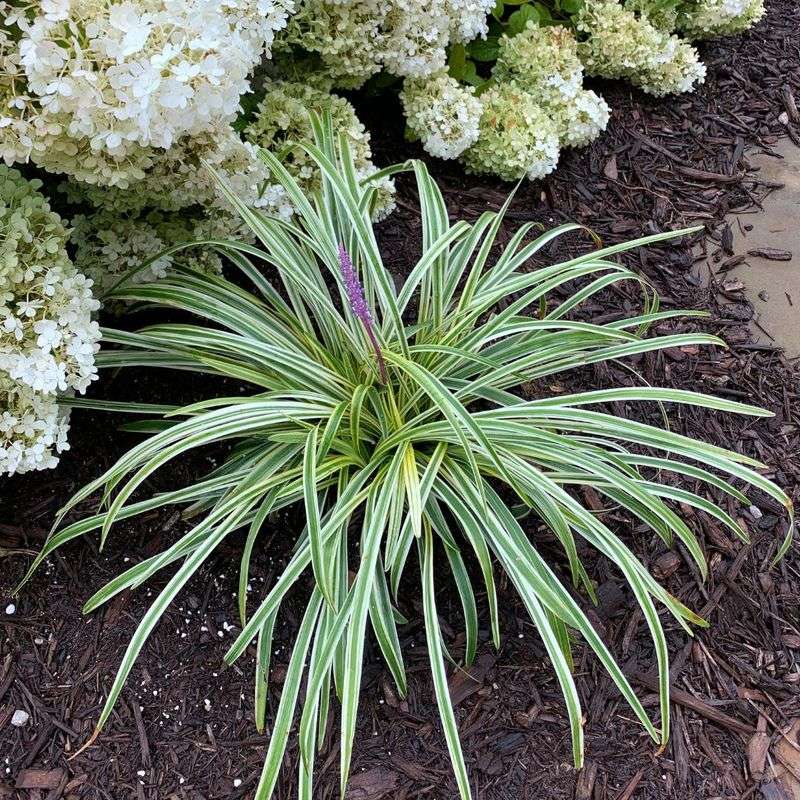
Few plants look as well-behaved as a liriope border. Neat, dark green, and low to the ground, it gives walkways and beds a clean, finished edge.
The trouble comes when those clumps are allowed to grow very dense without any thinning or division over the years.
Tightly packed liriope creates shaded pockets at ground level that stay noticeably cooler and damper than the surrounding soil. Insects move in.
Small frogs find the gaps between clumps useful for resting during the day. Where small prey animals gather, the animals that feed on them are never far behind.
Liriope itself is not uniquely attractive to any snake species. The plant is not signaling anything.
Your Florida Garden Changes Every Week. Your Plan Should Too.
Gardening in Florida changes quickly throughout the season. Every Friday you’ll receive a simple weekly plan showing exactly what to plant, prune, fertilize, harvest, and protect so you never miss the right timing.
What changes is the microclimate and the small-creature activity that a very dense, mature planting can quietly support over time.
Keeping liriope borders manageable is straightforward. Divide clumps every few years so air and light can reach the soil.
Maintain a visible gap between the border and your home’s foundation or entry steps. A narrow strip of mulch or bare soil between the planting and the structure gives you a clear sightline and removes a section of concealed ground-level travel corridor.
You do not have to sacrifice a tidy border to make this adjustment. A well-divided liriope planting still looks polished and performs its landscaping role with no problem at all.
3. Sabal Palm Boots Create Shelter Most Homeowners Never Check
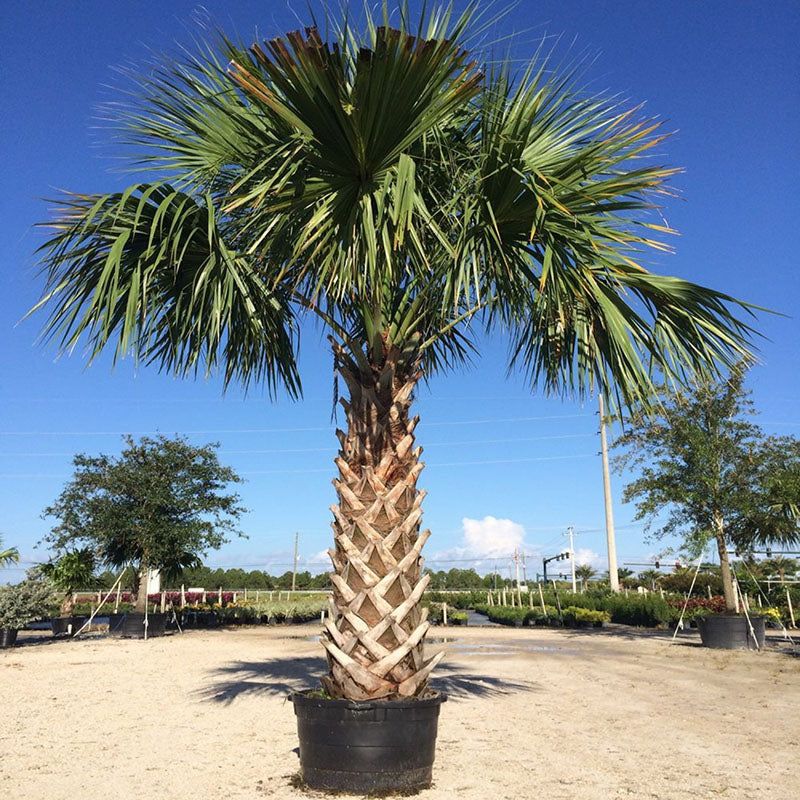
Palm boots are the old leaf bases that remain attached to a sabal palm trunk after fronds are shed or removed. On an unmaintained tree, they stack up in overlapping layers that create dozens of small sheltered spaces along the trunk.
Most homeowners walk past them every day without giving them a second look.
Wildlife researchers have documented various small animals using palm boots as resting sites, including lizards, tree frogs, and occasionally small snakes.
The spaces are dry, shaded, and largely undisturbed, which makes them genuinely useful to animals that need a quiet spot to rest or shelter during temperature swings.
The sabal palm is Florida’s state tree and a cornerstone of native habitat. Recommending its removal over a wildlife concern would be an overreaction.
The tree provides food, cover, and nesting sites for dozens of species. Its ecological value far outweighs the inconvenience of occasionally sharing it with passing wildlife.
If boots on a palm near an entryway concern you, a certified arborist can clean the trunk by removing old boots properly. This should never involve removing healthy green fronds or performing a hurricane cut, both of which stress the tree and reduce its value.
A cleaned trunk still supports the palm’s health while eliminating some of the layered shelter that small animals might otherwise use. Routine, careful maintenance is all that is needed here.
4. Needle Palm Turns A Dense Clump Into A Protected Hideaway
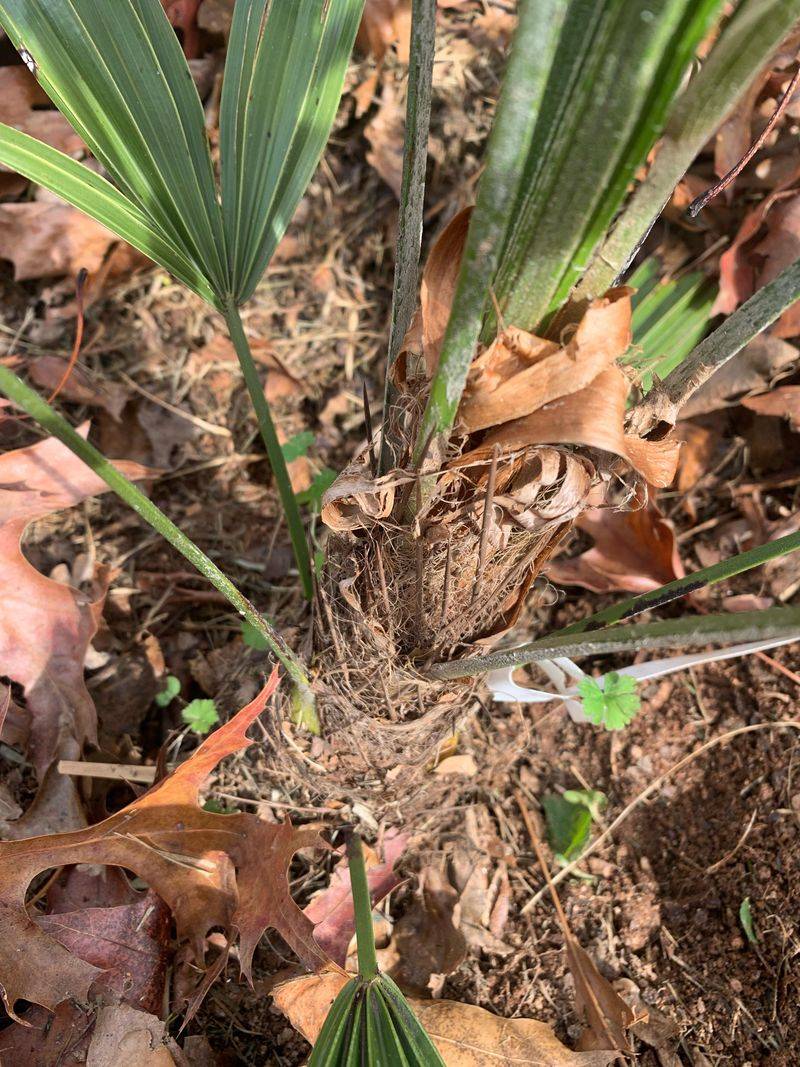
Compact, cold-hardy, and deeply native to the Southeast, the needle palm earns admiration from gardeners who want tough, low-maintenance landscaping.
What it also earns, without any help from the homeowner, is an interior that becomes genuinely difficult to see into as the clump matures.
The multi-stemmed growth form means a mature needle palm has no clear trunk and no open sightlines through its base. Stems, old frond bases, and dense foliage form a tightly packed interior space that stays shaded and relatively cool.
Small animals that prefer concealed, undisturbed spaces may find that interior quite useful during the heat of a Florida afternoon.
Needle palms also carry long, sharp black needles at the base of each frond stem. Those needles are a real maintenance concern on their own, entirely apart from any wildlife consideration.
Reaching blindly into a mature clump to investigate is not a good idea for several reasons, and this plant makes that point very clearly.
Placement is the most practical management tool with needle palm. Give it room to spread away from narrow paths, doorways, or tight corners between structures.
This maintains comfortable clearance without fighting the plant’s natural growth habit. You do not need to remove it.
Position it thoughtfully in the landscape and avoid crowding it against a wall or gate. This keeps the planting beautiful and manageable over the long term.
5. Bromeliads Bring Frogs And Moisture Into Easy Reach
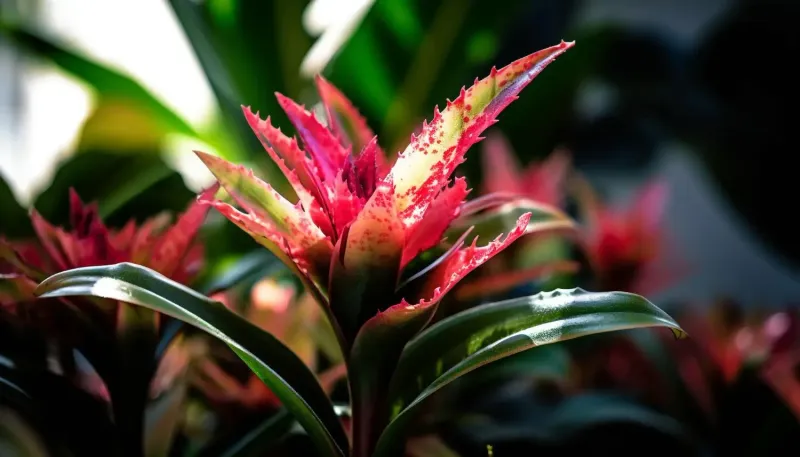
Tank-forming bromeliads are some of the most visually striking plants in any tropical-style yard. Their rosette shape naturally catches and holds rainwater in a central cup, creating a small, self-contained pool of moisture that can last for days after a storm.
That standing water draws in a surprising variety of small creatures.
Tree frogs are particularly fond of bromeliad tanks. Insects use them too, and organic debris that falls into the cup adds to the richness of that little microhabitat.
A yard with a healthy frog population is a yard that may occasionally interest a snake that feeds on frogs, simply because the food source is present and accessible.
Not every bromeliad holds significant water. Atmospheric types like Spanish moss do not form tanks at all.
Larger, ground-level tank varieties can support considerable small-creature activity. This is especially true when they are grown in clusters or dense groupings.
Routine inspection is the most sensible response here. Check bromeliads near doorways or heavily used areas every week or two, especially after rain.
Emptying tanks occasionally during dry periods reduces standing water without harming the plant. Placing large tank bromeliads a comfortable distance from entry doors and windows gives wildlife a habitat zone that does not overlap with your main living spaces.
You do not need to pull them out, just position and monitor them with a little awareness.
6. Fruiting Palms Feed Rodents That Snakes May Follow
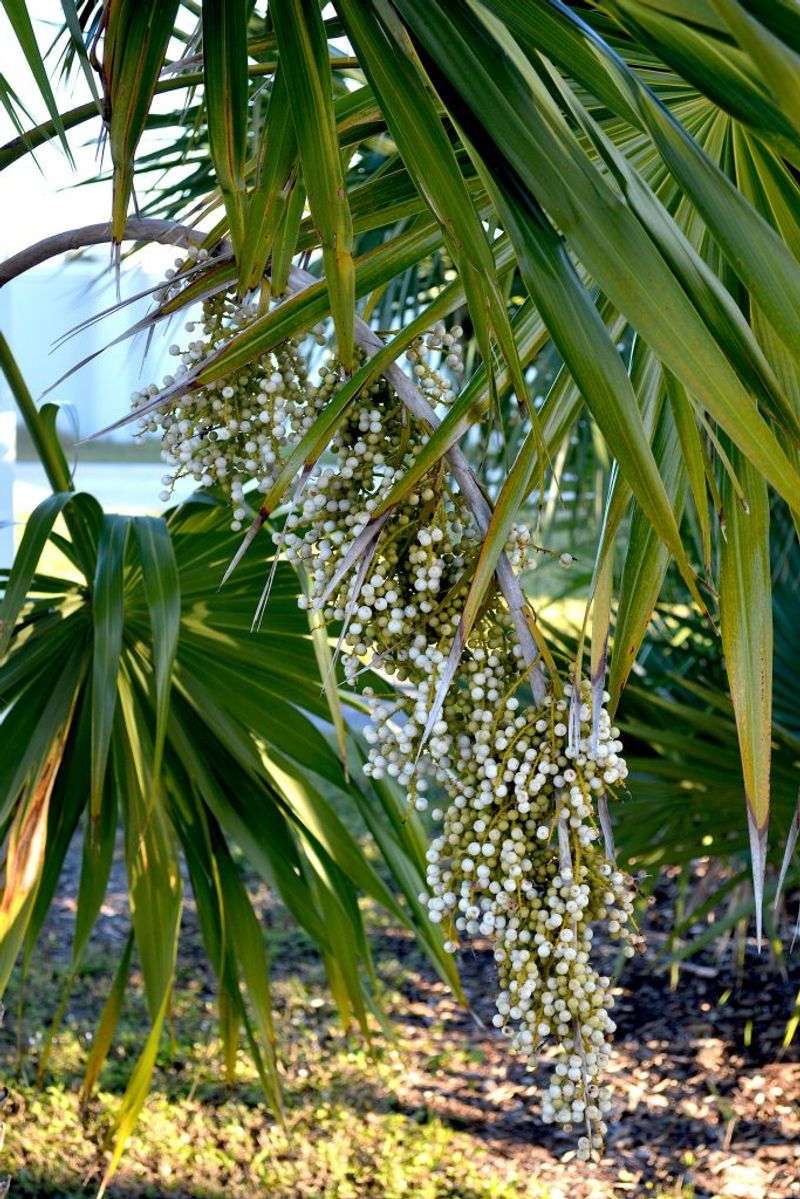
Several popular landscape palms produce substantial amounts of fruit each year, and that fruit does not disappear on its own. Clusters of small, dark berries fall to the ground, collect in mulch beds, and sit there fermenting for days or weeks if no one cleans them up.
That kind of reliable, accessible food source is genuinely attractive to rodents.
Rats and mice are opportunistic feeders. A palm that reliably drops fruit in the same corner of the yard essentially creates a consistent feeding station.
Rodents that visit regularly can become a food source for snakes that feed on small mammals. This may draw those snakes closer to the building where the food is concentrated.
The connection here is indirect. No snake is eating palm fruit.
The chain runs from fruit to rodent to snake. How strong that connection becomes depends on how quickly fallen fruit is removed and how much rodent activity is actually present.
One snake sighting does not confirm a rodent problem, but persistent sightings near the same palm are worth investigating.
Removing fallen fruit promptly is the most direct management step available. A rake and a compost bin handle the job quickly.
If a palm consistently drops more fruit than you can manage, contacting a certified arborist about removing fruit stalks before they ripen is a reasonable option. Avoid cutting healthy green fronds, which does not address the fruit issue and harms the tree’s overall health.
7. Citrus Drops Can Keep Prey Returning To The Same Corner
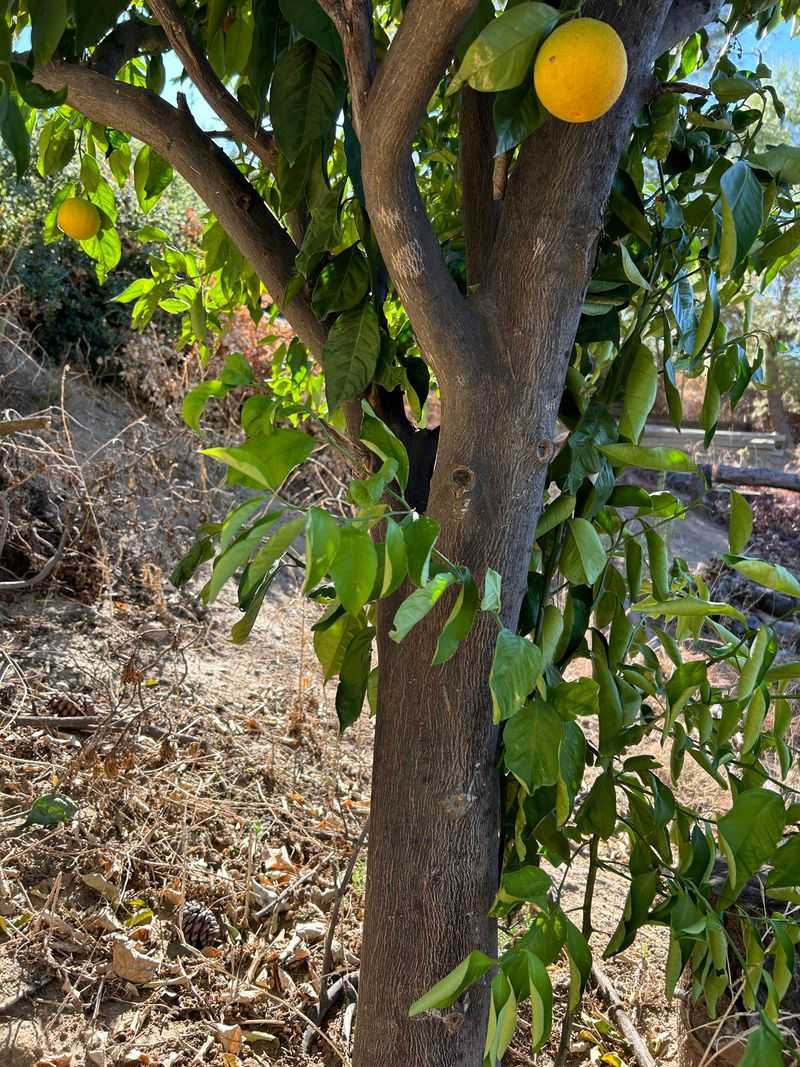
A productive citrus tree is one of the great joys of a Florida backyard. Fresh oranges, grapefruits, or limes within arm’s reach feel like a genuine luxury.
The less enjoyable part comes when fruit drops faster than it can be harvested, and the ground beneath the tree becomes a soft, fragrant mess of overripe citrus.
Rotting fruit draws insects in large numbers. Insects draw lizards and frogs.
Rodents, which are very fond of citrus, may also visit regularly if fallen fruit sits on the ground for extended periods. A corner of the yard with reliable food and some ground-level cover is the kind of place that a snake passing through might find worth revisiting.
The citrus tree itself is not the problem, and removing a productive tree over a single snake sighting would be an unnecessary loss. The management opportunity is in the fruit that falls and sits.
Pick up dropped citrus every few days during peak fruiting season. This breaks the food chain at its earliest point and removes a primary reason prey animals would gather there.
Keeping the area beneath citrus trees relatively clear of dense ground cover also helps. A thick carpet of liriope or jasmine directly under a fruiting tree combines two of the conditions discussed in this article at once.
Spacing fruit trees away from structures when practical, and maintaining clear sightlines beneath the canopy, are both sensible long-term adjustments worth considering.
8. Overgrown Hedges Let Snakes Move Close To The House Unseen
A hedge that has grown to touch the house wall is no longer just a landscape feature. At that point, it becomes a dense, shaded corridor connecting the open yard to the building itself.
It also leaves very little visibility at ground level for anyone standing outside. Insects, lizards, and small rodents all find that kind of continuous cover useful for moving around without being exposed.
Heavy shrubs touching walls, window sills, or roof edges also create climbing access that would not otherwise exist. They trap moisture against siding and foundations, which supports insect and fungal activity.
A hedge that has not been pruned back from the structure in several years quietly changes the conditions along an entire side of the house.
Pruning for a clear gap between the hedge and the structure is the most impactful adjustment you can make. Aim for at least a foot of open space between the outermost branches and the wall.
Thinning the interior of the hedge improves airflow, reduces moisture retention, and opens sightlines so you can actually see what is moving along the foundation.
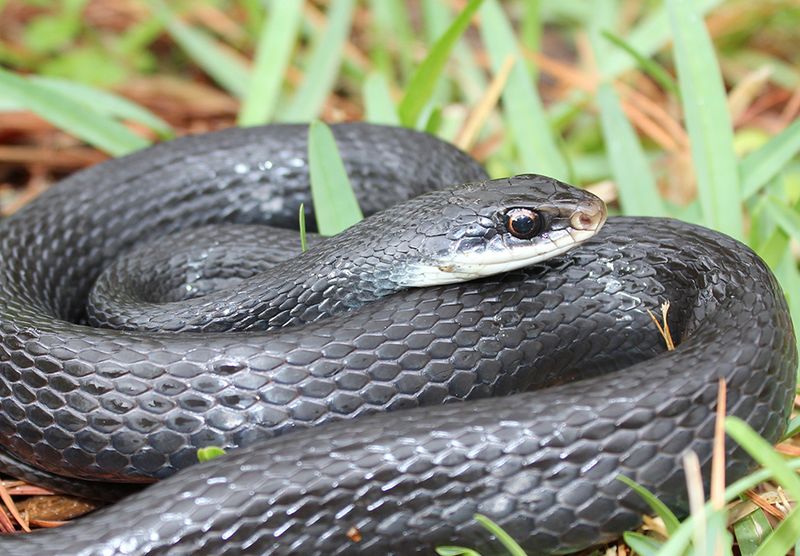
If you spot an unidentified snake near a hedge or doorway, the right response is to step back calmly and give it space to move away on its own.
Most snakes encountered in residential yards are non-venomous and far more interested in leaving than in staying near you.
Good pruning habits, combined with a calm response to wildlife, are the most practical coexistence tools any homeowner has available.