Why Florida No-See-Ums Can Be Worse In One Backyard Than The House Next Door
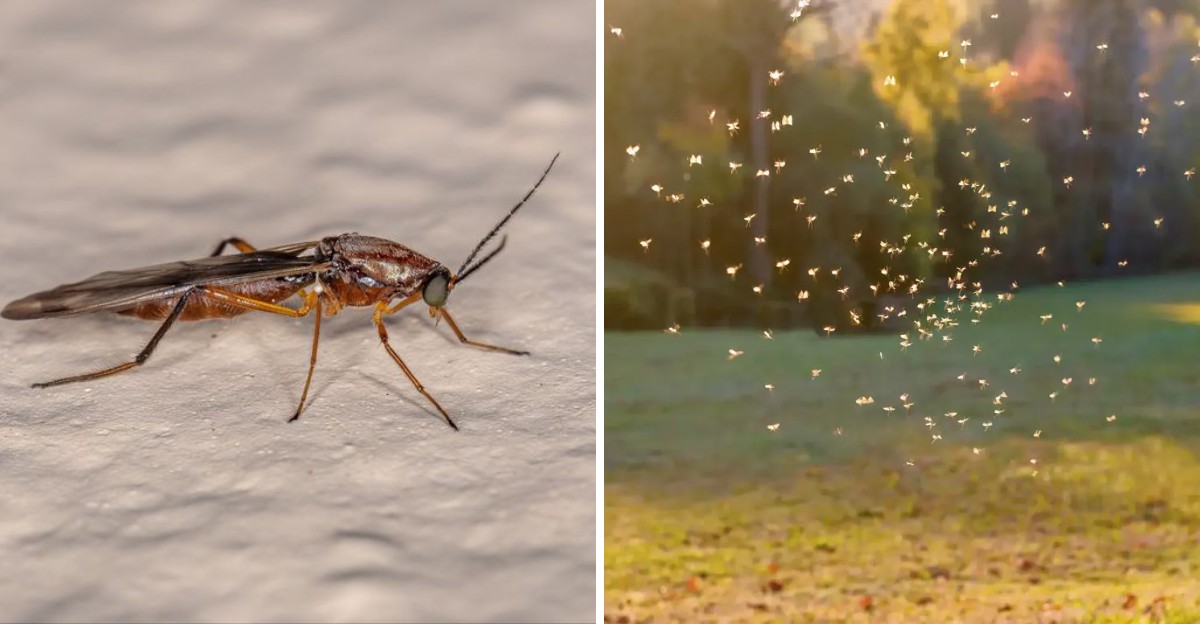
Same street, same weather, same mosquito spray, and somehow your Florida backyard turns into a feeding frenzy while your neighbor sits out there untouched.
No-see-ums don’t spread evenly across a block. Something specific about your property pulls them in while the yard two doors down barely registers a bite, and it has nothing to do with luck or how often you spray.
Wind, shade, and what’s actually breeding nearby all factor in, stacking the odds against one yard over another in ways most homeowners never think to check.
Walk your property with fresh eyes before blaming the weather. Whatever’s turning your yard into the target usually traces back to something fixable, not something random.
1. Living Near Mangroves Or Salt Marsh Raises The Odds
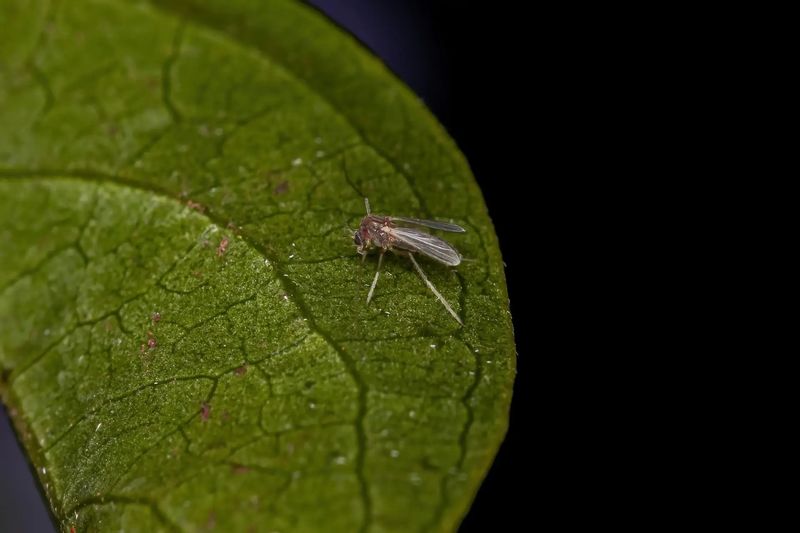
Waterfront living in Florida comes with sunsets, pelicans, and a few uninvited dinner guests. If your home sits close to mangroves or a salt marsh, you live right beside a giant nursery for tiny biting midges.
Those coastal wetlands are packed with soft mud, rotting leaves, and salty water that rises and falls with the tides. Many no-see-um species lay their eggs in exactly that kind of rich, mucky goo.
Homes along the Intracoastal Waterway, near canals, or beside nature preserves often feel more bites than homes a few streets inland. Even a short distance can matter, since these bugs are weak fliers and tend to hang around the spot where they hatched.
Storms can shake things up too. After major hurricanes, places like Sanibel and Marco Island saw big jumps in activity when fresh water turned brackish and created brand new breeding ground.
So what can you do if you love your marsh view? Start by noticing which side of your yard faces the water, because that edge usually takes the most pressure.
Set your seating area on the far side of the house when possible, and plan outdoor time for breezy hours. A little planning lets you keep that gorgeous view without paying for it with a fresh crop of itchy red welts.
2. Each Species Sticks To One Or Two Breeding Spots
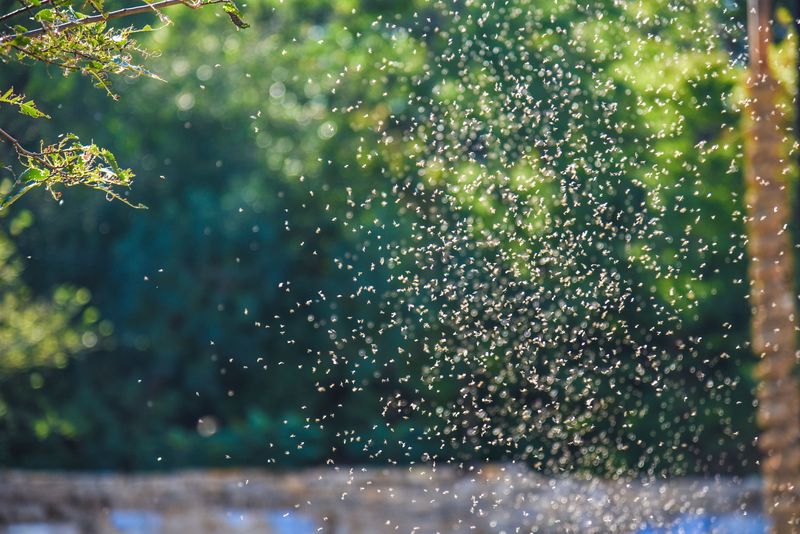
Think of biting midges as picky house hunters. There are many different species, and most of them will only raise their young in one or two kinds of places.
Some prefer salty tidal mud, while others want the soggy rim of a freshwater pond. A few look for tiny pools trapped inside trees, and they ignore everything else.
Here is why that matters to you. A species that grows up in tree holes usually will not thrive in a marsh, and a marsh species will not settle into your neighbor’s oak tree.
That fussy behavior explains how two yards on the same street can feel so different. Your lot might hold the exact damp nook one species craves, while the house next door simply lacks it.
Fun fact: scientists have identified dozens of biting midge species in the state alone. Each one has its own favorite recipe of moisture, salt, and decaying plant matter.
Your Florida Garden Changes Every Week. Your Plan Should Too.
Gardening in Florida changes quickly throughout the season. Every Friday you’ll receive a simple weekly plan showing exactly what to plant, prune, fertilize, harvest, and protect so you never miss the right timing.
For homeowners, the smart move is playing detective. Walk your property after a rain and look for low spots, mucky corners, hollow trunks, and anything that stays wet for days.
Once you know which type of habitat you have, you can target that one spot. Fixing a single problem area often brings far more relief than spraying the whole yard and hoping for the best.
3. A Wet Tree Hole Can Breed Its Own Midges
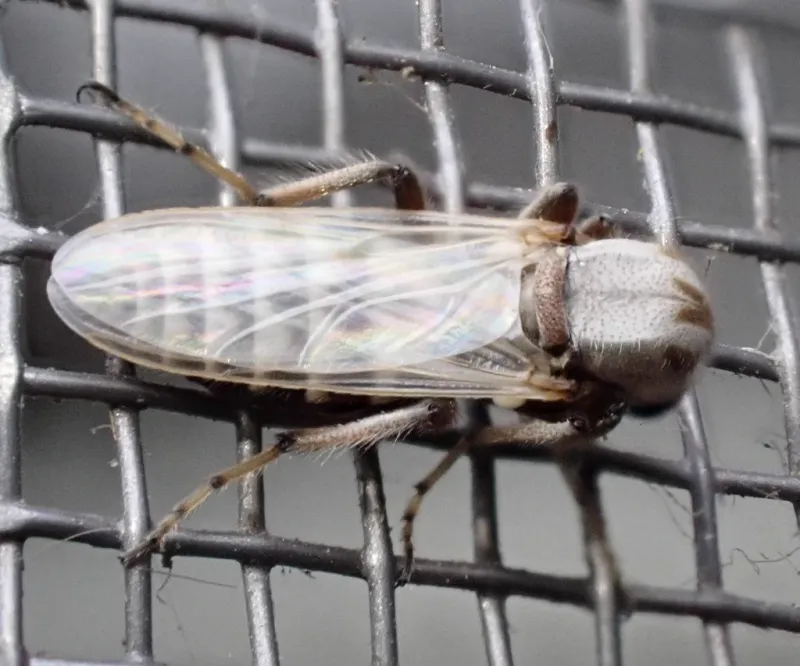
That beautiful old oak shading your patio might be hiding a secret. Tucked into its trunk, a small hollow filled with rainwater can act like a private swimming pool for baby midges.
Certain no-see-um species lay their eggs only in these water-filled tree holes. The mix of trapped rain, fallen leaves, and shade gives the larvae everything they need to grow.
Location plays a big role here. Tree holes are far more common in the hardwood forests of the Florida Panhandle and north-central Florida, where oaks, maples, and gums grow thick.
Down in South region, those types of forests are less common. As a result, tree-hole species tend to show up in smaller numbers there.
Picture two neighbors in Tallahassee. One has a towering oak with a soggy cavity near the base, and the other has a young palm, so guess which family is swatting at their ankles every evening.
Checking your trees is easy and kind of fun. Look for cracks, forks, and hollows where water pools after a storm, and peek inside with a flashlight.
An arborist can safely fill or drain larger cavities without harming the tree. For small holes, packing them with sand or a tree-safe filler can stop water from collecting and shut down that little nursery.
4. Soggy Pond And Puddle Edges Breed Them Too
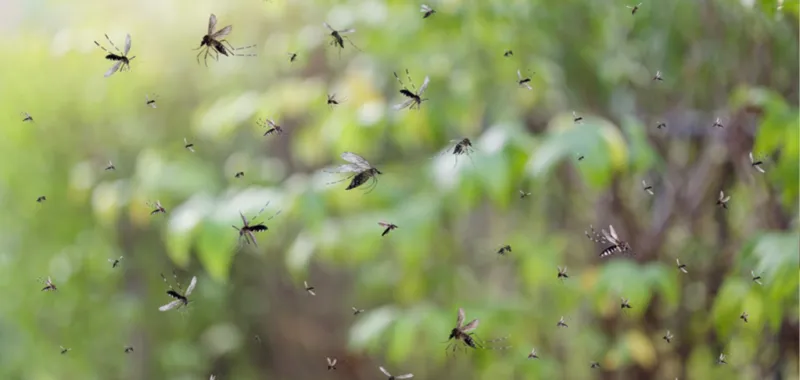
You do not need an ocean view to have a no-see-um problem. Plenty of inland yards get their share of bites thanks to ordinary ponds, lakes, and even a stubborn puddle by the driveway.
The open water is not the real issue. What these midges love is the muddy margin, that squishy strip where wet soil meets soggy leaves and grass clippings.
Larvae wriggle through that damp organic muck, feeding and growing until they are ready to fly. A single neglected pond edge can turn out a surprising number of new biters.
Retention ponds and drainage canals are common culprits in neighborhoods. If your backyard borders one, you may notice more activity than a neighbor whose lot sits a little higher and drier.
Poor drainage on your own property can add to the trouble. Low spots that hold water after afternoon storms, clogged gutters, and overwatered flower beds all create mini breeding zones.
Try this simple test after a heavy rain. Walk the yard a day or two later and mark any spot that still squishes underfoot or shines with standing water.
Those marks are your hot spots. Even small changes, like trimming pond-side weeds or raking out soggy leaves, can make the edges less welcoming to the next batch of tiny pests.
5. Drying Out Wet Spots May Help
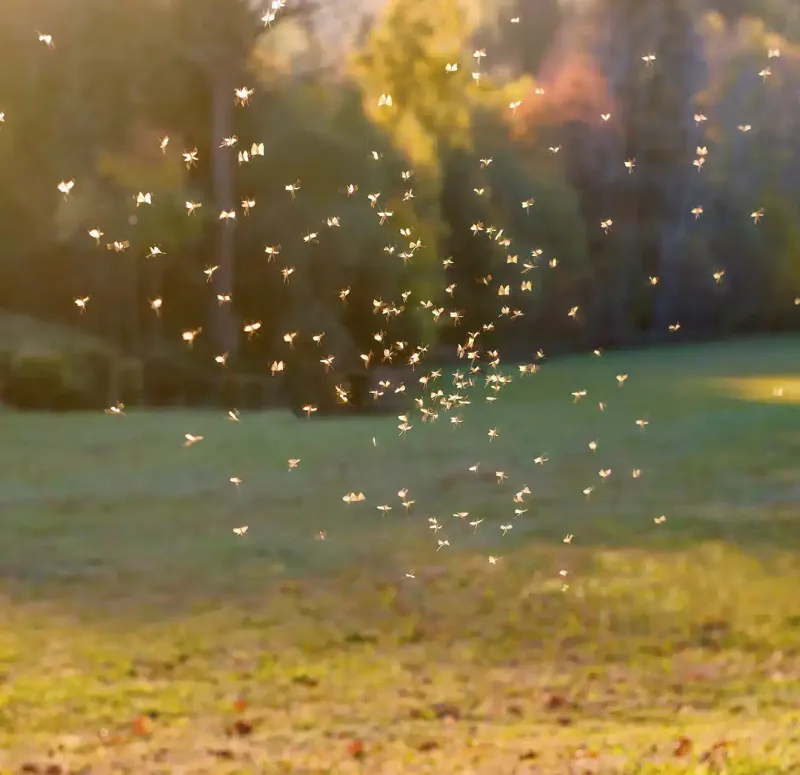
Good news, you have more power here than you might think. Taking away the wet, mucky spots where larvae grow is one of the best ways to cut down on bites.
Start with the obvious stuff. Dump water from buckets, plant saucers, old tires, and kiddie pools, and keep birdbaths fresh every few days.
Next, tackle drainage problems. A French drain, a regraded slope, or extended downspouts can move rainwater away from the house so it stops pooling near your patio.
Leaf litter is another sneaky helper for these pests. Rake up damp piles, thin out thick mulch beds, and keep grass clippings from collecting in shady, moist corners.
Watering habits matter too. Many Florida lawns get more sprinkler time than they need, so cutting back a few minutes can leave the soil less soggy between rains.
Aim to keep a dry zone around the edge of your home. That buffer limits the habitat right next to the spots where you sit, eat, and relax.
Results may not appear overnight, since some breeding sites sit beyond your property line. Still, every damp patch you dry up means fewer midges hatching steps from your back door, and that adds up over a season.
6. Still, Overcast Days Bring More Bites
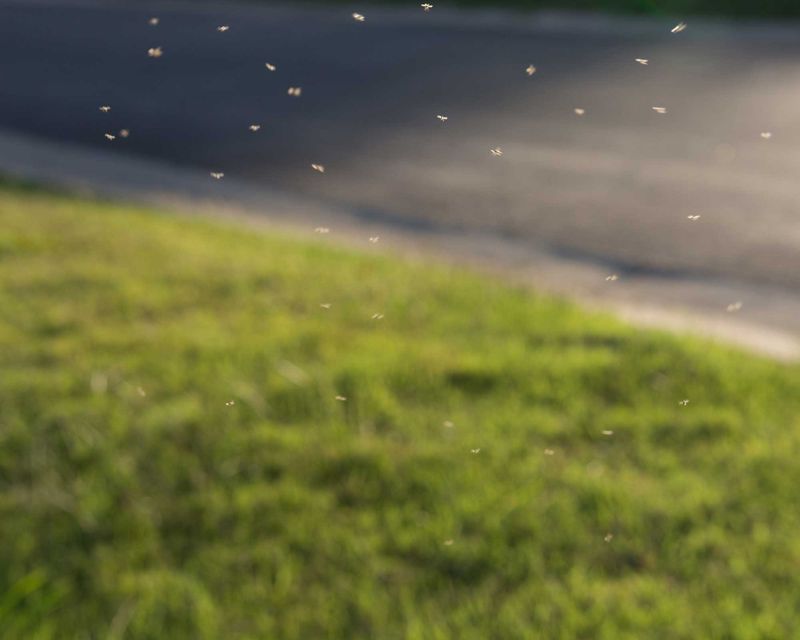
Gray skies might seem like perfect weather for yard work. Unfortunately, the tiny biters agree, and they show up ready to party.
No-see-ums are sensitive to strong sun and heat. Bright, hot afternoons can send them hiding in shady grass and damp leaves where they stay cool.
Clouds change the game. When the sun stays tucked away, these midges can stay active for hours longer than usual, turning a whole afternoon into prime biting time.
Humidity adds fuel to the fire. Florida’s sticky, muggy air keeps the bugs from drying out, so they feel comfortable flying around in the open.
Now add calm air to the mix. A still, cloudy, humid day is about as close to a no-see-um holiday as the state gets, and you may feel it within minutes of stepping outside.
Here is a handy habit to build. Check the forecast for cloud cover, humidity, and wind before planning outdoor chores or a backyard gathering.
On those muggy gray days, wear long sleeves in light fabric and use a repellent labeled for biting midges. Saving gardening for a sunny, breezy morning can spare your skin a lot of grief and keep your mood bright even when the sky is not.
7. Dawn And Dusk Bring The Heaviest Biting
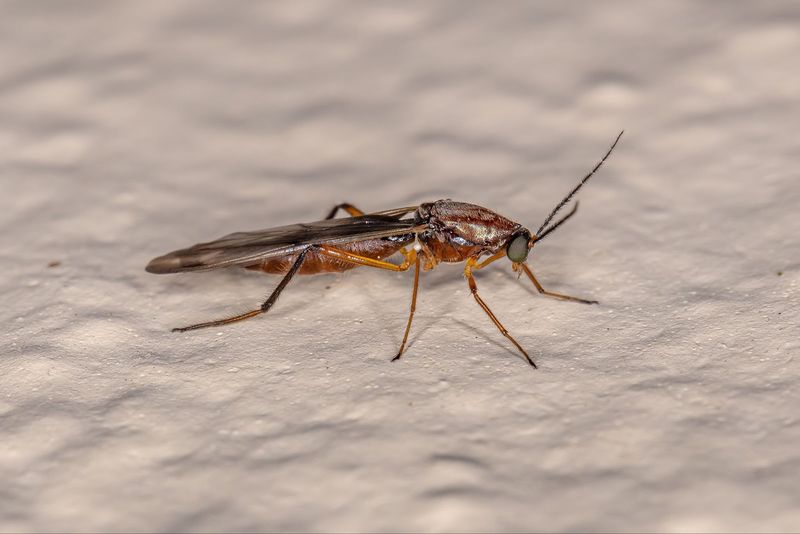
Sunrise coffee on the porch sounds lovely, right? So does a sunset glass of lemonade, but those are the exact hours when no-see-ums hit hardest.
Early morning and early evening bring cooler, calmer air. For a bug that flies about as well as a paper airplane in a breeze, those quiet hours are a dream.
Swarms rise from the grass and shrubs and go looking for a meal. Exposed ankles, necks, and arms become easy targets within moments.
Rain can make things even worse. A calm evening right after an afternoon shower often ranks as the itchiest time of all, since moisture and stillness team up.
Fun fact: only the females bite, because they need a blood meal to produce eggs. The males are content sipping plant nectar and leaving you alone.
You do not have to give up those golden hours entirely. Shift your outdoor time to midmorning or later at night when activity tends to drop off.
If you love sunsets too much to skip them, plan ahead. Wear loose long pants and sleeves, apply a midge-rated repellent, and pick a seat in the windiest corner of your yard so the bugs struggle to reach you.
8. A High-Velocity Fan Can Protect Your Porch
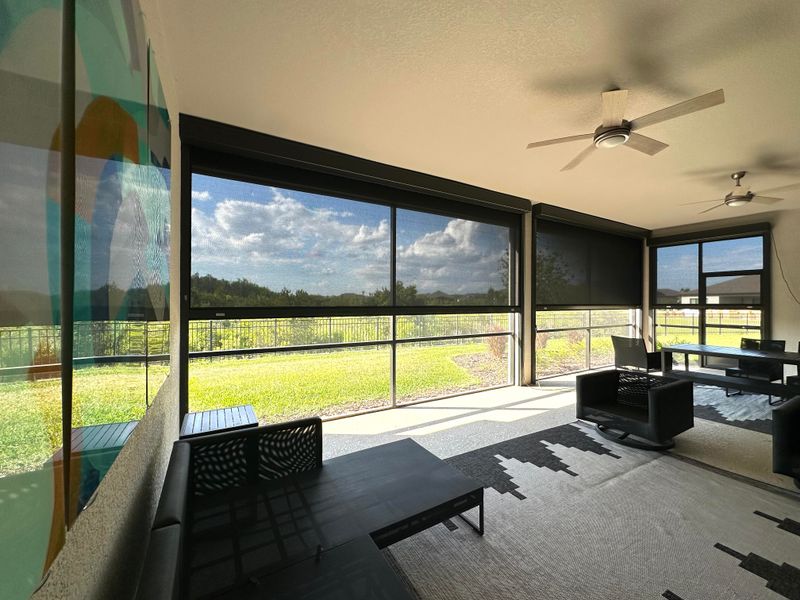
Here is a trick that feels almost too simple to work. Point a strong fan at your seating area, and watch the no-see-ums lose the battle.
These midges are incredibly weak fliers. Even a light breeze of a few miles per hour can push them off course and keep them from landing on your skin.
A high-velocity outdoor fan creates a steady wall of moving air. Bugs trying to cross that invisible barrier simply get blown away before they reach you.
Placement makes a big difference. Aim the fan so air flows across the spot where people sit, especially around legs and feet, since many bites land low.
Ceiling fans help on covered porches, but a floor or pedestal fan often moves more air right where you need it. Some families use two fans facing opposite corners for full coverage.
Choose a model rated for outdoor or damp locations. Florida humidity can be rough on indoor fans, and safety comes first around moisture.
One neighbor with a breezy porch and another with still air can have totally different evenings. Add a fan, and you might become the household everyone wants to visit after dinner, with nothing more than a cool breeze and a little extra electricity.
9. Standard Window Screens Won’t Keep Them Out
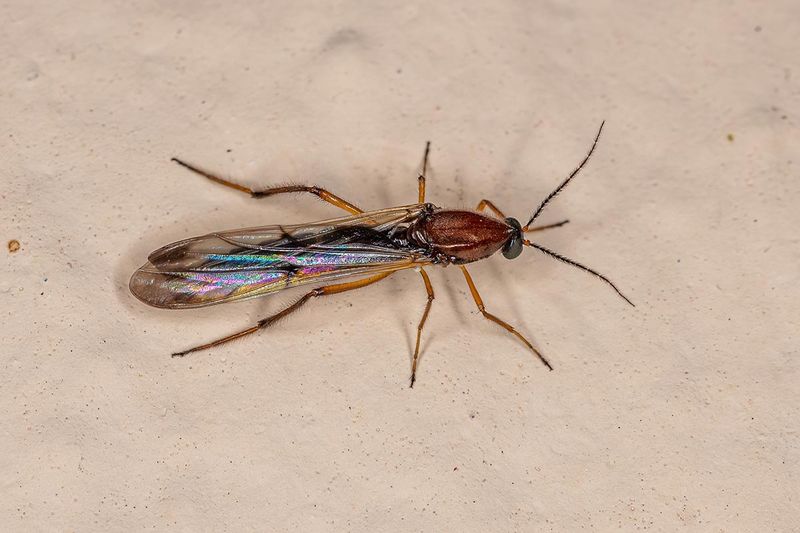
Ever wonder how bites show up indoors when every window has a screen? The answer is sneaky but simple, because these bugs are smaller than the holes.
Most no-see-ums measure less than one-eighth of an inch long. Typical window and door screens use mesh sizes like 18×14 or 16×16, which leave plenty of room for them to wiggle through.
So your neighbor with upgraded screens might be relaxing indoors while you scratch away on the couch. It is one more reason two houses side by side can feel so different.
The fix is a tighter weave. Look for products labeled no-see-um screen, which usually come in 20×20 mesh or even finer options like 30×30.
There is a small trade-off to consider. Finer mesh can reduce airflow slightly and look a bit darker, so test a sample before redoing every window.
Start with the openings you use most. Bedroom windows, the back door, and screened lanai panels are great first targets for an upgrade.
Many hardware stores sell fine mesh by the roll, and swapping a screen is a weekend-friendly project. Pair the new screens with a fan near open windows, and your home becomes a much cozier place to escape the itch.