Why Georgia Homeowners Should Check Firewood Before Bringing It Indoors This November
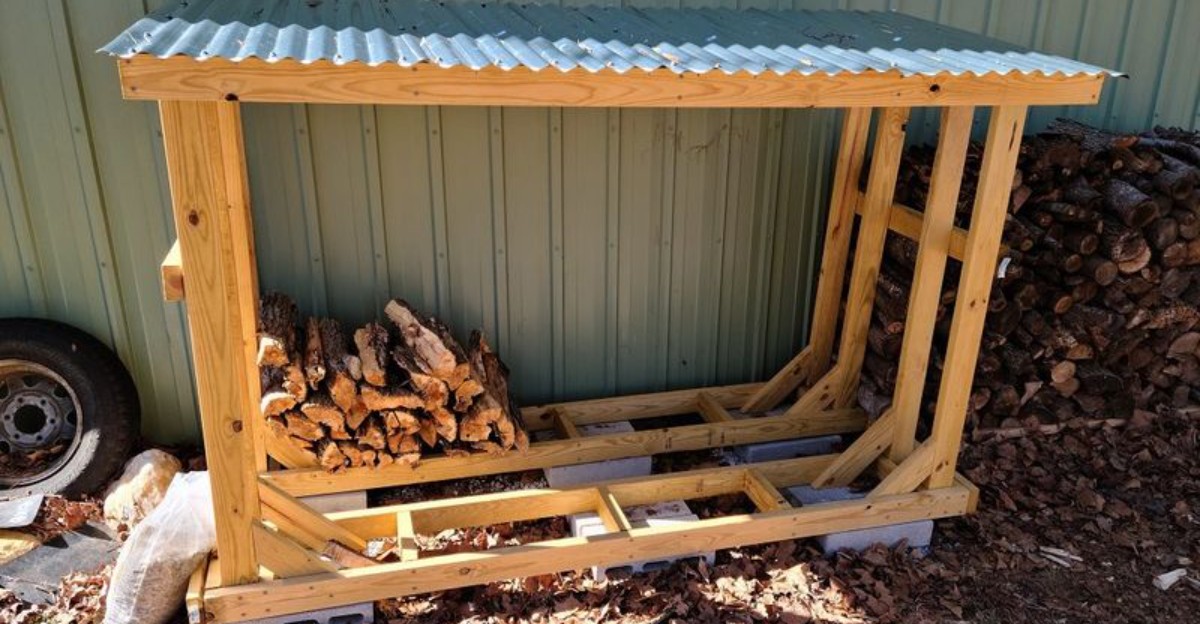
A stack of firewood beside your porch might look harmless, but bringing a few logs indoors can introduce more than you intended. Insects often shelter beneath loose bark or inside cracks, where they can remain unnoticed until the wood reaches a warmer room.
November is when many homeowners start reaching for their firewood more often.
As temperatures cool across Georgia, outdoor woodpiles can provide shelter for beetles, spiders, and other small creatures. Some may become active once the logs are brought inside, even though they weren’t causing any trouble outdoors.
You don’t need to panic over every insect hiding in a log.
However, where you store firewood and how you handle it before lighting a fire can make a difference.
A few practical precautions can help you enjoy your fireplace without turning your living room into an unexpected shelter for outdoor visitors.
1. Firewood Can Shelter More Than You Expect During Fall
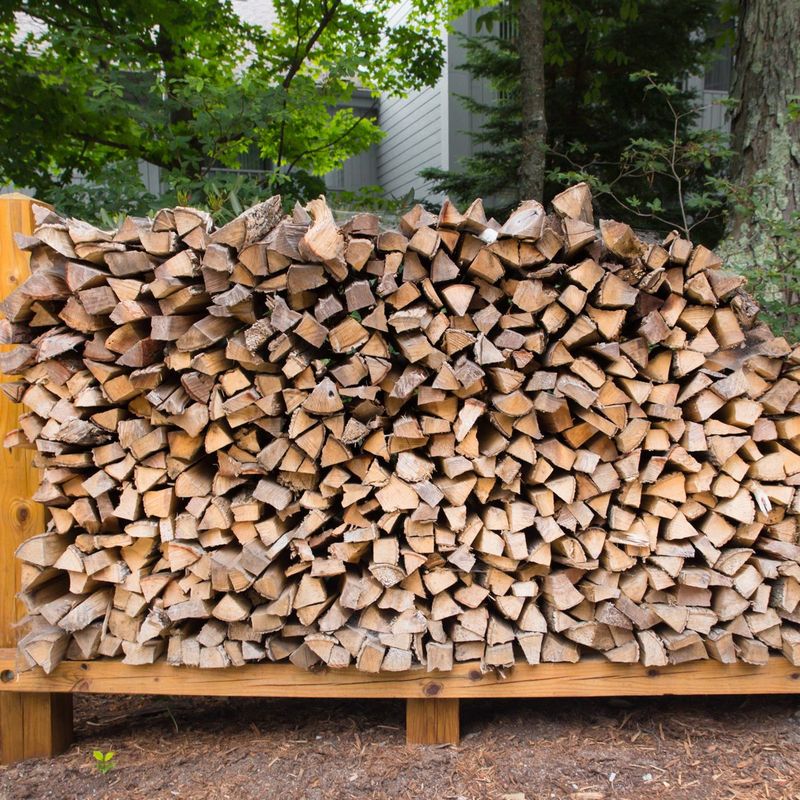
A woodpile is basically a small apartment building for wildlife. Gaps between logs stay shaded, sheltered from wind, and often a little damp, which suits lots of small animals.
As fall nights cool down in Georgia, some insects and spiders look for protected places to rest through the colder months.
Loose bark gives cover, cracks offer hiding spots, and the ground under a stack holds moisture. Put those together and your firewood becomes an inviting place to settle in.
Not every log will have guests, of course. Seasoned wood that was split, stacked off the ground, and kept covered tends to attract fewer pests than a soggy pile sitting in the dirt.
Still, it helps to expect a few hitchhikers now and then. Most of what you find will be common outdoor creatures, and very few cause real harm to a house.
Bringing them inside is where trouble can start, since a warm room can wake them up and send them wandering.
Think of your stack as something living rather than a pile of fuel. That simple mindset shift makes you more likely to glance at each piece before you carry it in.
Small habits like that keep surprises to a minimum and let you relax by the fire.
2. Spiders And Other Small Creatures Hide Between The Logs
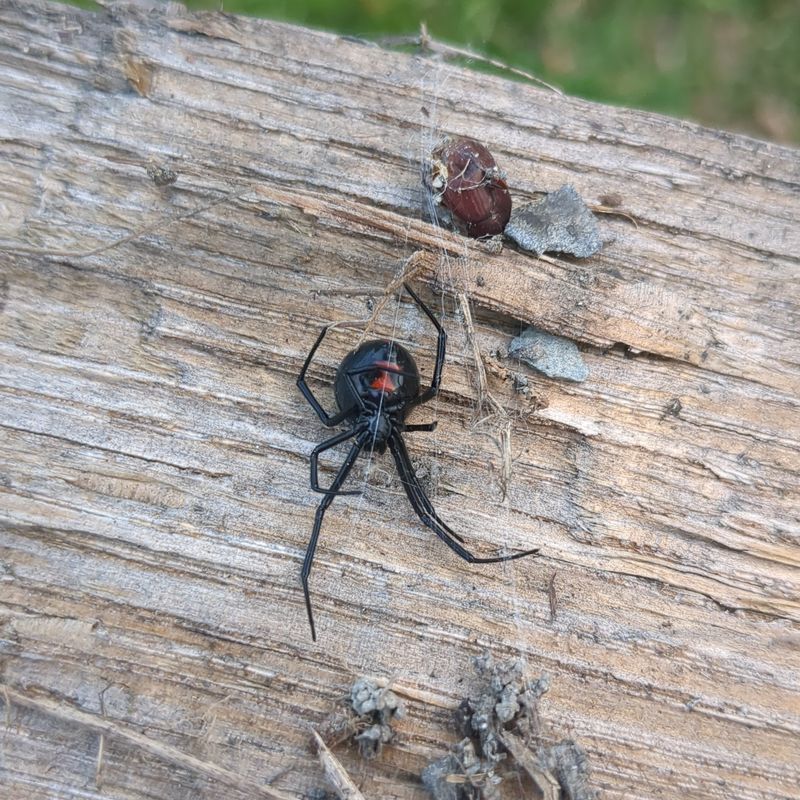
Grab a log without looking, and you might feel a tiny tickle on your wrist. Spiders love the narrow, dim gaps in a woodpile because insects they eat gather there too.
Most spiders you meet in firewood are harmless wolf spiders, house spiders, or similar common types.
Georgia does have black widows and brown recluses, though recluses are less common in much of the state than people assume. Black widows in particular like undisturbed outdoor clutter, and woodpiles fit that description well.
Wearing sturdy gloves is the easiest fix. Leather or thick work gloves protect your hands when you reach into a stack you have not touched in weeks.
Other small critters show up too, like pill bugs, centipedes, millipedes, and the occasional cricket or earwig.
These usually need moisture to survive, so they tend to dry out and fade away once indoors. Even so, few people enjoy finding a centipede racing across the hearth.
Lift logs slowly and take a quick look at the ends and underside before you stack them in a carrier.
Small kids should probably leave woodpile duty to adults or work with supervision. A calm, careful approach protects both you and the creatures, which do useful pest control work outside.
3. Beetles May Emerge Once The Wood Warms Up Indoors
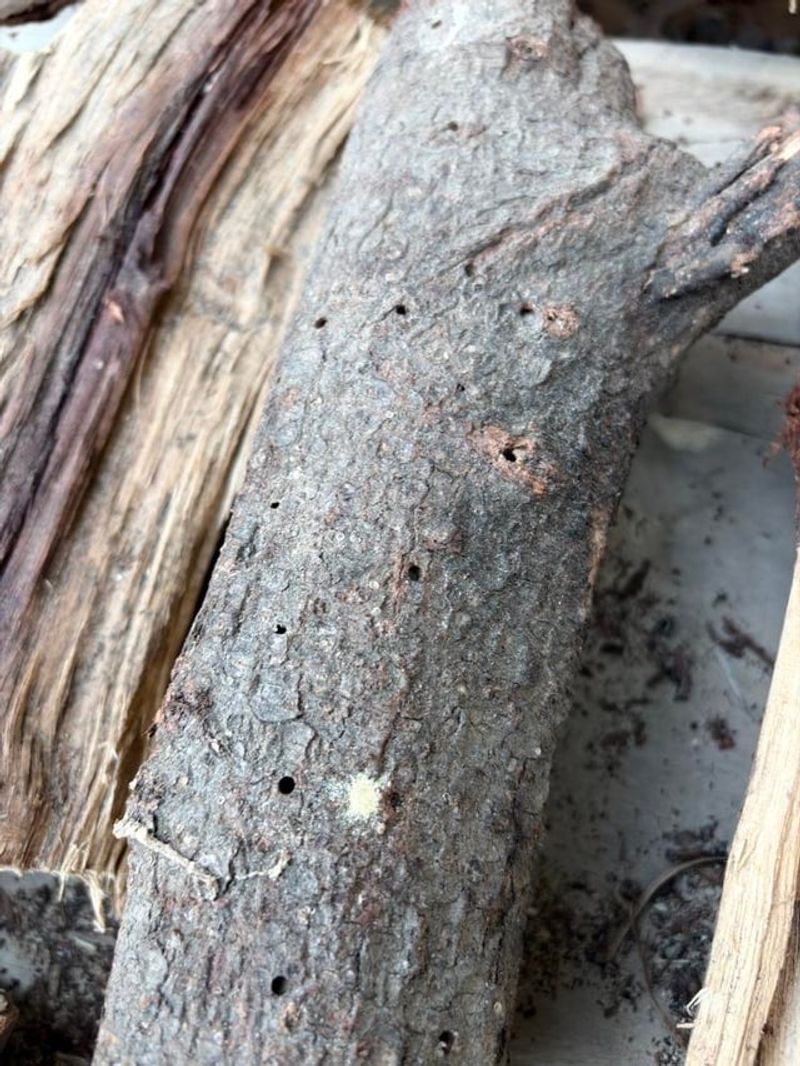
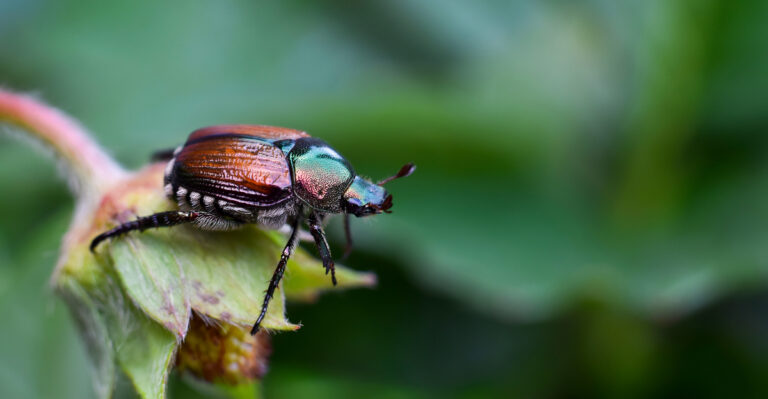
Logs can look perfectly quiet in the yard and then surprise you a few days later. Wood-boring beetle larvae sometimes live under the bark or inside the wood itself.
Indoor warmth may speed up their development, and adults can occasionally chew their way out near your fireplace.
Look for small round or oval holes in the bark, fine sawdust-like powder, or winding tunnels under loose bark. Those signs suggest beetles have been active, though the insects may already be gone.
Good news here is that most firewood beetles prefer freshly cut or stressed trees. They generally do not attack dry, finished lumber in your home, so a stray beetle is more of a nuisance than a threat.
Moving firewood long distances is a bigger concern than a few indoor beetles.
Pests like the emerald ash borer, which has been found in parts of Georgia, can spread to new areas through transported wood. Buying or gathering firewood close to where you burn it helps slow that spread.
Bring in only a small amount at a time, and burn it within a day or two.
Shorter indoor stays give hidden larvae less time to warm up and wander off.
4. Carpenter Ants Can Nest Inside Damp Or Decaying Firewood
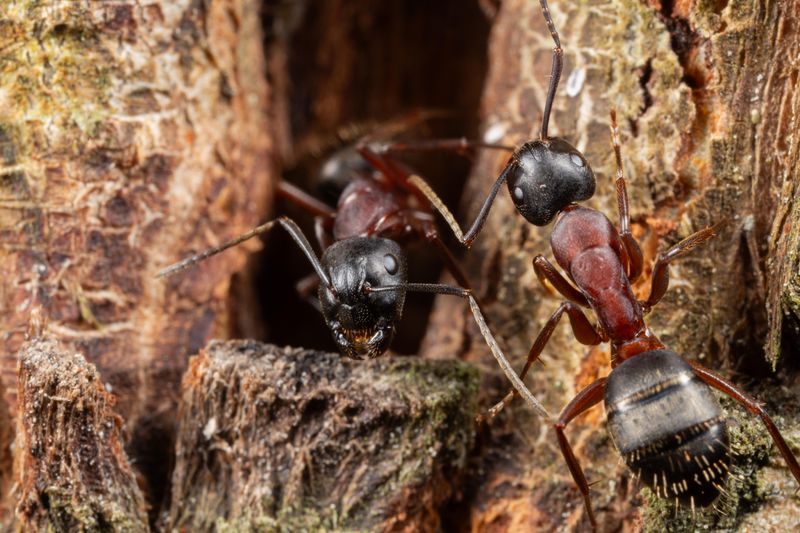
Big black ants marching across a log are worth a second look. Carpenter ants often build nests in wood that is soft, damp, or starting to rot.
Unlike termites, they do not eat wood. Instead they hollow it out to create smooth galleries and push out coarse, shredded debris that looks like sawdust.
A firewood stack sitting on wet ground can be prime real estate for a colony.
Georgia has several carpenter ant species, and they are especially active in warmer months. By November activity slows in much of the state, but colonies tucked inside wood can still be present.
Bringing an infested log indoors may release ants into your home, though a single log is unlikely to start a lasting colony on its own. Problems usually grow when ants find moist, damaged wood in a house, such as around leaky windows or roofs.
Watch for piles of fibrous shavings near your stack or ants appearing from cracks.
Logs that crumble easily or feel spongy are good candidates to leave outside. Burning those in an outdoor fire pit, where allowed, is one reasonable option.
Keeping wood dry and raised off the soil makes it far less appealing to carpenter ants in the first place.
5. Mud Tubes On Logs May Signal Termite Activity
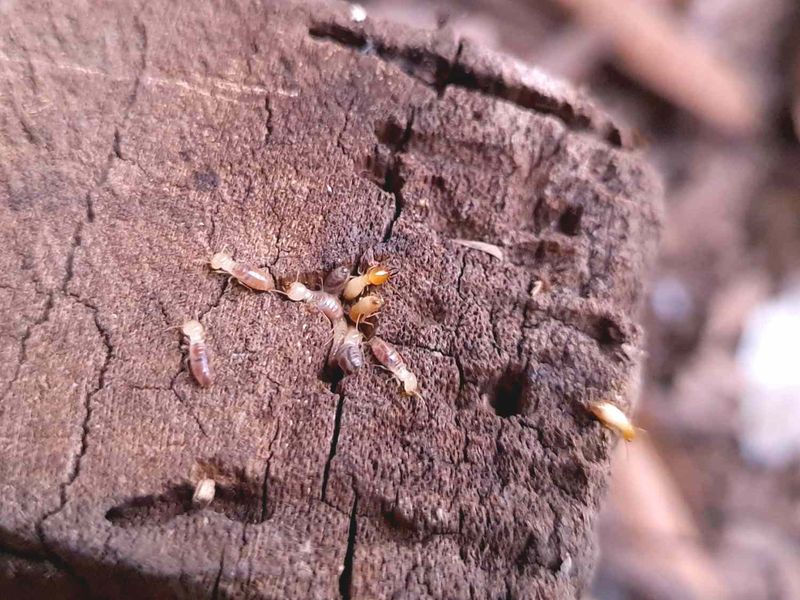
Thin brown lines of dried dirt on a log tell a story. Subterranean termites build these mud tubes to travel between soil and wood while staying protected from dry air.
Eastern subterranean termites are common across Georgia, and the warm, humid climate suits them well.
Firewood resting directly on the ground gives them an easy food source. Logs at the bottom of a pile are the most likely to show tubes, soft spots, or chewed layers inside.
Here is a helpful bit of reassurance. Termites carried indoors on firewood generally cannot set up a new colony, since they need contact with moist soil and a queen to survive long term.
Wood with termites is still a warning sign about your yard, not just the log.
A stack infested with termites near your foundation means the colony is close to your home. That closeness raises the chance they could find a way into wooden parts of the house.
Leave tube-covered logs outside and consider moving your woodpile farther from the walls.
If you spot mud tubes on your foundation, siding, or crawl space, a licensed pest professional can inspect and recommend options. Catching activity early usually makes treatment simpler and less costly.
6. Inspect And Shake Logs Outside Before Bringing Them In
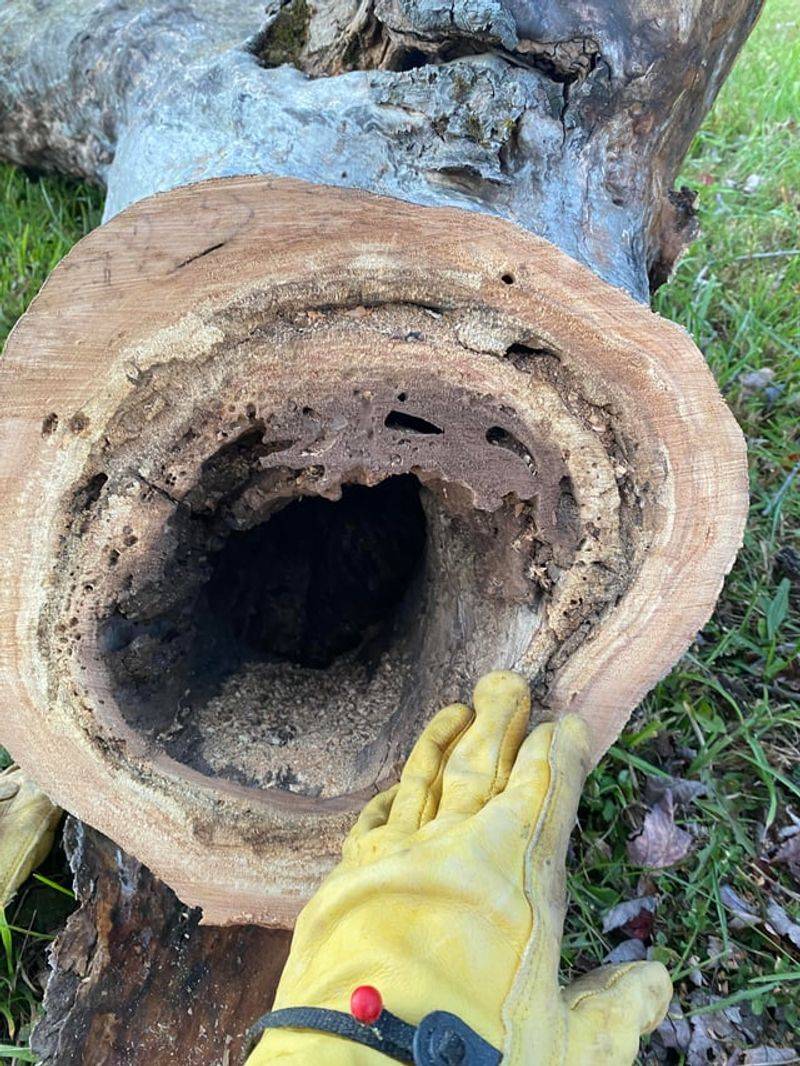
Thirty seconds outdoors beats thirty minutes chasing bugs inside. A quick inspection routine at the woodpile catches most hitchhikers before they ever reach your door.
Start by putting on gloves and picking up one log at a time instead of scooping an armload.
Turn each piece over and scan the bark, cut ends, and any cracks. You are looking for spiders, ant trails, sawdust, small holes, or mud tubes.
Next, give the log a firm knock against a stump, the ground, or another log. Shaking dislodges many loose insects and also breaks off flaky bark where critters like to hide.
Brushing the surface with a stiff broom or hand brush adds one more layer of cleanup.
Set questionable pieces aside rather than tossing them into your carrier. Spongy, wet, or heavily tunneled wood belongs outside, and it often burns poorly anyway.
A canvas log tote or metal rack with a tray keeps debris contained while you walk inside. Shake the carrier outdoors once you empty it too.
Across Georgia, a sunny November afternoon makes a handy time for this chore, since light helps you see small details clearly.
7. Store Firewood Outdoors And Bring In Only What You Need
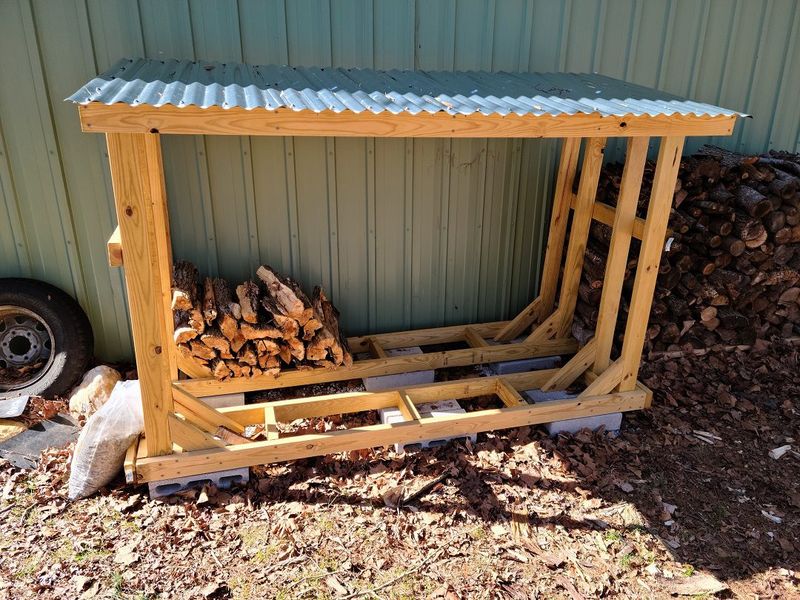
Where you keep your wood matters as much as how you check it. Indoor storage of large amounts, such as in a basement or garage, gives pests a warm place to become active.
Keep the main stack outside and at a reasonable distance from your house.
Extension services commonly suggest placing woodpiles away from foundations, and some recommend around 20 feet when space allows. Distance makes it harder for termites, ants, and rodents to move from the pile to your walls.
Raise the wood off the ground using a metal rack, pallets, or concrete blocks.
Covering the top with a tarp or small roof helps shed rain while leaving the sides open for airflow. Drier wood burns better and attracts fewer moisture-loving pests, which helps in a humid state like Georgia.
Bring in only what you plan to burn that day or the next.
A small log holder by the fireplace is plenty for most evenings. Shorter indoor storage leaves less time for insects to warm up and wander.
Rotate your pile so older wood gets used first. Older seasoned logs tend to be drier, and using them promptly keeps the stack from sitting long enough to rot at the bottom.