When To Apply Pre-Emergent For Winter Weeds In North Carolina Lawns
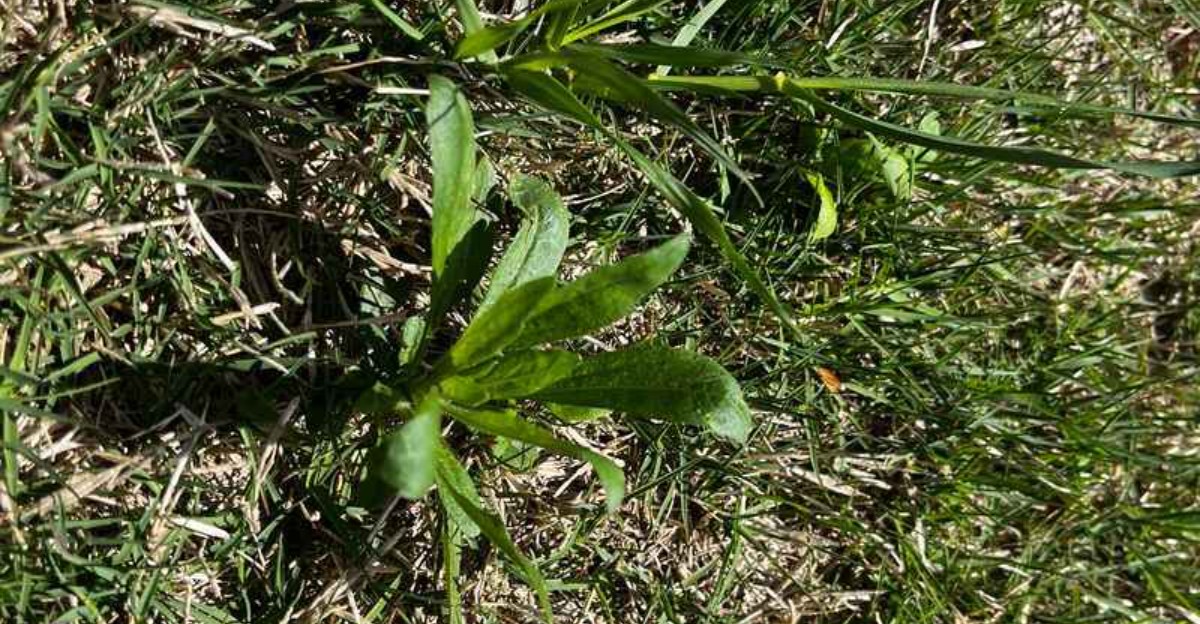
Winter weeds do not appear in winter. They sprout in fall, while you are still wearing short sleeves. By the time you notice chickweed and annual bluegrass in January, it is far too late to stop them.
Pre-emergent herbicide works by blocking seeds as they germinate, so timing is everything. Apply it too early and it wears off before the weeds start. Apply it too late and the seeds have already sprouted.
Many North Carolina lawn experts watch soil temperature rather than the calendar. When it falls to a certain range, the window opens.
Missing it means fighting weeds by hand all winter and spring. Getting the timing right turns a long chore into a single, simple application.
1. Time It By Soil Temperature
Calendars can fool you, but the ground never lies. Soil temperature is the most reliable signal for knowing when to put down a fall pre-emergent, and it costs almost nothing to track.
Winter annual weeds like annual bluegrass, henbit, and common chickweed sit quietly as seeds all summer. Once the soil starts cooling in fall, they begin to sprout.
A pre-emergent works by forming a barrier that stops young seedlings as they germinate, so it has to be in place before that happens. If the seeds have already sprouted, the product simply arrives too late.
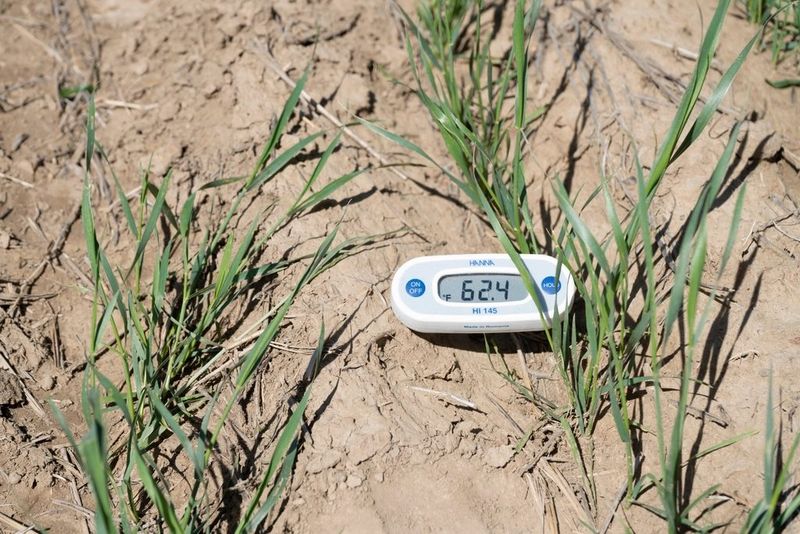
So what number should you watch for? Aim to apply when soil at a 4-inch depth drops to about 70 degrees Fahrenheit. That reading tells you the weed seeds are about to get moving.
Checking is easier than you might think. Many weather services post local soil temperature data, and NC State Extension offers helpful resources for growers and homeowners across the state.
You can also buy an inexpensive soil thermometer at most garden centers. For the most useful reading, check in the morning, when soil is at its coolest.
Push the probe about 4 inches down in a sunny spot and a shady spot, then note both. Do this for several days in a row to spot a steady trend instead of a single cool snap.
Here in North Carolina, the soil cools at very different times depending on where you live. A yard near Boone may hit 70 degrees weeks before a lawn in Wilmington.
Following the thermometer instead of a neighbor’s schedule or a store display keeps your timing right for your own patch of ground.
2. Know Your Region’s Usual Window
North Carolina stretches over 500 miles from the Blue Ridge to the Outer Banks, and fall arrives at a very different pace along the way. That spread is exactly why one statewide date for pre-emergent just does not work.
Cooler regions reach the right soil temperature earlier. If a homeowner in the mountains waits for the same date as a friend at the coast, those weed seeds may already be up and growing. A late barrier is like locking the door after the guests have walked in.
Each region has a typical window that makes a great starting point: In the Mountains, plan to apply from late August into mid September. Nights cool off fast at higher elevations, so the soil follows quickly.
Your North Carolina Garden Changes Every Week. Your Plan Should Too.
Gardening in North Carolina changes quickly throughout the season. Every Friday you’ll receive a simple weekly plan showing exactly what to plant, prune, fertilize, harvest, and protect so you never miss the right timing.
Across the Piedmont, including Charlotte, Greensboro, and Raleigh, the usual window runs from mid September into early October. Most lawns in this busy middle part of the state fall into that range.
Down in the Coastal Plain, warmer soil holds on longer, so late September into mid October tends to work best. Sandy soils and mild fall days keep things growing a bit later there.
Remember that these windows are guides, not hard rules. A cool, early fall can push your timing forward, while a long, warm September might give you a little extra breathing room. Pair the regional window with a soil thermometer reading for the best results.
Getting this right matters because being even a few weeks late can let many winter weeds sprout first. Mark your region’s window on the calendar now, and you will be ready when the season turns.
3. Consider A Follow-Up Application
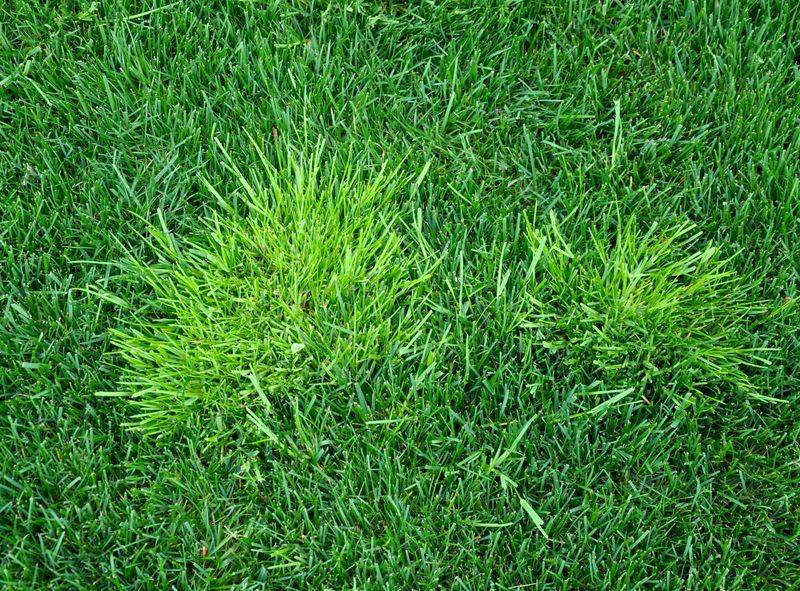
Annual bluegrass is the weed that refuses to take a hint. Just when you think fall weed season has ended, a fresh wave of its bright green tufts can pop up in the middle of winter.
The reason is simple. Some winter weeds, especially annual bluegrass, do not sprout all at once. They germinate over a long stretch of fall and winter, sometimes into early spring.
Meanwhile, a pre-emergent barrier slowly breaks down in the soil, and a single application may fade before that last flush of seeds comes up.
A second application can close that gap. Many product labels allow a follow-up treatment about 8 to 10 weeks after the first one. If you applied in mid September, for example, a second round might fall somewhere in mid to late November.
Before you refill the spreader, grab the bag and read the label carefully. It will tell you whether a second application is allowed, how long to wait between treatments, and the maximum amount you can apply in a year. Never go over that yearly limit.
More product does not mean better results, and too much can harm your lawn and the environment around it.
A simple habit helps a lot here. Write down the date and amount every time you apply, either in a notebook or on your phone, so you always know where you stand.
Annual bluegrass ranks among the most common winter weeds in North Carolina lawns. It produces loads of seed heads that look messy and spread more seed for next year.
A well-timed second application keeps that cycle in check and gives your lawn a cleaner start to spring.
4. Water It In After Applying
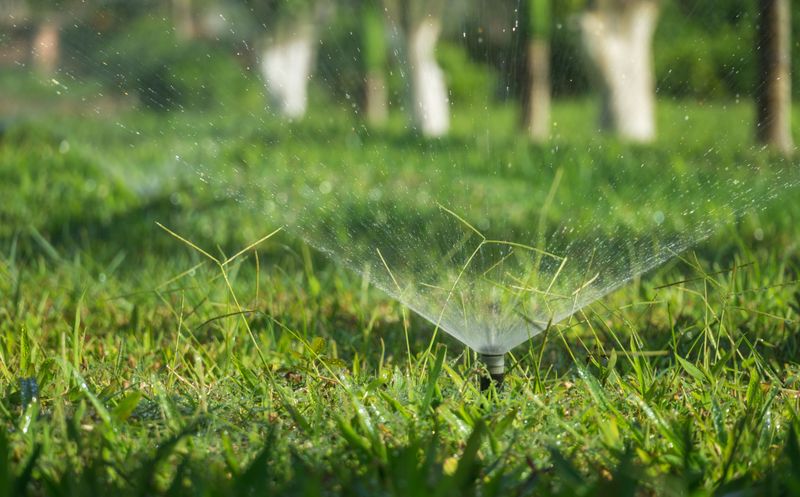
Granules sitting on top of grass blades are not doing much good. Most pre-emergents need water to get to work, and skipping this step can waste the time and money you just spent.
Here is what happens. Rain or irrigation moves the product off the grass and down into the top layer of soil. Once it settles there, it forms a thin barrier right where weed seeds are trying to sprout.
Without water, much of the product just sits on the surface, where sunlight and time can weaken it.
How much water is enough? Your product label will give the exact amount, but many call for about half an inch of water within a few days of applying. A simple trick is to set an empty tuna can on the lawn while the sprinkler runs.
When it holds about half an inch, you are done. Checking the weather forecast before you apply makes this job even easier. A gentle rain in the forecast can do the watering for you. Still, avoid spreading right before a heavy downpour.
Strong storms can wash granules onto sidewalks and driveways, then into storm drains that lead to local creeks and rivers.
While you are at it, sweep or blow any stray granules off hard surfaces and back into the grass. That small habit protects nearby water and keeps the product where it belongs.
Fall in North Carolina often brings long dry spells, especially in September and October. A few sunny weeks without rain can leave product sitting unused on the surface.
Planning to water within the label’s timeframe makes sure your barrier is ready before those weed seeds wake up.
5. Skip It Where You’re Seeding Fescue
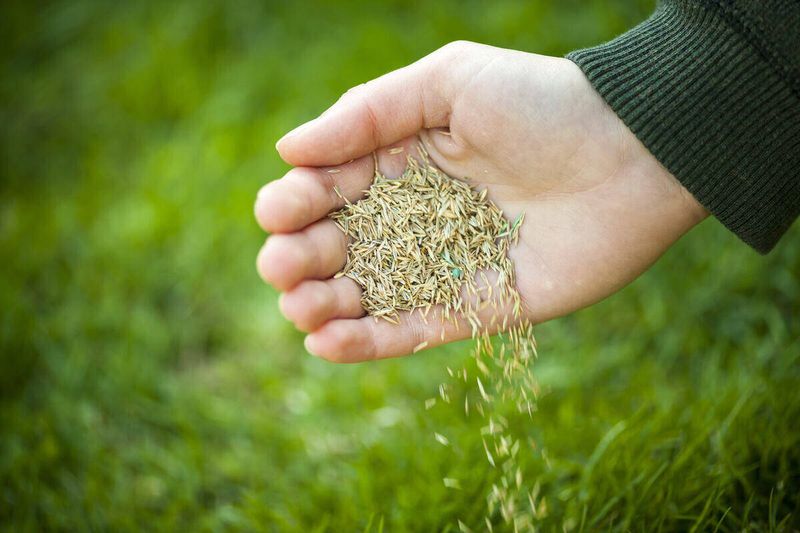
Grass seed and pre-emergent are a little like oil and water. Put them together in the same spot at the same time, and you will likely end up disappointed.
The problem comes down to how pre-emergents work. They do not know the difference between a weed seed and a grass seed.
Most of them stop any small seed from sprouting, so spreading one where you just overseeded tall fescue can keep that new grass from ever coming up. Many homeowners learn this the hard way after a fall of bare, patchy soil.
A little planning solves the issue. If you plan to overseed fescue this fall, put the seed down first. Then wait until the new grass has been mowed several times before applying most pre-emergents.
By that point, the young plants have grown strong roots and can handle the treatment. Another option is to choose a product specifically labeled as safe for new seedings.
A few products are made to control weeds without blocking grass seed, but they are not all the same. Read every label closely for its waiting period, since some ask you to hold off for weeks or even months after seeding.
You can also split your yard into zones. Treat established areas on schedule, and leave freshly seeded patches alone until they are ready.
Tall fescue is the go-to lawn grass in the Mountains and Piedmont, and early fall is prime time for overseeding it.
Cool nights and warm soil help the seed sprout fast. Choosing between seeding and weed prevention for each area keeps both goals on track and gives you a thick, healthy lawn by spring.
6. Match The Product To Your Lawn Type

Walk down almost any street in Raleigh or Fayetteville and you might spot fescue in one yard and bermudagrass right next door. That mix makes choosing the right pre-emergent a bigger deal than many people realize.
Pre-emergent products are labeled for specific grass types for a good reason. Some ingredients that work well on one turf can injure another. Picking a product labeled for your grass protects your lawn while still stopping those pesky weeds.
Start by figuring out what you are growing. Tall fescue stays green most of the year and has wide, coarse blades. Bermudagrass spreads with runners and turns tan in winter.
Zoysia feels thick and dense, centipede grows in a low, light green mat, and St. Augustine has broad, flat blades common in coastal yards. If you are unsure, your local NC State Extension office can help identify a sample.
Once you know your grass, read the label from top to bottom. Look for your turf type on the list of safe grasses, and check for any warnings or special rates. Some products list a grass as safe only at lower amounts.
Even coverage matters too. Use a calibrated spreader and set it to the labeled rate, then walk at a steady pace. Many pros make two passes in a crisscross pattern at half the rate each, which helps avoid streaks and missed strips.
North Carolina sits right in a transition zone where both cool season and warm season lawns grow well.
Neighbors often have totally different grasses, so the product your friend loves might not suit your yard. Matching the bag to your turf is a simple step with big rewards.
7. Remember What Pre-Emergents Won’t Control
Even a perfectly timed pre-emergent has its limits, and knowing them saves a lot of frustration. Think of it as a shield for the future, not a cure for what is already there.
Pre-emergents only stop seeds from sprouting. They have no effect on weeds that are already up and growing. They also do nothing against perennial weeds that come back each year from roots and bulbs.
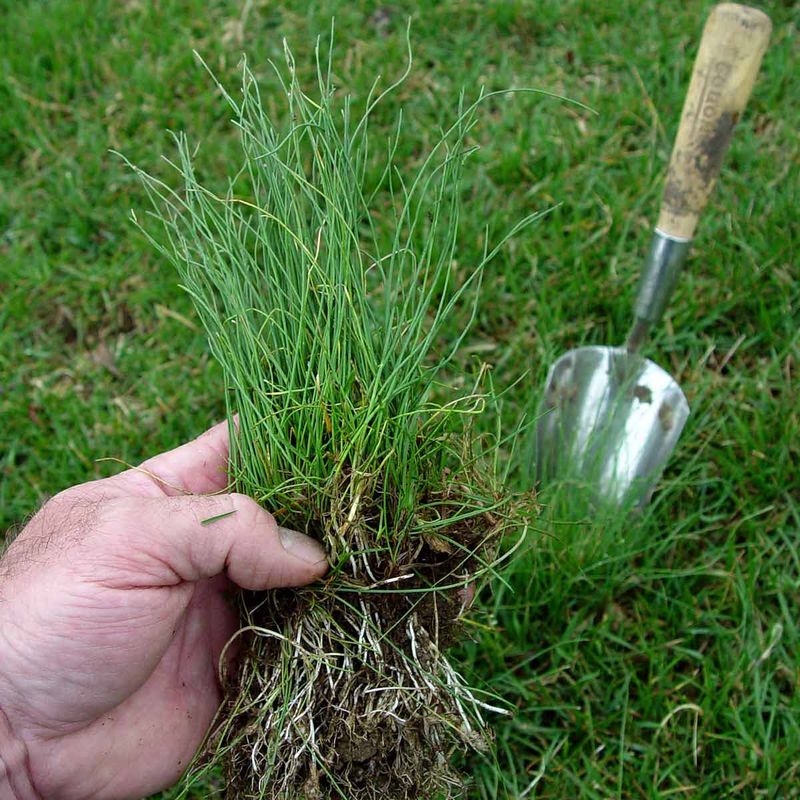
Wild garlic and wild onion are classic examples, since they grow from underground bulbs instead of new seeds.
For weeds that have already appeared, you have a few good choices. Small patches can be pulled by hand, which works best when the soil is damp.
For larger areas, spot treat with a post-emergent herbicide labeled for your specific lawn type, and follow its directions closely.
Wild garlic and wild onion call for a little extra effort. Pulling the tops often leaves the bulbs behind, and they simply grow back. Use a trowel or weeding tool to dig out the whole clump, bulbs and all.
You may need to repeat this for a couple of seasons, but persistence pays off. The best long-term defense is a thick, healthy lawn.
Mow at the right height for your grass type, since taller turf shades the soil and makes it harder for weeds to sprout. Fertilize at the proper times for your grass, too.
Across North Carolina, wild garlic and wild onion stand out as some of the most noticeable winter lawn weeds.
Their tall, grassy clumps rise above dormant turf and give off that strong smell when mowed. Combining a pre-emergent with hand work and good lawn care keeps your yard looking sharp all winter long.