That Opossum In Your Georgia Yard Is Actually Doing You A Favor This Fall
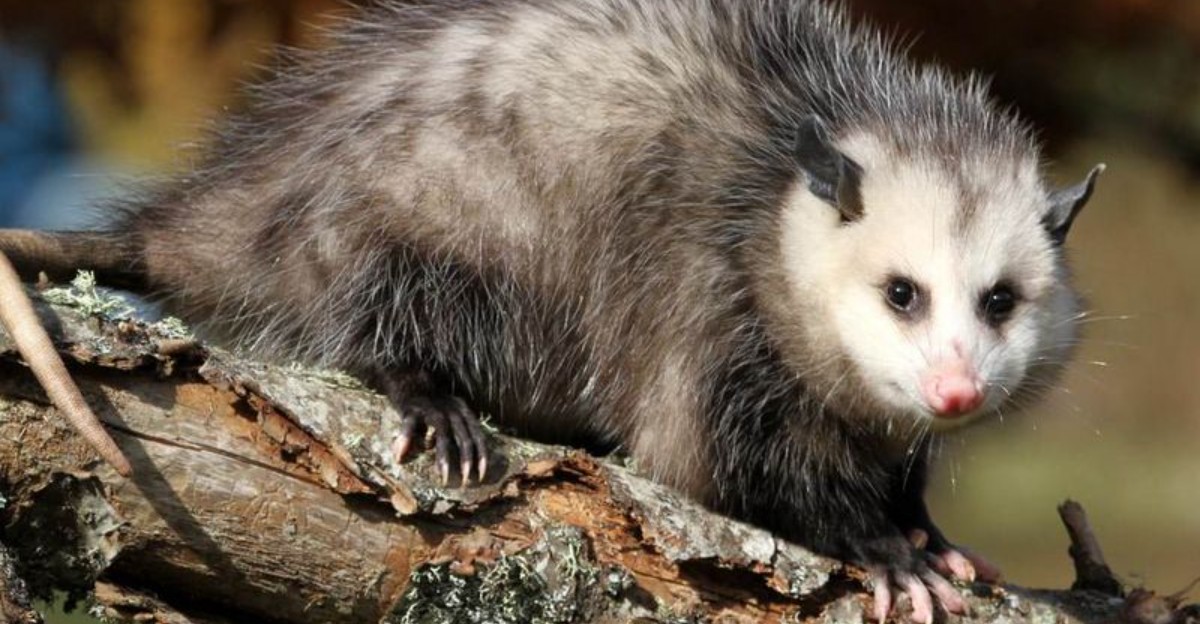
Spotting an opossum shuffling through your yard after dark may seem unwelcome, but this visitor can quietly help with several backyard problems.
Opossums are opportunistic eaters that feed on insects, snails, slugs, fallen fruit, and other available food. That varied diet can make their nightly visits useful around gardens.
In Georgia, they may wander through lawns and planting beds while searching for their next meal.
Watch from a distance instead of rushing outside to chase one away. Most opossums move along once they finish exploring for food.
Their presence can also help clean up some organic material that would otherwise remain scattered around the yard.
You do not need to encourage opossums with food to benefit from an occasional visit. Simply giving them space lets these nighttime foragers continue on their way.
1. Scruffy Looks Aside, It Earns Its Keep After Dark
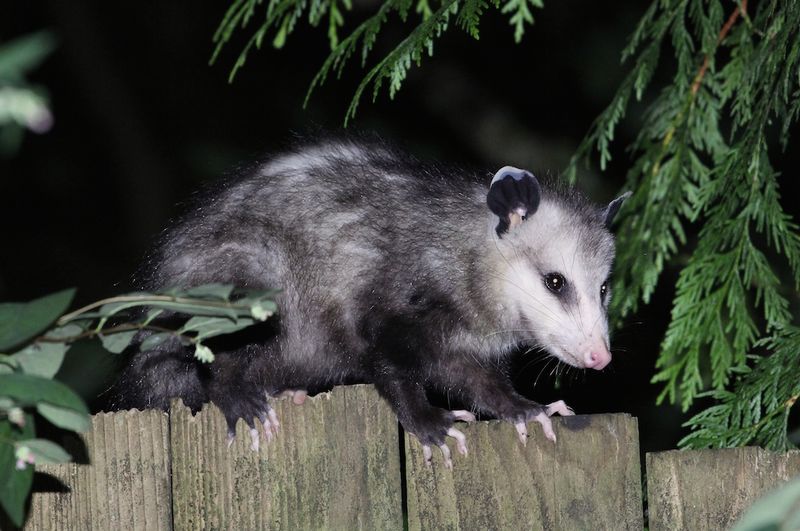
Nobody would call an opossum cute at first glance. With greasy-looking fur, a pointed pink nose, and a bare tail, it looks more like trouble than a helper.
Once the sun goes down, though, that scruffy animal starts working through your yard in a slow, steady loop.
Opossums are nocturnal, so most homeowners only see them in a flash of headlights. They spend the night sniffing along fence lines, flower beds, and the edges of decks, eating whatever they can find.
Their diet is broad, which is a big reason they fit so easily into Georgia suburbs.
Insects, small rodents, fallen fruit, and scraps all count as fair game. A single opossum does not clear out pests by itself, but it can chip away at a few of them over time.
Opossums also tend to keep moving instead of settling in one spot. Most travel from yard to yard, using a den for a few days before shifting somewhere new.
So the visitor you see this week may be gone by next week without any help from you.
If you spot one, the simplest move is to leave it alone and give it space. Keep pets inside at night if you are worried, and the opossum will usually wander off on its own schedule.
2. Slugs, Snails, And Beetles Are Among The Foods It Eats
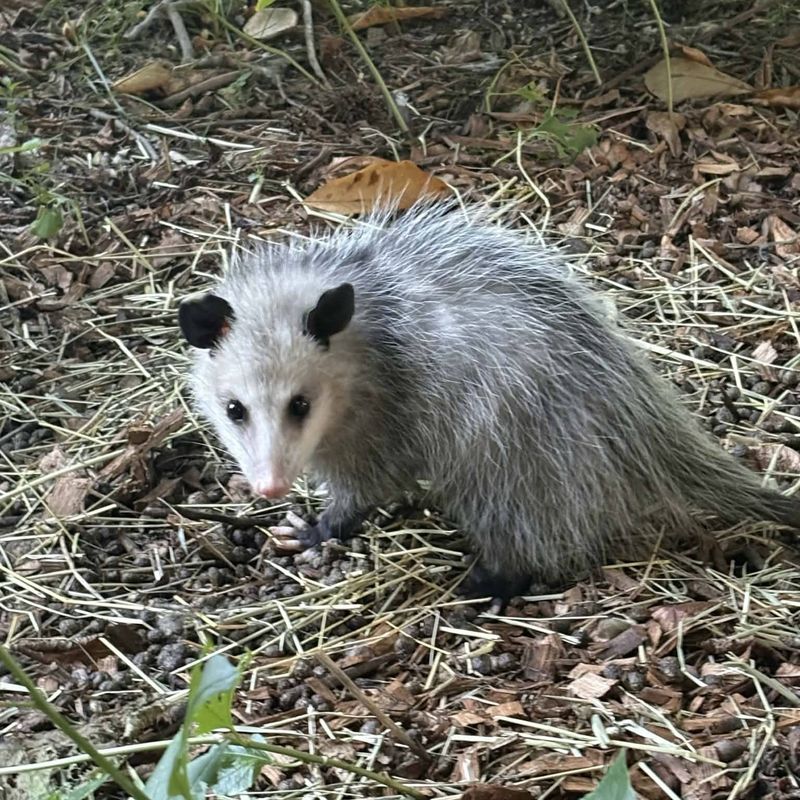
Slugs chewing holes in your fall greens? An opossum might quietly lend a hand with that.
Wildlife experts list slugs, snails, beetles, crickets, and grubs among the many foods opossums eat. They root through mulch and leaf litter at night, which is right where those garden pests like to hide.
Cool, damp evenings in Georgia often bring slugs out onto collards, kale, and lettuce.
An opossum moving through the bed may snack on a few of them. That said, it will not replace hand-picking, beer traps, or copper tape if slug damage is heavy.
How much help you get depends on how often the animal visits and what else is on the menu nearby.
Leaving a little leaf litter around the edges of beds can give opossums a reason to forage there. Keep it away from plant stems, though, since thick mulch also gives slugs a place to shelter during the day.
Your Georgia Garden Changes Every Week. Your Plan Should Too.
Gardening in Georgia changes quickly throughout the season. Every Friday you’ll receive a simple weekly plan showing exactly what to plant, prune, fertilize, harvest, and protect so you never miss the right timing.
Gardeners who skip harsh slug baits may also be doing their visiting opossum a favor.
Some baits can harm pets and wildlife that eat poisoned pests. If you do use one, choose a product labeled safer for animals, such as iron phosphate, and follow the directions closely.
3. It Also Cleans Up Fallen Fruit And Animal Remains
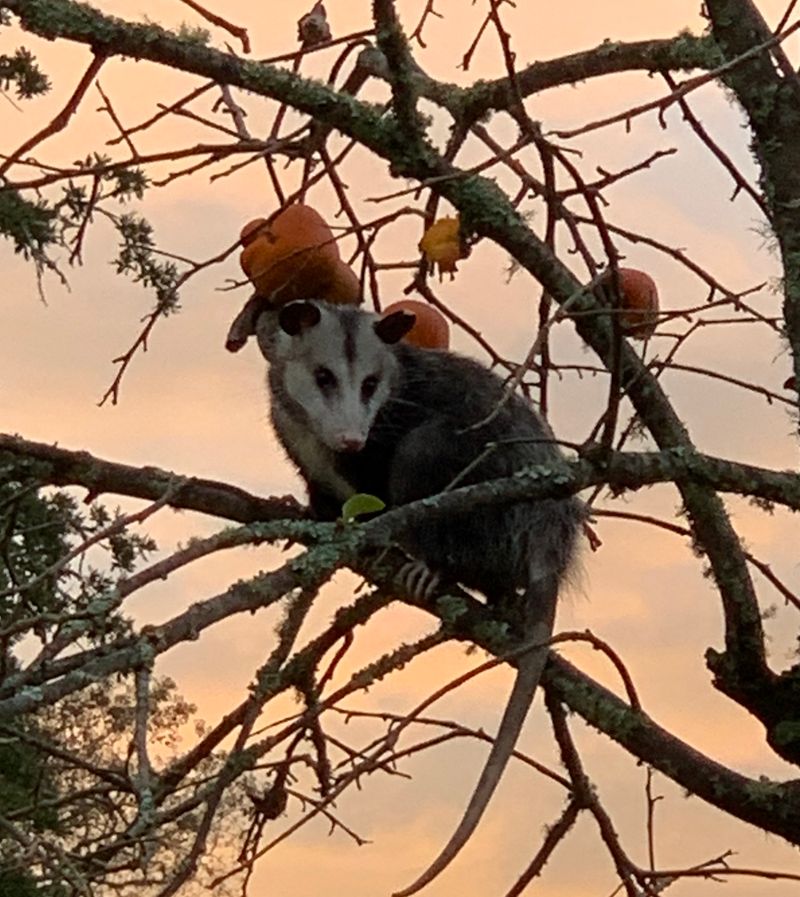
Rotting persimmons on the lawn are a magnet for flies and yellowjackets. To an opossum, they look like dinner.
Fall is fruit season across the South, and opossums are well known for eating fallen persimmons, pears, figs, and muscadines.
Picking up that soft fruit can mean fewer wasps buzzing around when you mow or let the kids play. It also cuts down on the sticky mess that builds up under trees by late October.
Opossums are scavengers too, so they will eat animal remains they find along roads and in fields.
That habit helps clear away carcasses that would otherwise sit and attract other pests. Unfortunately, it also puts opossums near traffic, which is why so many end up hit on Georgia roads.
Slowing down on rural roads at night is a small step that can help them and other wildlife.
Should you rely on opossums to clean up your fruit? Probably not, since they will not get to everything, and heavy drops can still draw insects and rodents.
Georgia regulates opossum trapping and nuisance wildlife removal, so check current Department of Natural Resources rules before attempting either.
4. Those Tick-Eating Claims Are Probably Overstated
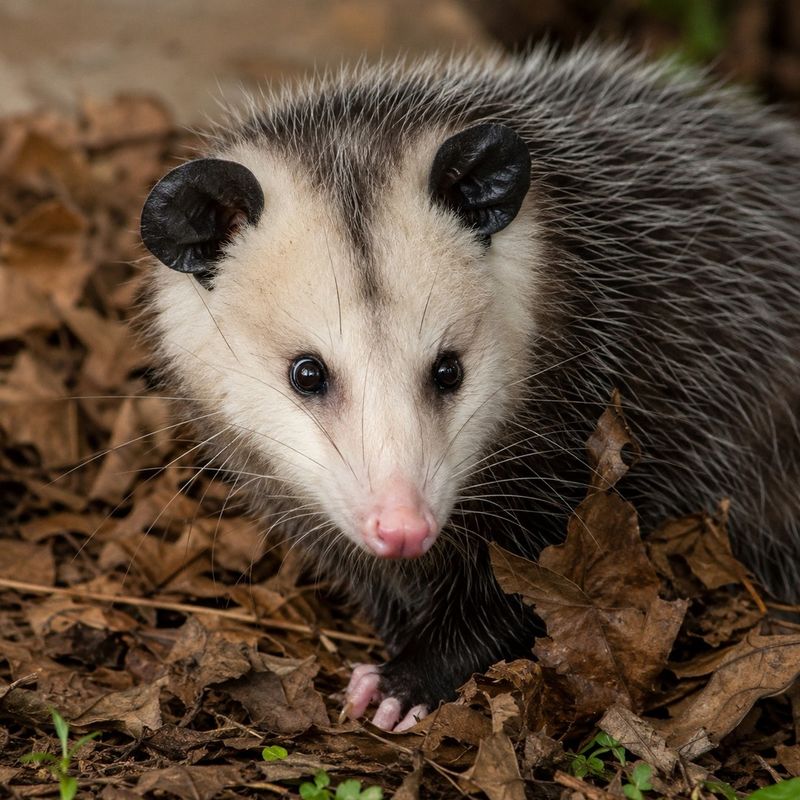
Maybe you have seen the viral post claiming one opossum eats thousands of ticks each season. It sounds great, but the real picture is less exciting.
That popular number came from a lab study where captive opossums groomed off ticks placed on them.
Later field work on wild opossums found ticks only rarely in their stomachs. Opossums do groom and may swallow some ticks, but most experts now doubt they make a big dent in tick numbers.
In other words, an opossum in your yard is not a tick control plan.
Ticks are active in Georgia for much of the year, and warm fall days can keep them busy well into November. Relying on wildlife alone could leave you and your pets exposed.
Better steps are simple and proven. Keep grass mowed, clear brush along the yard edge, and use a strip of wood chips or gravel between lawn and woods.
Checking yourself, your kids, and your dogs after outdoor time still matters most.
Talk with your vet about tick prevention for pets, since products and needs vary. Opossums can still be good neighbors, just for other reasons than this one.
5. Rabies Cases In Opossums Are Considered Rare
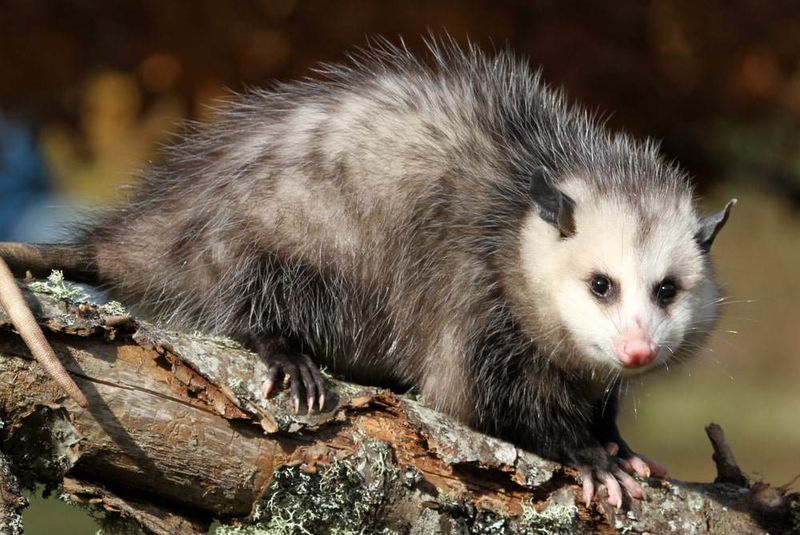
Here is some welcome news for nervous homeowners. Rabies in opossums is reported far less often than in raccoons, bats, foxes, or skunks.
Experts often point to their lower body temperature as one possible reason, though it is not fully proven.
Rare does not mean impossible, so any wild animal that bites someone should be taken seriously. In Georgia, raccoons and foxes are the animals most often linked to rabies cases.
Opossums that hiss and drool with their mouths open are usually bluffing, not sick.
That wide-mouthed show is meant to scare you off. Back away calmly, and it will likely settle down or shuffle off once it feels safe.
Still, use common sense around any wild animal. Never try to pick one up or hand-feed it, even if it seems tame.
Opossums can carry fleas, mites, and some diseases, like many backyard animals.
Keeping pets up to date on rabies shots is the best protection for your household. If someone is bitten or scratched, wash the wound well and contact a doctor and your local health department right away.
6. Playing Possum Is An Involuntary Reaction, Not An Act
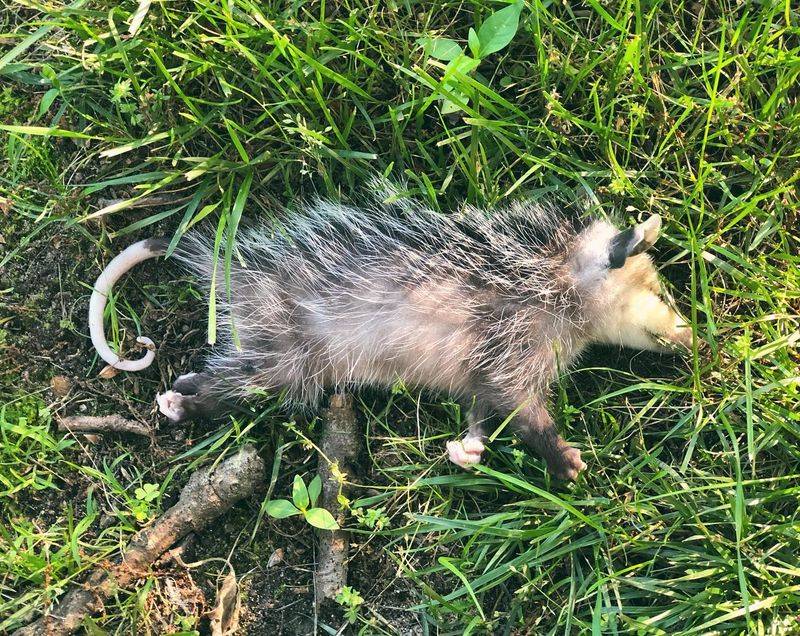
Picture a dog barking at an opossum that suddenly flops over and goes stiff. It looks like a trick, but the animal is not choosing to pretend.
Biologists describe playing possum as a stress response the opossum cannot control.
Its body goes limp, its breathing slows, and it may drool or release a foul-smelling fluid. That smell and stillness can convince a predator to lose interest and walk away.
An opossum in this state may stay frozen for minutes or, in some cases, much longer.
If you find one lying motionless in your Georgia yard, resist the urge to poke or move it. Bring pets inside, step away, and check back later.
Most of the time, the opossum will quietly wake up and leave once the area is calm. Giving it a quiet, dark space helps it recover faster.
Should it stay in the same spot all day, call your local wildlife rehabilitator for advice.
They can tell you whether the animal may be hurt or simply resting. Please do not try to treat or keep a wild opossum yourself, since that requires training and proper permits.
7. Securing Trash And Pet Food Can Keep Visits Brief
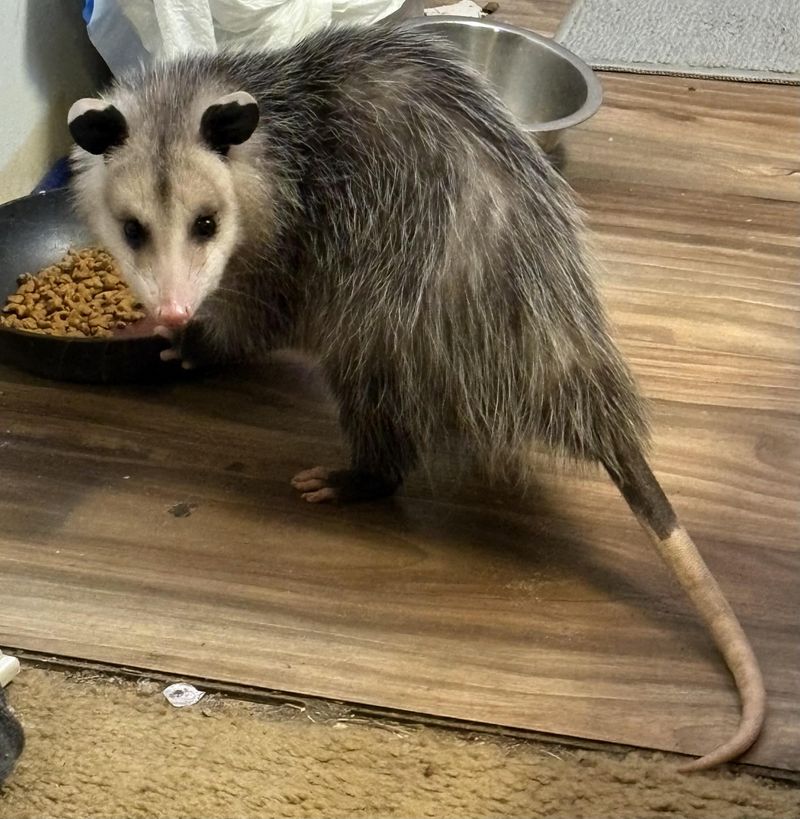
Leave a bowl of cat food on the porch, and you have basically posted a welcome sign. Opossums follow their noses, and easy meals keep them coming back.
Bringing pet food and water inside at night is one of the simplest fixes.
Trash is the next big draw. Use cans with tight or locking lids, and try to put bins out the morning of pickup instead of the night before.
Bird feeders can attract opossums too, mostly because of seed that spills on the ground below.
Cleaning up spilled seed or using a tray under the feeder can help. Compost piles should also stay free of meat, dairy, and greasy food scraps.
Opossums like dark, sheltered spots for resting, such as under decks, sheds, and porches. Closing those gaps with sturdy hardware cloth makes your yard less inviting.
Before sealing any opening, make sure no animal is inside, especially in spring when babies may be present.