Why Geranium Cuttings Turn Mushy Before Rooting In Michigan And How To Prevent It
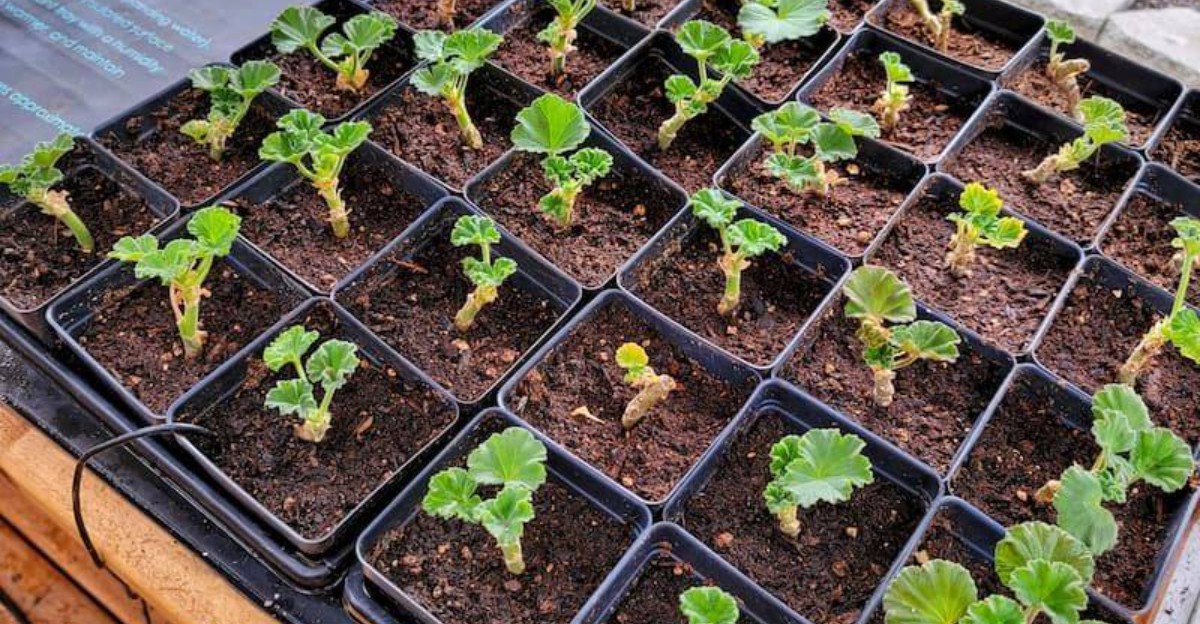
You take a cutting, set it in soil, and wait. Within a week, the base is dark and soft, and the whole stem slumps. It is one of the most discouraging results in gardening, and it happens to beginners all the time.
Geraniums are tough plants, so the failure feels strange. The cause is rarely the cutting itself. Something about how it was handled, planted, or watered sets rot in motion.
Michigan homes in late fall add their own twist, with cool windowsills and dim light slowing everything down. Many people try the same method twice and get the same result.
A few small changes can turn those mushy stems into healthy new plants, and it all starts before the cutting ever touches the pot.
1. The Rooting Mix Stays Too Wet
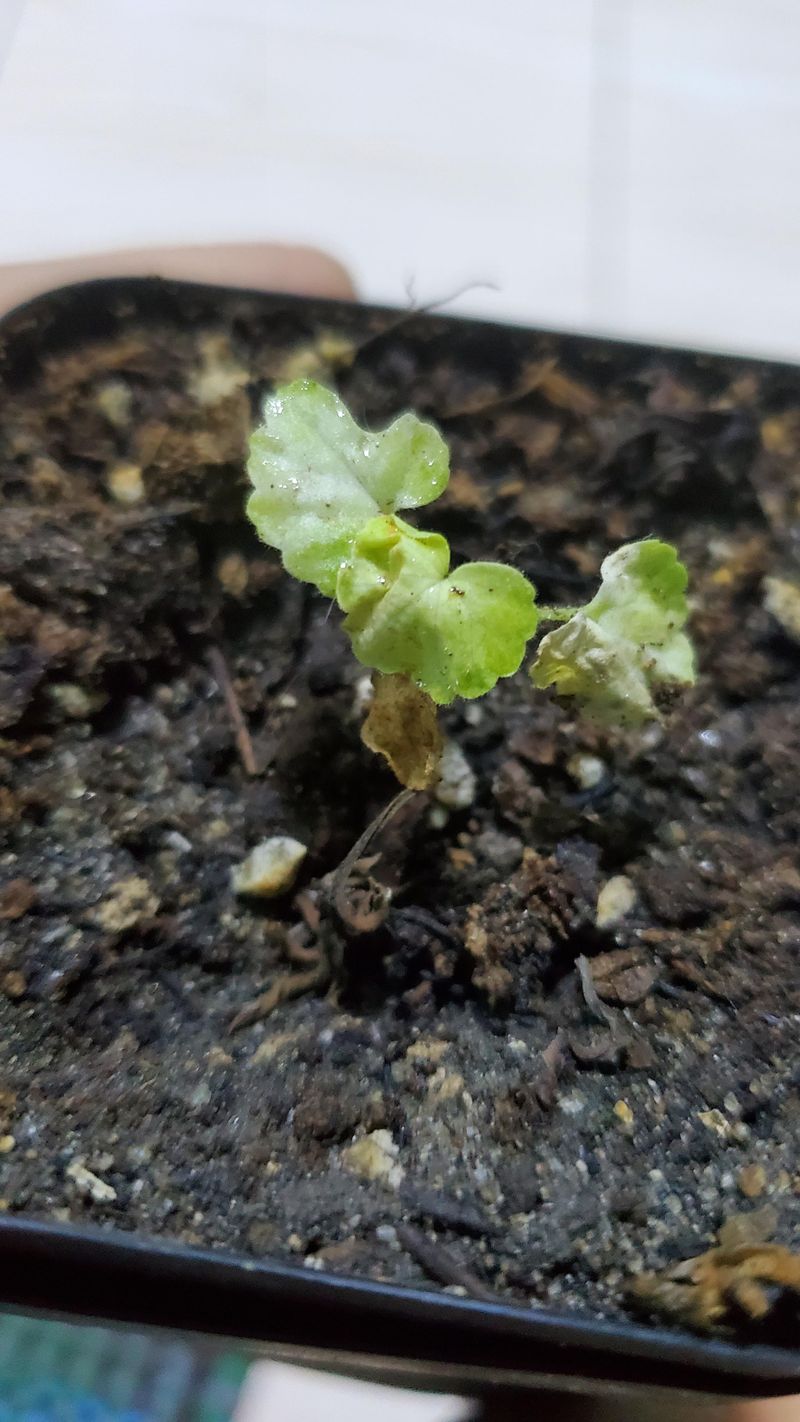
Soggy soil is the number one reason geranium cuttings fall apart. Most gardeners mean well, giving their new cuttings plenty of water to help them settle in. Sadly, that kindness often backfires.
Geraniums, which belong to the genus Pelargonium, have thick, fleshy stems that already hold a lot of water. When those stems sit in constantly wet soil, they have no way to breathe.
Rot starts at the base and creeps upward, often before a single root has formed. The fix is simpler than you might think. Water the mix lightly right after planting, just enough to settle it around the stem.
After that, wait until the top of the mix feels dry to your fingertip before you water again. You may only need to water once a week or even less.
Drainage matters just as much as how often you water. Always use pots or trays with holes in the bottom so extra water can escape. If you set pots in a saucer, empty it after watering, because cuttings should never sit in standing water.
Here in Michigan, wet soil becomes an even bigger problem in fall and winter. Many homes run cooler during those months, and cool air slows down how fast soil dries. A pot that would dry out in two days in July might stay damp for a week in November.
Get in the habit of lifting your pots to feel their weight. A heavy pot still holds plenty of water, while a light one is ready for a drink. That quick test takes the guesswork out of watering and keeps stems firm and healthy.
2. Plastic Covers Trap Too Much Moisture
Humidity domes look like the perfect little greenhouse for baby plants. For coleus, begonias, and many other cuttings, they really do help. Geraniums, though, play by a different set of rules.
Unlike leafy, thin-stemmed plants, geraniums come from dry regions of southern Africa. Their stems and leaves hold onto water well, so they don’t lose moisture quickly while waiting for roots. They simply don’t need extra humidity to root.
When you cover geranium cuttings with a plastic bag or dome, moisture builds up fast. Droplets collect on the leaves and stems, and the air stops moving. That damp, still space is exactly where rot and fungal problems love to grow.
Your Michigan Garden Changes Every Week. Your Plan Should Too.
Gardening in Michigan changes quickly throughout the season. Every Friday you’ll receive a simple weekly plan showing exactly what to plant, prune, fertilize, harvest, and protect so you never miss the right timing.
So go ahead and leave your geranium cuttings out in the open air. They might droop a little for the first day or two, and that’s perfectly normal. Most perk back up once they adjust.
Gentle air movement helps even more. A small fan set on low across the room keeps air from going stale without blasting the cuttings. Just avoid pointing it directly at them, since strong wind can dry them too much.
Save your domes for plants that truly need them. Many Michigan gardeners set up one propagation station in the fall and root everything there together, from coleus to impatiens to geraniums. It’s an easy habit to fall into.
Instead, give geraniums their own uncovered spot on the shelf. That small change keeps your cuttings dry where it counts and lets each plant get the conditions it actually prefers.
3. The Cut Ends Weren’t Allowed To Dry
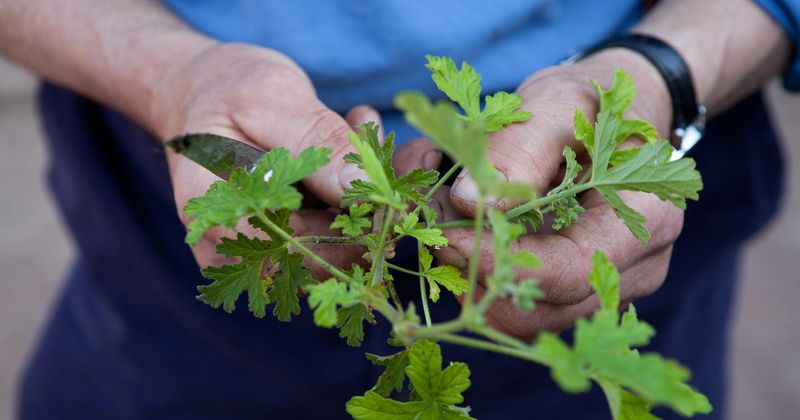
Patience pays off with geraniums, even if it’s just for a few hours. Many gardeners snip a cutting and push it straight into soil. With geraniums, a short pause makes a real difference.
Freshly cut geranium stems are wet and juicy inside. If you plant them right away, that moist open wound sits against damp soil, which gives rot an easy way in. Letting the end dry briefly helps it form a light callus, a thin protective layer that resists rot.
Drying the cuttings couldn’t be easier. After you take them, lay them on a paper towel in a dry, shaded spot. A kitchen counter away from the sun works great.
Leave them for a few hours or even overnight. You’ll notice the cut end looks a little duller and feels less sticky. That’s your sign they’re ready to plant.
Gentle hands help too. Geranium stems bruise easily, and a squeezed or crushed stem breaks down much faster in soil. Hold cuttings by the leaves or upper stem, and use sharp pruners for a clean cut instead of tearing.
Some gardeners also dip the dried end in rooting hormone, though geraniums usually root fine without it. If you use it, tap off the extra powder so only a light coating stays on.
For Michigan homes, this simple step can boost your success quite a bit. Rooting tends to be slower in cooler indoor months, so stems spend more time in the soil. A callused end holds up much better during that wait and gives roots time to appear.
4. The Mix Is Too Heavy
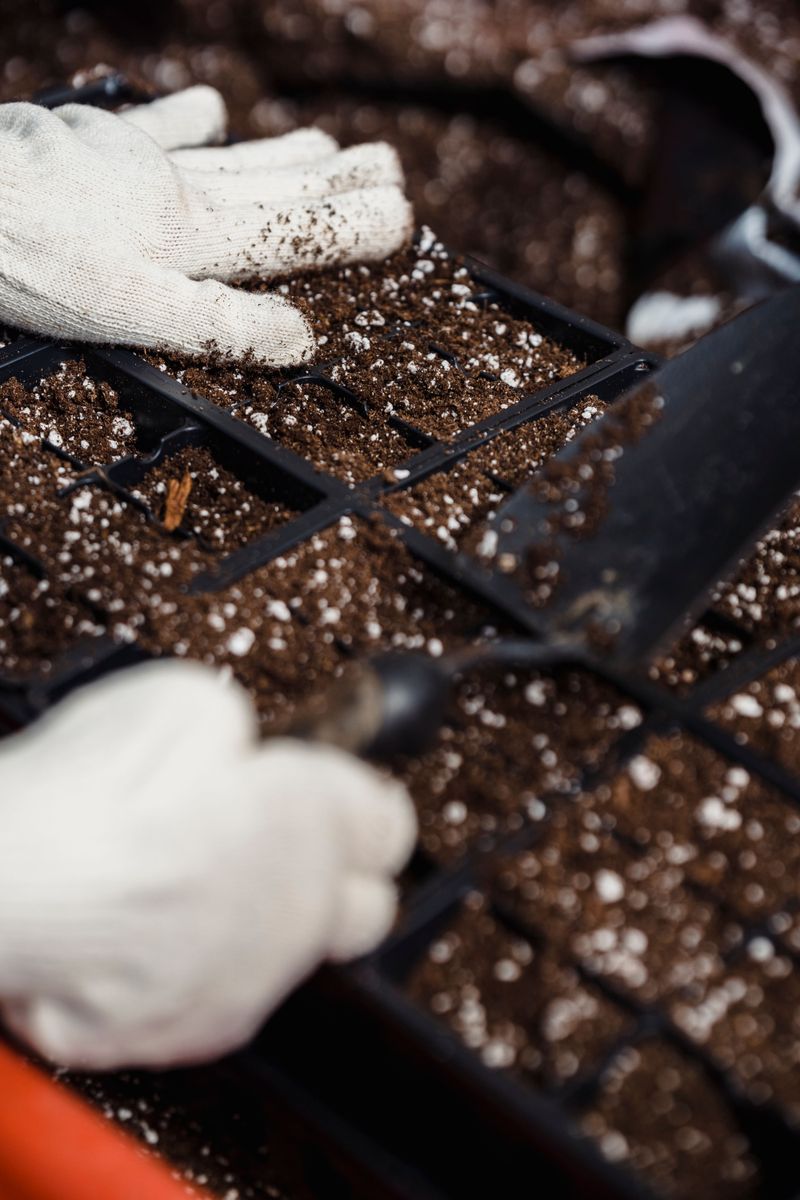
Grabbing a scoop of garden soil seems like the easy choice. After all, your geraniums grew beautifully in it all summer. Unfortunately, what works for a full-grown plant can smother a tiny cutting.
Dense potting soil and garden soil hold lots of water and very little air. Without roots, a cutting can’t pull that water away, so the stem just sits in a wet, airless pocket. That’s a fast track to mushy stems.
Geraniums root best in a light, fast-draining mix. Think of something fluffy that crumbles easily in your hand. Water should run right through it instead of pooling on top.
A bagged seed-starting mix is a great place to start. You can also make your own blend by mixing regular potting mix with plenty of perlite or coarse sand. A ratio of about half and half works well for most gardeners.
Perlite, those little white specks, is actually volcanic glass that has been heated until it puffs up like popcorn. It creates tiny air pockets in the soil. Those pockets let the stem breathe while new roots form.
Skip garden soil completely, since it packs down in pots and may carry pests or disease. Also avoid mixes with water-holding crystals or lots of added moss meant to stay moist.
A light mix matters even more for Michigan gardeners. Indoor air in fall and winter is often cool, and soil dries slowly in those conditions. A fluffy, airy blend dries out much faster, giving your cuttings a healthy rhythm of moist and dry instead of staying soggy.
5. Cold Spots Slow Rooting And Invite Rot
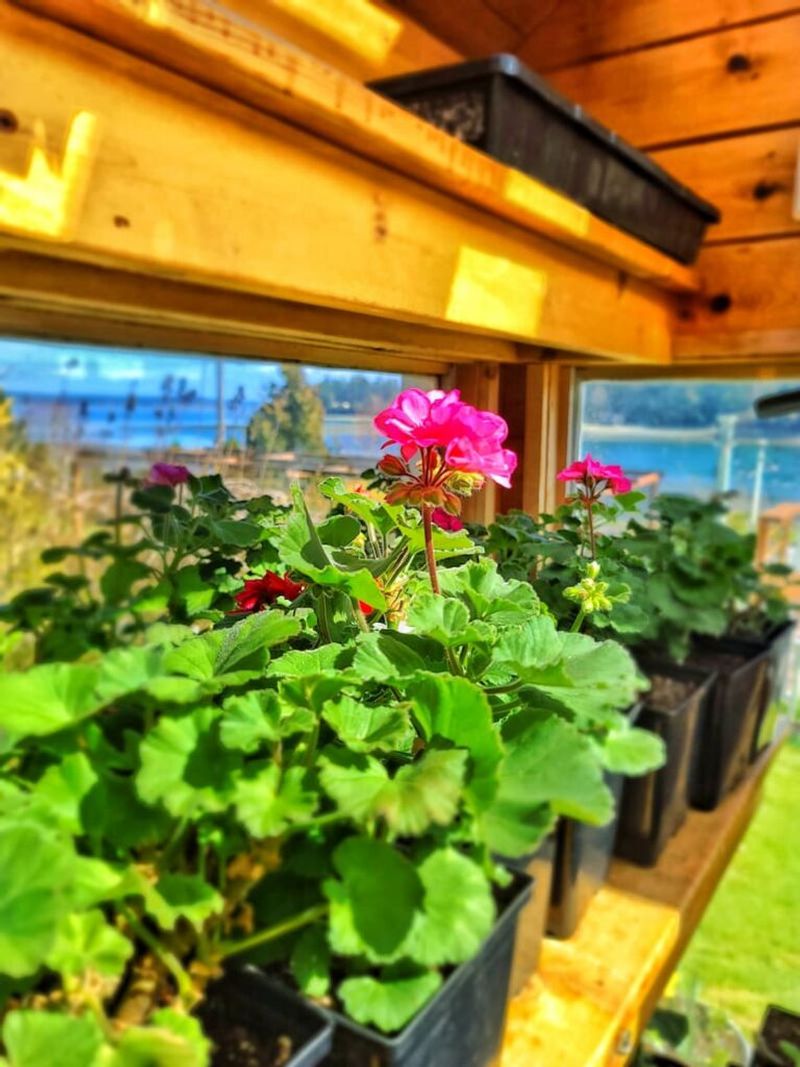
Ever notice how chilly a windowsill feels on a January morning in Michigan? Your geranium cuttings notice too. Cold is one of the sneakiest reasons stems turn soft.
Geranium cuttings root best when temperatures stay around 65 to 75 degrees Fahrenheit. In that range, roots usually appear in two to four weeks. When soil gets colder, root growth slows way down.
That slowdown creates a real problem. The stem sits in moist soil for weeks with no roots to soak up water. All that extra time gives rot a chance to take hold.
A warm room is your best friend here. Move cuttings away from cold, drafty windows and exterior doors. Even a few feet can make a big difference in how warm the soil stays.
A seedling heat mat can help a lot, especially in cooler homes. These flat mats sit under your pots and gently warm the soil from below. Choose one with a thermostat if you can, and set it to keep the soil in that 65 to 75 degree range.
Avoid unheated rooms like enclosed porches, garages, or chilly spare bedrooms. They might seem bright and roomy, but nighttime temperatures there can drop fast. Basements can also run cool unless you add a heat source.
Michigan winters bring frosty glass and spare rooms with the vents closed to save on heating.
A windowsill that felt fine in September can be ice cold by December. Check your spot with a simple thermometer, and you’ll know right away if your cuttings need a cozier home.
6. Leaves Or Flowers Were Left On The Lower Stem
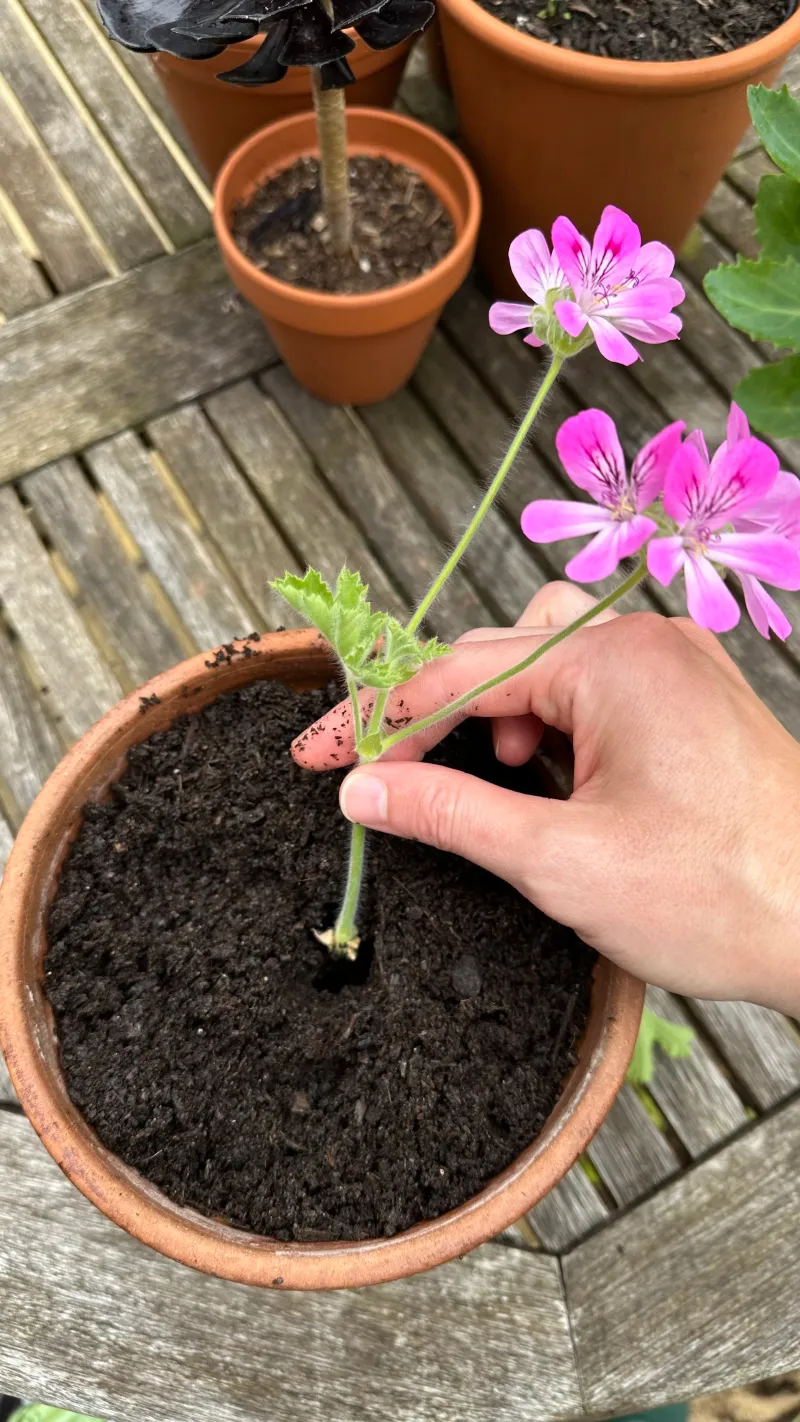
Pretty pink blooms are hard to say goodbye to. It feels a little sad pinching off a flower that still looks perfect. Still, your cutting will thank you for it.
Leaves buried under the soil break down quickly. As they rot, that decay spreads right into the stem. Before long, the whole base of the cutting can turn soft and brown.
Flowers and buds cause a different kind of trouble. They pull energy toward blooming instead of building roots. A cutting trying to flower and root at the same time often ends up weak and struggling.
Start by stripping every leaf that would sit below the soil line. Then remove all the rest except the top two or three leaves. Those few leaves give the cutting enough power to make food without losing too much water.
Next, pinch off every flower and bud, even the tiny ones just forming. Use your fingers or clean snips for a neat break. If a big leaf seems floppy, you can trim it in half to reduce stress.
Aim for a cutting about three to five inches long with a bare stem at the bottom. That bare section is where new roots will grow. A clean stem also makes planting easier and tidier.
This step matters a lot for Michigan gardeners. Geraniums brought in from the patio in September and October often still have plenty of blooms. It’s tempting to keep them, but removing flowers now means stronger plants loaded with color next summer.
7. Cuttings Came From Stressed Or Diseased Plants
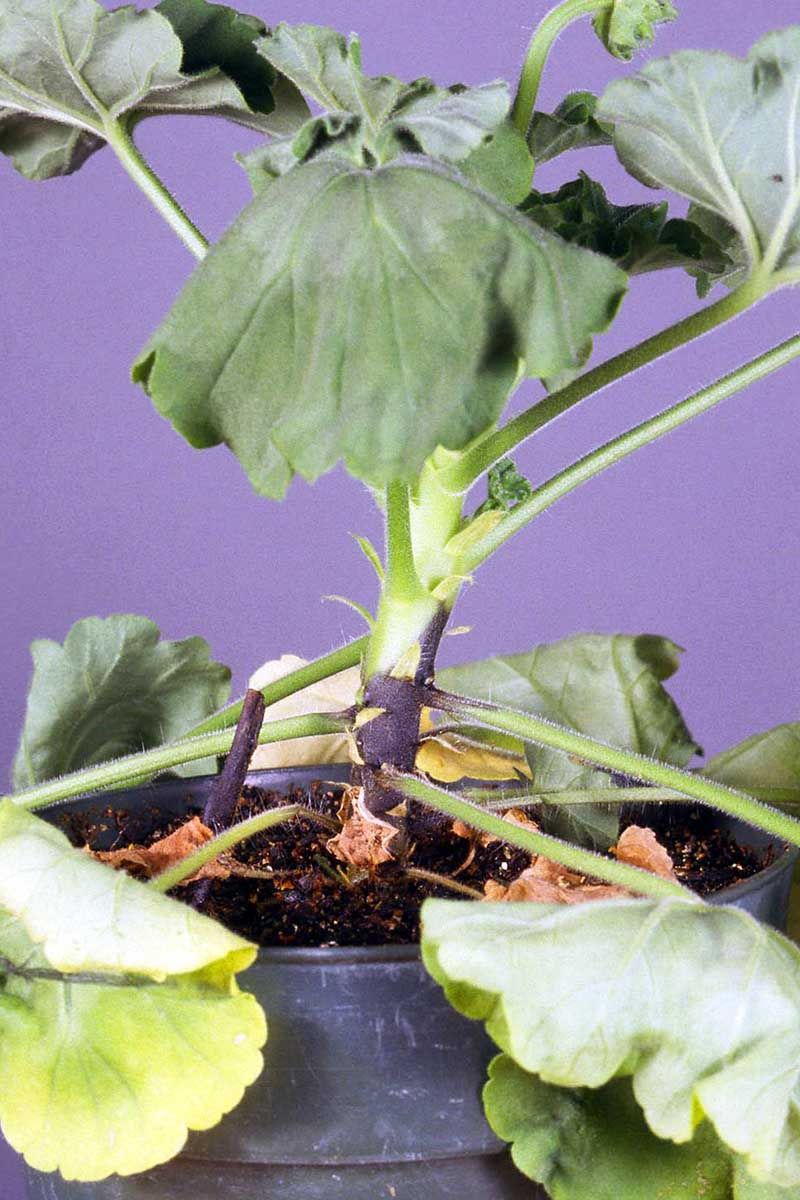
A strong cutting starts with a strong parent plant. Even perfect care indoors can’t fully fix a stem that was already in trouble. Choosing well from the start saves a lot of disappointment.
Cuttings from plants hit by frost or stressed by cold nights are more likely to fail. Plants carrying diseases like gray mold, also called Botrytis, or bacterial and fungal stem rots bring those problems along. These cuttings often turn black, soft, and mushy at the base.
Growers have a name for that blackened, rotting stem: blackleg. It’s a well-known problem in geraniums, and it can spread from one cutting to the next. Once a stem turns black, it rarely recovers.
Timing helps a lot. Take your cuttings while plants still look healthy and vigorous, ideally a week or two before the first frost. Morning is a nice time, since stems are full of water then.
Look closely before you snip. Skip stems with dark spots, mushy areas, or fuzzy gray mold on leaves or flowers. Pick firm, green stems with healthy leaves instead.
Keep an eye on your cuttings after planting too. If one starts to blacken at the base, toss it right away. Removing it quickly keeps the problem from moving to its neighbors.
Michigan weather loves surprises, and the first frost sometimes arrives earlier than the forecast promised. Many gardeners end up racing outside at dusk to grab cuttings before a cold night.
Planning ahead and watching the forecast in early fall lets you choose the best stems without rushing.
8. Dirty Tools And Pots Spread Disease
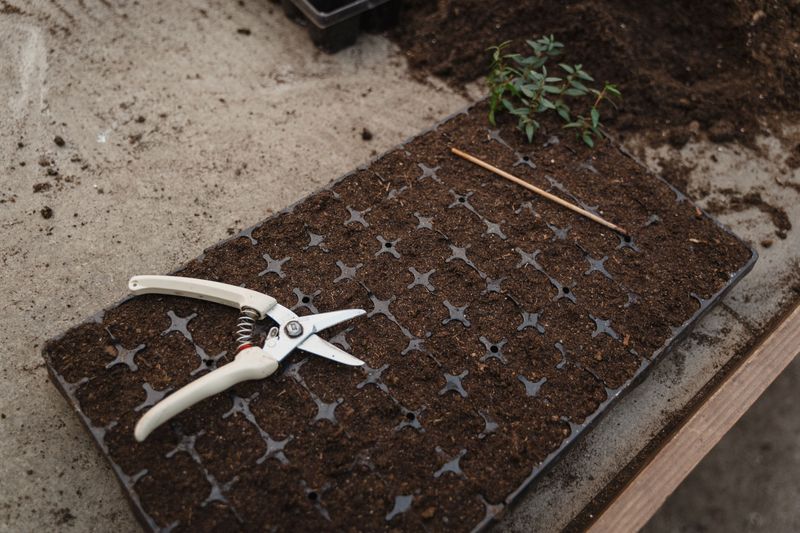
Spotless gear might not sound exciting, but it could be the secret weapon your cuttings need. Many rot problems actually start long before the cutting touches soil. They begin with the tools and pots you reach for.
Pruners, pots, and trays used before can carry fungi and bacteria. You can’t see them, but they cling to blades, rims, and leftover bits of old soil. Once they touch a fresh cut, they can infect it quickly.
Cleaning up only takes a few minutes. Wipe your pruner blades with rubbing alcohol before you start, and again between plants if any look sick. Sharp, clean blades also make smoother cuts that heal faster.
Reused pots and trays deserve a good scrub. Wash them with warm, soapy water to remove old soil. Then rinse them in a dilute bleach solution, about one part bleach to nine parts water, and let them air dry.
Always use fresh rooting mix for each new batch. Old soil from last year’s pots can hold disease, even if it looks fine. A new bag costs little compared to losing a whole tray of cuttings.
Your hands matter too. Wash them with soap before handling cuttings, especially after working in the garden. It’s an easy habit that protects every stem you touch.
For Michigan gardeners, cuttings spend months indoors before spring planting finally arrives in late May.
That long stretch gives germs plenty of time to cause trouble. Starting clean sets your geraniums up for a healthy, happy season and a garden full of color when warm weather returns.