This Is The Michigan Lawn Problem That Looks Like Drought But Is Actually Something Eating Your Roots
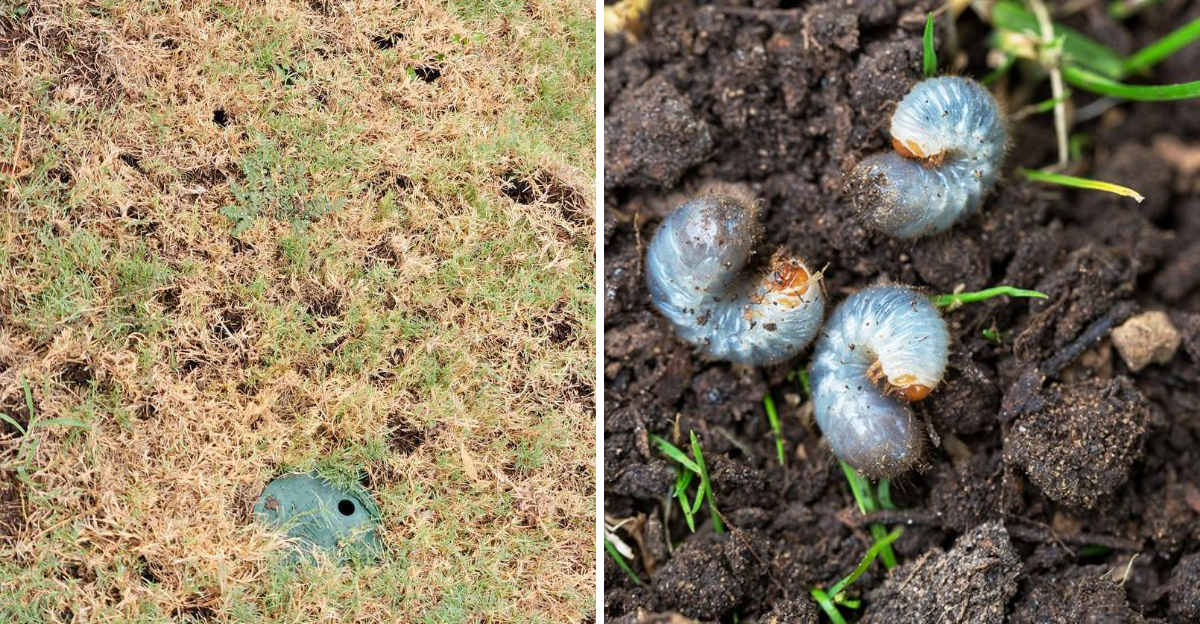
A brown lawn patch in late summer can seem easy to explain.
The weather has been dry, the sprinkler missed a corner, or the grass just needs a deeper soak. So you water, wait, and expect the turf to perk back up. Then nothing really changes.
That is the clue.
Some lawn problems only look like drought from above. Under the surface, the real issue may be much more active. When roots are damaged, grass cannot use moisture properly, even when irrigation is reaching the soil.
The patch stays dull.
The blades thin out. The ground may feel soft. Animals may start digging. A piece of turf might even lift like a loose rug because the root system no longer holds it firmly in place.
So what Michigan lawn problem can mimic drought while feeding below the surface?
Start by checking for the root-chewing larvae that show up in late summer and early fall, then confirm the problem before choosing any treatment.
White Grubs Are The Real Problem
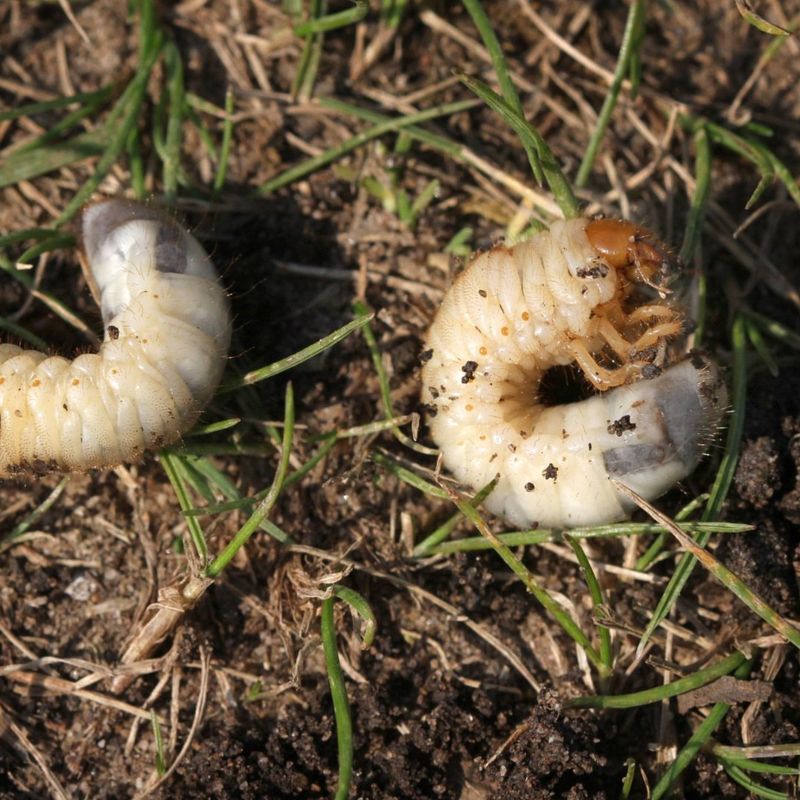
White grubs are the hidden lawn problem behind many Michigan brown patches.
They are beetle larvae that live just below the soil surface and feed on grass roots. From above, the lawn may look thirsty. Below ground, the roots may be too damaged to pull up the water you are giving them.
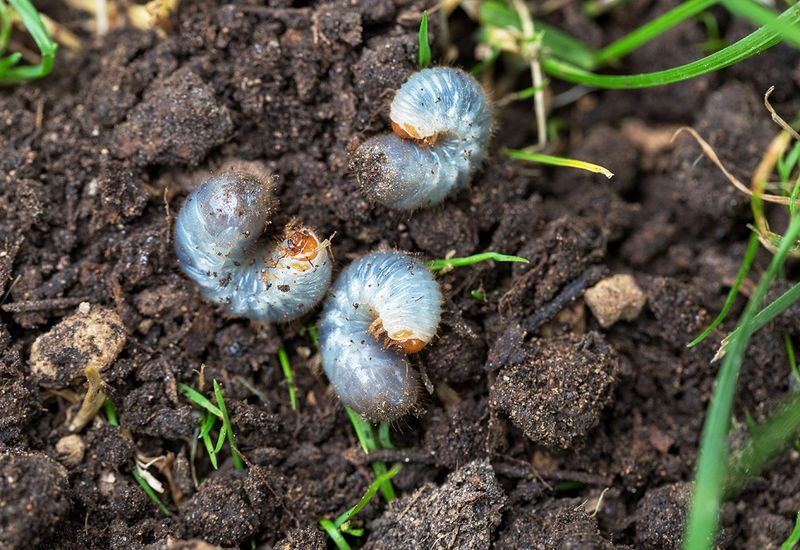
The larvae are easy to recognize once exposed. They are usually creamy white, C-shaped, soft-bodied, and have a brownish head.
Several beetles can produce them. Japanese beetles, European chafers, and masked chafers are among the common sources in Michigan lawns.
Their timing matters. Adult beetles lay eggs in summer, and the young larvae begin feeding soon after they hatch.
Late summer is when symptoms become easier to notice. By then, grubs may have chewed enough roots to weaken the turf visibly.
The damage starts underground. Grass blades lose color only after the root system has already been stressed.
Healthy grass can tolerate a few grubs. The problem begins when numbers rise high enough that root feeding outpaces the lawn’s ability to recover.
Species can affect timing. Different beetles may peak at slightly different times, which matters when choosing a control product.
Do not guess from color alone. Brown grass, dry grass, and grub-damaged grass can look almost identical at first.
The real answer is under the turf.
A quick soil inspection tells you far more than another week of watering and wondering.
Brown Patches Mimic Dry Turf
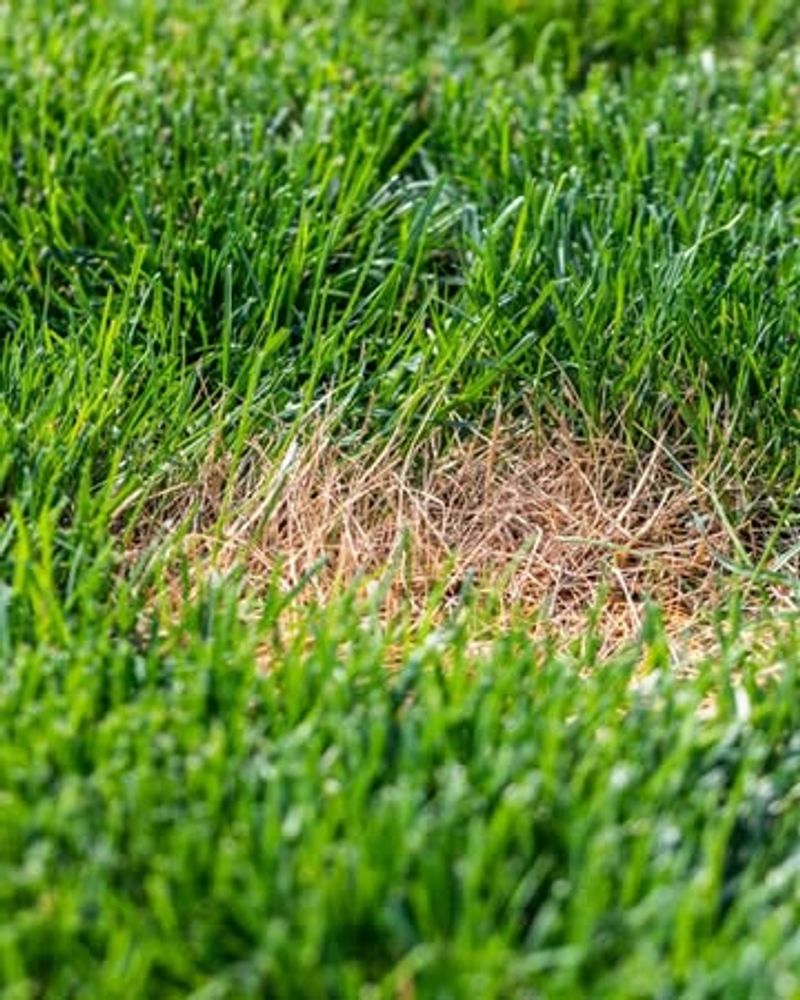
Grub damage is tricky because it looks so much like drought.
The grass turns dull, thin, grayish, or straw-colored. It may stop responding even after you water. That lack of recovery is one of the most useful clues.
Drought-stressed grass usually perks up after moisture returns. Grub-damaged grass often stays flat and tired because the roots cannot move water effectively.
The shape can help. Sprinkler problems often create more predictable patterns, while grub patches tend to look uneven and irregular.
Edges may look ragged. Healthy turf can sit right beside thinning grass with no obvious straight line between them.
Your Michigan Garden Changes Every Week. Your Plan Should Too.
Gardening in Michigan changes quickly throughout the season. Every Friday you’ll receive a simple weekly plan showing exactly what to plant, prune, fertilize, harvest, and protect so you never miss the right timing.
Look for thinning density. Blades in grub-damaged areas often seem sparse compared with nearby healthy turf.
Check irrigation anyway. A missed sprinkler head, low pressure, or blocked spray pattern can still create dry patches.
Drought and grubs can happen together. A dry stretch may make grub feeding show up faster because the lawn has less moisture reserve.
Do not assume the whole lawn has one problem. One brown area may be drought, while another may have root feeding.
Water response matters. Soil that receives adequate moisture but grows no greener deserves closer inspection.
Watch the timing. Late summer and early fall are classic periods for grub symptoms in Michigan.
The patch is not lying.
It is just giving an above-ground signal for something that needs to be confirmed below ground.
Loose Sod Reveals Root Damage
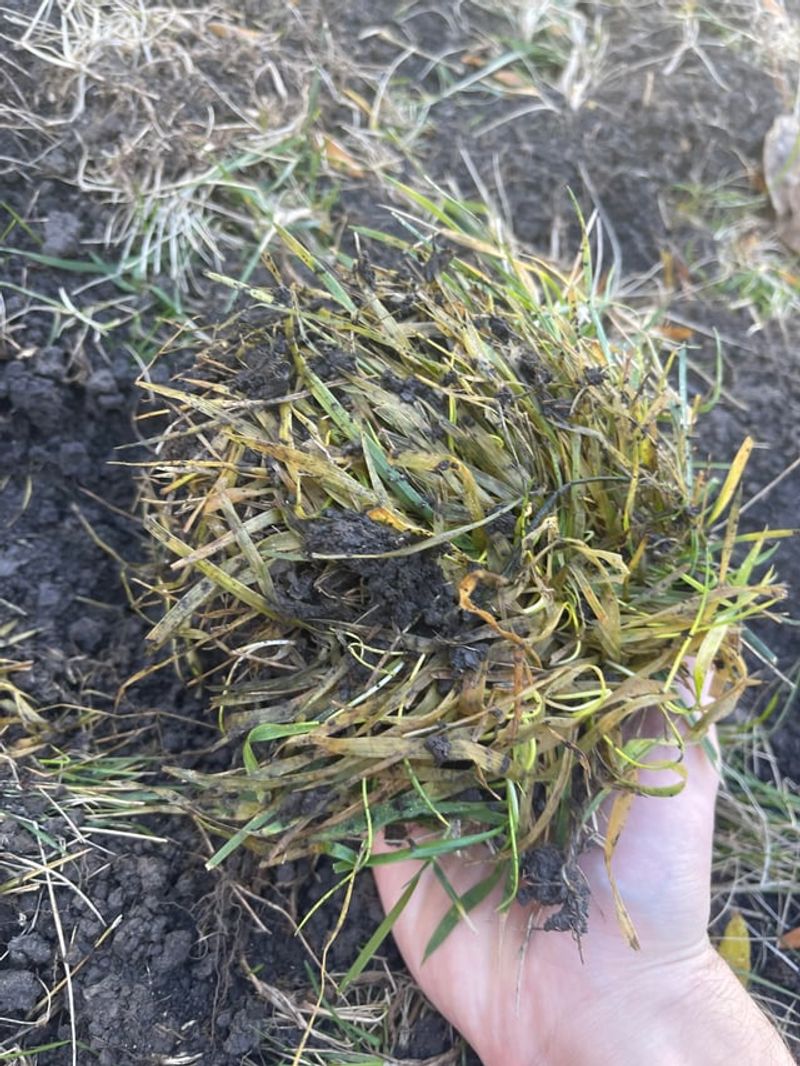
The tug test can reveal what watering cannot.
Healthy grass is anchored firmly to the soil. When you grab a handful near the edge of a brown patch and pull gently, it should resist. Grub-damaged turf often lifts much more easily.
The lawn may peel back like a loose mat. That happens because the roots that normally hold it down have been chewed away.
Test near the edge. The boundary between healthy and damaged turf is often where active feeding is easiest to find.
Do not yank from the center first. The most damaged area may already be too far gone to show current grub activity clearly.
Lift only a small section. You need enough turf to inspect, not a large torn-up patch.
Look for missing roots. A healthy sample has visible roots binding soil together.
Damaged sod may feel spongy. That soft feeling comes from turf losing its grip below the surface.
Compare with healthy grass nearby. The difference in root strength can be obvious when you test both areas.
Press lifted turf back down. Good soil contact helps any remaining roots stay connected.
Water lightly afterward if needed. A disturbed sample should not be left loose and dry.
Loose sod is a strong clue, but not the final answer.
Pair it with a grub count before deciding how serious the problem is.
Birds And Skunks Add More Clues
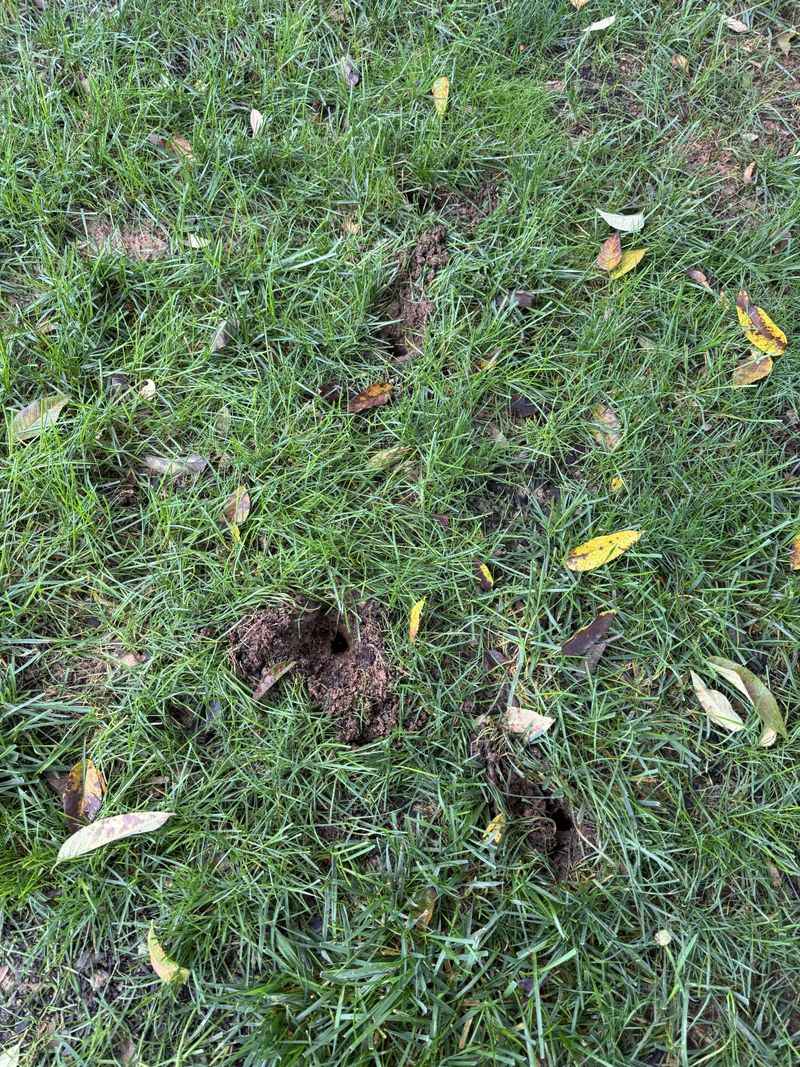
Animal activity can point you toward the problem.
Skunks, raccoons, robins, and starlings all search lawns for grubs and other soil insects. When they suddenly focus on the same patch, they may be telling you something useful.
Skunks often leave small holes. Their digging can look like scattered cone-shaped openings across the turf.
Raccoons are messier. They may roll or tear back larger pieces of sod while searching for food.
Birds leave smaller signs. Repeated peck marks or probing in one area can suggest insects are near the surface.
The animals are not the main issue. They are responding to food already present in the soil.
Do not focus only on chasing them away. Repellents or scare tactics may stop the digging briefly but leave the root problem untouched.
Check the soil where they feed. A small sample in that area can confirm whether grubs are present.
Animals may also chase other insects. Earthworms, beetles, and other soil life can attract attention too.
Fresh digging matters most. Old holes from earlier activity may not reflect current grub numbers.
Look at the lawn and the soil together. Brown turf plus animal digging plus loose sod creates a stronger case.
Avoid treating based on animal signs alone. Confirmation still matters before using any lawn product.
The digging may be annoying.
But it can also be the clue that gets you looking underground before the patch spreads farther.
Cut A Square And Count
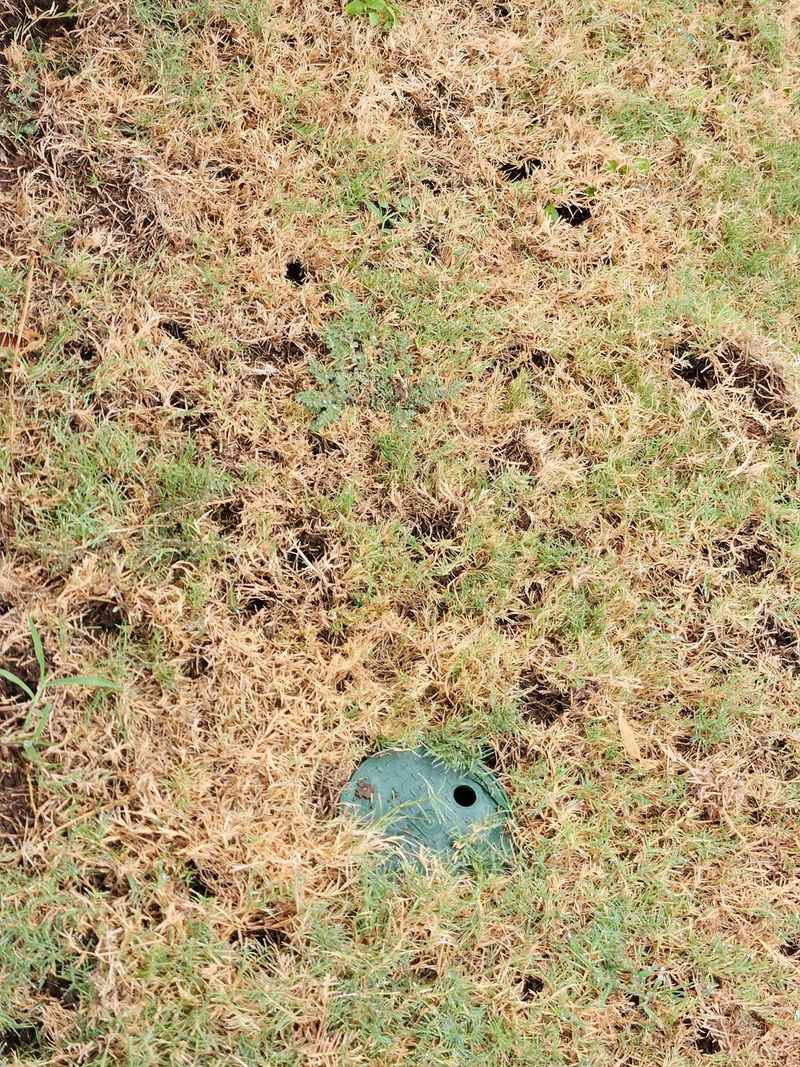
Sampling turns suspicion into evidence.
Before buying a grub control product, cut a small section of turf and count what is actually there. This keeps you from treating a lawn that may not need it and helps you target the areas that do.
Use a flat spade. Cut a square about one foot by one foot near the edge of the damaged patch.
Slice down several inches. Most active grubs will be in the upper root zone during the feeding season.
Fold the turf back carefully. Keep the sample intact so you can replace it afterward.
Sift through the soil. Look for C-shaped white larvae curled among the roots and loose soil.
Count every grub. Write down the number for that square foot.
Sample more than one spot. One cut may miss the highest or lowest part of the infestation.
Compare damaged and healthy areas. Counts from both sections help show whether grubs are truly linked to the symptoms.
Use thresholds wisely. A few grubs do not automatically mean treatment is needed.
Higher counts matter more. Around ten or more grubs per square foot in an established lawn is often a level where treatment may be considered.
Replace the turf when finished. Press it down firmly and water lightly so the sample area can settle back in.
Numbers make the decision clearer.
A confirmed count is always better than guessing from brown grass alone.
Water Lightly For Root Recovery
Damaged turf needs moisture, but not flooding.
When roots have been chewed, the grass has less ability to absorb water. That means the remaining roots need steady support while the lawn recovers.
Keep the top soil lightly moist. The goal is to help surviving roots function without creating soggy conditions.
Avoid heavy soaking. Saturated soil can add stress and encourage other lawn problems.
Water in shorter cycles if needed. Gentle moisture is often better than one long, wasteful session on weakened turf.
Watch rainfall closely. Michigan weather can shift quickly, and rain may replace a planned irrigation.
Press loose turf down. Any sod lifted by animals or inspection should be placed back against the soil.
Good contact matters. Roots cannot recover well when the turf is sitting loose above the ground.
Limit foot traffic. Walking, mowing turns, and yard games can worsen stressed areas while roots are thin.
Do not fertilize heavily right away. A weak root system may not be ready to support a flush of top growth.
Be patient. Grass with moderate root damage may need time before it looks green and dense again.
Some spots may need seed later. Fall overseeding can help fill areas where the turf thinned too much.
Recovery starts with moisture balance.
The lawn needs enough water to support regrowth, but not so much that the weakened root zone becomes another problem.