Why Gnats Keep Appearing In Your Mississippi Houseplants
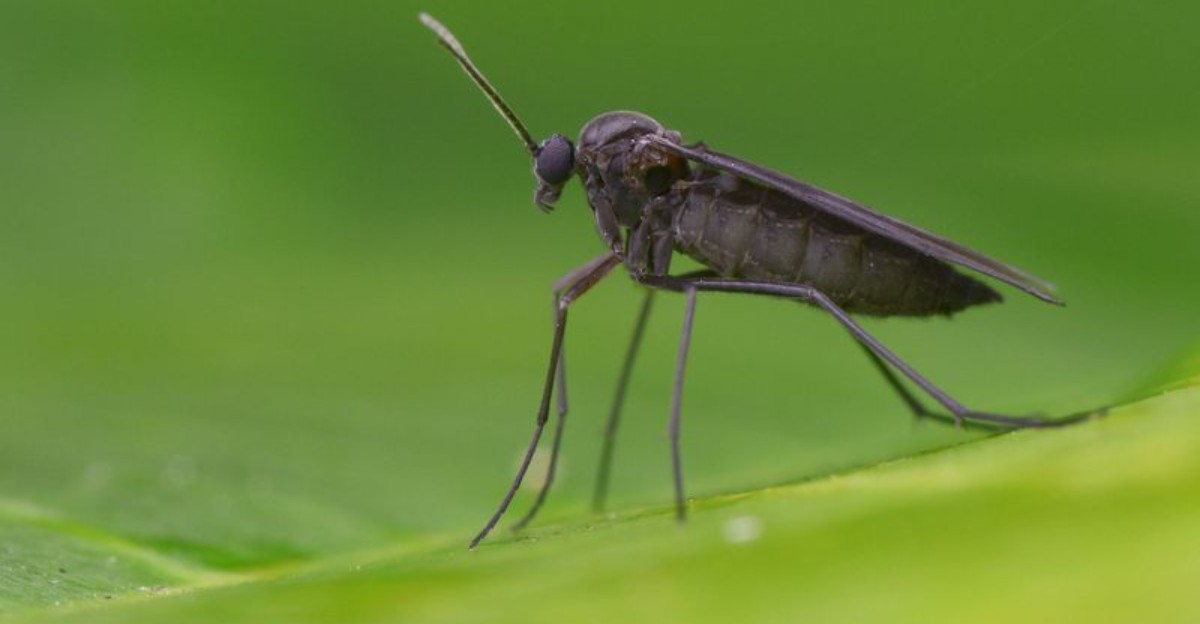
Tiny insects just rose from your damp potting soil without warning. That swarm formed while you admired new leaves on your monstera. Warm Mississippi air outside meets cold, dry vents blowing indoors, creating a strange clash.
Soil trapped between those opposing extremes turns soggy fast, feeding hidden eggs. Gnats multiply in that damp layer within days, not weeks. Nobody notices the shift until adults hover near your face at breakfast.
Mississippi humidity sneaks through open windows, doors, and wet saucers. Your regular watering habits often make the problem worse without you realizing it. Vents drying that indoor air push moisture straight into your topsoil.
Vulnerable roots sit in perfect conditions for pests to settle. Fixing this problem requires tracing exactly what changed in your home lately.
Small, simple adjustments now stop this cycle before it spreads further. You will not enjoy discovering how far this hidden problem has already spread.
1. Sticky September Air Keeps Soil Damp For Days
Walk outside in Jackson on a September morning and the air practically clings to your arms. That same soggy air drifts through doorways and settles over your plant shelf.
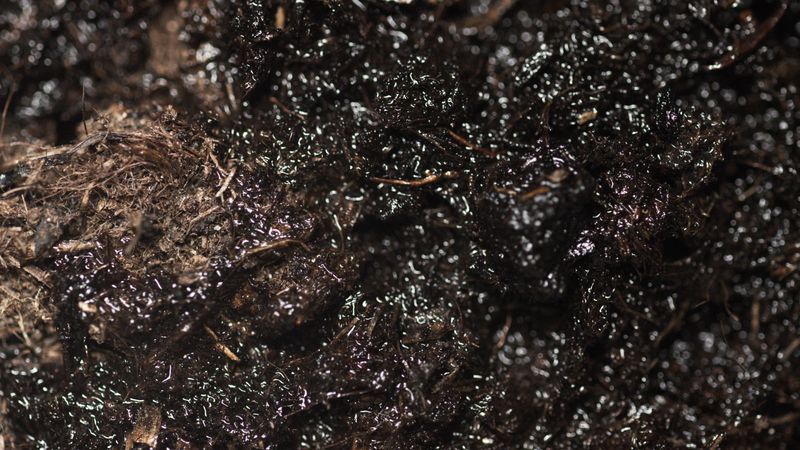
When humidity stays high, water in the top inch of soil evaporates slowly. Instead of drying within a day, that layer stays spongy for several days in a row.
Soft, damp soil is exactly the nursery those little flies are shopping for. They lay eggs near the surface, and their young feed on fungus growing in the wet mix.
Checking moisture with your finger beats guessing from across the room. Push down two inches, and if the soil feels cool and clingy, set the watering can aside a while longer.
A small oscillating fan on low does quiet, useful work here. Moving air across the surface shortens the damp window and makes pots far less appealing.
Crowded shelves trap humidity between leaves like a miniature greenhouse. Sliding pots a few inches apart lets each one breathe and dry at a normal pace.
Terracotta helps too, since clay wicks moisture out through its sides. Plastic and glazed ceramic hold water much longer, which suits these insects just fine.
Homes in coastal, humid parts of the state feel this sharply, though inland hill areas notice it as well. Treat early fall as a season to water less often and observe more. Your plants slow down as daylight shrinks, and their thirst drops right along with it.
2. Overwatering Is Often One Of The Culprits
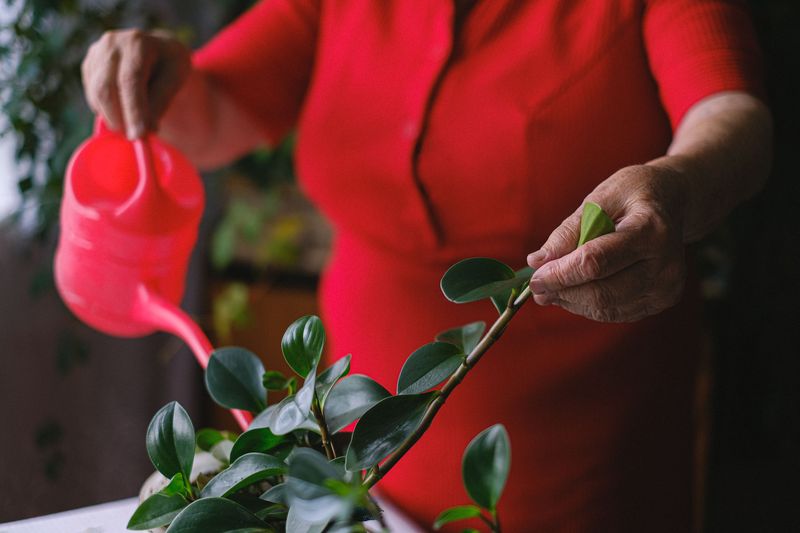
Here is the tough truth indoor gardeners learn slowly: affection poured through a watering can can backfire. A rigid weekly schedule ignores what the pot actually needs that week.
Soil kept constantly wet grows a thin film of fungus and bacteria near the surface. That film is baby food for larvae tucked into the top inch.
Roots suffer as well, turning soft and mushy, which adds more decaying material to the buffet. One habit ends up feeding two problems at the same time.
Your Mississippi Garden Changes Every Week. Your Plan Should Too.
Gardening in Mississippi changes quickly throughout the season. Every Friday you’ll receive a simple weekly plan showing exactly what to plant, prune, fertilize, harvest, and protect so you never miss the right timing.
Try watering by weight instead of by calendar. Lift the pot right after a drink, then lift it again three days later and feel the difference.
Bottom watering is another smart switch. Setting the pot in a tray of water for fifteen minutes soaks roots while leaving the top layer drier and less inviting.
Mississippi daylight starts shrinking by a few minutes each day in September. Slower growth means your pothos sips less than it did during the blazing stretch of July.
Cut back gradually rather than all at once. Stretch the gap between waterings by two or three days, then watch how the leaves respond.
Thirsty plants perk up within hours of watering. Soggy roots show up differently, with yellowing, limp stems, and a slow recovery that drags on for weeks.
Keep a short note on your phone listing watering dates. Patterns appear quickly, and you will spot the one pot that stays wet far too long. Learning that difference is the biggest upgrade for plant keepers in this climate.
3. Bagged Potting Mix Can Arrive With Passengers
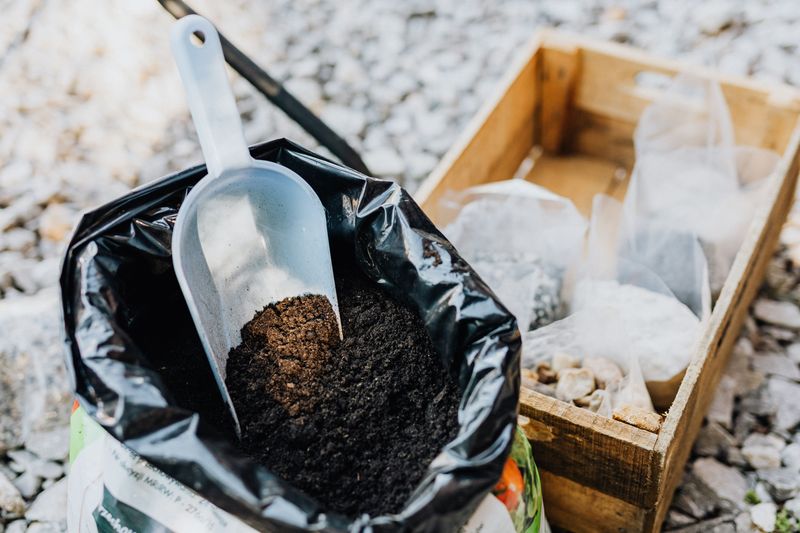
One contributing factor may be this. Bagged potting mix is sometimes stored outdoors before it reaches shelves, which can expose it to moisture. Warm, wet peat is prime real estate for insect eggs.
You bring the bag home, scoop it into a fresh pot, and unknowingly give the eggs a new place to hatch. Two weeks later the adults show up at your kitchen window.
Peat and coco coir hold moisture well, which is why they are common in potting mixes. That same trait extends the damp period these insects depend on.
Before potting, spread the mix on a tarp and let it air out in the sun for a day. Dry, crumbly soil is much less hospitable than soggy soil straight from the bag.
Some gardeners bake small batches in a shallow pan at 200 degrees for thirty minutes. Storing leftovers matters just as much. Seal the bag with a clip, keep it off damp concrete, and stash it somewhere shaded and dry.
Mixing in perlite, pumice, or coarse bark improves drainage and helps water move through instead of lingering. Chunkier soil also gives larvae fewer soft spots to settle.
Choosing a mix labeled for cactus or succulents works well for plants like snake plant and ZZ. Those blends drain quickly and stay far less attractive. A little prep before repotting saves you weeks of swatting later on.
4. Plants That Summered On The Porch Brought Company
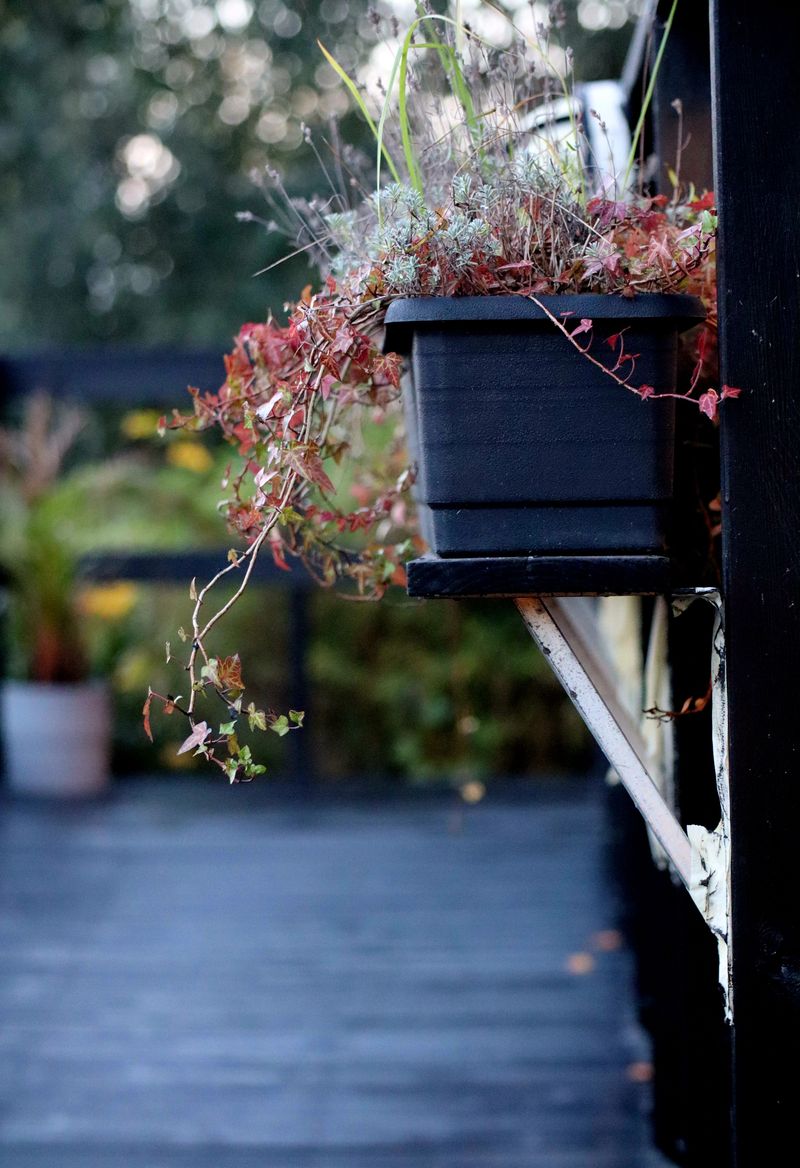
Did your fiddle leaf fig spend June through August lounging on a shaded porch this summer? That vacation did wonders for growth and also opened the door to a few hitchhikers.
Outdoor soil hosts a whole neighborhood of tiny insects. When a pot sits on damp ground or mulch, eggs slip into the drainage holes without anyone noticing.
Bringing plants back inside during the first cool snap moves that population into a room with steady warmth and no predators. Populations can grow quickly under these conditions.
Give returning plants a two-week quarantine in a spare room or bathroom. Watching them separately means one pot cannot pass trouble along to your whole collection.
Rinse the outside of pots and saucers with soapy water, then scrub away any mud or algae rings. Grime hides eggs surprisingly well.
Some folks swap out the top two inches of soil before the plant comes indoors. Fresh, dry material on top removes the layer where the action happens.
A gentle spray on the leaves with a hose knocks off aphids, spider mites, and other freeloaders at the same time. Let foliage dry fully before moving anything inside.
Timing helps too. First frost rarely arrives in September in this region, so there is usually no need to bring plants in after the first cool morning.
Bring them in on a dry, breezy afternoon rather than after a downpour. Drier soil at move-in day makes a real difference in what follows.
5. Standing Water In Saucers Turns Into A Nursery
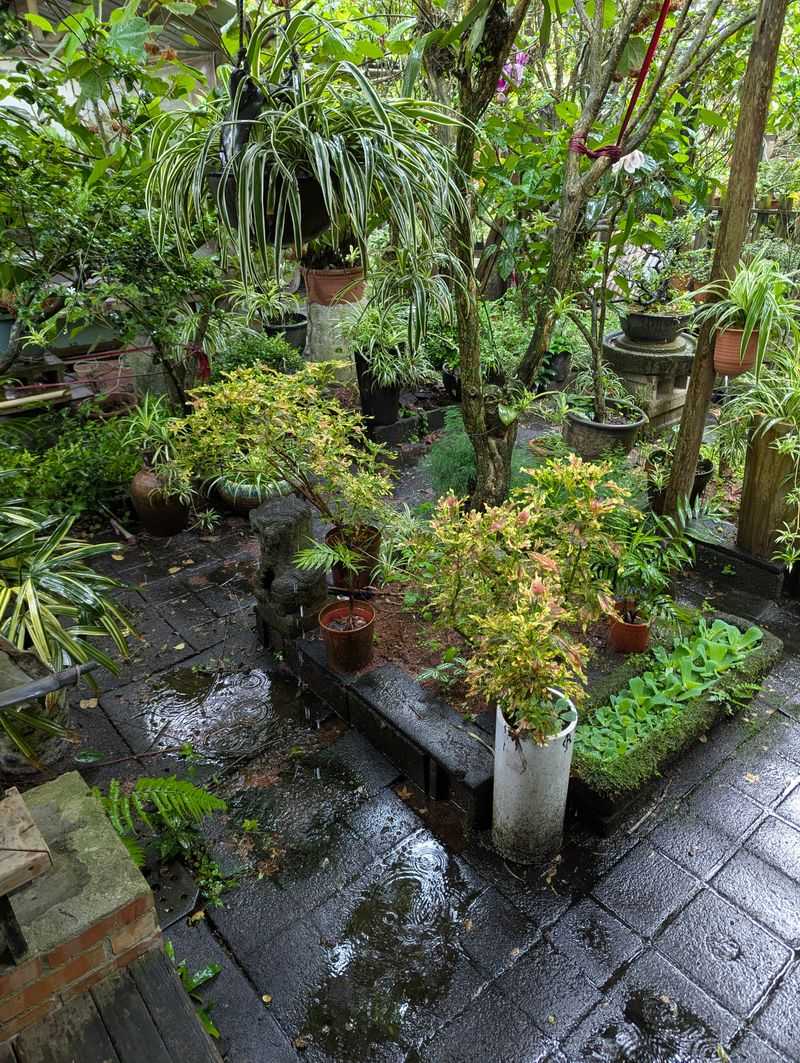
Peek under your pots right now. If a shallow pool is sitting in the saucer, you have found a nursery hiding in plain sight.
Water that lingers in a saucer keeps the bottom of the root ball soaked for days. Wicking pulls that moisture upward, so the whole pot stays wetter than you assume.
Algae and slime build up in those trays, adding another food source for larvae. The film feels slippery when you tip the saucer to rinse it.
Empty saucers about twenty minutes after watering, even on your busiest days. That single habit changes soil conditions throughout the pot.
Pot feet or a handful of pebbles lift the container above the waterline. Roots stay out of the puddle while humidity still rises around the leaves.
Check that drainage holes are actually open. Roots, compacted soil, and stray bits of packing material block them more often than people realize.
Decorative pots without holes deserve extra caution in a humid state like this one. Keep the plant in a nursery pot inside the cachepot so you can pour off extra water.
Self-watering planters need watchful management too. Let the reservoir run dry for several days between refills instead of topping it off automatically.
Bathrooms and laundry rooms in older homes often hold moisture longer than the rest of the house. Dry saucers, open drainage, a bit of airflow, and the crowd thins out on its own.
6. Old Leaves And Mushy Roots Become A Buffet
Larvae are not really after your plant. What they crave is decaying organic material, and a neglected pot offers plenty of it.
Yellowed leaves that drop and stay on the surface break down into soft mush. Add a fallen flower or two and you have an additional food source for larvae.
Roots damaged by soggy conditions break down underground over time, releasing the same kind of material. That is why chronically wet pots attract the heaviest activity.
Pick fallen leaves off the soil during your weekly walk-through. Thirty seconds of tidying removes the layer they feed on.
Rich amendments deserve a second look as well. Fresh compost, worm castings, and unfinished organic matter feed plants nicely but also feed larvae.
Blend those materials deeper into the pot instead of spreading them across the top. Mixing them under two inches of mineral soil limits surface access.
If a plant has been declining for months, slide it out of its pot and inspect the roots. Firm and pale is a good sign; brown and mushy calls for trimming and fresh mix.
Wipe down shelves and windowsills too, since spilled soil collects in corners and stays damp. A quick vacuum takes care of it.
Mississippi kitchens add another wrinkle in September, when peaches and tomatoes ripen on the counter. Nearby fruit draws its own tiny flies, which people often confuse with the soil dwellers. Keep produce covered and your identification stays accurate.
7. Warm Rooms And Cool Vents Create Muggy Pockets
Your thermostat settings can directly influence the insect breeding cycle. Steady indoor warmth lets these flies complete their life cycle in roughly three to four weeks, over and over.
Air conditioning adds a twist. Cool air sinks toward the floor while warm, moist air hovers higher, creating pockets where humidity lingers around plant shelves.
Condensation on window glass drips down onto sills and soil surfaces. That extra trickle keeps the top layer damper than your watering schedule suggests.
Move plants a foot or two away from cold vents and drafty glass. Even conditions beat dramatic swings between chilly and muggy.
Rooms that stay shut, like guest bedrooms, hold stale, humid air. Cracking the door and running a ceiling fan on low keeps that air circulating.
September in Mississippi brings the awkward stretch when nobody knows whether to run heat, cooling, or neither. Plants feel that indecision through their soil.
Consider grouping moisture lovers such as ferns and calatheas together on a pebble tray, then keeping drier plants elsewhere. Matching plants to microclimates reduces the number of soggy pots.
A cheap hygrometer on the shelf takes the guesswork out. Readings around 45 to 55 percent suit tropical foliage. Soil moisture, not room humidity, is the bigger factor in discouraging these insects.
Watch for morning fog on windows in older, less insulated houses. Heavy condensation signals indoor moisture that deserves attention beyond the plants.
Balanced airflow and steady humidity make the whole shelf less welcoming to unwanted visitors.
8. Steps That Reduce Gnat Activity Over Time
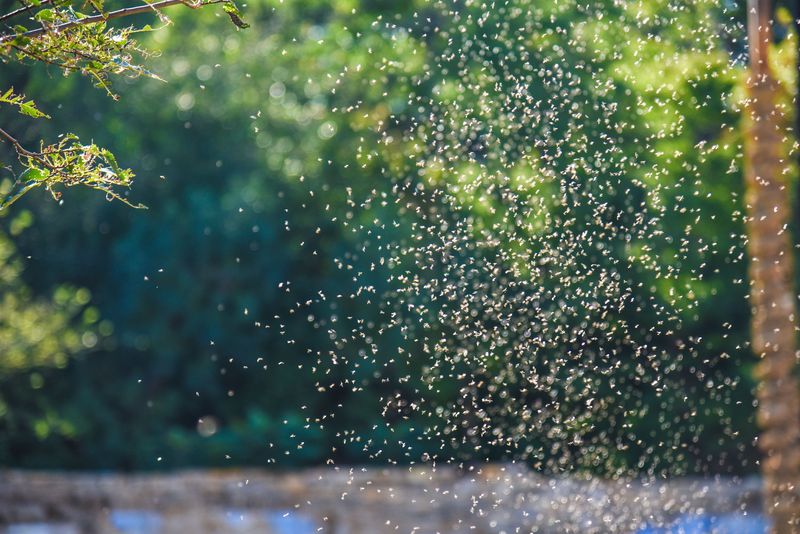
Ready for the solution stage? Breaking this cycle takes two weeks of consistency and a few inexpensive tools.
Start by letting the top two inches of soil dry between waterings. Interrupting that damp layer stops new eggs from hatching successfully.
Slide yellow sticky cards into each pot at soil level. Adults land on them within hours, and the cards double as a scorecard for tracking progress.
Top the soil with half an inch of coarse sand, poultry grit, or fine gravel. Larvae struggle to travel through gritty material, and adults find it hard to reach the mix below.
Products containing Bacillus thuringiensis israelensis, sold as mosquito bits, target larvae in the soil while leaving plants unharmed. Steep the granules in water overnight, then use that water for your next few rounds.
A rinse of one part hydrogen peroxide to four parts water offers a quick reset for lightly affected pots. Expect a bit of fizzing, which is normal.
Vinegar traps catch stragglers. Fill a small dish with apple cider vinegar and a drop of dish soap, then set it beside the pot.
Repotting stubborn plants into fresh, chunky mix gives you a clean slate. Rinse the roots gently and scrub the container before refilling.
Stick with the plan for three full weeks so overlapping generations run out of options. Mississippi gardeners who stay consistent through September often see noticeable improvement by mid-October, though results vary by infestation severity.