Why Grass Struggles To Grow In Pennsylvania Soil (And How To Fix It)
You seeded, watered, and waited, yet the lawn came up patchy and brown. Thin spots sit quietly under your sneakers.
Puddles linger for days after summer storms, leaving the ground gray and gooey. Meanwhile, your neighbor’s lawn looks ready for a magazine cover.
Pennsylvania ground holds surprising habits that puzzle patient gardeners like you. Old farm history left packed layers beneath your feet.
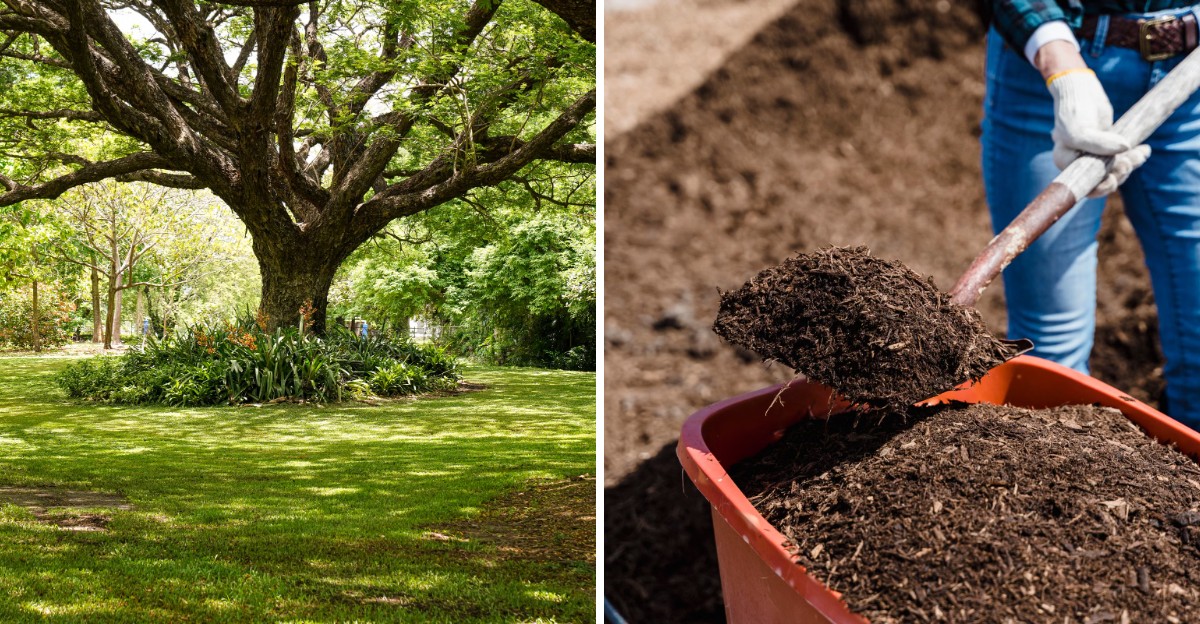
Towering oaks claim gallons of water before your grass gets a sip. Rocks redirect drainage, and rain pools where you least expect it.
October changes the game in your favor. Warm ground and cool air still encourage roots to grow deep this season.
Seed sown this fall gets a head start on spring weeds. A plan built around your actual dirt outperforms wishful thinking. Test the soil in your Pennsylvania lawn, and your exact pH will finally surface.
Heavy Clay Soil Limits Root Growth
Grab a handful of wet Pennsylvania dirt and squeeze it. If it holds together like modeling clay, you have found the first big problem.
Clay soil is made of tiny, flat particles that stack tightly together. Those snug layers leave only tiny pores, so air and water move slowly.
Grass roots need air pockets to breathe and grow deep. In heavy clay, they stay short, weak, and close to the surface.
Many parts of Pennsylvania have clay-rich ground, though soil type varies from yard to yard. Builders often scrape away topsoil too, leaving the stickiest layer on top.
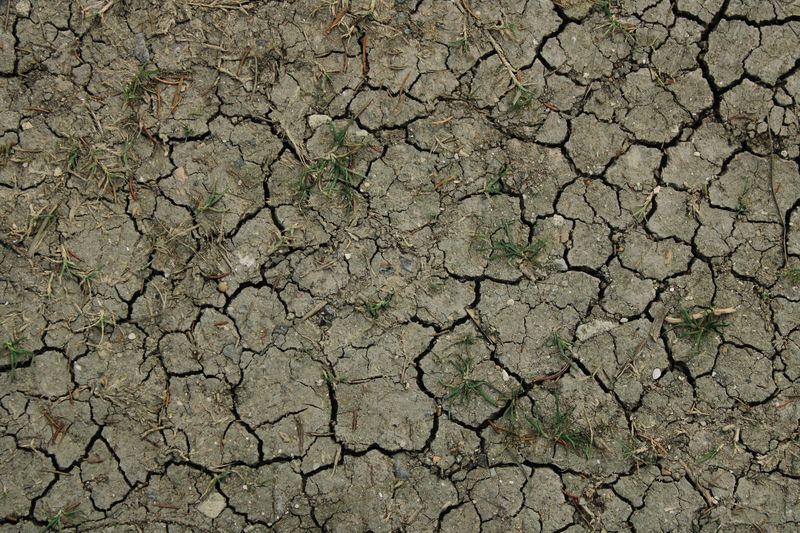
After a rainstorm, clay turns wet and heavy and holds water for days. Then summer heat hardens it as it dries.
Neither condition suits young grass. Seeds may sprout, but the tiny roots struggle to push through such dense ground.
Want a quick test at home? Dig a hole one foot deep, fill it with water, and time how long it drains.
If water still sits there after several hours, clay or compaction is a likely cause. Spotting the issue early saves you money on seed that will not thrive.
Look for other clues as well, like puddles that linger or cracks that appear in dry August weather. Moss and persistent weeds often move in where grass thins out.
The fix section below explains how to loosen this heavy dirt. For now, just know that clay is not your enemy, only a tricky roommate.
Acidic Soil Reduces Nutrient Availability
Pennsylvania gets plenty of rain, and that rain slowly changes your soil’s chemistry. Over many years, it washes calcium and magnesium deeper underground.
What gets left behind is acidic soil, measured by something called pH. Most lawn grasses prefer a pH between 6.0 and 7.0.
Many yards across the state test closer to 5.5 or even lower. Forested areas often test acidic, especially where lime has not been added.
Think of acidic soil like a locked pantry full of food. The nutrients are there, but grass roots cannot reach them.
Nutrients like phosphorus become harder for plants to absorb as pH drops. Meanwhile, elements like aluminum can build up and harm tender roots.
Your Pennsylvania Garden Changes Every Week. Your Plan Should Too.
Gardening in Pennsylvania changes quickly throughout the season. Every Friday you’ll receive a simple weekly plan showing exactly what to plant, prune, fertilize, harvest, and protect so you never miss the right timing.
You might keep adding fertilizer and wonder why nothing improves. Some of that fertilizer goes unused until conditions improve.
Signs of acidic soil include thin, yellowish grass. Plants like sheep sorrel also favor acidic ground. Plants like sheep sorrel also favor acidic ground.
The best way to know for sure is a soil test. Penn State Extension offers soil test kits that you mail to their lab. Check their website for current pricing.
Turnaround times vary, so check the lab’s current estimate. The report tells you your exact pH and how much correction your yard needs.
October is a smart time to test, so you have results before winter sets in. Picture paying for groceries you are not allowed to eat. That is similar to how your lawn fares in acidic Pennsylvania dirt.
Packed Ground Slows The Water
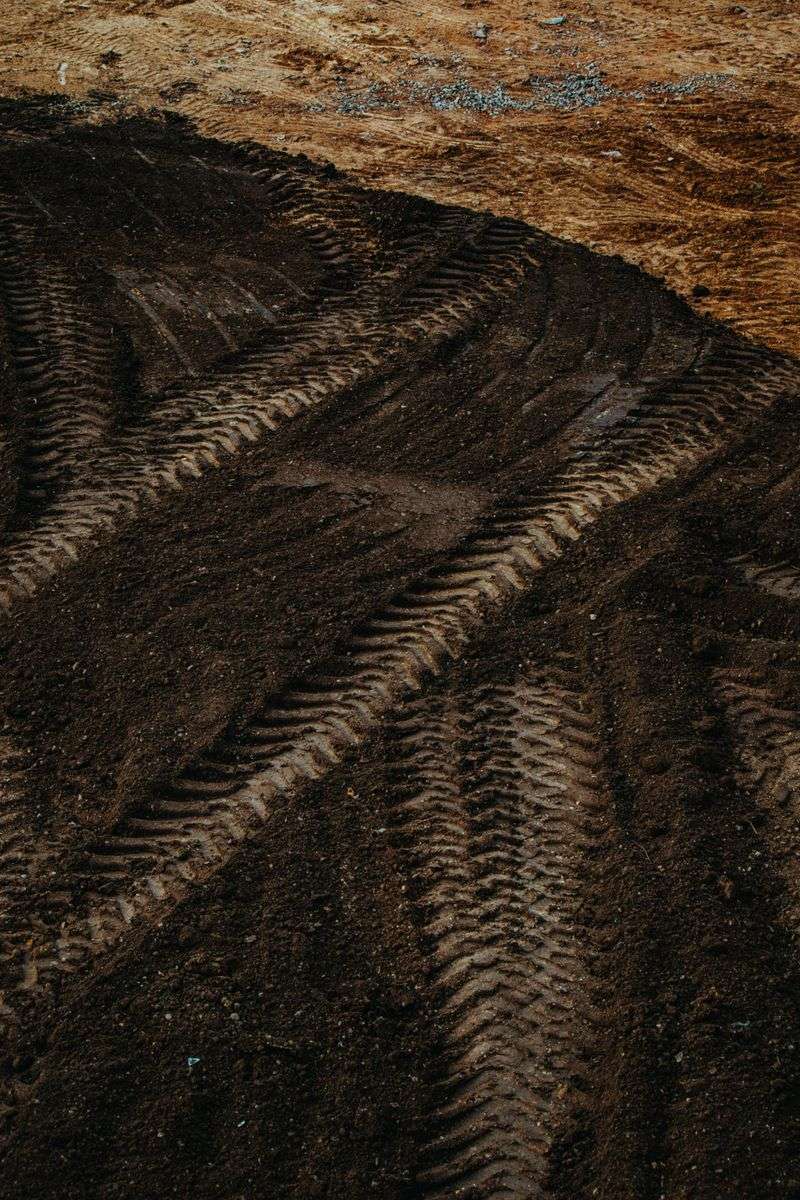
Kids playing tag, dogs racing laps, and lawn mowers rolling past all leave a mark. Footsteps gradually press soil particles closer together.
Over time, the ground becomes much firmer. Experts call this compaction, and it is common in busy Pennsylvania yards.
Clay soil compacts more easily than sandy soil, especially when wet. Since clay is common in the state, the problem can stack up.
When soil is packed tight, rainwater cannot soak in properly. Instead, it runs off the surface and carries seed and fertilizer away.
Roots also have trouble pushing downward through hardened dirt. Shallow roots leave grass weak when hot, dry weather arrives in July.
Construction is another less obvious cause of packed ground. Heavy trucks and equipment compact newer housing lots long before any seed goes down.
Try the screwdriver test on a day when the soil is slightly moist. Push a long screwdriver straight into the ground with your hand.
If it slides in easily, your soil is in decent shape. If you must lean on it hard, compaction is likely holding things back.
Worn paths are an easy giveaway too. Thin strips often form where people cut across the yard to reach the mailbox or driveway.
Winter freeze and thaw cycles help a little. Packed ground usually needs a helping hand to breathe again.
Even a backyard party can pack the soil around a patio. Rotate where you set up chairs and games when possible.
Your lawn is not lazy, it is just stuck under pressure. Who could stretch out and relax inside a crowded elevator?
Thick Shade Limits Light For Grass
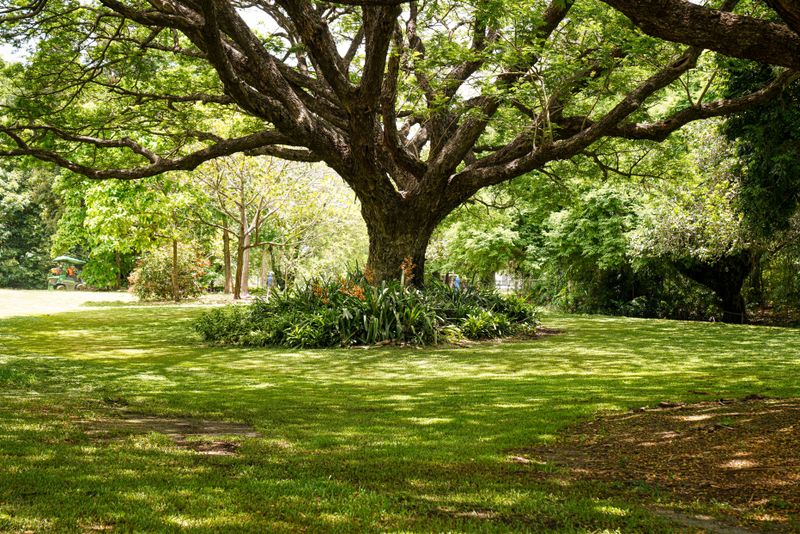
Pennsylvania means ‘Penn’s Woods,’ and the name fits well. Forests are common across the state, with oaks, maples, and towering evergreens.
Those trees look beautiful in October, but they create a big lawn challenge. Most grasses need at least four to six hours of direct sun.
Under a thick canopy, grass slowly thins out year after year. Blades grow tall and spindly as they stretch toward the light.
Trees also compete for water and food below the surface. Their wide roots soak up moisture before grass gets a fair share.
Shady spots stay damp longer, which invites moss and lawn diseases. Fallen leaves can smother grass if they pile up for weeks.
Houses, fences, and sheds cast shadows too. A north-facing yard may get far less sunshine than you expect.
Spend one Saturday tracking the sun across your property. Check each area every couple of hours and jot down notes.
You may find a spot that gets only two hours of light. Few grass seeds will thrive with that little light.
Fine fescues handle shade better than most other types. Kentucky bluegrass, on the other hand, performs poorly without plenty of sunshine.
Trimming lower tree branches lets more light reach the ground. A certified arborist can thin the canopy in a way that limits stress on the tree.
For the darkest corners, consider mulch, ferns, or hostas, though deer often eat hostas. Sometimes the smartest move is letting a shady spot become something new.
Rake leaves often during autumn so grass can soak up sunlight. Your lawn deserves a tan, not a leafy blanket.
Core Aeration Loosens The Ground
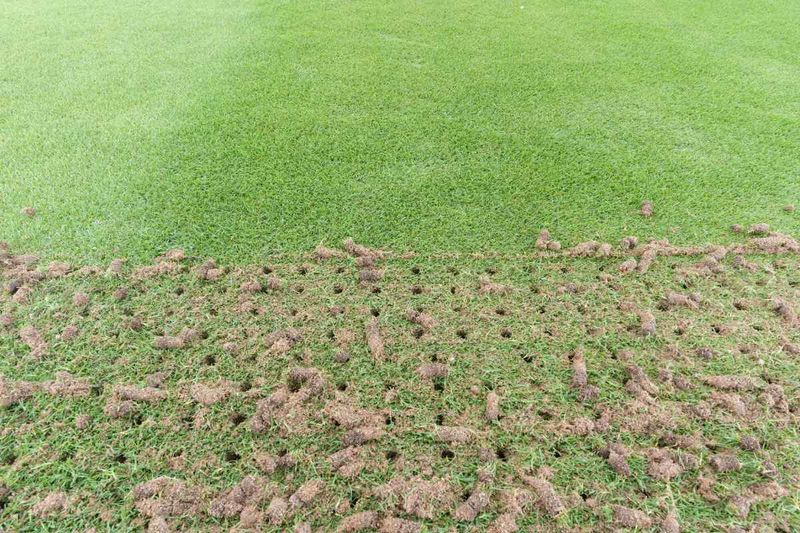
Imagine poking thousands of tiny breathing holes into your yard. Core aeration does just that, and grass loves it.
An aerator is a machine that pulls small plugs of soil from the ground. Each plug is about the size of your finger.
Those holes let air, water, and nutrients slip down to the roots. They also give roots room to spread out in packed clay.
Early fall is an ideal window for Pennsylvania lawns. Cool-season grasses grow strongly in October while the soil is still warm.
Water the yard a day or two before you aerate. Moist soil lets the tines sink deeper and pull cleaner plugs.
Most home improvement stores rent core aerators for about half a day. Splitting the cost with a neighbor makes the job cheaper.
Skip spike aerators that only poke holes without removing soil. Those spikes can press the surrounding dirt even tighter together.
Leave the soil plugs sitting on the lawn after you finish. They break down within a few weeks and return nutrients.
Mark sprinkler heads and buried cables with flags before starting. A call to PA One Call marks public utility lines, so mark private lines like sprinklers yourself.
Clay-heavy yards benefit from aerating every year. Sandier lawns with lighter traffic may only need it every two or three years.
Aerating right before seeding gives new grass a cozy place to land. Seeds tumble into the holes and sprout with better contact.
Your yard will look dotted with small plugs for a while. Give it a few weeks, and the spots fade into thicker growth.
Garden Lime Sweetens The Soil
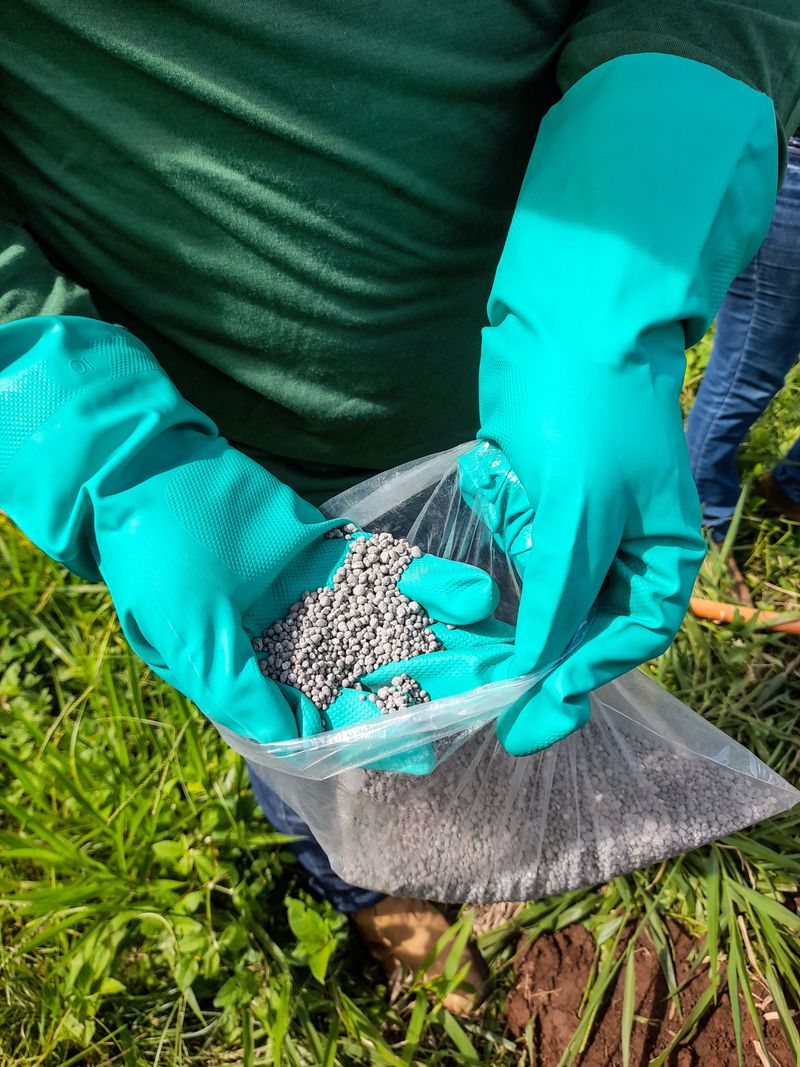
Farmers in Lancaster County have spread lime on fields for generations. Homeowners can borrow that same old-fashioned trick for their lawns.
Ground limestone, often sold as garden lime, is a natural rock rich in calcium. It slowly raises soil pH, making acidic dirt more friendly to grass.
Start with your soil test results before buying a single bag. The report recommends how many pounds to spread per 1,000 square feet.
Pelletized lime is the easiest type to handle at home. It flows smoothly through a regular broadcast spreader with little dust.
Dolomitic lime adds magnesium along with calcium. Pick it if your test also shows low magnesium levels.
Fall is a good time to apply lime in Pennsylvania. Winter rain, snow, and freezing help work it down into the soil.
Avoid dumping a huge amount all at once. Many guides suggest no more than 50 pounds per 1,000 square feet per application, so follow your soil test report.
Lime works slowly, so patience matters here. Changes in pH can take several months to show up.
Walk in two directions when spreading for even coverage. Apply half the rate in each direction.
Going north to south, then east to west, prevents streaks and missed spots. Plan to retest your soil every two to three years. Pennsylvania rain keeps nudging pH downward, so occasional touch-ups help.
Ground limestone is gentle and generally safe for kids and pets once watered in. Still, wearing gloves and a dust mask during spreading is wise.
Think of it as an antacid for grumpy soil. A calmer stomach underground means happier, greener grass above.
Rich Compost Feeds The Dirt
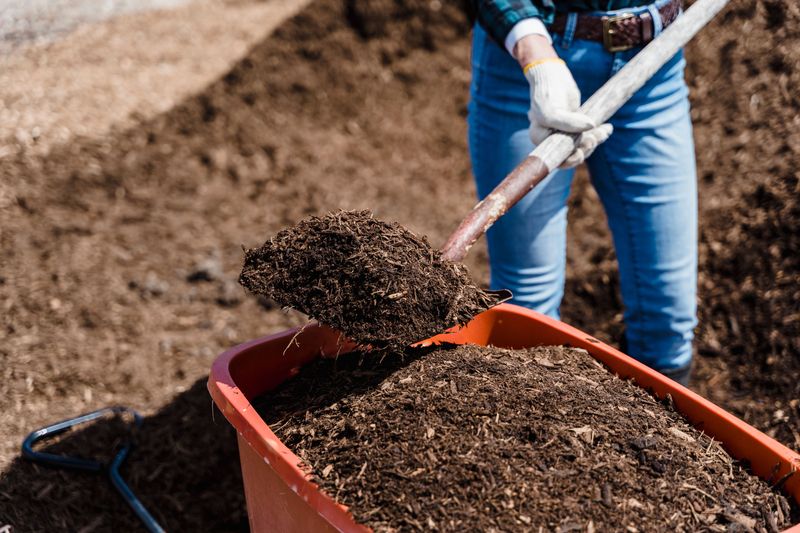
A pile of fallen leaves in your yard is free material for compost. Compost turns that autumn mess into dark, crumbly food for soil.
Adding compost is one of the best long-term fixes for Pennsylvania clay. Organic matter separates clumped particles and creates space for air.
It also helps sandy soil hold on to water longer. Either way, roots find a much more comfortable home.
Topdressing is the simplest method for an existing lawn. Spread a thin layer, about a quarter inch, right over the grass.
Use the back of a garden rake to brush it in. The grass blades should still poke through the compost.
Pairing compost with aeration works well. The rich material falls into the holes and feeds roots deep down.
Some Pennsylvania towns offer free or cheap compost from leaf collection programs. Check your township website before buying bags at a store.
You can also make your own in a backyard bin. Mix brown leaves with green grass clippings and kitchen scraps like vegetable peels.
Turn the pile every few weeks to keep it working. Finished compost smells earthy, like a forest floor after rain.
Earthworms show up once soil has more organic matter. Their tunnels loosen dirt naturally, so they basically work for free.
Mulching mowed leaves straight into the lawn helps too. Just run the mower over thin layers until the pieces look like confetti.
Results build slowly over a few seasons. Each layer adds up, like deposits in a savings account for your soil.
Your yard may smell a little like a farm for a day. Your neighbors will forgive you once your grass turns emerald.
Fall Overseeding Thickens The Lawn
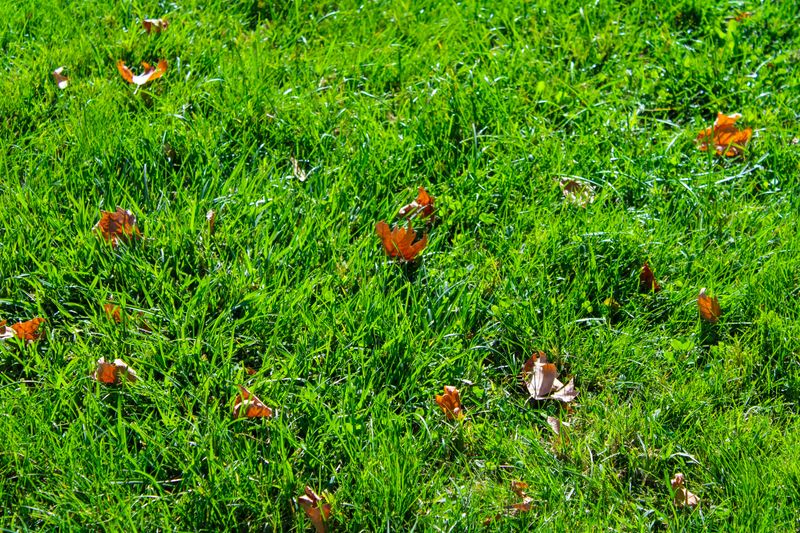
Late August through early October is the best time for seeding Pennsylvania lawns. Soil stays warm, air turns cool, and weeds slow down.
Overseeding means spreading new seed over your existing grass. It fills in thin spots and crowds out weeds before they settle in.
Choose a seed mix that matches your yard’s conditions. Tall fescue handles clay and drought, while fine fescue tolerates shade.
Kentucky bluegrass and perennial ryegrass shine in sunny, high-traffic areas. Many Pennsylvania garden centers sell blends made for the region.
Mow your lawn shorter than usual, around two inches, before seeding. Rake away clippings so seed can touch the soil directly.
Seed resting on thatch or leaves struggles to sprout. Good soil contact is the secret to strong germination.
Use a broadcast spreader and follow the rate printed on the bag. Spreading in two directions gives more even coverage.
Keep the top layer of soil moist until seedlings appear. Light watering once or twice a day usually does the trick.
Ryegrass sprouts in about one to two weeks, while bluegrass can take two to four weeks or more.
Hold off on heavy foot traffic until new grass gets mowed a few times. Kids and pets may need a temporary detour.
A starter fertilizer gives baby roots an extra boost. Look for one labeled for new seedlings, follow directions carefully, and check local phosphorus rules first.
Rake fallen leaves gently so they do not smother the young grass. A leaf blower on low works well too.
Come spring, you should notice a thicker, greener lawn if the seedlings establish well. All that fall effort pays off like finding cash in last year’s coat.