Why Italian Cypress Is A Bigger Fire Risk Than Most California Homeowners Realize
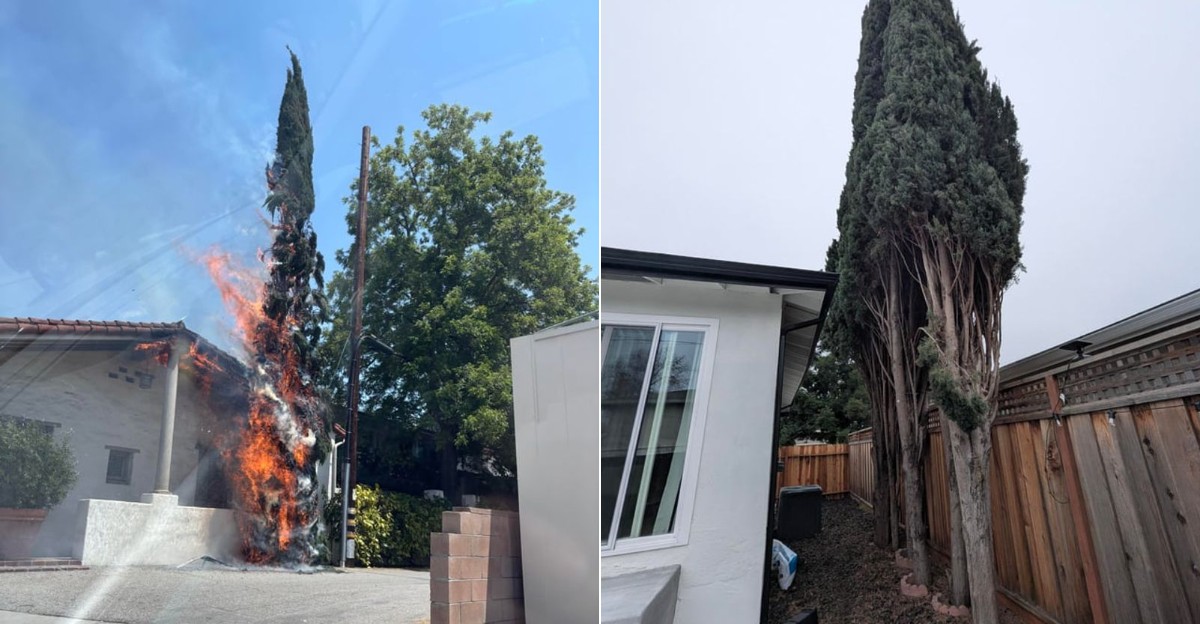
Italian cypress trees are a familiar sight around California homes, lining driveways, framing entrances, and creating tall privacy screens.
Their narrow shape and fast growth make them tempting choices when you want a dramatic landscape without waiting years for it to fill in. But that same dense, upright growth can deserve a closer look in fire-prone areas.
What happens around your home matters just as much as the tree itself. Dry vegetation, accumulated debris, spacing, and the tree’s location can all influence how fire moves through a landscape.
If you have Italian cypress near your house, fence, or other structures, it is worth taking a fresh look at the risks and how you manage the surrounding area.
A few thoughtful changes can help create more defensible space while keeping your landscape attractive and functional.
1. Italian Cypress Can Carry Fire Toward Structures
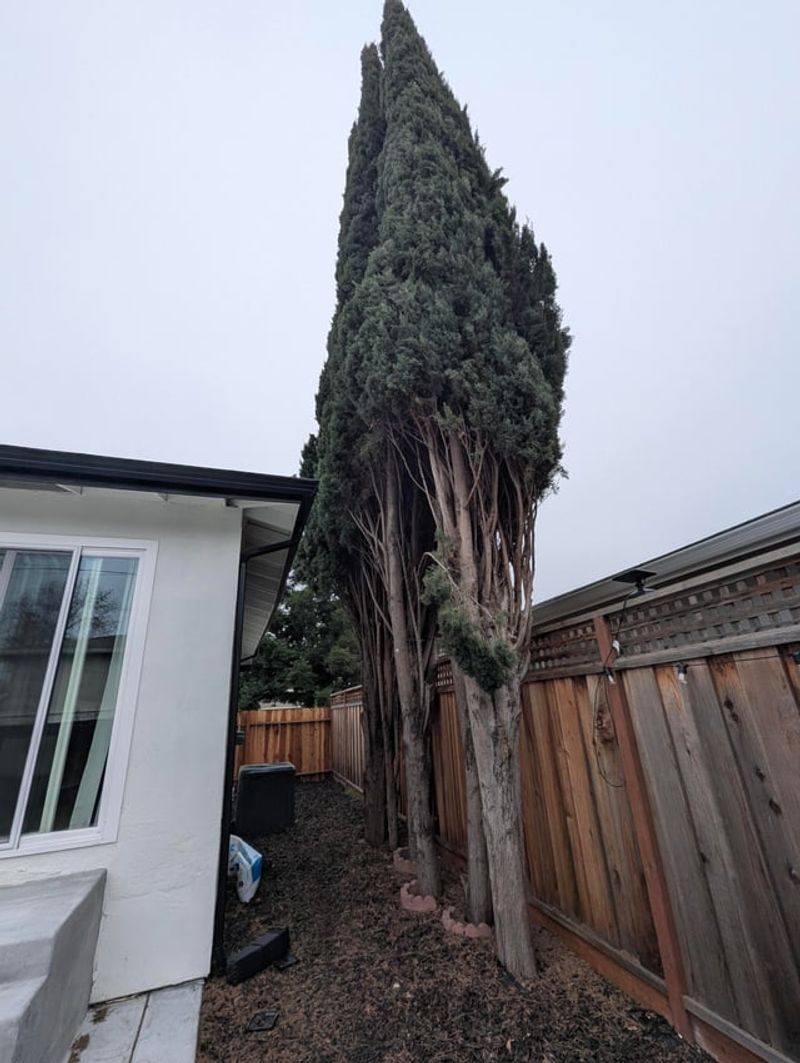
Picture a line of these trees standing shoulder to shoulder next to your house. When one catches fire, the flames can jump from tree to tree in seconds. That chain reaction moves heat and burning material straight toward your walls.
The narrow shape fools people. It seems harmless because it takes up so little ground space. But height and density matter more than width when fire is involved.
A burning column can throw heat against siding, windows, and eaves from just a few feet away.
California homeowners plant these trees right against the house for privacy. That habit creates a dangerous bridge between the yard and the structure. Fire needs a path, and a row of cypress offers a perfect one.
You can break that path with smart placement. Keep trees at least fifteen feet from walls and rooflines whenever possible. Avoid planting them in continuous rows that touch each other.
Space is your friend here. Gaps slow fire down and give firefighters a chance to defend your property. If your trees already hug the house, talk to a local fire district about safe options.
Small changes make a big difference. Moving fuel away from your home is one of the simplest ways to stay safer during a tough fire season.
2. Dense Foliage Gives Embers Places To Collect

Ever look closely at the surface of one of these trees? The foliage packs together so tightly that light barely gets through. That tight structure is exactly what makes it risky during a fire.
Flying embers travel far ahead of a wildfire, sometimes more than a mile. When they land, they need a soft, dry spot to settle and start a new flame. The dense outer layer of cypress catches those embers like a net.
Once embers lodge inside, they smolder and then flare up. The thick greenery holds them in place instead of letting them fall harmlessly to bare ground. That is how a healthy-looking tree suddenly bursts into flame.
Regular care helps a lot. Thinning the canopy lets air move through and gives embers fewer places to hide. A tree with some openness is far less likely to catch a stray spark.
Your California Garden Changes Every Week. Your Plan Should Too.
Gardening in California changes quickly throughout the season. Every Friday you’ll receive a simple weekly plan showing exactly what to plant, prune, fertilize, harvest, and protect so you never miss the right timing.
Rinsing the foliage during dry spells can also help slightly, though it is not a cure. The real goal is reducing how much material sits packed together.
Think of it like clearing gutters before a storm. You are removing the easy fuel before trouble arrives. A little pruning each year keeps these trees from becoming ember magnets when the wind picks up.
3. Dry Material Can Build Up Inside The Canopy
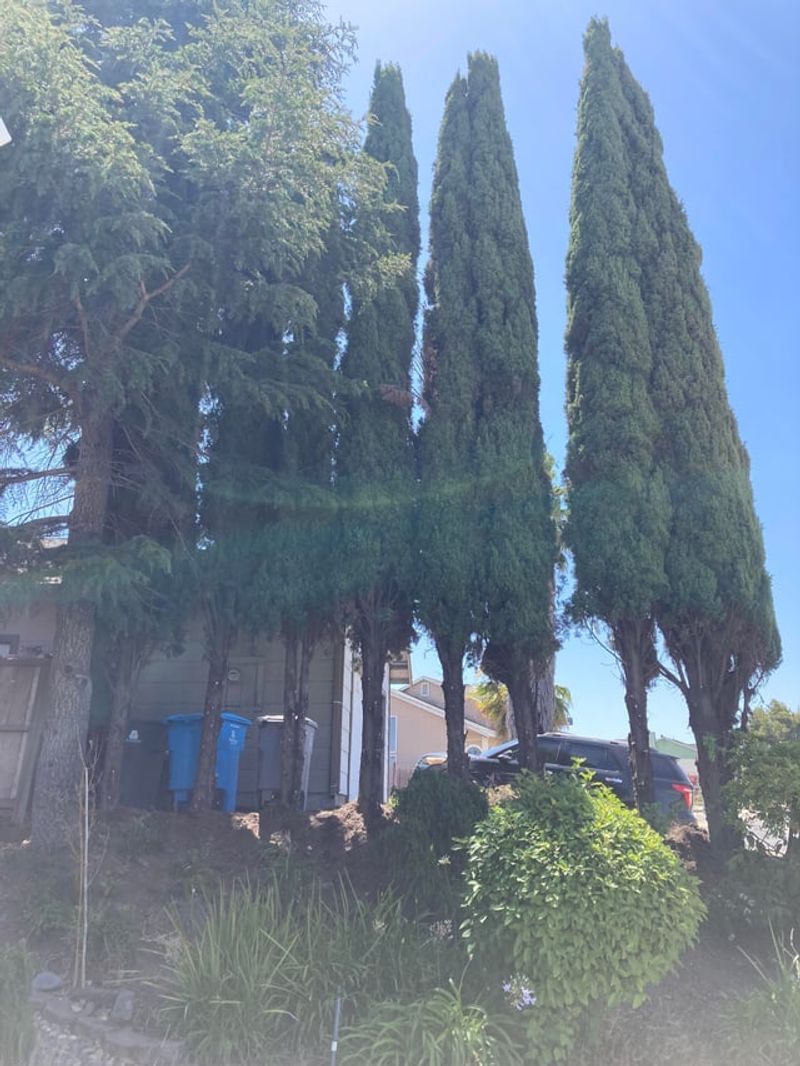
Here is something most people never notice. Behind the green outer shell of these trees hides a layer of brown, dry material. Old needles and small twigs collect there year after year.
That hidden buildup is basically stored fuel. It stays dry because rain and moisture rarely reach the inner branches. When a spark finds it, the whole inside can light up quickly.
The trouble is that everything looks fine from the outside. A homeowner sees a lush green tree and assumes it is safe. Meanwhile, the core has turned into perfect kindling waiting for a match.
Cleaning out that withered layer takes some effort, but it pays off. Gently shake or brush the inner branches to loosen old needles. You can also prune away small withered twigs you find inside.
Do this at least once a year, ideally before summer heat arrives. A cleaner interior burns far less easily and gives you real peace of mind.
Wear gloves and eye protection while you work, since the branches can be scratchy. If a tree is very large, a professional arborist can handle the job safely.
Removing hidden fuel is one of the most overlooked fire safety steps. It costs almost nothing yet lowers your risk in a meaningful way every single season.
4. Tall Trees Can Create A Direct Path To The Roof
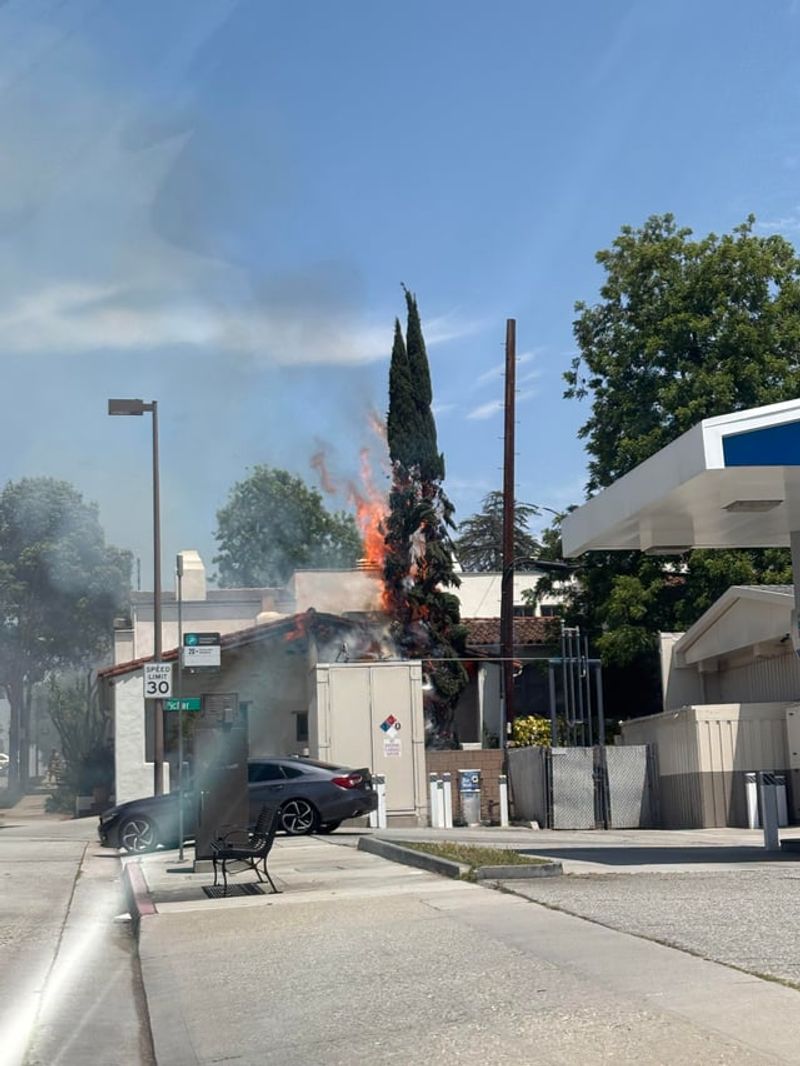
Some of these trees stretch far above the roof of a two-story home. That impressive height looks grand, but it also creates a serious hazard. Flames climbing a tall tree can reach right up to your roofline.
Roofs and eaves are among the most vulnerable parts of any house. Embers and heat that reach them can slip into vents or ignite dry debris. A tree taller than the roof hands fire an express ticket upstairs.
Height also makes these trees harder to defend. Firefighters cannot easily knock down flames at the very top. By the time crews arrive, a burning column may already be feeding the roof.
Keeping trees shorter helps reduce this danger. Regular topping and trimming can control how tall they grow near the house. Pick shorter varieties if you are planting fresh.
Distance matters just as much as height. A tall tree placed far from the structure poses far less threat than one leaning over the eaves. Aim to keep the canopy well clear of the roof.
Check your trees after storms too, since wind can push them closer over time. A quick yearly look keeps surprises to a minimum.
Managing height and location together gives your roof the breathing room it needs during a dangerous fire.
5. Withered Branches Increase Available Fuel
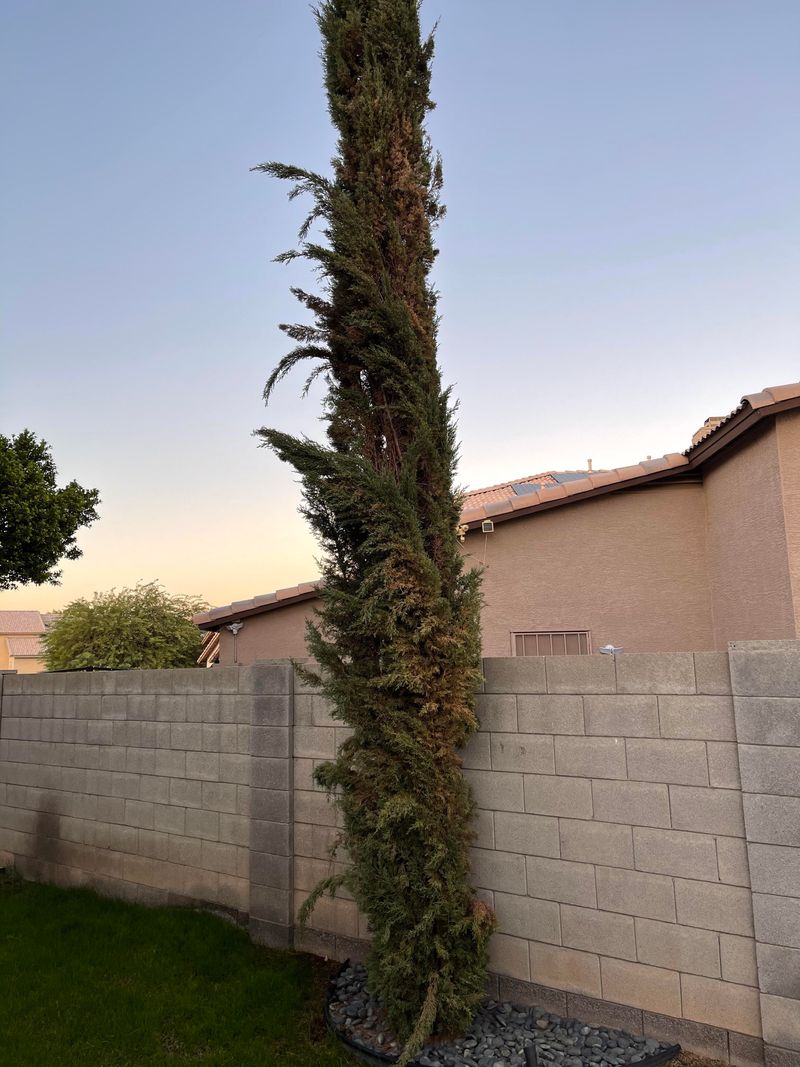
Notice any brown patches on your trees lately? Those withered sections are more than an eyesore. Dried-out branches burn faster and hotter than living green growth.
Living foliage holds moisture that slows flames down. Withered wood holds almost none, so it ignites with barely a spark. A tree with many brown spots becomes a stack of ready fuel.
Neglect usually causes this problem. Trees that never get pruned collect more and more withered material over time. Poor watering during drought years speeds up the browning too.
The good news is that withered branches are easy to spot and remove. Grab pruning shears and cut away anything brown and brittle. Removing it right away shrinks the amount of fuel around your home.
Keep an eye on watering during long dry stretches. Healthy, hydrated trees stay greener and resist fire better than stressed ones. A deep soak now and then helps them stay strong.
Dispose of trimmed branches properly instead of piling them nearby. A brush pile against the house defeats the whole purpose. Haul it away or use green waste pickup.
Staying on top of withered growth is simple maintenance that really counts. A tidy, well-cared-for tree gives fire much less to work with when the heat is on.
6. Wind Can Make A Fire Spread Faster
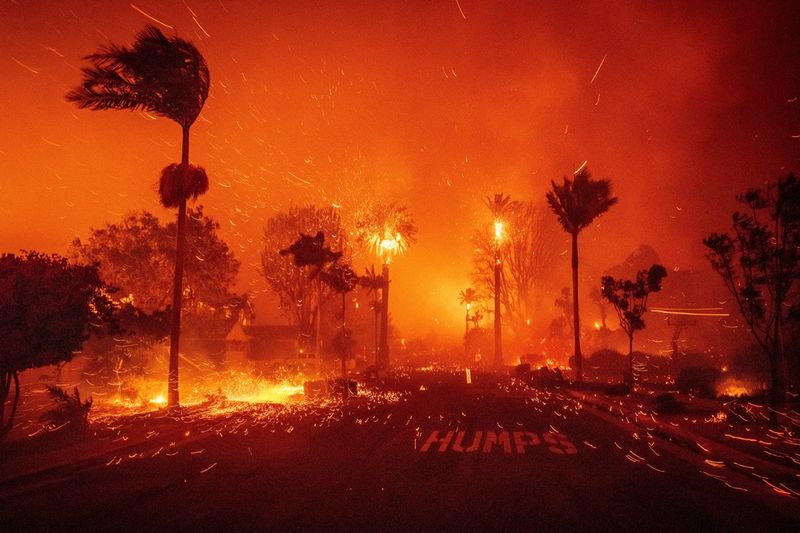
Anyone who has felt a California Santa Ana wind knows how fierce it gets. Those hot, dry gusts turn a small flame into a fast-moving threat. Around these trees, wind makes everything worse.
Strong gusts push flames sideways and drive them from tree to tree. The tall, narrow shape catches wind easily and sways hard. That movement fans the fire and spreads sparks in every direction.
Wind also carries embers off the burning foliage. Those glowing bits can land on your roof, your deck, or a neighbor’s yard. One windy tree can start several new fires nearby.
You cannot control the weather, but you can plan around it. Notice which way seasonal winds blow across your property. Avoid lining up cypress on the windward side of your home.
Breaking up rows also helps during gusty conditions. Spaced-out trees give wind-driven flames fewer easy jumps to make. Gaps act like tiny firebreaks in your landscaping.
Pay close attention on red flag warning days. Clear away loose debris and keep hoses ready near the trees. Preparation beats panic when the wind starts howling.
Respecting how wind and these trees work together helps you make smarter choices. A thoughtful layout can slow a fire down instead of speeding it along.
7. Spacing Matters Around Homes And Fences
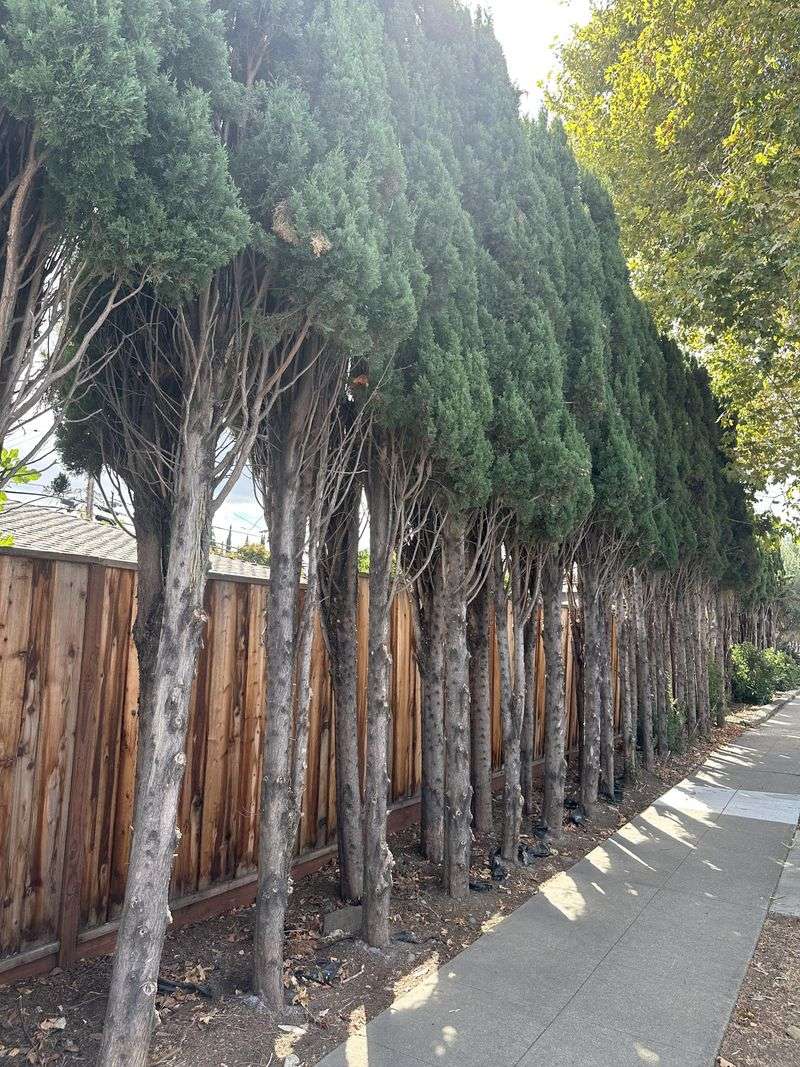
Ever wonder why California fire crews talk so much about defensible space? The gaps between plants can decide whether a fire reaches your home. With these trees, spacing is everything.
Planting them in a tight, unbroken row builds a continuous fuel line. Flames travel along it like a fuse. Spreading trees apart breaks that line and slows the fire way down.
Fences add another layer to think about. Wooden fences touching cypress create a path fire can follow right to the house. Keep flammable trees clear of wooden barriers whenever you can.
California experts often suggest leaving several feet between each tree and the next. That breathing room lets heat escape instead of jumping across. It also makes each tree easier to defend.
Measure the distance from your trees to walls, decks, and fences. If things feel crowded, thinning out a few trees is worth it. You keep the look while lowering the danger.
Ground clearance counts too. Remove dry grass, mulch, and debris from the base of each tree. Bare soil or gravel underneath slows flames trying to climb up.
Good spacing turns your landscaping into a partner in fire safety. A little planning today can protect the home you love for years to come.