Why Japanese Beetles Keep Destroying Georgia Gardens And The Mistakes That Keep Inviting Them Back
One morning the garden looks perfectly fine. A few days later, leaves are full of holes, flowers look ragged, and something clearly has been helping itself to the plants.
The speed of the damage is often what makes the situation so frustrating. Healthy growth can start looking rough in a surprisingly short amount of time.
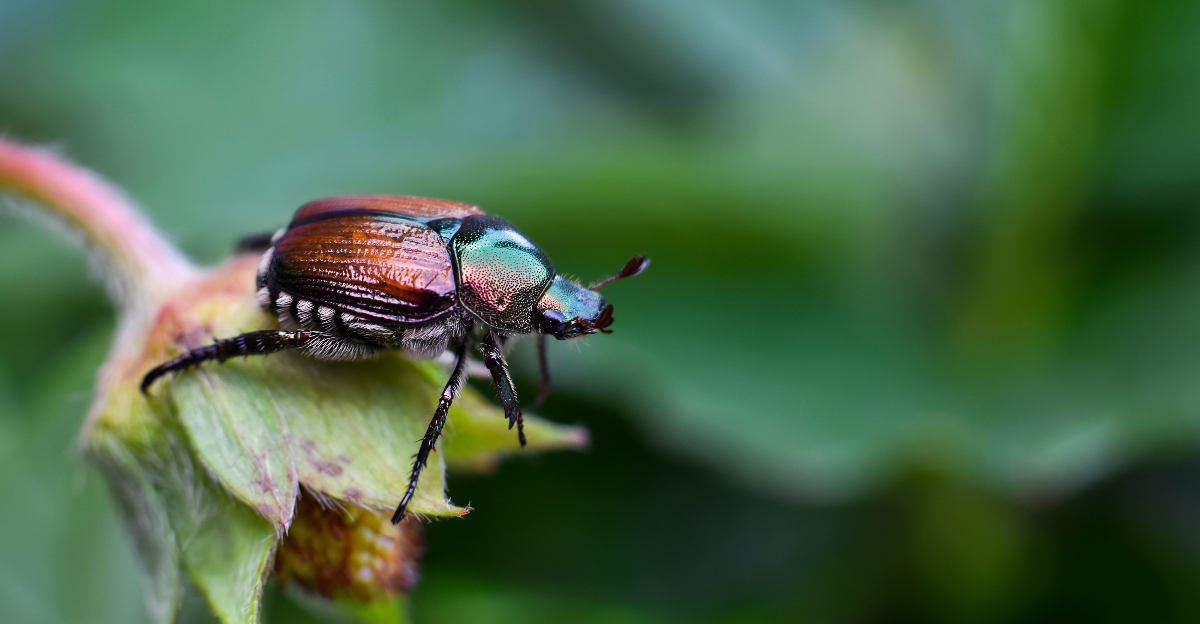
Japanese beetles have earned a reputation for doing exactly that. Once they arrive, they rarely go unnoticed, especially when favorite plants suddenly become their next target.
Seeing a handful of beetles may not seem like a big deal at first, but the problem can grow quickly when conditions are working in their favor.
Georgia gardens often see the worst activity during the warmest part of the growing season.
While the insects get most of the blame, certain yard habits can quietly make an area more attractive to them without anyone realizing it.
1. Growing Beetle-Favorite Plants Without A Management Plan
Roses, grapes, and linden trees are like an open invitation to Japanese beetles. Planting these without any kind of defense strategy is one of the fastest ways to end up with a beetle problem that spirals out of control.
Japanese beetles rely heavily on scent to locate host plants. When your yard is loaded with their favorites, the chemical signals those plants release travel far and wide.
Beetles follow those signals straight to your garden.
A smart plan starts before you plant. Consider mixing beetle-resistant plants like boxwood, geraniums, or arborvitae in between the high-risk ones.
Breaking up the visual and chemical landscape makes your yard far less appealing.
You do not have to get rid of every rose or grapevine. Management means pairing attractive plants with protective measures like row covers, neem oil sprays, or regular hand removal.
Having a plan in place before beetles arrive gives you a real advantage.
Timing also matters. Start your protective treatments in late spring, right before adult beetles typically emerge.
In warmer climates like Georgia, that window often falls between late May and early June. Getting ahead of the emergence is always easier than reacting after feeding has already started.
2. Ignoring Early Feeding Damage Until It Spreads
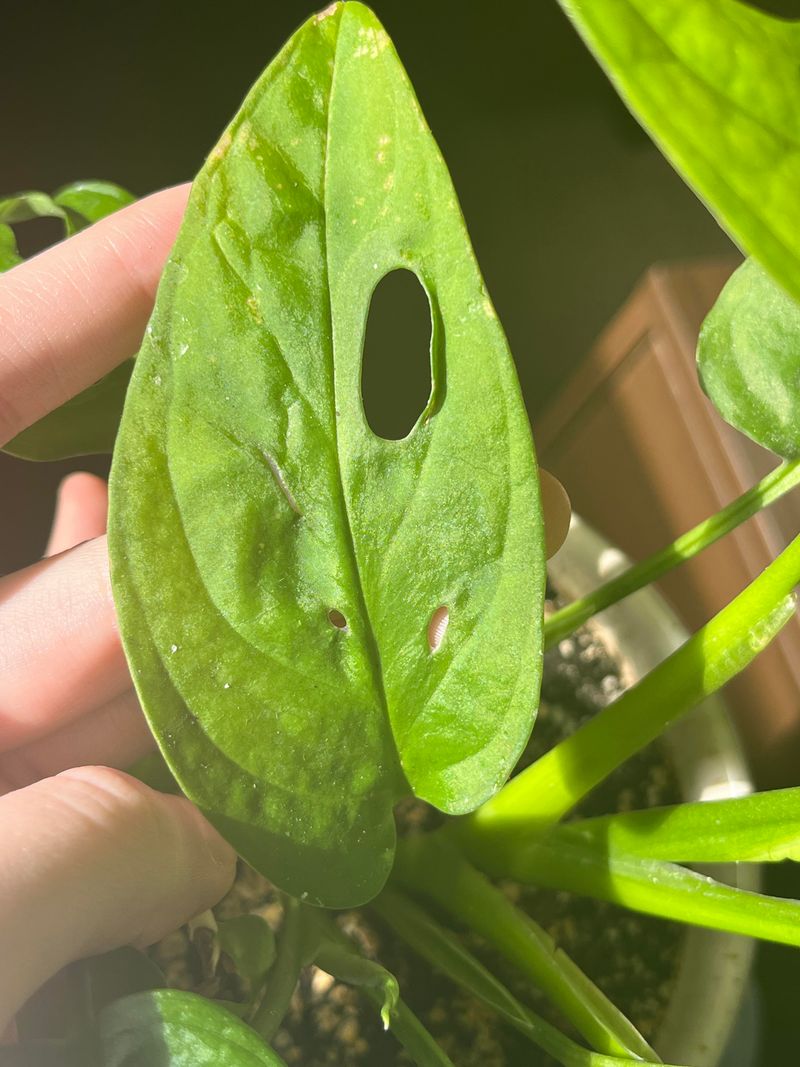
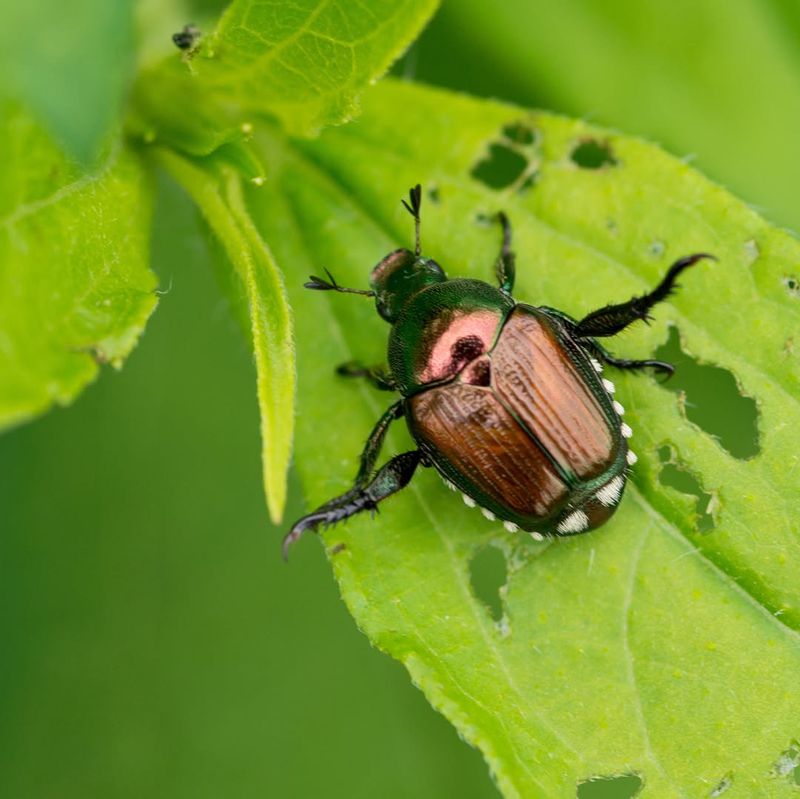
Skeletonized leaves are a warning sign, not just cosmetic damage. When you spot that lacy, see-through look on your plants, beetles have already been feeding for a while.
Waiting longer only makes it worse.
Japanese beetles release aggregation pheromones while they feed. Those chemical signals attract more beetles to the same spot.
One beetle on a leaf can quickly turn into a cluster of twenty within days.
Early action is everything. Hand-pick beetles in the morning when they move slowly due to cooler temperatures.
Drop them into a bucket of soapy water. It sounds simple, but it genuinely works when you stay consistent.
Check your plants every two to three days during peak season. Look at the tops of leaves, the undersides, and the tips of branches.
Beetles prefer to feed in sunny spots at the top of the plant first.
Your Georgia Garden Changes Every Week. Your Plan Should Too.
Gardening in Georgia changes quickly throughout the season. Every Friday you’ll receive a simple weekly plan showing exactly what to plant, prune, fertilize, harvest, and protect so you never miss the right timing.
Neem oil applied at early signs of feeding can slow beetle activity. It does not work instantly, but regular applications every seven to ten days create a barrier that discourages feeding.
Always apply in the evening to avoid harming beneficial insects.
Ignoring that first round of damage sends the wrong signal. More beetles arrive, more feeding happens, and the plant gets weaker with each wave.
3. Using Traps Too Close To Vulnerable Plants
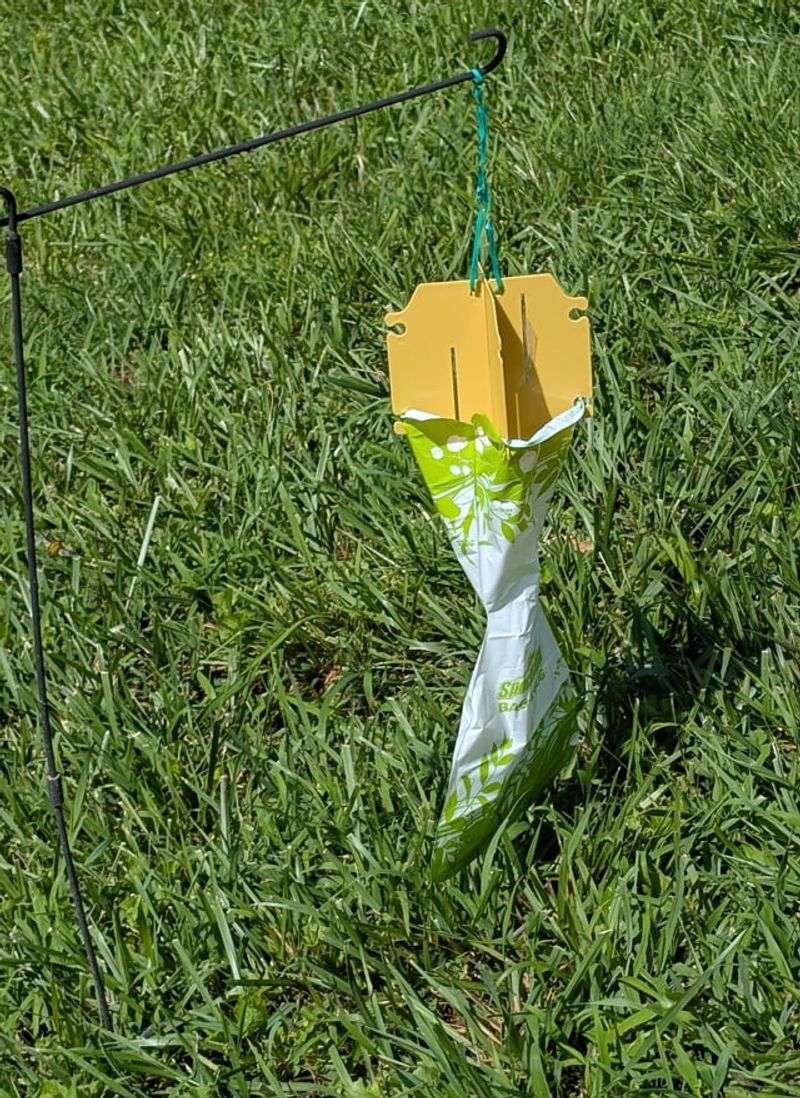
Beetle traps work, but placement is everything. Hanging one right next to your rose bushes or vegetable garden is one of the most common mistakes gardeners make, and it actively draws more beetles into the problem area.
Traps use a combination of floral lure and sex pheromone to attract beetles. Research has shown that these traps often catch more beetles than they trap, meaning plenty of attracted beetles end up landing on nearby plants instead.
Place traps at least 30 to 50 feet away from any plants you want to protect. Position them downwind from your garden so beetles are pulled away from your plants rather than toward them.
Elevation also matters. Hang traps at about the same height as your plant canopy for best results.
Empty traps frequently. A trap that overflows stops working and becomes a feeding party right in your yard.
Check and empty them every two to three days during peak beetle season.
Traps work best as part of a broader strategy. Use them in combination with hand removal, neem oil treatments, and soil treatments for grubs.
Relying on traps alone rarely solves a serious infestation.
4. Watering Lawns Excessively During Grub Season
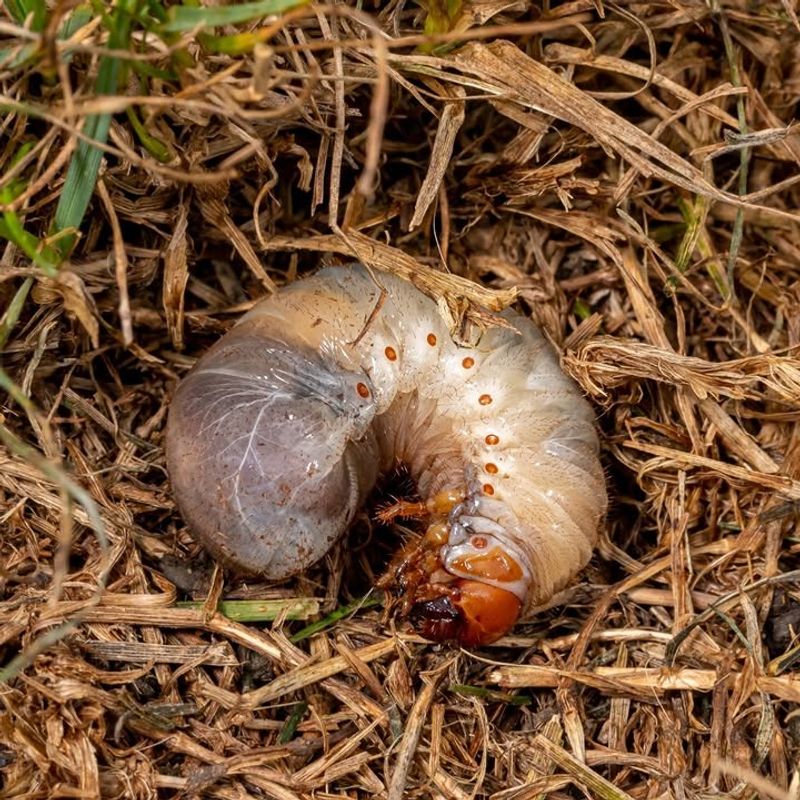
Overwatering your lawn during late summer is like rolling out a welcome mat for Japanese beetle grubs. Moist soil is exactly what newly hatched grubs need to survive and grow strong underground.
Adult beetles lay eggs in the soil from mid-July through August. They actively seek out moist, well-maintained turf for egg-laying.
A lawn that stays consistently damp during this window is far more attractive than dry or stressed grass nearby.
Letting your lawn dry out slightly between late July and mid-August can reduce egg survival rates. Grubs need moisture to hatch and move through the soil.
Dry conditions cause many eggs to fail before they develop into feeding grubs.
This does not mean letting your lawn turn completely brown. It means adjusting your watering schedule to water deeply but less frequently.
Watering once or twice a week instead of daily encourages deeper root growth and creates less hospitable surface conditions for egg-laying beetles.
Beneficial nematodes applied to moist soil in late summer can target young grubs effectively. Water the lawn lightly before and after application to help nematodes move through the soil.
Follow product instructions closely for best results.
Milky spore is another biological option that builds up in the soil over time and targets Japanese beetle grubs specifically.
5. Leaving Overripe Fruit On Trees And The Ground
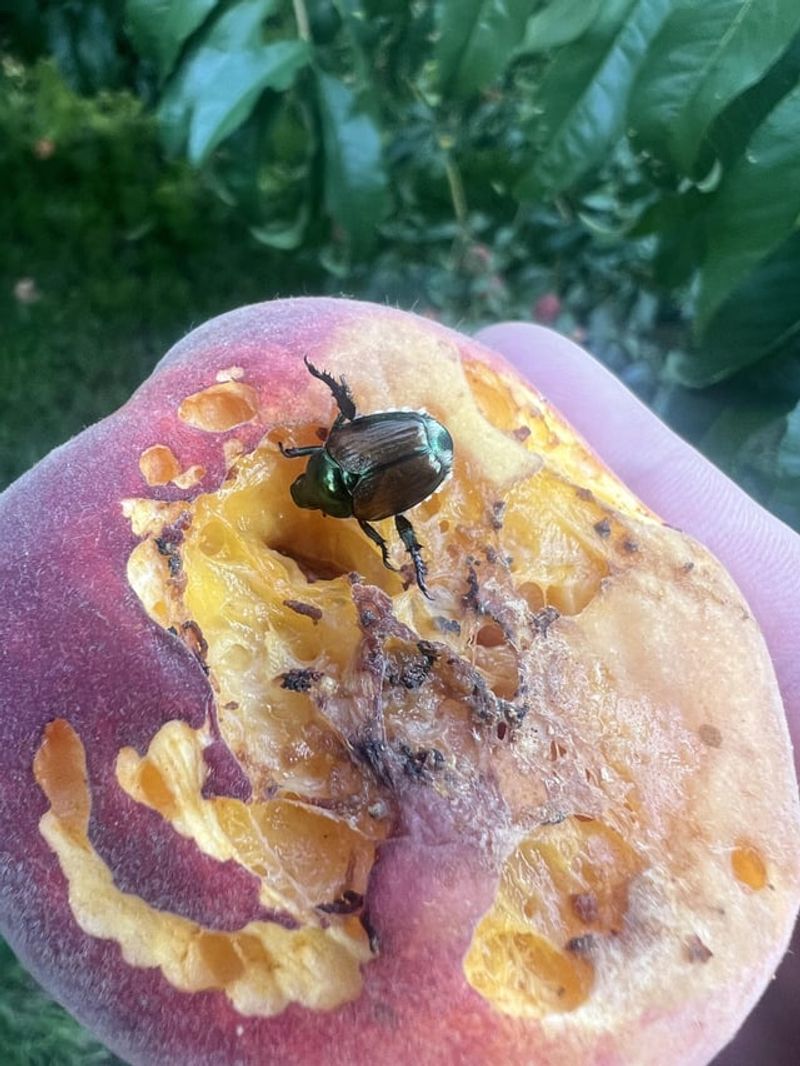
Rotting fruit on the ground is a beetle buffet. The fermented scent of overripe peaches, plums, or apples carries far on a warm summer breeze and pulls Japanese beetles in from a wide area.
Adult beetles are strongly attracted to the volatile compounds released by fermenting fruit. Once a few beetles find the source, they release additional pheromones that signal others to follow.
A single pile of rotting fruit can draw dozens of beetles within hours.
Pick fruit as soon as it ripens. Do not leave anything on the tree past its prime.
Check trees every two to three days during summer and collect anything that has fallen to the ground.
Fallen fruit should go into a sealed bag or a covered compost bin, not an open pile. Open composting during beetle season can create the same attraction problem as leaving fruit on the ground.
A sealed container cuts off that scent signal entirely.
Fruit trees that are not being harvested for a season should still be maintained. Even ornamental crabapples or wild plum trees on the edge of your property can serve as beetle magnets if the fruit is left to rot.
6. Skipping Regular Inspections During Peak Activity
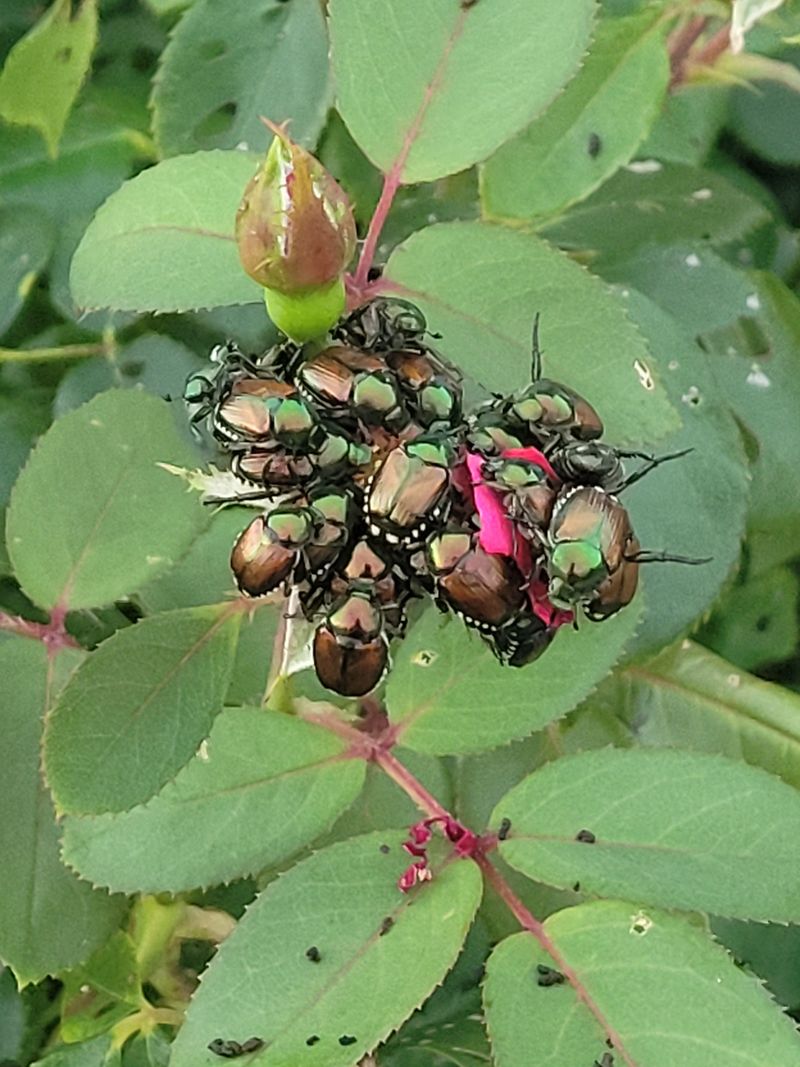
Out of sight, out of mind is the worst policy you can have during Japanese beetle season. Missing even one week of inspections during peak activity can allow a small problem to become a full-scale infestation.
Peak adult activity typically runs from late June through August in the Southeast. Beetles feed most aggressively during warm, sunny days.
Morning and late afternoon are when they are most active and easiest to spot on plant surfaces.
Walk your garden every two to three days at minimum. Bring a bucket with soapy water and hand-pick any beetles you find.
Focus on high-risk plants first: roses, beans, grapes, and fruit trees tend to be hit hardest.
Look beyond just the leaves. Check flower buds, stems, and the soil surface near the base of plants.
Beetles sometimes cluster in spots that are easy to miss on a quick walk-through.
Keep a simple log of where you find the most activity. Patterns often repeat from year to year because beetles return to the same host plants.
Knowing your hotspots lets you focus your time and treatments more effectively.
Regular inspection also helps you catch secondary problems early. Beetle feeding weakens plants and opens wounds that fungal diseases or other insects can exploit.
Catching that damage fast means you can address both issues before they compound.
7. Allowing Beetles To Feed Undisturbed For Weeks
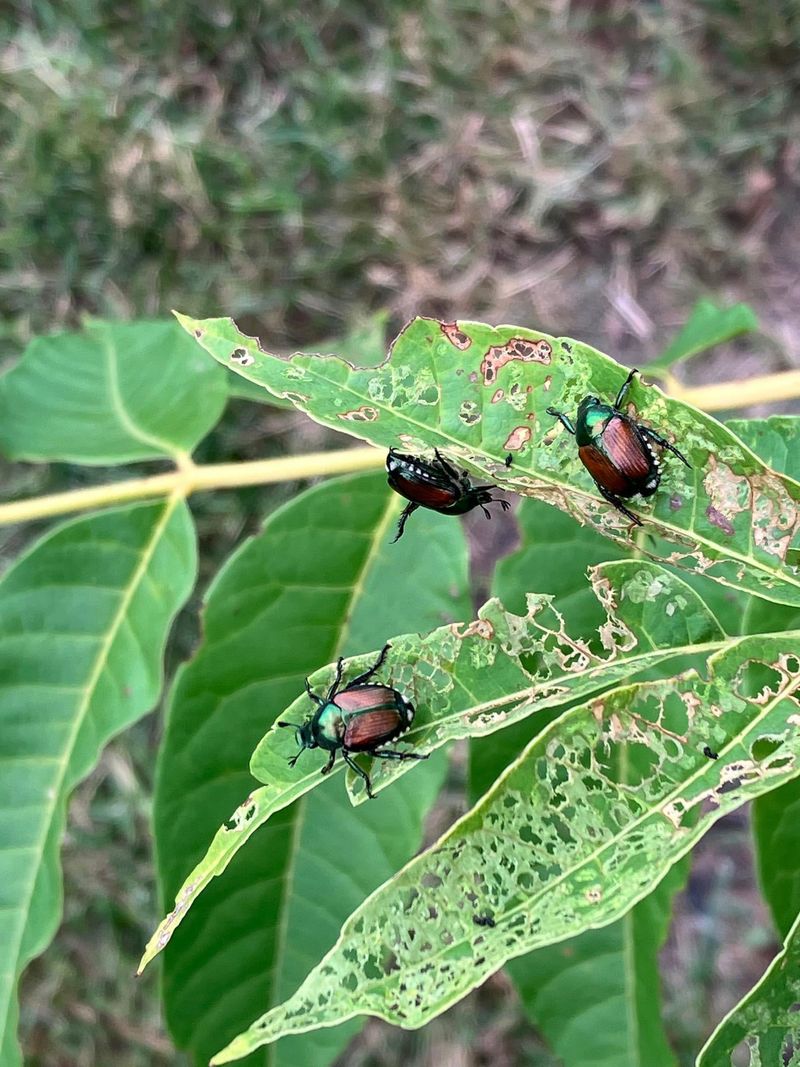
Every day you let beetles feed without interruption, the problem compounds. Feeding beetles attract more beetles, weakened plants attract other pests, and the cycle gets harder to break with each passing week.
Japanese beetles feed in groups by design. When one starts on a leaf, the feeding damage itself releases plant volatile compounds that signal others to join.
Letting a group feed undisturbed for days creates a snowball effect that spreads across your garden fast.
Intervention does not need to be complicated. Hand removal twice a week, a neem oil spray every seven to ten days, and a close eye on your most vulnerable plants can hold a population in check without heavy chemical use.
Pyrethrin-based sprays work quickly on contact and break down fast in the environment. Spinosad is another option that targets beetles effectively while being less harmful to most beneficial insects.
Always read labels and apply during evening hours when pollinators are less active.
Kaolin clay is a physical deterrent worth knowing about. Applied as a spray, it coats leaves with a fine white film that irritates beetles and discourages feeding.
It washes off with rain, so reapplication after wet weather is necessary.
The longer beetles feed undisturbed, the more energy your plants lose.