Why Jujube Trees Are One Of California’s Most Overlooked Drought-Tolerant Fruit Trees
Finding a fruit tree that can handle California’s dry conditions while still giving you a reliable harvest is not always easy.
Jujube trees often get overlooked, but they deserve more attention for their toughness, low water needs, and ability to thrive in challenging garden conditions.
You can grow jujubes in many California landscapes without giving them the constant care that some other fruit trees require.
Their small, sweet fruits add something different to the garden, and the trees can bring beauty with their attractive foliage and unique growth habit.
They are also well suited for gardeners who want to create a more water-wise yard without giving up homegrown fruit.
If you are searching for a resilient tree that can handle heat and still reward you with a harvest, jujubes are worth a closer look.
1. Jujube Trees Handle California Heat With Ease
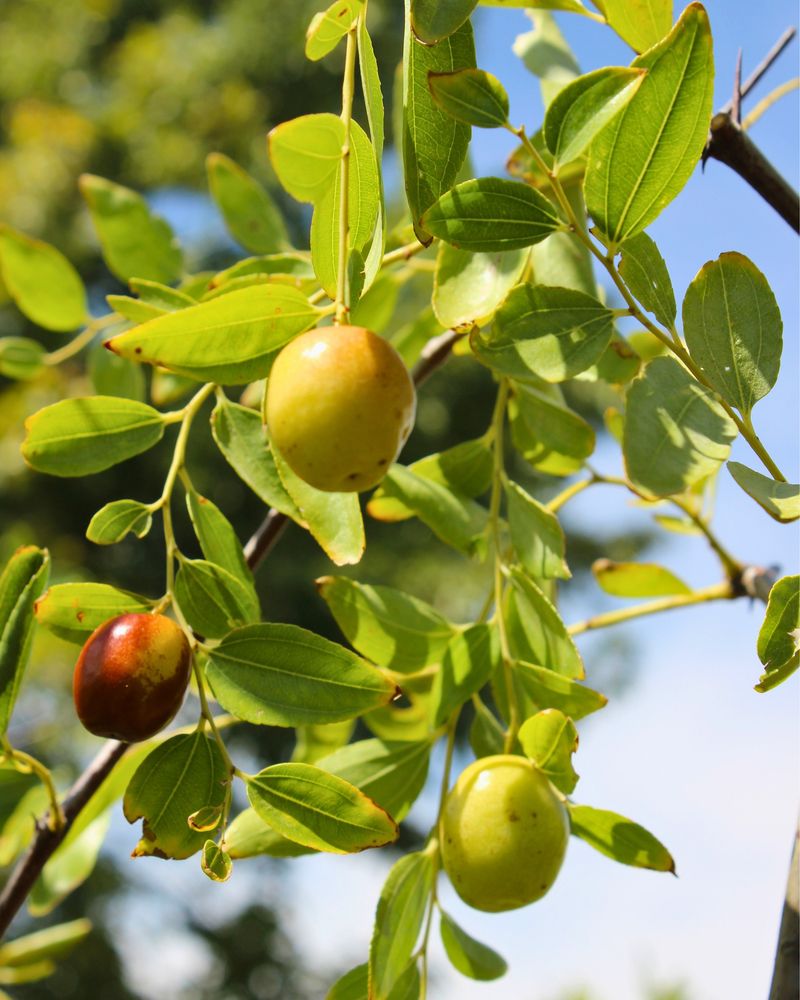
Blazing summer temperatures send many fruit trees into a stressed slump, but jujubes seem to soak it all up happily. While your tomatoes wilt and citrus leaves curl, these trees keep their glossy green leaves looking fresh.
Native to hot regions of Asia, jujubes evolved to enjoy long, scorching days. Places like the Central Valley, where afternoon temperatures often climb past 100 degrees, feel just right to them.
The heat actually helps their fruit develop better flavor and a nice sugary sweetness.
You won’t need to fuss over shade cloth or misting systems to keep them comfortable. They stand tall through heat waves that would leave other plants gasping. That kind of toughness makes them a smart pick for gardeners in the hottest parts of the state.
What’s really neat is how they use the heat to their advantage. More sunshine and warmth mean more energy for ripening fruit, so a hot summer usually means a bigger, tastier harvest.
If you’ve given up on fruit trees because your yard turns into an oven every July, give jujubes a chance. They’re built for exactly the conditions that frustrate so many California growers, and they’ll thank you with steady production year after year.
2. They Need Less Water Once Established
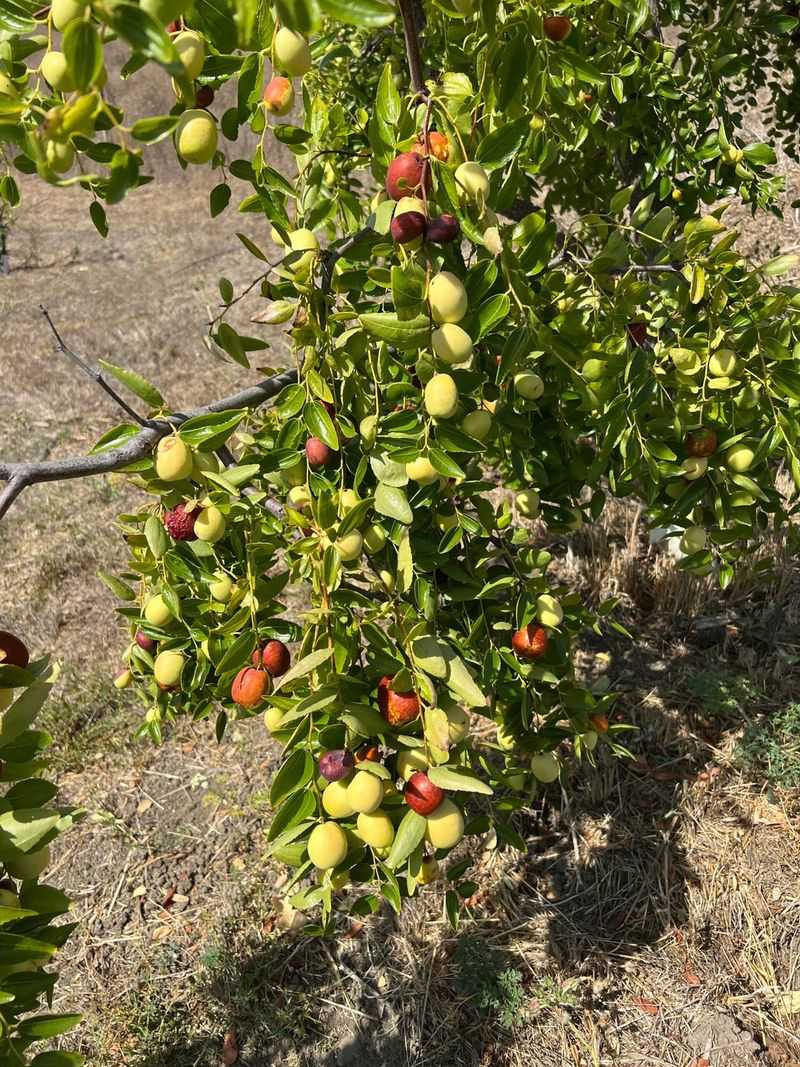
Water bills climb fast in California, and every drop counts during a drought. That’s where jujubes really shine, because once their roots settle in, they ask for very little.
During the first year or two, you’ll want to water regularly to help them get established. After that, the demands drop dramatically. Many growers report watering deeply just once or twice a month during summer, and the trees keep chugging along.
Compared to thirsty crops like avocados or citrus, the difference is huge. You could grow a jujube on a fraction of the water and still pull in a solid harvest. For folks under strict watering rules, that’s a genuine relief.
A deep, occasional soak works far better than frequent light sprinkles. This encourages roots to reach down where moisture lingers longer, making the tree even more self-sufficient over time.
Your California Garden Changes Every Week. Your Plan Should Too.
Gardening in California changes quickly throughout the season. Every Friday you’ll receive a simple weekly plan showing exactly what to plant, prune, fertilize, harvest, and protect so you never miss the right timing.
Mulching around the base helps too, holding whatever moisture is there and keeping the soil cooler. A few inches of wood chips can stretch your watering schedule even further.
Saving water without giving up homegrown fruit feels like a small win every gardener can appreciate. Jujubes let you do exactly that, which is one big reason they deserve far more attention than they currently get across the state.
3. The Fruit Sweetens As It Ripens On The Tree
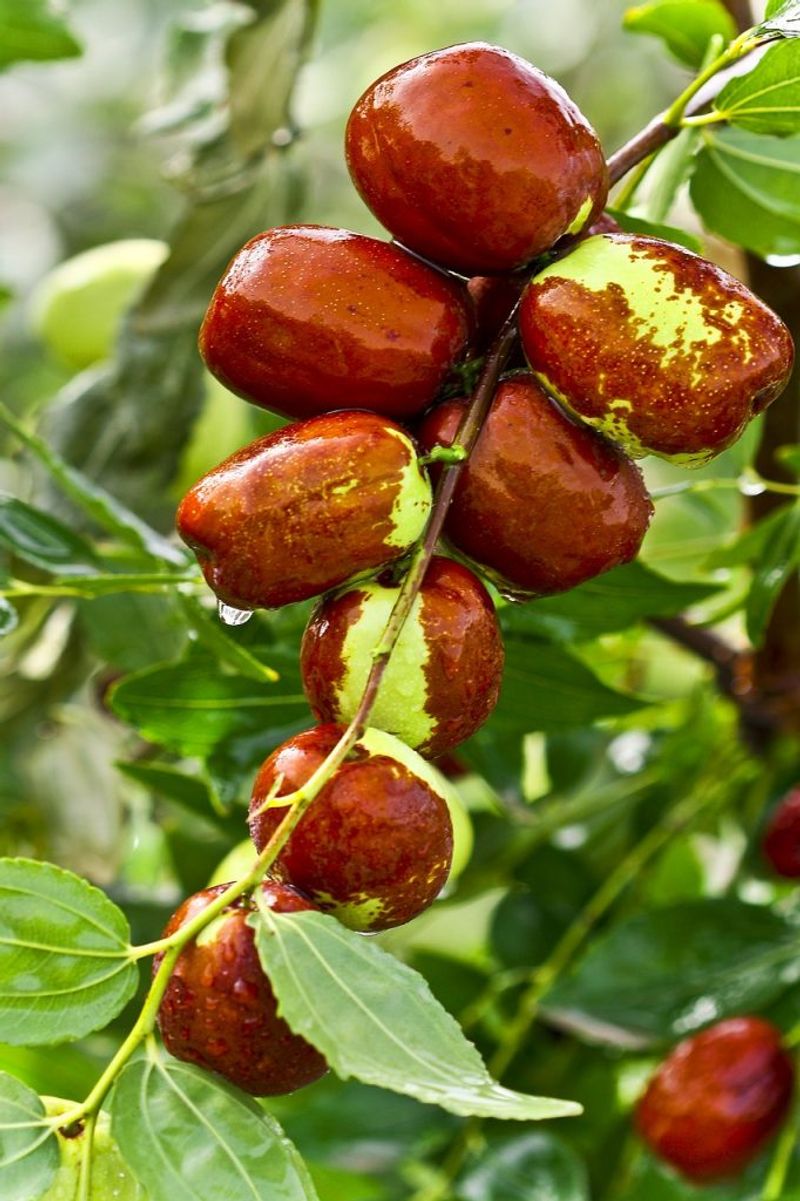
Watching jujubes change color on the branch is one of the quiet joys of growing them. They start out green and crisp, tasting much like a small apple with a fresh crunch.
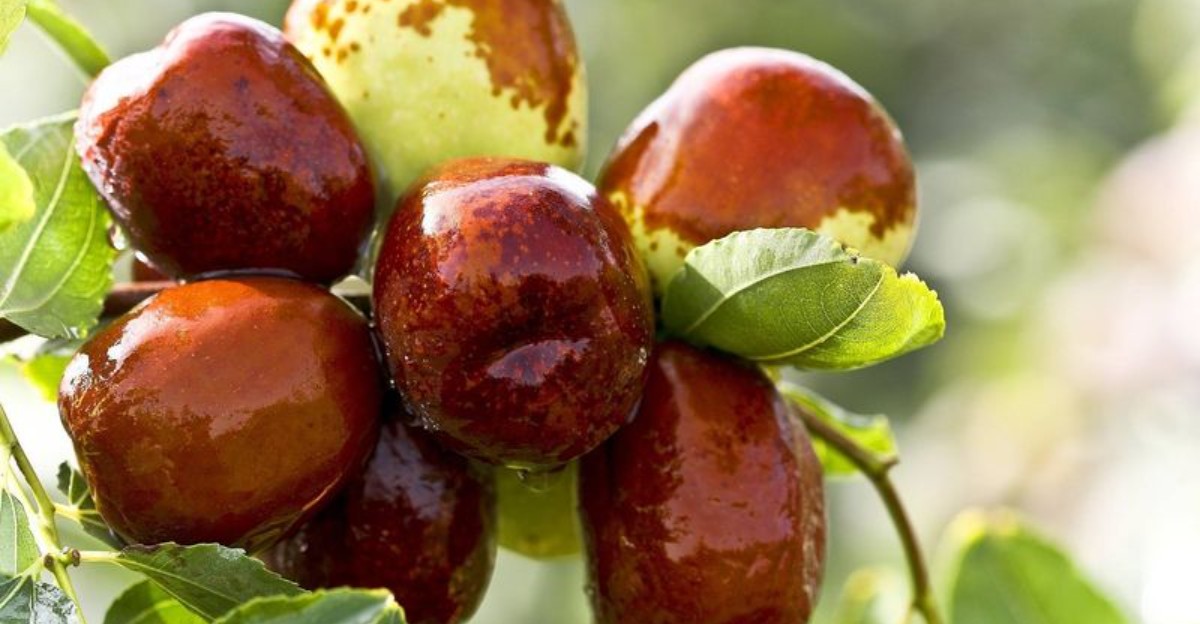
As the weeks pass, the fruit turns a reddish-brown and begins to wrinkle slightly. That’s when the sugars really concentrate, giving you a chewy, date-like sweetness that’s hard to beat.
The beauty here is that you get to choose your favorite stage. Some people love the apple-crisp texture of green jujubes, while others wait for that deep, candy-like richness later on.
Because they sweeten right on the tree, there’s no need to pick them early and hope they ripen indoors. You simply taste-test along the way and harvest whenever they hit the flavor you enjoy most.
Fully dried jujubes store beautifully and can be kept for months, almost like store-bought dates. That makes them handy for snacking long after the growing season ends.
Kids often get a kick out of eating them straight off the branch, and their sweetness makes them an easy sell for picky eaters. Few backyard fruits offer this much flavor with so little fuss, which is yet another reason these trees earn a spot in your yard.
4. Jujubes Produce Well In Hot Summer Areas
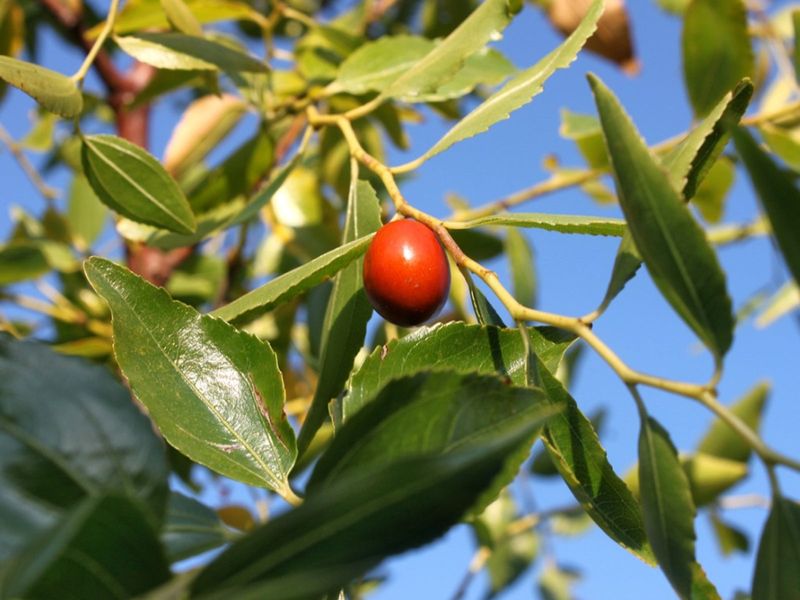
Some fruit trees sulk when summers turn brutal, but jujubes do the opposite and reward you with heavy crops. The hotter and drier the season, the happier these trees tend to be.
Inland regions like Sacramento, Fresno, and Bakersfield offer the exact conditions jujubes crave. Long stretches of warmth give the fruit plenty of time to size up and sweeten properly.
A single mature tree can produce an impressive amount of fruit, often more than one family can eat. That leaves plenty to share with neighbors or dry for later.
Unlike stone fruits that need chilly winters and worry over late frosts, jujubes are forgiving and dependable. You can count on a harvest even in years when other trees disappoint.
Their late-summer to fall timing is another bonus. By then many other fruits have finished, so jujubes stretch your homegrown season a bit longer.
For gardeners tired of gambling on trees that flop in the heat, this reliability feels refreshing. You plant one, give it time, and it delivers season after season without drama.
Anyone living where summers sizzle should seriously consider adding one. Few trees turn punishing heat into such a generous payoff, and that dependable productivity is exactly what makes jujubes such a hidden gem in California yards.
5. Their Deep Roots Help Them Through Dry Periods
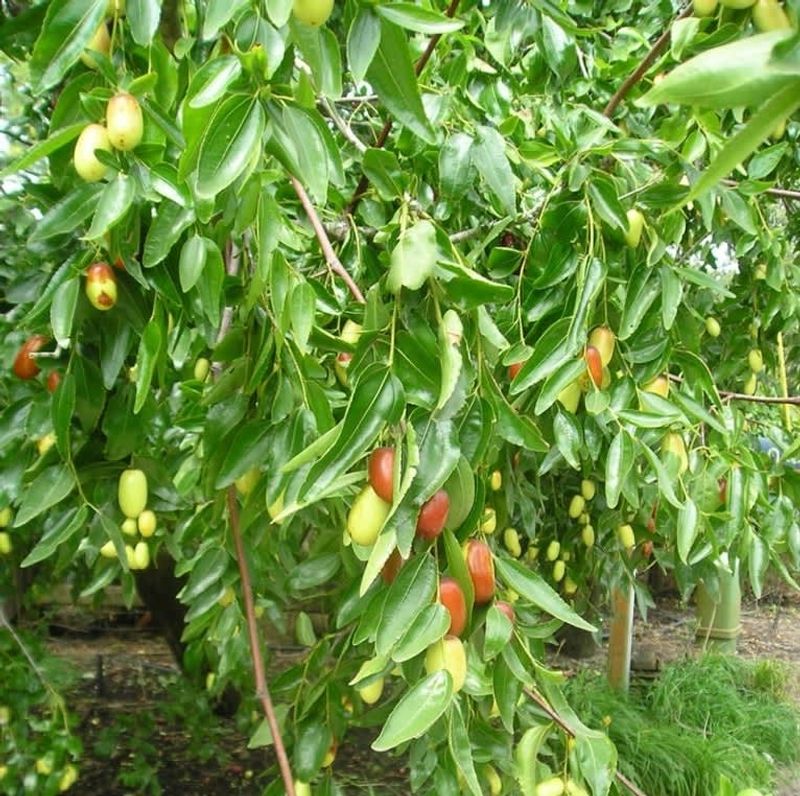
Beneath the surface, jujubes are doing something clever that keeps them thriving when rain is scarce. Their roots dig deep, reaching far below where most surface moisture disappears.
That deep root system acts like a built-in survival kit. When the top few inches of soil turn bone-dry, the tree simply pulls water from lower down where it still lingers.
This is a big part of why they handle drought so gracefully. Shallow-rooted plants suffer quickly during dry spells, but jujubes ride them out with hardly a shrug.
Encouraging those roots to grow deep is easy. Watering slowly and deeply, rather than often and lightly, trains the tree to send roots downward in search of moisture.
Over time this makes the tree remarkably independent. Established jujubes can go long stretches between waterings and still look healthy and green.
The deep roots also help anchor the tree firmly, so strong winds are less likely to cause trouble. That stability adds to their reputation as low-worry plants.
For anyone gardening in sandy or fast-draining soil where water vanishes quickly, this trait is a real advantage.
The tree grabs what it needs from below and keeps on producing. It’s a quiet feature that explains a lot about why jujubes stay tough when the weather turns harsh.
6. They Handle Many Soil Types Better Than Expected
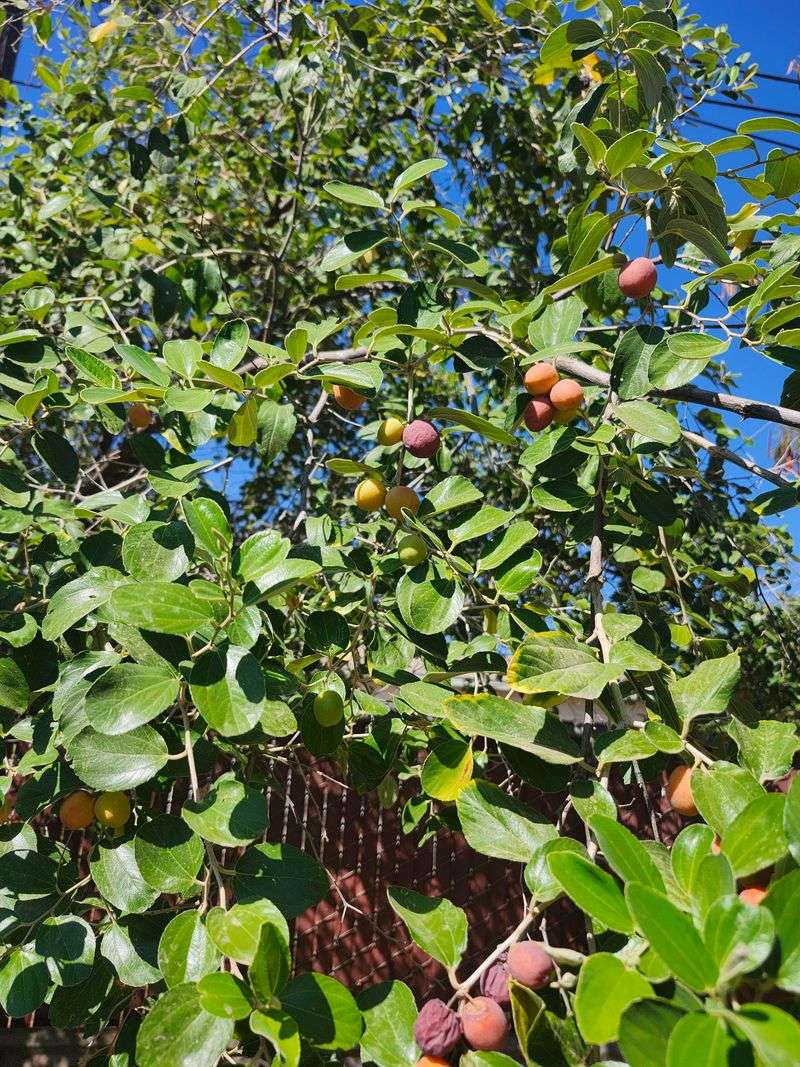
Picky soil requirements stop a lot of gardeners before they even start, but jujubes are wonderfully easygoing about where they grow. Rocky, sandy, or clay-heavy ground rarely bothers them.
Plenty of fruit trees demand rich, loose, perfectly balanced dirt to do well. Jujubes take a more relaxed approach and adapt to whatever you’ve got, within reason.
They even tolerate somewhat salty or alkaline soils that would trouble other trees. That flexibility makes them a great fit for California’s wildly varied landscapes.
Good drainage does matter, since they don’t love sitting in soggy ground for long. But as long as water doesn’t pool around the roots, they’ll settle in just fine.
You won’t need to haul in truckloads of amendments or fuss endlessly over soil tests. A reasonable spot with decent drainage is usually all it takes to get one going.
This adaptability saves both money and effort right from planting day. Instead of rebuilding your soil, you can plant and let the tree do its thing.
For folks with tricky yards where nothing seems to grow well, jujubes offer real hope. Their willingness to make do with imperfect conditions is one more reason they quietly outshine fussier fruit trees and deserve a much bigger following among home gardeners.
7. The Trees Need Less Maintenance Than Many Fruit Crops
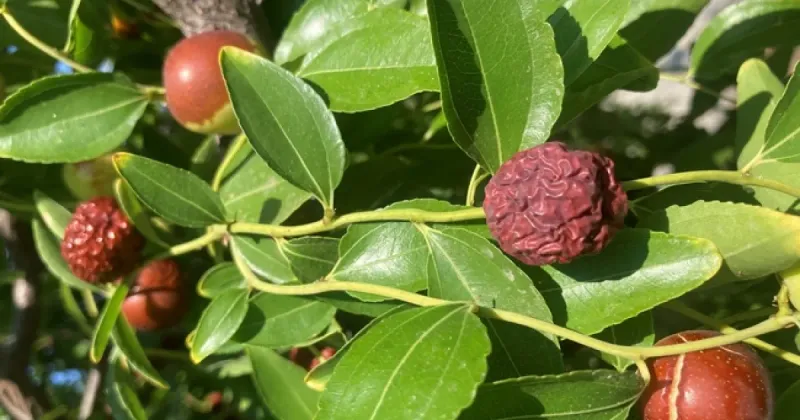
Busy schedules leave little time for high-maintenance plants, and that’s exactly where jujubes fit right in. They ask for very little attention and still perform beautifully.
Pests and diseases mostly leave them alone, which is a rare treat in the fruit world. You won’t be spraying constantly or fretting over every spotted leaf.
Because they resist so many common problems, there’s often no need for chemical treatments at all. That makes them friendlier for organic-minded gardeners and safer around kids and pets.
Feeding is minimal too. A light dose of fertilizer now and then keeps them happy, but they’ll produce even if you forget for a while.
Compare that to peaches, which need spraying, thinning, and careful watching, and the difference becomes obvious. Jujubes practically raise themselves once planted.
Their tidy growth habit means less cleanup and less worry about the tree taking over your yard. They stay manageable without constant intervention.
For beginners nervous about jumping into fruit growing, this low-stress nature is a huge confidence booster. Success comes easily, and early wins keep people motivated.
Even experienced gardeners appreciate a plant that lets them relax a little. When one tree gives good fruit without demanding your weekends, it earns its keep quickly. That hands-off charm is a major part of the jujube’s overlooked appeal across California gardens.
8. Pruning Helps Keep Harvesting More Manageable
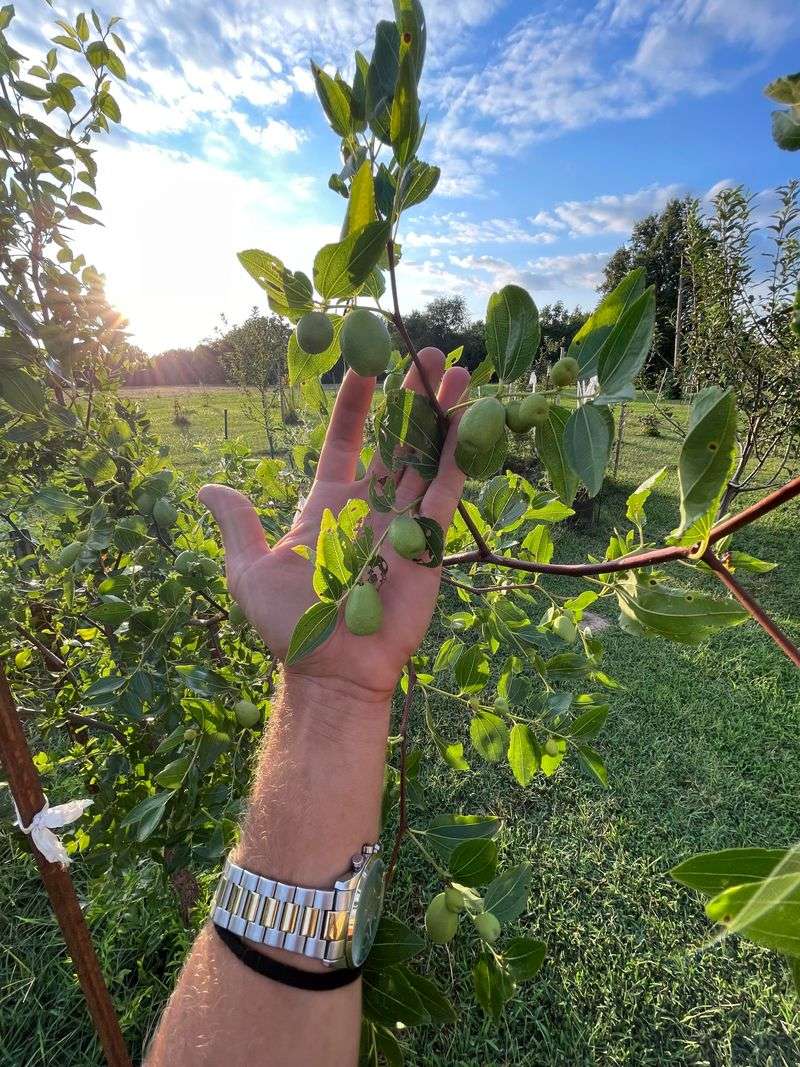
Left completely alone, jujubes can grow tall and reach for the sky, making fruit at the top tricky to gather. A little pruning keeps things far more practical.
Trimming during the dormant winter season works best, when the tree isn’t actively growing. That timing lets you shape it without slowing down production.
By cutting back the height, you keep the fruit within easy reach. No wobbly ladders or missed harvests high in the branches.
Opening up the center also lets sunlight and air move through the canopy. Better airflow means healthier growth and fruit that ripens more evenly.
You don’t need to be an expert to do it right. Removing damaged or crossing branches and shortening the tallest limbs covers most of what’s needed.
Regular light pruning beats occasional heavy chopping. Small yearly trims keep the tree balanced and prevent it from getting out of hand.
The reward is a tree that’s both easier to pick and nicer to look at. A well-shaped jujube fits neatly into smaller yards and garden beds.
Thinking ahead about shape from the start saves a lot of work later. Guide the young tree, and it grows into a form that suits you. With just a bit of seasonal effort, harvesting becomes a pleasure rather than a chore.