Why Ladybugs Gather In Clusters Around California Homes In Late Fall
Some beetles sold at garden centers were scooped by hand from mountain clusters in the Sierra Nevada foothills. That surprising harvest starts with a habit that also brings swarms of red visitors to California porches.
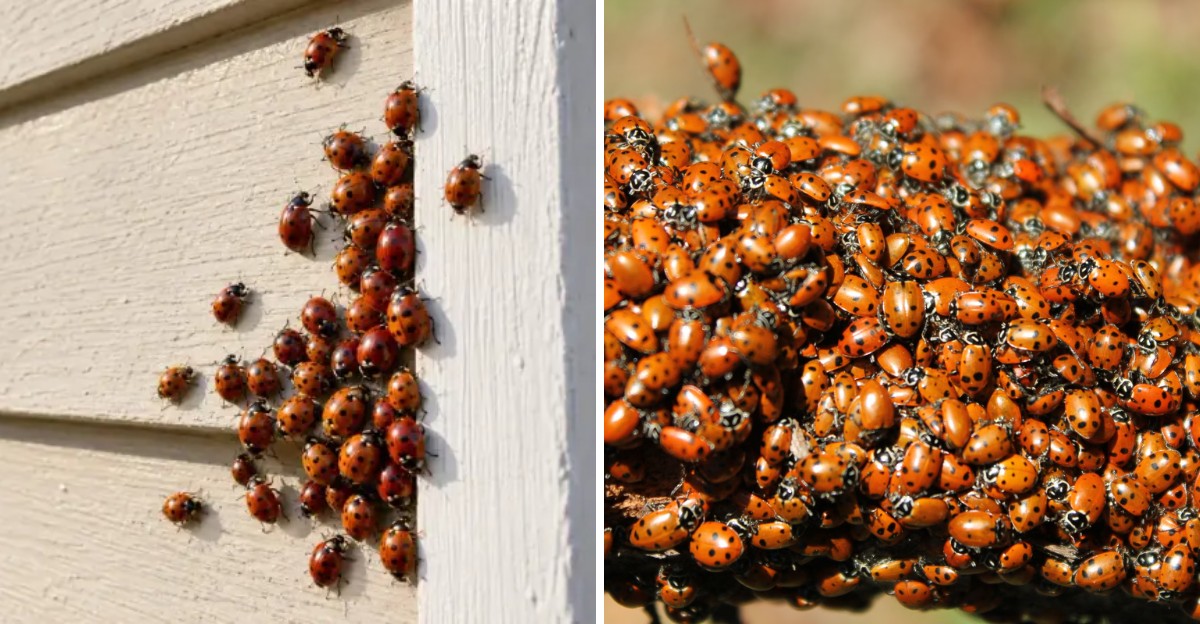
A single cluster can hold thousands of polka-dotted bodies, packed so tightly they look like a rusty orange carpet. Many of them will rest in that pile for months, barely moving while cold air settles over the hills.
I have to admit, I gasped the first time I found a wriggling heap of them under my eaves. You might notice the same sunny corner gets visitors year after year, which feels oddly personal and planned.
Personally, I think the reasons behind these crowds are smarter than most backyard mysteries in California this time of year. So what pulls these tiny garden guards to your siding, and should you welcome them or gently show them out?
1. Sunny South Walls Pull In Chilly Ladybugs
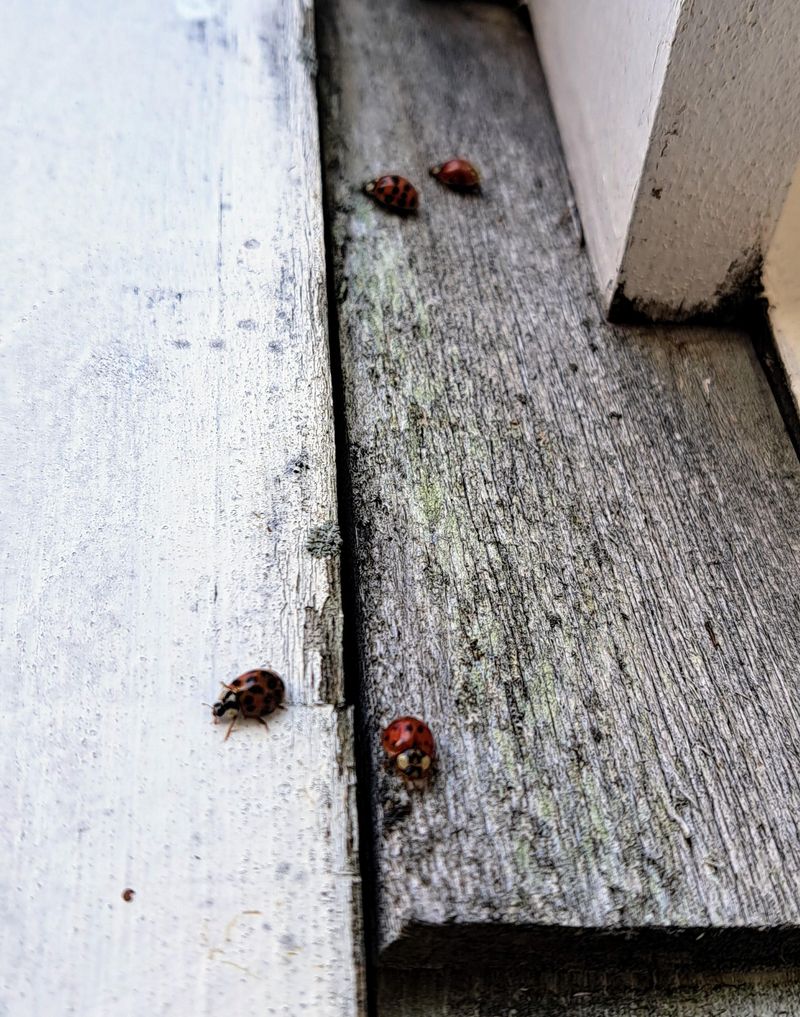
On a crisp afternoon, the warmest wall on your house can feel like a beach resort to a chilly beetle. Ladybugs cannot make their own body heat, so they hunt for surfaces that soak up sunshine.
South and southwest walls catch the most fall light, and they hold that warmth well after lunchtime. I love how you can almost predict where clusters form just by tracking shadows across the yard.
Lighter siding often seems to draw bigger crowds, though experts still debate exactly why pale colors attract them. Contrast against a darker background may help flying beetles spot the house from a distance, many entomologists suspect.
To a ladybug, a tall sunny wall may resemble the rocky cliffs or ridges where relatives rest in nature. That makes your home less of a target and more of a convenient stand-in for wild shelter.
You need to check those bright walls first if you want to see where the action begins each season. Look along window frames and under eaves, where beetles bunch up after warming themselves on sunny mornings.
A few dozen sunbathers on the siding usually mean no trouble at all, so try to enjoy the show. Their presence often signals a healthy garden nearby, full of the soft insects they hunted all summer long.
Personally, I keep a small notebook of which walls get visitors, and patterns appear quickly over a few years. That record helps you know exactly where to caulk and inspect before the next cool snap arrives.
2. Convergent Lady Beetles Head For The Hills
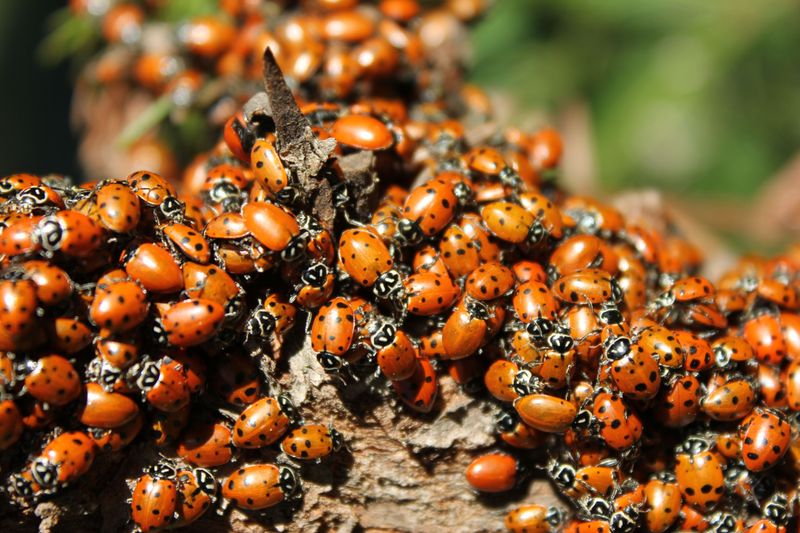
Some of the biggest ladybug parties on Earth happen in the mountains, far from any patio or porch light. Convergent lady beetles, Hippodamia convergens, are native here and famous for their long seasonal flights uphill.
After feeding on aphids in valleys during spring, many adults fly to Sierra Nevada and Coast Range foothills. They settle in canyons near streams, gathering on logs and under leaf litter in astonishing reddish heaps.
University of California researchers note these beetles can rest in those groups for many months before heading down again. Strong spring warmth tells them to break apart and ride breezes back toward farms and gardens below.
What surprises me most is that many store-bought ladybugs were collected from these wild clusters in the hills. Because they are still primed to migrate, released beetles often fly away soon after you open the container.
That explains why buying ladybugs for aphid control can feel disappointing, even when the bag looked very full. Mist them and release them at dusk near infested plants, which gives them a better chance of sticking around.
Homes near foothills sometimes see wandering convergent beetles in fall, though these natives rarely push indoors like the Asian species. Most of them prefer wild, shady hideouts over attics, so they usually pass through without becoming houseguests.
I can’t imagine a cooler weekend outing than spotting one of those orange carpets along a quiet mountain trail. Just admire them without scooping any up, since disturbing a cluster can scatter beetles away from their shelter.
3. Asian Lady Beetles Love House Siding
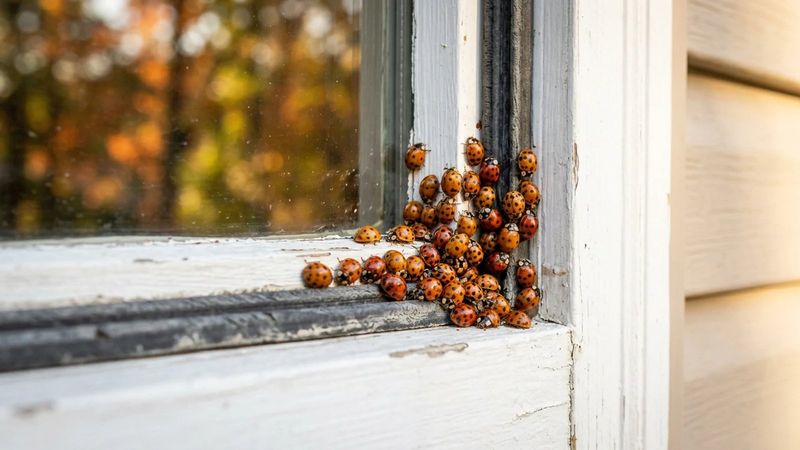
That ladybug crawling across your kitchen window might actually be a traveler whose family came from eastern Asia. The multicolored Asian lady beetle, Harmonia axyridis, was released in the United States to help control crop pests.
In its homeland, it shelters through winter in cracks on cliffs and rocky outcrops facing the sun. Our houses happen to offer the same tall, bright surfaces, so this beetle treats siding like familiar territory.
You can spot it by the dark M or W shaped marking on the pale area behind its head. Colors range from pale orange to deep red, and some individuals show many spots while others show none.
This species is the main culprit behind big indoor invasions in many parts of the country, according to extension experts. It is established in our state too, though eastern homeowners often report larger swarms than most western neighbors.
I have to admit, I admire its appetite, since one beetle can eat huge numbers of aphids. Still, researchers worry it competes with native lady beetles for food and may crowd them out in some areas.
When handled roughly, it releases a smelly yellow fluid from its leg joints, a defense called reflex bleeding. That liquid can stain walls and fabric, so avoid swatting or crushing these beetles on light surfaces indoors.
Personally, I treat this species as a helpful outdoor partner that simply needs firmer boundaries around the house. Sealing gaps before cool weather arrives keeps its garden benefits outside, where they matter most to your plants.
4. Ladybug Scent Trails Mark The Best Spots
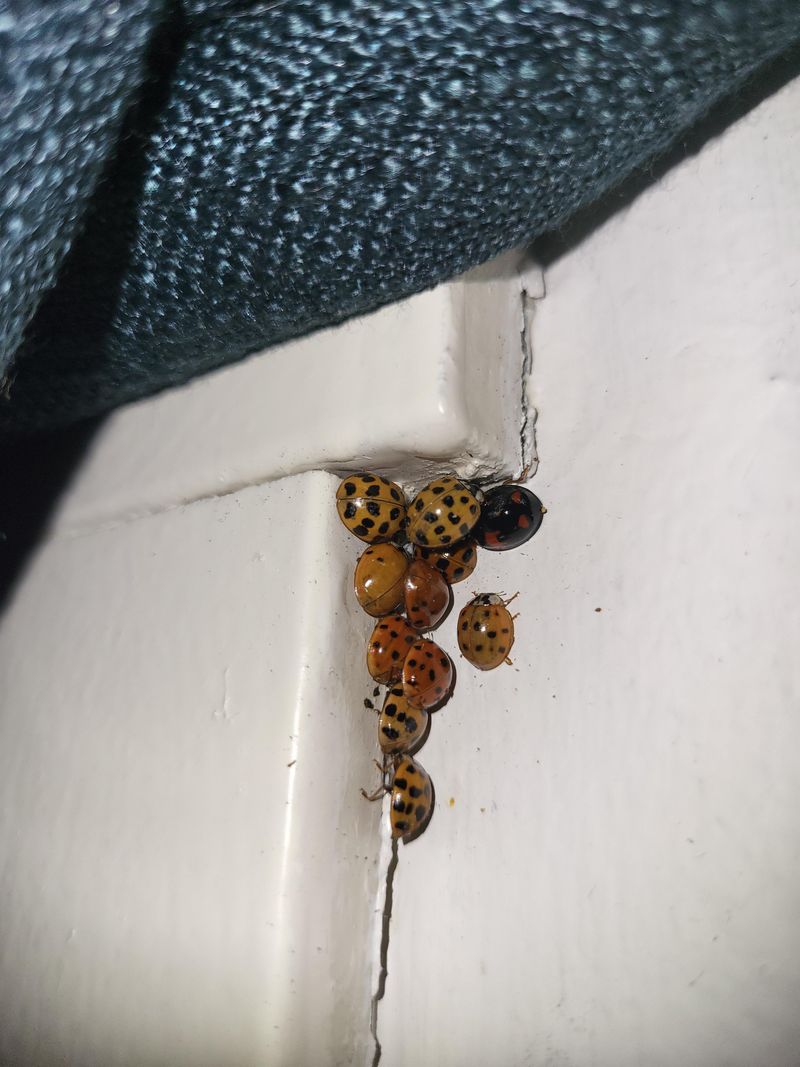
Ladybugs leave invisible notes behind, and those chemical messages help explain why one corner gets swarmed every single fall. Researchers have found that beetles respond to scents and residues left by earlier visitors at good shelter sites.
Early arrivals that land on a promising wall may release aggregation pheromones that draw passing beetles toward them. Each newcomer adds to the signal, which is how a handful can swell into hundreds within days.
Footprint chemicals called hydrocarbons can also linger on surfaces, according to several studies of overwintering lady beetles. That lasting trace may guide new generations back to the same window frame, even first-time visitors.
You might notice your neighbor sees very few while your porch hosts a crowd year after year. Scent marks from past seasons could be part of the reason, alongside sunlight and nearby food sources.
Wiping down favorite landing spots with soapy water after a cluster leaves may reduce some of that leftover chemical invitation. Results vary, so think of cleaning as a helpful extra step rather than a guaranteed fix for future visits.
I love how something so tiny can run such a clever messaging system without a single sound. It reminds me that gardens hold quiet conversations happening all around us, mostly beyond our human senses.
Scientists are still studying exactly which chemicals matter most, so expect new findings as research continues over time. For now, the safest takeaway is simple: popular spots tend to stay popular unless you change something about them.
5. Huddled Ladybugs Stay Warm And Moist
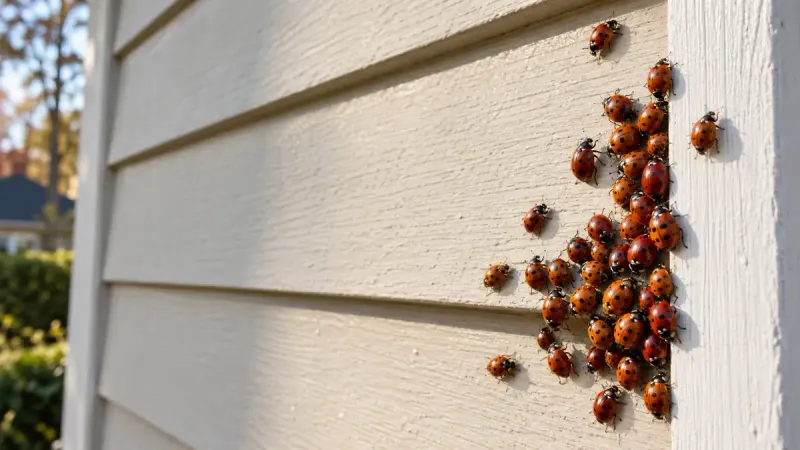
A ladybug alone on a cold night is fragile, but thousands piled together become a surprisingly sturdy winter shelter. Biologists believe clustering helps these beetles hold onto moisture, which matters during months with little food or water.
Tightly packed bodies create a small humid pocket that slows drying out, a real risk for tiny insects. Huddling may also buffer sudden temperature swings, although the warmth benefit seems smaller than the moisture advantage.
Bright red and black colors warn predators that ladybugs taste bitter and contain defensive chemicals called alkaloids. A big cluster shouts that warning even louder, so birds and lizards often think twice before grabbing a snack.
Some researchers also suspect clusters make finding a mate easier once warm weather returns in late winter or spring. Beetles waking up together can pair off quickly before scattering in search of aphid colonies to feed their young.
You might find these piles tucked behind shutters or inside porch light fixtures, where moisture and shade linger nicely. Leave outdoor clusters alone when possible, since breaking them apart can force beetles to burn precious stored energy.
Personally, I let outdoor clusters stay exactly where they are and just peek at them occasionally. Watching them shift slightly on warmer afternoons feels like checking on sleepy neighbors who prefer not to be disturbed.
If a cluster forms somewhere inconvenient, wait for a cool morning when beetles move slowly and are easier to relocate. Gently brush them into a container and place them under leaf litter or a woodpile outside, away from walls.
6. Fading Aphid Colonies Send Ladybugs Searching
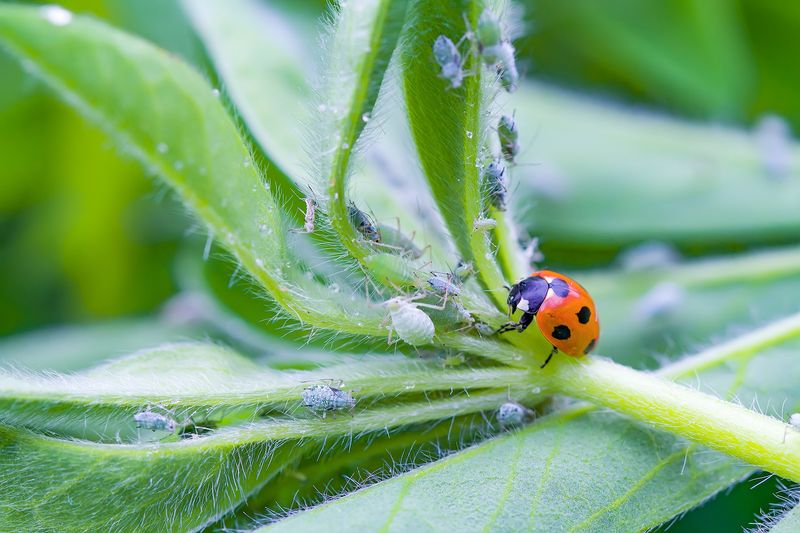
Hungry ladybugs spend summer feasting like kids at a candy shop, and their favorite treat is the humble aphid. As cooler weather arrives, many aphid colonies shrink, and that disappearing buffet pushes beetles to change their plans.
A single adult may eat dozens of aphids each day, so a shrinking food supply gets noticed fast. Instead of starving, they shift gears and look for shelter where they can wait out the lean season.
Before resting, many lady beetles also snack on pollen and nectar to build fat reserves for the months ahead. That stored fat works like a packed lunch, carrying them through the cool stretch until prey returns.
You need to think twice before spraying broad pesticides in fall, since they can harm beetles fueling up nearby. Leaving a few aphids on ornamental plants may sound odd, but it keeps your helpers fed and nearby.
I like how a few late-blooming natives, such as California buckwheat, give beetles a final sip before resting. Yarrow and coyote mint can also offer small flowers that lady beetles visit, depending on your local conditions.
Homes beside orchards or weedy field edges often see more visitors because those spots supported huge aphid crowds earlier. When the feeding grounds quiet down, the nearest sunny building becomes a handy stopover for restless beetles.
What surprises me most is how quickly the switch happens once food grows scarce in a busy backyard. One week they are hunting on your roses, and the next they are lining up along the window trim.
7. Shorter Days Switch On Ladybug Diapause
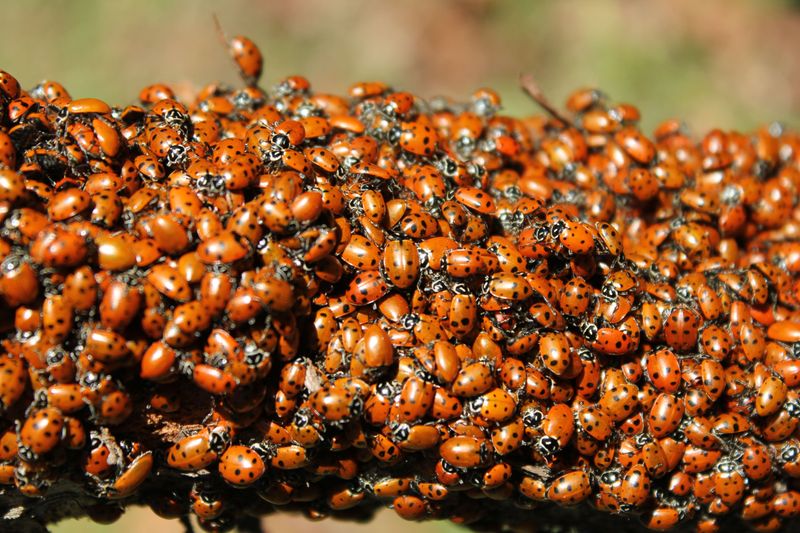
Ladybugs carry a kind of internal calendar, and shrinking daylight in autumn helps flip it toward winter rest mode. Scientists call this resting state diapause, a pause in growth and reproduction that saves energy through harsh months.
Shorter days and cooler nights work together as cues, signaling that it is time to stop laying eggs. Many beetles then focus on finding shelter, which explains the sudden crowds appearing on homes in late fall.
During diapause, their metabolism slows way down, so they need very little fuel to get through the season. Some lady beetles can also tolerate chilly temperatures by supercooling, keeping body fluids from freezing below the freezing point.
Mild coastal winters here are gentler than in snowy regions, yet the beetles still follow their ancient rest schedule. Inland valleys and foothills cool more sharply, which may make shelter seeking more noticeable in those neighborhoods.
Heated homes confuse that rhythm, because warmth inside walls can wake beetles before spring truly arrives outdoors. That is why you might see a few wandering across windowsills on a sunny January afternoon.
Those winter wanderers are not breeding indoors, and they are not looking for your pantry snacks either. They are mostly searching for light and an exit, so open a window briefly and guide them outside.
I believe knowing about diapause makes these visitors feel less like invaders and more like campers waiting for morning. Once spring warmth settles in, they leave their hideouts and head straight back to hunting aphids in the garden.
8. Cracks Around Windows Invite Ladybugs Inside
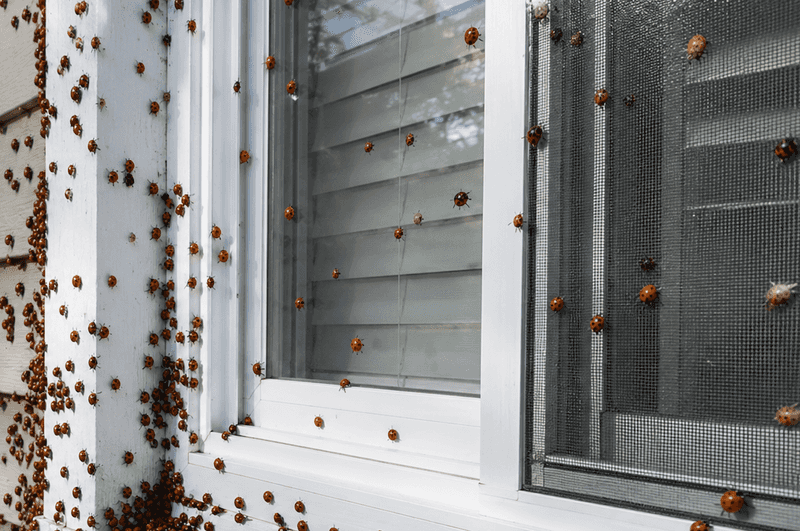
A gap thinner than a pencil lead can be a wide open front door to a determined lady beetle. Once beetles warm up on sunny siding, they crawl into cracks looking for a snug, protected place to rest.
Common entry points include loose window screens and gaps where cables or pipes slip through exterior walls. Attic vents and roof edges deserve a close look too, since beetles often settle in quiet upper spaces.
You need to tackle sealing work in late summer or early fall, before the first big wave arrives. Silicone or acrylic latex caulk works well on small cracks, while weatherstripping helps around doors that rattle.
Fine mesh screening over vents keeps beetles out without blocking airflow, which protects your attic and your sanity. Check that window screens sit snugly in their frames, because even a slight bend creates a tempting slot.
Personally, I walk the house with a flashlight on a sunny afternoon and watch where beetles disappear into siding. Their own behavior points out the leaks you missed, which makes the job surprisingly quick and satisfying.
Ladybugs do not chew through wood or drywall, so they only use openings that already exist in your home. That means careful sealing often brings the biggest results, and it also helps keep out spiders and drafts.
Avoid spraying insecticides into wall voids, since leftover beetles inside can attract carpet beetles that feed on them later. Sealing from the outside is cleaner and safer, especially if you have curious pets or young children nearby.