Why Florida Dwarf Yaupon Holly Gets Thin Spots And What To Fix First
Dwarf yaupon holly is supposed to be the easy one.
Heat tolerant. Salt tolerant. Compact. Low maintenance. The shrub that Florida gardeners plant when they want something reliable that does not require constant attention or special treatment.
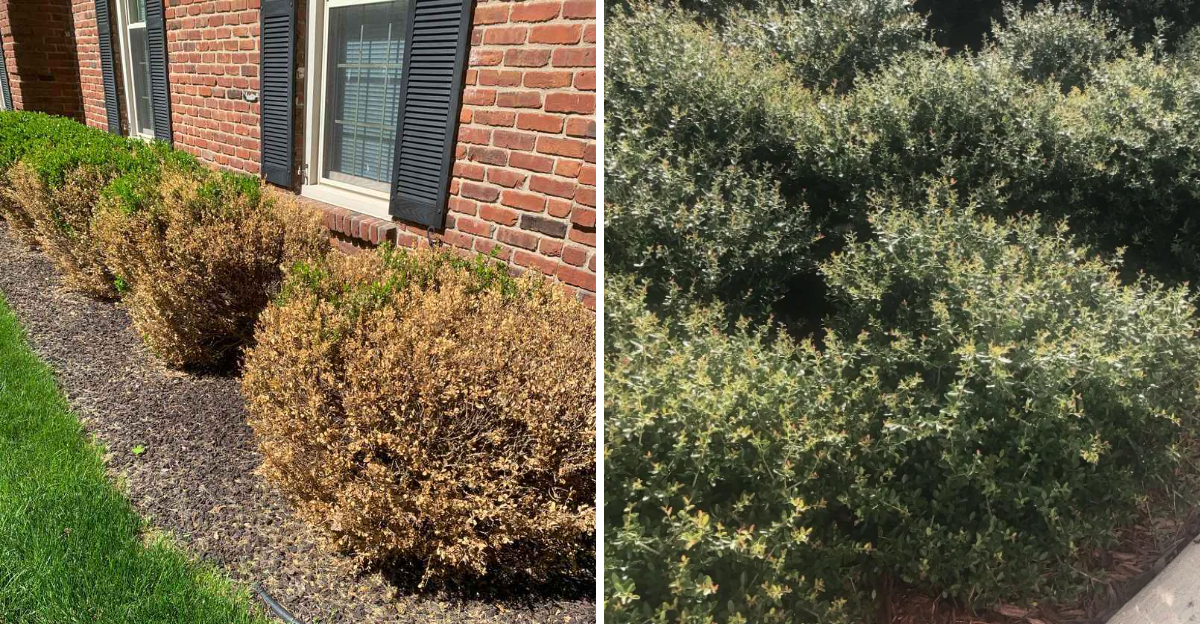
And then a thin spot appears.
Not everywhere. Just one section. A patch that looks hollowed out, or a side that stopped filling in while the rest of the shrub looks fine. The kind of problem that makes you walk past it twice before deciding something is genuinely wrong.
The frustrating part is that dwarf yaupon holly rarely develops thin spots from one single cause.
The answer is almost never obvious at first glance, which is why most Florida gardeners reach for the wrong fix and spend a season waiting for improvement that never arrives.
Have you looked closely at the thin section of your yaupon hedge and still walked away without a clear answer?
Eight causes produce those bare patches. One of them is almost certainly the right diagnosis.
1. Check Sunlight Before You Blame The Shrub
Shade is patient. It arrives gradually as nearby trees fill out and overhead canopies expand, and most gardeners do not notice the change until a shrub that used to look full starts developing a hollow side or a thinning interior.
Dwarf yaupon holly performs best in full sun to partial shade. When a plant sits in too much shade, the interior branches stop producing new growth.
The shrub puts all available energy into the outermost tips chasing whatever light remains. Over time that creates a shell-like appearance with almost nothing going on inside the canopy.
Walk around the shrub at different times of day and pay attention to what the sun is actually doing. Morning shade is usually manageable.
Afternoon shade in a Florida summer meaningfully slows foliar density and new growth production. Look for foliage that appears pale, washed out, or sparse on a specific side.
That directional pattern is a strong indicator that light is the issue rather than a pest or cultural problem.
If a nearby tree or fence line is blocking afternoon sun, trimming overhanging branches may restore enough light to improve performance without relocating the plant.
Before reaching for any product or spray, rule out the lighting situation first.
It is the most commonly overlooked cause of thin spots in Florida yaupon hedges, and correcting it costs nothing beyond a pruning session.
2. Stop Shearing The Outside Too Tight
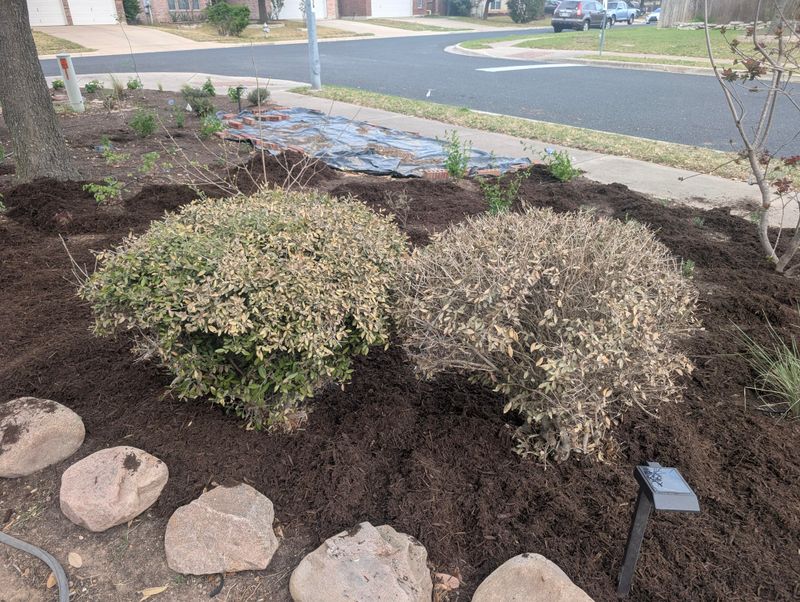
The hedge looks sharp from the street. Clean edges, tidy surface, everything trimmed to a consistent line. The problem is what that consistent trimming is doing to the inside of the plant over time.
Each pass with electric shears encourages a dense flush of new growth right at the outer tips.
Those tips layer on top of each other across multiple seasons, building a thick outer shell that sunlight cannot penetrate. The interior branches get progressively less light and eventually stop leafing out entirely.
From the outside, the hedge still looks full. From a few feet away, and especially after a storm or hard cutback exposes the interior, the hollowed center becomes impossible to ignore.
Your Florida Garden Changes Every Week. Your Plan Should Too.
Gardening in Florida changes quickly throughout the season. Every Friday you’ll receive a simple weekly plan showing exactly what to plant, prune, fertilize, harvest, and protect so you never miss the right timing.
The fix starts with changing the shearing habit rather than the shearing frequency alone. Less aggressive cuts that allow some new growth to push through before the next trim keep the canopy open enough for light to filter inward.
Have you been trimming your yaupon hedge on a strict schedule regardless of how much growth has actually occurred since the last session?
Yaupon holly responds better when given time to push new growth slightly beyond the desired edge before being cut back. That slightly looser approach prevents the outer wall from becoming impenetrable over repeated seasons.
A tidy hedge is the goal. A hollow one is the consequence of pursuing tidiness too aggressively.
3. Thin The Canopy For Interior Growth
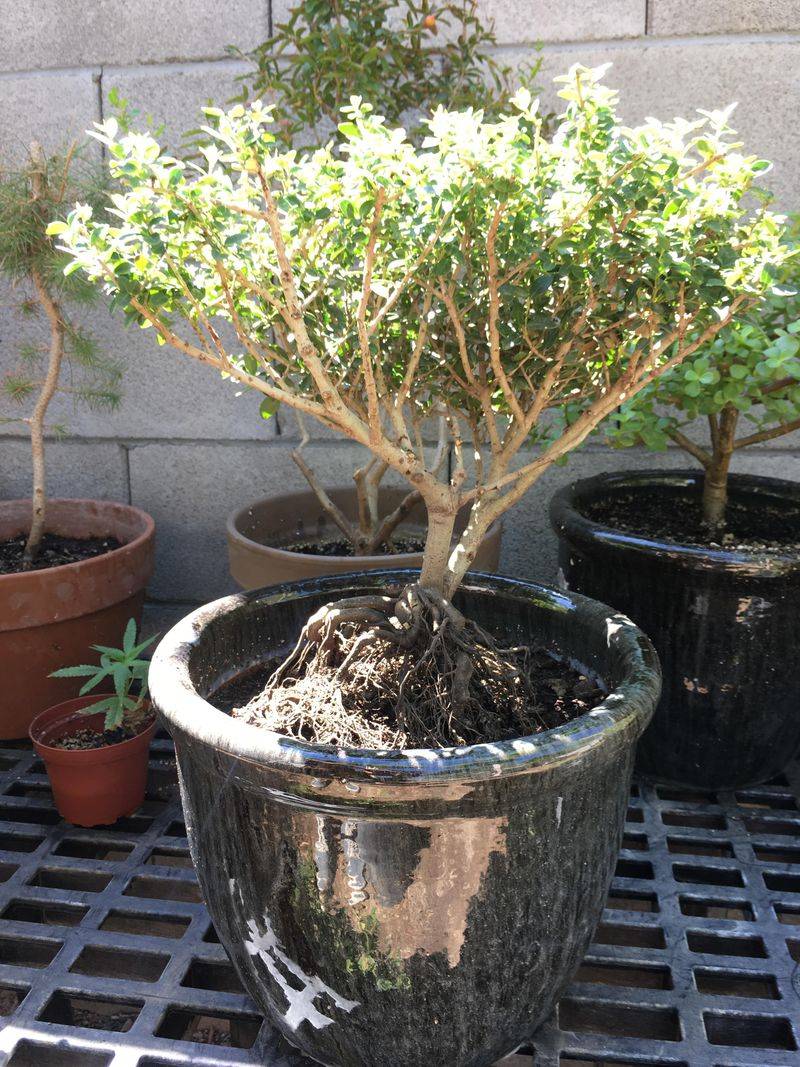
Selective pruning and shearing are not variations on the same task. They accomplish entirely different things, and a yaupon holly with interior thinning needs one of them while most gardeners keep applying the other.
Shearing shapes the outside. Selective pruning opens the inside. Reaching into the canopy and removing specific branches allows sunlight and air to reach the center of the shrub, where dormant buds have been waiting for the light that shearing repeatedly blocked.
Start with branches that cross over each other or grow directly into the center of the plant. Remove those first.
Then look for older, thicker branches that are noticeably larger than the surrounding growth. Taking out a few of these creates genuine breathing room without dramatically changing the visible shape of the shrub from the outside.
Work in stages rather than removing large amounts at once. Stressed plants recover more reliably from conservative intervention than from aggressive thinning done in a single session.
Hand pruners provide the control and precision this job requires. Power tools work efficiently on flat surfaces. They cannot make the targeted individual cuts that selective interior work demands.
Late winter or very early spring, right before new growth begins, is the productive timing window in Florida. The plant pushes into the newly opened space with fresh growth during the season that follows.
That is the kind of renovation that actually changes what the interior looks like by fall.
4. Inspect Stems For Gall Like Swelling
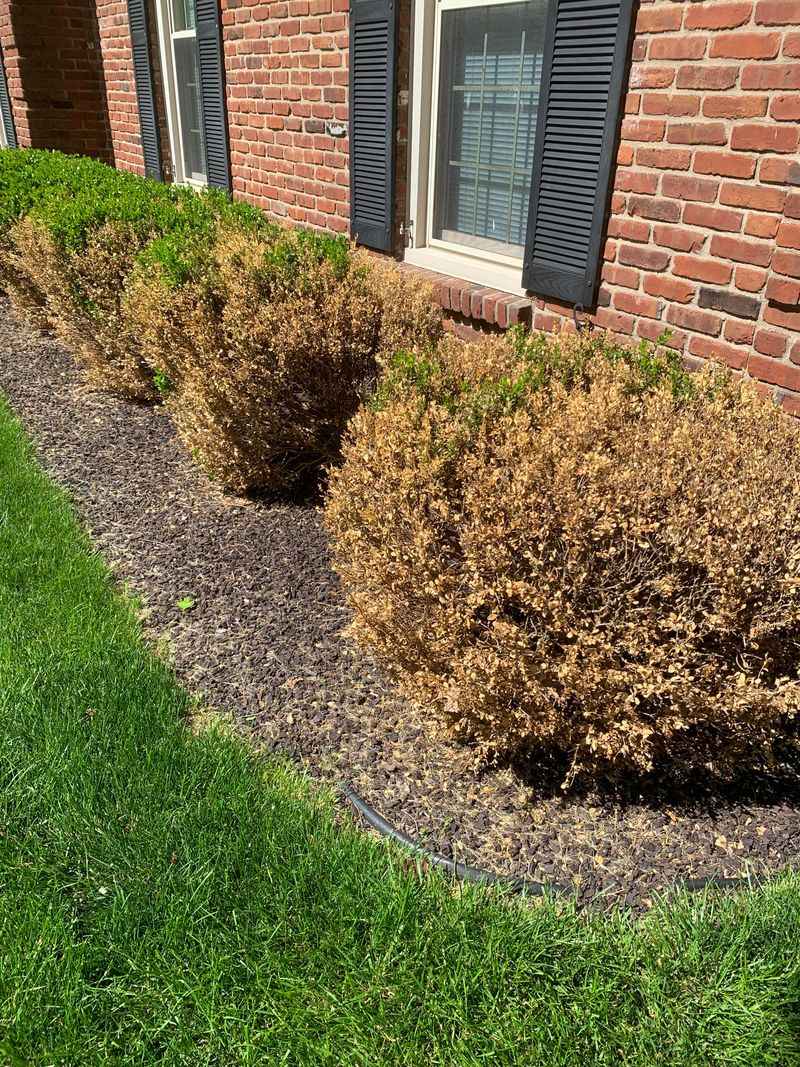
Not every thin spot traces back to light exposure or pruning habits. Sometimes the problem is physically present on the stems. It hides in plain sight until someone looks closely enough to notice.
Yaupon holly in Florida can develop stem galls and a condition called witches broom.
Both create abnormal growth patterns that disrupt normal foliar development and contribute to patchy, uneven sections that behave differently from the healthy portions of the same shrub.
Stem galls appear as lumpy, swollen sections along a branch. They can result from insects, bacteria, or fungi depending on the specific situation.
Witches broom, often linked to phytoplasma spread by certain insects, produces dense clusters of small, tightly packed twigs growing from a single point on a branch.
Run your fingers along the stems of the affected section while inspecting the plant. Feel for bumps, swelling, or bark that looks cracked or discolored.
Look for those tufted twig clusters that look like a small broom attached to a branch. That visual is distinctive once you know what you are looking for.
Pruning out affected sections with sanitized tools is typically the first recommended response, but getting a proper identification before cutting prevents the risk of spreading the issue through contaminated blades.
A problem you can name is a problem you can actually address.
5. Clean Pruners Between Every Holly
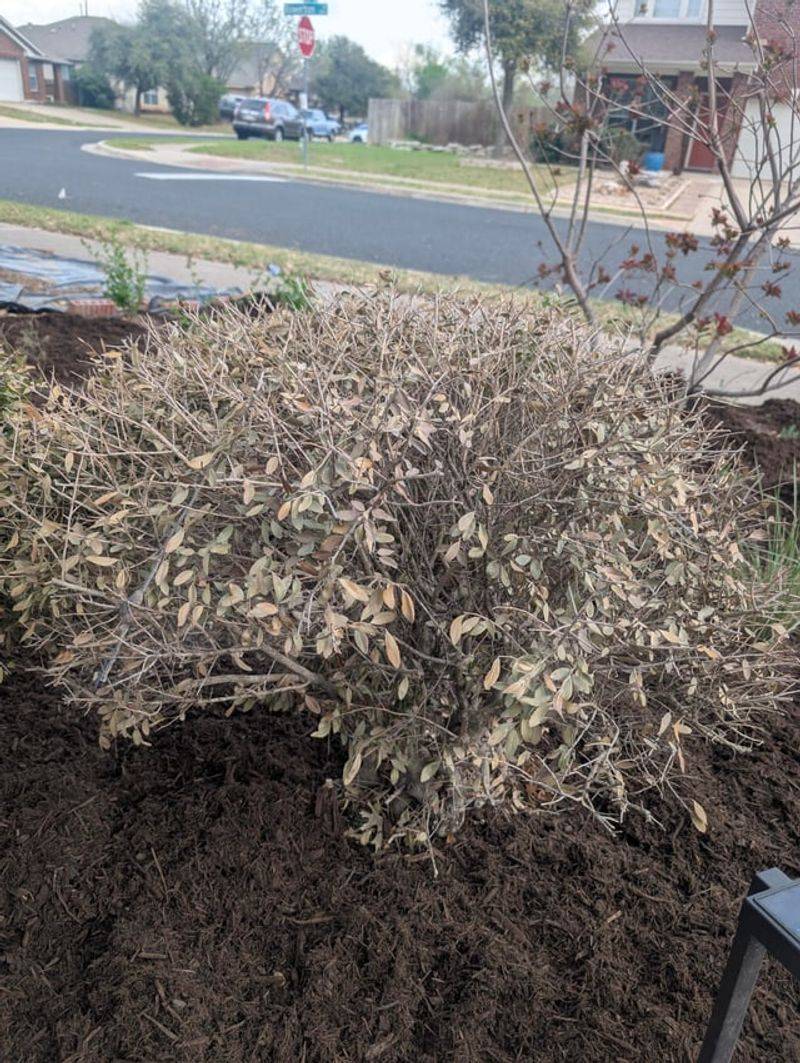
Most Florida gardeners maintain more than one yaupon holly at a time. A hedge row, a foundation planting, a border. The pruning session moves from plant to plant efficiently, and the tools move with it.
What also moves with those tools is whatever was on the last branch. Fungal spores, bacterial material, and other pathogens hitch rides on contaminated blades and transfer directly into the fresh cut tissue of the next shrub.
A problem isolated to one plant becomes a problem distributed across several within a single afternoon of work.
Sanitizing pruner blades between shrubs takes under thirty seconds. A small spray bottle of seventy percent isopropyl alcohol kept in the garden bag handles it without interrupting the workflow significantly.
Spray the blades, wipe them down, let them air briefly before continuing.
The cleaning habit matters most after cutting out suspicious growth. Discolored tissue, swollen stems, or any section that does not look quite right should trigger a cleaning step before the pruners touch anything else.
Sharp tools reinforce this benefit. Clean cuts heal faster and present smaller wound surfaces for pathogens to enter.
Dull blades crush and tear tissue rather than slicing cleanly, which extends the recovery window and increases vulnerability during Florida’s warm, humid seasons.
Has a pruning tool in your garden bag been used on a suspicious section of yaupon without a cleaning step since? The answer to that question is worth knowing before the next session starts.
6. Water Deep During Dry Stretches
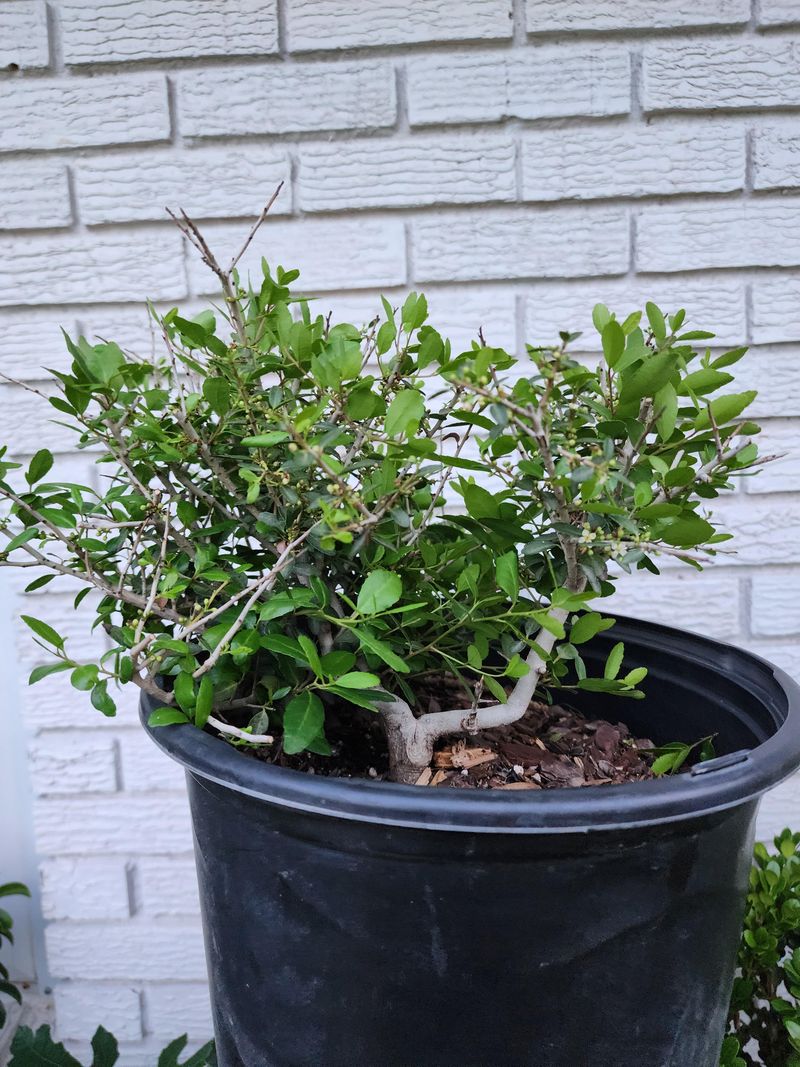
Yaupon holly has a genuine reputation for drought tolerance and earns it after a full season of establishment.
Florida gardeners plant it and reasonably trust it to handle heat without constant attention. That trust is mostly well placed.
During extended dry stretches, even a well-established shrub starts showing stress through reduced new growth and sparse foliage that makes thin spots appear or worsen through the season.
The effectiveness of watering depends entirely on how deep the moisture travels. Shallow, frequent cycles keep roots near the top of Florida’s sandy soil where heat builds fastest and moisture disappears quickest.
Deep, infrequent watering pushes roots downward into more stable soil layers where moisture lingers longer between irrigation cycles.
Water slowly and thoroughly once or twice per week during dry periods rather than briefly every day.
A soaker hose or drip line delivers water directly to the root zone without the evaporation loss that overhead sprinklers produce when hitting hot foliage in afternoon Florida heat.
Early morning is the productive timing window. Foliage dries through the day, which reduces the fungal pressure that Florida humidity encourages when leaves stay wet into evening.
Young plants under two years old need more consistent support regardless of drought tolerance claims on the plant tag. A newly planted yaupon holly has not yet built the root depth that makes drought tolerance real.
Watch for leaves that look slightly dull or less firm than usual. That subtle change is the first signal worth responding to before more significant stress develops.
7. Refresh Mulch Without Burying Stems
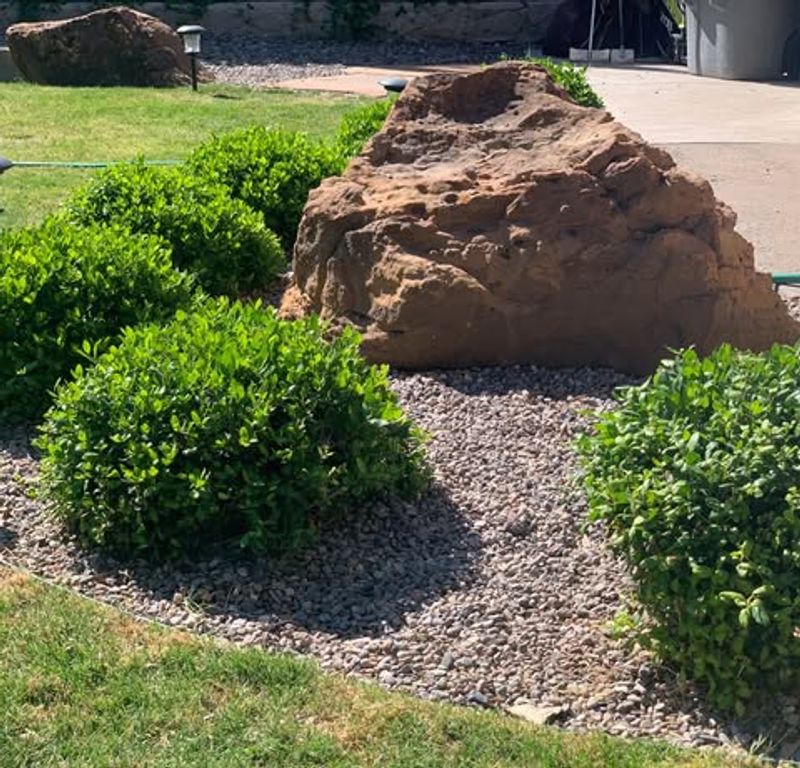
Mulch is one of the most consistently useful tools available in a Florida landscape bed. It moderates soil temperature, holds moisture, reduces weed pressure, and improves soil biology as it breaks down over seasons.
Piled too deep or pressed against the base of a yaupon holly stem, those same benefits become liabilities.
Mulch in contact with bark traps moisture against the stem in conditions that favor fungal rot and create sheltered habitat for insects nesting at the plant’s most vulnerable point.
Stem damage at the base restricts the movement of water and nutrients upward through the plant, which produces patchy thinning in specific canopy sections that does not respond to pruning, fertilizing, or anything else applied above that restriction point.
Two to three inches is the productive depth range for Florida shrub beds. Pull mulch back at least two to three inches from the base of each stem so bark can breathe and the stem base stays dry between rain and irrigation events.
Refresh mulch once or twice annually rather than continuously layering new material on top of old accumulation.
Rake back existing material first, check what is underneath for compaction or fungal growth, then add enough new material to restore the correct depth.
Does the mulch in your yaupon bed currently look like a volcano around the stems? That is a common setup and a genuinely fixable one. The shrub will not miss the pile.
8. Replace Crowded Plants With Better Spacing
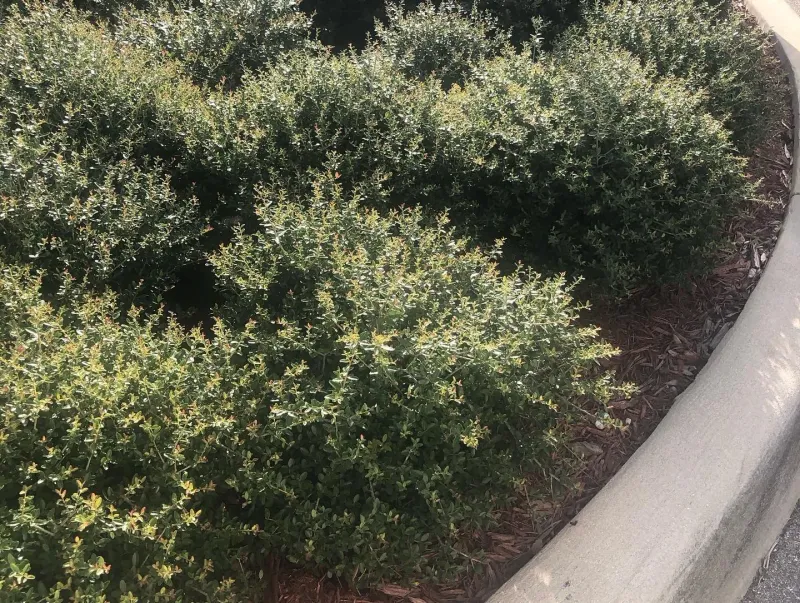
Overcrowded yaupon hedges reach a point where pruning, watering, and fertilizing stop being solutions. They become maintenance of a problem that more space is the only real fix for.
Plants installed too close together compete continuously for light, water, and soil nutrients.
The weakest competitors in the row show the strain first through thin sections, consistently bare interior sides, and new growth that never quite catches up with neighboring plants.
Dwarf yaupon holly needs roughly three to five feet of spacing to develop a full, healthy canopy in a mass planting or hedge situation.
Tighter spacing creates a canopy that merges before individual plants establish proper structure, with no airflow through the interior.
Stagnant, humid Florida air trapped inside a merged canopy is a reliable environment for the fungal problems and foliage thinning that spacing was intended to prevent.
Walk the row with honest eyes. Look for specific plants that consistently look worse than their immediate neighbors across multiple seasons.
Uneven growth, persistent bare patches on interior sides, and noticeably thinner branching are all indicators that a plant is losing the resource competition.
Removing those specific plants and replanting the row with correct spacing is a longer-horizon decision that pays returns every season for decades.
A well-spaced hedge with good airflow outperforms a crowded one every single year without exception.
Sometimes the kindest thing a Florida gardener can do for a yaupon hedge is give half of it more room.