Pennsylvania Native Plants That Handle Freeze-Thaw Winters
Pennsylvania winters rarely stay put. A week of bitter cold can give way to a surprise January thaw, with temperatures climbing into the 50s and snow melting into slush.
A few days later, everything freezes solid again. That back-and-forth is hard on plants.
Warm spells can trick some plants into waking up too early, only for new buds to get zapped by the next cold snap.
Repeated freezing and thawing also makes the soil swell and shrink, which can loosen roots or even lift young plants right out of the ground. Many popular garden plants from milder climates simply aren’t built for that kind of seesaw.
Native plants know this routine well. They’ve been dealing with Pennsylvania’s unpredictable winters for thousands of years.
Their timing, roots, and toughness are tuned to handle the swings. Choosing the right natives can mean fewer losses and a healthier garden every spring.
1. Little Bluestem
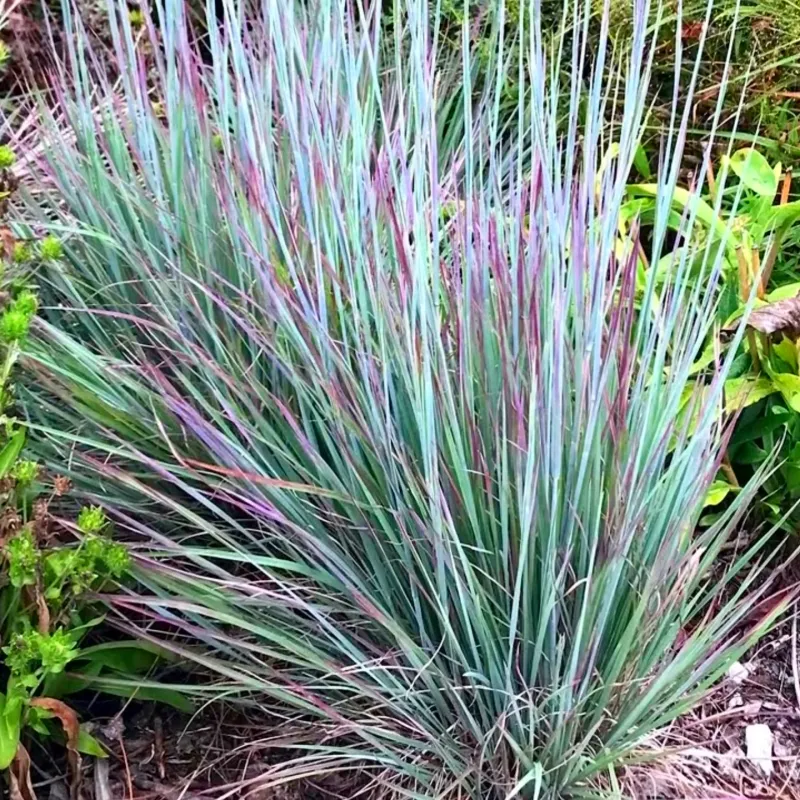
Walk past a field of little bluestem in January, and you might think it is on fire. The grass glows a rich copper-orange, even under gray winter skies. It is one of the prettiest sights in a cold Pennsylvania yard.
Looks are only half the story, though. Little bluestem grows a thick mass of fine roots that can reach several feet deep.
Picture a giant underground sponge that grips the soil from every side. When the ground freezes and lifts, those roots hold the plant steady, so it does not get pushed up and out.
Gardeners call that pushing problem frost heaving. It is a big reason why new plants fail in our state. Little bluestem simply shrugs it off.
Growing it is easy. Give it full sun and soil that drains well. It actually prefers poor, rocky, or sandy ground, so skip the rich compost and fertilizer. Too much food makes the stems flop over.
Plant it in spring so the roots have a whole season to settle in. Water it during the first summer, then let nature take over. After that, it handles dry spells like a champ.
Here is a helpful tip. Leave the grass standing all winter instead of cutting it in fall. The stems trap snow, which acts like a cozy blanket for the roots. Birds like juncos and sparrows also hide in the clumps and eat the seeds.
Cut the old stems down to a few inches tall in early spring. Fresh blue-green blades will pop up soon after. Plants usually grow two to three feet tall, making them great for borders, slopes, and small meadows.
2. Switchgrass
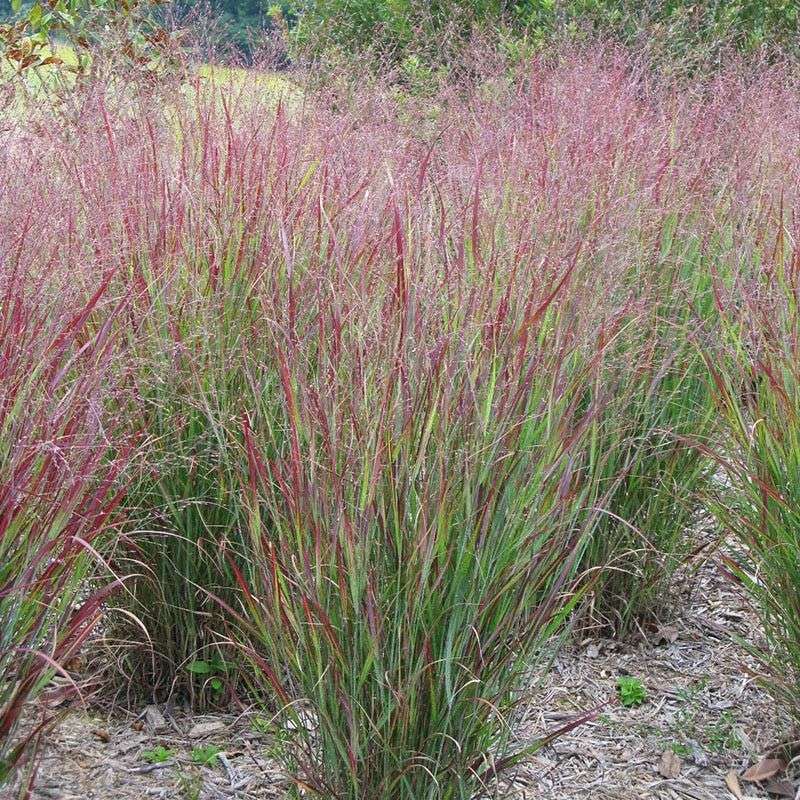
Fun fact: switchgrass roots can stretch down ten feet or more. That is taller than most basketball hoops! With an anchor like that, a little frozen soil does not stand a chance.
Switchgrass once covered huge parts of North America, including open areas in Pennsylvania.
Today it is a favorite for home gardens, farm edges, and rain gardens. It grows fast, stands tall, and asks for very little.
Those deep roots do more than fight frost heaving. They also break up hard clay and help water soak into the ground. That means fewer puddles and less runoff after a winter thaw.
Your Pennsylvania Garden Changes Every Week. Your Plan Should Too.
Gardening in Pennsylvania changes quickly throughout the season. Every Friday you’ll receive a simple weekly plan showing exactly what to plant, prune, fertilize, harvest, and protect so you never miss the right timing.
Most types grow four to six feet tall. In late summer, airy seed heads float above the leaves like a pink or purple cloud. By fall, the whole plant turns gold, tan, or even reddish.
Winter is where switchgrass really earns its spot. The stiff stems stay upright even after snowstorms. Cardinals, sparrows, and quail duck inside for shelter from icy wind. They also snack on the seeds when food is hard to find.
Plant switchgrass in full sun. It handles wet soil, dry soil, and just about everything between. If you have a small yard, look for shorter kinds like Shenandoah or Northwind, which stay tidy and compact.
Care is simple. Water new plants weekly during the first summer. After that, they mostly take care of themselves.
Wait until late winter or early spring to trim the old stems. Cut them down to about six inches.
Wear gloves, because the dry leaves can be scratchy. New shoots arrive once the weather warms, often later than other plants, so be patient.
3. Butterfly Weed
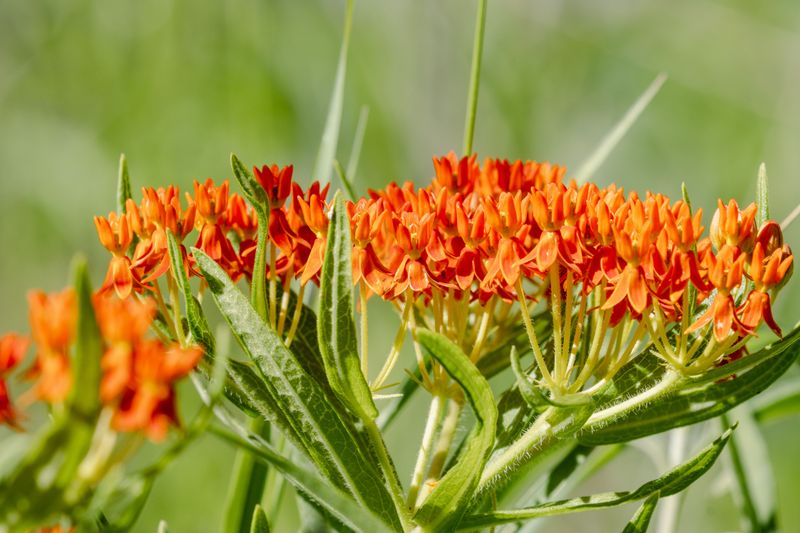
Ask any monarch butterfly fan about their favorite plant, and butterfly weed will likely top the list. Its flowers are a bold, blazing orange that almost seems to shout. Bees, butterflies, and hummingbirds all come running.
Underground, though, there is a hidden secret. Butterfly weed grows a thick taproot, kind of like a carrot. That root dives straight down and can be over a foot long on older plants.
Why does that matter in winter? A taproot acts like a tent stake. When the soil swells and shrinks during freeze-thaw weeks, the plant stays locked in place. The root also stores food and water, so the plant bounces back each spring.
Butterfly weed is a type of milkweed. Monarch caterpillars can only eat milkweed leaves, so planting it gives these butterflies a place to raise their young. Unlike many milkweeds, it does not have milky sap, which makes it a little easier to handle.
Give it full sun and dry, well-drained soil. Sandy or rocky spots are perfect. Soggy ground is the one thing it truly dislikes, since wet roots can rot.
Now for an important tip. That long taproot hates being moved. Choose a spot carefully and leave it there for good. Small plants or seeds work best.
Also, do not panic in spring. Butterfly weed is a very late riser. It often stays hidden until late May. Mark its spot with a stick so you do not dig it up by mistake.
Plants grow about two feet tall and bloom from June into August. Once settled, they can live for many years with almost no care.
4. Wild Bergamot
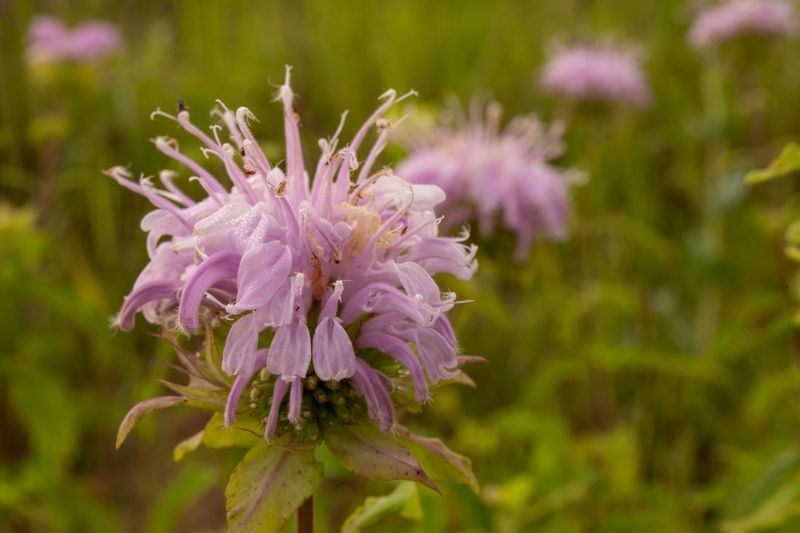
Crush a leaf of wild bergamot between your fingers and take a sniff. You will catch a spicy scent, a bit like oregano or mint. Some people even brew the leaves into tea.
Wild bergamot, also called bee balm, is a true Pennsylvania tough guy. It can handle winter temperatures far below zero without any fuss. Its secret lies just under the dirt.
The plant spreads by underground stems called rhizomes. They crawl sideways and send up new shoots.
Over time, the stems weave together into a dense clump that grips the soil like a woven mat. Freeze-thaw cycles have trouble lifting something so well connected.
In midsummer, the show begins. Fluffy lavender flowers cover the plant for weeks. Bumblebees practically line up to visit. Hummingbirds and butterflies stop by too, sipping sweet nectar from the tube-shaped petals.
Plant it in full sun or light shade. It grows well in average soil and handles dry spells once it settles in. Expect plants to reach two to four feet tall.
Here is a heads-up. Wild bergamot can get a white, powdery coating on its leaves in late summer. It looks odd but rarely hurts the plant. Give each clump space for good airflow, and the problem stays small.
Because it spreads, it is great for filling empty spots. If it wanders too far, just dig up a chunk in spring and share it with a friend. Neighbors love free plants!
Leave the seed heads standing in fall. Goldfinches enjoy picking at them, and the dry stems add texture to your winter garden.
5. Pennsylvania Sedge
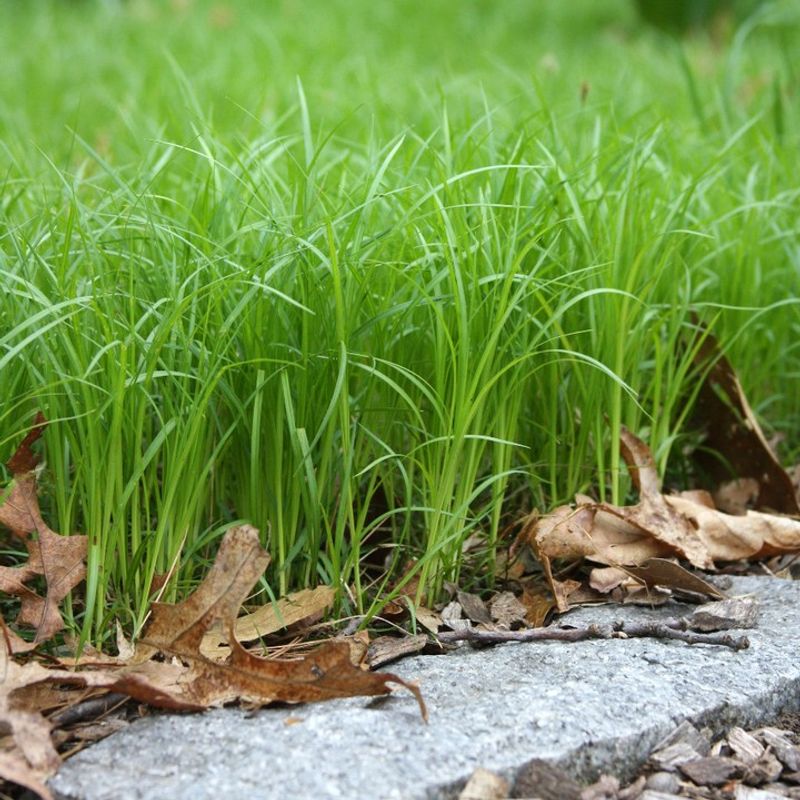
Tired of grass that refuses to grow under your trees? Meet Pennsylvania sedge, a plant with our state name built right in. It is a soft, fine-textured groundcover that loves the shady spots lawns hate.
Sedges look a lot like grass, but they are a different kind of plant. This one forms low, flowing mats that look almost like a messy mop of green hair. It usually stays under ten inches tall.
Those mats are tied together by underground stems. Each little clump connects to the next one, building a living net in the soil. When winter freezes the ground and spring thaws it, the net holds tight. Plants rarely get pushed out of place.
In the wild, it carpets oak forests across Pennsylvania. That gives you a big clue about where it thrives. It enjoys dry shade, the hardest spot in many yards. Tree roots and low light do not bother it one bit.
Pennsylvania sedge also stays partly green into winter. On a cold December day, you may still spot fresh color peeking through the fallen leaves. That is a nice change from bare dirt.
Planting tips are simple. Space small plugs about a foot apart. Water them regularly during the first growing season. Within a couple of years, they will knit together into a solid carpet.
You can mow it a few times a year on a high setting, or never mow it at all. It does not need fertilizer.
Light foot traffic is fine, but it is not built for soccer games. Bonus: it helps control erosion on shady slopes where rain washes soil away.
6. Christmas Fern
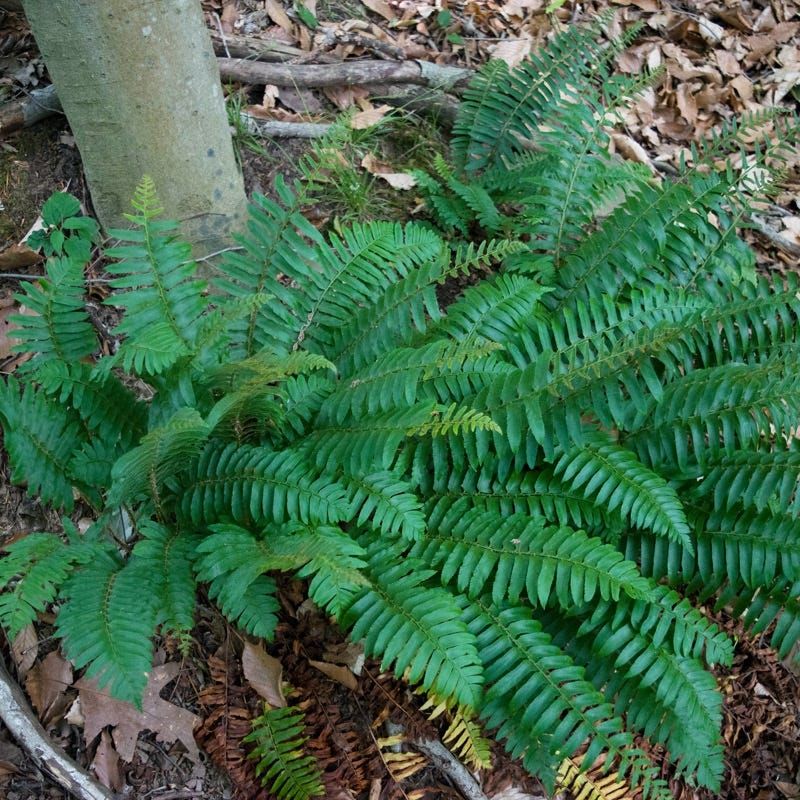
Long ago, early settlers would gather fronds from this fern to decorate their homes in December. It stayed green when almost everything else in the woods had turned brown. That is how the Christmas fern got its holiday name.
Another fun detail hides in each leaflet. Look closely, and you will see a tiny bump near the base. Many people say it looks like a little Christmas stocking or a sleigh.
Christmas fern grows in tidy clumps, not in wandering patches. Its roots form a strong, tangled crown that sits firmly in the soil. When freeze-thaw weather strikes, the crown stays put season after season.
The evergreen fronds do an extra job all winter. They lay down flat on the ground under snow, covering the soil like a shield.
During sudden thaws and heavy rains, they help stop dirt from washing away. That makes them perfect for shady slopes and stream banks.
Plant Christmas fern in part to full shade. It likes rich, moist soil, but once settled, it can handle some dry spells. Rocky spots in the woods suit it nicely too.
Fronds grow one to two feet long. In spring, curled-up fiddleheads uncoil like slow-motion springs, which is fun for kids to watch.
Care is wonderfully easy. You do not need to cut it back in fall. In early spring, simply snip off any old, tattered fronds before new growth appears. That is about it.
Deer usually leave it alone, which is a huge plus in Pennsylvania. Pair it with wild ginger or foamflower for a lovely shade garden.
7. Gray Dogwood
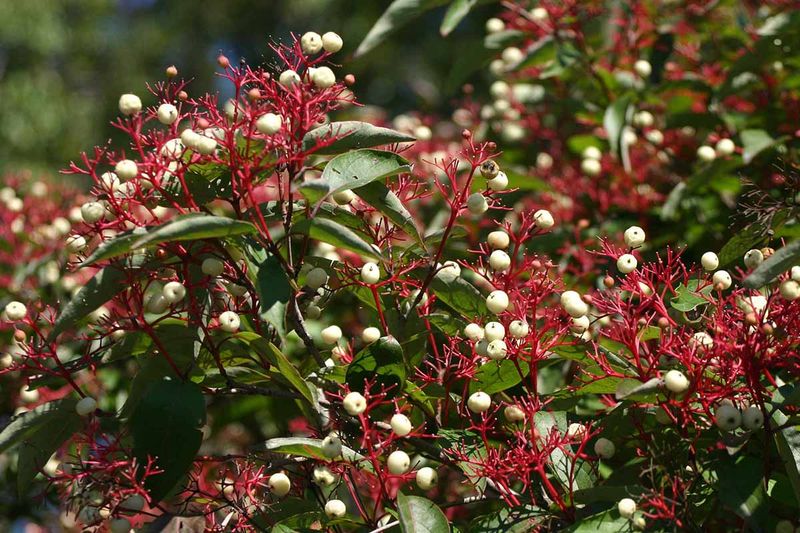
Some shrubs need babysitting. Gray dogwood is the opposite. It is the kind of plant that grows happily along roadsides, fence lines, and old fields without anyone lifting a finger.
That toughness comes from its roots. Gray dogwood spreads with a wide, shallow network of roots and suckers.
They reach out in every direction, gripping the soil firmly. Frozen ground in January and soggy mud in March do not slow it down.
In fact, it handles both wet and dry soil, plus sun or part shade. That makes it a smart pick for tricky spots where other shrubs struggle. It is also great for holding soil on banks.
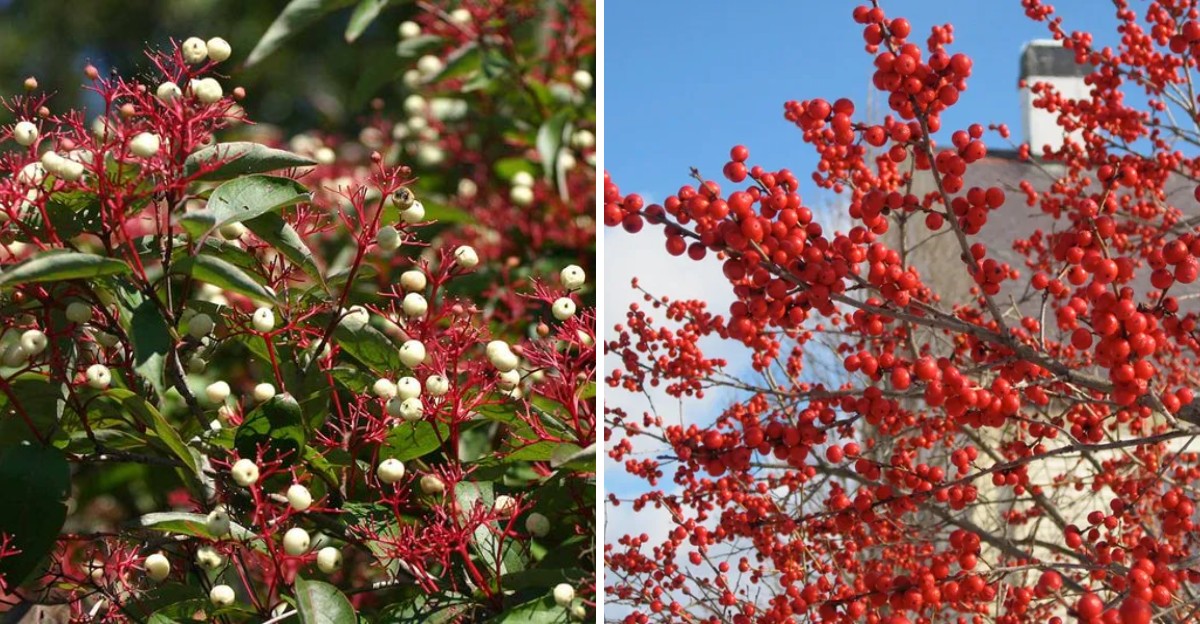
Now let us talk about color. In late spring, creamy white flower clusters cover the branches. By late summer, white berries appear on bright red stalks. The contrast looks almost like candy.
Birds go crazy for those berries. More than 100 bird species are known to eat them, including bluebirds, catbirds, and woodpeckers. The berries rarely last long once birds discover them.
In fall, the leaves turn a purplish red. In winter, you can still see the reddish fruit stalks and gray stems against the snow.
Gray dogwood usually grows six to ten feet tall. It forms a thicket over time, which gives birds safe nesting spots.
If you want a neater look, prune out a few of the oldest stems in late winter. You can also dig up extra suckers to control its spread. For a natural privacy screen or a bird-friendly hedge, few native shrubs work harder.
8. Winterberry Holly
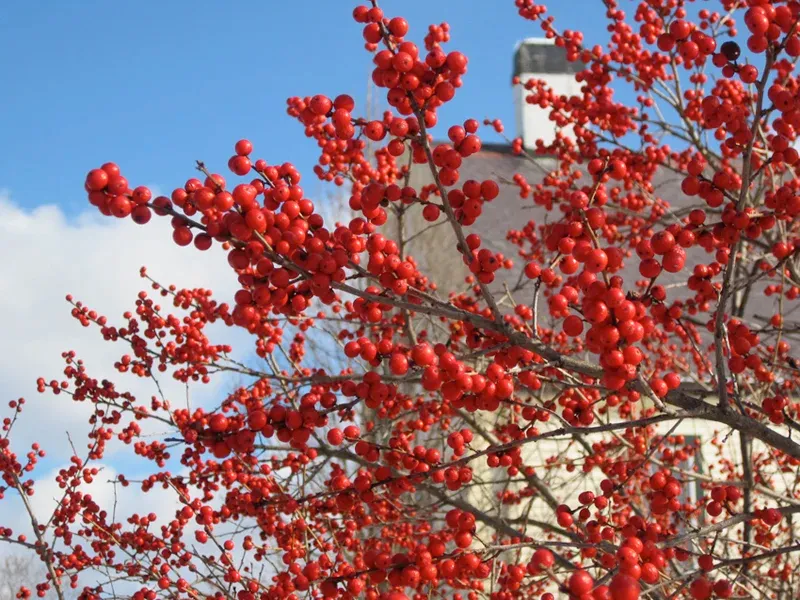
On a snowy day, nothing beats the sight of winterberry. Its bare branches are covered in bright red berries that pop against the white ground. It looks like nature hung its own holiday lights.
Unlike most hollies, winterberry drops its leaves in fall. That leaves the berries out in full view all winter long. They often hang on until January or later.
In the wild, winterberry grows in swamps, along streams, and around ponds. Those wet places get hit hardest by freeze-thaw cycles.
Water in the soil freezes, expands, and melts again many times each winter. Winterberry is built for exactly that kind of stress, with a sturdy, spreading root system.
That makes it a fantastic choice for soggy corners of your yard. Rain gardens and low spots where water collects are perfect. It also grows fine in regular garden soil, as long as it does not get too dry.
Here is a key tip. Winterberry plants are either male or female. Only females make berries, but they need a male nearby to do it.
Plant one male for every five to ten females, within about 50 feet. Garden centers usually label them clearly.
Give it full sun or part shade for the most berries. Plants grow about six to ten feet tall, though shorter kinds exist for small yards.
The berries are a key winter food for wildlife. Robins, bluebirds, cedar waxwings, and mockingbirds all stop by for a snack.
Watching a flock strip a bush in late winter is quite a show. Just remember the berries are not for people. Keep kids and pets from eating them.