The Michigan Vegetables At Their Peak Harvest In September
Roadside stands across Michigan start looking different this time of year, crates stacked higher, colors shifting from summer’s greens toward deeper oranges and reds. Something has clearly changed since just a few weeks ago.
Home gardens tell the same story. Plants that spent all summer slowly filling out are suddenly handing over armfuls at once, almost as if they’d been saving up for exactly this moment.
Cooler nights and shorter days push certain crops into their final, most productive stretch before frost puts an end to the season entirely. Timing your harvest right now can mean the difference between good and truly great flavor.
Here’s a rundown of what’s ready to pick right now, and why September treats these crops so well.
1. Sweet Corn
Nothing signals a Michigan late summer quite like ears of sweet corn stacked high at roadside stands. Farmers across the state, especially in areas like Fennville and the Thumb region, keep the supply rolling right through September.
Sweet corn loves the warm days and cooler nights that early fall brings. That temperature swing helps the kernels hold onto their sugars, giving you that snap of sweetness when you bite in.
Timing matters more than most folks realize. The sugars in corn start turning to starch soon after picking, so the closer you eat it to harvest, the better it tastes. Buying it the same day from a local farm gives you a huge flavor advantage.
When picking ears, look for bright green husks that feel snug against the cob. Peel back a tiny bit at the top and you should see plump, milky kernels packed tightly in rows.
You can boil, grill, or roast it, but honestly fresh corn barely needs anything. A little butter and salt lets its natural sweetness shine through.
Michigan ranks among the top states for fresh-market sweet corn production, so you are getting a genuinely local treasure. Many farms offer several varieties, from bicolor to all-yellow types.
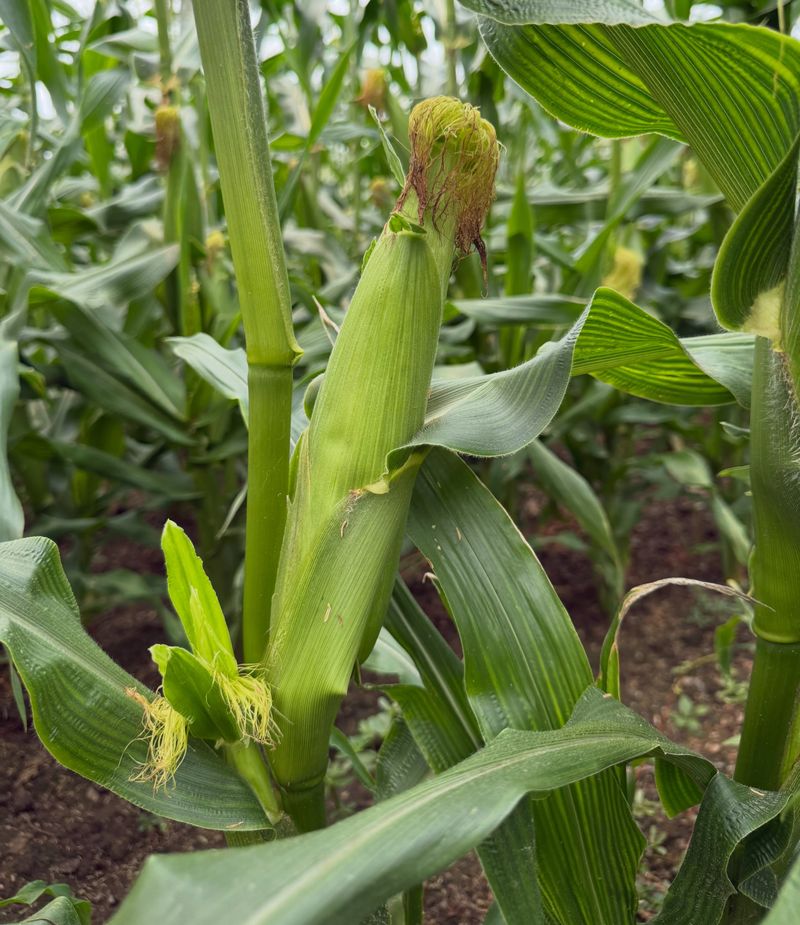
If you grow your own, September plantings from earlier summer often finish up now. Keep an eye on the silks, which turn brown when ears are ready to twist off the stalk.
2. Winter Squash
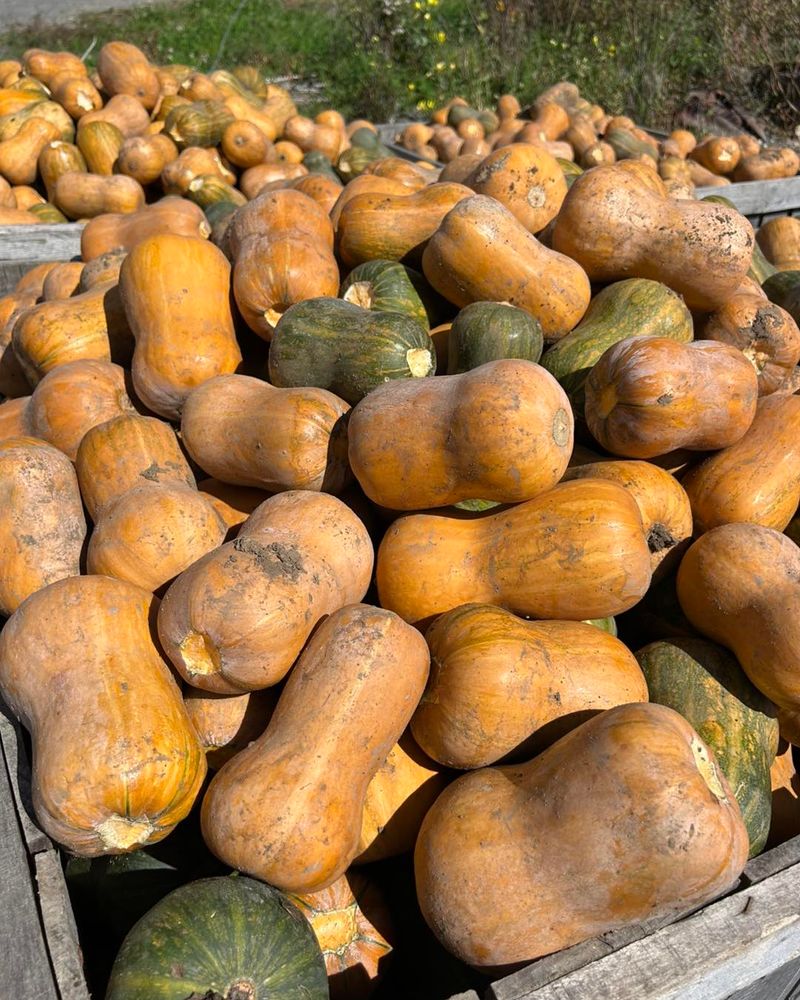
Don’t let the name fool you, because winter squash actually gets harvested in the fall. September is prime time for varieties like butternut, acorn, and delicata across farms.
These squash spend all summer soaking up sunshine and slowly sweetening. By September their thick rinds have hardened, which is exactly what you want for good storage.
A simple trick tells you when they are ready. Press your thumbnail against the skin, and if it resists rather than piercing easily, the squash has matured nicely.
One of the best things about winter squash is how long it lasts. Stored in a cool, dry spot around 50 to 55 degrees, many types keep for weeks or even months, giving you homegrown flavor deep into the cold season.
The flavor leans naturally sweet and nutty, which makes them wonderfully versatile in the kitchen. Roast butternut with a drizzle of maple syrup, or stuff acorn halves with rice and herbs.
Your Michigan Garden Changes Every Week. Your Plan Should Too.
Gardening in Michigan changes quickly throughout the season. Every Friday you’ll receive a simple weekly plan showing exactly what to plant, prune, fertilize, harvest, and protect so you never miss the right timing.
Michigan growers produce plenty of squash, and you will spot heaps of them at markets alongside the pumpkins. Their warm orange and tan tones practically shout autumn.
If you cut into one, save the seeds. Rinsed, dried, and roasted with a pinch of salt, they turn into a crunchy snack.
For gardeners, cure your harvested squash in a warm, sunny spot for about a week. This step toughens the skin and boosts sweetness before storage.
3. Tomatoes
Ask any gardener about their proudest crop, and tomatoes usually top the list. September often brings the biggest wave of ripe fruit before the first frost arrives.
Plants that spent June and July growing tall finally reward you now with heavy clusters. Warm September days keep the ripening going, though cooler nights slow things a bit.
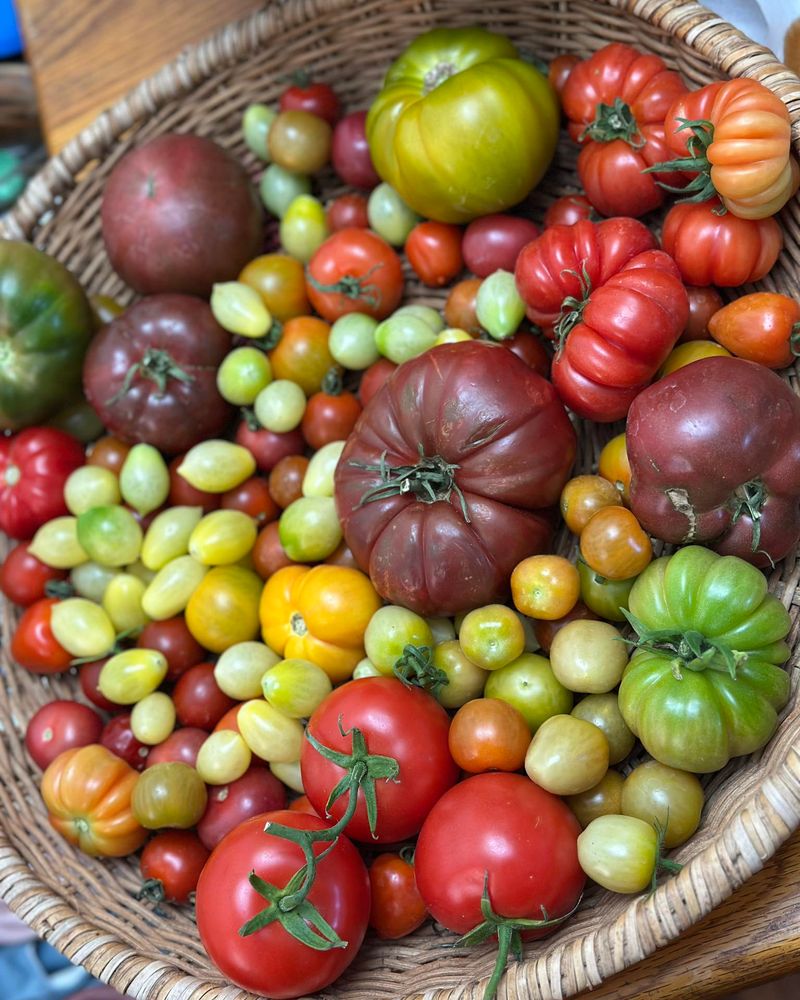
Heirloom types like Brandywine and Cherokee Purple show off their odd shapes and rich flavors right about now. Cherry and grape tomatoes keep pumping out handfuls too.
A smart move as the season winds down is picking tomatoes that have started to blush. They will finish ripening indoors on a counter, safe from any surprise cold snap.
Michigan actually grows a good amount of tomatoes both in fields and greenhouses. That means market tables stay loaded with fresh, juicy options well into fall.
For the best flavor, keep your tomatoes out of the fridge. Cold temperatures dull their taste and turn the texture mealy, so a bowl on the counter works best.
September is also the moment to use up your bounty. Homemade sauce, salsa, and canned tomatoes let you stretch that garden-fresh taste through winter.
Gardeners should watch for late blight during damp, cool weather, since it spreads quickly on tomato leaves. Removing affected foliage and spacing plants for airflow helps keep vines producing longer into the season.
4. Bell Peppers
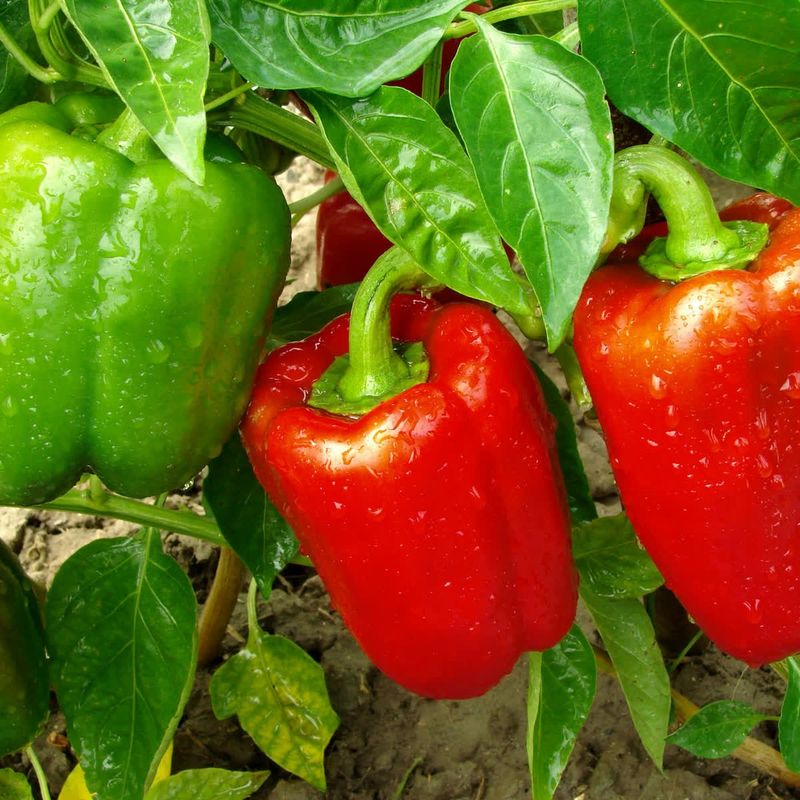
Peppers play the long game, and September is when patience finally pays off. Fruit that started out green now shifts into brilliant reds, yellows, and oranges as it fully ripens.
That color change is not just for looks. A red bell pepper is simply a green one left on the plant longer, and it tastes noticeably sweeter for the wait.
Michigan gardens produce loads of peppers through late summer into early fall. The warm days help fruit size up while cooler nights bring out deeper color.
Harvesting is easy, though you should use scissors or pruners rather than tugging. Pepper stems snap awkwardly and can damage the plant if you yank them off.
Fresh bell peppers add a satisfying crunch to salads and stir-fries. Roasting them mellows their flavor and gives a smoky sweetness that works in all kinds of dishes.
One handy fact is that peppers freeze beautifully without blanching. Just slice, spread on a tray to freeze, then bag them for easy cooking later in winter.
Market vendors often sell mixed baskets of multicolored peppers this time of year. Grabbing a rainbow assortment makes your meals prettier and your plate more nutritious.
If frost threatens, harvest any remaining peppers even if they are still green. They store well in the fridge and are perfectly tasty, just a touch less sweet than their fully ripened cousins.
5. Green Beans
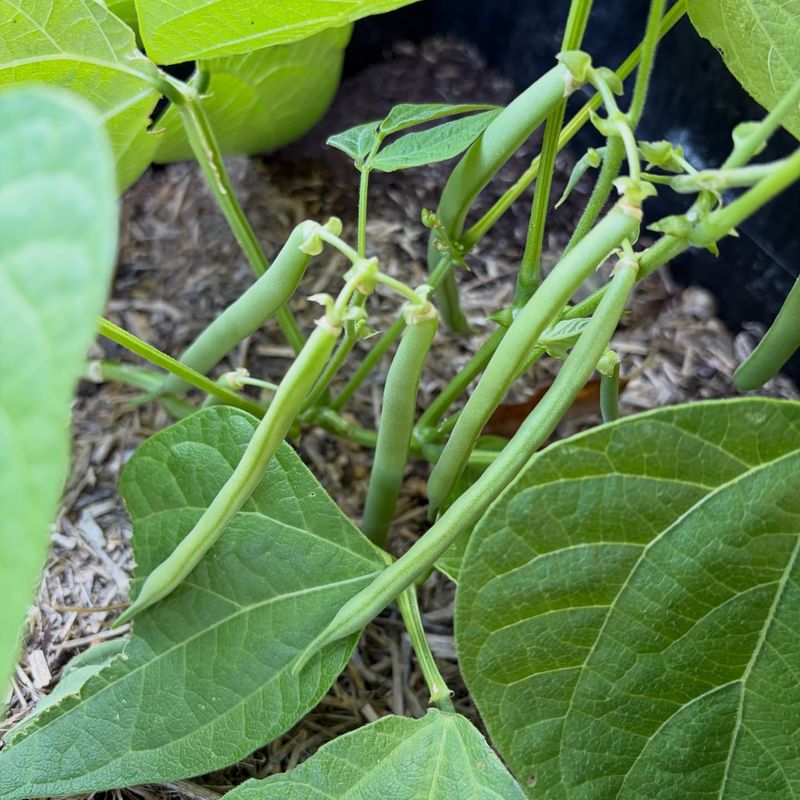
Snap, snap, snap goes the sound of picking green beans, and it is oddly satisfying. Michigan gardens keep producing these tender pods well into September if you keep harvesting.
Beans reward frequent picking with even more beans. The more you gather, the more the plant keeps flowering and setting new pods, so daily checks pay off.
You want to grab them while they are young and slim. Pods should snap crisply when bent, which means they are tender rather than tough and stringy inside.
Both bush and pole varieties do well in Michigan soil. Pole beans climb happily up trellises, while bush types stay compact and often ripen in quicker waves.
Green beans barely need cooking to shine. A quick steam or saute with garlic keeps them bright and crunchy, holding onto their fresh garden flavor.
If you end up with too many, they preserve nicely. Blanching and freezing locks in that summery taste, and canned or pickled beans make a tangy treat.
September’s cooler weather can actually improve bean flavor and slow down toughening. That makes late-season pickings some of the sweetest of the whole year.
Watch for beetles and aphids that sometimes bother the leaves. Rinsing plants with water or picking pests off by hand usually keeps things under control without much fuss.
Local farm stands often bag up fresh beans by the pound, giving you a budget-friendly way to enjoy this reliable vegetable.
6. Beets
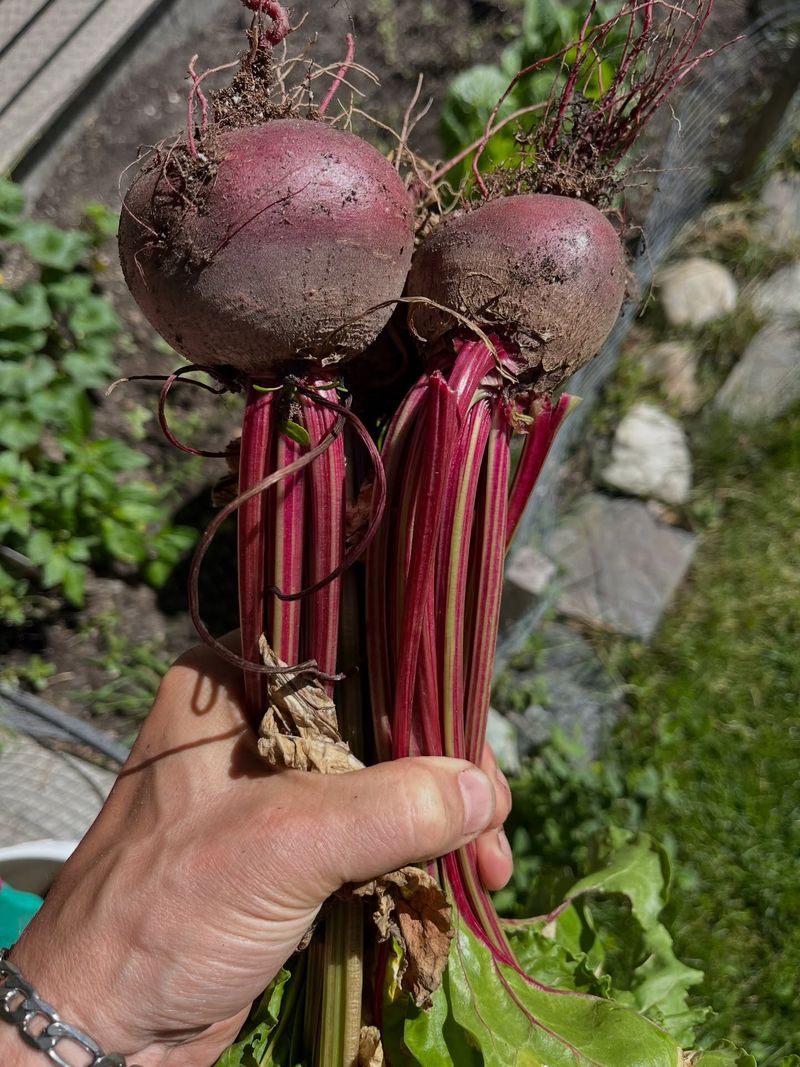
Beets are the underdog of the vegetable world, quietly delicious once you give them a chance. September is a wonderful month to pull these ruby roots from soil.
Cool fall weather actually sweetens beets, turning them earthy and pleasantly sugary. The plants store energy in their roots as temperatures drop, and that means better flavor for you.
Timing your harvest is simple. Beets are usually best when the roots reach about two to three inches across, before they get woody and tough.
Here is a bonus most people forget: the leafy tops are edible too. Beet greens taste similar to Swiss chard and are great sauteed with a little olive oil.
Roasting is the classic way to enjoy the roots. Slow heat concentrates their sweetness and gives them a tender, almost candy-like texture that surprises beet skeptics.
They also work raw, grated into salads for a crunchy pop of color. Just be ready for the vivid red juice, which stains hands and cutting boards easily.
Beets keep well in the fridge for weeks if you trim the tops off first. Left attached, the greens pull moisture from the roots and shorten their storage life.
Michigan’s climate suits beets nicely, and many gardeners plant a fall crop specifically for September and October picking. Golden and striped Chioggia varieties add fun options beyond the usual deep red.
7. Carrots
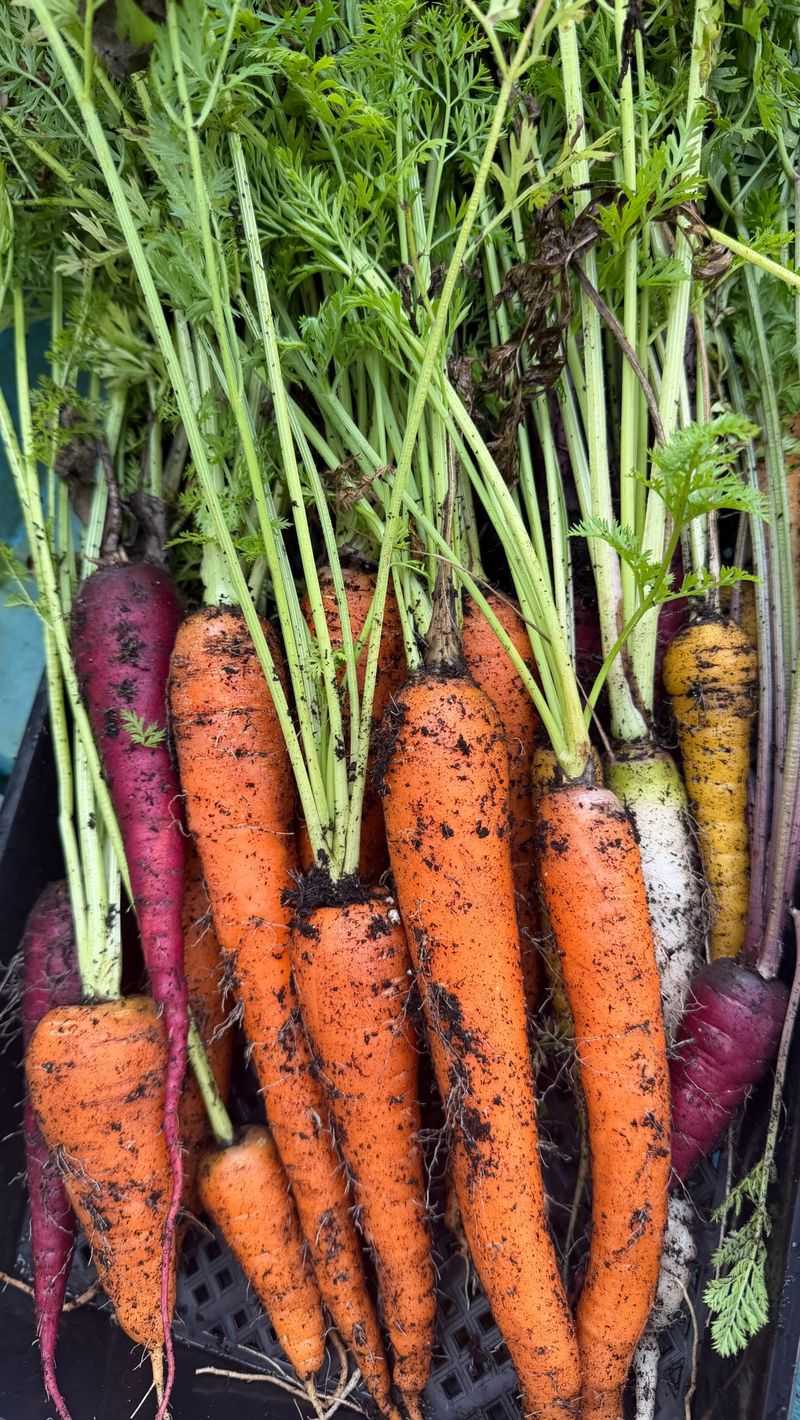
Pulling a carrot from the ground feels a little like unwrapping a present. You never quite know how big or perfectly shaped it will be until it pops free.
September carrots here get a real flavor boost from chilly nights. The cold prompts the roots to convert starches into sugars, making them noticeably sweeter than summer carrots.
Loose, sandy soil helps carrots grow long and straight. Rocky or heavy ground can cause them to fork into funny twisted shapes, though those still taste great.
To check if they are ready, brush away a little dirt around the top and peek at the shoulder width. A finger-thick root usually means it is time to harvest.
Freshly pulled carrots have a crispness that store-bought ones rarely match. Eat them raw for the ultimate crunch, or roast them to bring out a caramelized sweetness.
One neat trick for storage is leaving carrots in the ground. In cooling fall soil, they hold well and you can dig them as needed before the ground freezes hard.
Snip off the leafy tops soon after harvest if you plan to refrigerate them. The greens drain moisture and cause roots to go limp faster.
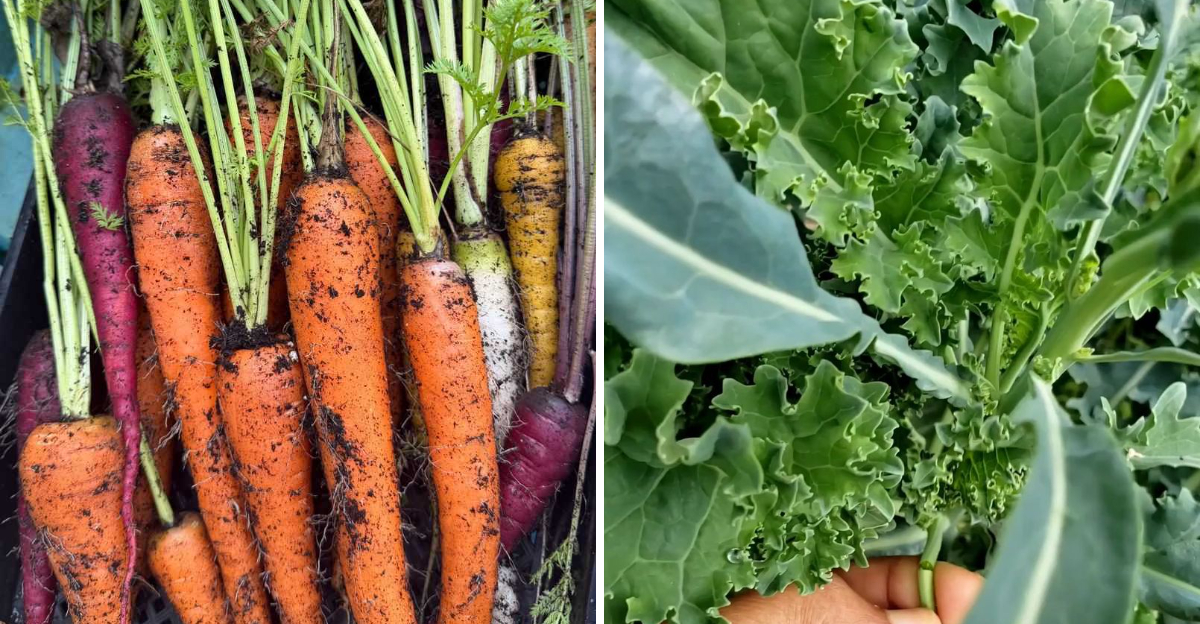
Beyond the standard orange, some gardeners grow purple, yellow, and white varieties. A rainbow bunch makes a colorful addition to any September market haul and looks striking on the dinner plate.
8. Kale
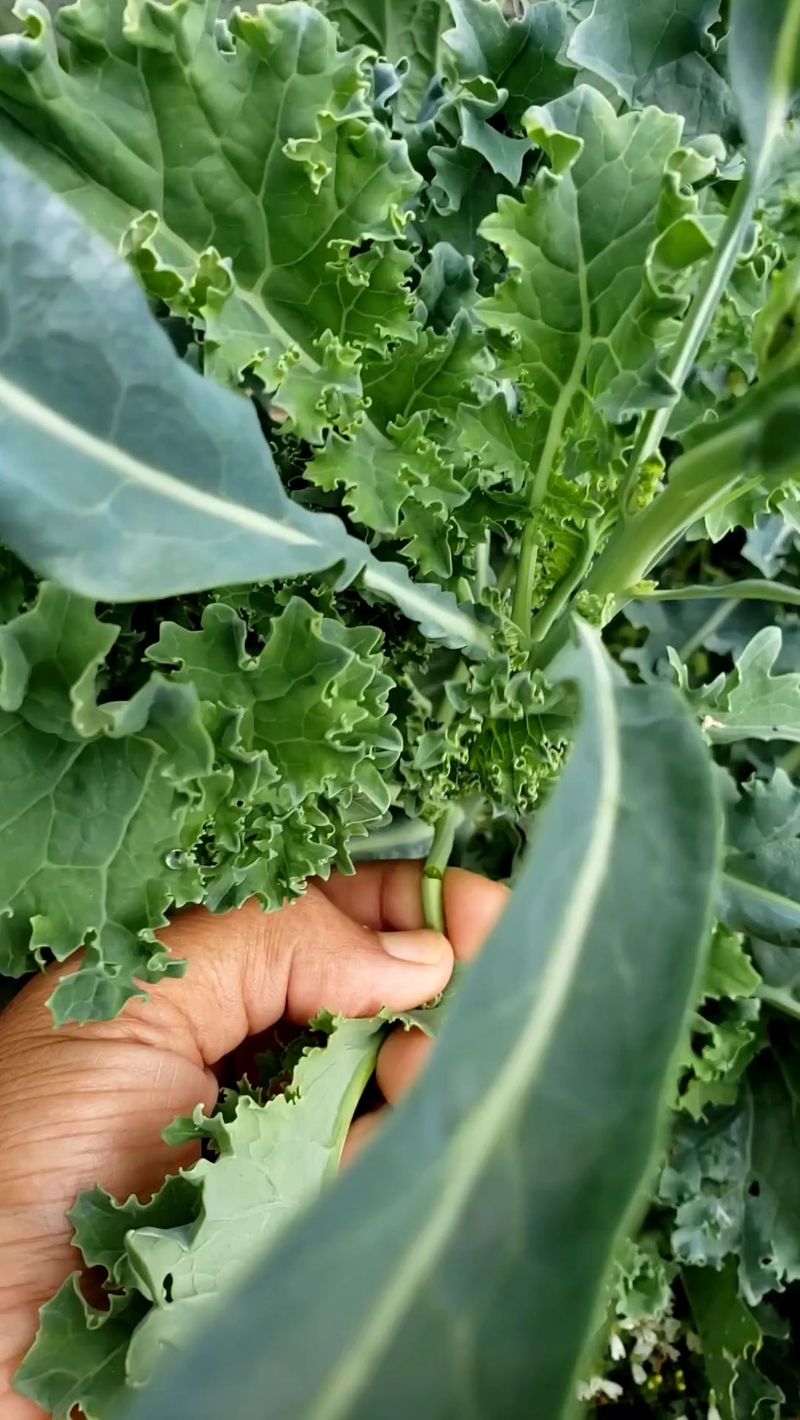
Hardy and unbothered by cool weather, kale actually gets tastier as fall settles in. September is a fantastic stretch for harvesting this leafy powerhouse across Michigan gardens.
Light frost is kale’s secret weapon. A touch of cold triggers the leaves to produce sugars, mellowing their bitterness and giving them a sweeter, more tender bite.
You can pick kale leaf by leaf rather than pulling the whole plant. Take the outer, lower leaves first and the center keeps growing, letting you harvest again and again.
Curly, Lacinato, and Red Russian are all popular types that thrive here. Each has a slightly different texture, but all handle cooling temperatures like champs.
In the kitchen, kale is endlessly useful. Toss it into soups, blend it into smoothies, or bake the leaves into crispy chips with a sprinkle of salt.
Massaging raw kale with a bit of oil and lemon softens the leaves for salads. This little step makes the texture far more pleasant to eat.
Kale packs a serious nutritional punch, loaded with vitamins A, C, and K. That makes it a smart pick as the days shorten and you want hearty, wholesome meals.
Because it tolerates frost so well, kale often keeps producing long after other crops fade. Many gardeners enjoy fresh leaves into November, making it one of the last standing plants in the patch.