Why Mockingbirds Are Chasing Other Birds Away From Georgia Yards This Fall
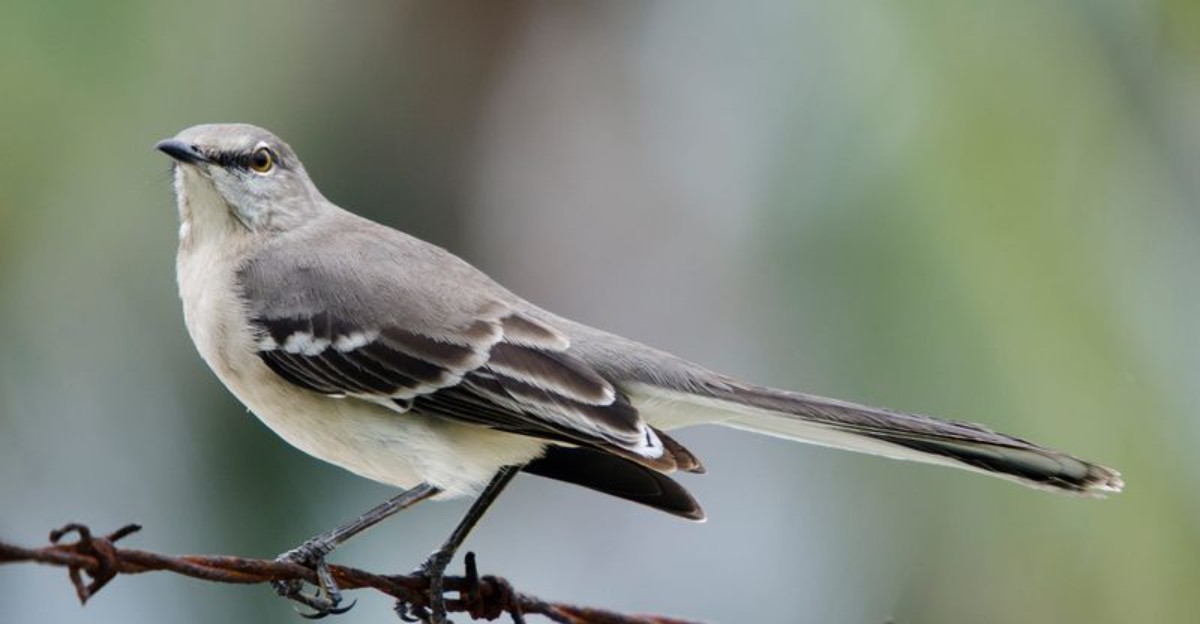
One gray bird swooping at every robin and bluebird that lands near your holly bush can seem downright rude.
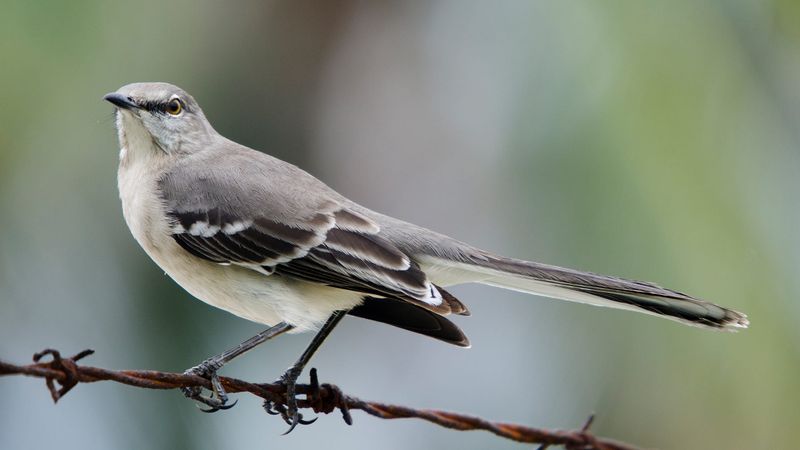
Northern mockingbirds have a reputation for this, and fall is when the behavior often ramps up in neighborhoods.
As berries ripen, many mockingbirds claim a winter feeding territory and defend it hard. A shrub or tree loaded with fruit can become the center of that territory for months.
Across much of Georgia, those defended spots are often in residential yards, where berry-producing shrubs and small trees are common.
The chasing can look aggressive, but it rarely causes injuries to the other birds involved.
What a mockingbird decides to guard says a lot about what you are growing nearby. Some homeowners even use that habit to their advantage once they understand it.
1. Those Constant Chases Have A Lot To Do With Berries
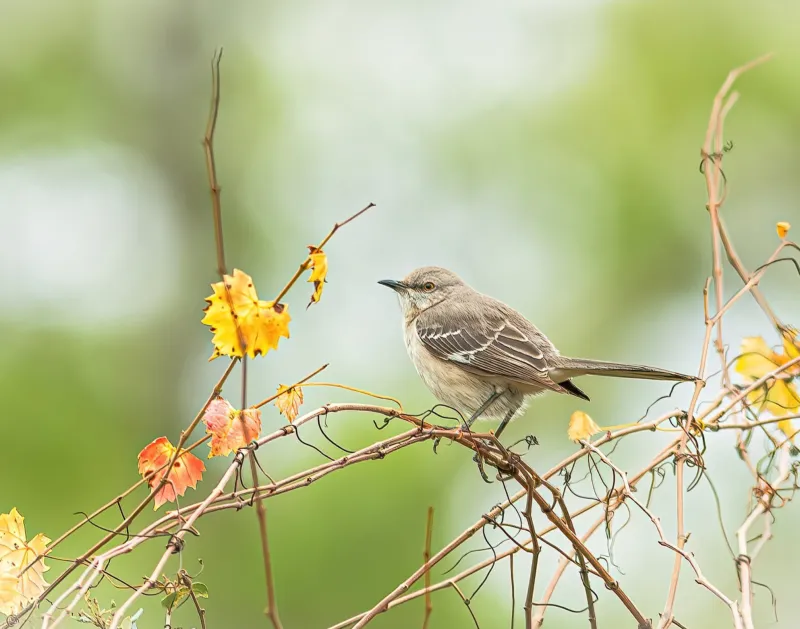
Watch closely during a chase and you will often find a berry bush nearby. Mockingbirds in fall are less concerned with nesting and much more focused on guarding a reliable food source.
When a robin or cedar waxwing lands on a fruiting shrub, the resident mockingbird may treat it as a thief.
Flocks are the real worry for a guarding bird. A group of robins or waxwings can strip a small holly in a short time, so a mockingbird has good reason to push them off quickly.
Not every chase ends with the visitor leaving, though. Bigger flocks sometimes overwhelm a single defender, and the mockingbird ends up sharing whether it wants to or not.
Across Georgia, fall fruits like holly, pyracantha, dogwood, and beautyberry ripen at slightly different times depending on the plant and the weather.
Pay attention to which plants draw the most fights in your yard. Those are usually the ones carrying the most fruit at that moment, and the target can shift as the season moves along.
Seeing this pattern helps you read the behavior more calmly. Rather than random meanness, the chasing is mostly a bird trying to make sure it eats through the leaner months ahead.
Keep a simple notebook of dates and plants if you enjoy tracking yard birds, since it can help you plan future plantings.
2. Their Menu Shifts From Insects Toward Fruit In Fall
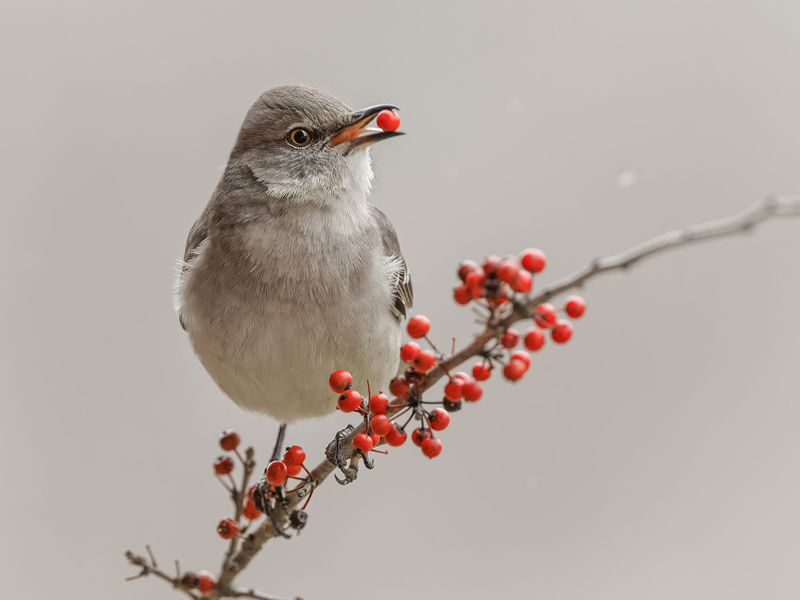
Spring and summer mockingbirds are busy bug hunters. You may have seen them running across the lawn, flashing their wings, and snatching beetles, grasshoppers, and caterpillars.
Cooler weather changes that routine in a big way.
Insects become harder to find as fall goes on, so mockingbirds lean more heavily on wild and planted fruit. They still grab bugs when they can, especially on warm days, but berries make up a growing share of what they eat.
Georgia winters are mild compared to the northern states, yet insect activity still drops off noticeably by late fall.
Fruit becomes valuable because of that change. A bird that depends on berries needs to know where they are and needs some confidence that they will still be there next week.
Your Georgia Garden Changes Every Week. Your Plan Should Too.
Gardening in Georgia changes quickly throughout the season. Every Friday you’ll receive a simple weekly plan showing exactly what to plant, prune, fertilize, harvest, and protect so you never miss the right timing.
Native plants such as American holly, yaupon holly, possumhaw, and American beautyberry offer fruit that mockingbirds readily eat.
Results vary from yard to yard. Fruit set depends on the plant, the weather that year, and in the case of hollies, whether a male plant grows close enough to pollinate the female.
If your yard has few fruiting plants, the mockingbirds may simply pass through instead of setting up camp. More fruit tends to mean more defending, and also more chances to watch these lively birds up close.
3. Both Males And Females Claim Winter Feeding Territories
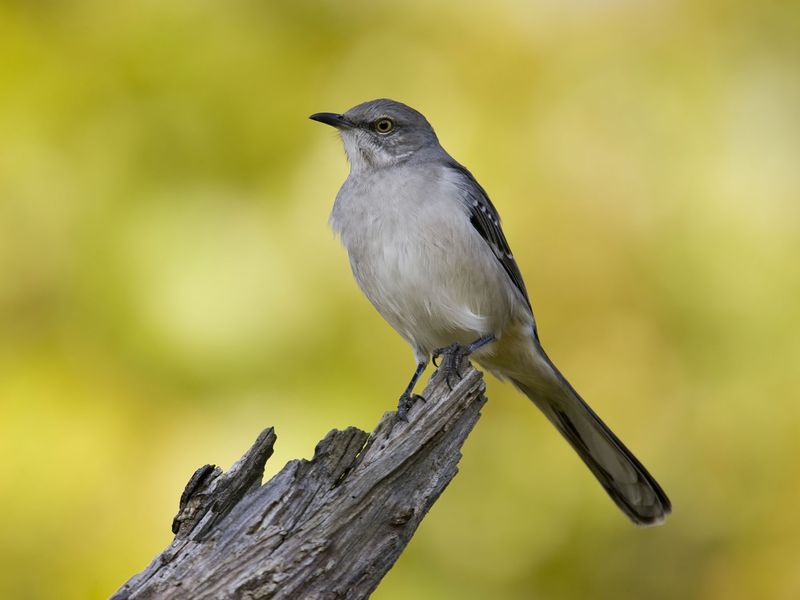
Here is a surprise for many backyard watchers. Female mockingbirds often hold their own fall and winter territories, separate from the males.
During nesting season, a pair usually shares and defends one area together.
Once breeding wraps up, things can change. Some pairs stay together and guard a shared space, while other birds split up and each defends a smaller patch built around good food.
Telling males from females is tough because they look nearly the same. You usually cannot sort them by feathers alone, so behavior is a better clue than appearance.
Fall singing can come from either sex, which adds to the confusion.
Winter territories tend to be smaller than breeding ones. That makes sense, since the main goal is protecting fruit rather than a nest site and a large area for raising young.
In a typical Georgia neighborhood, you might notice two mockingbirds that seem to dislike each other even though they live a few houses apart.
Boundary spats along fences, rooflines, or hedges are common during this period. They often look intense but usually end without injury, with each bird returning to its own side.
Give these birds a little room and you may start to recognize individual habits, like a favorite perch or a regular patrol route.
4. A Single Loaded Holly Or Pyracantha Can Become Prized Turf
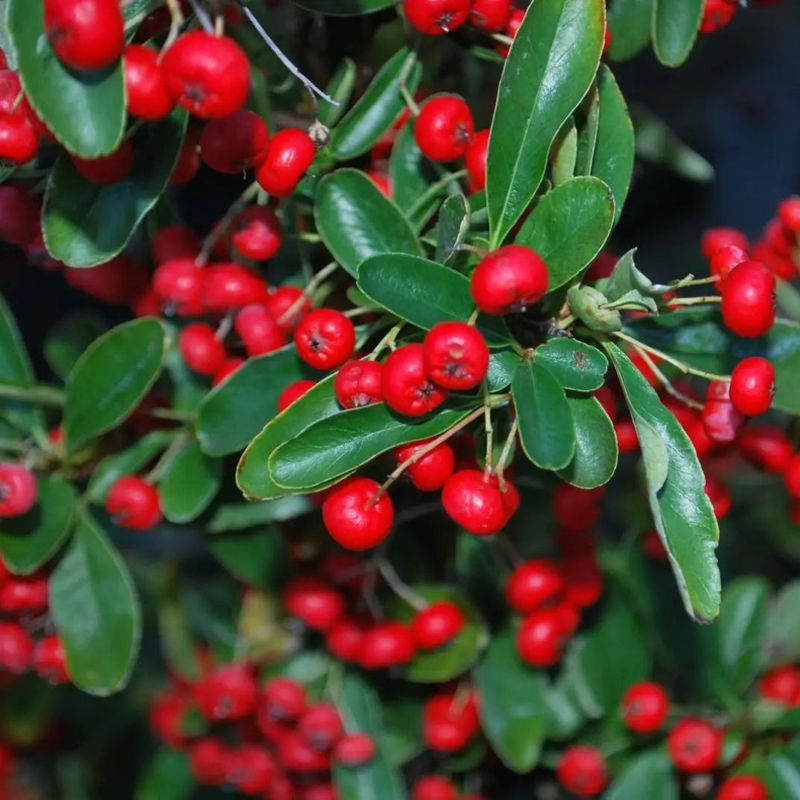
One heavily fruited shrub can become the center of a mockingbird’s whole fall world.
Pyracantha, also called firethorn, produces dense clusters of orange or red berries. Hollies can carry heavy loads too, and a big female holly may hold fruit well into winter.
A defending bird often perches on top of the shrub or on a nearby lookout spot.
From there it can spot incoming robins, bluebirds, or starlings and launch a quick chase. Some mockingbirds seem to spend a large part of the day on this kind of watch duty.
Keep in mind that pyracantha is not native to Georgia, and some types spread into natural areas when birds drop the seeds.
Native options like American holly and yaupon holly offer similar winter fruit. Yaupon comes in many sizes and handles heat and varied soils well across much of the state, though growing conditions in your yard still matter.
Pruning heavily in early fall can remove fruiting wood, so hold off if berries are your goal.
If one shrub has become a battleground, try not to remove it out of frustration. That plant is feeding at least one bird well, and adding other fruiting plants around the yard is a gentler way to spread out the activity.
5. Flashing White Wing Patches Are Part Of The Display
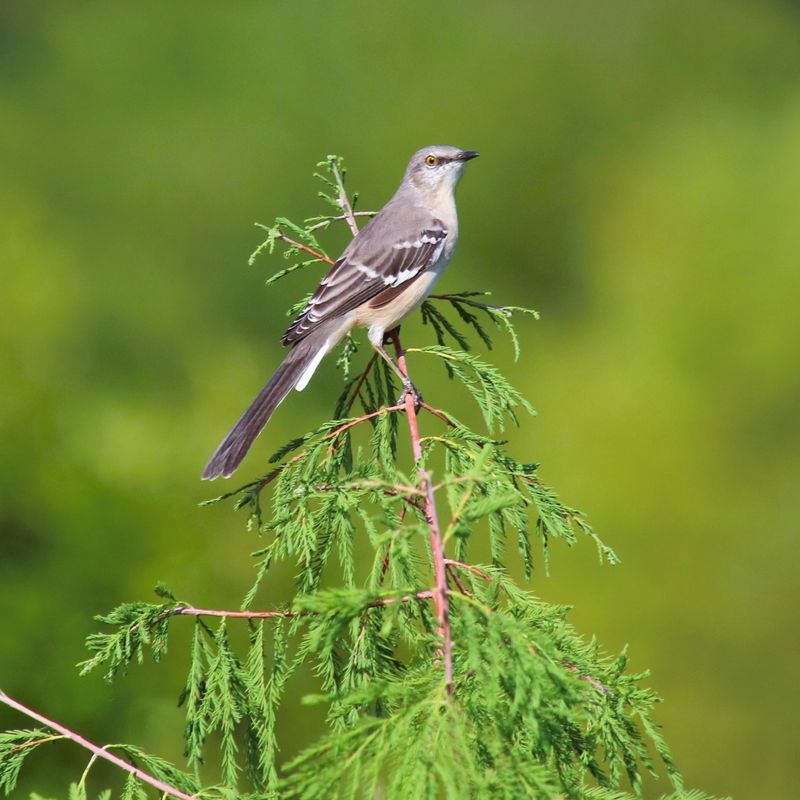
Nothing about a mockingbird is easier to spot than those bright white wing patches.
In flight, the patches flash boldly against gray feathers. Along with the white outer tail feathers, they make a mockingbird stand out even from across the yard.
During territory standoffs, mockingbirds often hold their wings partly open, hop toward a rival, and flick their tail. Two birds facing off may move side to side along a boundary in a kind of back-and-forth dance.
Wing flashing also shows up when they forage on the ground.
Experts have debated why mockingbirds raise their wings while hunting on lawns. One idea is that the flash startles insects into moving, but this has not been fully settled, so treat it as a possibility.
What is clear is that the white patches help these birds communicate visually. A flash during a chase likely makes the defender look larger and more noticeable to intruders.
Georgia homeowners often notice this behavior on fences, mailboxes, and driveway edges, where open space makes the display easy to see.
If you want a better view, watch from a window with binoculars. Moving slowly and keeping your distance lets the birds behave naturally, so you get to see the full display rather than a quick retreat.
6. Birds At Seed Feeders Are Less Likely To Be Targeted
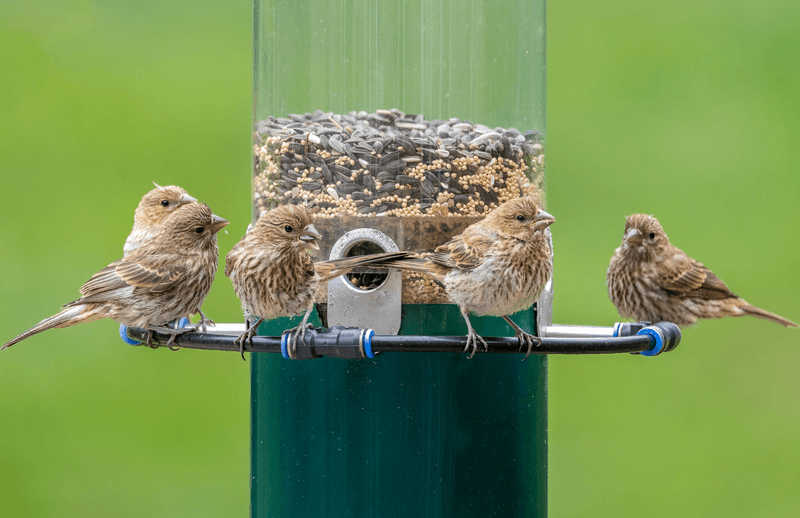
Good news for feeder fans. Your cardinals, chickadees, and titmice may get far less trouble than the robins in the hollies.
Mockingbirds rarely eat birdseed, so a tube or hopper feeder full of sunflower seed is usually not something they feel a need to protect.
Fruit eaters are a different story. Bluebirds, robins, waxwings, and thrashers want the same berries, which makes them more likely targets for a guarding mockingbird.
Exceptions do happen. A mockingbird may chase birds near a feeder if the feeder sits close to its favorite fruiting shrub, or it may occasionally go after visitors at a suet or fruit offering.
Placement can make a real difference.
Try setting seed feeders away from the busiest berry plants in your yard. A little distance may reduce the number of birds that wander into the mockingbird’s guarded zone.
Offering mealworms or chopped fruit can attract mockingbirds directly, which sometimes increases defensive behavior near that spot. Think about where you put those foods before adding them.
Across Georgia, fall feeders help many resident birds and early winter visitors. Keep them clean and refilled, and you can enjoy a busy feeding station even while a mockingbird patrols the edges of the yard.
7. Planting Berry Shrubs In Several Spots Can Ease The Conflict
Spread the food, and you may spread the peace.
One mockingbird can guard one shrub pretty well. Several fruiting plants scattered across different corners of the yard are much harder for a single bird to watch at the same time.
Other birds then have a better chance to eat while the defender is busy elsewhere.
Good native choices for many parts of Georgia include American beautyberry, flowering dogwood, yaupon holly, American holly, possumhaw, and wax myrtle. Each one fruits on its own schedule, which helps stretch food supplies across fall and winter.
Planting time matters. Fall is generally a good season to plant trees and shrubs across much of the state, since cooler air and seasonal rain help roots settle in before summer heat returns.
Check local conditions before buying anything.
Mountain yards, Piedmont clay, and sandy coastal soils all behave differently, and sun exposure affects how well a plant fruits. Your county Extension office can suggest plants suited to your area.
Patience is part of the plan. Young shrubs may take a few seasons to produce heavy fruit, and hollies need a male plant nearby for the females to bear berries.
Results will vary, and a determined mockingbird may still chase other birds. Even so, more food in more places usually gives everyone a better shot.