Glowing Orange Mushrooms Sprouting On New Jersey Stumps Look Like A Gourmet Find But They Are Not
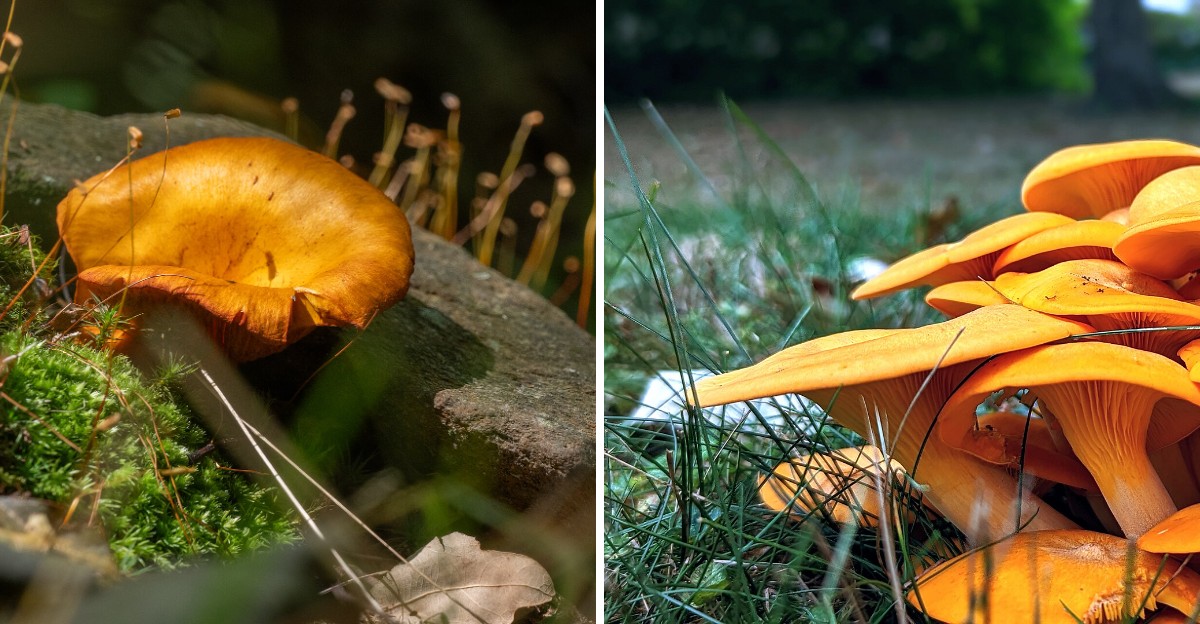
Would you gamble your gut on that orange cluster? You could mistake jack-o’-lantern mushrooms for chanterelles across New Jersey.
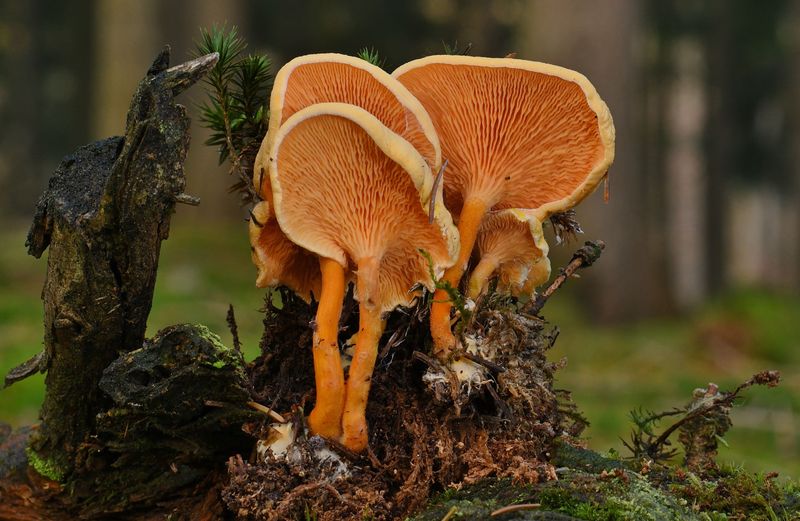
Flip a cap, and you will spot sharp, blade-like gills running down the stem. Chanterelles offer you blunt, forked ridges that look more like wrinkles.
Toxins called illudins will cause painful stomach cramps and vomiting within hours. Check the base, because you usually find chanterelles alone in soil, not clustered on wood.
Carry a fresh cap into a pitch-black room, and you will see green light. Let your eyes adjust, because the glow looks faint at first.
Luciferase enzymes drive that light, and you may see it fade as caps age. Across New Jersey, you find them on stumps from late summer through October.
Photograph them, smell them, admire them, but leave them out of your skillet. Savor the glow instead.
A Toxic Look-Alike, Not A Chanterelle
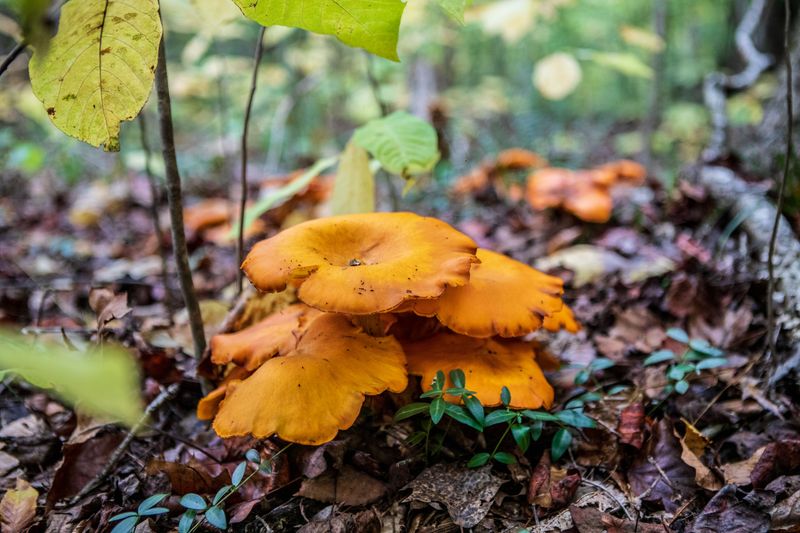
Those bright orange clusters are jack-o’-lantern mushrooms, and they are poisonous to eat. Scientists call the eastern species Omphalotus illudens, and it pops up across New Jersey.
Many people mistake them for chanterelles, a prized mushroom sold at farmers markets for high prices. Both share a similar golden orange shade that can fool even careful eyes.
Eating a jack-o’-lantern will not earn you a glowing review from any fancy restaurant critic. Instead, it usually brings stomach cramps, vomiting, and diarrhea within a few hours.
The main toxins behind these symptoms are illudins, compounds that irritate the digestive system.
Most healthy adults recover within a day or two with rest and fluids. Seek medical care if vomiting persists or signs of dehydration appear. Kids, older adults, and pets can struggle more, so quick medical help matters.
Cooking does not make these mushrooms safe, so frying them in butter changes nothing. Freezing, drying, or pickling will not help them become a safe snack either.
Think of them as gorgeous fall decorations rather than tonight’s dinner special. Snap a photo, admire the color, and leave them right where they grew.
If someone eats one by accident, call Poison Control right away. Keep a piece of the mushroom so experts can confirm what it is.
Orange Clusters On Oak Stumps And Hidden Roots
Walk through any older New Jersey neighborhood in fall, and you may find a mushroom bouquet beside the curb. Look closer, and there is usually an old oak stump hiding underneath.
Jack-o’-lanterns feed on decaying hardwood, especially oak. They help break down old wood and return nutrients to the soil.
Sometimes the clusters seem to sprout straight from the lawn with no wood in sight. In those cases they are growing from buried roots left behind after a tree removal.
That habit fools many foragers, since chanterelles do grow from the ground. A quick dig with a stick often reveals rotting wood just below the surface.
The mushrooms grow in tight, crowded bunches, with many stems joined at the base. A single clump can hold dozens of caps, some as wide as a saucer.
Your New Jersey Garden Changes Every Week. Your Plan Should Too.
Gardening in New Jersey changes quickly throughout the season. Every Friday you’ll receive a simple weekly plan showing exactly what to plant, prune, fertilize, harvest, and protect so you never miss the right timing.
Wooded parks and picnic areas across the state can host them. Backyards with recently cut trees are another favorite spot.
Seeing them on an old stump or buried roots is not a cause for alarm. They show the fungus is breaking down old wood. If they grow at the base of a living tree, ask an arborist to take a look.
If little kids or curious dogs play nearby, pull the clusters up with gloves. Toss them in the trash rather than the compost pile.
October Is Peak Season In The Garden State
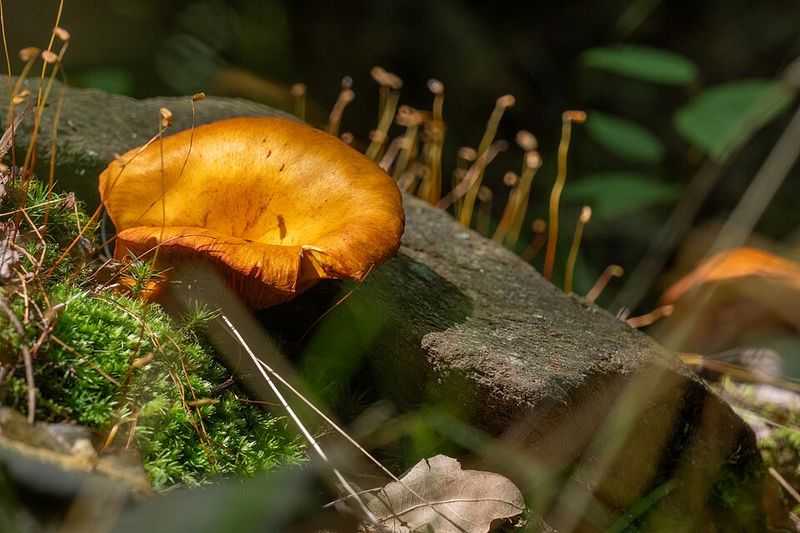
Pumpkin spice gets all the October attention, but the woods have their own seasonal special. Jack-o’-lantern mushrooms hit their peak in New Jersey from late summer through October.
Cool nights and soaking rains after a dry spell set the stage. Within a few days, empty stumps can suddenly show bright orange color.
Their name likely comes from the pumpkin-orange color and the faint glow, which resembles a lit jack-o’-lantern.
Yes, they truly glow, though the light is faint and greenish. The gills give off a soft shine called bioluminescence, best seen on fresh specimens.
To spot it, find a fresh cluster and visit after full dark. Let your eyes adjust for at least fifteen minutes with no phone screen.
Chanterelles in New Jersey often fruit from early summer into early fall, so the seasons overlap. Timing alone cannot identify a mushroom, so check gills, flesh, and growth habit.
Each cluster can last roughly one to two weeks before turning soft and brown. The fungus stays alive underground, ready to return next fall in the same spot.
Mark the location on your phone and check back each year. Watching the show return can become a quirky family tradition for spooky season.
Bring a red flashlight, since red light protects night vision better than white. Just remember that glowing mushrooms belong on your list of sights, not snacks.
Common Mix-Ups Foragers Make
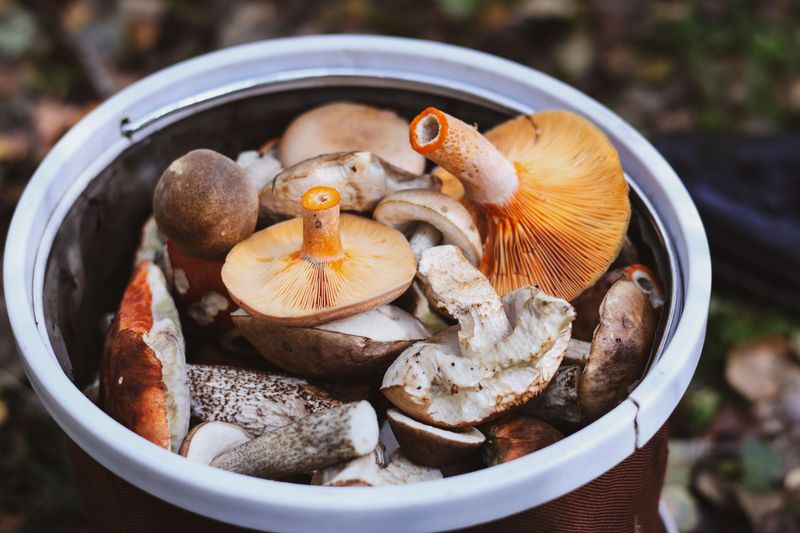
Picture a proud first-time forager carrying home a basket of gold, ready for a fancy omelet. A few hours later, that dream dinner turns into a night of illness.
Stories like that pop up every fall across the Northeast. Poison control centers receive reports of jack-o’-lantern poisonings.
The biggest error is trusting color alone. Orange looks delicious in the woods, but plenty of risky mushrooms share that cheerful shade.
Another slip is relying on phone apps for a final answer. Apps can be helpful starting points, yet they make mistakes with look-alikes regularly.
Some people also follow old myths, like believing anything animals nibble is safe for humans. Squirrels and slugs handle toxins differently than our stomachs do.
Mixing species in one basket causes trouble too. A single toxic cap tossed in with good ones can contaminate the whole batch.
Experienced foragers follow a simple rule they repeat to every beginner. If you are not one hundred percent sure, it does not go in your mouth.
Joining a group like the New Jersey Mycological Association helps a lot. The group hosts forays and educational events, so check its website for current offerings.
Learning slowly feels less exciting, but it beats an emergency room visit. Your stomach will thank you for every extra minute of patience.
Telling Gills From False Ridges
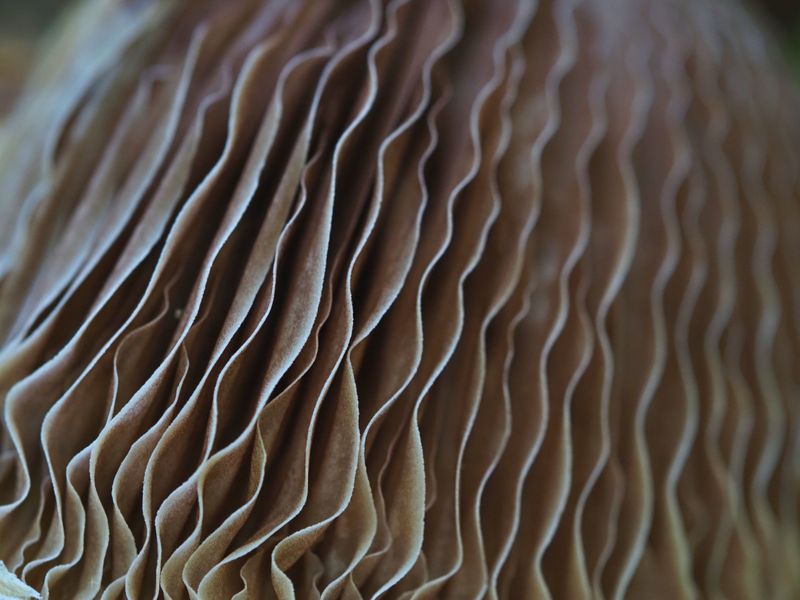
Grab a mushroom cap, flip it over, and the underside starts telling secrets. That one move separates jack-o’-lanterns from chanterelles better than almost anything else.
Jack-o’-lanterns have true gills, which are thin, sharp, and neatly separated like book pages. They run down the stem and are bright orange too.
Chanterelles have false gills instead, which look like blunt, wrinkly ridges. These ridges fork and blend into each other, almost like melted wax.
Next, try the peel test by tearing the mushroom down the middle. Chanterelle flesh is white inside and pulls apart like string cheese. Jack-o’-lantern flesh stays orange inside and does not pull apart like string cheese.
Growth habit gives another clue worth checking. Chanterelles usually grow alone or scattered on soil, while jack-o’-lanterns cluster on wood.
Smell can help, though it is less reliable. Chanterelles often carry a fruity scent like apricots, while their toxic cousins smell plain or musty.
Wear gloves while handling unknown mushrooms, and wash your hands afterward. Skin contact is generally harmless, but good habits keep everyone safer.
Use every clue together rather than trusting just one. When the signs disagree, treat the mushroom as off-limits and enjoy the puzzle.
A small hand lens costs a few dollars and makes gill details much easier to see. Toss one in your jacket pocket before every autumn hike.
Safe Habits For Fall Foraging
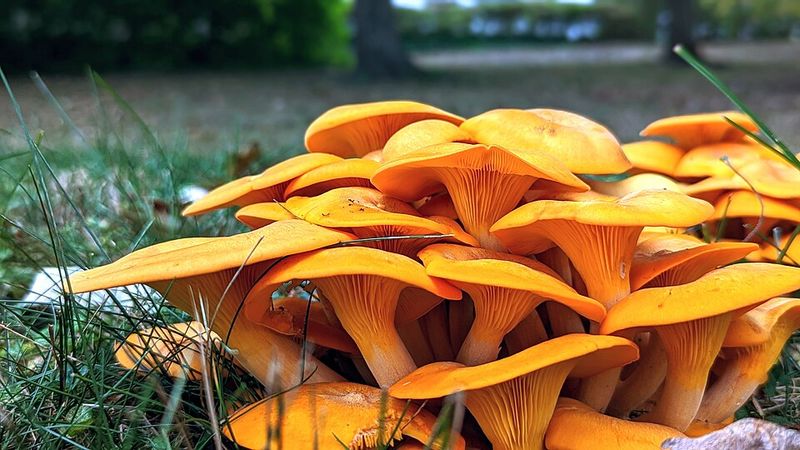
Smart foraging is less about luck and more about routine. A few steady habits turn risky guessing into a safe and rewarding hobby.
Start by carrying a field guide written for the Northeast. Regional books show local species and warn about the look-alikes you will actually meet.
Take clear photos of the cap, gills, stem, and base before picking anything. Note what it grew on, since wood versus soil matters a lot.
Use a paper bag or basket instead of plastic. Plastic traps moisture and turns mushrooms mushy, which hides helpful identification features.
Have an expert confirm any wild mushroom before it reaches the kitchen. Local mycological clubs can offer this help.
Try just a small cooked portion the first time with any new edible species. Save a raw sample in the fridge in case questions come up later.
Keep pets on a leash in wooded areas during October. Dogs sometimes gobble mushrooms, and jack-o’-lanterns can make them quite sick.
Teach kids a simple rule that no wild mushroom goes near their mouths. Turning identification into a nature game keeps them curious without the danger.
Respect local rules, since collecting fungi is illegal in New Jersey state parks. Check with park staff before you pick anything.
Follow these habits, and the woods stay full of wonder. That glowing orange cluster can be a highlight without becoming a menu item.