The Shade Tree Texans Are Planting This October Before First Freeze
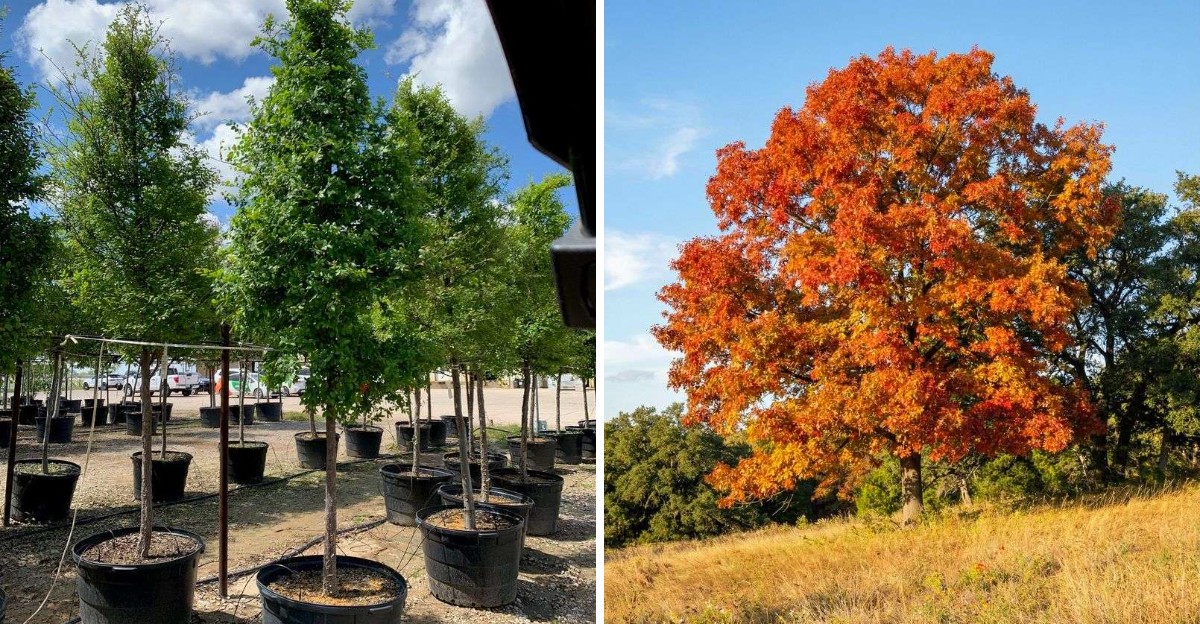
There is a specific moment every October when Texas finally exhales. The mornings turn crisp, the air smells like dry leaves instead of hot asphalt, and your poor garden hose gets its first real vacation in months.
And just like that, the whole neighborhood seems to wake up. Shovels come out of garages, wheelbarrows start squeaking down driveways, and everybody suddenly has big plans for the yard.
Fall just has that effect on people. Look closely at what is going into all those fresh holes, though, and you will notice one native tree popping up again and again.
It handles blistering summers, stubborn clay, and surprise cold snaps with the calm confidence of a seasoned rancher who has seen it all. Wondering which shade maker has everyone so excited?
Stick around, because this tree has some seriously good reasons behind its popularity.
1. Meet The Tough Native Texas Shade Tree Everyone Is Talking About
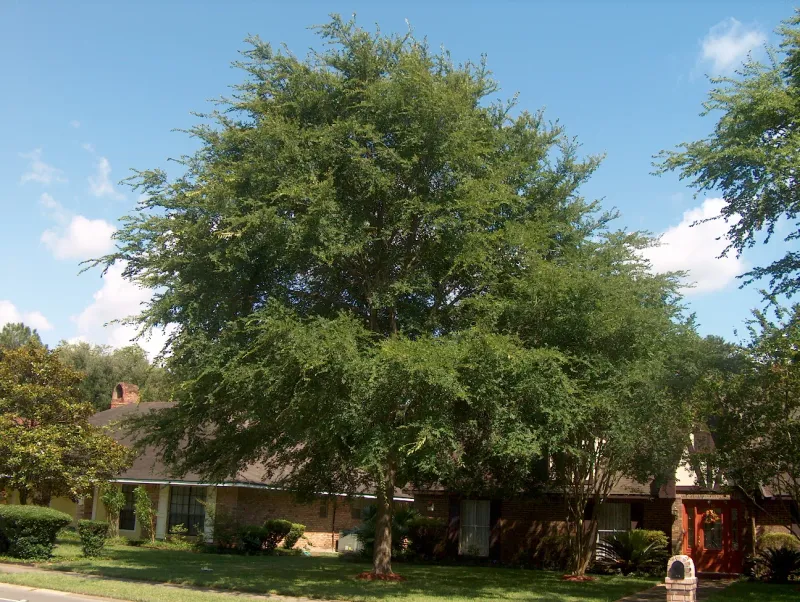
Cedar elm, known to botanists as Ulmus crassifolia, has quietly shaded Texas backyards and creek banks for centuries. It grows wild from the Hill Country to the Red River.
The name sounds a little mixed up, since it is not a cedar at all. Early settlers saw it growing near juniper trees, which locals called cedars, and the nickname stuck.
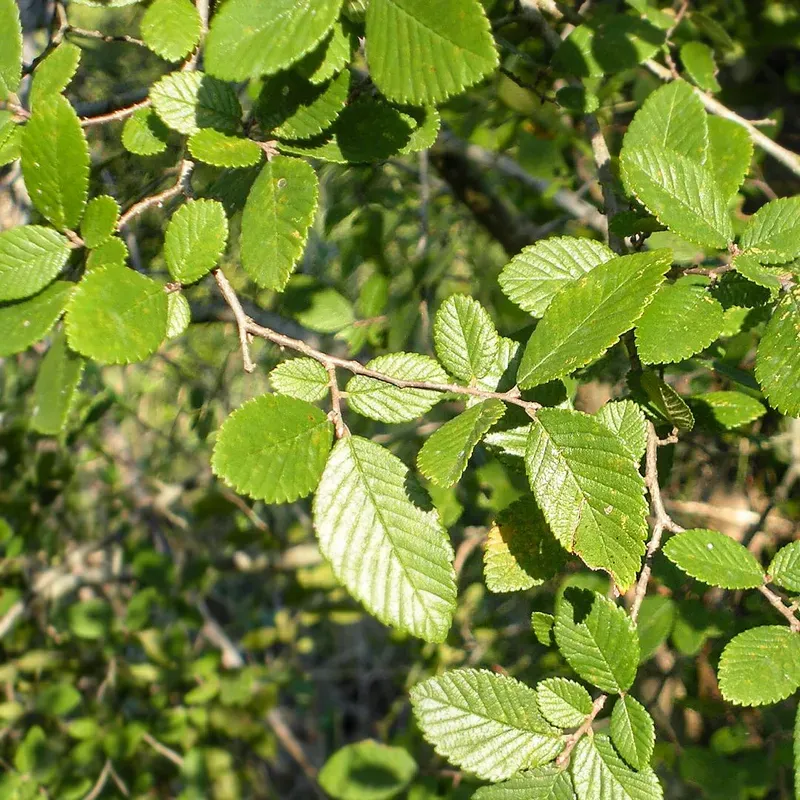
Its leaves are small, rough, and shaped like tiny ovals with saw-tooth edges. Run your fingers over one and it feels almost like fine sandpaper.
Home gardeners love it because it asks for very little once it settles in. It shrugs off heat, wind, and long stretches without rain.
Most trees reach 50 to 70 feet tall with a spread of 40 feet or more. That means real shade for a patio, a play area, or the west side of a house.
Fun fact: cedar elm is one of the few elms that blooms in late summer instead of spring. The flowers are tiny and green, so most people miss them completely unnoticed under the leaves.
City foresters across the state have planted it along streets for years. They trust it because it handles parking lots, compacted soil, and reflected heat from pavement.
If you want a tree that feels like it belongs here, this one checks the box. It is a true local, not a fussy visitor from somewhere wetter.
2. Why October Is The Sweet Spot For Planting
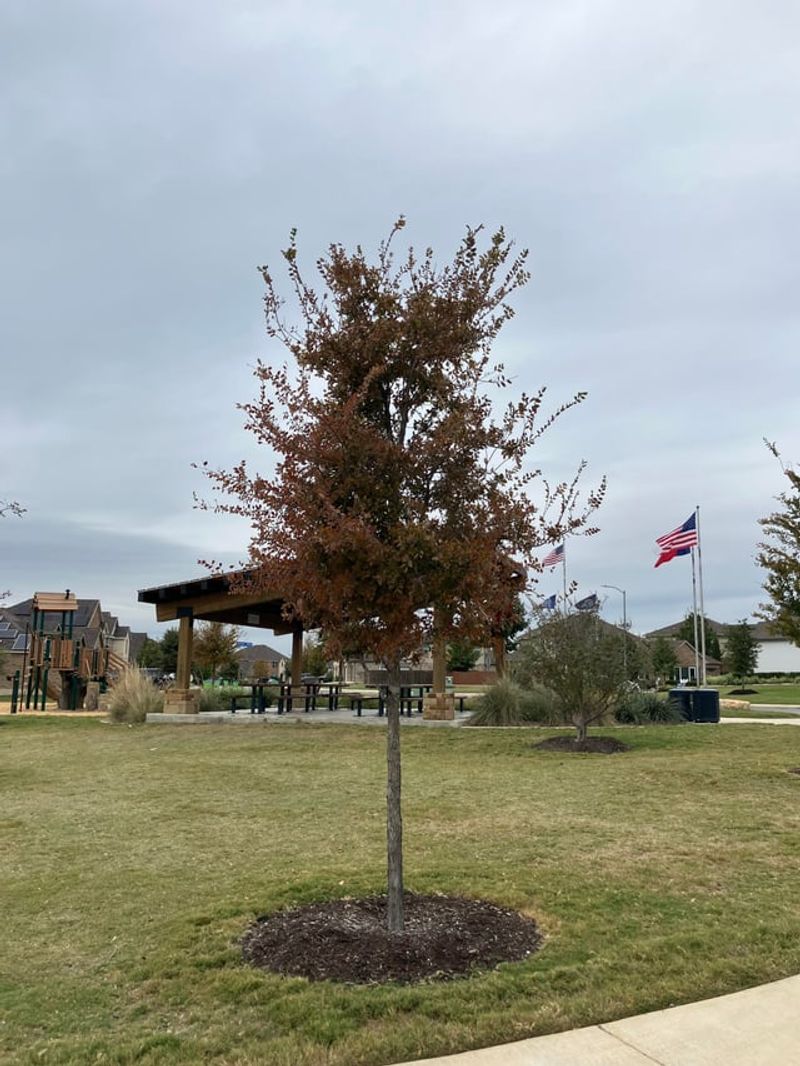
Ask any old-time nursery owner when to plant a tree, and you will likely hear the same answer. Fall beats spring in Texas almost every year.
The reason is hidden underground. Soil stays warm in October while the air turns cooler, and that combo tells roots to grow.
Above ground, the tree is slowing down. It is not pushing out lots of new leaves, so it can spend its energy building a strong root system.
By the time summer heat returns, a fall-planted cedar elm has had months to settle in. A spring-planted tree gets only a few weeks before the brutal sun shows up.
Your Texas Garden Changes Every Week. Your Plan Should Too.
Gardening in Texas changes quickly throughout the season. Every Friday you’ll receive a simple weekly plan showing exactly what to plant, prune, fertilize, harvest, and protect so you never miss the right timing.
Rain helps too. Many parts of the state see more showers in fall and winter than in July or August.
Planting before the first freeze matters because roots need some warm weeks to stretch out. In North Texas, that first frost can arrive in early November, so October is your window.
Down south near San Antonio or Houston, you may have a little extra time. Still, earlier is better if you want the strongest start.
A simple tip: check your local frost date online and count back about four weeks. That gives you a clear target for getting the tree in the ground.
Think of fall planting as giving your tree a head start. It is like letting a runner warm up before the big race.
3. How Cedar Elm Laughs Off Texas Drought
Remember the summer of 2011, when lawns turned crunchy and lakes shrank to puddles? Plenty of trees struggled, but many cedar elms came through looking surprisingly fine.
The secret starts with those small, rough leaves. Smaller leaves lose less water to the hot, dry air than big floppy ones do.
Deep roots help as well. Once established, a cedar elm can reach moisture far below the thirsty top layer of soil.
When things get really dry, the tree may drop some leaves early. Do not panic, since that is its way of saving water until rain returns.
Texas water bills can climb fast in summer. A tree that needs less watering saves money and time, and it eases pressure on city supplies.
That does not mean you can ignore it the first couple of years. Young trees still need regular deep soakings while their roots spread out.
After about three years, most cedar elms only need help during long dry spells. A slow soak every few weeks in a drought usually does the trick.
Many cities in the state even put cedar elm on their recommended water-wise plant lists. It is a smart pick if your area has watering limits.
Honestly, it is the kind of tree that makes you feel a little less stressed when the forecast shows zero percent rain for weeks.
4. Clay Or Caliche, Texas Soil Is No Problem
Dig a hole in much of Texas and you will hit something stubborn. Sticky black clay, rocky limestone, or chalky caliche can make gardeners groan.
Good news: cedar elm handles all of these better than most shade trees. It grows naturally in heavy clay river bottoms and on rocky hillsides.
Clay holds water for a long time, which can drown fussy roots. Cedar elm tolerates soggy spells after big storms without much complaint.
Alkaline soil is another common headache, especially in Central and West Texas. Some trees turn yellow in it, but cedar elm stays green and happy.
You do not need to fill the hole with fancy potting mix. Experts actually suggest backfilling with the same native soil you dug out.
Why? If the hole has soft rich soil, roots may circle inside it instead of spreading into the ground around it.
Here is a practical trick: dig the hole two to three times wider than the root ball but no deeper. Wide holes let roots spread sideways, which is where they want to grow.
If you hit solid caliche, break it up a bit with a digging bar. Then fill the hole with water and make sure it drains within a day before planting.
Working with your soil, instead of fighting it, makes the whole job easier. Cedar elm is happy to meet you halfway.
5. Planting Your Cedar Elm The Right Way
A tree is only as good as the day it went into the ground. A few easy steps can add years of healthy growth.
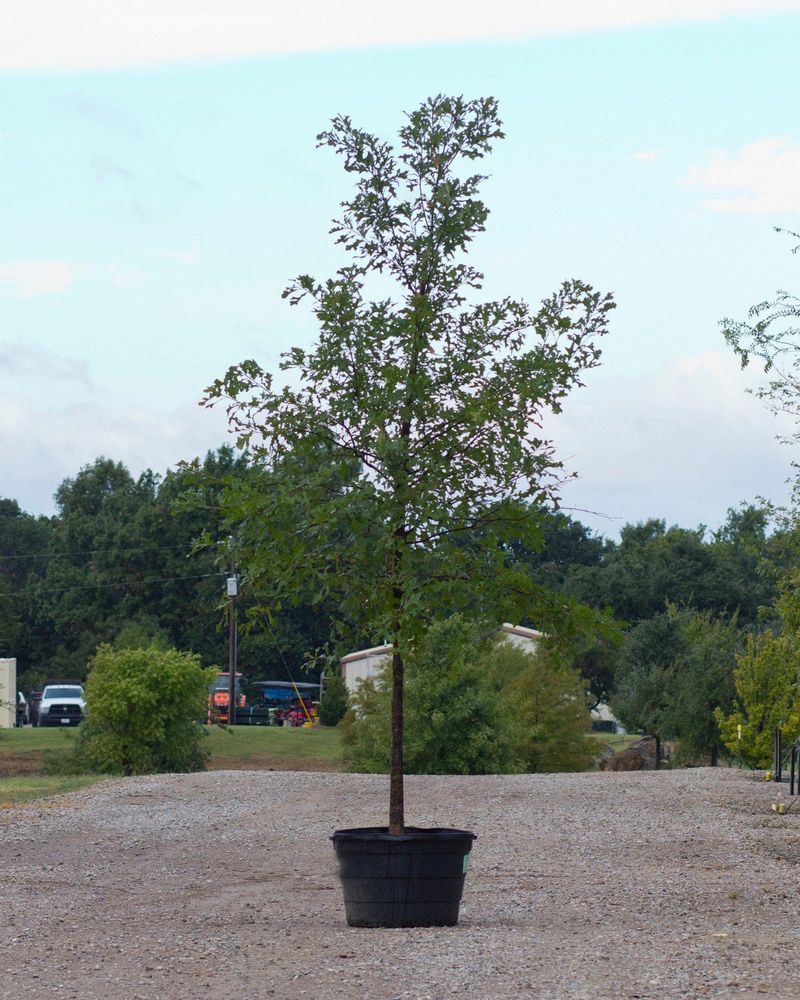
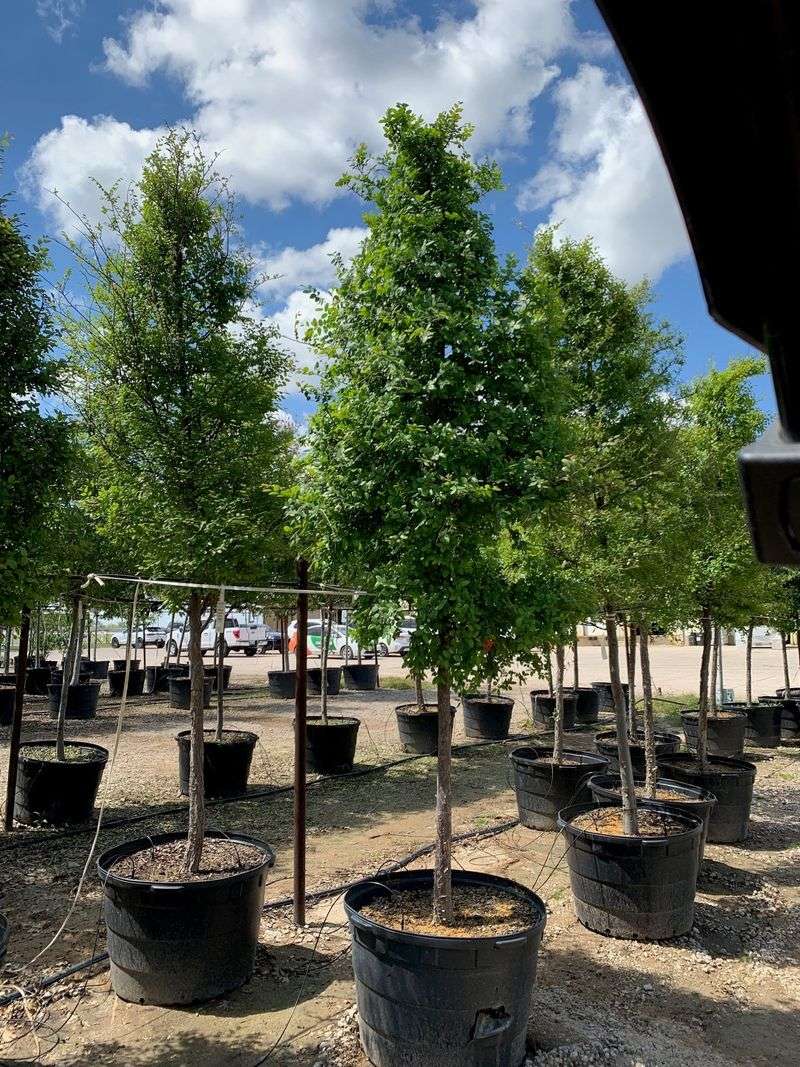
Start at the nursery. Pick a cedar elm with a straight trunk, healthy leaves, and roots that are not circling tightly inside the pot.
At home, call 811 before digging so utility lines get marked. It is free and saves you from a very bad afternoon.
Find the root flare, which is where the trunk widens near the bottom. That spot should sit right at soil level or a little higher, not buried.
Gently loosen any roots wrapped around the root ball. Then set the tree in the hole and fill it back with native soil.
Water slowly as you fill to remove air pockets. Many Texas gardeners build a small soil ring around the tree to hold water in place.
Spread three to four inches of mulch in a wide circle. Keep it a few inches away from the trunk so bark stays dry.
Skip the fertilizer at planting time. Roots need to grow first, and extra nutrients can push leaves the tree cannot support yet.
Staking is usually not needed unless your spot gets strong wind. If you do stake, remove the ties after one year.
Take a photo when you finish. It is fun to look back in five years and see how far your tree has come.
6. Watering Tips To Get Your Tree Through Winter
My neighbor once planted a beautiful tree in October and then forgot about it until April. The poor thing barely leafed out that spring.
Winter watering matters more than most folks think. Cold air can be very dry, and young roots keep working underground even when branches look bare.
For the first month, give your cedar elm a deep drink two or three times a week. After that, once a week is usually enough unless it rains.
A soaker hose or a bucket with small holes works well. The goal is a slow soak that reaches deep instead of a quick splash on top.
Stick your finger a few inches into the soil to check. If it feels damp, wait a few days before watering again.
Before a hard freeze, water the tree a day or two ahead. Moist soil holds heat better than dry soil and helps protect roots.
Do not water during a freeze, since ice around the trunk is no fun for anyone. Wait until temperatures climb back above freezing.
Texas winters can swing from 80 degrees to 25 degrees in a single week. Keeping a simple watering calendar on the fridge makes those wild swings easier to manage.
By spring, a well-watered cedar elm will be ready to push out fresh leaves. That first flush of green is a great reward.
7. Wildlife Loves A Cedar Elm In Texas Backyards
Sit under a mature cedar elm on a fall morning and listen closely. You will probably hear cardinals, chickadees, and a squirrel or two chattering overhead.
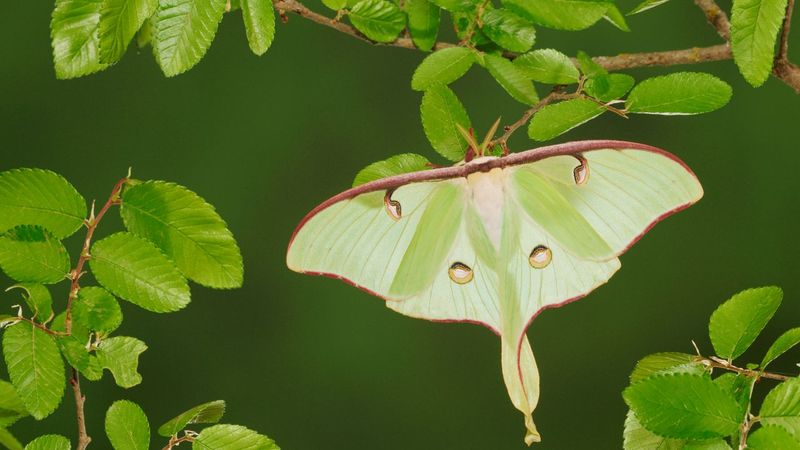
Native trees feed native wildlife in ways that imported trees often cannot. Cedar elm is a host plant for several butterflies and moths, including the question mark butterfly.
Those caterpillars become meals for baby birds in spring. One healthy tree can support a surprising number of hungry nestlings.
The small seeds that ripen in fall are a snack for finches and other seed eaters. Squirrels nibble on them too, though they rarely need encouragement.
Dense branches give birds a safe place to rest and hide from hawks. During cold snaps, that cover helps them stay out of the wind.
If you want a bird-friendly yard in Texas, pair your tree with a shallow water dish. Birds need clean water as much as they need food.
Try to avoid spraying broad pesticides around the tree. Most insects on cedar elm are harmless, and they are part of the food chain.
Kids especially love watching the backyard come alive. Hand them a cheap pair of binoculars and a bird guide, and you might start a lifelong hobby.
Planting one tree may seem small, but it creates a little neighborhood for creatures you will enjoy for decades.
8. Golden Fall Color Comes To Texas Too
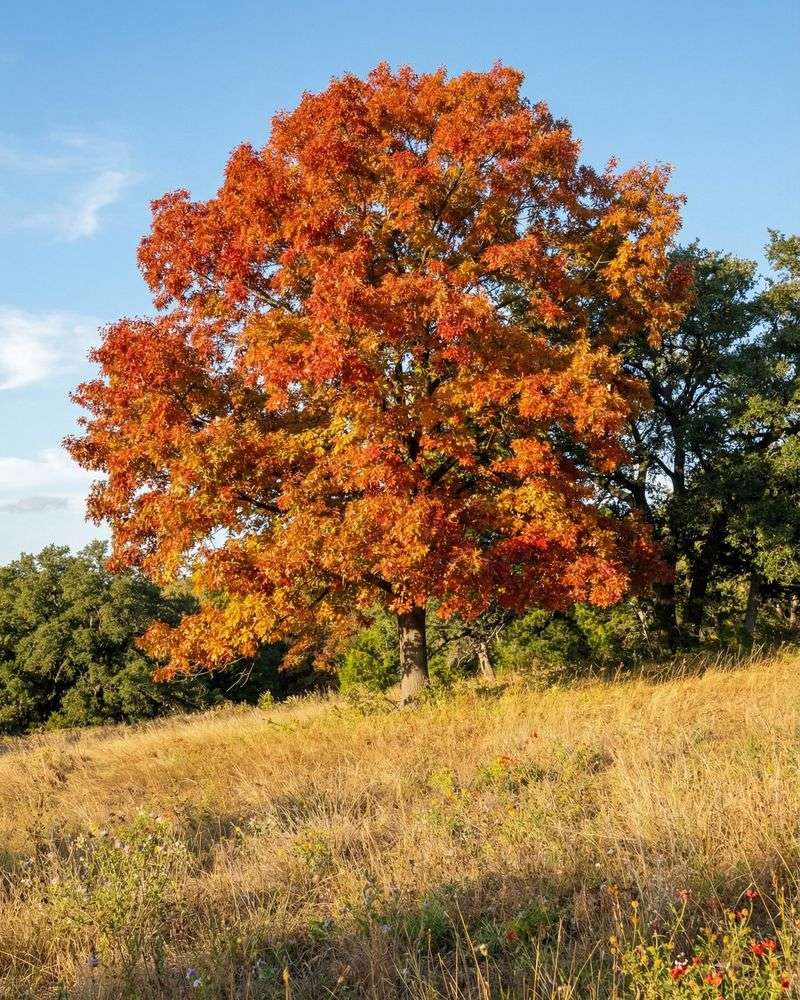
Folks up north like to joke that Texas has two seasons, summer and not summer. A row of cedar elms in late November proves them wrong.
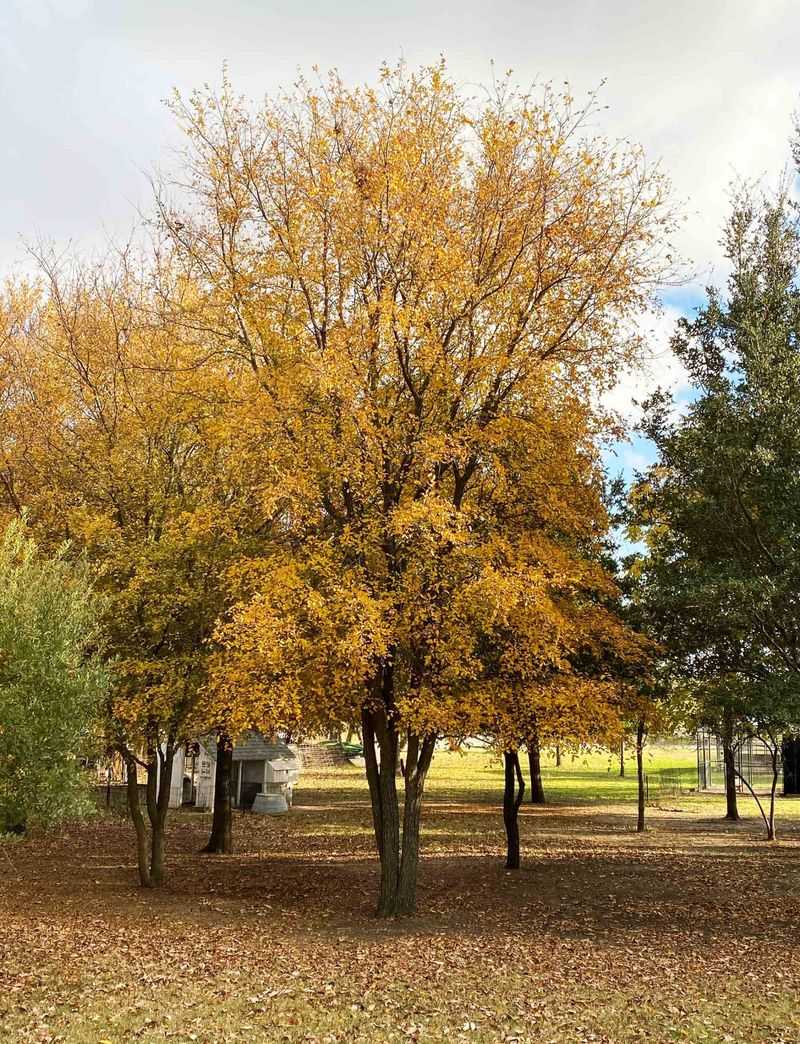
When cooler nights arrive, the small leaves turn a soft golden yellow. On a sunny day, the whole canopy seems to glow.
The color is not as loud as a New England maple, but it has its own quiet charm. It feels warm and cozy, like a fresh pan of cornbread.
Timing depends on where you live. In the Panhandle, color may show up in early November, while Central Texas trees often peak around Thanksgiving.
Leaves drop fairly fast once they turn. Since they are tiny, they break down quickly and make great mulch.
Instead of bagging them, run a mower over the lawn to chop them up. The bits feed the soil and save you trips to the curb.
You can also rake them into flower beds as a free winter blanket. Worms and soil critters will thank you.
For the best fall show, plant your tree where afternoon sun hits it. Light shining through yellow leaves is truly lovely.
Families often say the tree becomes part of their holiday memories. Photos under golden branches end up on many Christmas cards, which is a sweet bonus nobody expects at planting time.
9. Long Term Care For A Happy Cedar Elm
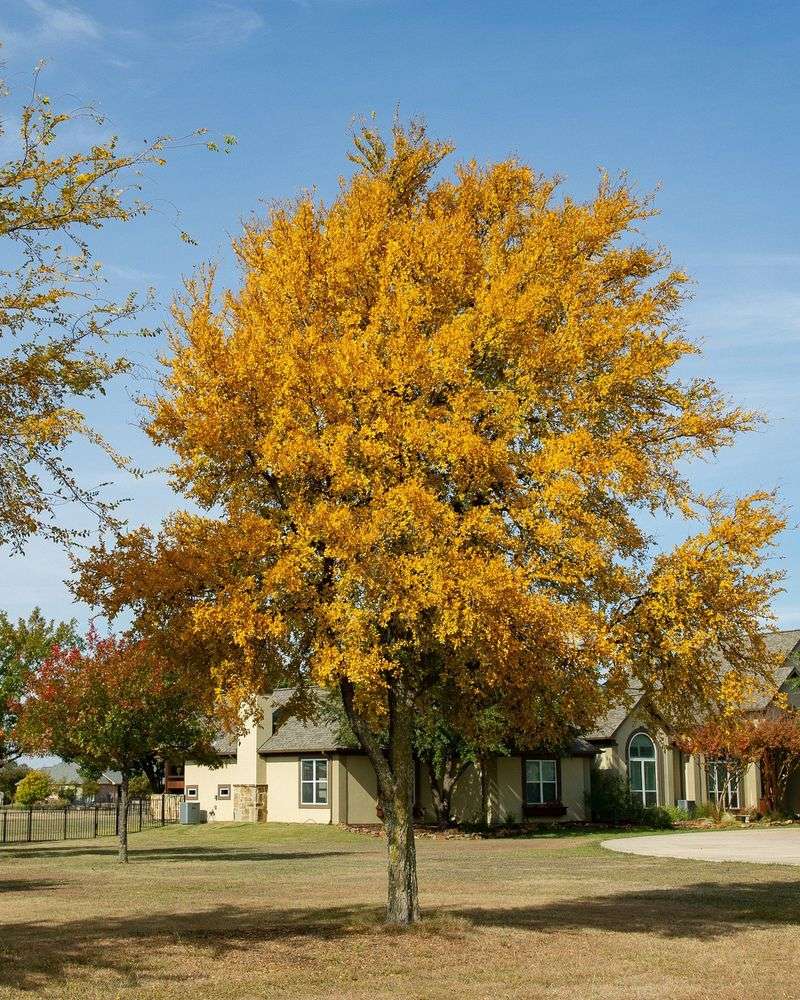
Here is the best part about cedar elm: it does not ask for much once it is grown. A little care in the early years pays off for a lifetime.
Pruning is the main job. In the first five years, trim lightly in winter to shape one strong central trunk.
Remove branches that cross or rub against each other. Clean cuts just outside the branch collar heal faster than flush cuts.
Skip topping the tree, which means cutting off the top to control height. It weakens branches and creates messy regrowth.
Watch for a few common issues. Elm leaf beetles may chew holes in summer, and mistletoe sometimes appears in older trees.
Most beetle damage looks worse than it is. A healthy, watered tree usually bounces back the next year without spraying.
Dutch elm disease is worth knowing about too. Cedar elm can be affected by it, though cases in Texas have not been widespread.
Buying from trusted nurseries and keeping your tree healthy and well-watered gives it the strongest possible start.
Keep refreshing mulch every spring. It holds moisture, cools roots, and keeps lawn mowers away from the trunk.
For big pruning jobs on mature trees, hire a certified arborist. They have the gear and know-how to work safely high up.
Give it steady care now, and your cedar elm can shade your home for 100 years or more. That is a gift for your grandkids too.