What To Know When A Hawk Keeps Appearing In Your Kentucky Backyard
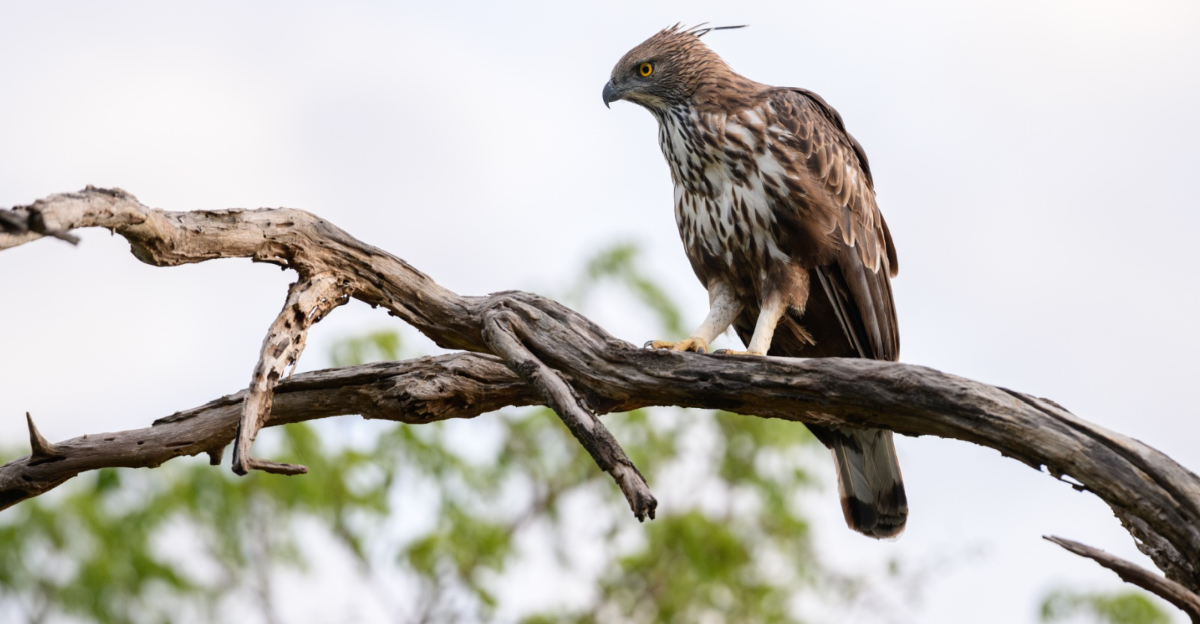
You glance up and spot it immediately, a hawk sitting on your fence post like it owns the entire neighborhood, scanning your Kentucky yard with that slow, deliberate stare.
This is not the first time, and you already know it will not be the last. If that bird keeps showing up day after day, you are not losing your mind and you are not just unlucky.
There are real, specific reasons why a hawk has decided your yard is worth returning to, and once you understand those reasons, the whole picture snaps into focus fast.
Hawks are smart, strategic hunters who do not waste energy on places that offer nothing. Your property is quietly giving that bird exactly what it needs.
Something in your Kentucky backyard is checking every box on that hawk’s list. Find out what it is, and you take back control of your space.
Your Yard Offers A Reliable And Consistent Source Of Food
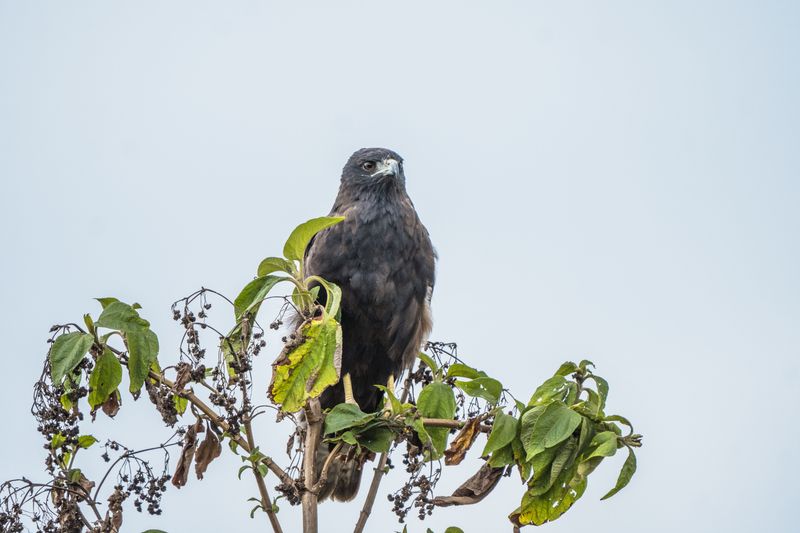
Hawks are not random visitors. When one keeps showing up, it usually means your yard is providing a consistent and accessible food source
Small mammals are the number one reason a hawk keeps appearing in your Kentucky backyard. Mice, voles, moles, and chipmunks are all prime targets for a hungry hawk on the hunt.
If your yard has tall grass, leaf piles, or dense garden beds, those spots are perfect hiding places for small rodents. Hawks know this, and they use their sharp vision to spot movement from incredible distances.
A single hawk can survey a large area from one perch in just minutes. Once it spots prey moving through your yard, the hunt begins fast and quietly.
Keeping your lawn trimmed short reduces the cover that rodents depend on. Fewer hiding spots mean fewer rodents, which makes your yard less appealing as a regular hunting ground.
That said, having a hawk visit is actually a sign of a healthy, active ecosystem right outside your door. Nature is doing its job, and your yard is part of that living system.
You might not love the idea of a predator circling overhead, but hawks keep rodent populations in check naturally. That is a genuine benefit for any homeowner who prefers not to deal with mice in the garden.
Understanding the food connection is the first step in figuring out why this bird keeps coming back to your space.
Your Bird Feeders May Be Attracting Hawks As Well As Songbirds
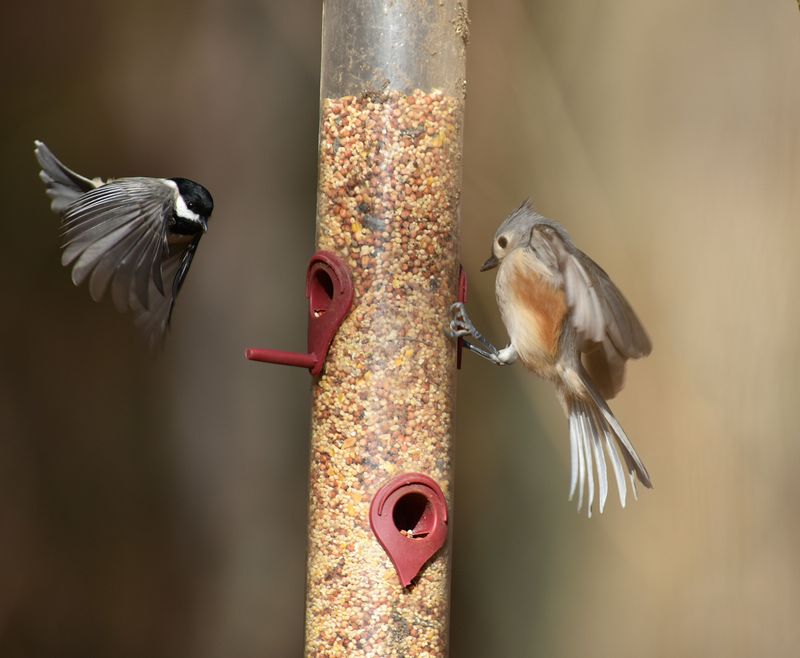
Here is something that surprises a lot of backyard bird lovers. Your feeders are not just attracting cardinals and chickadees.
In some cases, they can also attract the birds that prey on them. Hawks like the sharp-shinned hawk and Cooper’s hawk are bird specialists.
They have evolved specifically to chase and catch other birds in flight, and feeders make that job almost effortless.
When you set up a feeder, you are creating a predictable gathering spot. Small birds show up on a schedule, and a hawk quickly figures that out after just a few visits.
Your Kentucky Garden Changes Every Week. Your Plan Should Too.
Gardening in Kentucky changes quickly throughout the season. Every Friday you’ll receive a simple weekly plan showing exactly what to plant, prune, fertilize, harvest, and protect so you never miss the right timing.
The hawk does not even have to work hard. It waits nearby in a shrub or tree, then moves in quickly when songbirds are distracted by eating. Speed and surprise are its greatest tools.
If you notice your feeder birds suddenly going quiet and scattering fast, a hawk is probably close.
That sudden stillness is a natural warning signal that small birds use to stay safe. You can take down your feeders for a week or two to break the hawk’s pattern.
Once the easy food source disappears, the hawk may shift its attention somewhere else, though results vary depending on the individual bird and available alternatives nearby.
Placing feeders near dense shrubs gives small birds a quick escape route. Brush piles and thick bushes act as safe shelters where a hawk cannot easily follow.
Your feeder setup may be the single biggest reason a hawk keeps appearing in your Kentucky backyard week after week.
It Has Claimed Your Property As Part Of Its Hunting Territory
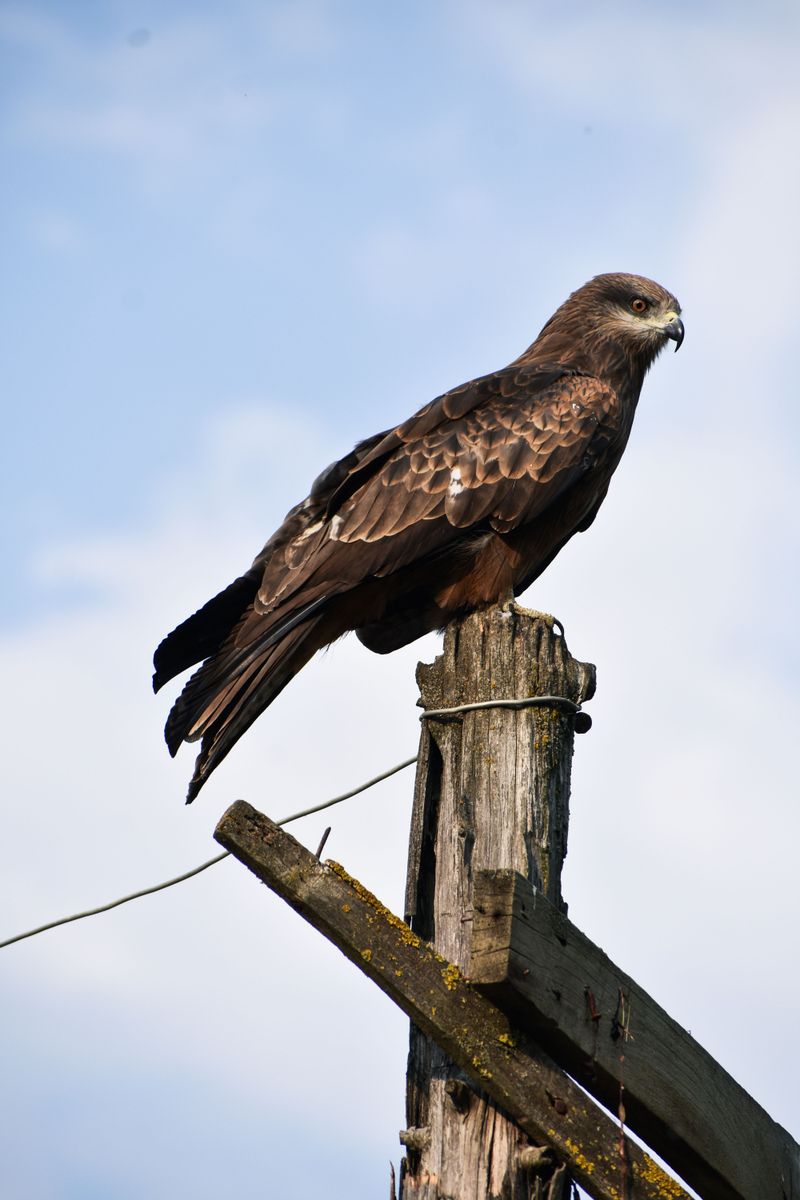
Hawks are territorial creatures, and they take that seriously. Once a hawk decides your yard is part of its range, it will patrol that area on a regular schedule.
Most hawks claim a hunting territory and stick to it for an entire season. They learn every corner of that space, including where food appears and where the best perches are located.
Your yard might be one stop on a daily loop that covers several properties. The hawk checks each spot in sequence, moving through its territory in a predictable, repeating pattern.
This is why you might see the same hawk at roughly the same time each day. It is not a coincidence. That bird has built a routine around your yard specifically.
Red-tailed hawks, which are extremely common across the Bluegrass State, are especially known for holding large territories. They are bold, confident hunters that rarely back down from a space they have claimed.
You cannot legally remove or relocate a hawk, since they are protected under the Migratory Bird Treaty Act. Trying to chase one off permanently is also unlikely to work for long.
The better approach is understanding its pattern and adjusting your yard habits accordingly. Knowing when it tends to visit helps you protect smaller pets or manage your feeders more strategically.
Accepting that a hawk has claimed your property is not defeat. It is honestly the start of a smarter relationship with the wildlife sharing your space.
Your Trees Or Fence Posts Make Perfect Elevated Hunting Perches
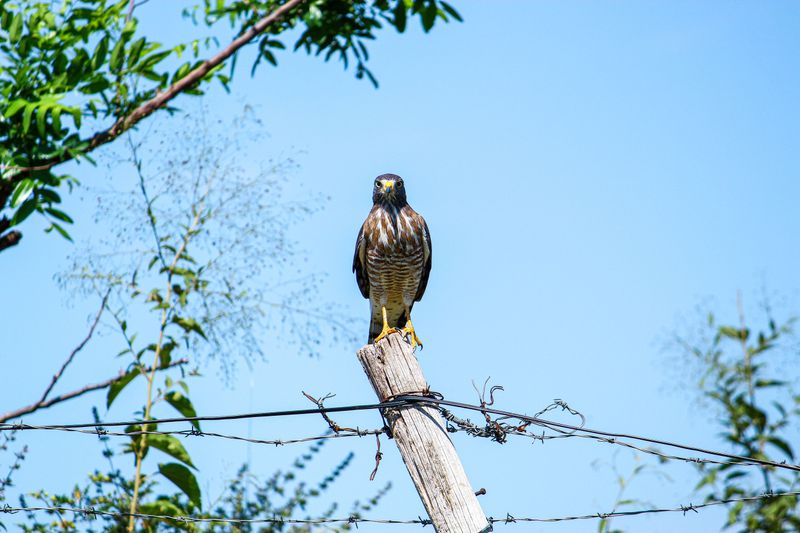
Not every yard gets a hawk’s attention, but yours clearly has something special. The answer might be as simple as your trees or fence posts giving it the perfect view.
Hawks are perch hunters. They need an elevated spot with a clear sightline to the ground below, and your yard may offer exactly that combination.
A tall fence post near an open lawn is basically a hawk’s dream setup. It gets height, visibility, and easy access to a hunting zone all in one spot.
Mature trees with open canopies, bare standing trunks, or large horizontal branches are also top-tier perching locations. Hawks prefer spots where they can see a wide area without being blocked by leaves or clutter.
From a good perch, a hawk can spot a mouse moving in the grass from heights exceeding 800 feet in ideal conditions, thanks to visual acuity up to eight times sharper than a human’s.
That incredible vision is why the right perch location matters so much to them. If your yard has a tall bare tree, an exposed utility pole, or a wide-open fence line, those features are drawing that bird in.
Your landscape is making your yard consistently attractive to hunting hawks. You can discourage perching by adding visual deterrents near favorite spots, like reflective tape or owl decoys.
Rotating those deterrents regularly keeps the hawk from getting used to them. The structure of your yard is signaling to hawks that it is a reliable and accessible hunting ground.
A Nearby Nest Means Your Yard Is Part Of Its Daily Routine
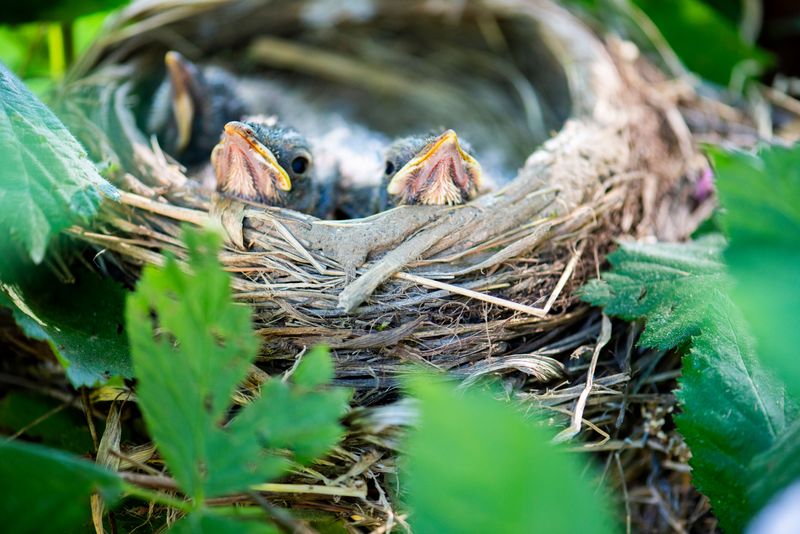
Spotting a hawk once is interesting. Seeing one almost every single day means something more specific is going on nearby, and a nest is often the answer.
Hawks typically nest within a mile or two of their regular hunting grounds. If a nest is close to your property, your yard becomes a daily stop on the food-gathering route.
During nesting season, which runs roughly from March through July in the Bluegrass region, hawks are under serious pressure. They need to feed themselves and their young, which means hunting more frequently than usual.
A nesting hawk may visit your yard multiple times a day during peak chick-rearing weeks. The demand for food is intense, and reliable hunting spots become absolutely essential during that stretch.
Look for large stick nests high up in oak, hickory, or sycamore trees near your home. These nests can be surprisingly large, sometimes reaching two to three feet across after years of use.
Hawks often return to the same nest site year after year, adding new material each season. That means if a hawk nested near you once, it will likely be back next spring.
Knowing about a nearby nest helps you predict the hawk’s behavior throughout the warmer months. You will notice peak activity during early morning and late afternoon feeding runs.
A nesting hawk in your neighborhood is genuinely exciting wildlife activity happening right in your backyard without any effort on your part.
Your Yard Feels Safe And Calm Enough To Keep Coming Back To
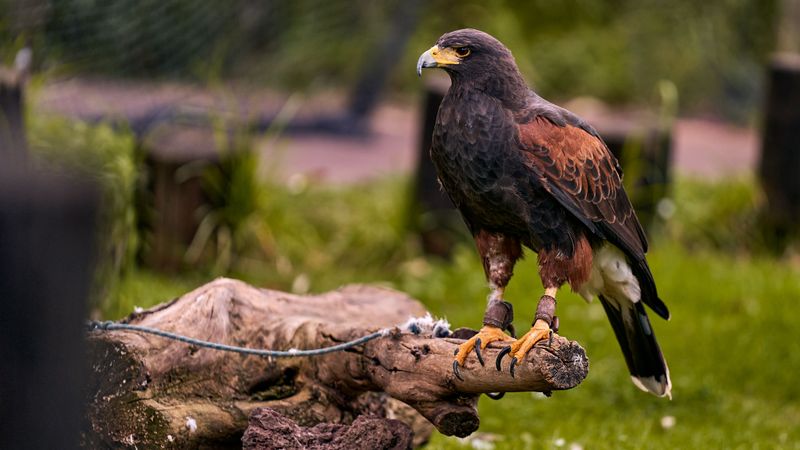
Hawks are cautious animals despite how bold they can appear. They pay close attention to whether a location feels safe before committing to it as a regular spot.
If your yard is quiet, low-traffic, and free from constant disturbance, a hawk will notice that quickly. A calm environment signals low risk, and hawks respond to that signal by coming back repeatedly.
Yards with less foot traffic, fewer loud noises, and minimal pet activity tend to attract more wildlife overall. Hawks are especially sensitive to patterns of disturbance and will avoid chaotic spaces.
If your neighbors have dogs barking constantly or kids playing loudly outdoors, the hawk may prefer your quieter yard instead. Comparative calm is a genuine competitive advantage in the hawk’s mind.
A yard with mature plantings, good tree cover, and natural features also reads as stable habitat. Hawks associate those environmental cues with reliable food and low danger.
Interestingly, hawks can become surprisingly comfortable around humans when they feel unthreatened.
Some backyard hawks will hold their ground even when you step outside, simply because they have learned you are not a threat.
This comfort level builds gradually over multiple visits. Each time the hawk comes and leaves without incident, it reinforces the idea that your yard is a safe zone.
That growing comfort is exactly why a hawk keeps appearing in your Kentucky backyard even when food is not the only draw.
A Young Hawk May Be Establishing Its Permanent Range
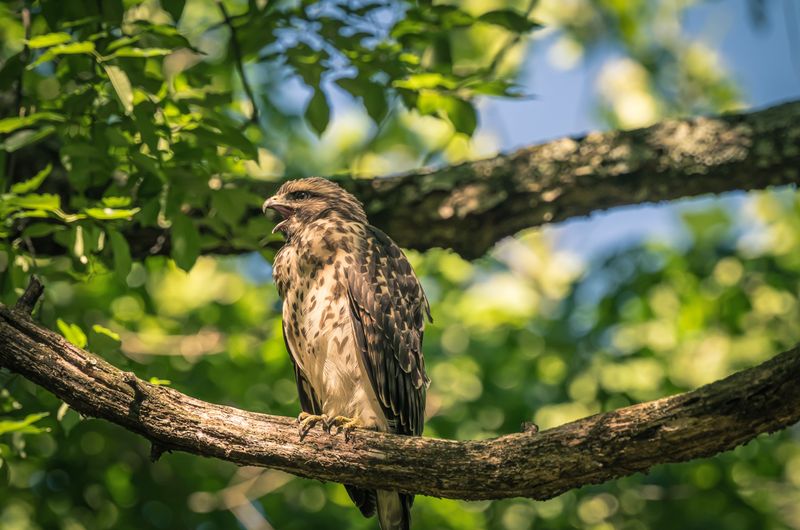
Not every visiting hawk is a seasoned adult with a locked-in territory. Sometimes the bird showing up in your yard is young, new to the world, and still figuring things out.
Juvenile hawks disperse from their birth territories in late summer and fall. During this period, they wander widely, testing different areas to find a home range they can claim as their own.
A young hawk looks slightly different from an adult. In most subspecies, juvenile red-tailed hawks have brown streaky bellies instead of the bold rufous tail that adults display so clearly.
These younger birds are less experienced hunters, which means they may visit your yard more often as they practice and learn. They make more mistakes, miss more prey, and need more attempts to succeed.
Watching a juvenile hawk hunt is genuinely fascinating. It is a front-row seat to the learning process of one of nature’s most capable predators finding its footing in the world.
If the young hawk finds your yard productive and safe during that exploratory phase, it may settle in and claim your neighborhood as its permanent range. That decision can shape years of future visits.
Young hawks that establish a range near human homes often become bolder over time as they mature. The bird you see now as a clumsy juvenile could become a confident adult hunter by next spring.
A hawk keeps appearing in your Kentucky backyard for a reason, and watching a young one grow up there is one of the most rewarding reasons of all.