Why More North Carolina Gardeners Are Mixing Biochar Into Clay Beds This Fall
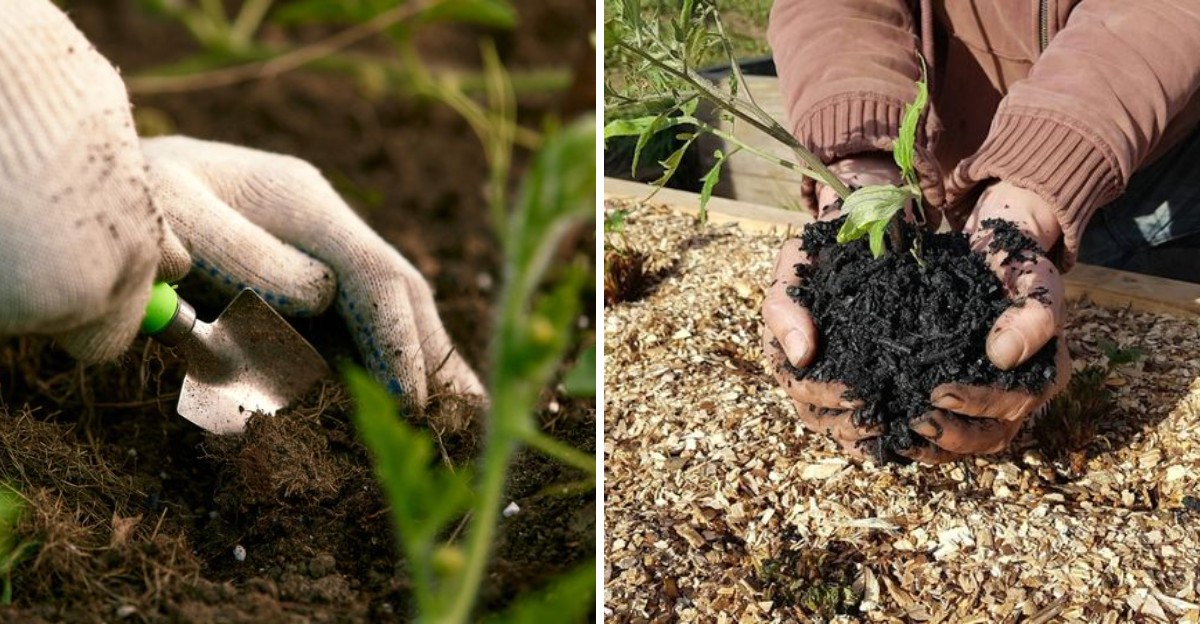
North Carolina clay is famous for being stubborn. It holds water too long, then turns hard as a brick. Gardeners have tried sand, compost, and plenty of patience.
Now many are adding biochar. This charcoal-like material is full of tiny pores, and those pores change how soil behaves. They help hold moisture and nutrients where roots can reach them.
Fall is a good time to work it in, because the soil has months to settle before spring planting. There is one catch. Raw biochar can actually pull nutrients away from plants if you add it plain.
Most people mix it with compost first. Learning the right way to use it helps you get results instead of disappointment in your beds.
1. Biochar Is A Long-Lasting Form Of Carbon
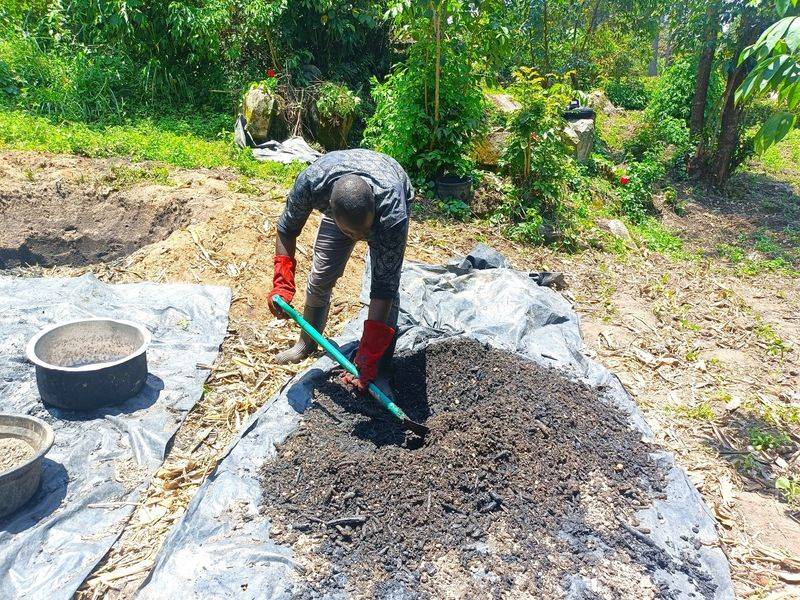
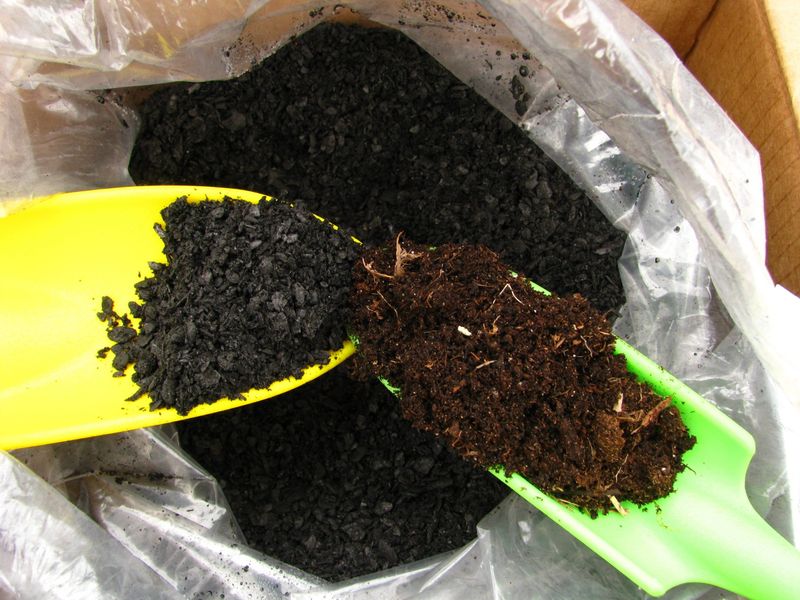
Some garden helpers vanish in a season, but biochar sticks around for the long haul. It looks a lot like the charcoal left in a campfire pit.
Makers create it by heating wood chips, nut shells, or other plant scraps with very little oxygen, so the material turns to carbon instead of burning away to ash.
That slow, low-oxygen process gives biochar its staying power. Compost is wonderful, yet soil microbes munch through it within a few years.
Biochar, on the other hand, resists breaking down and can remain in your soil for decades or even much longer, so one careful application keeps working year after year.
Still, biochar is not plant food by itself. Think of it more like a sponge or a house than a meal. It offers space for water, nutrients, and tiny soil creatures, but it does not hand out much nitrogen or other nutrients on its own.
For the best results, treat biochar as one tool in a bigger soil plan. Keep adding compost every year, use mulch, and feed plants based on what your soil test says. When those habits work together, biochar can quietly support them in the background.
Here in North Carolina, that lasting quality really shines. Our long, hot, muggy summers speed up the microbes that break down organic matter, so compost and shredded leaves seem to disappear fast.
Many local gardeners feel like they are adding the same amendments again and again. A material that stays put offers a nice balance, giving beds a steady base while compost keeps doing its faster, everyday work.
2. It May Help Improve Heavy Clay Structure Over Time
Anyone who has tried to dig a hole in Piedmont clay after a dry spell knows the feeling. Your shovel bounces, your arms ache, and the soil looks more like pottery than garden dirt. Biochar offers a little hope for that stubborn ground.
Because it is light and full of tiny pores, biochar can create small pockets for air and water. Some studies show it may improve soil structure and aeration.
Results in clay vary a lot, though, and compost is still the most proven way to loosen heavy soil, so biochar works best as a partner rather than a replacement.
Your North Carolina Garden Changes Every Week. Your Plan Should Too.
Gardening in North Carolina changes quickly throughout the season. Every Friday you’ll receive a simple weekly plan showing exactly what to plant, prune, fertilize, harvest, and protect so you never miss the right timing.
Getting it into the ground takes a bit of patience. Spread compost and biochar over the bed together, then mix them into the top several inches with a garden fork or spade. Aim for soil that crumbles in your hand instead of smearing.
Timing matters more than many people expect. Working clay while it is wet and sticky squeezes out air and leaves hard clods that last for months. Wait a few days after a good rain, test a handful, and dig only when it breaks apart easily.
Expect slow change instead of a quick fix. Clay improves bit by bit as roots, worms, and organic matter do their work, and biochar may add a small boost along the way.
Across the Piedmont, from Charlotte to Raleigh to Greensboro, that famous red clay ranks among the most common gardening headaches. Steady care each season can turn it into soil that drains better and feels kinder to roots.
3. It Can Help Hold Nutrients Near Roots
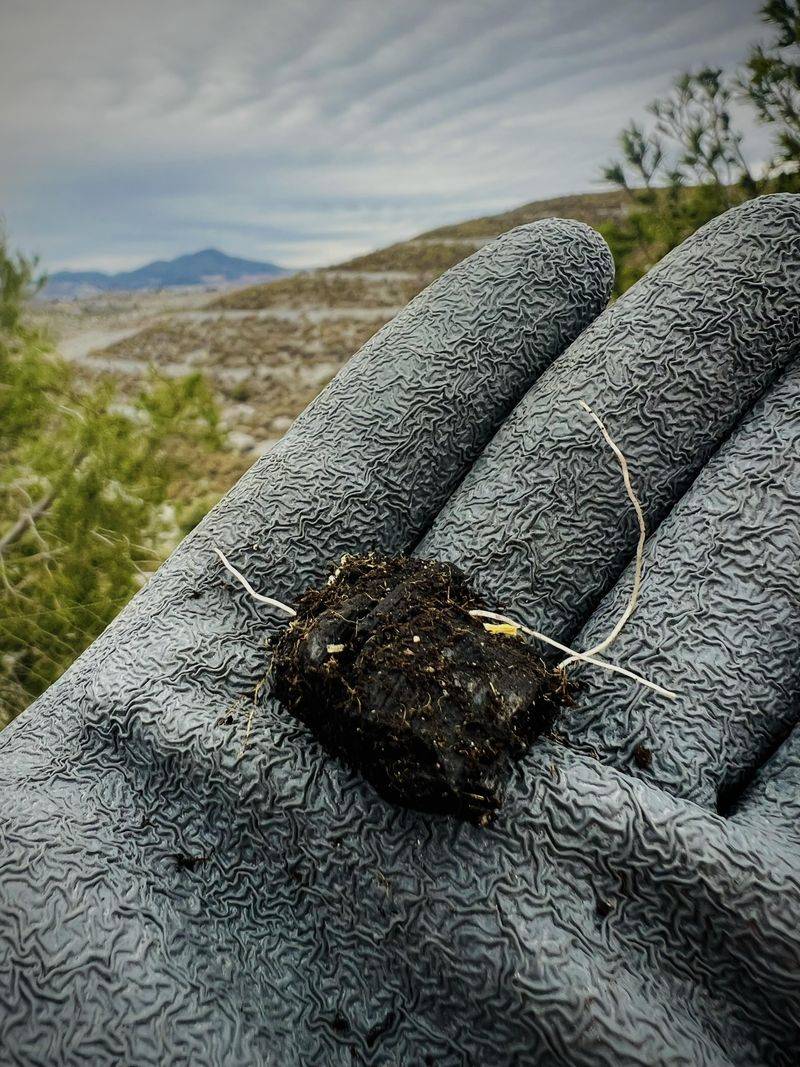
Under a microscope, a single crumb of biochar looks like a busy city of tunnels and caves. All those surfaces add up to a huge area, sometimes compared to the size of a tennis court in just a small handful. That hidden space is where some of the magic happens.
Certain nutrients can cling to those surfaces instead of rinsing away. When a big storm rolls through, less fertilizer may wash deep below the root zone. More of it stays close by, right where tomatoes, peppers, and beans can reach it.
Now for an honest note. This benefit tends to be strongest in sandy, low-fertility soils, which hold onto nutrients poorly. Clay already grips nutrients fairly well on its own, so the boost in a clay bed may be smaller than what you read in big claims online.
Even so, a modest gain can still help. Pair biochar with compost, split fertilizer into smaller doses through the season, and keep beds mulched to slow runoff. Those simple habits protect your investment in plant food.
North Carolina gardeners have good reason to care about nutrient loss. Summer thunderstorms can drop inches of rain in an afternoon, and tropical systems sometimes soak the state in late summer and fall.
Water racing through a bed can carry nutrients along with it. Anything that helps soil hold onto food a little longer means healthier plants, less wasted fertilizer, and cleaner water flowing toward local streams and rivers.
4. It Can Raise Soil pH Like A Mild Lime
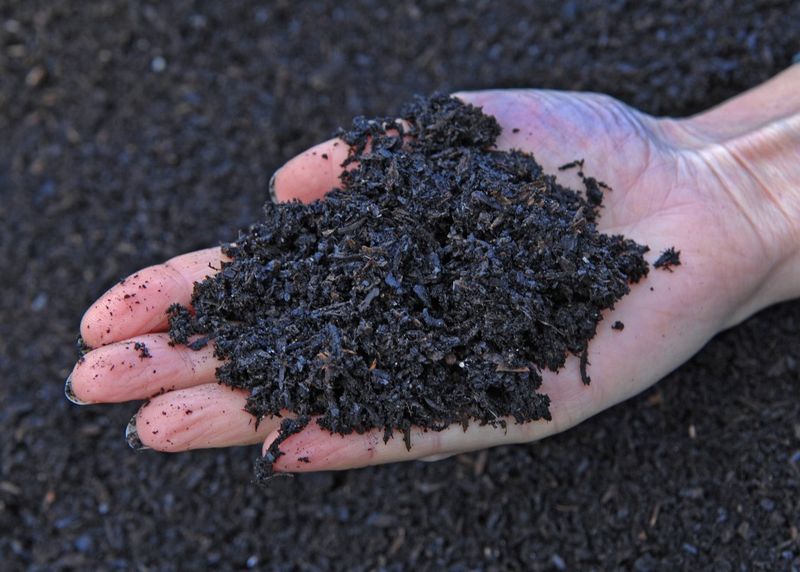
Many people are surprised to learn that biochar can act a bit like garden lime. Most types are alkaline, which means they push soil pH upward. In acidic ground, that shift can help plants take up nutrients more easily.
Of course, too much of a good thing can cause trouble. Pile on extra biochar and the pH may climb higher than your plants like.
Acid-loving favorites such as blueberries, azaleas, camellias, and rhododendrons can struggle and show yellow leaves when soil turns too sweet.
A soil test is your best friend here. Check your pH before adding biochar, then factor in its liming effect when you decide how much lime to spread. In many cases, you may need less lime than usual, or none at all.
Keep biochar away from beds where acid lovers grow. Save it for vegetables, flowers, and other plants that enjoy a more neutral range. After a full season, test again so you can see exactly how your soil has changed.
North Carolina makes this step easy. Many soils across the state lean naturally acidic, so biochar can sometimes be a real help.
The NC Department of Agriculture runs a soil testing lab, and samples are free for much of the year, with a small fee during the busy winter season.
Local Cooperative Extension offices hand out sample boxes and forms. Testing in fall gives you results in plenty of time for spring planning.
5. It Works Best When Charged With Compost First
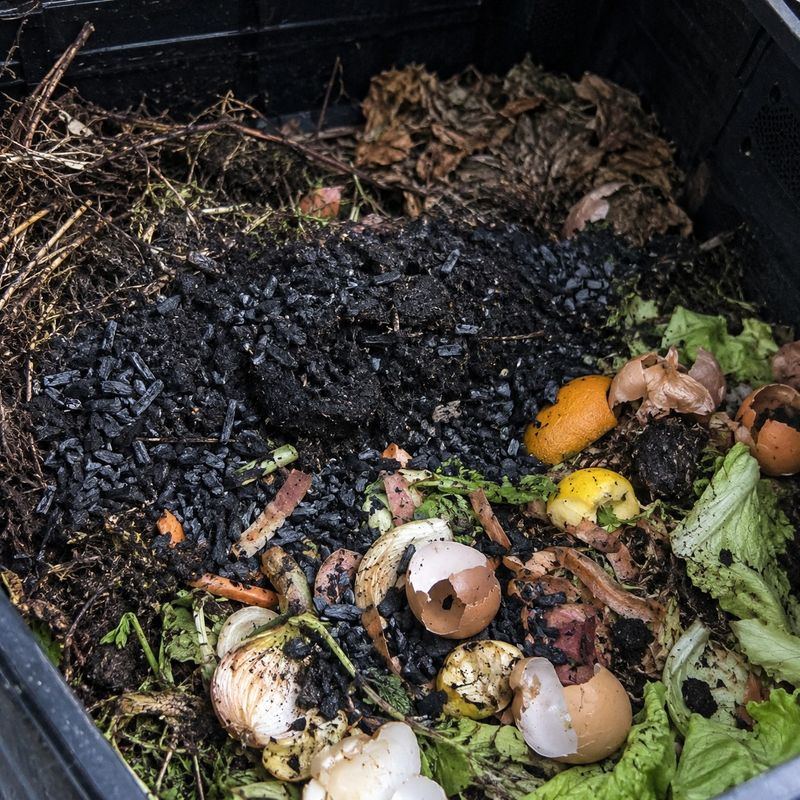
Picking up a bag of biochar and tossing it straight into the garden sounds simple. Plenty of eager gardeners do exactly that, then scratch their heads when seedlings look pale and slow. The secret lies in a step called charging.
Fresh biochar is a bit like a dry, empty sponge. Once in the soil, it can grab moisture and some nutrients for itself, leaving less for young plants at first.
Biochar that has been soaked or blended with compost comes already filled with nutrients and helpful microbes, so it supports roots right away.
Charging takes very little effort. You can stir biochar into an active compost pile and let it mellow along with the rest. Another easy choice is mixing it with finished compost and letting the blend sit for a few weeks before use.
Short on time? Soak the biochar in a bucket of diluted liquid fertilizer, such as fish emulsion or a balanced mix, for several days. Drain off the extra liquid, then work the dark, damp mixture into your bed.
Many experienced growers prefer the compost method because it brings living soil organisms along for the ride. A common starting blend is roughly one part biochar to several parts compost.
For North Carolina gardeners, charging can mean the difference between a thriving bed and a letdown.
Adding raw biochar right before planting often leads to disappointing growth, but a little preparation in fall sets the stage for a strong, healthy spring.
6. Fall Gives It Time To Settle In Before Spring
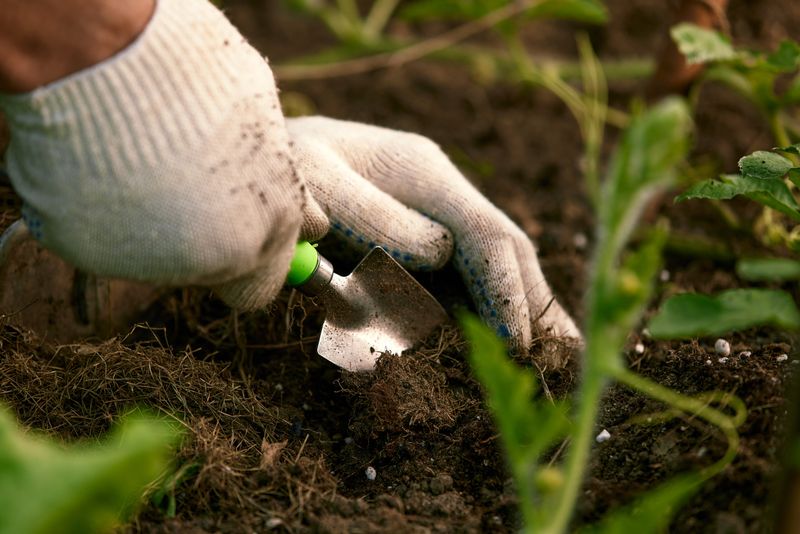
Cool mornings, golden leaves, and tired tomato vines all send the same message. Garden season is winding down, but the soil still has work to do. Fall happens to be one of the smartest times to add biochar.
Mixing biochar and compost into beds now gives them months to settle in before spring. During that time, the materials blend with the soil, and earthworms and microbes start moving in.
By planting day, the bed feels more like a finished home than a fresh construction site.
It also fits right into chores you already do. Most gardeners clean up after summer crops anyway, so adding amendments takes only a little extra effort.
Start by pulling spent plants and clearing weeds. Spread a layer of compost and charged biochar across the bed. Mix it into the top several inches when the soil is moist but not soggy, since wet clay clumps and compacts.
Finish by protecting the surface for winter. Sow a cover crop like crimson clover, cereal rye, or winter wheat, or cover the bed with shredded leaves or straw. Bare soil can crust over and wash away during winter rains, while living roots or mulch keep it safe and active.
North Carolina’s mild winters give fall work an extra advantage. In much of the state, the ground rarely freezes for long, so soil life keeps busy through many cool months.
That steady activity helps blend everything together, leaving you with richer, softer beds when spring arrives.
7. Results Vary, So Start Small
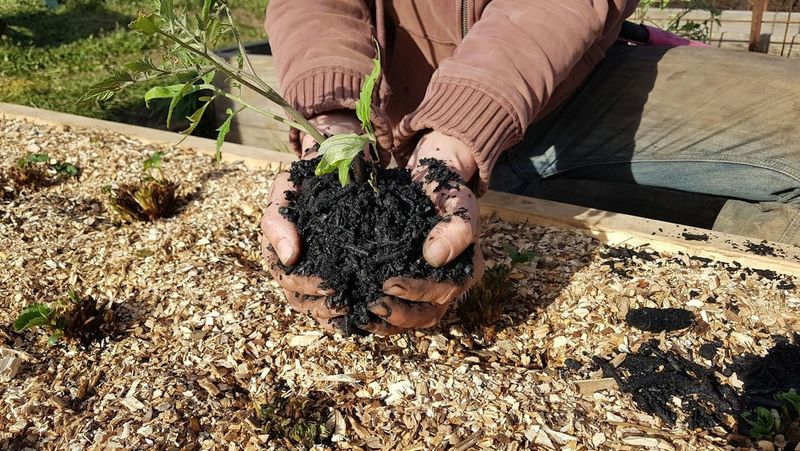
Ask ten gardeners about biochar and you might hear ten different stories. One swears her peppers have never looked better, while her neighbor shrugs and says nothing changed. Both could be telling the truth.
Research backs up those mixed reports. How biochar performs depends on what it was made from, how hot it was heated, the type of soil, and the crops you grow. It may give one garden a clear lift and barely touch another.
So why not run your own backyard experiment? Choose a single bed, or even half of one, for biochar. Leave the rest alone so you have a fair comparison side by side.
Keep the amount modest, mixed with plenty of compost. Many gardeners begin with a thin layer, around a quarter inch to half an inch spread over the surface, then worked in. Label your test area with a stake so you remember which part got the treatment.
Over a season or two, watch closely. Notice plant growth, harvest size, how fast the soil drains after rain, and how easy it feels to dig. A simple notebook or phone photos make it easy to track.
Retesting the soil also shows how pH and nutrients shift. Such careful trials make extra sense in North Carolina, where soils change a lot from place to place.
Heavy red clay covers much of the Piedmont, while the Coastal Plain often has sandy, fast-draining ground. What works in Durham may act differently in Wilmington, so your own garden gives the best answer.