Small Neat Holes Are Appearing Across New Jersey Lawns This Month And The Digger Is Not A Mole
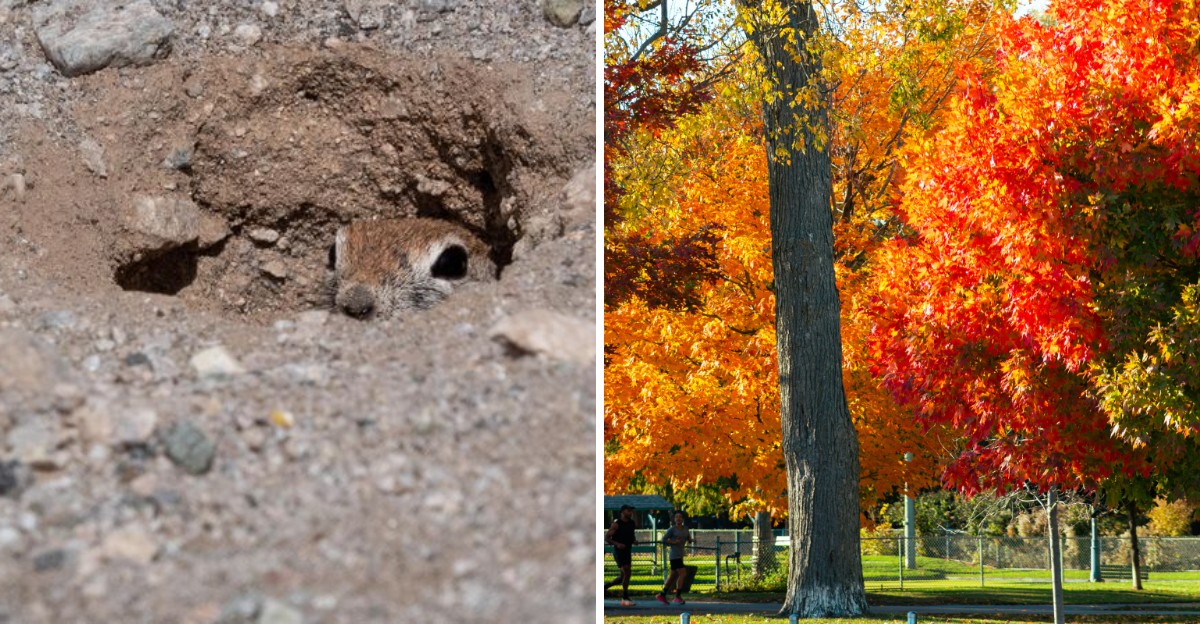
Neat round holes keep appearing on your lawn, and nobody confesses. You find no dirt mounds, no tunnels, no clues.
Neighbors accuse grubs, teenagers, aliens. Squirrels dig these holes on purpose, tucking an acorn inside. Then they pat the soil flat with their noses. A leaf shuffle hides the evidence.
New Jersey squirrels scatter food across countless spots, then sniff it out months later. Watch them closely and you will spot a clever bluff.
Spectators trigger fake burials, with empty paws and a convincing performance. Rivals study their moves, so deception pays off.
Stepping outside makes you the audience. October pushes squirrels into overdrive across New Jersey.
Their holes often appear in tidy clusters near oak trees. Your lawn, soft and open, makes an ideal vault.
Expect holes to multiply until frost hardens the ground. Smile, squirrels are paying attention.
How To Spot A Squirrel Hole
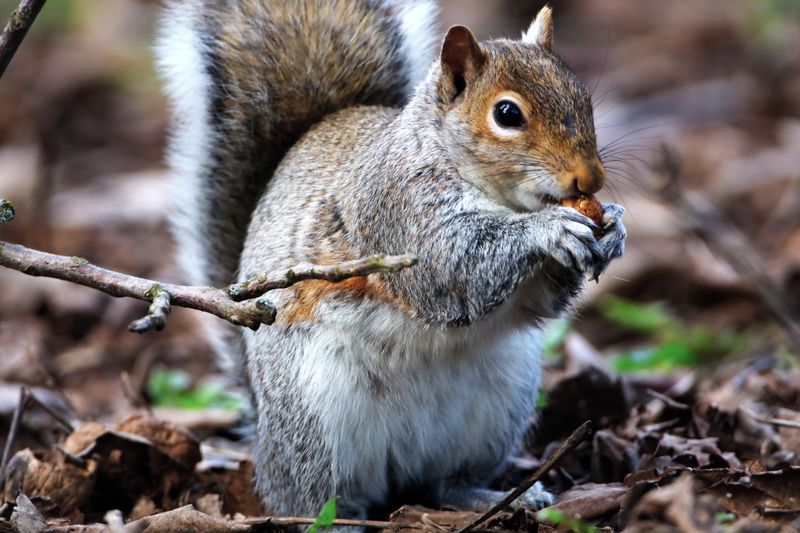
Picture a gray squirrel with an acorn in its mouth, darting across your yard like a determined forager. It stops, digs fast, drops the nut, and pats the soil flat.
Eastern gray squirrels are a common cause of these neat holes, though chipmunks and voles can leave similar ones. Chipmunk burrow entrances are also neat and free of mounds, so check for chipmunks if you see them nearby.
Gray squirrels practice something called scatter hoarding, which means hiding food in many separate spots.
Each hole is about one to two inches wide and a few inches deep. You will not see a big pile of dirt, because squirrels push the soil back in.
Moles leave raised ridges and volcano-shaped mounds of loose soil. Squirrel holes look clean and round, with sometimes a small flap of grass tossed to the side.
A single squirrel can bury thousands of nuts during one fall season. That adds up to a lot of tiny holes in one lawn.
Squirrels also come back later to dig up their stash. So you might see fresh holes in fall and again during winter thaws.
Look for chewed acorn shells, walnut husks, or pinecone bits nearby as clues. Squirrels often leave messy snack leftovers on fences, decks, and patio tables.
Another clue is the time of day the holes appear. Squirrels work in daylight, especially in the morning and late afternoon, unlike nighttime diggers like skunks.
Once you know the signs, the mystery feels a lot less spooky. Your yard is simply a squirrel pantry with grass on top.
October Rush Before The Cold Arrives
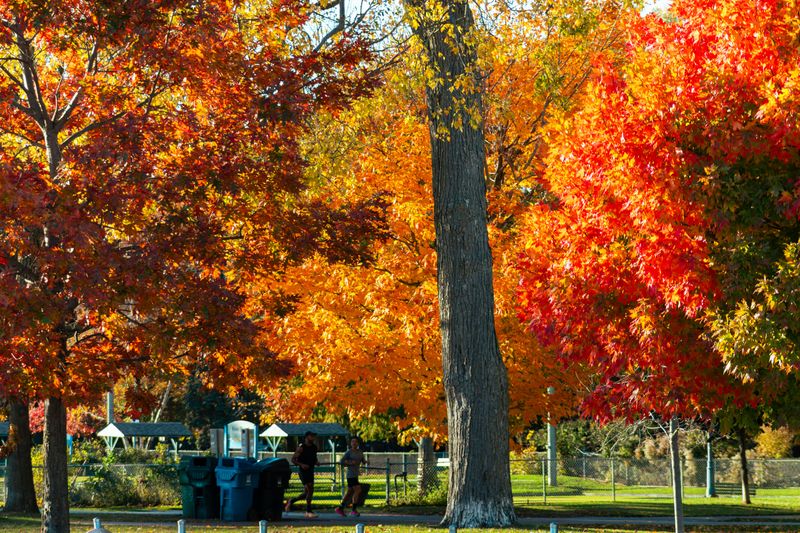
Timing explains a lot here. Squirrel digging typically peaks from September through November across New Jersey yards, with October often the busiest.
Oak, hickory, and walnut trees drop their nuts heavily in early fall. Squirrels respond like shoppers at a giant free sale.
Shorter days send a signal to their bodies that winter is coming. They switch into storage mode and dig from sunrise until late afternoon.
Some years bring a large acorn crop, called a mast year. During these years, holes can increase quickly across neighborhoods.
Your New Jersey Garden Changes Every Week. Your Plan Should Too.
Gardening in New Jersey changes quickly throughout the season. Every Friday you’ll receive a simple weekly plan showing exactly what to plant, prune, fertilize, harvest, and protect so you never miss the right timing.
Young squirrels born in summer are also learning to hoard right now. Their holes may look sloppier, a bit like a first try at baking cookies. Soft soil after autumn rain makes digging even easier. A rainy week may bring more holes.
The activity slows down once the ground freezes in December or January. After that, squirrels mostly dig to recover food rather than hide it.
Spring can bring a second round of small holes. Hungry squirrels search for leftovers before new food sources appear on the trees.
Knowing this calendar helps you plan ahead. You can protect fresh grass seed or bulbs before next year’s October rush begins.
So if holes suddenly show up this month, the season itself is a likely reason. Your yard is just part of a very old fall routine.
The Grub Mix-Up That Wastes Homeowners’ Money
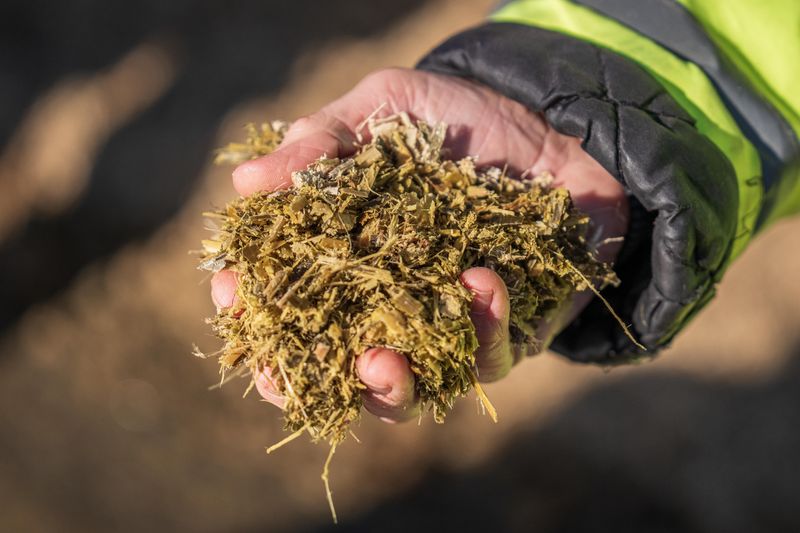
Plenty of folks rush to the garden store the moment holes appear. They grab a bag of grub control product, spread it across the lawn, and wait for results.
Here is the problem with that plan. Squirrels are not hunting grubs, so grub treatments will not stop them.
Skunks and raccoons do dig for grubs, but their damage looks different. They tear up chunks of sod and leave cone-shaped pits, often overnight.
Squirrel holes are small, round, and scattered with no torn patches. You can test the lawn by pulling back a square foot of turf.
Count the grubs you find in that square. Check Rutgers Cooperative Extension for the grub threshold for your grass type. A count below it suggests grubs are not your issue.
Another common mistake is filling holes with loose sand and walking away. Squirrels may dig right back into the soft fill.
Some people also try rodenticide baits or traps without checking local rules. New Jersey regulates trapping and pesticide use, so confirm current rules with NJ Fish & Wildlife. Baits can also harm pets and birds.
Setting out mothballs is not recommended. They can harm soil, pets, and children, and they are not approved for lawn use.
A calm look at the clues saves time, money, and frustration. Match the hole to the animal before you spend a single dollar.
Simple Repairs For A Pitted Yard
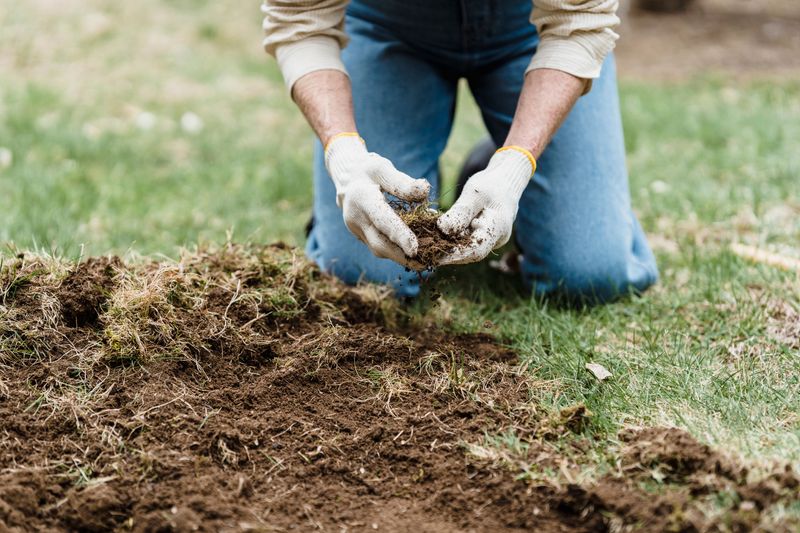
Grab a small bucket and a trowel, because this fix takes minutes. Many squirrel holes heal quickly with a little help.
Start by pressing any tossed grass flaps back into place. Step on them gently so the roots touch the soil again.
For open holes, mix topsoil with a pinch of compost. Fill each hole, pack it firmly, and leave it level with the lawn.
Sprinkle a few grass seeds on top if the spot is bare. Mid-October is near the end of the best window for seeding cool-season grasses in New Jersey, so seed soon.
Keep the patched spots lightly moist for two to four weeks, until seedlings establish. Damp soil helps seeds sprout before the first hard frost arrives.
To keep squirrels from reopening repairs, try a light layer of burlap. Avoid loose netting, which can trap birds and snakes. Remove the burlap once the grass fills in.
Scent repellents with hot pepper or garlic may also help for a short time. Spray them on patched areas and reapply after heavy rain.
Picking up fallen acorns and walnuts can help too. Less food on the ground means fewer reasons to dig.
Bird feeders attract squirrels, so move them away from the lawn. A tray under the feeder catches spilled seed before it lands.
With a weekend of small steps, your yard will look tidy again. The squirrels may move on to easier spots.
Surprise Seedlings And A Few Small Upsides
Squirrels do not recover every nut they bury. Some caches are lost to other animals or simply left behind.
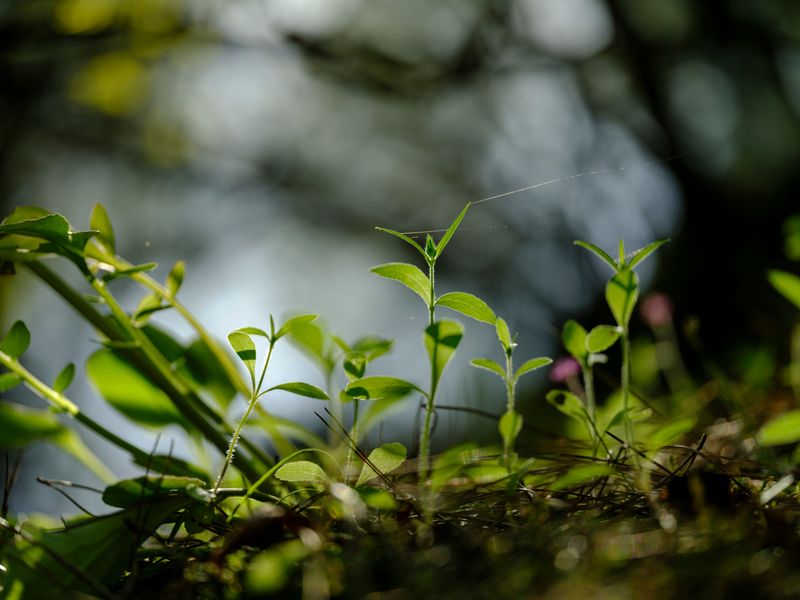
Those unrecovered acorns can sprout into baby oak trees next spring. In fact, squirrels help spread oak trees across the Northeast.
So that busy digger is also a part-time gardener. You may spot tiny oak or walnut seedlings popping up in odd places.
Pull them early if you do not want trees in the lawn. They come up easily when small, but deep roots form fast. Small holes may let a little air and water reach the soil, though the benefit is minor.
Of course, too many holes can make the lawn look bumpy. Damage often fades as grass grows back, though slower fall growth may mean waiting until spring.
Squirrel activity also suggests nut-bearing trees are nearby. Mature oaks support birds, insects, and plenty of other wildlife.
Kids often enjoy watching squirrels work in the yard. It can turn into a mini nature lesson right outside the window.
Keep a notebook and count how many squirrels visit each day. You might be surprised by their patterns and personalities.
In the end, a few holes are a small price for a lively yard. Your lawn bounces back, and the oaks keep growing.
Smart Steps For Next Fall
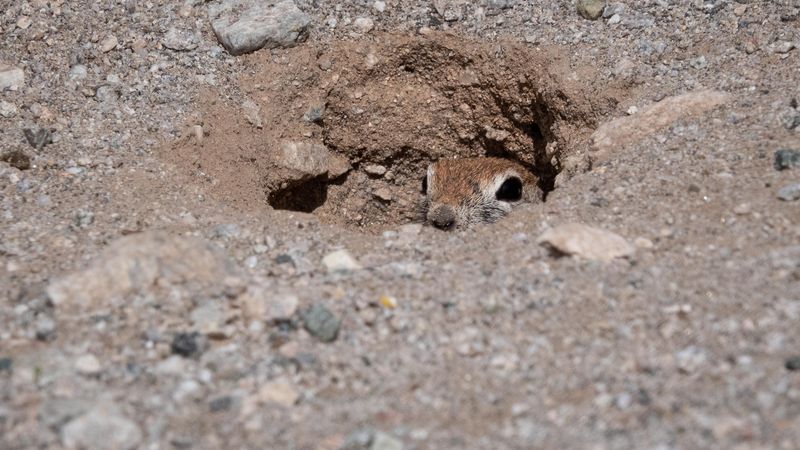
Think of next year as a chance to plan around your furry neighbors. A little planning in late summer can save your lawn.
Rake up acorns and nuts every few days in early fall. A lawn sweeper or nut gatherer tool makes the job quicker.
Plant spring bulbs under wire mesh or hardware cloth. Squirrels love digging up tulip bulbs, but daffodils taste bitter to them.
Some families set up a squirrel feeder far from the grass. Giving them an easy snack spot may pull activity away from the lawn, though it can also attract more squirrels.
Keep tree branches trimmed back from your roof and deck. That limits how easily squirrels move around your property.
Motion-activated sprinklers can startle squirrels without hurting them. A quick splash may teach them your yard is not a safe pantry, though they can get used to it over time.
A thick, healthy lawn resists digging better than thin patches. Fertilize and overseed in early fall to keep the turf dense.
Dogs that spend time outside can also discourage squirrels. Even a scent of a pet can make them think twice.
Remember that squirrels are smart and patient. Mixing a few methods works better than relying on just one trick.
With some effort, next October can look much neater. You might even enjoy watching the squirrels without grumbling at them.