Why New Jersey Rhododendrons Can’t Handle The Heat And What Actually Helps
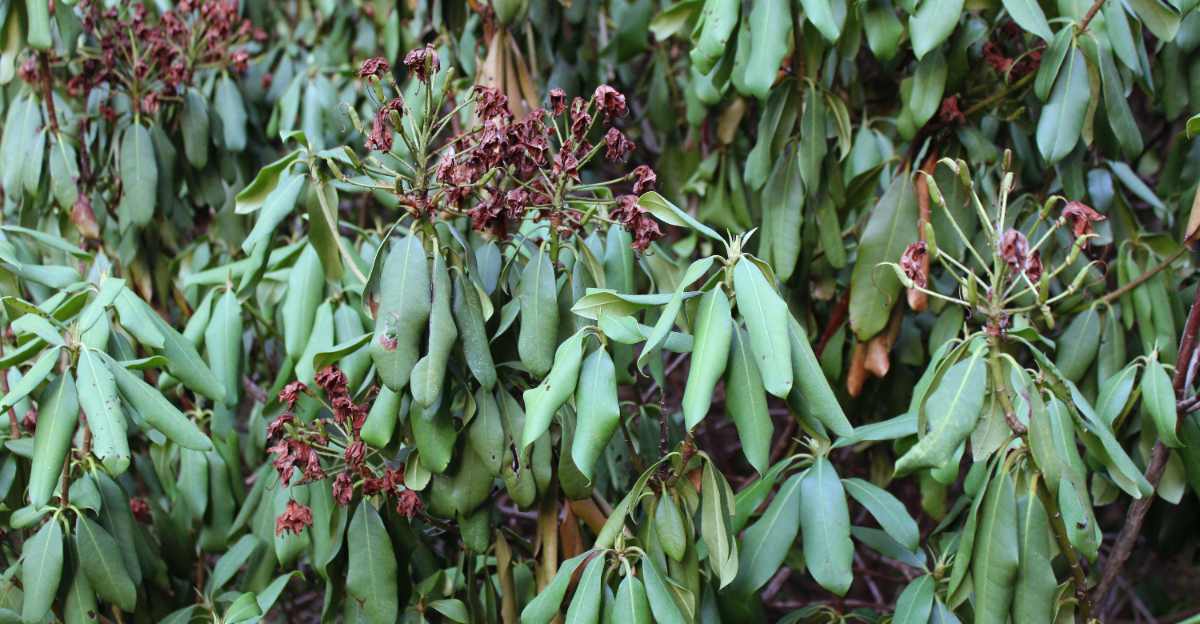
Your rhododendrons put on a show back in May, all glossy leaves and full blooms. Now they look sunburned, curled, and a little tired.
New Jersey summers don’t ease in gently. They arrive with sticky heat, dry soil, and afternoons that feel like standing too close to an oven.
Rhododendrons evolved for cool, shaded mountainsides, not the relentless glare of a New Jersey backyard in July.
The wilting and yellowing you’re seeing isn’t random bad luck. It’s a plant sending distress signals from the roots up.
Shallow root systems dry out fast, leaves curl to conserve moisture, and stress leaves the door open for pests and disease. The good news?
Once you understand what’s actually happening beneath the mulch, the solutions aren’t complicated at all. A few smart adjustments can turn a scorched shrub back into the showstopper it was designed to be.
1. Shallow Roots Dry Out Fast
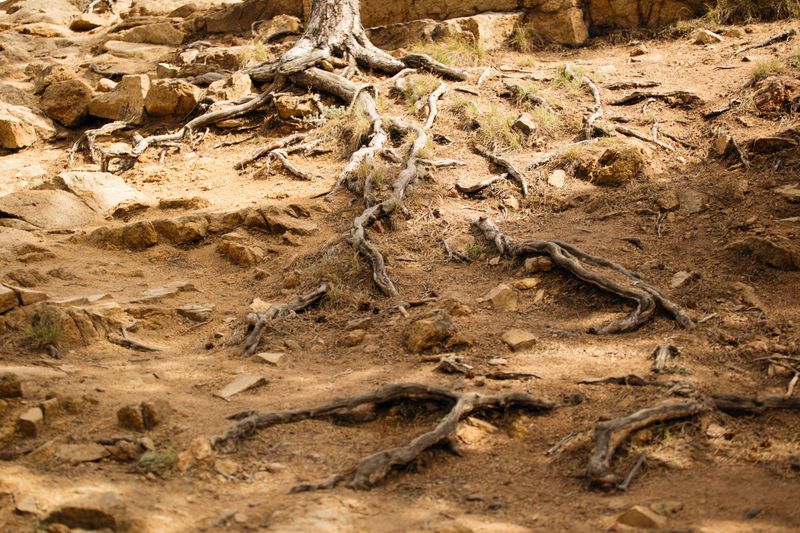
Rhododendrons are sneaky survivors with a serious design flaw. Their roots sit just a few inches below the surface, making them the first to suffer when summer heat arrives.
Most shrubs anchor deep into the earth, pulling moisture from cooler layers below. Rhododendrons skip that strategy entirely, spreading their roots wide and shallow instead.
That wide, flat root system works beautifully in cool, moist climates. In a New Jersey July, though, those same roots bake like they’re sitting on a griddle.
When the top few inches of soil dry out, the plant has nowhere else to pull water from. The roots find nothing but warm, dry dirt, and the plant starts showing stress fast.
Leaves curl inward, blooms drop early, and stems look limp even after watering. Many gardeners water more, but the problem isn’t always the amount of water given.
The real issue is how quickly that water disappears from the shallow zone. Heat pulls moisture out of the top layer of soil within hours on a hot afternoon.
Protecting that shallow root zone is the single most important thing you can do. Everything else builds on this one core understanding: mulch, shade, and timing.
Once you see your rhododendron’s root zone as a fragile, exposed layer, your whole care routine shifts. Keeping that zone cool and moist makes the biggest difference these plants could ask for.
2. Rhododendrons Lose Moisture Through Broad Leaves
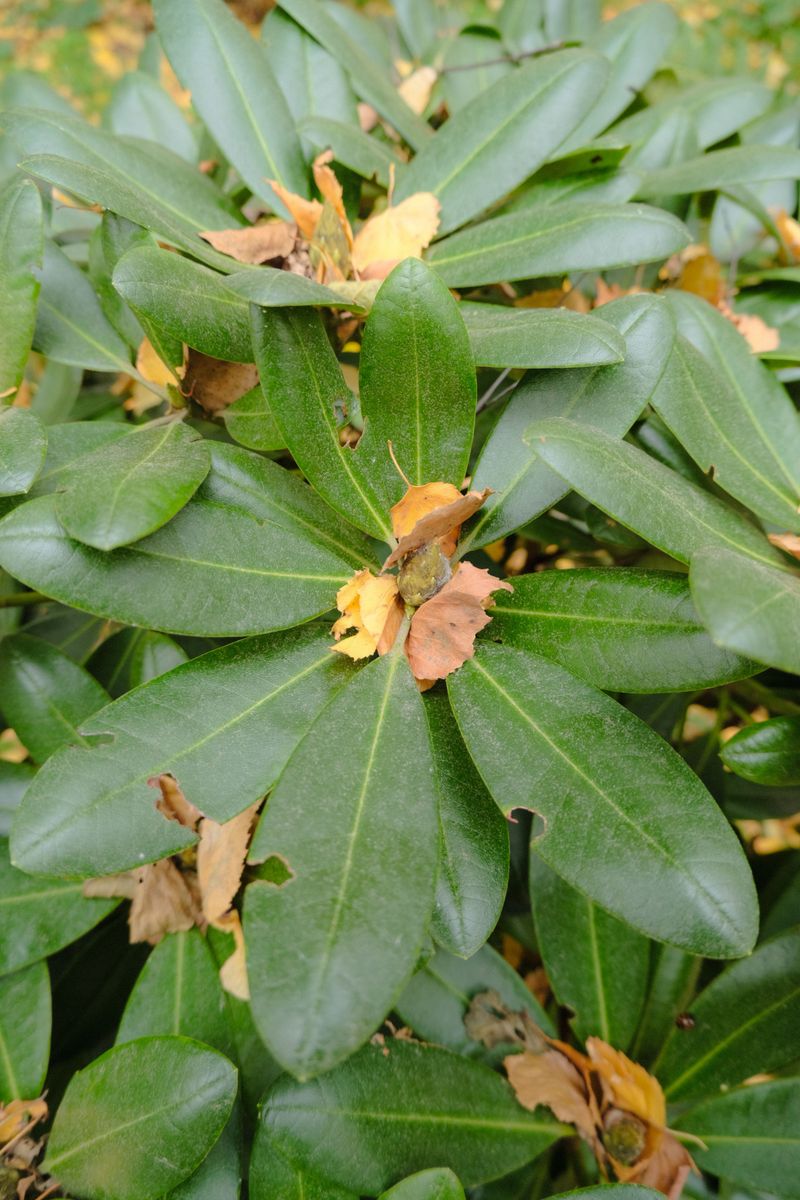
Those big, glossy leaves look stunning in spring, but they become a liability when temperatures climb. Rhododendrons lose water through their leaves constantly, a process called transpiration.
On a hot, breezy day, a single shrub can lose gallons of water through leaf surfaces alone. The plant pulls moisture from the roots to replace what the leaves release into the air.
When the roots can’t keep up with demand, the leaves start curling as a defense move. That curl reduces the surface area exposed to air, slowing water loss just enough to survive.
You might think curled leaves mean the plant needs more water right now. Sometimes that’s true, but sometimes the roots are already soaked and the leaves are just overwhelmed by heat.
Your New Jersey Garden Changes Every Week. Your Plan Should Too.
Gardening in New Jersey changes quickly throughout the season. Every Friday you’ll receive a simple weekly plan showing exactly what to plant, prune, fertilize, harvest, and protect so you never miss the right timing.
Broad, flat leaves also absorb more radiant heat from direct sunlight than narrow leaves do. That extra heat speeds up transpiration even further, creating a cycle the plant struggles to break.
Wind makes things worse by pulling moisture off leaf surfaces faster than calm air does. Planting rhododendrons in a spot with afternoon wind protection helps reduce this moisture drain significantly.
Spraying leaves with water during extreme heat offers temporary relief but doesn’t solve the root issue. Addressing the source of moisture loss requires managing both sun exposure and wind.
Think of those broad leaves as beautiful but demanding passengers on a long summer road trip. They need constant resupply, and the plant pays the price when supplies run short.
3. Compacted Soil Blocks Water From Roots
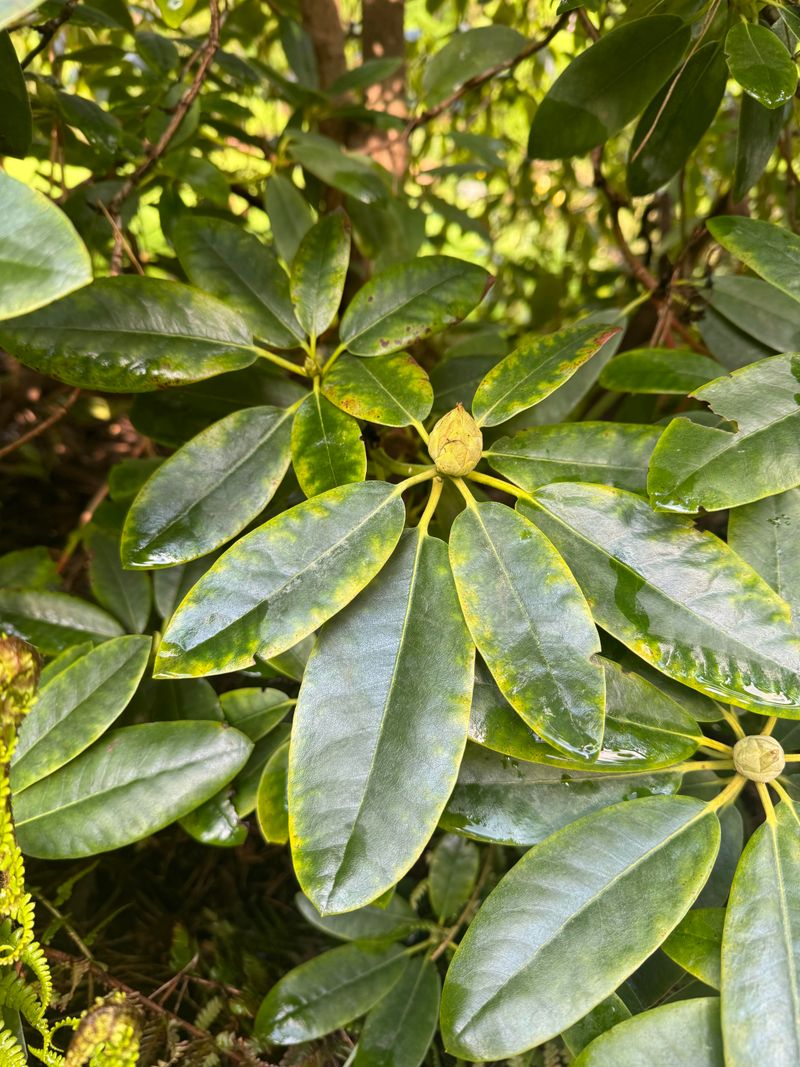
Hard soil is one of the sneakiest enemies a rhododendron has. Water can pour down on compacted ground and run straight off without ever reaching the roots below.
New Jersey has plenty of clay-heavy soil that compacts easily under foot traffic and lawn equipment. Once that soil hardens, it acts almost like pavement, shedding water instead of absorbing it.
Rhododendrons need loose, airy soil to thrive because their shallow roots need oxygen as much as moisture. Compacted soil cuts off both, leaving roots suffocating in hard, dry ground.
You can test your soil by pressing a screwdriver into the ground near the plant base. If it won’t go in easily, your soil is too compacted for healthy root function.
Breaking up compaction around rhododendrons requires care because their roots are so close to the surface. Aggressive tilling can shred those shallow roots and cause more harm than the compaction itself.
A better approach is top-dressing with compost and letting earthworms do the slow, gentle loosening work. Over time, organic matter works its way down and opens up the soil structure naturally.
Adding peat moss or pine bark mulch around the base also helps keep the soil from re-compacting.
These materials improve drainage and keep the root zone from turning back into concrete after rain. Loose soil is the foundation everything else depends on.
Without it, even perfect watering and shade won’t save a rhododendron struggling through a tough New Jersey summer.
4. Heat Weakens Their Water Absorption
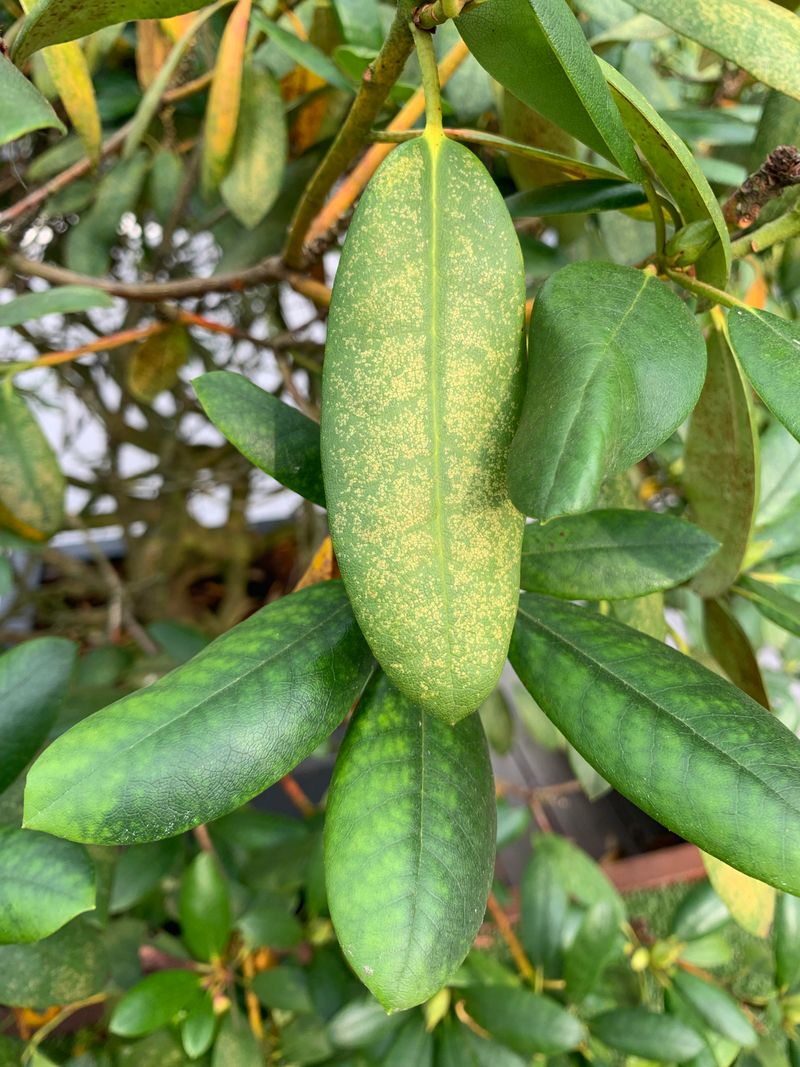
Heat-stressed plants often struggle to pull up water even when it’s technically available in the soil, a pattern well known among gardeners who’ve watched watering seemingly stop working. Rhododendrons are especially vulnerable to this effect.
Root cells work like tiny pumps, pulling water up through the plant. When soil temperatures climb well above what these plants are used to, those pumps slow down and become far less efficient at their job.
On a New Jersey afternoon, soil in full sun can easily reach that point. The roots are there, the water is there, but the connection between them breaks down.
Leaves wilt, stems droop, and gardeners assume the plant needs more water. Adding more water to already warm soil doesn’t fix the absorption problem and can lead to other issues.
The solution focuses on cooling the soil rather than just adding more water to it. Lowering soil temperature by even a modest amount can restore normal root function quickly.
Mulch is the most effective tool for keeping soil temperatures in a safe range during hot spells. It acts as insulation, blocking the sun’s energy from cooking the ground beneath the plant.
Once you understand that heat disrupts absorption, not just availability, your whole strategy changes. Cooling the root zone becomes the priority, and that shift makes all the difference.
5. Deep Watering Beats Frequent Light Sprinkles
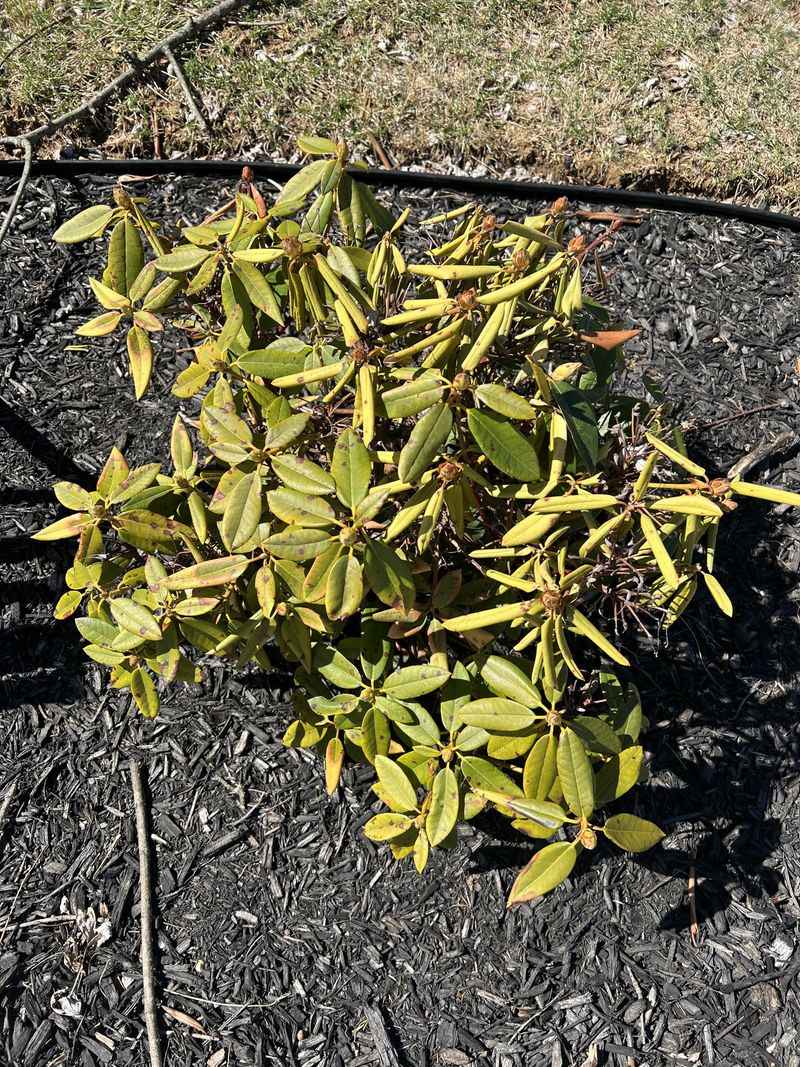
Sprinkling a little water on your rhododendron every day feels responsible, but it’s actually working against the plant. Shallow, frequent watering trains roots to stay near the surface where heat is worst.
Deep, infrequent watering pushes moisture further down and encourages roots to follow it. Even shallow-rooted rhododendrons benefit from water that penetrates several inches below the surface.
A good deep watering means letting water soak slowly into the soil for 20 to 30 minutes. Running a hose at a trickle near the base is far more effective than a quick overhead spray.
Soaker hoses are an excellent investment for rhododendron beds because they deliver water slowly and directly. They put moisture exactly where the roots are without wetting the leaves or wasting water to evaporation.
Drip irrigation systems work similarly and can be set on timers for consistent, hands-off deep watering. Setting them to run in the early morning gives water time to soak in before heat peaks.
One deep watering every three to four days usually outperforms daily light sprinkles during summer. The soil stays consistently moist at root depth rather than cycling between wet and bone-dry on the surface.
Checking moisture levels before watering prevents overwatering, which can cause root rot in waterlogged soil. Stick your finger two inches into the ground near the plant base to check moisture before adding more.
Deep watering is one of those simple changes that shows results fast. Roots stay cooler, plants look stronger, and you spend less time worrying about your New Jersey rhododendrons.
6. Mulching Holds Moisture And Cools Roots
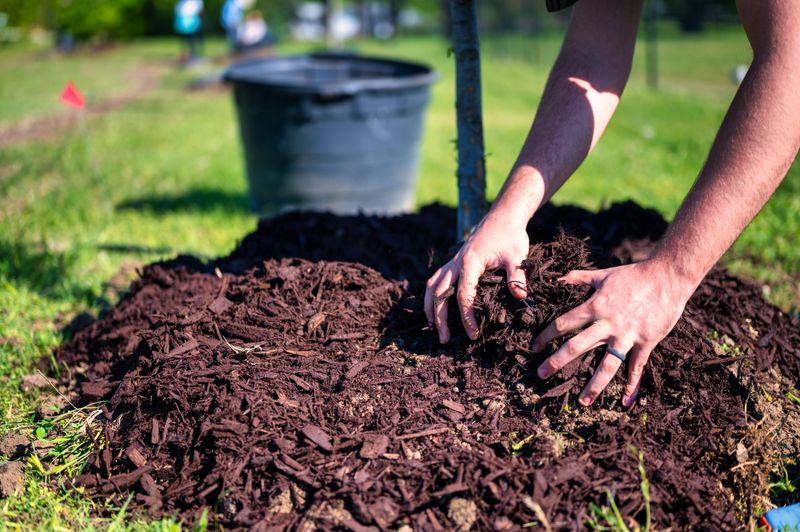
Mulch is basically sunscreen for your rhododendron’s root zone, and it works remarkably well. A thick layer of organic material keeps the soil beneath it noticeably cooler than bare ground, sometimes by a significant margin.
That difference matters a lot for shallow-rooted plants like rhododendrons. Pine bark mulch is a top choice for rhododendrons because it’s acidic, which matches what these plants prefer.
As it breaks down, it also adds organic matter that improves soil structure over time. Shredded leaves are another excellent option and often free if you save them from fall cleanup.
They mat together nicely, hold moisture well, and feed the soil as they decompose through summer.
Apply mulch in a layer about three to four inches deep around the plant base. Keep it a few inches away from the main stem to prevent moisture buildup against the bark.
Mulch also suppresses weeds that compete with rhododendrons for water and nutrients during dry spells. Fewer weeds mean more moisture stays available for the plant instead of being stolen by competitors.
Refresh your mulch layer each spring before summer heat arrives. Over winter, organic mulch breaks down and thins out, so topping it off restores its insulating and moisture-holding power.
A well-mulched rhododendron bed looks tidy, holds water longer, and stays cooler all summer. It’s one small habit that quietly does most of the work for these heat-sensitive shrubs.
7. Morning Watering Cuts Evaporation Loss
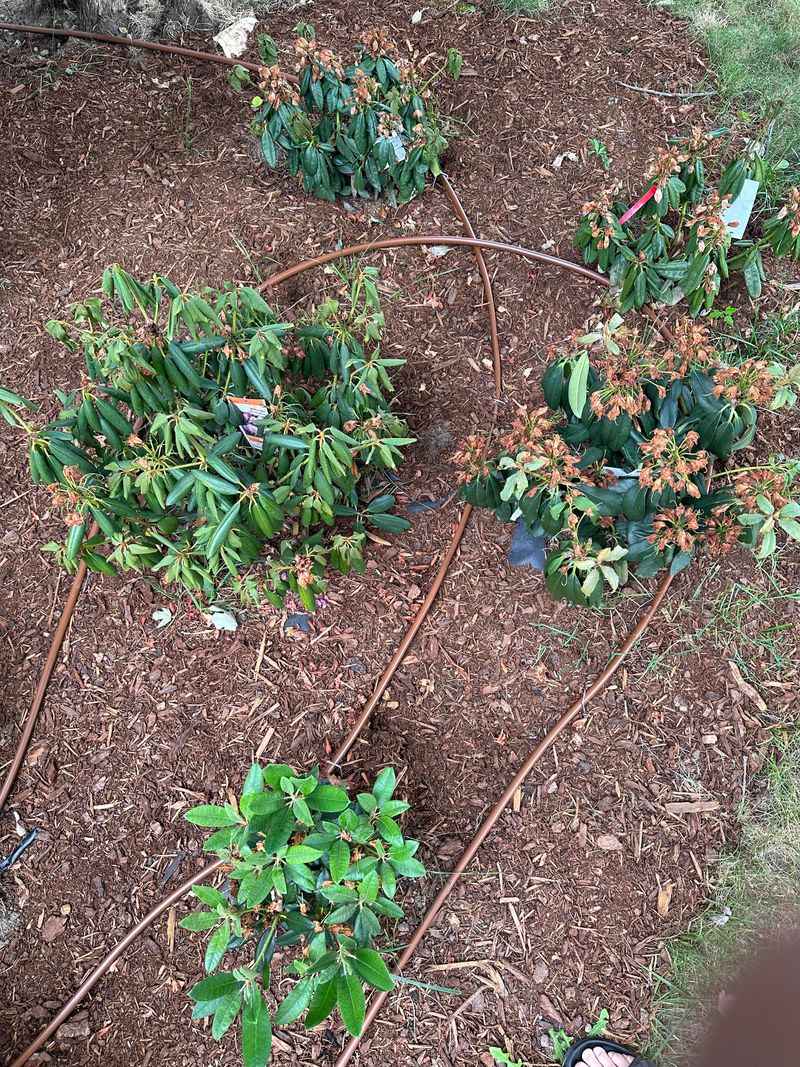
Timing your watering might sound like gardening trivia, but it makes a measurable difference for rhododendrons. Water applied in the morning soaks into the soil before heat has a chance to steal it.
By midday, soil surface temperatures can climb high enough to evaporate water almost as fast as it lands. Watering at noon is a bit like pouring water onto a hot skillet, most of it vanishes before it helps.
Morning watering also allows any water that splashes on leaves to dry off before nighttime. Wet leaves sitting in cool, dark conditions invite fungal problems that weaken already heat-stressed plants.
Evening watering is the second-worst option, right after midday. The soil cools overnight, but foliage stays wet for hours, creating ideal conditions for mildew and leaf spot diseases.
Aim to water between 6 and 9 in the morning for the best results. At that hour, temperatures are low, wind is usually calm, and the soil is ready to absorb moisture efficiently.
Using a drip system or soaker hose on a timer makes morning watering automatic and effortless. You don’t have to drag hoses before your first cup of coffee if the system does it for you.
Many municipal water systems also see less demand in early morning, which can mean steadier flow for your irrigation system during that window.
Shifting your watering to mornings is one of those small habit changes that pays off quickly. Your rhododendrons will show the difference within a week of making the switch.
8. Providing Afternoon Shade Eases Drought Stress
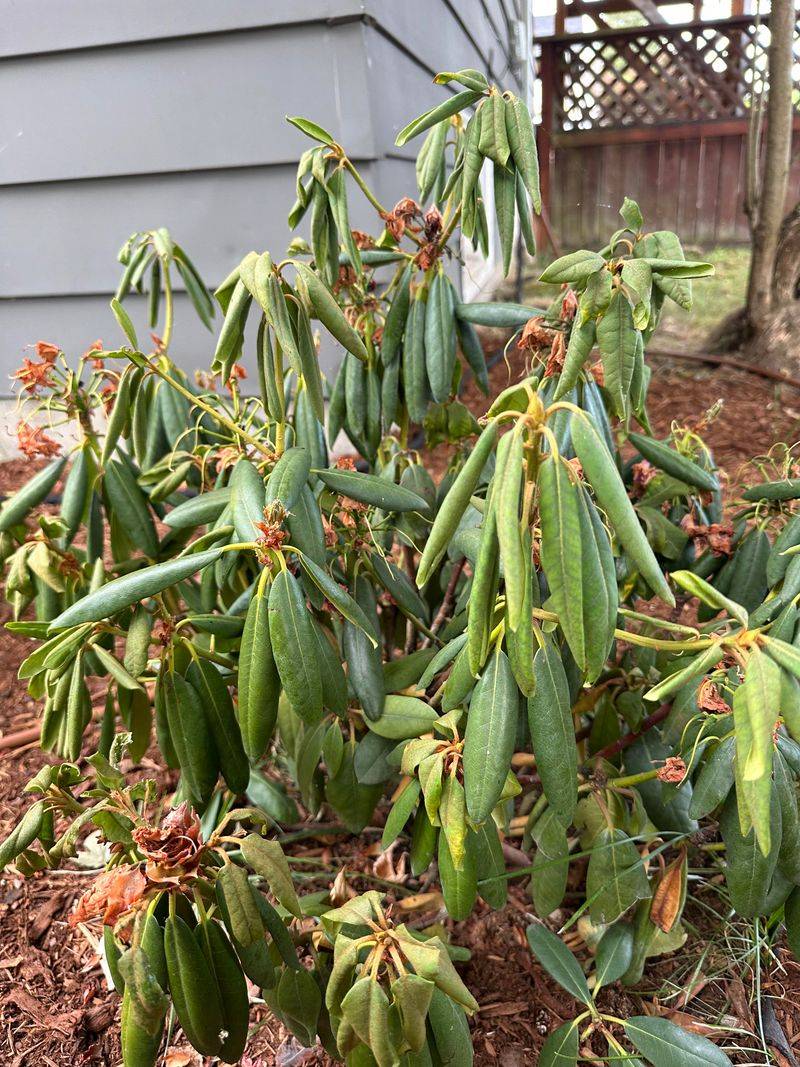
Afternoon sun in New Jersey hits like a furnace between 1 and 5 PM, and rhododendrons take the full force of it in exposed spots. Blocking that intense light is one of the most effective ways to reduce heat stress.
Rhododendrons evolved in forested environments where filtered light was the norm, not harsh direct sun. Placing them where a structure or tall tree blocks the western sun mimics their natural habitat perfectly.
Even a few hours of afternoon shade can noticeably lower leaf surface temperatures. That reduction slows transpiration, reduces water demand, and keeps the plant from exhausting its moisture reserves.
Tall deciduous trees planted to the west of your rhododendron bed create natural afternoon shade without blocking morning light. Morning sun is gentler and actually helps dry dew off leaves before fungal problems develop.
Shade cloth is a practical option for exposed beds where planting trees isn’t possible. A 30 to 40 percent shade cloth draped over a simple frame provides meaningful relief during the hottest weeks.
Fences, trellises, and even large potted plants can create strategic shade in smaller garden spaces. Think about where the sun falls between 1 and 5 PM and position barriers accordingly.
Newly planted rhododendrons need extra shade for their first two summers, while roots are still settling in. Established plants handle heat better, but even mature shrubs benefit from afternoon protection during heat waves.
Shade is often the one thing struggling New Jersey rhododendrons still need. Pair it with deep watering and mulch, and these heat-sensitive beauties finally get the relief they need to thrive.