Your New York Rhododendrons Need A Little October Help For A Big Spring Show
Next May’s burst of pink, purple, and white rhododendron blooms is already decided. The buds are sitting at the tip of every branch right now, waiting out the cold.
Fall is when these shrubs quietly brace for a long winter, and they could use a hand. A few simple chores now can mean the difference between tired, brown leaves and a yard full of flowers.
New York winters test rhododendrons in every way possible. Biting wind, heavy snow, and salty roads all take their toll.
Some of the most helpful tasks might surprise you, and a couple could even save you work. Knowing when to water and when to leave the pruners alone makes a big difference.
Even those tightly curled leaves on frosty mornings aren’t a reason to panic. Give your rhodies the right care now, and they’ll thank you in spring.
1. Next Spring’s Flower Buds Are Already Set
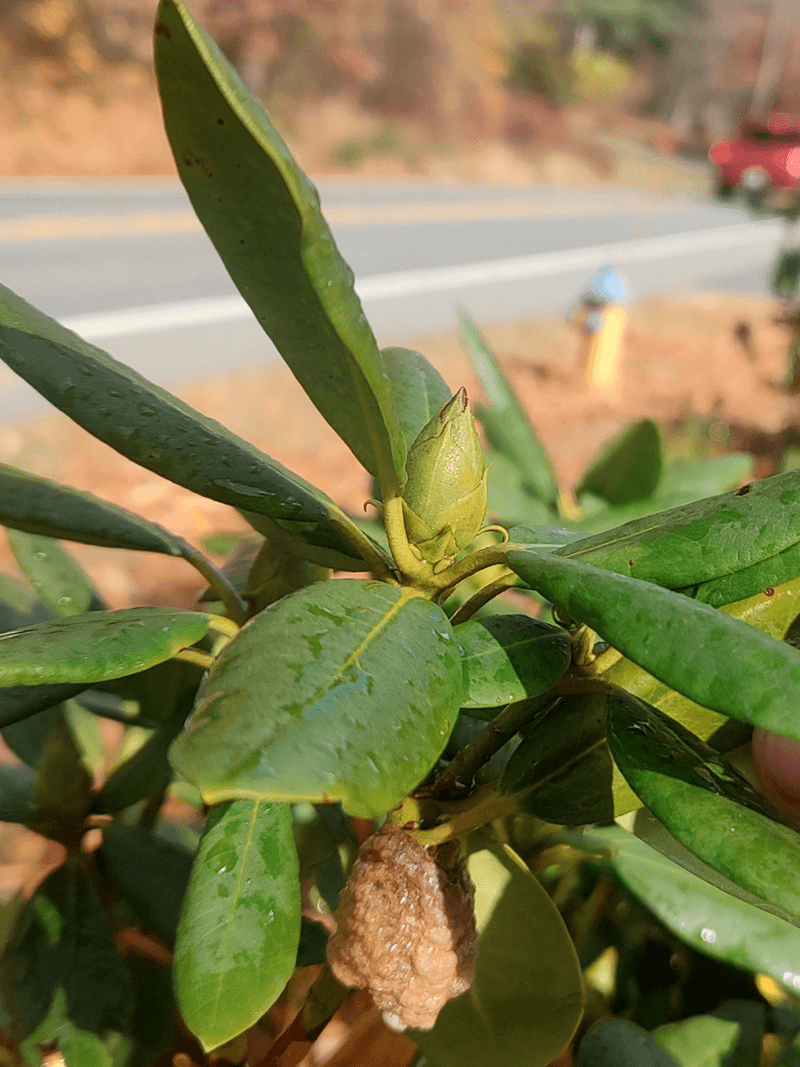
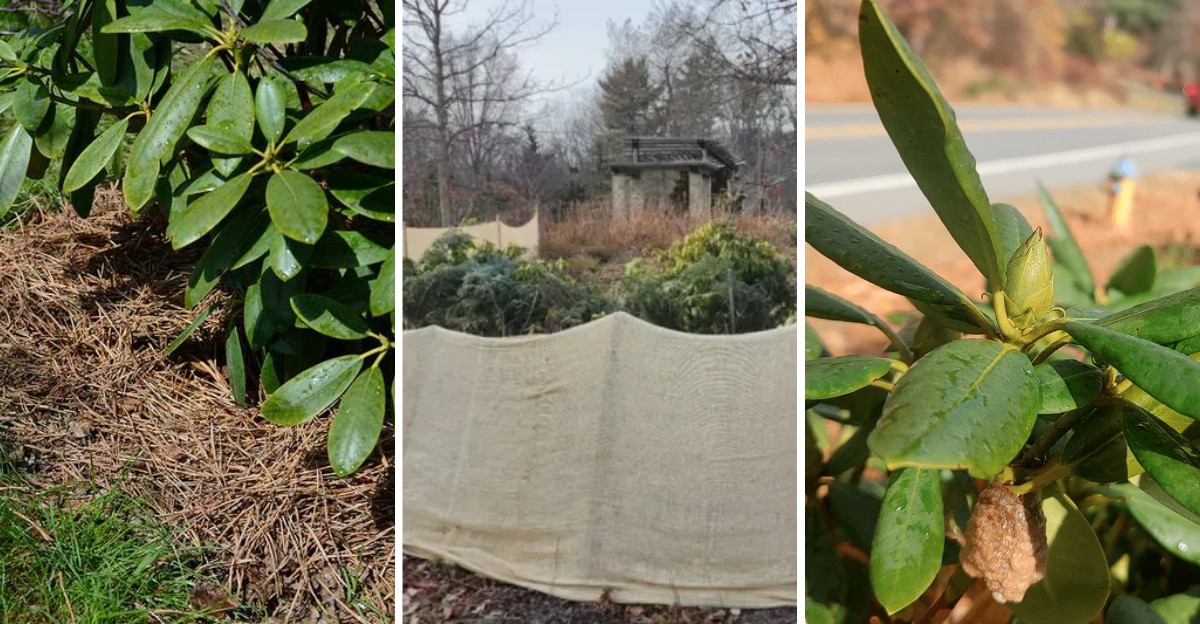
Peek at the tips of your rhododendron branches right now. You will spot plump, pointed buds that look a bit like tiny green pinecones.
Those fat buds hold next spring’s flowers, already packed and waiting. Rhododendrons form them in late summer and early fall, long before the first frost arrives.
Leaf buds look different, so learning the difference helps a lot. Flower buds are round and chunky, while leaf buds are slim and narrow.
Knowing what you are looking at changes how you treat the plant this fall. Every snip, bump, or careless step could cost you a future bloom cluster.
Gardeners across New York are often surprised by this early timing. Many assume flowers form in spring, but the shrub planned its party months ago.
Here is a fun habit worth trying this October. Count the flower buds on one shrub and write the number down in a notebook.
Next May, compare that count to the actual blooms you see. You will learn quickly how well your fall care protected those precious buds.
Few buds this year can hint at a problem from summer. Too much shade, drought in August, or late pruning often leads to a thin bud set.
Healthy buds deserve a little extra attention as cold weather moves in. Water, mulch, and wind protection all help them survive until spring.
Treat those buds like wrapped presents under a tree. Your job this fall is simply to keep them safe until opening day arrives.
2. A Deep Drink Before Freeze-Up Prevents Winter Burn
Evergreen leaves keep working all winter, even when the ground turns to stone. Rhododendron leaves lose moisture to sun and wind on every chilly, bright day.
Frozen soil locks water away from the roots. The plant cannot replace what it loses, so the leaf edges turn brown and crispy.
Gardeners call that damage winter burn. It is one of the most common complaints after dry winters.
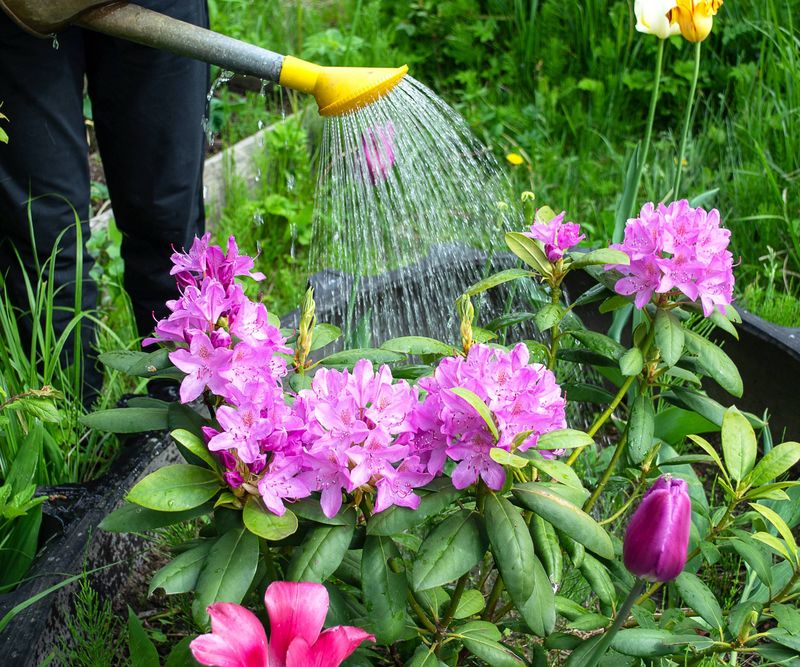
The best defense is a long, slow soaking before the ground freezes. Think of it as filling the plant’s water tank for a long road trip.
Your New York Garden Changes Every Week. Your Plan Should Too.
Gardening in New York changes quickly throughout the season. Every Friday you’ll receive a simple weekly plan showing exactly what to plant, prune, fertilize, harvest, and protect so you never miss the right timing.
Keep watering through October and November if rain stays scarce. Aim for about an inch of water each week, soaking the soil deeply.
A handy rule many growers follow is simple. Give your rhododendrons one final heavy soaking around Thanksgiving before the hoses go away.
Let the hose trickle at the base for twenty to thirty minutes. Slow water sinks in better than a quick blast that runs off.
Anti-desiccant sprays offer a second layer of protection. These products coat the leaves with a thin film that slows moisture loss.
Spray them on a calm day when temperatures sit near 40 degrees. Skip spraying once hard freezes arrive, because the coating will not set well.
Check the soil with your finger before each watering. Damp soil a few inches down means you can wait a few more days.
3. Fresh Mulch Protects Their Shallow Roots
Imagine sleeping through a New York January with only a thin sheet. Rhododendron roots face something similar, since most of them sit just under the surface.
Shallow roots get hit hard by freezing and thawing cycles. A good blanket of mulch keeps the soil temperature steadier and holds in moisture.
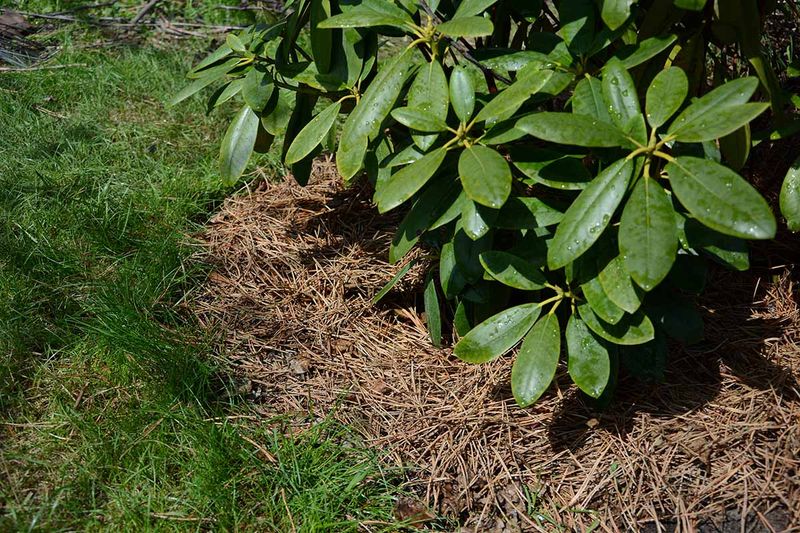
Pick a mulch that suits acid lovers, like shredded pine bark, pine needles, or chopped oak leaves. They won’t change your soil’s pH much, but they look natural and do a great job insulating.
Spread the mulch two to three inches deep. Thicker piles can smother roots and keep air from reaching them.
Cover the ground from near the trunk out to the drip line. The drip line is the outer edge where rain falls off the branches.
Keep a small gap around the main stem itself. Mulch piled against bark traps moisture and invites rot and hungry rodents.
Late fall or early winter is a great time for this chore. The soil has cooled, and the mulch will lock in that steady chill.
Got a big oak tree nearby? Run over fallen leaves with a lawn mower and you have free, perfect mulch.
Shredded leaves break down slowly and feed the soil over time. Whole leaves can mat together, so chopping them first really pays off.
Rake away any old, packed mulch before adding the new layer. Fluffy mulch breathes better and does a far better job insulating.
4. Put The Pruners Away Until After Spring Bloom
Fall cleanup fever is real. You rake, you trim, and suddenly that leggy rhododendron looks like your next target.
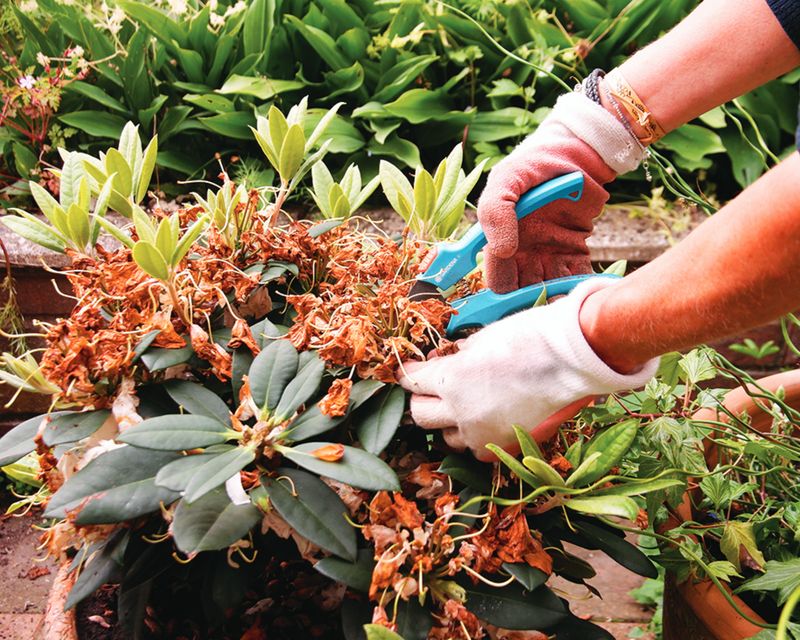
Hold that thought and hang those pruners back on the hook. Cutting now removes the flower buds that formed weeks ago.
One fall haircut can wipe out a whole spring display. You would be trading a tidier shape for a season with barely any color.
The sweet spot for pruning comes in late spring. Trim right after the flowers fade, usually in late May or June.
Pruning then gives the shrub the longest stretch to grow new buds. By the following fall, fresh buds will be sitting pretty again.
A few exceptions do exist. Broken, diseased, or lifeless branches can come off almost any time of year.
Avoid even those cuts on freezing days, though. Frozen wood is brittle and may split instead of cutting cleanly.
While waiting, try trimming next spring as a bonus habit. Gently snap off spent flower clusters to help the plant focus on new buds.
Wear gloves for that job, since the old blooms get sticky. Be careful not to snap the tiny new shoots tucked just below.
Patience is the secret skill here. Rhododendron lovers often say the best pruning tool is simply waiting.
5. Skip Fertilizer Until Spring
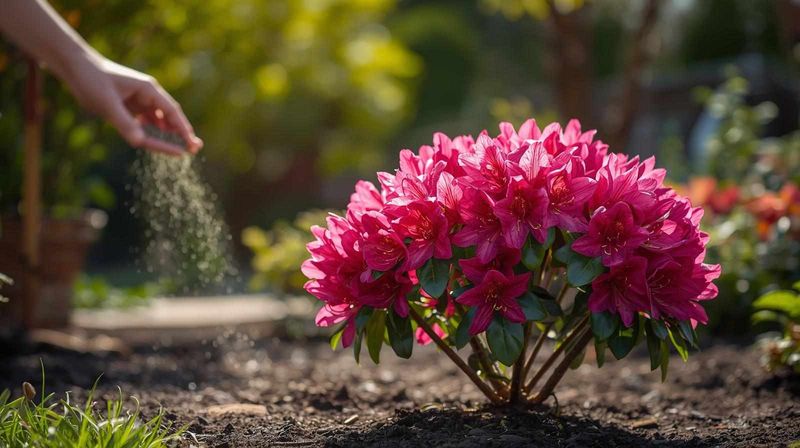
Feeding a plant seems kind, but timing changes everything. A fall snack can actually set your rhododendron up for winter trouble.
Nitrogen pushes plants to grow fresh, soft shoots. Those tender stems have no time to toughen before the first hard freeze.
Cold weather then damages that new growth quickly. You may see blackened tips and weak branches when spring finally rolls around.
Most experts suggest stopping all feeding after mid-July. That cutoff gives the shrub plenty of time to harden off before winter.
So what should you do with that bag of plant food? Tuck it away in a dry spot until late winter or early spring.
Watch for the moment buds begin to swell. That is your signal to sprinkle an acid-loving fertilizer around the drip line.
Products made for azaleas, hollies, and rhododendrons work well. Follow the label closely, since too much can burn shallow roots.
Many New York gardens already have decent soil for these shrubs. A simple soil test from your local Cornell Cooperative Extension office can confirm that.
Testing tells you if your soil pH stays in the happy range. Rhododendrons prefer a pH between about 4.5 and 6.0.
Your fall job is easier than you think. Skipping fertilizer now means less work and stronger plants come spring.
6. Burlap Screens Block Harsh Winter Wind
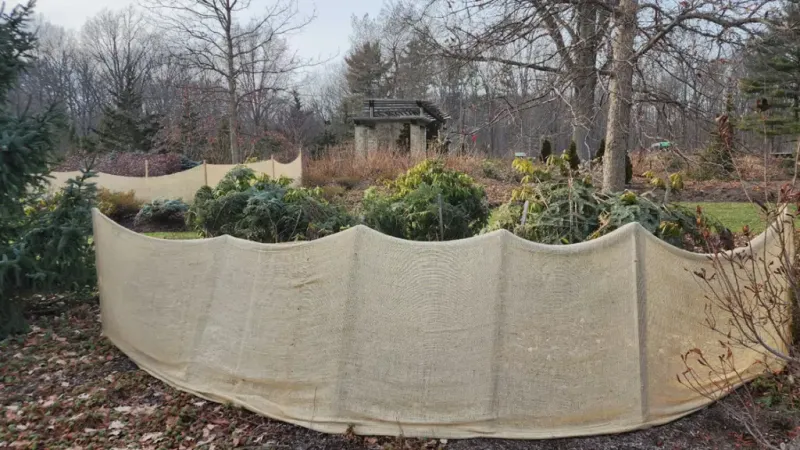
Ever stood on a windy corner in Buffalo or Rochester in January? Your rhododendrons feel that same sting, and they cannot turn away.
Winter wind pulls moisture right out of evergreen leaves. Combine that with frozen soil, and leaves turn brown and papery fast.
Burlap screens act like a sturdy windbreaker for your shrubs. They slow the wind without blocking all the air and light.
Setting one up is easy. Pound three or four wooden stakes into the ground around the plant, a few inches from the branches.
Wrap burlap around the stakes and staple it in place. Leave the top open so air can move and moisture can escape.
Timing matters for those stakes. Install them before the ground freezes solid, or you will be fighting rock-hard soil.
Exposed spots need screens the most. Shrubs facing west or northwest, or sitting near open lawns, take the hardest hits.
Avoid wrapping burlap tightly around the branches themselves. Tight wrapping can trap heat and moisture, which invites mold and rot.
Plastic sheeting might seem like a cheap swap, but skip it. Plastic heats up on sunny days and can actually harm the leaves.
Burlap is cheap and reusable for several seasons. Roll it up in spring, store it dry, and it will be ready next October.
7. Curled Leaves In Cold Weather Are Normal
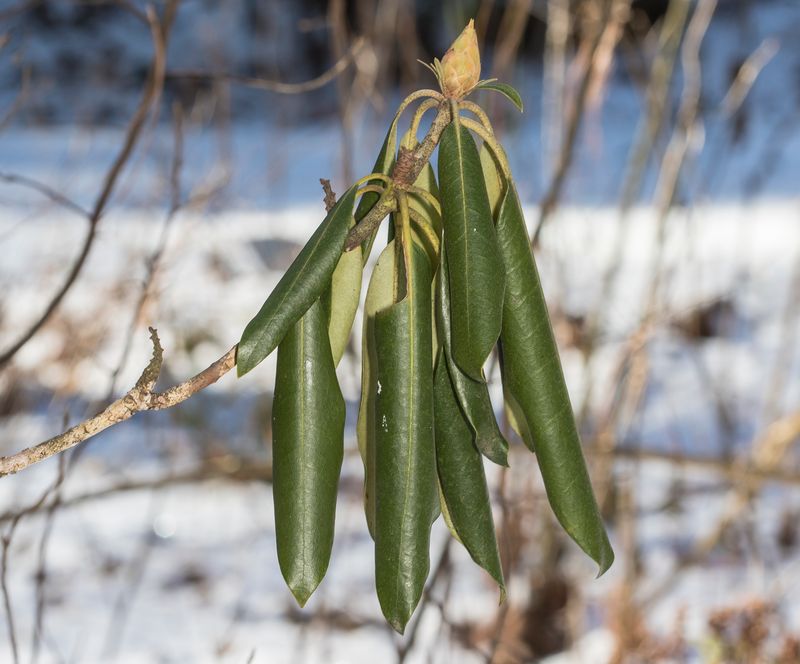
Plenty of first-time growers panic on a frigid morning. They look outside and see rhododendron leaves rolled up like skinny cigars.
Take a breath, because the plant is fine. Scientists call that clever trick thermonasty, a natural reaction to cold.
The leaves work almost like a living thermometer. Above 40 degrees, they lie flat and open.
Near freezing, around 32 degrees, they start to droop. Below about 25 degrees, they curl tightly and hang straight down.
Curling shrinks the leaf surface facing wind and sun. Less exposed surface means less water loss on those dry winter days.
Rolled leaves also thaw more slowly on bright mornings. Gradual thawing protects the leaf cells from sudden damage.
Some gardeners glance at their rhodies before choosing a coat. Tight curls mean bundle up, while flat leaves hint at a milder day.
Watch for leaves that stay curled when temperatures warm, though. Lasting curl in mild weather can point to thirsty roots or root damage.
Check soil moisture if that happens during a thaw. A deep watering on a mild day might be all the shrub needs.
Once spring sunshine returns, the leaves relax and unfurl. Your shrub simply wakes up from its winter crouch and gets back to business.
8. Keep Road Salt Spray Far Away
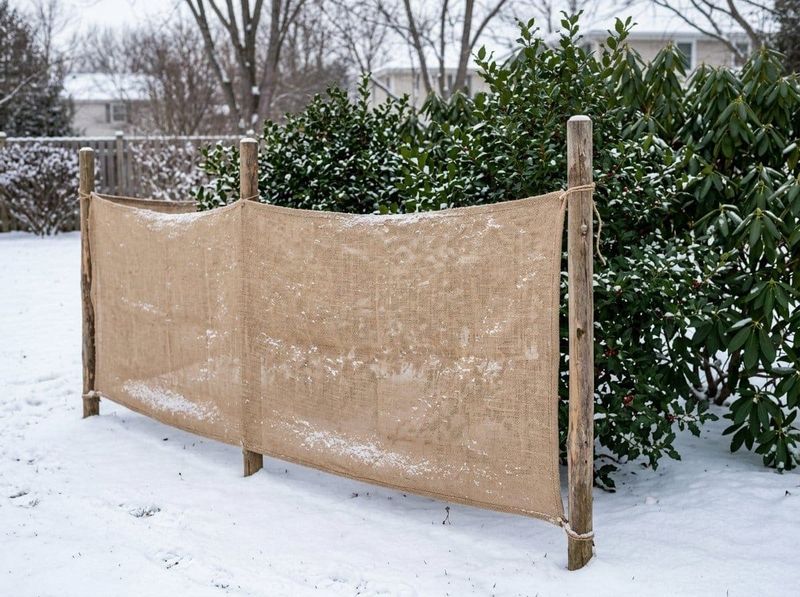
Snowplows rumble down the street, and a salty mist drifts across your yard. Rhododendrons near the road quietly suffer from that spray all winter.
Salt pulls moisture out of leaves and roots. Damaged shrubs show brown edges, scorched patches, and weak growth in spring.
Salt also builds up in the soil over time. That buildup makes it harder for roots to drink, even when the ground is wet.
A burlap fence between the road and your plants helps a lot. It catches salty spray before it lands on the leaves.
Planting location matters for future shrubs. Experts suggest planting sensitive types well back from busy pavement when possible.
Not every yard has that kind of space. If yours does not, choose a sheltered spot behind a fence or hedge instead.
Watch your own sidewalk habits too. Swap regular rock salt for sand or a plant-friendly deicer near garden beds.
Shoveling snow onto your rhododendron bed is another sneaky problem. Snow from driveways often carries salt right into the root zone.
Spring offers a simple rescue step. Once the ground thaws, give the bed a long, deep soaking to flush salt below the roots.
City and suburban gardeners across New York face this issue every year. A little planning now spares your shrubs plenty of stress later.
9. Brush Heavy Snow Off Gently
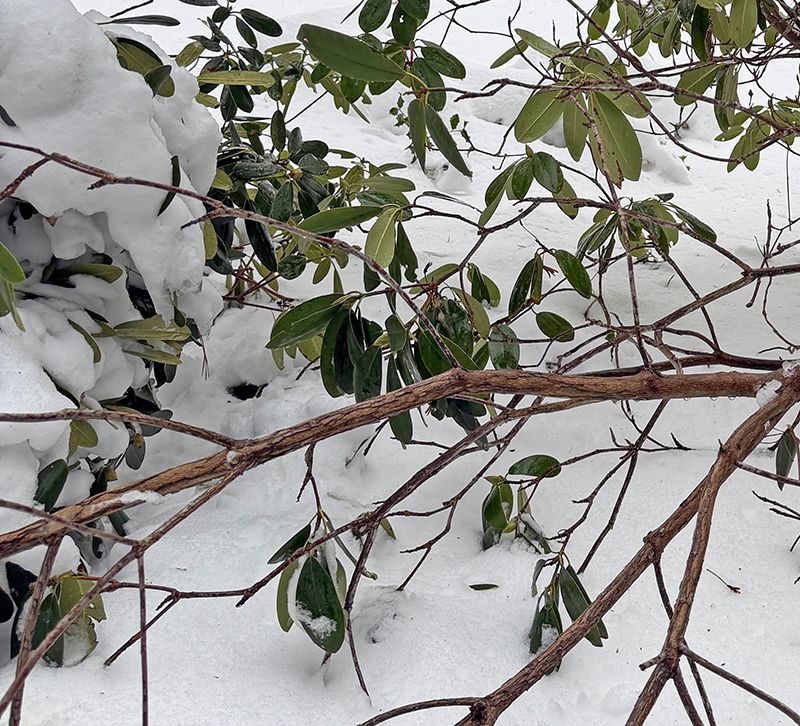
Lake-effect storms can dump a foot of snow overnight. By morning, your rhododendron may look like a lumpy white mushroom.
Heavy, wet snow bends branches far past their comfort zone. Young shrubs and thin stems are most likely to crack under the weight.
Grab a soft broom and step outside after the storm. Sweep upward under the branches to lift the snow away.
Pushing down on frozen branches is a big mistake. Cold wood turns brittle and can snap with surprising ease.
Work slowly from the bottom branches upward. Clearing low limbs first keeps snow from the top crashing onto them.
Ice is a different story entirely. Leave ice-coated branches alone and let the sun melt them free.
Chipping at ice usually breaks more wood than it saves. Patience protects both the branches and those valuable flower buds.
Light, fluffy snow is actually helpful, believe it or not. A soft layer insulates the lower branches and the root zone like a cozy quilt.
So there is no need to remove every flake. Focus on heavy clumps that clearly bend or strain the branches.
Shrubs under roof edges need special care. Sliding snow from roofs can flatten them, so a simple wooden A-frame cover is a smart New York trick.