Florida Basil Can Survive Heat And Rain With One Change
Florida basil has a survival problem that most gardeners misdiagnose. The heat gets blamed.
Then the rain. Then both at once during the stretch of summer when basil looks worst and the temptation to pull it and start over feels like the only reasonable option.
The heat and rain are not the problem. How the basil is set up to handle them is.
One change to how Florida basil gets grown shifts the entire relationship between the plant and the conditions that were defeating it. Not a different variety, not a different location, not a complicated care regimen.
One change. The kind that takes an afternoon to implement and then runs itself for the rest of the season while the basil does what Florida basil is actually capable of doing when it has what it needs.
The plant that looked finished in July can look completely different by September.
1. Summer Heat Is Not The Problem That Usually Takes Basil Down
Most people who grow basil know it loves warmth. As a true warm-season herb, basil generally thrives when temperatures climb and sunshine is plentiful.
So when plants start looking rough in July or August, blaming the heat feels like an obvious answer. The problem is that this conclusion often misses the real cause.
Basil downy mildew, caused by the pathogen Peronospora belbahrii, is a far more common summer threat than heat stress for susceptible sweet basil. This disease tends to strike during the same weeks when temperatures peak, making it easy to confuse the two.
Florida humidity and prolonged leaf wetness, not temperature alone, create the conditions where the disease spreads most aggressively.
Heat-related stress does exist as a separate issue. Containers sitting on concrete can absorb reflected heat, raising root temperatures significantly.
Plants in dry pots that lack consistent watering may wilt or scorch at leaf edges. These are real heat problems, but they look different from the yellowing patterns that downy mildew produces.
Before changing your watering routine or reaching for fertilizer, take a closer look at your plants. Identifying whether you are dealing with heat stress or disease pressure is the first and most important step.
Treating the wrong problem wastes time and often lets the actual issue get worse before you realize what is happening.
2. Rainy-Season Humidity Gives Downy Mildew Its Opening
When the summer rainy season arrives, the air in many parts of Florida stays damp for hours at a time. Nights are especially humid, and foliage that gets wet from afternoon storms often stays wet well into the next morning.
That kind of prolonged leaf wetness creates exactly the conditions that Peronospora belbahrii needs to spread and infect susceptible basil plants.
This pathogen releases spores that travel through air and water. Once they land on wet basil leaves, they can begin infecting plant tissue relatively quickly under favorable conditions.
Overhead watering adds to the problem by keeping leaves wet longer than rain alone might. Crowded foliage traps moisture and slows the drying process even further.
Your Florida Garden Changes Every Week. Your Plan Should Too.
Gardening in Florida changes quickly throughout the season. Every Friday you’ll receive a simple weekly plan showing exactly what to plant, prune, fertilize, harvest, and protect so you never miss the right timing.
Ordinary summer rain does not automatically trigger downy mildew. The key factor is how long leaves remain wet after each rain event.
A plant with good airflow around it and strong afternoon sun may dry off faster and face lower disease pressure than a crowded plant tucked in a corner.
Catching the disease early matters a great deal. A plant that shows only a few yellowed leaves can sometimes continue producing for a while if conditions improve.
A plant that has been heavily affected for weeks is much harder to manage. Checking leaves regularly, including the undersides, gives you the best chance of responding before the problem becomes severe.
3. Amazel Basil Changes The Odds Before The First Yellow Leaves Appear
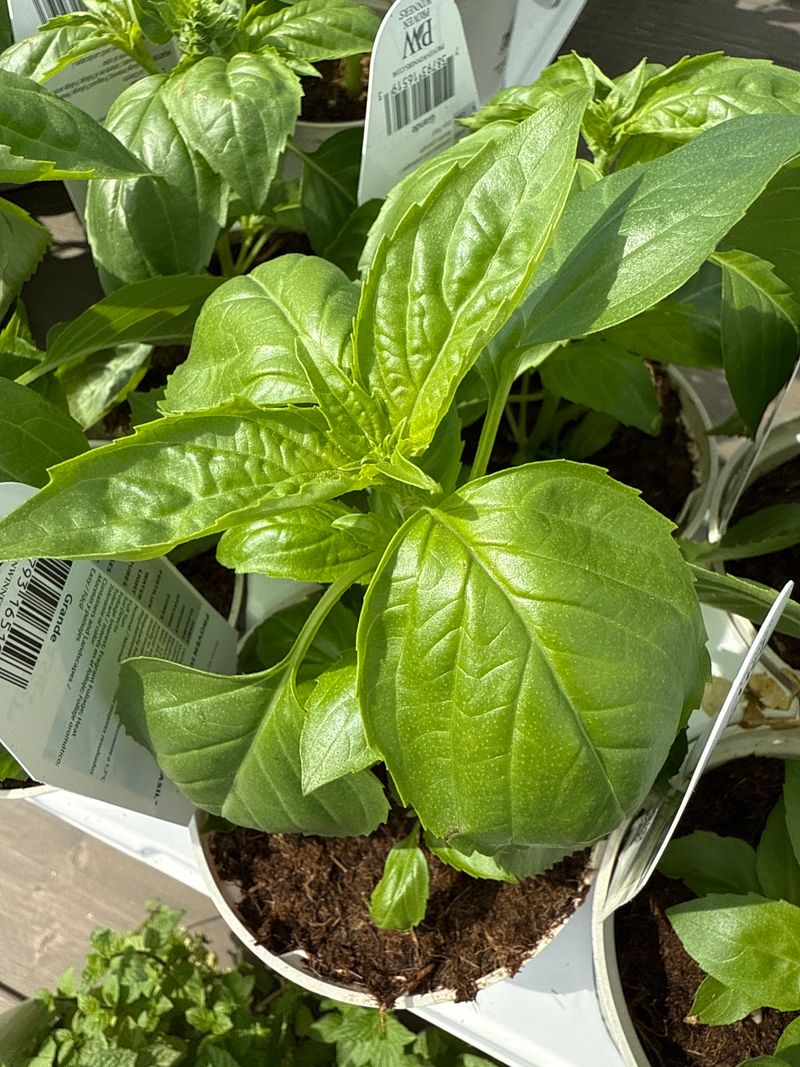
Choosing the right cultivar before planting is one of the most practical decisions a basil grower can make.
‘Amazel’ was developed with strong resistance to basil downy mildew. That sets it apart from traditional sweet basil varieties that can decline quickly once the disease takes hold.
Starting with resistant genetics means you are not waiting for symptoms to appear before you act.
Resistance is not the same as immunity. Under severe or prolonged disease pressure, even resistant plants can show some effects.
The advantage is that ‘Amazel’ plants are far less likely to collapse rapidly the way highly susceptible varieties often do. They give you more time, more harvests, and fewer frustrating replanting cycles through the wet season.
From a culinary standpoint, ‘Amazel’ carries the familiar sweet basil flavor that most home cooks expect. It works well in sauces, salads, and fresh preparations where traditional sweet basil would normally be used.
The plant grows with a compact, bushy habit that responds well to regular harvesting.
Other resistant cultivars exist and may be available depending on your Florida local nursery. Thai basil and some specialty types also tend to show lower susceptibility than standard sweet basil.
Even so, ‘Amazel’ remains one of the most well-documented options for gardeners. It offers a straightforward swap that addresses a common summer basil problem before it starts.
4. Full Sun Keeps This Resistant Basil Growing Strong
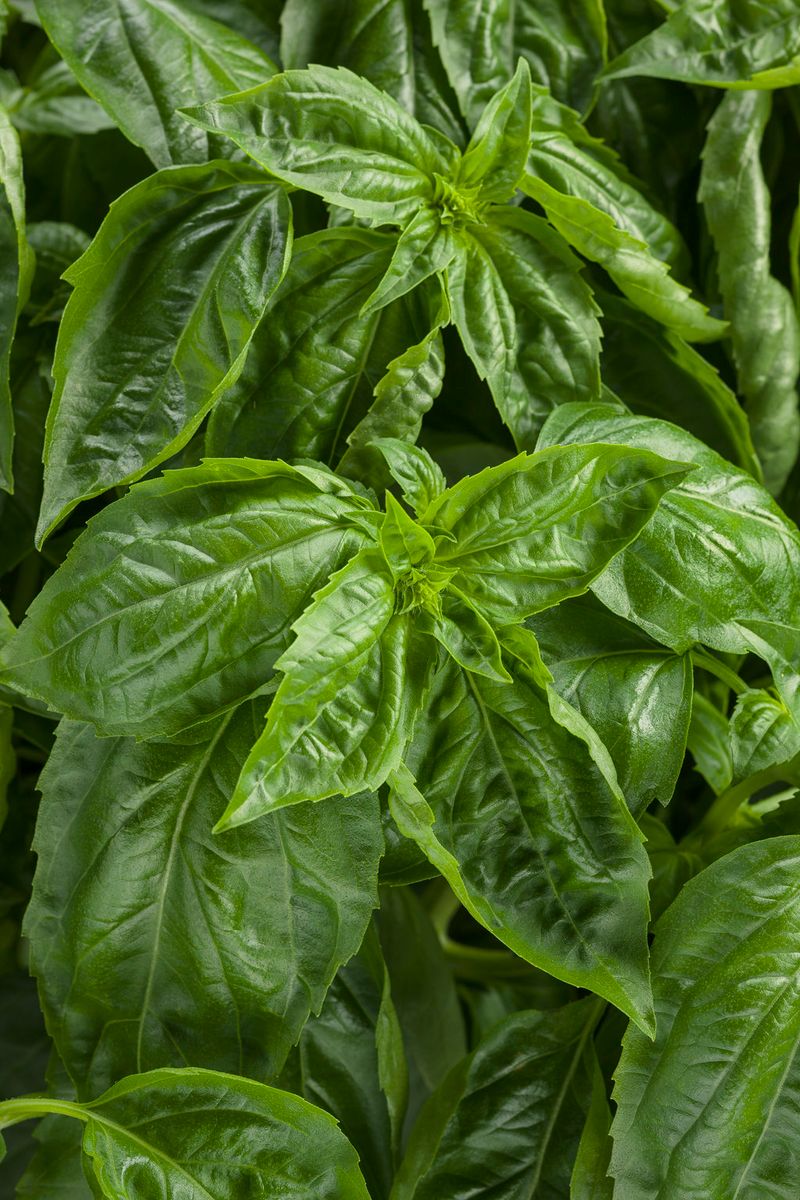
Switching to a resistant cultivar handles a big part of the summer challenge, but sunlight still matters enormously for how well basil performs. Basil is a sun-loving plant that does best with at least six to eight hours of direct light each day.
Plenty of sun supports dense, flavorful growth and makes regular harvesting possible throughout the season.
A shaded basil plant tends to grow tall and leggy rather than bushy and productive. Even if the plant carries strong disease resistance, reduced light leads to weaker stems and fewer leaves to harvest.
Resistance does not make up for inadequate light, so placement is still an important decision when setting up your garden.
Afternoon sun in very hot conditions can increase how quickly containers dry out. Pots in full western exposure may need more frequent watering than those in morning sun.
This is a manageable issue, but it is worth noting so you can check soil moisture regularly rather than following a fixed schedule.
Porch overhangs, nearby trees, and fence lines can all create partial shade that reduces basil performance over time. If your plant starts looking stretched or pale despite good care, consider whether it is actually receiving the full sun it needs.
Repositioning a container to a sunnier spot is one of the simplest adjustments you can make to support strong summer growth.
5. Better Airflow Helps Wet Leaves Dry Out Faster
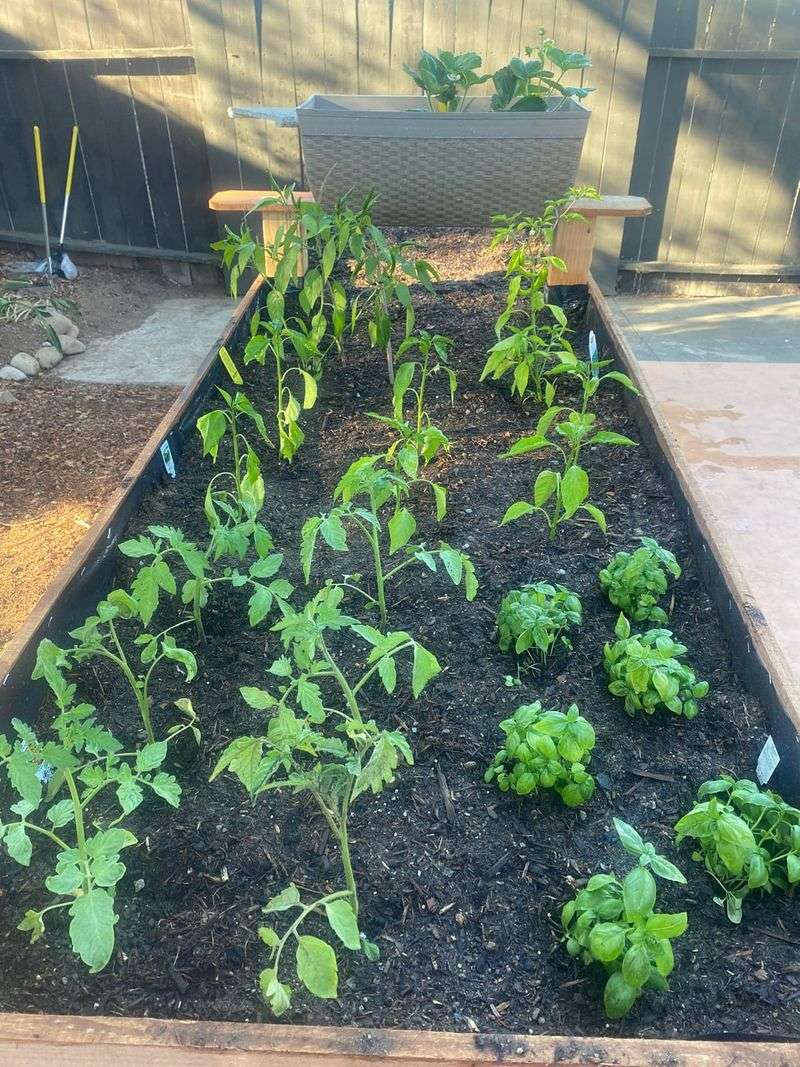
After a Florida summer rainstorm, how quickly your basil leaves dry off can make a real difference. Plants packed closely together hold moisture in the spaces between their leaves and stems.
That trapped dampness lingers, and it gives any disease spores present a longer window to establish themselves on foliage. Giving plants room to breathe is a straightforward way to reduce that risk.
Spacing basil plants so that air can move freely between them helps foliage dry faster after rain or irrigation. There is no need for dramatic gaps, but avoiding dense crowding pays off during stretches of rainy, humid weather.
Selective harvesting also helps because removing some of the interior growth opens the plant up and lets air reach more of the foliage.
Avoiding overhead irrigation when possible is another practical step. Drip watering or hand-watering at the base of the plant keeps leaves drier than sprinkler-style irrigation does.
Even resistant cultivars benefit from conditions that reduce prolonged leaf wetness.
Container gardeners have a useful advantage here. Moving a pot from a crowded corner to a more open patio area can noticeably improve airflow around the plant.
A small repositioning, just a foot or two in some cases, can change how quickly the plant dries after rain. Simple adjustments like this support the work that resistant genetics are already doing, without requiring any extra products or complicated routines.
6. Good Drainage Keeps Summer Storms From Creating A Second Problem
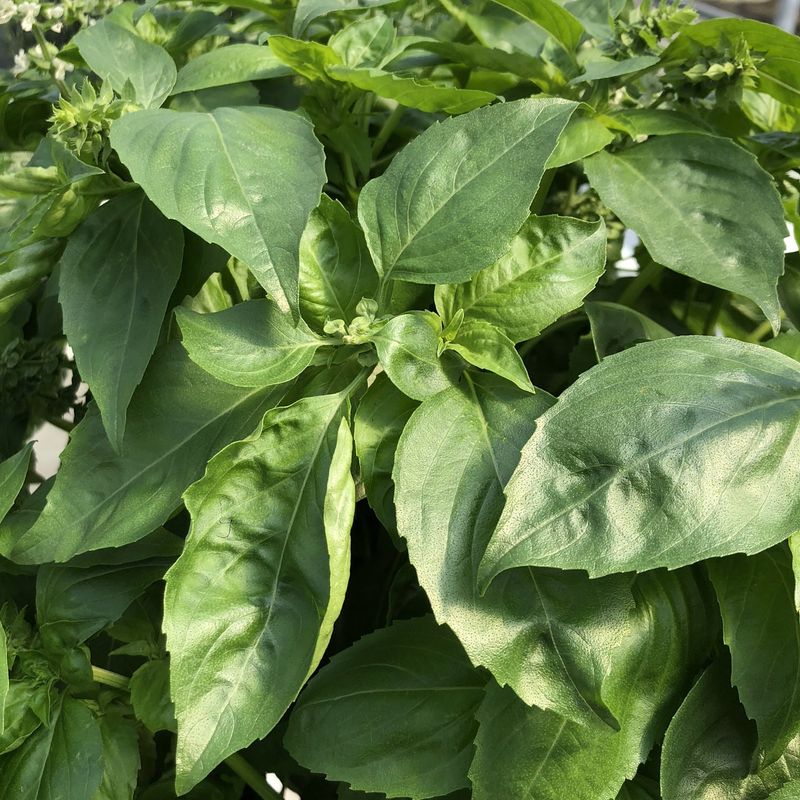
Heavy summer rain can deliver a lot of water in a short time. When that water has nowhere to go, roots sit in saturated soil and begin to suffer.
Waterlogged roots and basil downy mildew are two completely separate problems, but both can affect the same plant during the rainy season. Good drainage addresses the root issue so your plant is not fighting two battles at once.
Containers are especially vulnerable to waterlogging after repeated storms. Drainage holes that are partially blocked, compacted potting mix, or saucers that collect standing water can all lead to soggy conditions at the root zone.
Checking that water flows freely out of the bottom of your pot after each watering is a simple habit that prevents a lot of trouble.
In garden beds, low spots that collect runoff and areas under roof overhangs that receive concentrated flow are common problem zones. Raising beds slightly or amending compacted soil with organic matter can improve drainage in these areas.
Moving containers away from downspouts during storm season is another easy fix.
Always check soil moisture before adding more water. Pushing a finger an inch or two into the soil tells you quickly whether the root zone is already wet enough.
Moist but well-drained conditions give basil roots the oxygen they need to stay healthy. Healthy roots then support everything the plant does above ground through the long summer season.
7. Yellow Patches Between The Veins Are The Warning To Watch For
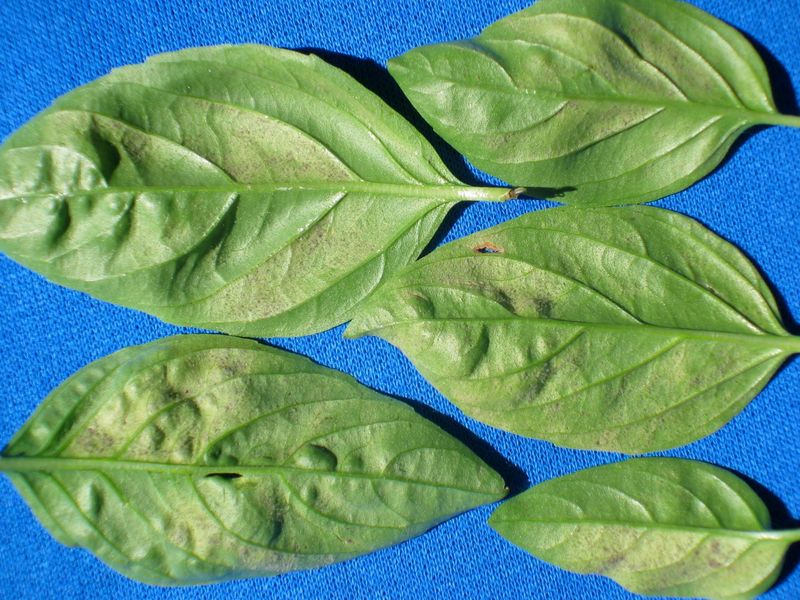
Not every yellow basil leaf signals the same problem. Learning to tell the difference between nutrient deficiency, root stress, and actual disease saves a lot of guesswork.
With basil downy mildew, the yellowing tends to follow a specific pattern that sets it apart from other causes of leaf discoloration.
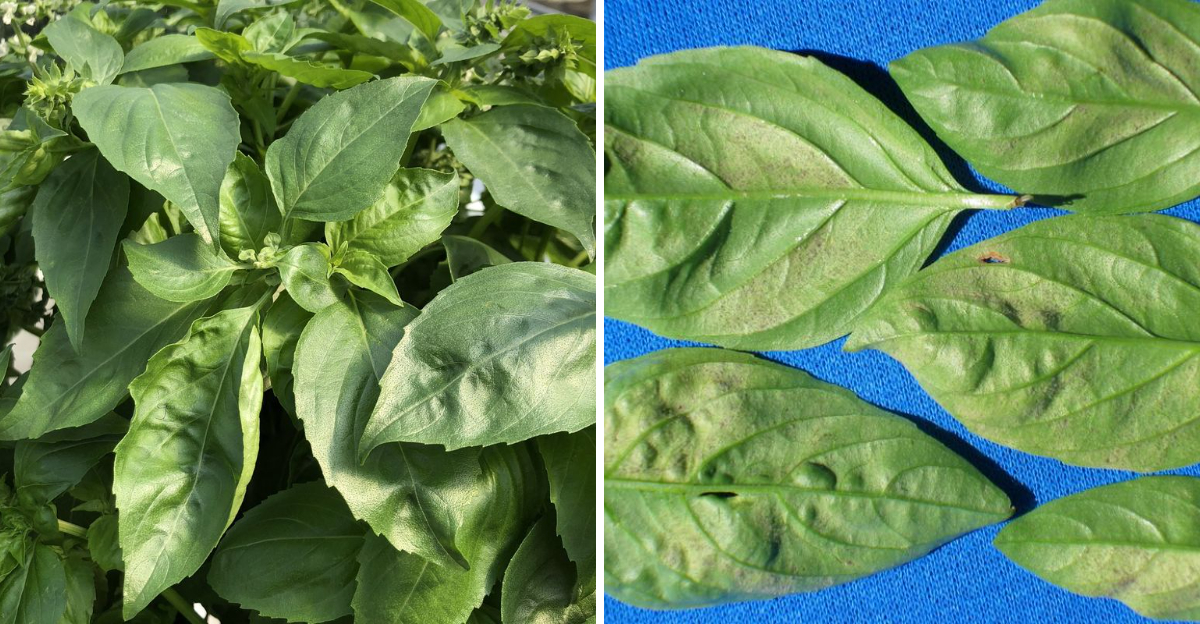
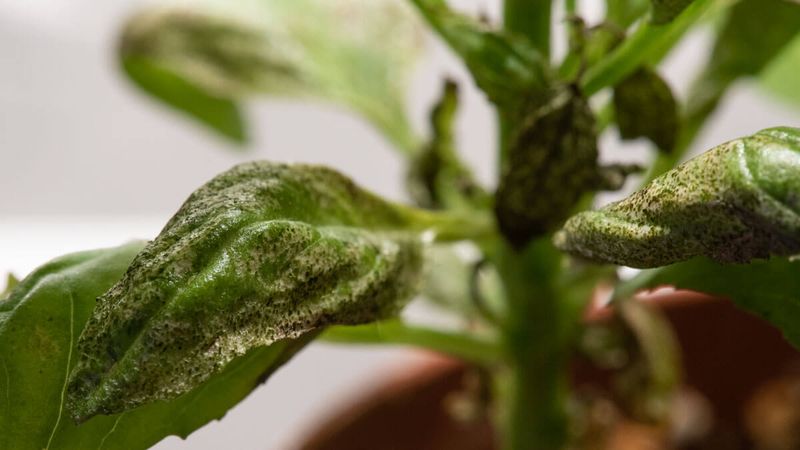
The characteristic early symptom is yellowing that develops between the leaf veins while the veins themselves often remain green at first. This interveinal pattern appears on the upper surface of the leaf.
If you flip the leaf over during humid conditions, you may notice a grayish or dark fuzz on the underside. That coloration comes from the sporulating pathogen and is a strong indicator that downy mildew is present.
Other problems can produce yellow leaves without that underside sporulation. Nutrient deficiencies, overwatering, root damage, and other diseases can all cause yellowing.
Checking several leaves on different parts of the plant, and inspecting both surfaces carefully, gives you more information than a quick glance at the top of the plant.
Resistant cultivars like ‘Amazel’ should still be monitored regularly. Resistance reduces the likelihood of severe infection but does not eliminate the need for observation. v
8. One Variety Swap Can Keep The Harvest Going Farther Into The Wet Season
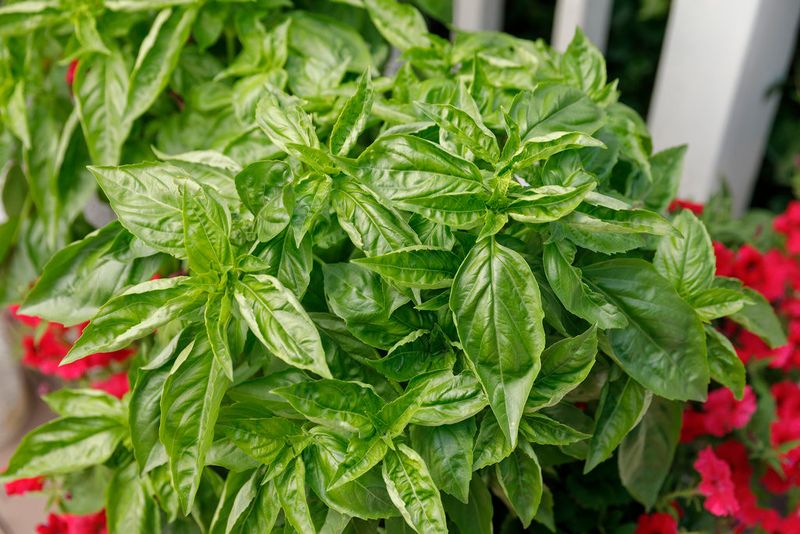
Putting all the pieces together makes the biggest difference. Start with a resistant cultivar like ‘Amazel,’ place it in full sun, and give it room for airflow and good drainage.
That setup handles summer conditions far better than susceptible sweet basil planted without those advantages.
Many gardeners repeat the same frustrating cycle with traditional sweet basil. They plant it in spring, watch it thrive briefly, and then see it collapse during the rainy season without realizing there is a straightforward alternative.
Changing the variety breaks that cycle before it starts. You spend less time replanting and more time actually harvesting.
Regular harvesting supports continued tender growth and keeps the plant from putting all its energy into flowering. Pinching back flower stems as they appear encourages the plant to stay leafy and productive.
This applies to resistant varieties just as it does to any other basil.
Resistant basil can still face insects, unexpected weather events, or root stress. No single cultivar solves every possible summer challenge.
Thai basil and some specialty types also show lower susceptibility than traditional sweet basil, so they are worth considering if ‘Amazel’ is not available locally.
The most powerful change, though, happens before a single leaf turns yellow. Choosing better genetics at the start of the season is the one adjustment that sets everything else up for success through the long, humid summer ahead.
9. Putting It All Together For A Stronger Basil Season
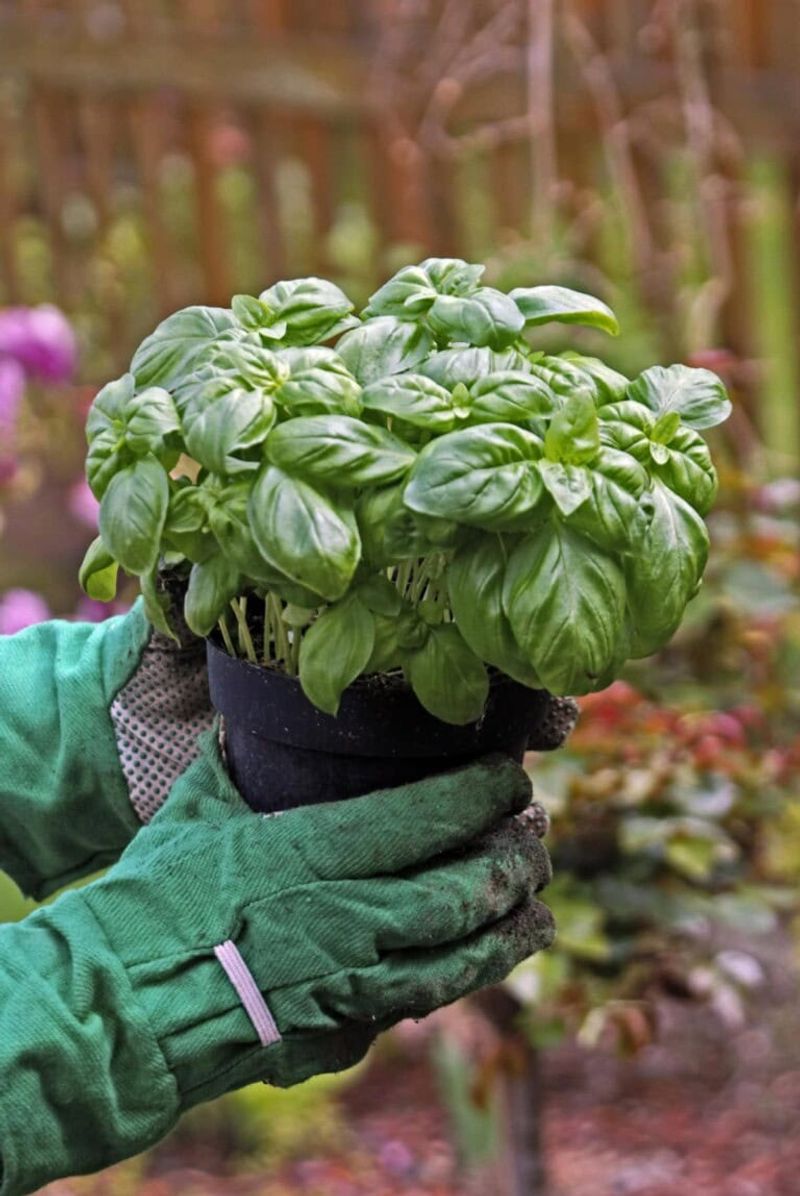
Every tip in this article connects back to one central idea. The single most effective change a basil grower can make is choosing a cultivar that carries resistance to downy mildew from the very beginning.
Everything else, sunlight, spacing, drainage, and monitoring, supports that foundation rather than replacing it.
Sunlight keeps the plant growing densely and productively. Good spacing and airflow help leaves dry faster after rain.
Proper drainage protects roots from sitting in saturated soil after heavy storms. Watching for early symptoms allows you to respond quickly if problems do develop.
Each of these practices works better when paired with resistant genetics.
Traditional sweet basil has its place, and many gardeners love its flavor and familiarity. During a long, humid rainy season, though, susceptible varieties face serious challenges that resistant ones handle with far less trouble.
Switching varieties does not mean giving up on the classic basil experience. ‘Amazel’ delivers familiar sweet basil flavor while offering a meaningful advantage in difficult conditions.
Gardening always involves some uncertainty. Weather shifts, unexpected pests, and soil conditions vary from yard to yard.
No approach guarantees a perfect harvest every single time. What a thoughtful setup does is give your plants the best realistic chance of producing well through summer’s toughest weeks.
Start with the right cultivar, support it with good practices, and the season tends to go much more smoothly than it would otherwise.