Why North Carolina Gardeners Are Choosing Beautyberry Over Nandina This Fall
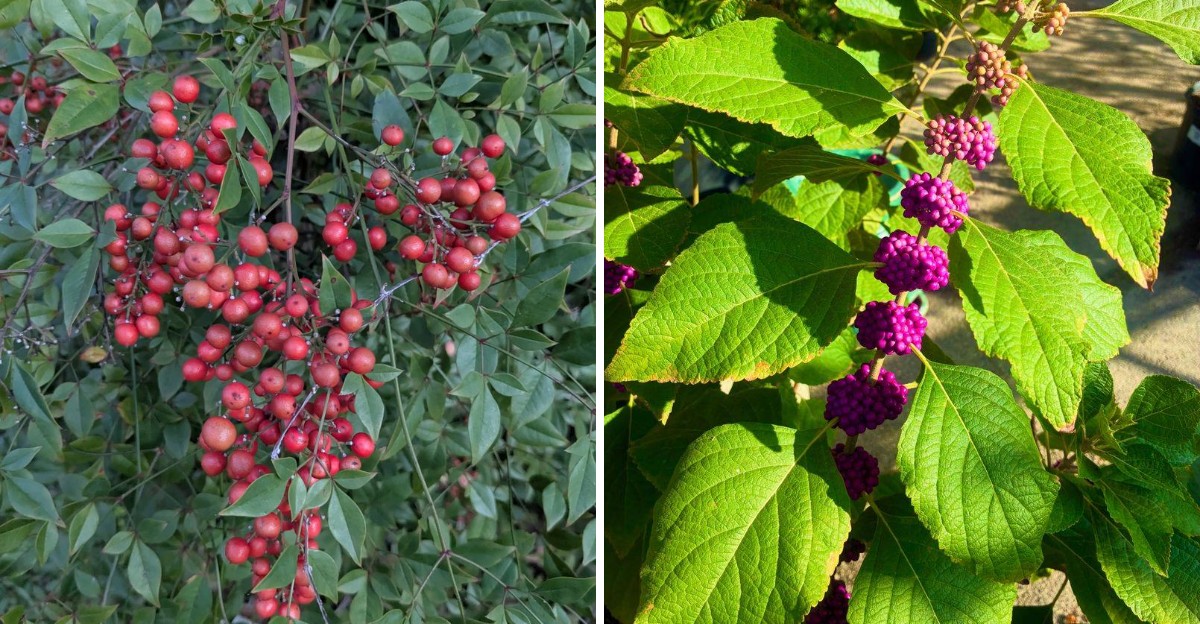
Nandina has long been a common choice along North Carolina fence lines and foundation plantings, prized for its tidy shape and reliable red berries through winter.
But more gardeners are stepping away from it after learning that those berries are toxic to birds, particularly cedar waxwings, which can get ruined from cyanide poisoning after eating too many.
Nandina is also considered invasive in North Carolina, spreading into natural areas and crowding out native plants that local wildlife actually depends on.
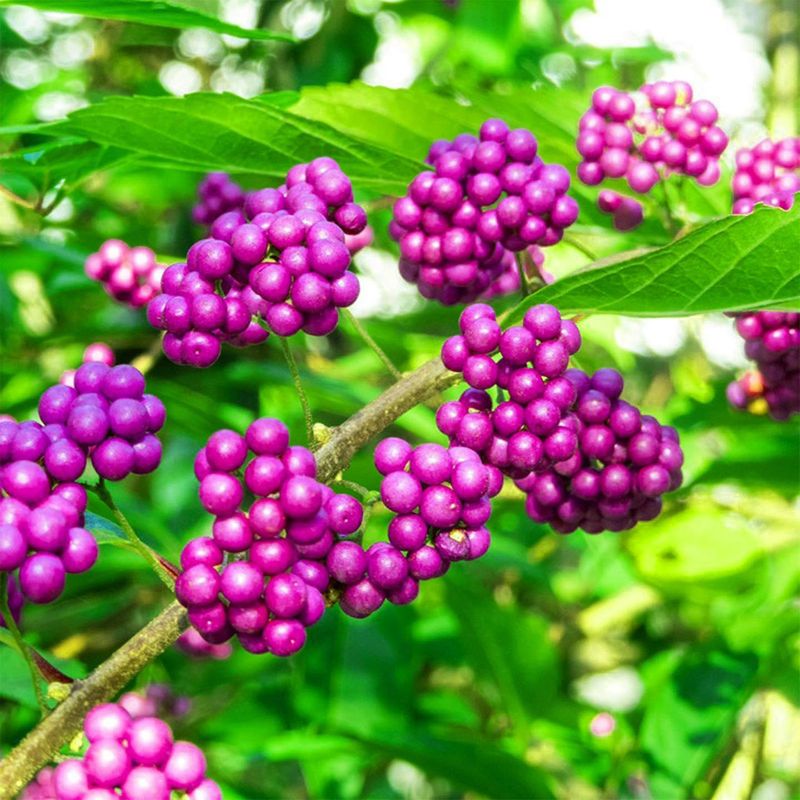
American beautyberry has become a favorite replacement, producing clusters of bright magenta-purple berries in fall that are just as eye-catching, while also being native and safe for the birds that feed on them.
For gardeners rethinking what belongs along their fence line this season, here’s why beautyberry is winning out over nandina.
1. Beautyberry Is A Native North Carolina Shrub
Long before garden centers filled their shelves, American beautyberry was already growing across North Carolina’s woods and fields. It belongs here. That simple fact makes a big difference for anyone hoping to build a garden that thrives without a lot of fuss.
Native shrubs like beautyberry have spent thousands of years adjusting to the local soil, weather, and wildlife.
Because of that history, they usually handle our clay soils and humid summers better than plants brought in from far away. You spend less time babying them and more time enjoying them.
Nandina, by contrast, comes from parts of Asia. While it can grow well here, it never formed the same close bonds with our local birds, bugs, and pollinators. A native plant slides right into the natural system, giving and taking the way nature intended.
There is also something satisfying about growing a plant that truly belongs to your region. Beautyberry connects your yard to the wild spaces around it, from riverbanks to forest edges. That connection helps create a healthier, more balanced landscape.
When you choose a shrub that already fits your climate, you are setting yourself up for success. Fewer struggles, fewer replacements, and stronger growth over time.
For gardeners who want their yards to feel rooted in North Carolina’s natural beauty, beautyberry is a smart and rewarding starting point. It grows like it knows exactly where it is, because it does.
2. Its Purple Berries Create Fall Interest
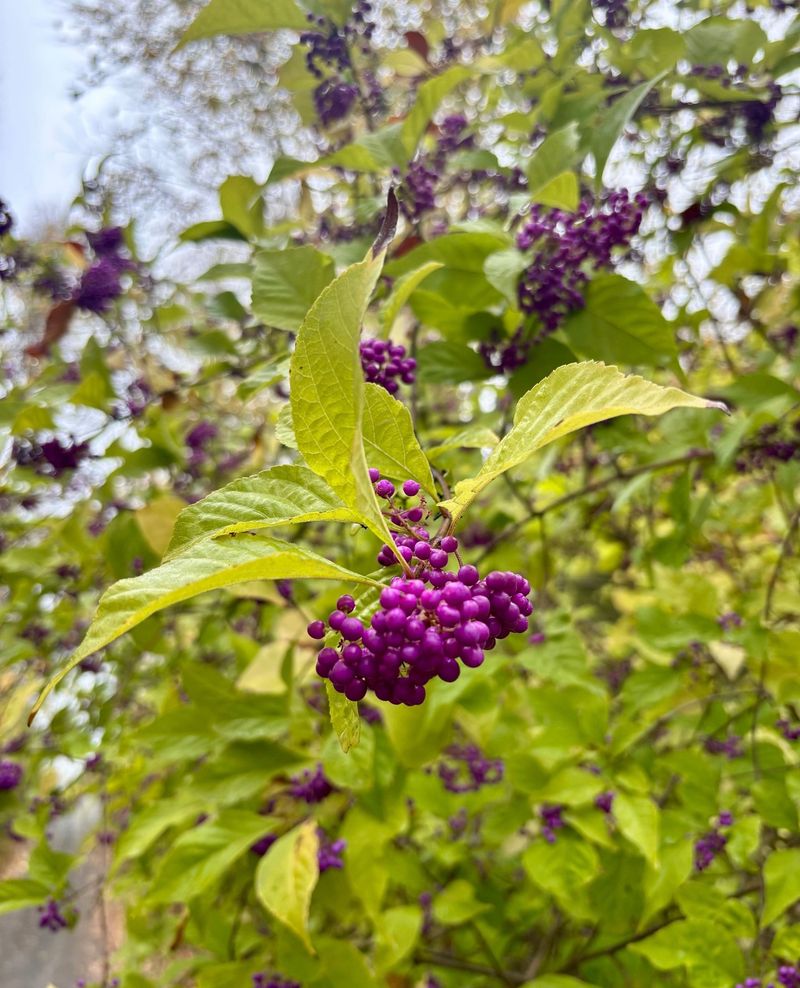
Picture a shrub covered in clusters of jewel-like purple berries so bright they almost look painted. That is beautyberry in fall, and it stops people in their tracks. The color is unlike anything else in the garden.
As summer fades and many plants start to look tired, beautyberry steps into the spotlight. Its violet fruit wraps tightly around the stems in round bunches, glowing against the green and gold of the season.
Few shrubs offer such a bold splash right when the yard needs it most. The berries appear after small pink or lavender flowers bloom in late summer.
Once the fruit forms, it hangs on for weeks, giving you a long show. Even after the leaves drop, those purple clusters stay behind and keep the branches interesting.
Your North Carolina Garden Changes Every Week. Your Plan Should Too.
Gardening in North Carolina changes quickly throughout the season. Every Friday you’ll receive a simple weekly plan showing exactly what to plant, prune, fertilize, harvest, and protect so you never miss the right timing.
Gardeners who once relied on nandina’s red berries for fall color are finding that beautyberry delivers something more unusual and eye-catching. Purple is rare in the plant world, so it instantly makes your landscape feel special.
These berries also look wonderful in photos, flower arrangements, and seasonal displays. A few cut stems in a vase bring that autumn magic indoors.
If you love a garden that changes with the seasons, beautyberry rewards you with a burst of color exactly when other plants slow down. It turns an ordinary fall yard into a place worth showing off to neighbors and friends who wander by.
3. Birds Use Beautyberry Fruit
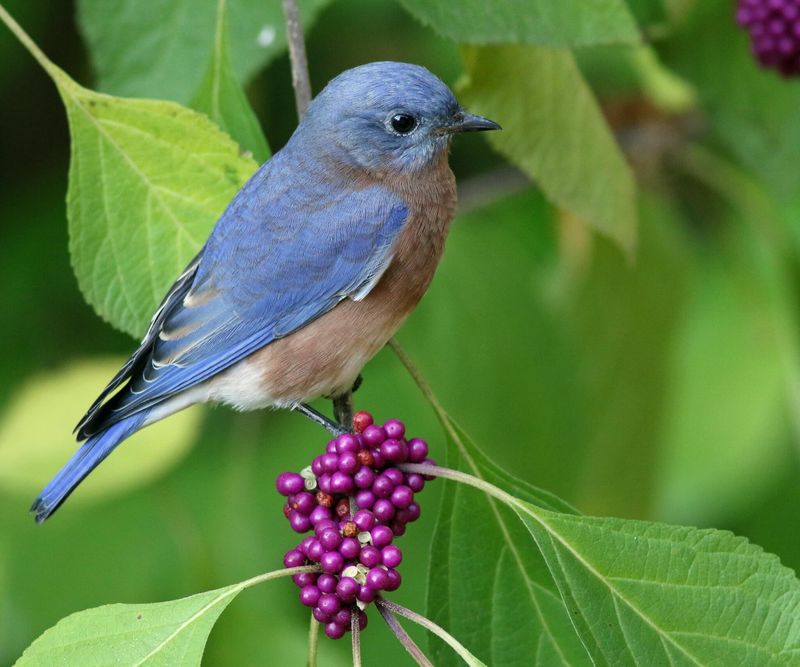
There is a quiet joy in watching birds visit your garden, and beautyberry gives them a reason to stop by. Its purple fruit becomes a seasonal snack for mockingbirds, cardinals, catbirds, and more.
As cooler weather arrives, food can get harder for birds to find. Beautyberry helps fill that gap by offering fruit right when many creatures are fueling up for the months ahead. Watching them flit between the branches turns your yard into a lively scene.
Keep in mind that birds do not always rush to beautyberry first. When other native fruits are ripe nearby, they may eat those before turning to your shrub. That is completely normal and part of how nature spreads meals across many plants.
Because the berries can linger on the stems for weeks, they act like a backup pantry. When easier foods run low, birds return to the beautyberry and enjoy what is left. This slow, steady supply makes the plant valuable through much of the season.
Planting beautyberry near a window or patio gives you a front-row seat to all this activity. You get color from the fruit and entertainment from the visitors it attracts.
For anyone who dreams of a yard buzzing with feathers and song, this shrub is a friendly invitation. It feeds wildlife naturally, without feeders or special care, and it does so with those unforgettable purple berries lighting up the branches all the while.
4. Beautyberry Supports More Than Just Winter Color
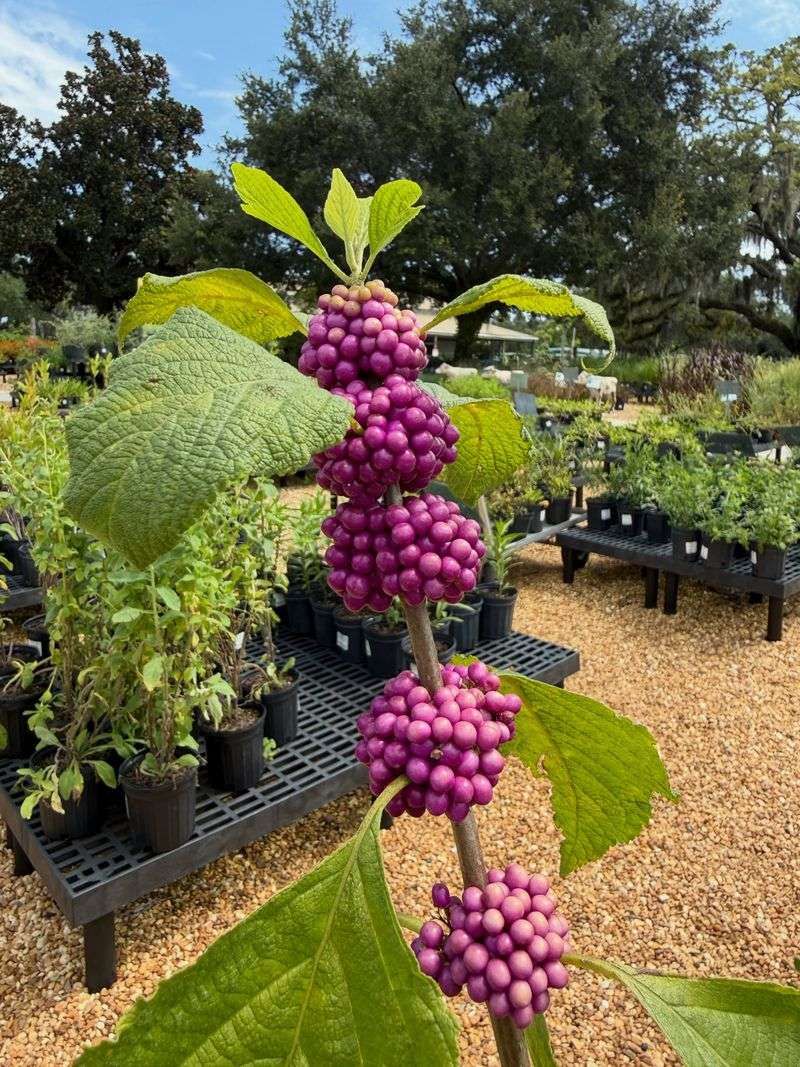
Beauty in the garden goes deeper than what your eyes can see. Beautyberry does more than decorate your yard, because it quietly supports an entire web of living things throughout the year.
During summer, its flowers draw in bees and other pollinators looking for nectar. Its leaves also feed native insects, including caterpillars that later become moths and butterflies. That may sound small, but it matters a great deal.
Those insects become an important food source for birds, especially in spring when parents are feeding hungry chicks.
Baby birds often need soft caterpillars and bugs, not berries. So a shrub that supports insects is really feeding the next generation of songbirds too.
Nandina simply does not offer this kind of support. Because it comes from another part of the world, our local insects rarely use it. A plant that no bugs eat might look tidy, but it gives little back to nature.
By choosing beautyberry, you are adding a working piece to the food chain. Insects, pollinators, birds, and even small mammals all benefit from having it around. Your garden becomes a busy, healthy habitat instead of just a pretty picture.
This ripple effect is why native plants matter so much. One shrub can help dozens of species survive and thrive.
If you want your gardening to make a real difference for local wildlife, beautyberry pulls its weight in every season, not just when the purple fruit is showing off.
5. It Handles North Carolina Heat Once Established
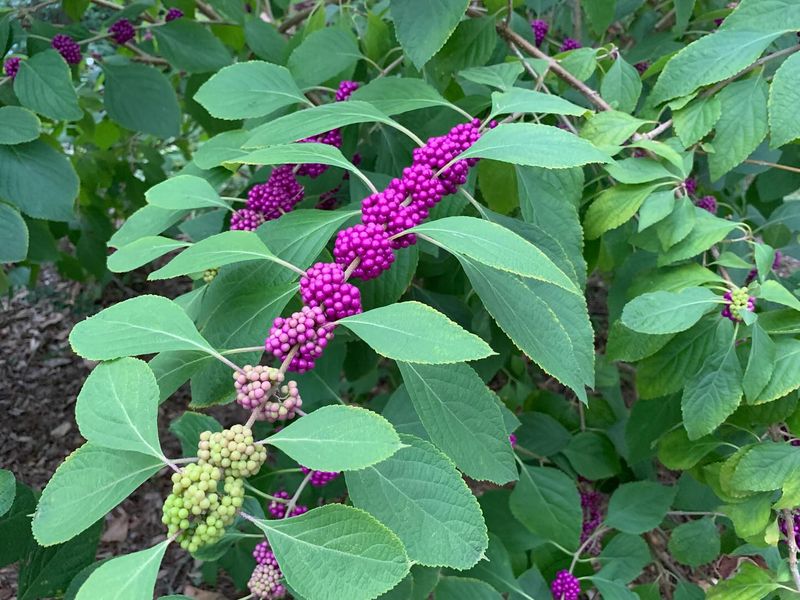
Summers in North Carolina can feel long, sticky, and downright brutal on plants. Beautyberry takes it in stride. Once its roots settle in, this shrub shrugs off heat and humidity like a true local.
It grows happily in full sun or part shade, and it is not picky about soil. Whether your yard has sandy patches or heavy clay, beautyberry usually adapts and keeps growing. That flexibility makes it a stress-free pick for busy gardeners.
The word to remember, though, is established. During the first year, a young beautyberry still needs regular watering to help its roots grow deep and strong. Think of this early care as an investment that pays off later.
Water deeply once or twice a week when there is little rain, especially through the hottest stretches. Adding a layer of mulch around the base helps hold moisture and keeps the roots cool. These small steps make a big difference during that first season.
After the plant is settled, it needs far less attention. A mature beautyberry can handle dry spells and steamy afternoons without much help from you. That means fewer worries during vacation weeks or forgetful stretches.
This toughness is one reason so many gardeners feel confident switching to it. You get a resilient shrub that keeps performing even when the weather turns harsh.
For a plant that looks delicate with its bright berries, beautyberry is surprisingly rugged, and that combination of charm and strength is hard to beat.
6. Nandina Has Environmental Concerns
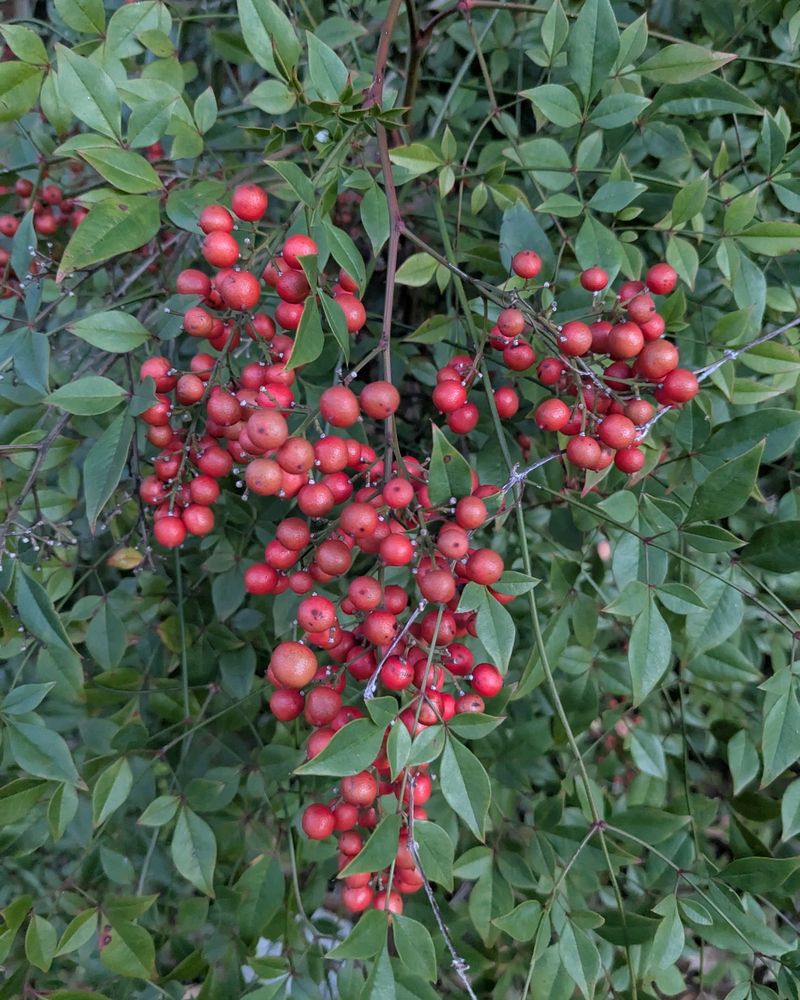
For years, nandina was a go-to shrub for easy red color, but gardeners are starting to look at it with fresh eyes.
Some real concerns have made people rethink whether it still belongs in their yards. One issue is that certain nandina varieties can spread beyond where they were planted.
Birds eat the berries and drop the seeds in wild areas, where new nandina plants pop up and crowd out native growth. In some spots, this has become a real problem for local habitats.
Then there are the berries themselves. Research has raised worries that nandina fruit can be harmful to certain birds, especially cedar waxwings, which sometimes gulp down large amounts at once. That risk troubles many wildlife-loving gardeners.
Because of these concerns, several groups now suggest choosing safer, native options instead. Beautyberry fits that bill perfectly, offering color and wildlife value without the same downsides.
None of this means every nandina must go right away. But when it is time to replace an aging shrub or plan a new bed, many people are skipping nandina on purpose.
They would rather plant something that helps the environment than something that might harm it. Making that swap feels good. You get a fresh, colorful shrub while also protecting the birds and wild spaces you care about.
Small choices like this add up across neighborhoods. When enough gardeners pick native plants, the whole region grows healthier, greener, and friendlier to the creatures that share it with us.
7. Beautyberry Needs Less Formal Maintenance
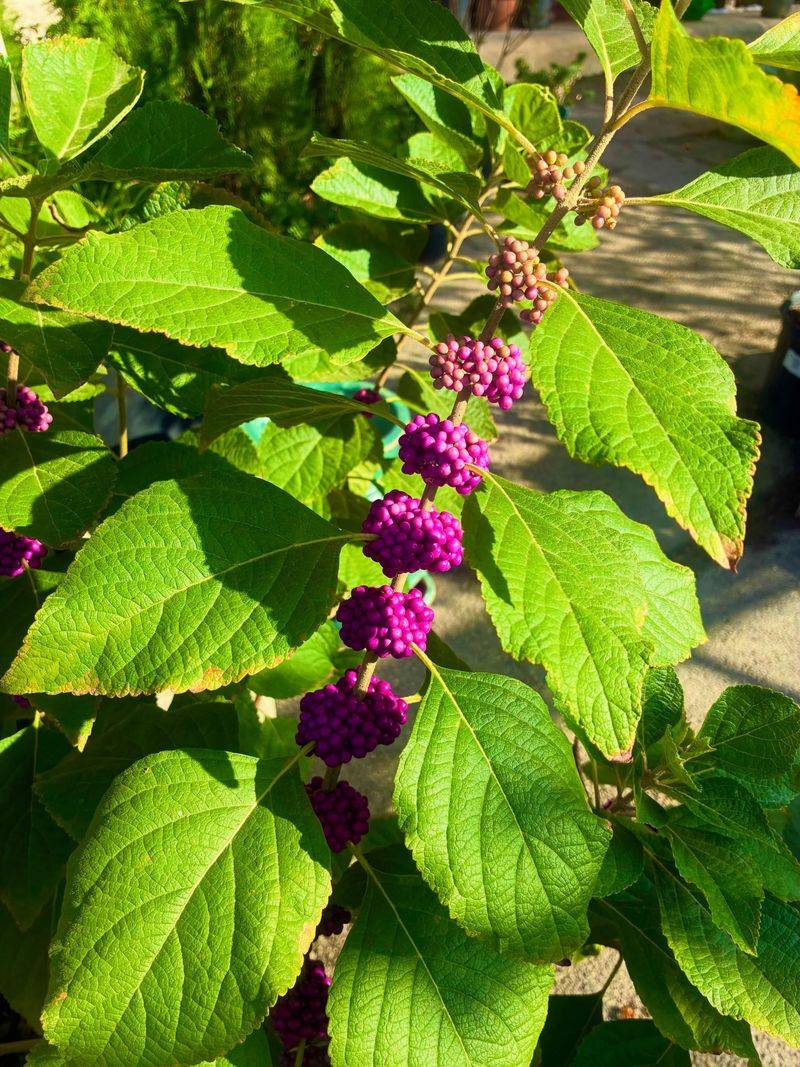
Some plants demand constant trimming to stay neat, and that can wear a gardener out. Beautyberry takes the opposite approach. Its loose, arching branches look best when you simply let them be.
The shrub grows in a graceful, fountain-like shape that fits naturally into relaxed, informal gardens. Instead of fighting the plant into a stiff box, you get to enjoy its easy, flowing form.
That relaxed look pairs beautifully with wildflowers, grasses, and other native plants. Nandina is often used as a formal hedge, which means regular shaping to keep those crisp edges.
That kind of upkeep takes time, tools, and patience. For folks who would rather relax than prune, it can feel like a chore that never ends.
With beautyberry, pruning is simple. Because it blooms and fruits on new growth, a good cut back in late winter keeps it full and healthy. After that, you can mostly step back and let it do its thing through the growing season.
This laid-back care style suits today’s busy lives. You spend less time with clippers and more time enjoying the purple berries and busy birds.
The natural shape also gives your yard a softer, more welcoming feel. Gardens filled with flowing, native shrubs often look alive and inviting rather than rigid and controlled.
If you like the idea of a plant that practically cares for itself, beautyberry delivers. It rewards a gentle, hands-off approach with steady growth, seasonal color, and that carefree charm that makes gardening feel joyful again.
8. Fall Is A Good Time To Plant A Wildlife-Friendly Shrub
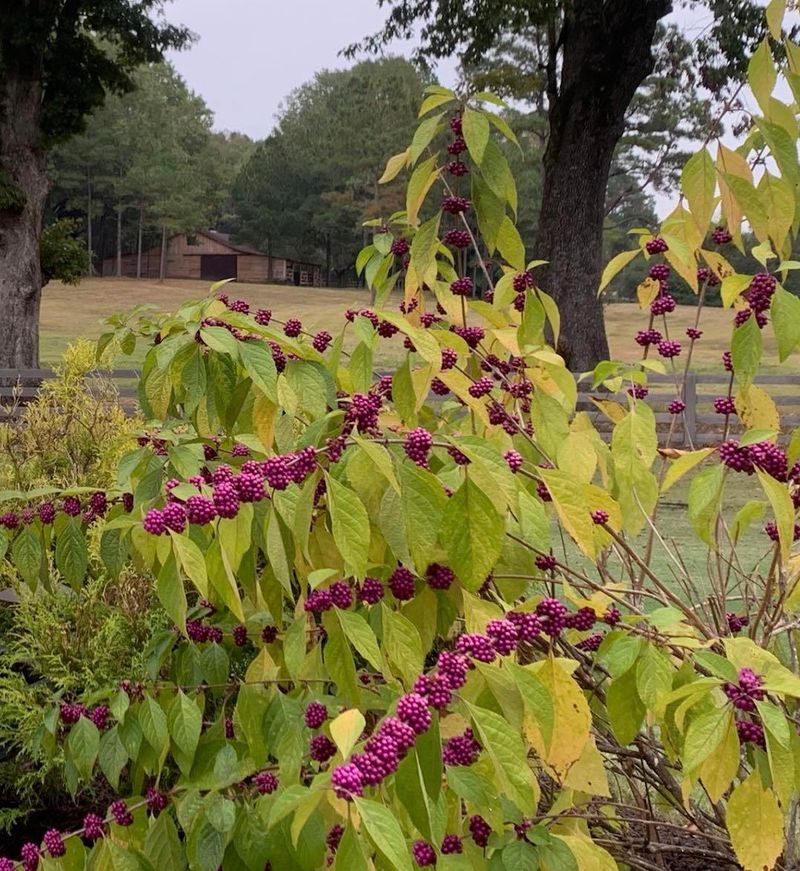
Autumn might feel like the season to slow down, but it is actually one of the best times to plant a new shrub. Cooler air and warm soil create the perfect combo for strong root growth.
When you plant in fall, your beautyberry can spend the quiet months building a solid root system underground.
By the time summer heat rolls back around, the plant is settled and ready to handle it. That head start makes a real difference in how well it grows.
Spring planting works too, but young shrubs then face hot weather much sooner. Fall gives them a gentler beginning, with less stress and steadier moisture from cooler days and occasional rain.
Picking the right spot matters just as much as timing. Choose a place with room for the shrub to spread and enough sunlight to encourage plenty of berries. Beautyberry handles part shade, but more sun usually means more fruit.
Watering stays important even in fall. Give your new plant a deep drink after planting, then keep the soil moist while the roots take hold. A layer of mulch helps lock in that moisture and protects the roots as temperatures dip.
Get these basics right, and you set your beautyberry up for years of success. The reward is a hardy, wildlife-friendly shrub that returns each fall with those glowing purple berries.
So grab a shovel, pick a sunny corner, and give the birds something wonderful to look forward to next season.