The September Care Step North Carolina Peonies Need For Spring Blooms
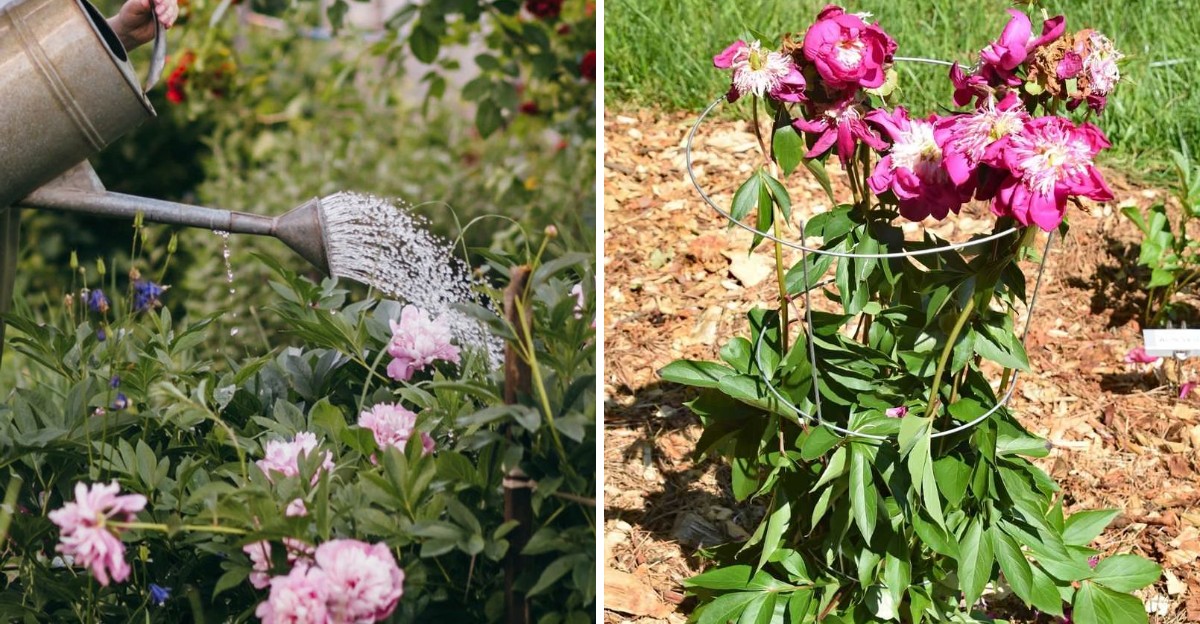
Peonies are famously low-maintenance in North Carolina gardens, but one fall task plays an outsized role in keeping them healthy and productive for years to come.
As peony foliage begins to wither this time of year, it can harbor fungal spores responsible for botrytis blight, a disease that often resurfaces the following spring if old foliage is left in place over winter.
Cutting the foliage down to the ground and disposing of it properly, rather than adding it to a compost pile, helps prevent those spores from surviving and reinfecting new growth next season.
Skipping this step is one of the most common reasons peonies struggle with recurring disease despite otherwise excellent care. Taking this simple step now sets peonies up for a cleaner, healthier return when they bloom again in spring.
1. Let Healthy Foliage Keep Working
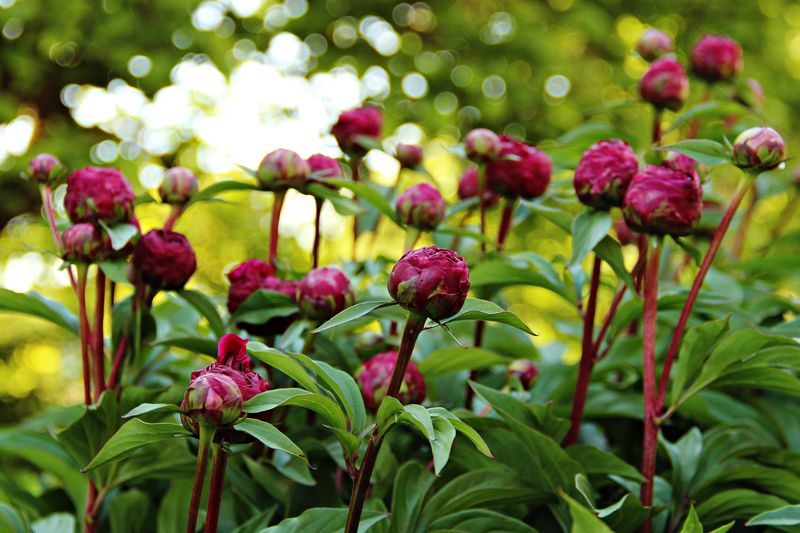
Those green peony leaves might look ready for a trim, but they are still hard at work. Even in September, healthy foliage keeps soaking up sunlight and turning it into food through photosynthesis.
That food does not just vanish. It travels down into the roots and crown, filling up the plant’s underground pantry for next year. When you snip green leaves too early, you cut off that food supply right when the plant needs it most.
Think of the leaves as tiny solar panels. As long as they stay green and firm, they are collecting energy that becomes fat flower buds come spring. A plant with strong reserves rewards you with more blooms and healthier stems.
Many gardeners feel the itch to tidy up as summer fades. Fight that urge for now. There is plenty of time later in the season to clean things up once the foliage has finished its job.
Instead of reaching for the shears, take a moment to check the leaves for pests or spots. Give the plant a little breathing room by pulling weeds nearby, and let those green leaves keep charging up.
Peonies are patient plants, and they reward patient gardeners. The energy they store this September is exactly what fuels those gorgeous, ruffled flowers you dream about.
So leave the healthy foliage standing tall, and trust that every green leaf is quietly building next spring’s show for you.
2. Wait Until The Foliage Naturally Wilts
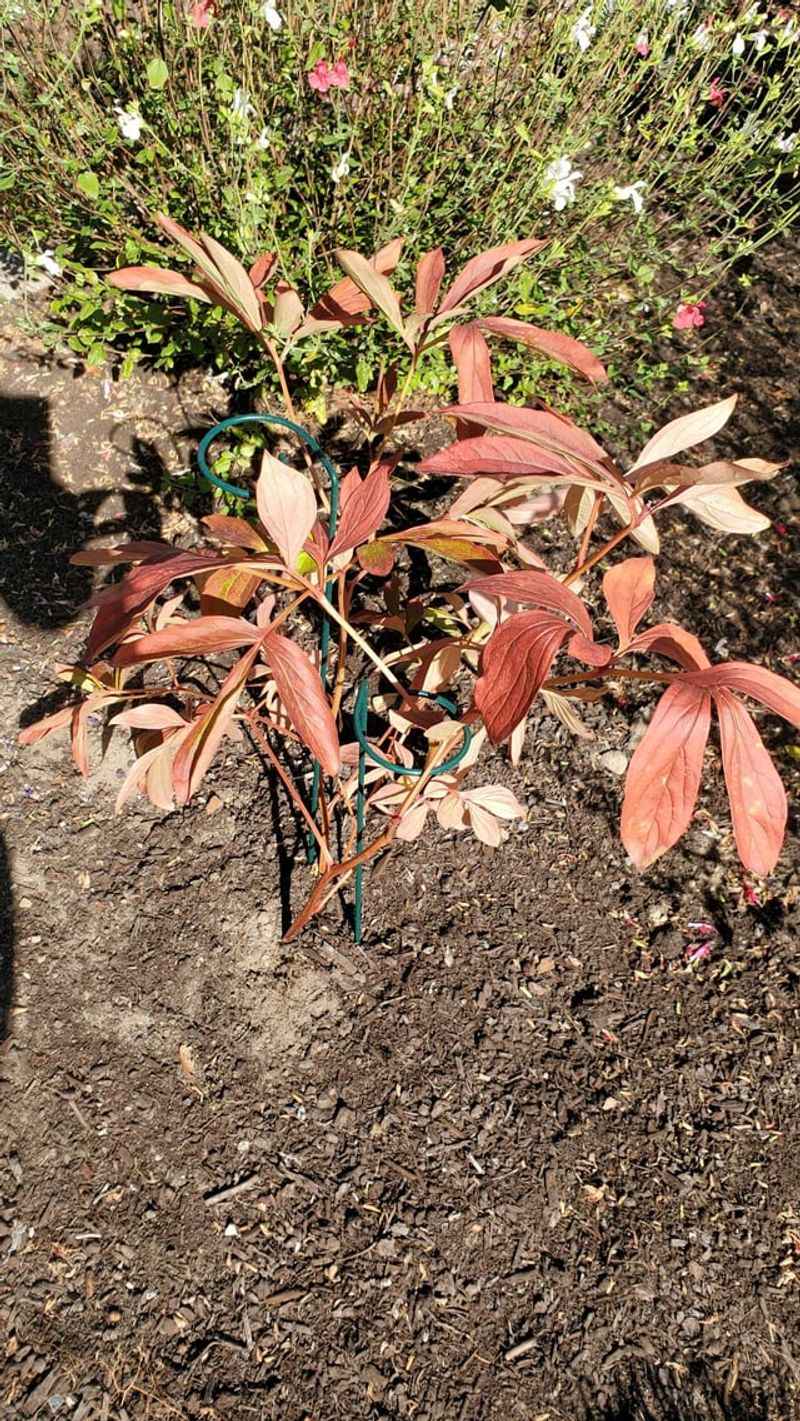
Patience really pays off with peonies. The best time to do your big cleanup is after the foliage has yellowed and faded back on its own.
When leaves change color and start to droop, that is the plant telling you it has finished storing energy for the season. Everything the foliage gathered has already moved down into the roots and crown. Only then is the plant truly done with those leaves.
Cutting too soon interrupts this natural process. The plant needs to complete its full growing cycle before it settles in for winter rest. Rushing the timeline can leave your peony with weaker reserves and fewer blooms later.
In North Carolina, this natural fade often happens gradually as autumn cools down. You might notice the edges of leaves turning golden or brown over several weeks. That slow shift is completely normal and a good sign.
Your North Carolina Garden Changes Every Week. Your Plan Should Too.
Gardening in North Carolina changes quickly throughout the season. Every Friday you’ll receive a simple weekly plan showing exactly what to plant, prune, fertilize, harvest, and protect so you never miss the right timing.
Keep an eye on your plants during this time. Once the foliage looks spent and has clearly lost its green, you can grab your clean pruners and trim the stems near the ground.
Waiting also gives you a chance to spot any trouble, like disease or pests, before winter arrives. A little observation now saves headaches next year.
So resist the temptation to clear everything early just because the calendar flipped. Let nature set the schedule. When the foliage finishes its work and fades, that is your green light to tidy up and prepare your peony for a strong return.
3. Cut Back After A Hard Frost When Appropriate

A hard frost is like nature’s alarm clock for peony cleanup. When cold temperatures blacken and flatten the foliage, that is a clear signal the herbaceous peony is ready to be cut back to the ground.
After a strong freeze, the leaves have already given up all their stored energy to the roots. There is no reason to leave the limp, frosted stems standing any longer. This is the perfect moment to trim them down low.
Herbaceous peonies, the kind that fade back each year, love this fresh start. Cutting them near ground level after frost helps clear away any lingering pests or spores that might overwinter on the old growth.
Here is the important part though. Do not confuse a frost with a reason to remove healthy green leaves earlier in the season. If the foliage is still green and firm, it is still feeding the plant, and it should stay.
North Carolina frosts can arrive later than in colder states, so timing varies year to year. Watch the weather and your plants together rather than following a strict date.
When that first hard frost hits and the leaves collapse, grab clean, sharp tools and cut the stems to a few inches above the soil. Toss the trimmings if they look healthy, or bag diseased ones separately.
This simple step keeps your garden neat and gives your peony a clean, tidy base to rest through winter. Come spring, fresh red shoots will push up strong and ready.
4. Remove Diseased Foliage Promptly

Not all leaves deserve to stay on the plant. If you spot foliage covered in dark spots, powdery gray patches, or heavy blight, it is time to act quickly.
Diseased leaves carry spores that can linger in your garden. Left alone, those spores overwinter and attack next year’s fresh growth. Removing sick foliage right away helps break that cycle.
Common peony troubles include botrytis blight and leaf blotch, both of which show up as spots, wilting, or fuzzy mold. North Carolina’s humid summers can make these problems more likely, so stay alert.
When you find infected leaves, snip them off with clean tools. Wipe your pruners with rubbing alcohol between cuts so you do not spread the problem from one plant to another.
Do not toss diseased trimmings into your compost pile. Compost often does not get hot enough to destroy the spores, which means you could spread trouble later. Instead, bag them up and send them out with the trash.
Clearing away infected material also improves airflow around your plant. Better airflow keeps leaves drier, and dry leaves are far less friendly to fungus.
It helps to check your peonies regularly rather than waiting for one big cleanup. Catching problems early keeps them small and manageable.
A little effort now protects your whole peony bed. By removing sick foliage promptly and disposing of it properly, you give your plants a cleaner, healthier start next spring. Your future blooms will thank you for the careful attention.
5. Do Not Bury Peony Crowns Under Mulch
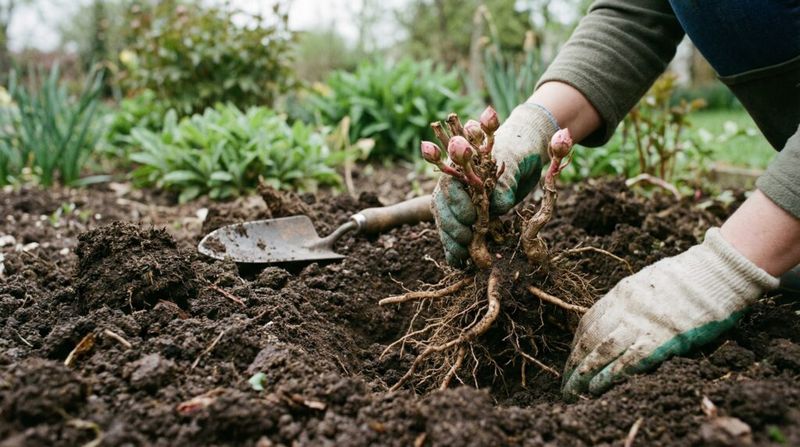
Peonies have one big rule that trips up many gardeners: they hate being buried too deep. Piling thick mulch or soil over the crown is one of the fastest ways to end up with lush leaves and no flowers.
The crown is the woody base where next year’s buds, called eyes, sit waiting. These eyes need to be planted just one to two inches below the soil surface. Any deeper, and the plant may refuse to bloom.
When fall arrives, it is tempting to tuck a heavy blanket of mulch over everything for winter warmth. With peonies, go easy. A thick layer over the crown traps too much moisture and holds the buds too far underground.
If you want to protect the area, a light scattering of mulch around the plant is fine. Just keep it away from directly on top of the crown itself.
Gardeners who move or divide peonies in fall should double check planting depth too. Setting the eyes too low is a common reason healthy looking plants never flower.
North Carolina winters are usually mild enough that peonies do not need heavy insulation anyway. These tough plants actually need a period of cold to bloom well.
So skip the deep mulch pile and keep the crown near the surface where it belongs. Shallow planting might feel wrong, but it is exactly what peonies want. Get the depth right, and you set the stage for a spring bursting with big, showy blooms.
6. Keep Fall Watering Moderate

Established peonies are surprisingly low maintenance when it comes to fall watering. Most of the time, they do just fine with whatever rain nature provides.
Once a peony has settled in for a few years, its roots run deep and store plenty of moisture. That means you do not need to drag out the hose every few days in autumn. Constant watering can actually cause soggy soil, which peonies dislike.
Still, there is a balance to strike. After a long, dry North Carolina summer, the ground can end up parched. Letting your peonies sit through severe drought stress right before winter is not ideal either.
If September has been especially dry with little rain, give your plants a deep, slow soak now and then. Deep watering encourages strong roots far better than frequent light sprinkles.
Check the soil before you water. Stick your finger a couple inches down, and if it feels bone dry, it is time to add some moisture. If it still feels damp, hold off.
Newly planted peonies from this season need a bit more attention than older ones. Their roots have not spread out yet, so keep their soil evenly moist but never waterlogged.
As temperatures cool, the plant slows down and needs less water overall. Match your watering to the weather rather than a fixed routine.
Getting fall moisture right helps your peony enter winter in good shape. A well hydrated plant that is not drowning has everything it needs to rest and bounce back beautifully.
7. Skip Heavy Fall Fertilizing
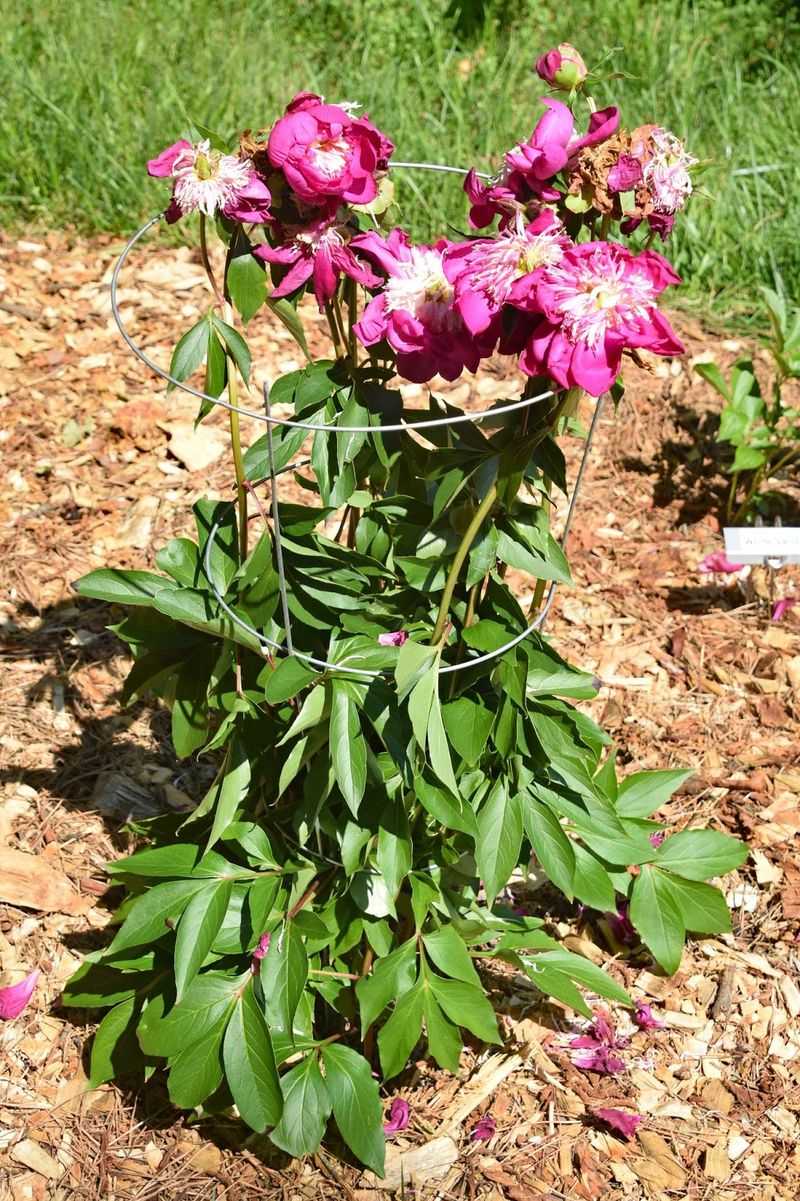
More food does not always mean more flowers, and peonies prove that point well. Established plants rarely need a big dose of fertilizer late in the season.
Dumping a lot of nitrogen rich fertilizer on peonies in fall can backfire. It may push out soft new growth at the wrong time, which weakens the plant instead of helping it. Peonies would rather be settling down for rest, not sprouting fresh shoots.
The smarter move is to feed based on what your soil actually needs. A simple soil test tells you which nutrients are missing, so you add only what helps.
Many North Carolina gardens already have decent fertility, especially if you have been caring for the bed over time. Routine fall feeding just because the calendar says so often wastes money and can even harm your plants.
If a soil test shows low phosphorus or potassium, a light, balanced amendment can be helpful. Those nutrients support root strength and flower development without forcing leafy overgrowth.
Timing matters too. Heavy feeding is generally better done in early spring or right after blooming, not as winter approaches.
Compost is a gentle alternative if you want to enrich the soil. A thin layer worked into the surface adds slow, steady nutrients without shocking the plant.
Let your soil guide your choices instead of following a habit. By skipping unnecessary fall fertilizer and testing when unsure, you keep your peonies balanced and ready. Healthy soil plus a resting plant equals a spring full of strong, colorful blooms.
8. Clean Up Before Winter
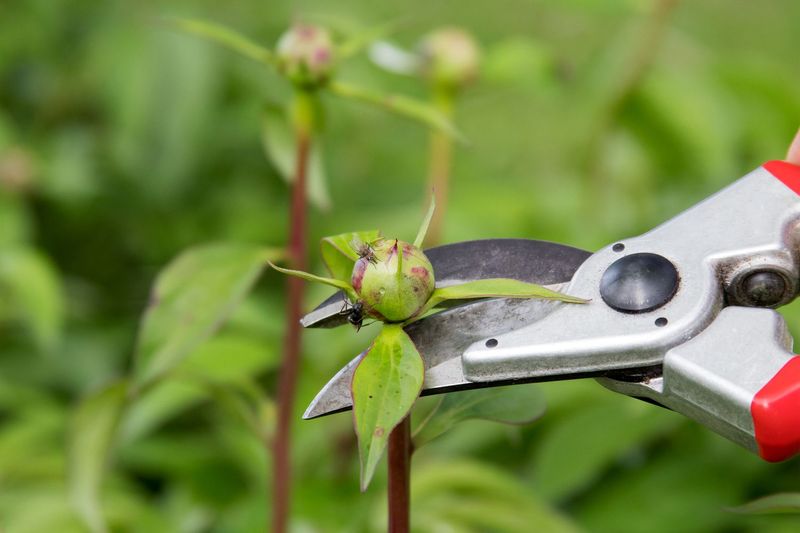
A tidy garden bed is the perfect gift to give your peonies before winter arrives. Once the foliage has finished its seasonal work and faded, clearing away the old growth sets everything up for a fresh start.
Removing spent and diseased leaves does more than make the bed look neat. It clears out hiding spots where pests and fungus spores like to spend the winter. A clean base means fewer problems waiting for you in spring.
Wait until the plant has truly finished growing before you do this final sweep. Cutting too early steals energy, but cleaning up at the right moment keeps everything healthy.
Gather up the cut stems and fallen leaves from around the crown. If any of that material shows signs of disease, bag it and throw it out rather than composting it.
Clearing debris also improves airflow at ground level. Good airflow keeps the crown drier through damp North Carolina winters, which helps prevent rot.
Take a moment during cleanup to note how your plant did this year. Spotting weak areas now helps you plan any changes for the next season.
Once the bed is clean, resist piling heavy mulch right on the crown. A light tidy up is all your peony needs to rest comfortably.
With the old growth gone and the area neat, your peony can settle into a peaceful winter. When warm days return, fresh red shoots will push up from clean soil, ready to reward your care with a stunning spring display.