Why Oregon Gardeners Should Plant Garlic Before Halloween
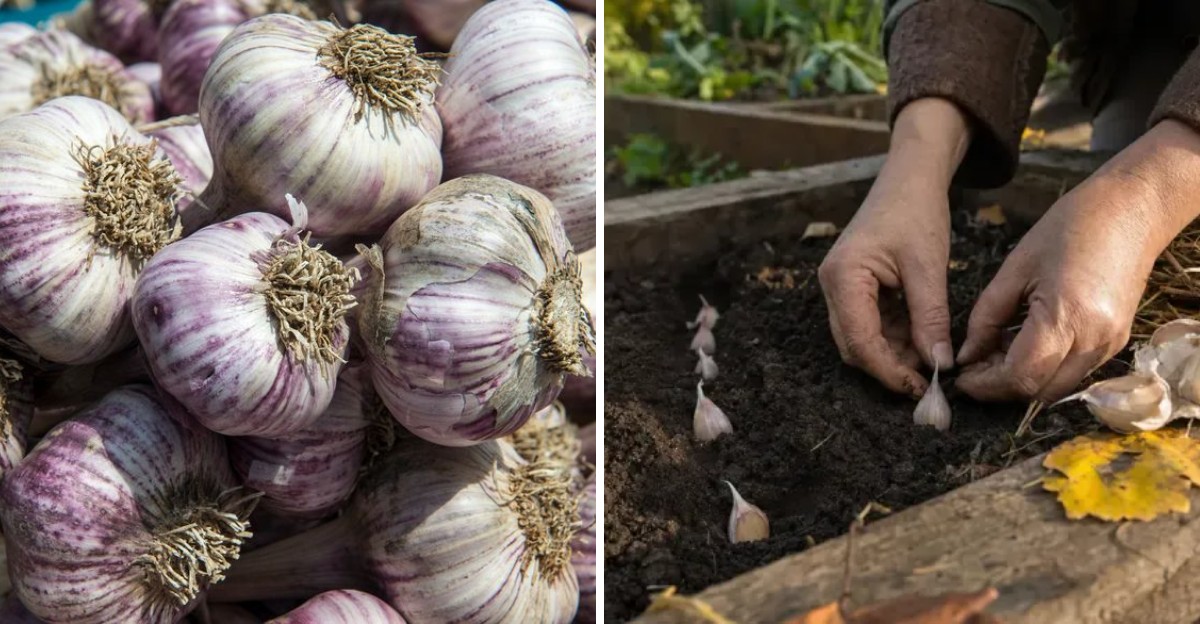
A single clove tucked into cold October soil can split into a whole cluster by July. One small piece turns into ten or more. I still find that a little magical.
The trick happens in the dark. Roots start reaching out within a few weeks. Winter chill then flips a switch inside each clove.
Oregon gardeners get a sweet deal here. Our mild, wet falls give these roots plenty of time to settle in. You need to beat the hard frosts, though.
Personally, I love a crop that works while I rest. You plant it once, cover it up, and mostly forget about it. So what makes late October the magic deadline?
Something Busy Is Happening Beneath Your Fall Beds
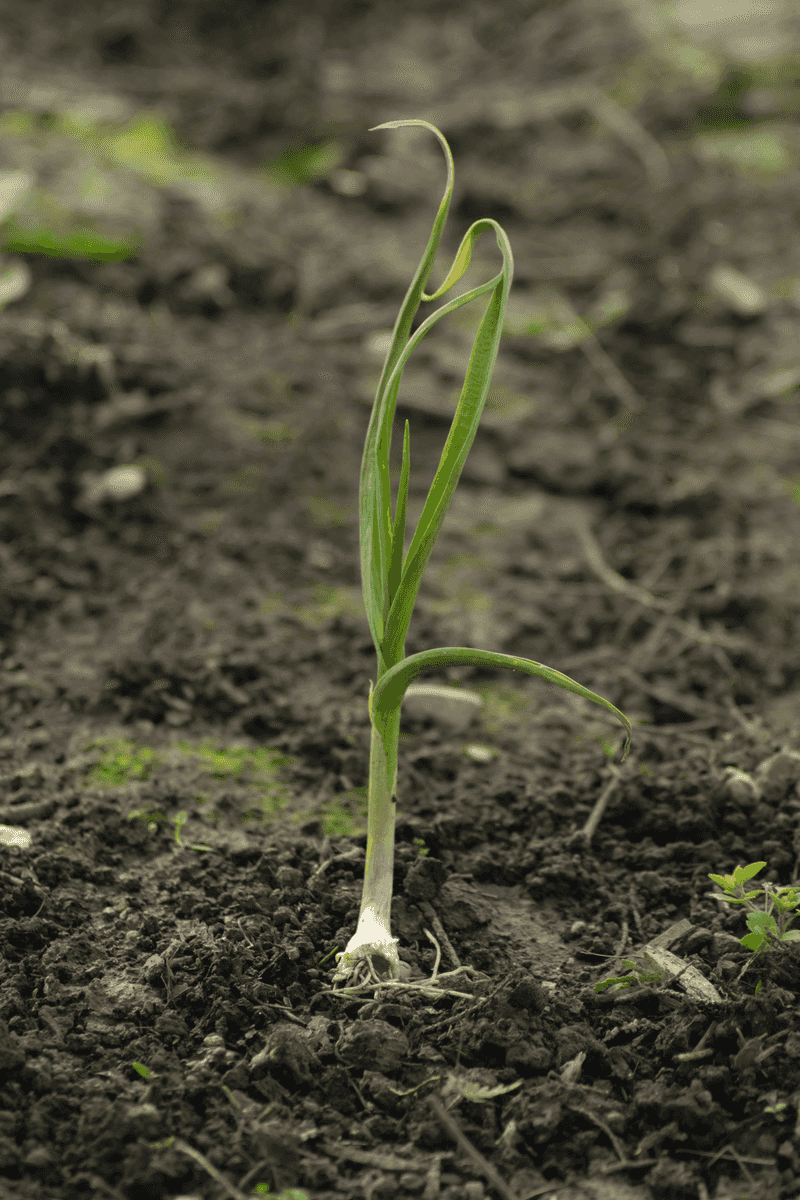
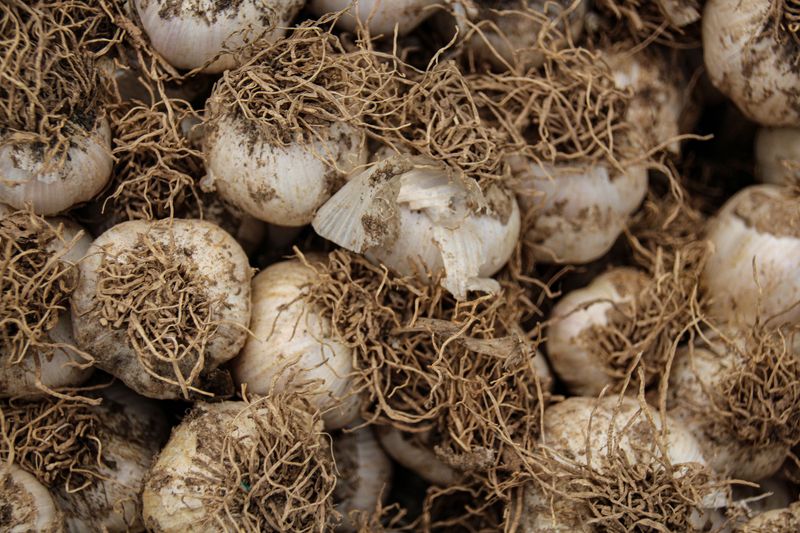
Under that quiet patch of dirt, your garlic cloves are hard at work. Within two to four weeks of planting, each clove pushes out a tuft of white roots. That root system is the real reason timing matters so much.
Garlic planted in early to mid fall has time to anchor itself before the soil turns cold. Oregon State University Extension suggests planting from late September through November, depending on where you live. Getting cloves in before Halloween gives most of the state a comfortable cushion.
Strong roots do two big jobs. They hold the clove steady through winter rain and frost heaving. They also stand ready to feed fast leaf growth the moment spring warms up.
Late plantings often miss this window. The cloves sit in cold, soggy ground with few roots to support them. In spring, they play catch-up and usually produce smaller heads.
I like to think of fall roots as a savings account. Every bit of growth now pays off later in the season. A little effort in October sets up a much richer harvest next summer, and that trade feels well worth making.
Your Future Bulbs Actually Need a Long Cold Nap
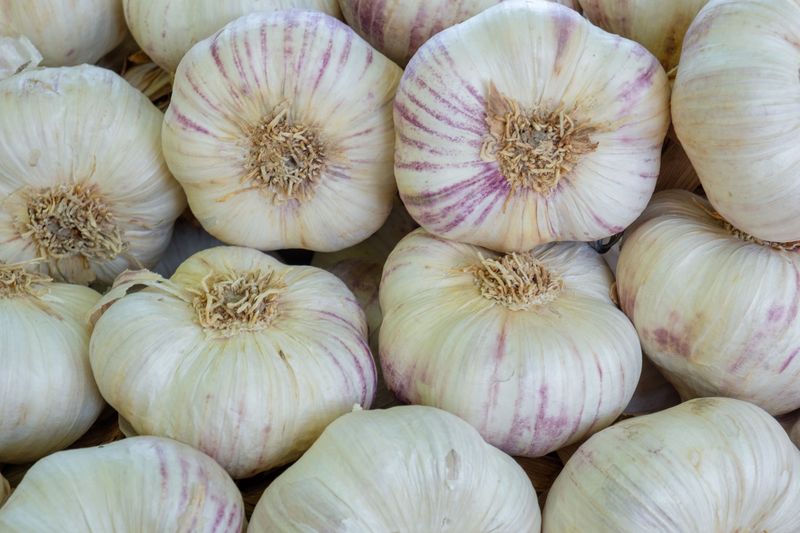
Garlic has a funny quirk. It needs to feel real cold before it knows how to build a proper bulb. Scientists call this process vernalization.
Most varieties need several weeks of temperatures roughly between 32 and 50 degrees Fahrenheit. That chill signals the clove to divide into separate cloves later on. Without enough cold, you might harvest a single round bulb with no divisions at all.
Hardneck types are especially picky about this. Many softnecks are more forgiving, but they still perform better with a good winter rest. Fall planting hands them the chill they crave, free of charge.
Oregon winters fit the bill nicely in most regions. The Willamette Valley stays cool and damp for months. East of the Cascades, the cold arrives sooner and bites harder.
Some gardeners try spring planting and wonder why their bulbs look tiny. Missing out on winter chill is often the culprit. You can fake it by refrigerating cloves, though results vary quite a bit.
Honestly, letting nature do the chilling feels much easier. Plant before the end of October, then let the cold months handle the rest of the job for you.
Your Oregon Garden Changes Every Week. Your Plan Should Too.
Gardening in Oregon changes quickly throughout the season. Every Friday you’ll receive a simple weekly plan showing exactly what to plant, prune, fertilize, harvest, and protect so you never miss the right timing.
Bigger Heads Start With Earlier Planting
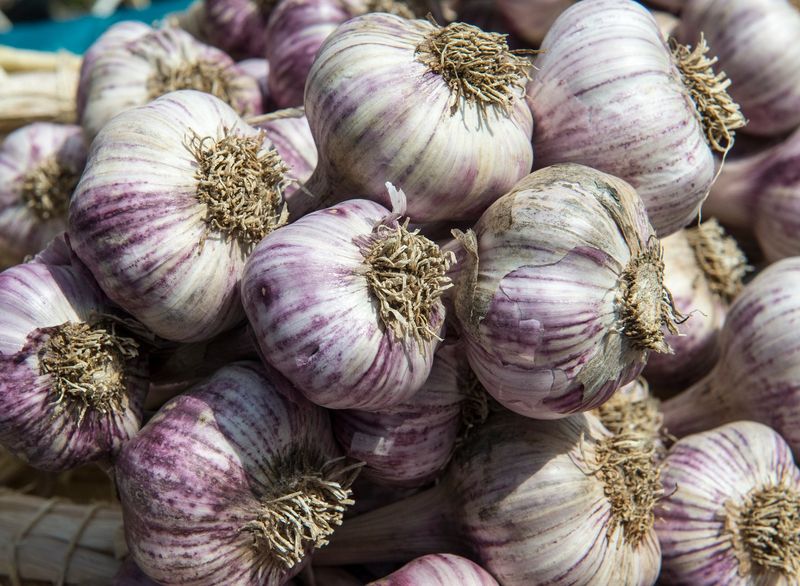
Picture yourself pulling up fat, papery heads next July. That reward traces straight back to a choice you make this October. Bulb size depends heavily on how much leaf growth the plant builds in spring.
Each leaf on a garlic plant links to a wrapper layer around the bulb. More healthy leaves usually mean a larger, better-wrapped head. Early fall planting gives the plant a running start on producing those leaves.
Here in Oregon, spring days lengthen fast in May and June. Longer days tell garlic to stop making leaves and start swelling the bulb. Plants that got going early have more leaves by then, so they bulk up more.
Late cloves face a tougher race. They reach that daylight trigger with fewer leaves and less stored energy. The harvest often looks a bit underwhelming.
One fun fact makes this easy to remember. A gardener planting the biggest cloves from the biggest heads tends to grow bigger garlic again. Pair large seed cloves with an October planting date, and you stack the odds in your favor for a truly impressive summer haul.
Soggy Soil Is the Enemy, So Prep Your Beds Well
Ask any Oregon gardener about winter, and rain will come up fast. Garlic loves moisture but hates sitting in puddles. Waterlogged soil can lead to rot and fungal trouble.
Drainage is your first priority. Raised beds work beautifully, especially in heavy clay areas of the Willamette Valley. Even mounding soil six to eight inches high helps water run off.
Next, feed the soil. Work in two to three inches of well-aged compost before planting. Compost improves texture in clay and helps sandy soil hold nutrients.
Garlic prefers a soil pH around 6.0 to 7.0. Many western Oregon soils lean acidic, so a soil test is a smart move. OSU Extension offices can point you toward local labs.
A modest dose of balanced fertilizer at planting gives roots a gentle boost. Save the bigger nitrogen feeding for early spring, when leaves really take off.
Finally, pick a sunny spot. Garlic wants six or more hours of direct light. Avoid beds where onions or garlic grew last year, since rotating crops helps reduce soil-borne problems. Good prep now makes everything else much simpler.
Hardneck or Softneck Depends on Your Corner of Oregon
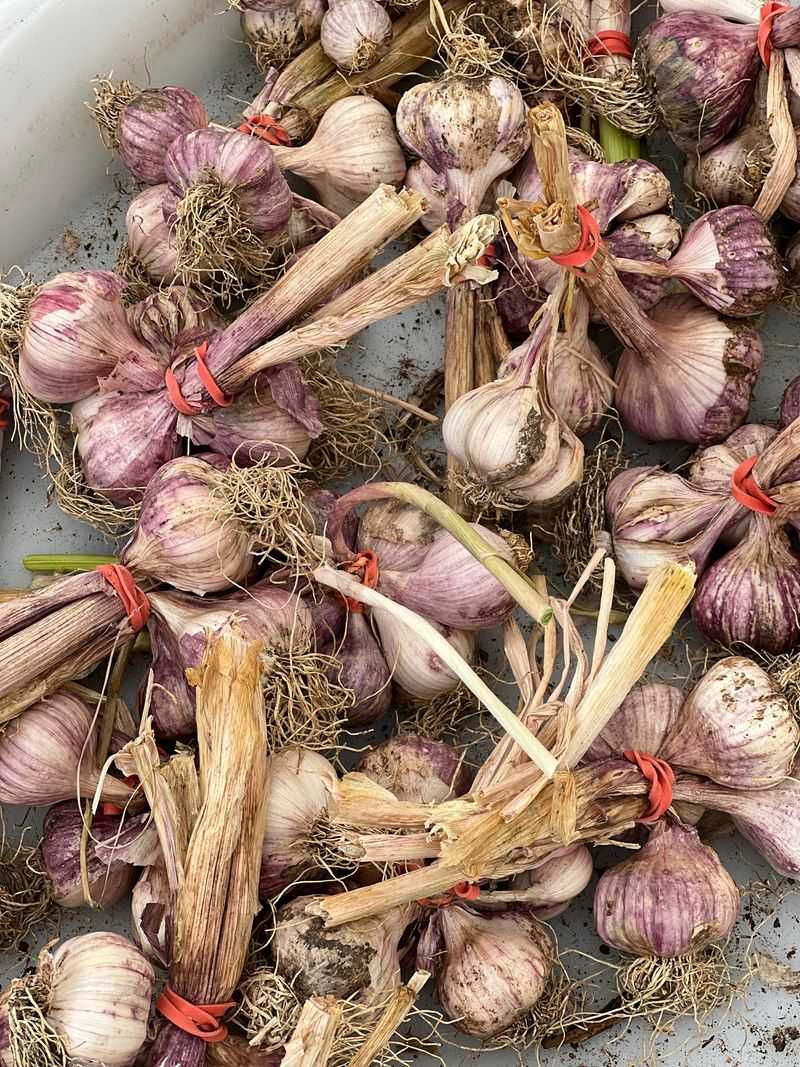
Garlic comes in two main families, and each has its own personality. Hardnecks grow a stiff central stalk and send up curly scapes in early summer. Softnecks have flexible necks that braid nicely.
Hardnecks shine in colder spots. Central and Eastern Oregon, with frosty winters, suit them well. Popular picks include Music, German Extra Hardy, and Chesnok Red. Their cloves are big and easy to peel, with bold flavor.
Softnecks tend to like milder winters. Western Oregon gardeners often have great luck with types like Inchelium Red and California Early. They usually store longer, sometimes up to nine months.
Many Willamette Valley growers happily grow both. That way, you enjoy hardneck flavor in summer and softneck storage into spring.
A quick tip on sourcing matters here. Buy seed garlic from local farms, nurseries, or trusted growers. Grocery store bulbs may be treated to slow sprouting or adapted to a different climate.
Bonus perk for hardneck fans: those scapes are delicious. Snip them in June and toss them into pesto or stir-fries. Removing them also helps the plant focus energy on the bulb.
Planting Day Takes Less Time Than You Expect
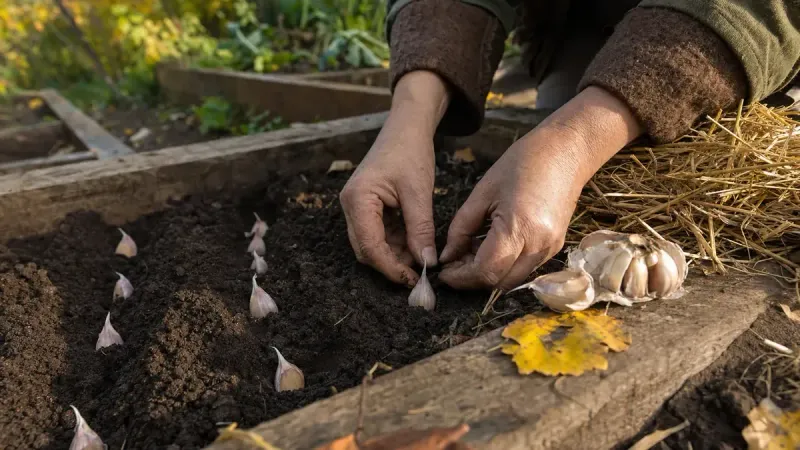
My favorite part of garlic season is how quick planting goes. An afternoon is plenty for most home beds. Grab your best bulbs and get started.
First, break the heads into single cloves a day or two before planting. Keep the papery skins on. Choose the largest, firmest cloves and save the small ones for cooking.
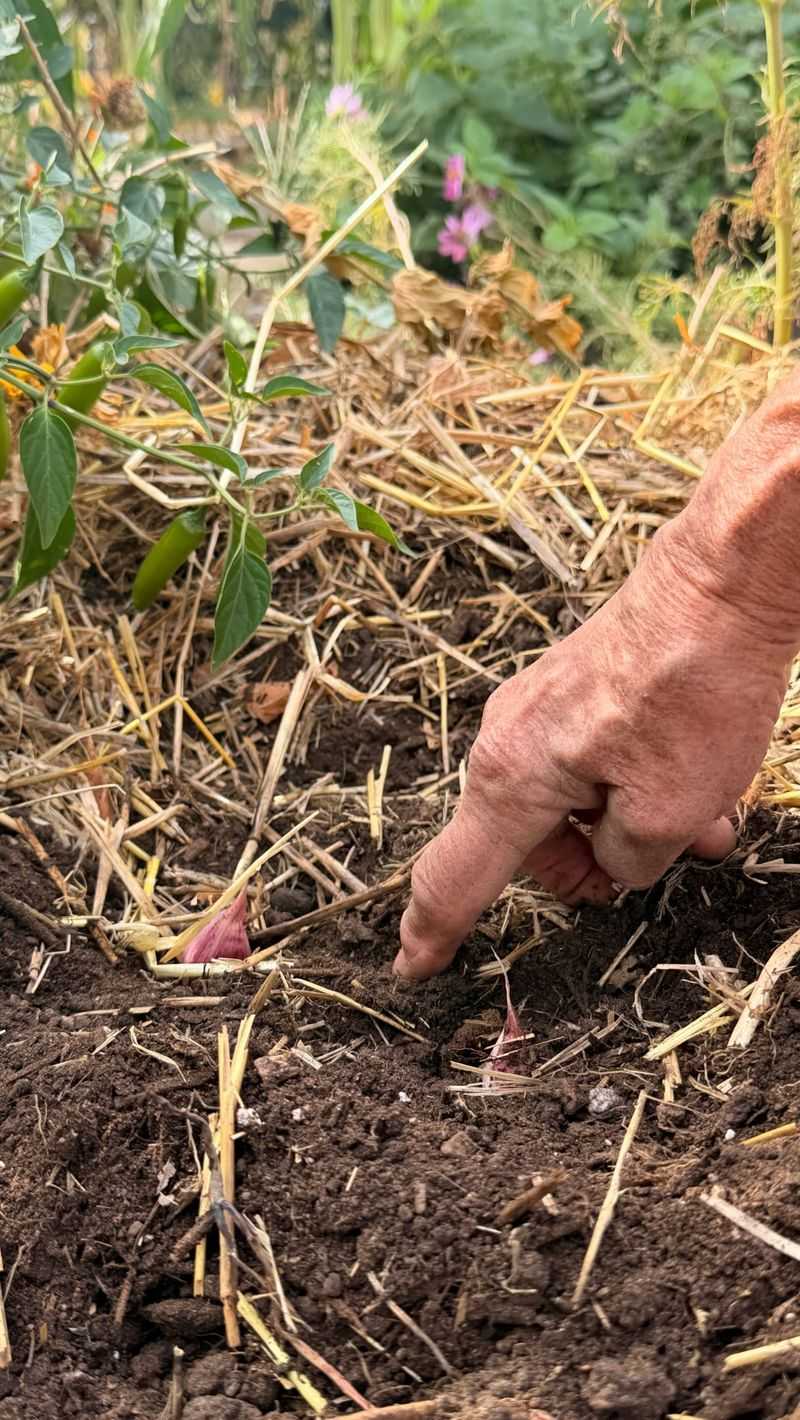
Set each clove pointy end up and flat root end down. Push it about two inches deep in western Oregon. In colder eastern areas, go closer to three inches for extra protection.
Space cloves around four to six inches apart in rows. Leave about twelve inches between rows. That room lets bulbs swell without crowding.
Water the bed lightly if the soil is dry. Fall rains usually take over from there.
Then comes mulch, which is a must. Spread three to four inches of clean straw or shredded leaves over the bed. Mulch keeps soil temperatures steady and holds back winter weeds.
Green shoots may poke through before winter. Not to worry, that is normal. The leaves can handle cold just fine.
A Few Sneaky Mistakes Can Shrink Your Harvest
Even seasoned growers slip up with garlic now and then. Most mistakes are easy to dodge once you know them. A little awareness saves a lot of disappointment.
Waiting too long tops the list. East of the Cascades, frozen ground can arrive early in November. Cloves planted late may struggle to root before the freeze.
Planting too early causes its own headache. In warm Septembers, cloves can grow tall leaves that get damaged by winter cold. Aim for that sweet spot from early to late October in most of the state.
Skipping drainage is another common slip. Heavy, wet clay often leads to rot over a rainy winter. Raised rows or beds help a ton.
Grocery store garlic tempts plenty of folks. It may carry disease or be treated to resist sprouting. Certified or locally grown seed garlic is a safer bet.
Finally, watch watering in late spring. Stop irrigating a couple of weeks before harvest, usually in late June or July. Drier soil helps bulbs cure well and store longer. Avoid these slips, and your summer harvest should reward you generously.