Plant These Arizona Natives Right Now For A Desert Yard That Comes Alive This Fall
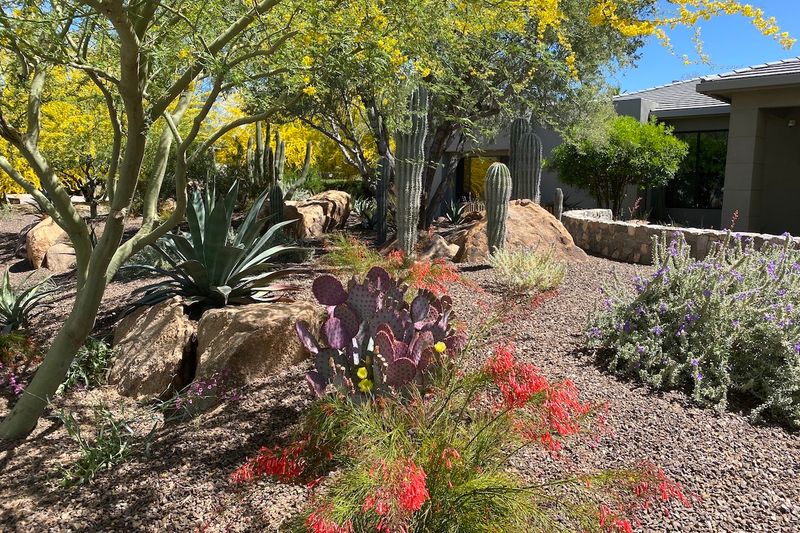
Fall is the secret planting season most Arizona homeowners overlook. When you tuck native plants into the ground in October and November, their roots settle in during the cooler weather so they can shrug off next summer’s brutal heat.
The right natives do more than look pretty too, pulling in hummingbirds, sheltering birds, and making your yard less friendly to scorpions and mosquitoes. Here are eight desert-adapted picks that turn a dry, tired yard into living, working habitat.
1. Blue Palo Verde
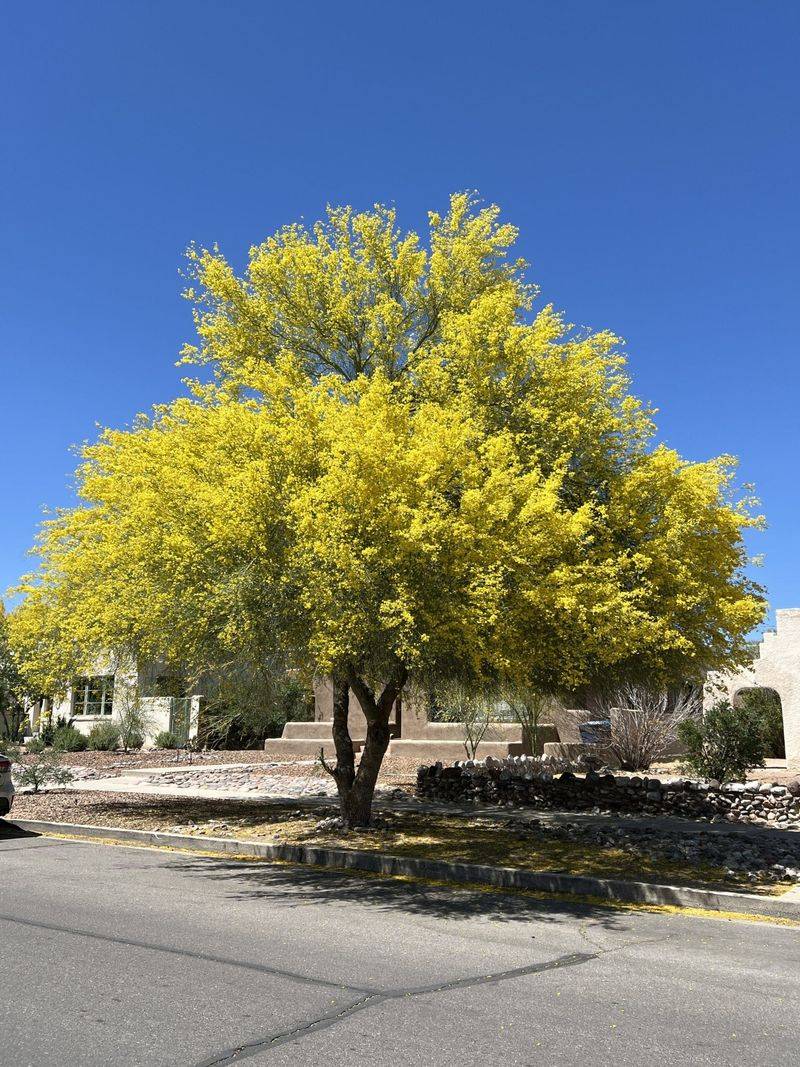
Meet Arizona’s state tree, the one with the almost cartoon-green trunk. Blue palo verde actually photosynthesizes through its bark, which is how it survives when it drops its tiny leaves during dry spells.
Plant one this fall and you are setting up years of easy, filtered shade that cools your yard without demanding much water. Once established, it wants almost nothing from you, which is exactly what a busy Arizona homeowner needs.
Come spring, the canopy erupts in bright yellow blooms that hum with native bees and other pollinators. Quail and songbirds use the branches for cover, so the tree quietly becomes a little wildlife hub near your patio.
Give it room to spread and well-draining soil, since caliche and standing water are its enemies. Water it deeply but infrequently while roots take hold, then back off as it matures.
The filtered shade it throws is gentle enough that you can grow perennials underneath, layering your yard into something that feels alive. For a tree that asks little and gives shade, blooms, and habitat, this one earns its spot first.
2. Desert Willow
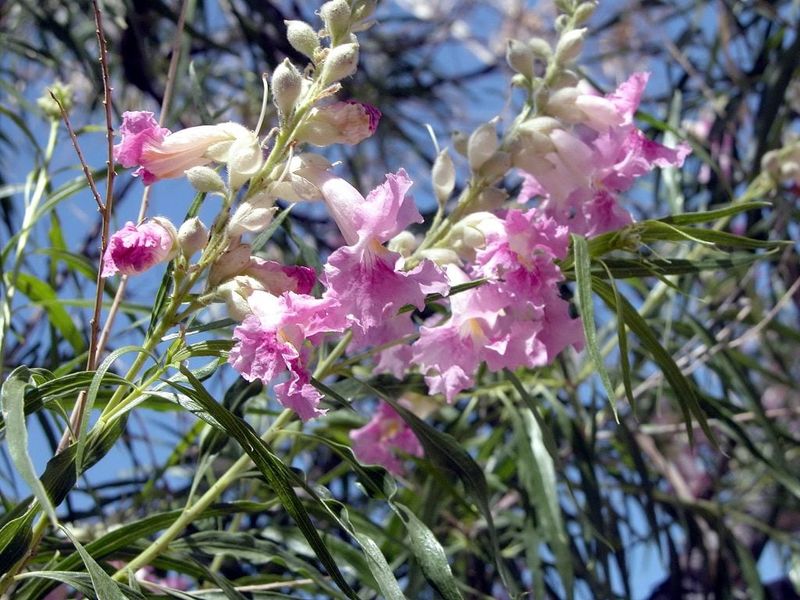
Do not let the name fool you, because desert willow is not a true willow at all. What it does share is that graceful, weeping look, paired with trumpet flowers in dreamy shades of pink and purple.
Hummingbirds treat this tree like a favorite diner, zipping in all season to sip nectar from the blooms. If you have ever wanted to watch pollinators from your kitchen window, this is the tree to plant.
It thrives in full sun and handles the low desert’s heat and thin water rations with ease once its roots are down. Fall planting gives it that head start it loves.
Its open, airy canopy tosses light shade rather than deep shadow, so it pairs nicely with sun-loving plants below. In autumn, long seed pods dangle from the branches and add a bit of quirky texture.
Prune it lightly to shape the trunk if you want a tidier form, or let it grow loose and natural. Either way, you get a low-water, wildlife-drawing tree that keeps color coming from spring straight through fall.
3. Ironwood
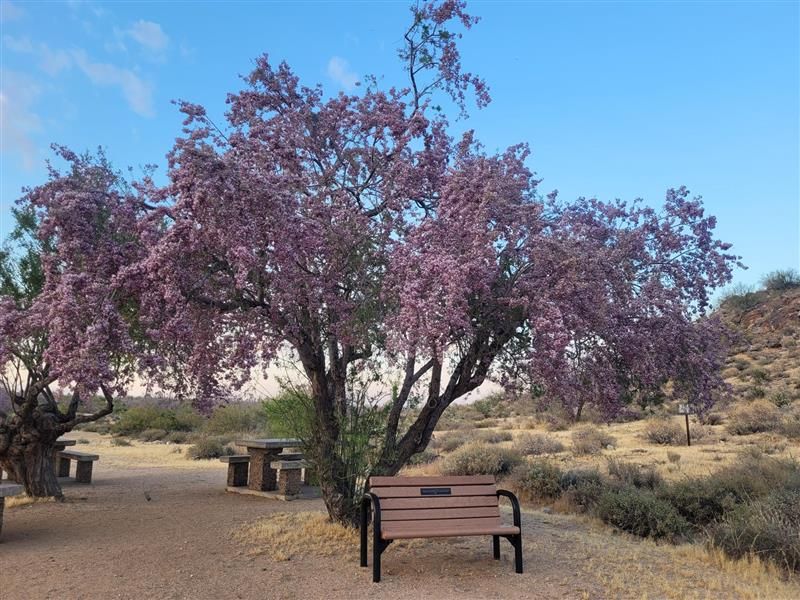
If you want a tree that runs its own bird sanctuary, ironwood is your heavy hitter. Its dense canopy shelters close to 150 different bird species, giving them cover from hawks and a break from the sun.
Beyond the shade, ironwood is a full-service buffet. Its protein-rich seeds and pods feed wildlife, and the insects living in its foliage draw in even more hungry birds.
Your Arizona Garden Changes Every Week. Your Plan Should Too.
Gardening in Arizona changes quickly throughout the season. Every Friday you’ll receive a simple weekly plan showing exactly what to plant, prune, fertilize, harvest, and protect so you never miss the right timing.
Slow and steady is its style. Ironwood grows at an unhurried pace but rewards patience by living for centuries and becoming one of the toughest, longest-lasting trees in the Sonoran Desert.
Plant it this fall in well-draining soil and give it deep, occasional watering while it establishes. After that, it becomes remarkably self-sufficient in the face of heat and drought.
Pale lavender blooms appear in late spring, softening the tree’s rugged look and feeding pollinators too. The wood itself is famously hard, which is where the name comes from.
For a homeowner who wants a genuine habitat anchor rather than a quick decorative fix, ironwood delivers shelter, food, and generations of quiet service.
4. Velvet Mesquite
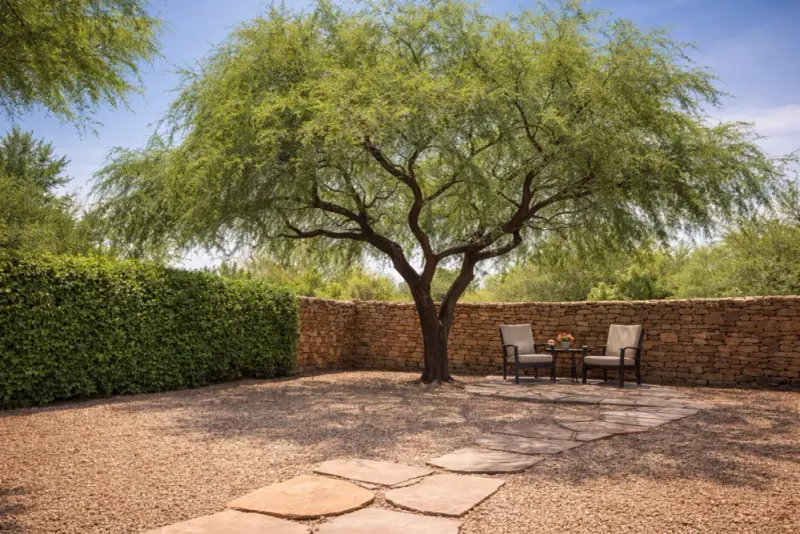
Few trees say Sonoran Desert quite like velvet mesquite, with its feathery leaves and gnarled, characterful trunk. It has been shading desert dwellers, both human and animal, for a very long time.
Birds absolutely depend on it. Mesquite provides prime spots for breeding, nesting, and roosting, while its flowers pull in a busy crowd of feathered visitors.
Then come the pods. Doves, quail, and other creatures feast on the sweet seed pods, and those same pods were once ground into flour by desert communities.
As a shade tree, velvet mesquite is a champion, casting cool relief over patios and helping trim your cooling costs during those relentless summer afternoons. Fall planting lets its roots dig deep before the heat returns.
Give it well-draining soil and go easy on the water once it is settled, since overwatering can make it grow too fast and weak. A little thoughtful pruning keeps the canopy strong against monsoon winds.
Choose velvet mesquite when you want a hardworking native that feeds wildlife, shades your home, and roots your yard firmly in Arizona tradition.
5. Autumn Sage
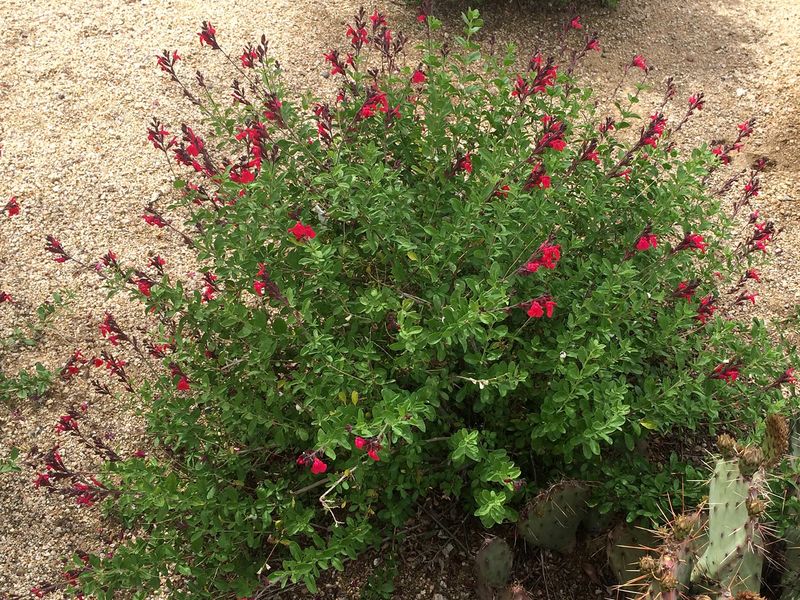
Small but mighty describes autumn sage perfectly. This compact shrub keeps pumping out soft blooms from spring all the way through fall, refusing to quit even when the thermometer climbs.
Hummingbirds and pollinators can’t resist it, treating the flowers as a steady nectar source across many months. Plant a few together and you create a buzzing, fluttering pocket of activity.
Deer tend to leave it alone, which is a handy bonus if browsing critters have wrecked your plantings before. Its aromatic leaves simply do not appeal to them.
Water needs are low and heat tolerance is high, making autumn sage a set-it-and-mostly-forget-it kind of plant. It slots neatly under the filtered shade of palo verde or desert willow.
Colors range from pink and coral to fiery red, so you can mix shades for a livelier bed. A quick shearing after big flushes keeps it tidy and encourages fresh blooms.
For gardeners who want long-lasting color and constant pollinator traffic without a big water bill, this little shrub punches well above its size and belongs in any Arizona fall planting plan.
6. Desert Marigold
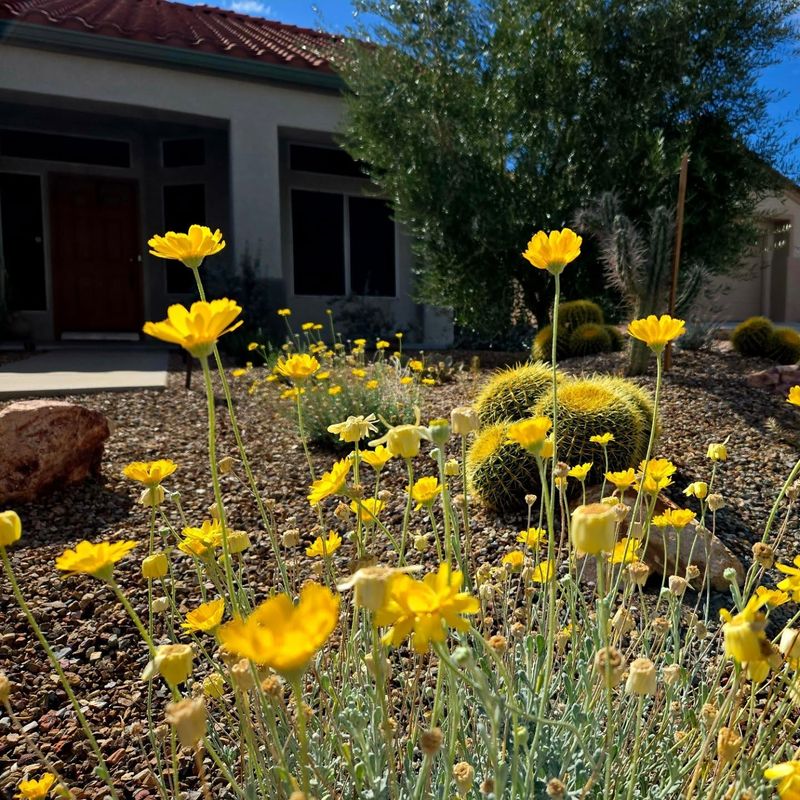
Cheerful is the only word for desert marigold, with its sunny yellow flowers that seem to bloom almost year-round in the low desert. It brings color when a lot of other plants are taking a break.
Butterflies flock to those blooms, and once the flowers fade, the seeds become snacks for doves, sparrows, and finches. One little plant ends up feeding several kinds of wildlife.
Here is the part pest-weary homeowners love: desert marigold is known to help repel aphids and mosquitoes. It is no magic shield, but its traits can make a corner of your yard a little less inviting to those nuisances.
Maintenance is refreshingly low. It thrives in poor, well-draining soil, asks for very little water, and happily reseeds itself so you often get free new plants the following season.
Its silvery, fuzzy foliage adds soft texture even between bloom cycles. Scatter it along walkways or the edges of beds where it can spread naturally.
When you want nonstop color, butterfly traffic, and a plant that quietly discourages pests, desert marigold is an easy, budget-friendly yes for fall.
7. Desert Milkweed
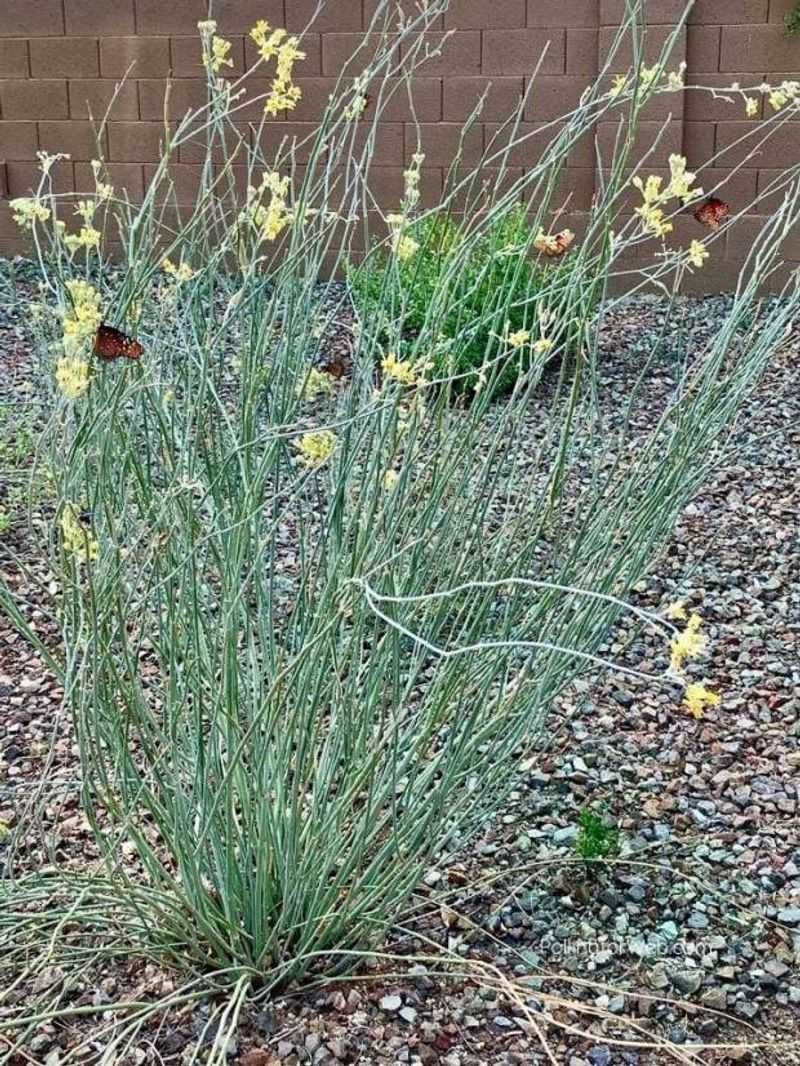
Monarch butterflies have a special relationship with desert milkweed, and that alone makes it worth planting. It serves as a host plant, meaning monarch caterpillars actually feed and grow on it.
Without milkweed, monarchs have nowhere to lay eggs, so adding it to your yard turns you into a tiny partner in their survival. Watching striped caterpillars munch their way toward becoming butterflies never gets old.
The plant itself looks striking, sending up slender, nearly leafless green stems topped with clusters of small yellow flowers. Those blooms draw in a wider crowd of butterflies and pollinators too.
Drought tolerance is one of its best traits. Desert milkweed establishes with minimal fuss and shrugs off heat once its roots settle in during the cooler fall months.
Plant it in full sun with well-draining soil and resist the urge to overwater. Its architectural shape works beautifully in gravel gardens and modern desert designs.
If your goal is a yard that actively supports pollinators rather than just looking nice, desert milkweed is a purposeful, low-effort choice that gives migrating monarchs a real fighting chance.
8. Globe Mallow
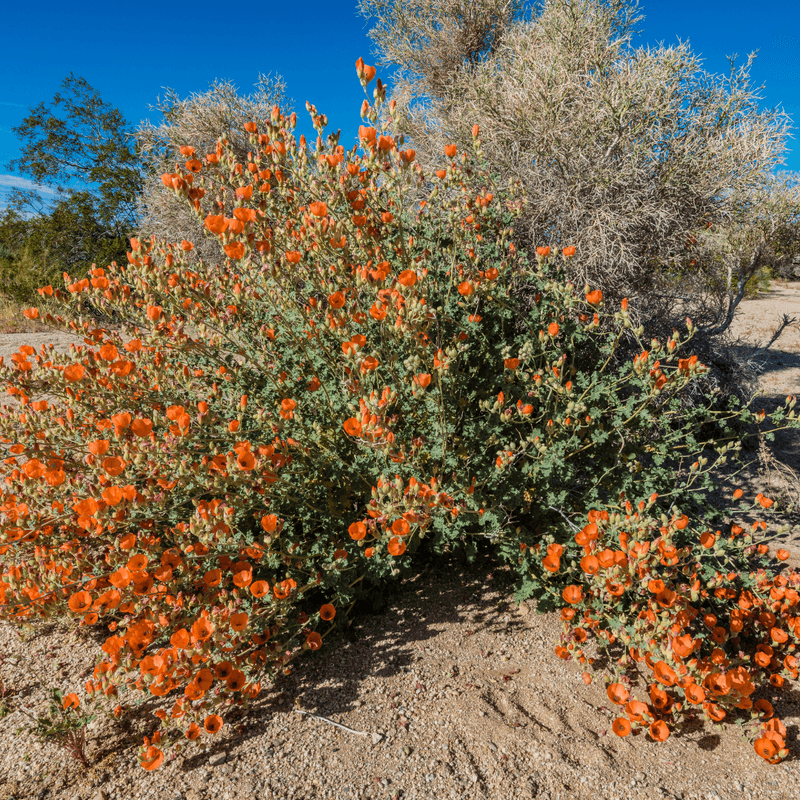
Along Arizona roadsides you have probably seen bright orange flowers glowing in the spring, and that is often globe mallow doing its thing. This hardy perennial brings that same wild, cheerful color right into your yard.
Blooms come in orange, pink, and sometimes white, opening up from early spring clear through fall. Bees and butterflies work them steadily, so the plant stays lively with visitors.
Toughness is its calling card. Globe mallow laughs off drought, heat, and poor soil, thriving in the kind of tough desert spots where fussier plants sulk and die.
Its soft gray-green leaves have a slightly fuzzy texture that pairs nicely with the vivid flowers. The whole plant has a loose, natural look that fits informal desert landscapes.
Fall planting gives it time to root before the heat arrives, and after that it needs little more than occasional deep watering. It also reseeds, so expect happy surprises in future seasons.
For a splash of that quintessential Sonoran orange, plus reliable pollinator traffic and near-zero maintenance, globe mallow rounds out this list as a colorful, no-nonsense native worth planting now.