The One Thing North Carolina Dogwoods Need In October Or They Will Skip Blooming Next Spring
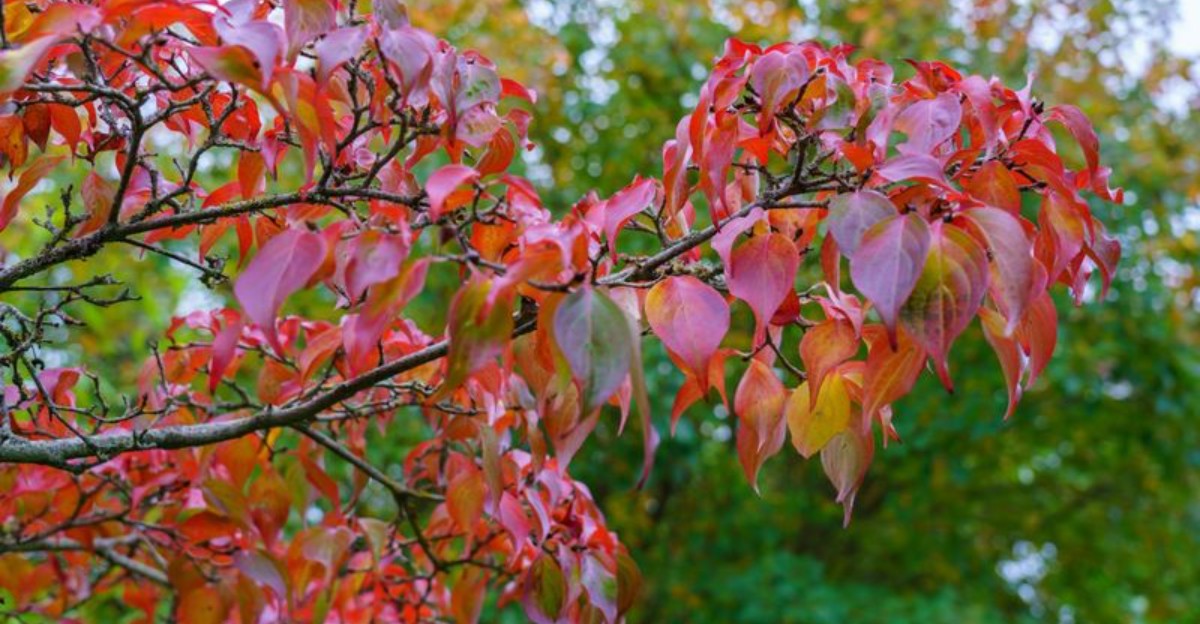
Every October, North Carolina yards put on a quiet show of red leaves and crunchy acorns underfoot. Meanwhile, one beloved spring tree is busy planning next year’s party while most of us rake.
Those famous white blossoms you admire each April are actually decided months earlier, long before the first frost. The tiny buds are already sitting at branch tips, round and gray like little onion bulbs.
Trouble is, autumn in North Carolina can turn surprisingly stingy, with weeks of sunshine and no rain. Those buds depend on steady moisture, even when the tree still looks fine from the porch.
Skip this chore during a dry fall, and the April display can come out thinner than usual. Neighbors may notice the difference when every other dogwood on the street is in full bloom.
Luckily, the fix is simple, inexpensive, and needs only a hose and a little patience. Even a healthy-looking tree can bloom poorly after a dry fall, and the porch view hides most of the warning signs.
A Slow Deep Soak During Dry Autumn Stretches
Picture a sponge left on a sunny windowsill for a week, stiff and crackly to the touch. Pour a quick splash on it, and most of the water simply runs off the hard surface.
Dry clay soil around a dogwood acts much the same way during a rainless North Carolina October. A quick spray from the hose wets the top inch but rarely reaches the roots that matter.
Slow soaking gives the ground time to relax and drink, letting moisture sink eight to twelve inches deep. Dogwood roots stay fairly shallow, so that zone holds most of the feeder roots doing the real work.
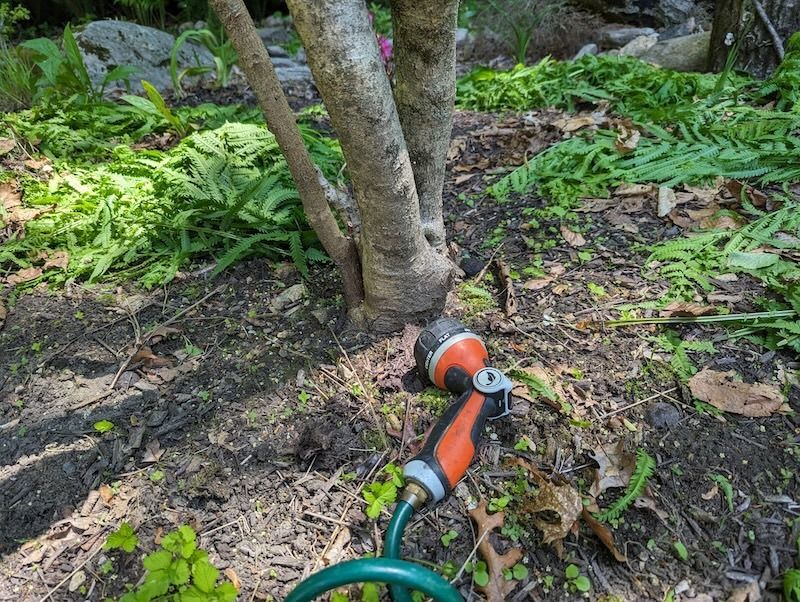
A soaker hose coiled around the tree works wonderfully, dribbling water at a lazy, steady pace for hours. You can also set your garden hose on a gentle trickle and move it around every twenty minutes.
Spread the water across the whole area under the branches, since roots reach out wider than most people expect. Focusing only on the trunk leaves the outer roots thirsty while a soggy puddle forms near the bark.
Some North Carolina falls bring dry stretches of two weeks or more, especially across the Piedmont region. Keep a simple rain gauge in the yard so you know when nature skips its turn.
Adding two or three inches of shredded bark mulch helps the soaked soil hold onto that moisture longer. Just keep the mulch a few inches away from the trunk so the bark can breathe easily.
The Reason Flower Buds Depend On Autumn Moisture
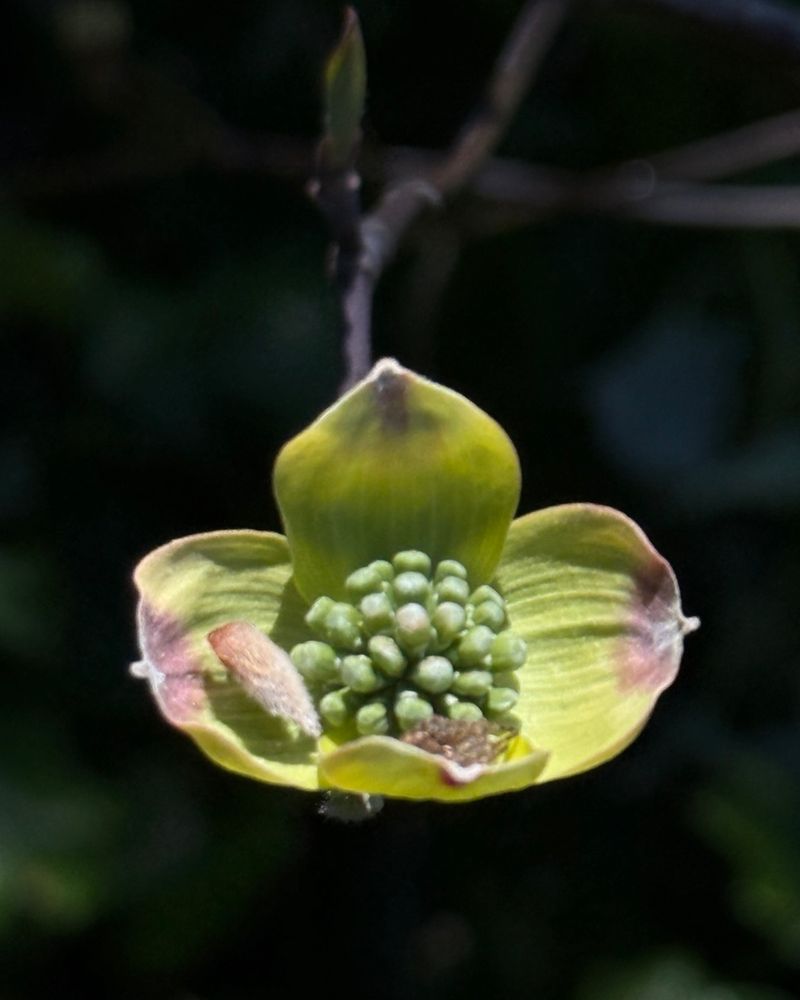
Most people think dogwood flowers appear out of nowhere in spring, but the plan starts much earlier. By late summer, the tree has already built tiny flower buds that wait patiently through the cold months.
You can spot them right now, shaped like small gray turbans or buttons sitting on the branch tips. Leaf buds look different, since they are thin and pointy, almost like the tip of a sharp pencil.
Your North Carolina Garden Changes Every Week. Your Plan Should Too.
Gardening in North Carolina changes quickly throughout the season. Every Friday you’ll receive a simple weekly plan showing exactly what to plant, prune, fertilize, harvest, and protect so you never miss the right timing.
Inside each round bud, the parts of next spring’s bloom are packed tightly together like a folded paper fan. Those parts still need water and stored food to stay plump and healthy until the weather warms again.
When autumn turns dry, a stressed tree may carry weaker buds, and some may fail to open in spring. Think of it like a family trimming its grocery list after a tight month, cutting the extras first.
Fun fact: the showy white petals on a dogwood are not true petals but special leaves called bracts. The real flowers are the tiny greenish clusters in the center, and they also form inside those buds.
Roots keep growing in fall even after the leaves change color, as long as the soil stays warm. Moist ground lets those roots stretch out and store up energy that feeds the buds in early spring.
The North Carolina state flower deserves a little help, especially since it shows up on so many front lawns. A bit of October care today often turns into a branch full of bright blossoms next April.
Signs The Soil Around The Roots Is Too Dry
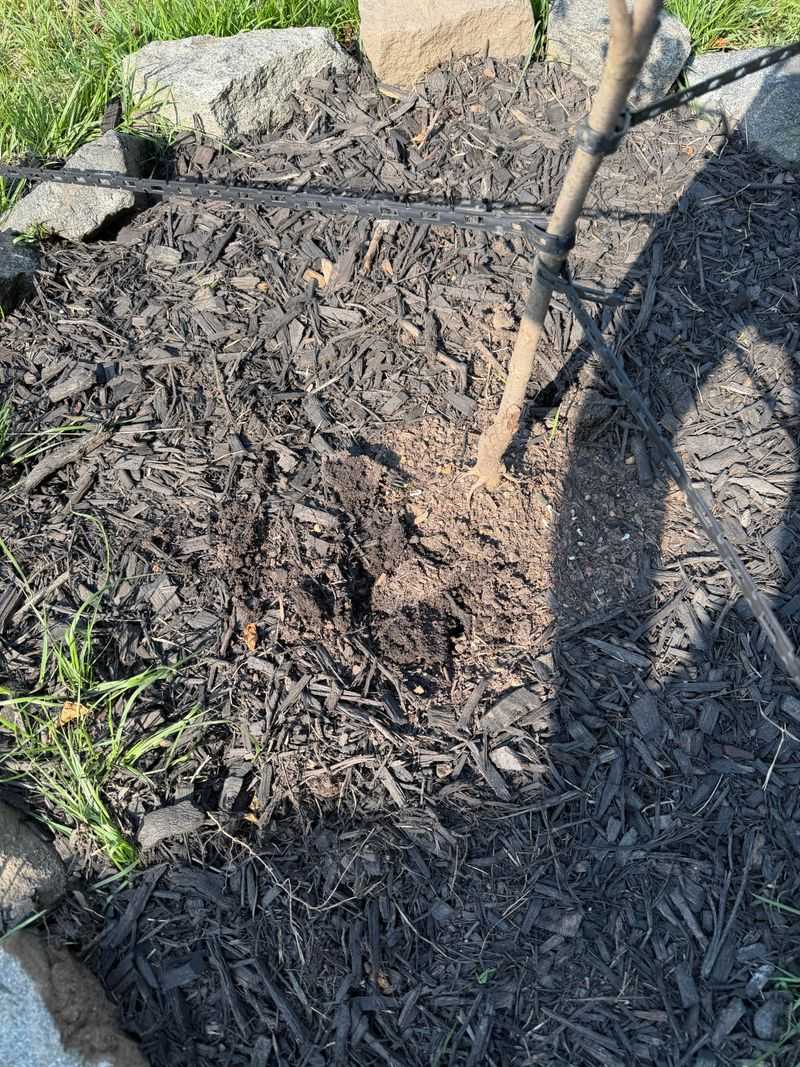
Think like a backyard detective, because a thirsty dogwood leaves plenty of clues for anyone willing to look. The trick is checking the soil itself instead of trusting how green the lawn looks from the window.
Start with the finger test by pushing your pointer finger about two inches into the ground near the dripline. If the soil feels dusty or crumbly at that depth, your tree is asking for a long drink.
North Carolina red clay gives another clue, since it shrinks and forms thin cracks when moisture runs low. Those little lines in the ground can look like the cracks in a dried-up creek bed.
Leaves offer hints too, so watch for edges that curl, droop, or turn crispy brown before fall color arrives. Healthy dogwoods usually shift to a rich red, while stressed trees often look dull and brown-edged instead.
Early leaf drop is another warning sign, especially when only one tree in the yard seems to struggle. Trees growing near driveways, sidewalks, or brick walls often dry out faster because of extra reflected heat.
For a more exact answer, an inexpensive soil moisture meter from any garden center works surprisingly well. Push the probe down several inches, and a reading in the dry zone means it is time to water.
Check the soil once or twice a week during October, especially after several sunny days with a breeze. Catching dryness early is much easier than trying to rescue a tree that has already dropped its buds.
The Right Amount Of Water Per Session
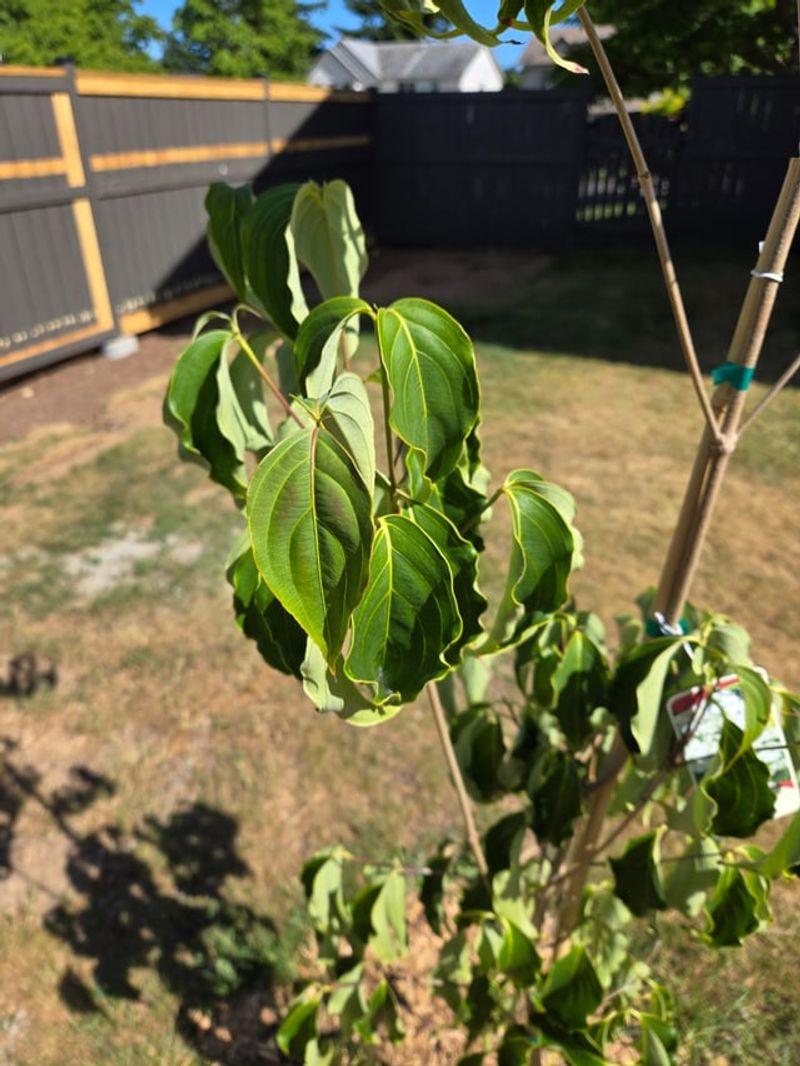
Gardeners love a simple rule, and this one is easy to remember while standing in the yard with a hose. Aim for roughly ten gallons of water for every inch of trunk width, measured about six inches above the ground.
A young dogwood with a two inch trunk would need around twenty gallons during each deep watering session. Larger, older trees can handle more, though their wider roots also give them a bit more natural backup.
Measuring is easier than it sounds, and all you need is a five gallon bucket and a phone timer. Fill the bucket at your usual hose setting, then multiply that time to reach your target gallon amount.
Plan on one deep soak about once a week when a week of October brings less than an inch of rain. If a good shower soaks the yard, skip that week and let the clouds handle the job for you.
Too much water can cause trouble as well, because soggy clay squeezes out the air that roots need. Dogwoods dislike wet feet, and roots sitting in puddles for days can develop root rot and weaken.
Sandy soils near the coast drain quickly, so trees there may need a second, smaller drink each week. Piedmont red clay holds water longer, so one generous session usually carries a tree for days.
Newly planted dogwoods, especially those put in the ground this year, need extra attention during dry autumn weeks. Their small root balls dry out fast, so check them twice weekly and water whenever the top feels dusty.
The Best Time Of Day To Water
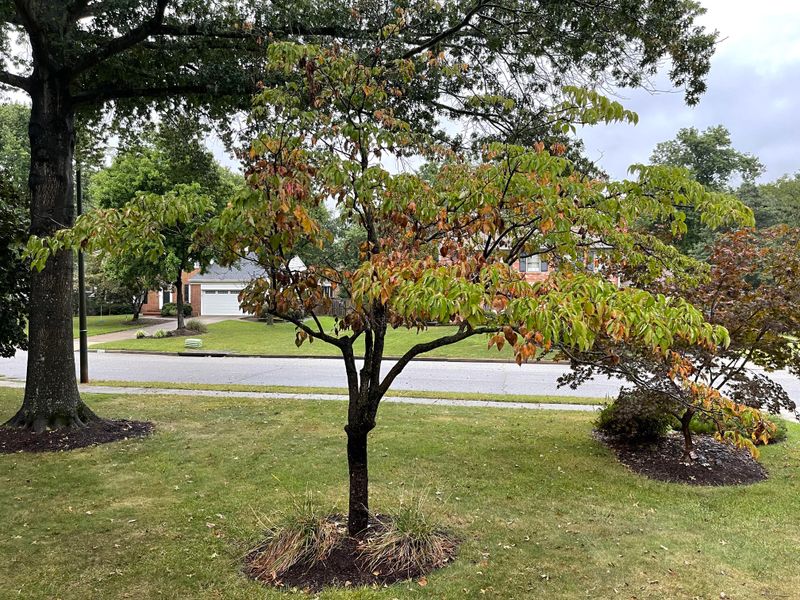
Early morning, with a mug of coffee and cool dew on the grass, is the sweet spot for watering. The air is calm, the sun is low, and very little water floats away before reaching the roots.
Watering between about six and ten in the morning gives the soil hours to soak everything in. By midday, the tree has a full supply ready just as October sunshine starts warming the leaves.
Afternoon watering is not terrible, but warm, breezy days can steal a surprising amount through evaporation. Early fall in North Carolina can still bring afternoons in the high seventies or even low eighties.
Evening sounds relaxing, yet it often keeps the leaves and soil damp through the long, cool autumn night. Dogwoods are prone to leaf spot diseases, and those fungi love that kind of lingering moisture.
If evening is your only free time, water at the base and keep the spray off the branches. A soaker hose makes this easy, since it delivers moisture right to the ground without splashing the foliage.
Some gardeners like plugging a soaker hose into a cheap timer so the morning session runs on autopilot. A timer makes the routine easier, since the watering happens even on a busy morning.
Overhead sprinklers for the lawn can also hit your dogwood, so check where the spray actually lands. Adjusting a sprinkler head by a few inches can keep the leaves drier and the tree much happier.
The Point To Stop Watering Before Winter Arrives
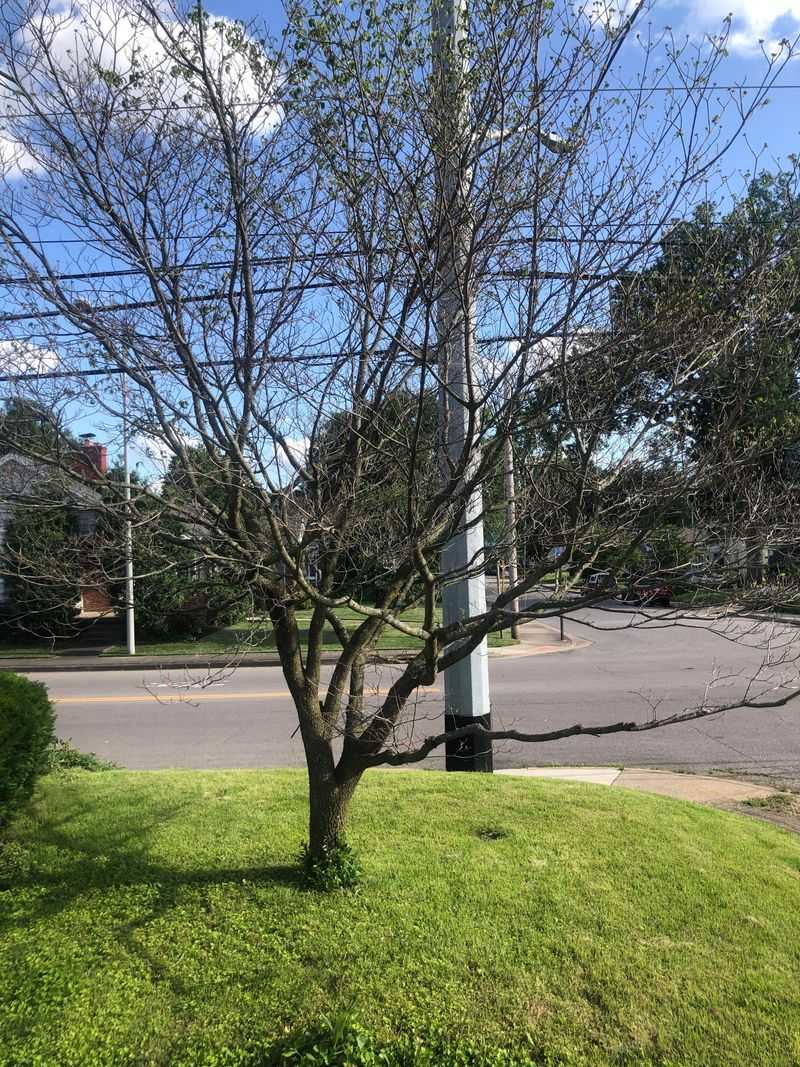
Every good season has a finish line, and fall watering wraps up once the ground starts cooling down. For most North Carolina yards, that moment arrives after the first hard frost in late fall.
Mountain towns like Boone may see that frost as early as late September or early October, while Raleigh often waits until late October or early November. Coastal areas such as Wilmington can stay mild even longer, often pushing the first frost into mid or late November.
Once the leaves have dropped and the tree goes dormant, its thirst slows down to a gentle sip. Roots still use a little moisture, but cold soil holds water much longer than warm summer ground.
Give the tree one last deep soak right before the ground freezes, especially if autumn stayed dry. Moist soil actually holds warmth better than dry soil, which helps protect the roots from harsh winter cold.
After that final drink, drain your hoses and store them so they do not crack in freezing weather. Soaker hoses left outside can split along their seams, so storing them saves a replacement.
Winter dry spells do happen, so a midwinter drink on a mild, sunny afternoon can still help. Only water when temperatures sit above forty degrees and the ground is not frozen solid underneath.
Skip fertilizer during this stretch, because feeding now can push tender new growth that frost easily damages. Let the tree rest quietly, and those plump buds will be ready to burst open when April returns.