Why Pennsylvania Gardeners Shouldn’t Cut Back These Native Plants In September
The urge to tidy up the garden in September is one of the most natural instincts in gardening, and for many plants it’s exactly the right call.
But for certain Pennsylvania native plants, cutting back in September is one of the most counterproductive things a gardener can do, and the consequences play out in ways that aren’t always immediately obvious. Some of these plants are still working.
What looks like spent, past its prime growth is actually providing critical late season resources for the native bees, birds, and beneficial insects that depend on your garden through fall and into winter.
Seed heads that seem ready for cleanup are feeding birds that have few other reliable sources.
Hollow stems left standing are nesting sites for native bees that can’t find what they need anywhere else in a tidied landscape. Root and crown resources are still being built below the surface in ways that cutting interrupts at the worst possible moment.
Knowing which Pennsylvania native plants to leave alone in September is just as important as knowing what to cut. Here’s exactly which ones to hold off on and why waiting makes a genuine difference.
1. New England Aster
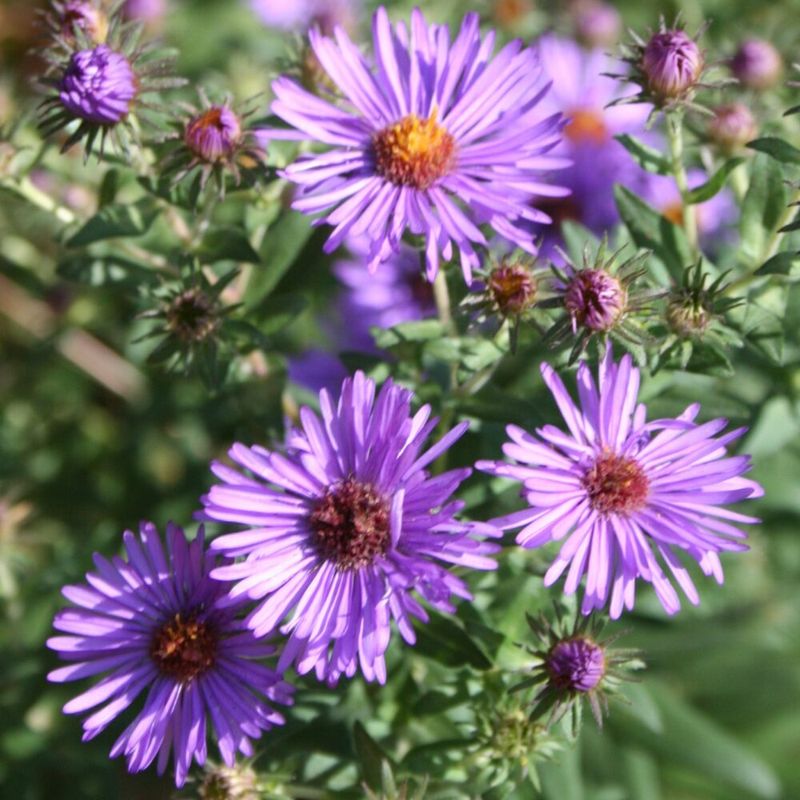
Walk past a patch of New England Aster in September and you will instantly understand why this plant is worth protecting.
The flowers burst open in shades of purple, violet, and pink, creating a stunning display just when most of the garden is winding down. Cutting it back now would mean losing one of fall’s most breathtaking shows.
Bees, butterflies, and migrating monarch butterflies rely heavily on New England Aster during September.
The nectar and pollen these flowers produce are like a fuel station for insects preparing for the long journey south or getting ready for winter. Without these late-season blooms, many pollinators would struggle to find enough food.
New England Aster is also a host plant for several native bee species that nest in the ground. These bees time their life cycles around the aster’s bloom period, so removing the flowers early disrupts their natural rhythm.
Letting the plant finish its cycle supports the whole local ecosystem. After the flowers fade, the fluffy seedheads that form are just as valuable. Small birds, including goldfinches and sparrows, pick at the seeds throughout late fall and winter.
The dried stems also provide shelter for beneficial insects that overwinter inside hollow plant stalks.
If your garden feels a little crowded, resist the urge to cut. Simply enjoy the color and let nature do its job.
You can always tidy things up in late winter or early spring, when the wildlife has had its fill and the garden is ready for a fresh start.
2. Goldenrod
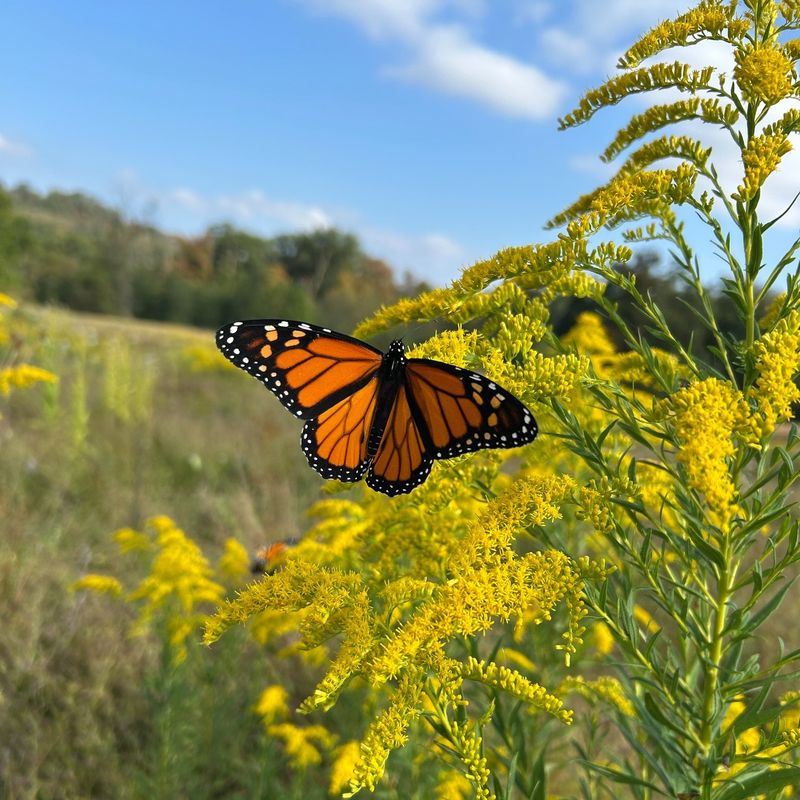
Goldenrod gets a bad reputation, and honestly, it does not deserve it. Many people blame it for fall allergies, but the real culprit is ragweed, which blooms at the same time.
Goldenrod actually has heavy, sticky pollen that does not travel through the air. It is carried by insects, not the wind.
Your Pennsylvania Garden Changes Every Week. Your Plan Should Too.
Gardening in Pennsylvania changes quickly throughout the season. Every Friday you’ll receive a simple weekly plan showing exactly what to plant, prune, fertilize, harvest, and protect so you never miss the right timing.
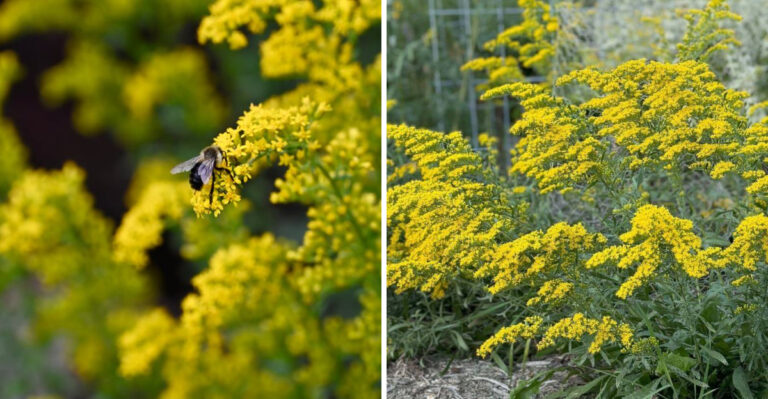
In September, Goldenrod is at its absolute peak. The bright yellow flower clusters are magnets for bees, wasps, beetles, and butterflies.
Scientists have counted more than 100 different insect species visiting Goldenrod during peak bloom, making it one of the most ecologically valuable plants in the entire Pennsylvania landscape.
Cutting Goldenrod back in September removes one of fall’s most important pollinator resources right when it is needed most. Many native bees are collecting their last stores of pollen and nectar before winter.
Goldenrod often provides the final big meal before the cold sets in, and taking that away puts local bee populations under serious stress.
Beyond pollinators, Goldenrod supports a whole food web. Insects that feed on the plant become food for birds and other wildlife.
The seeds that form after bloom are eaten by sparrows, juncos, and finches. The stems shelter overwintering insects, adding yet another layer of habitat value.
Leaving Goldenrod standing through September and beyond is one of the easiest things you can do for Pennsylvania wildlife.
The plant handles winter beautifully on its own, and the dried stems add texture and warmth to the fall garden. Wait until late winter to cut it back, and let it finish what it started.
3. Joe-Pye Weed
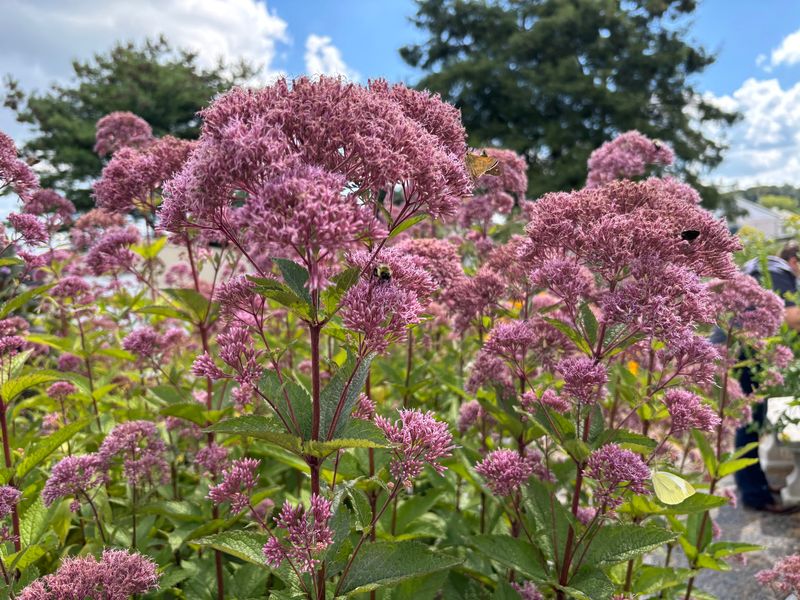
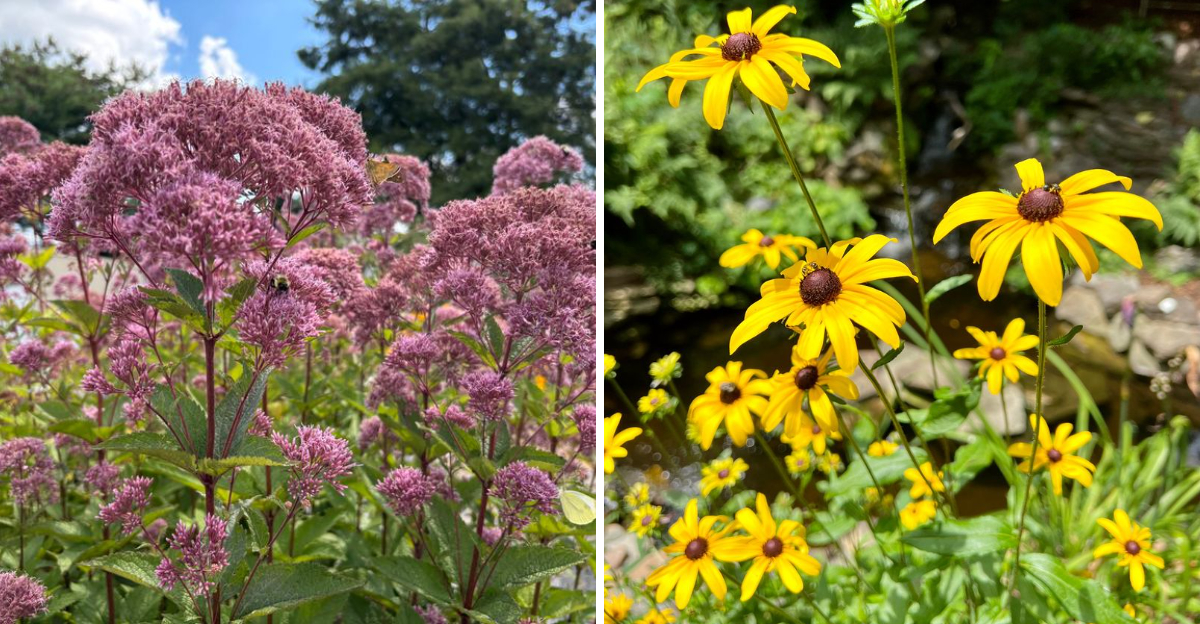
Joe-Pye Weed is one of those plants that earns its space in the garden every single year. Named after a Native American healer who reportedly used the plant medicinally, it grows tall and proud, often reaching six feet or more.
By September, some plants are still pushing out the last of their dusty pink blooms while others are already forming seedheads.
Both stages matter. The lingering flowers continue to attract late-season pollinators, especially bumble bees and various butterfly species.
These insects need every available food source as the season shifts, and Joe-Pye Weed delivers right up until the first frost arrives in Pennsylvania.
Once the flowers fade and seedheads develop, the plant’s value shifts from pollinators to birds. Goldfinches are particularly fond of the seeds and will visit the dried flower heads repeatedly throughout late fall and winter.
Watching finches hang upside down on the tall stems is one of the small joys of leaving native plants standing.
The hollow and pithy stems also serve as overwintering habitat for native bees and other beneficial insects. Some small native bees lay their eggs inside dry plant stems, and the larvae spend the winter safely tucked inside.
Cutting the plant down in September removes this habitat before the insects have a chance to move in.
Joe-Pye Weed also adds impressive vertical structure to the winter garden. The rusty brown seedheads and stiff stems look striking against a backdrop of snow.
Holding off on cutting until late February or March gives wildlife the maximum benefit while keeping your garden looking intentional and interesting all season long.
4. New York Ironweed
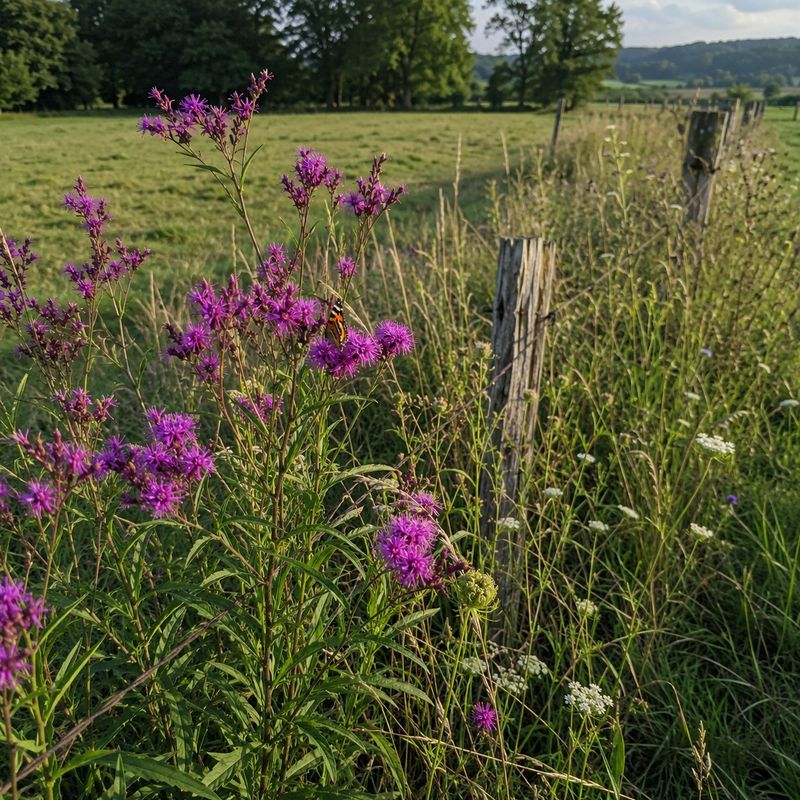
Few native plants command attention the way New York Ironweed does. The flowers are a deep, electric purple that practically glows in the September sun.
Monarchs, swallowtails, and bumble bees flock to it in numbers that can genuinely surprise first-time gardeners. Once you see a patch of Ironweed covered in butterflies, you will never want to cut it back early again.
In Pennsylvania, New York Ironweed often continues flowering well into September, especially in years with a warm extended summer. Cutting it now would mean removing blooms that are actively feeding migrating butterflies.
The monarch migration peaks in September, and every nectar source along the route makes a real difference for these long-distance travelers.
Letting the plant finish flowering and develop seed naturally is a simple but powerful choice. The small, tufted seeds that form after bloom are lightweight and wind-dispersed, but they also attract seed-eating birds.
More importantly, allowing the plant to complete its full cycle keeps it healthy and vigorous for next year.
New York Ironweed spreads slowly by seed and by root, gradually filling in spots where other plants struggle. It thrives in moist, low areas of the garden where few other plants will grow.
Respecting its natural cycle helps it establish more strongly over time, giving you a bigger, more productive patch of blooms each year.
The plant also has deep roots that help prevent soil erosion along stream banks and wet areas. Leaving it standing protects the soil structure through winter rains.
Cut it back in late winter, and you get the best of both worlds: wildlife support now and a tidy garden come spring.
5. Black-Eyed Susan
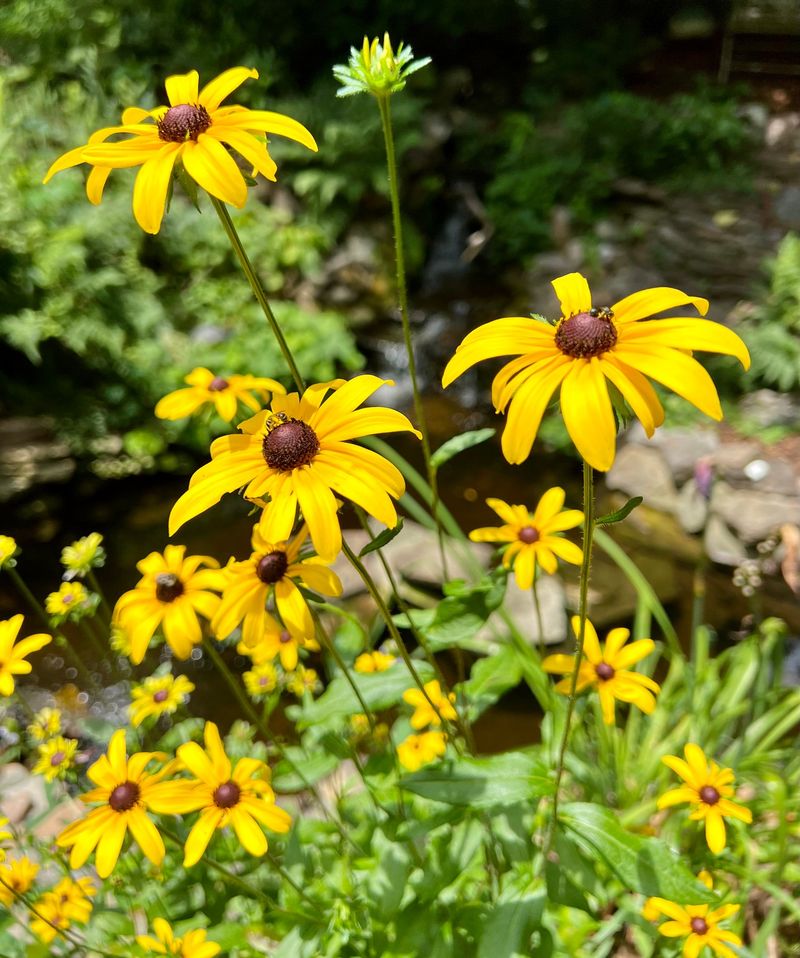
Black-Eyed Susan is probably the most recognized native wildflower in Pennsylvania, and for good reason. The cheerful yellow petals surrounding a dark brown center have made it a garden favorite for decades.
But here is something many gardeners do not realize: once those yellow petals drop in late summer and fall, the plant is just getting started with its most important job.
The dark, cone-shaped seedheads that remain after bloom are a critical food source for birds. American goldfinches are especially devoted fans, clinging to the stems and picking out seeds with impressive precision.
Sparrows, chickadees, and other small birds also visit regularly, turning your garden into a busy little feeding station without any effort from you.
Cutting the stems back in September means removing this food source right before birds need it most. As natural food becomes scarcer in late fall and winter, garden seedheads become increasingly valuable.
Leaving Black-Eyed Susan standing is essentially setting out a bird feeder, except the birds have to work for it a little, which is actually better for their health and behavior.
The stems themselves provide shelter, too. Beneficial insects overwinter inside the hollow and pithy stems, emerging in spring to pollinate your garden.
Removing the stems in September eliminates these tiny but mighty helpers before they have had a chance to settle in for winter.
Black-Eyed Susan also self-seeds freely, and allowing the seedheads to mature and scatter means more plants next year.
Cutting back early interrupts this natural process and reduces the size of your colony over time. Let the plant do what it does best, and it will reward you generously.
6. Little Bluestem
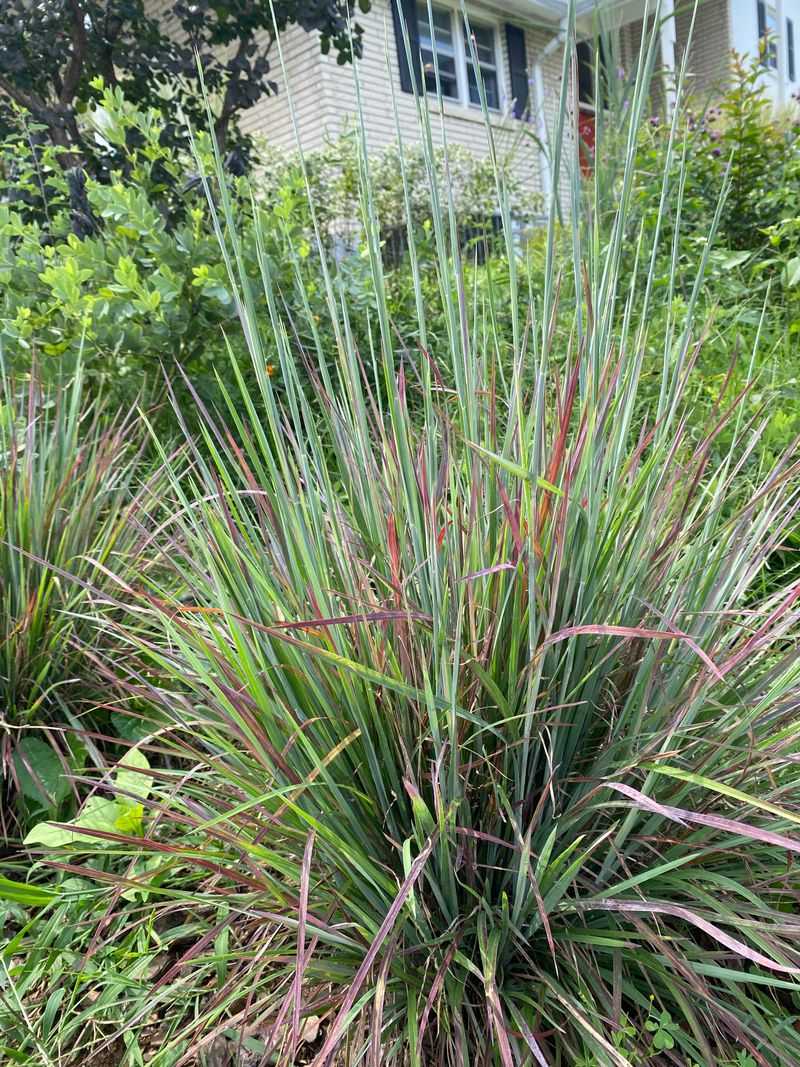
Little Bluestem might just be the most underappreciated native plant in the Pennsylvania garden. During summer, it blends into the background with its upright, blue-green blades.
Then September arrives, and something magical happens. The foliage slowly shifts to a warm reddish-bronze that catches the light in the most beautiful way, turning an ordinary garden into something that looks almost painted.
Cutting it back now would mean losing that spectacular fall color display entirely. Little Bluestem holds its color through October and into November, long after most other plants have gone gray and brown.
It brings warmth and texture to the garden at a time when both are hard to find. Beyond the visual appeal, Little Bluestem provides real wildlife value. The fluffy white seedheads that form in fall are eaten by juncos, sparrows, and other seed-eating birds.
The dense clumps of stems create sheltered pockets where small animals and insects can take cover from cold winds and predators.
Songbirds are especially drawn to Little Bluestem in winter. The seeds cling to the stems for months, providing a slow and steady food supply.
Birds like field sparrows and song sparrows often forage through the clumps for seeds and insects hiding within the dried foliage.
Little Bluestem is also remarkably tough. It handles drought, poor soil, and harsh winters without complaint.
Leaving it standing through the cold months actually protects the crown of the plant, insulating the roots against freeze-thaw cycles. Cut it back in early spring, just before new growth emerges, and the plant will come back stronger and fuller than ever.
7. Common Sneezeweed
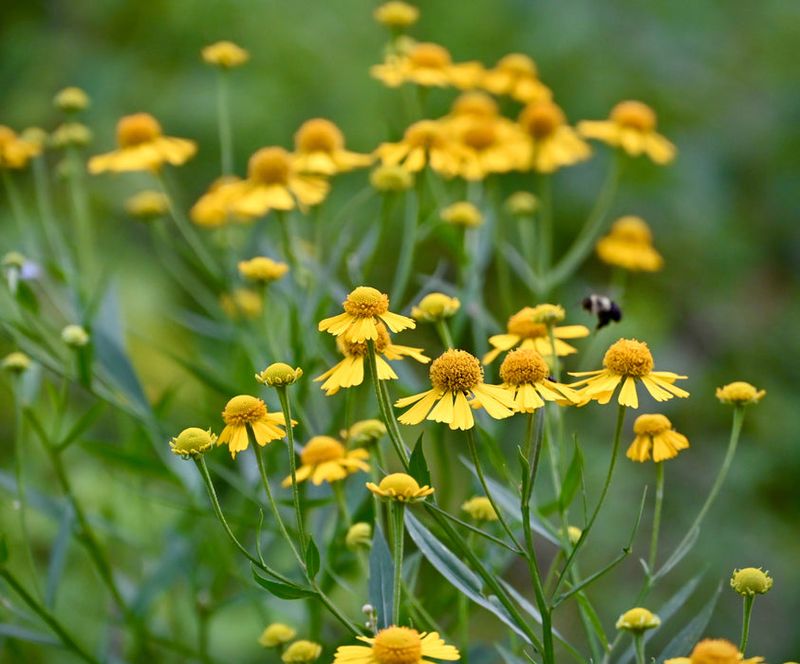
Do not let the name fool you. Common Sneezeweed does not actually cause sneezing, and it has nothing to do with seasonal allergies.
The name comes from an old practice of drying the leaves and inhaling the powder to trigger sneezing as a folk remedy. Today, gardeners know it as one of the most cheerful and hardworking native plants you can grow in Pennsylvania.
In September, Common Sneezeweed is in full swing. The bright yellow, daisy-like flowers with their distinctive globe-shaped centers bloom enthusiastically well into fall, often lasting until the first hard frost.
Cutting it back early removes a valuable splash of color at a time when the garden desperately needs it.
Pollinators love Sneezeweed with real dedication. Bumble bees, native sweat bees, and various butterfly species visit the flowers regularly throughout September.
For bumble bee queens, who are building up fat reserves before overwintering, late-season flowers like Sneezeweed are genuinely critical. Removing them early can make a tough season even harder for these important insects.
Common Sneezeweed thrives in moist spots and along the edges of rain gardens, areas where other plants sometimes struggle. It grows in dense clumps that provide structure and coverage for ground-nesting insects and small wildlife.
The plant’s upright form also adds height and visual interest to low areas of the garden. After bloom, the seedheads attract small birds looking for an easy meal.
The plant handles standing through winter with ease, and its dried form adds natural texture to the landscape.
Waiting until late winter to cut it back gives both wildlife and your garden the full benefit of everything this underrated native has to offer.