Why Pennsylvania Homeowners Who Overseed In September Have The Thickest, Greenest Lawns By Spring
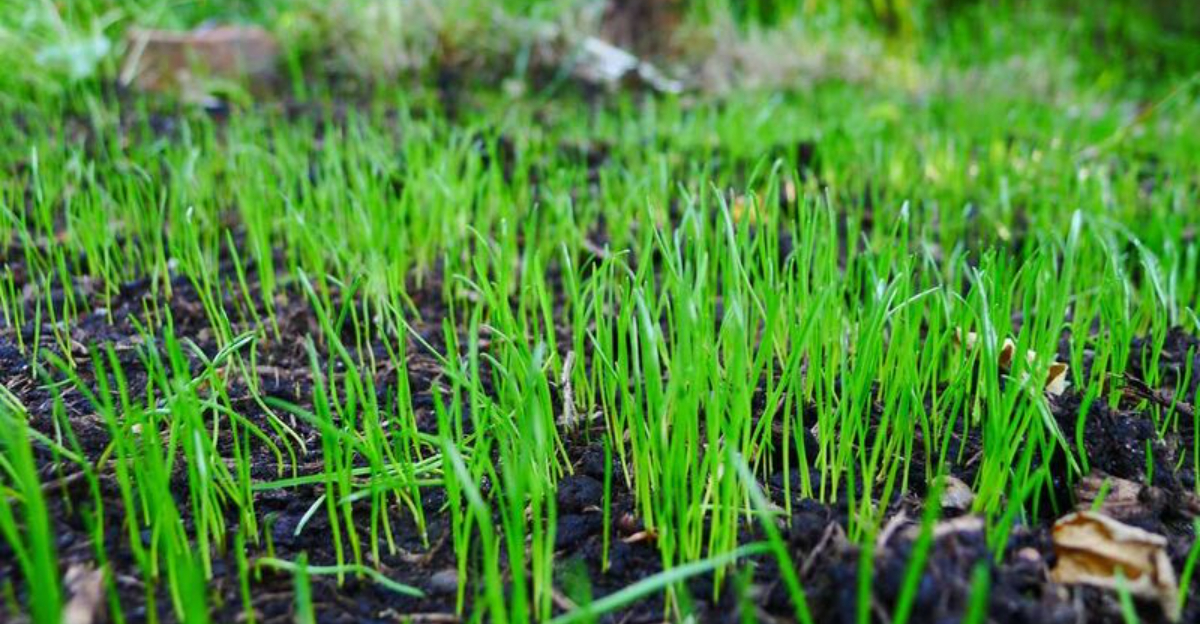
Your neighbor’s lawn will look better than yours next May.
You’ll notice it in April, when the grass greens up thicker and faster than anything you’ve got.
Nothing about the seed explains it. Same bag, probably from the same store.
The difference is happening right now, in a two or three week window that most Pennsylvania homeowners spend thinking about football instead of turf.
Here’s what makes this month unusual. Two conditions line up that never overlap again all year, and cool season grass depends on both of them.
Miss the window and spring seeding becomes your only option, which is genuinely harder and produces weaker results.
There’s another wrinkle. Several of the steps that make September seeding work have almost nothing to do with the seed itself.
One involves a screwdriver. One involves resisting an urge that feels productive.
The whole sequence takes a couple of weekends and costs less than most people spend on lawn products in a summer.
So why does September work so much better, and what has to happen for it to pay off?
1. Warm Soil And Cool Air Only Overlap Now
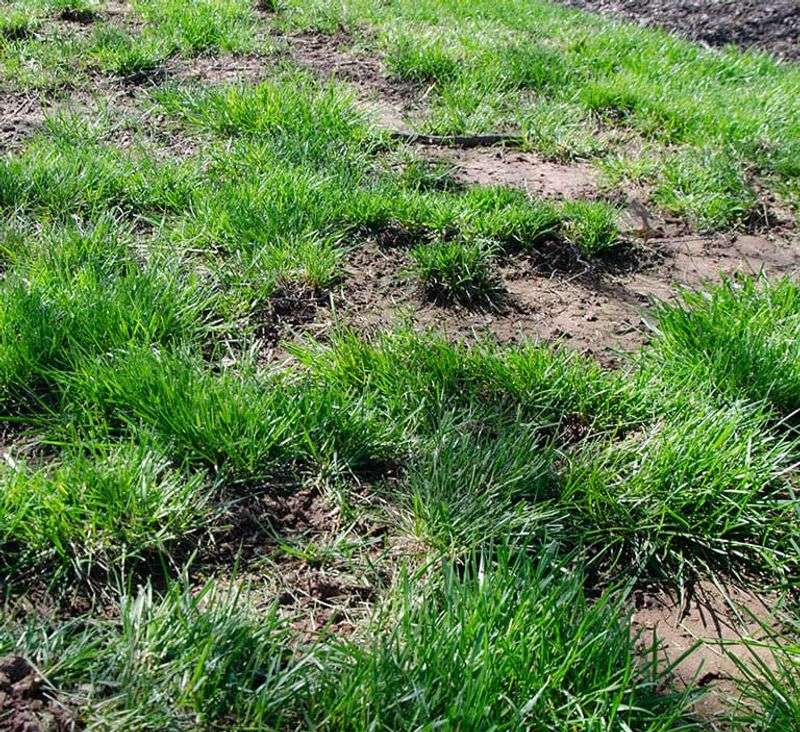
September gives grass a genuine break in Pennsylvania.
Soil still holds summer warmth, which speeds germination of cool season seed compared with chilly late fall conditions.
Air temperatures moderate at the same time. Tender new blades face considerably less stress while they establish.
Rain typically becomes more reliable in early fall, and nights run cooler. Seed needs moisture to swell, and roots need calm conditions to extend downward.
Late August through mid September is the window most often recommended for cool season lawns across much of the state. Timing shifts somewhat by region, since northern counties cool earlier than southeastern ones.
Spring looks like the season for lawn work. Fall does the actual heavy lifting.
Seed sown now gets months to establish before winter, then resumes growth early in spring.
Compare that with spring seeding, where young grass faces summer heat within weeks of germinating. Root systems rarely develop enough to handle it.
Weed pressure also drops in fall. Crabgrass and most summer annuals have finished germinating, so new grass competes with less.
Four advantages arriving simultaneously is rare in lawn care. The calendar does most of the work if you show up for it.
2. Compacted Soil Wastes Good Seed
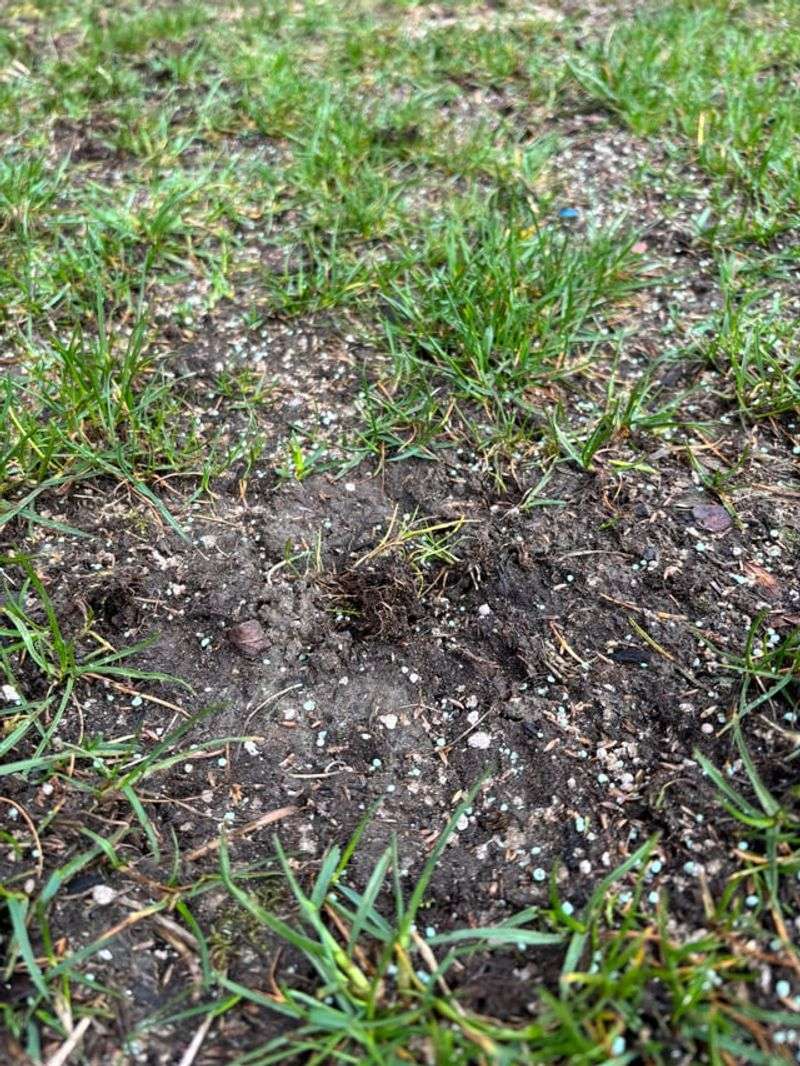
Hard ground can waste quality seed before germination even starts.
Many Pennsylvania lawns carry compaction from summer traffic, mowing, and play. Tight soil restricts air, water, and root movement.
Aeration opens holes that give seed a workable place to settle.
Seed sitting on firm bare soil behaves like sprinkles on a countertop. Without contact with loosened soil, much of it dries out, washes away, or germinates unevenly.
Core aeration addresses that directly by pulling plugs and creating pockets where seed drops down, holds moisture, and reaches soil.
Sequence matters. Aerating immediately before overseeding puts seed into protected spaces rather than on top of thatch or crust.
Your Pennsylvania Garden Changes Every Week. Your Plan Should Too.
Gardening in Pennsylvania changes quickly throughout the season. Every Friday you’ll receive a simple weekly plan showing exactly what to plant, prune, fertilize, harvest, and protect so you never miss the right timing.
Thin areas near driveways, walkways, and play zones benefit most, since those spots absorb the heaviest pressure over a season.
The screwdriver test is a reasonable first check. If a screwdriver resists pushing into moist soil, compaction is likely limiting the lawn.
Core aeration works better than spike aeration here, since spikes can compress soil around the holes rather than removing it.
Renting a machine or hiring a service both work. Either way, looser ground produces better establishment, and better establishment is what shows up in April.
3. The Wrong Seed Undoes Everything Else
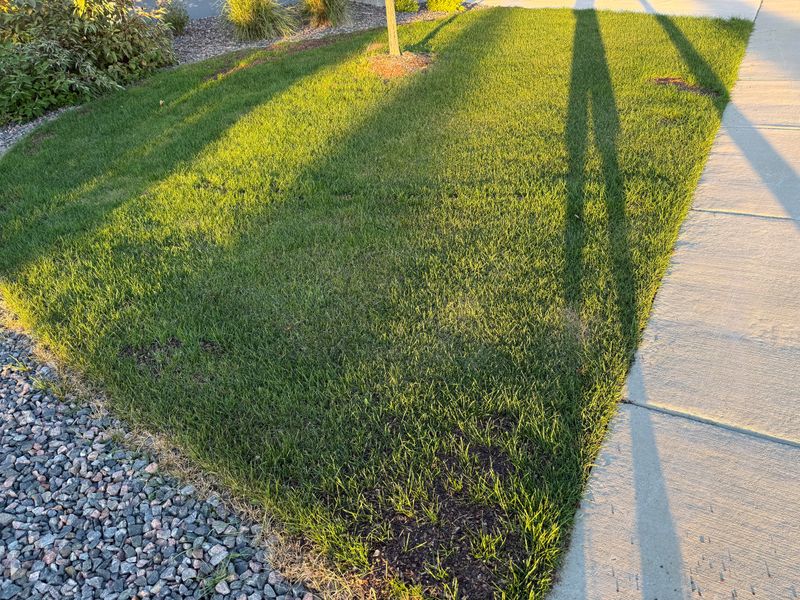
Seed bags look nearly identical on the shelf while the grass inside behaves very differently.
Pennsylvania lawns generally perform best with cool season species. Turf type tall fescue, Kentucky bluegrass, and perennial ryegrass cover most situations.
Site conditions should drive the choice. One yard bakes in full sun while another sits under maples all afternoon.
Each species brings something specific. Tall fescue handles heat and drought comparatively well, Kentucky bluegrass spreads by rhizomes to fill gaps, and perennial ryegrass germinates fast to cover open soil.
Germination speed varies enough to matter. Ryegrass often emerges in five to ten days while Kentucky bluegrass may take two to three weeks, which affects both watering plans and expectations.
Labels tell you what you’re buying. Look for species percentages, germination rates, and low weed seed content.
Quality blends outperform bargain mixes filled with coarse species that mature into a patchy, uneven appearance.
Fine fescues deserve mention for genuinely shady yards. They tolerate low light better than the other three.
Endophyte enhanced varieties are worth looking for as well, since they offer some resistance to certain surface feeding insects.
Matching grass to site produces even establishment and simpler maintenance. Fewer weak areas is exactly what makes an overseeded lawn look thicker by spring.
4. Bare Soil Is A Weed Invitation
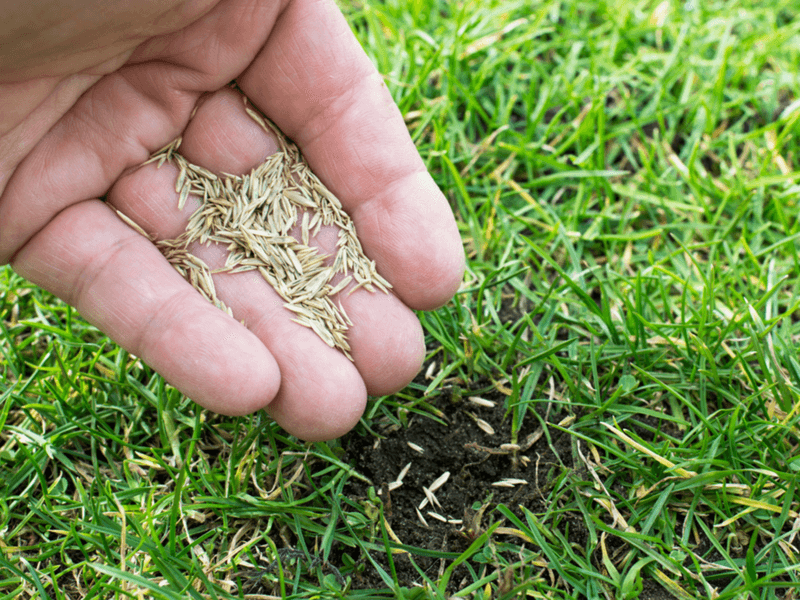
Empty patches cause more trouble than most homeowners expect.
Thin turf lets sunlight reach bare soil, and that opening gives weeds a straightforward path to establish.
September overseeding repairs those areas while conditions still support quick germination and root growth.
Worn spots have predictable locations. Steps, dog runs, patio edges, and mailbox paths all lose grass first.
Filling them now means established turf occupies the space before spring weeds compete for light, water, and nutrients.
Spring repair sounds reasonable and works less well. Spring weeds germinate alongside your grass seed, and wet soil complicates the work.
There’s a timing conflict worth knowing about too. Most crabgrass preventers also prevent grass seed from germinating, so spring seeding and spring pre-emergent generally cannot happen together.
Fall seeding avoids that conflict entirely, which is one more reason the September window carries weight.
Light raking of thin areas improves seed to soil contact considerably. Regular moisture handles the rest.
Perfection is not required to see the benefit. A single pass with quality seed over thin spots can change how the whole yard reads by May.
Thick grass remains the most effective weed suppression available, and it costs nothing per application.
5. Seed Only Gets One Chance At Germination
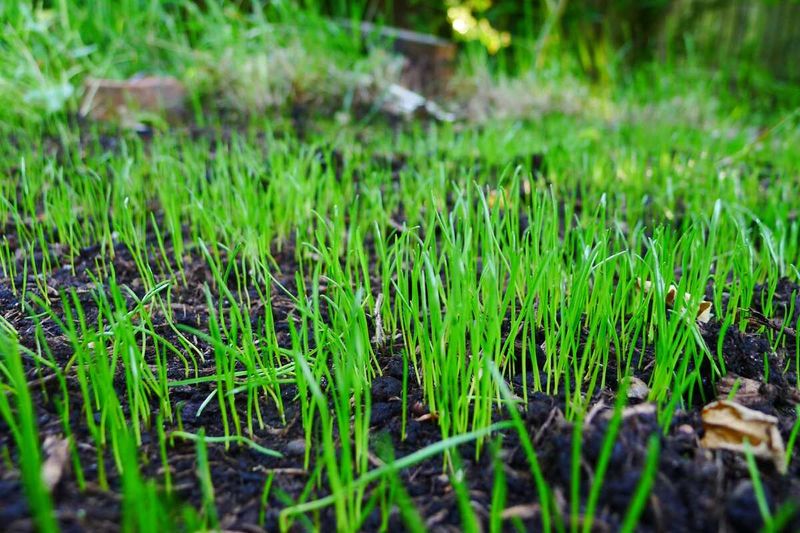
New seed has one significant request at the start, and it’s moisture.
The top layer of soil needs to stay damp while seed swells and sprouts. Soggy ground creates its own problems.
Light frequent watering generally outperforms occasional deep soaking during this first stage.
Brief watering once or twice daily suits most situations, adjusted for sun, soil type, and rainfall. Puddles are not the target.
An evenly moist seedbed near the surface matters until sprouts appear. A dry stretch at that moment can cost you significant coverage.
Germination timing varies by species, so a mix may sprout in waves over two or three weeks. Keep the seedbed moist through the slowest component.
Watering changes once seedlings emerge and roots extend. Longer, less frequent soaking then encourages deeper rooting instead of shallow growth.
Weather deserves attention throughout. Cool rainy weeks need little supplemental water while a warm dry stretch needs daily help.
Straw or seed blankets help on slopes, where seed washes out easily and moisture drains fast.
A simple sprinkler timer removes most of the daily burden. Check soil with a finger, watch for runoff, and water early enough that the surface dries before dark.
6. New Grass Uses Nutrients It Can Actually Reach
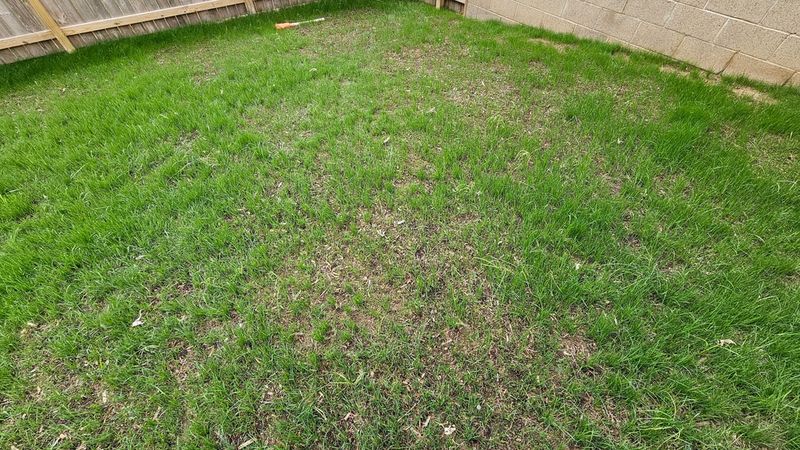
Young grass needs support early without being pushed too hard.
Starter fertilizer at seeding supplies phosphorus and other nutrients that help roots and shoots develop steadily.
Phosphorus deserves a note in Pennsylvania. State regulations restrict phosphorus application on established lawns, with exceptions for new seeding and for documented soil test deficiency, so checking current requirements before buying matters.
A soil test settles the question anyway. It tells you what the lawn needs rather than what the bag suggests.
September works because seedlings actively grow and can use nutrients rather than sitting dormant.
Label directions handle rates. Excess fertilizer produces waste, runoff, and weak growth rather than faster results.
Many homeowners plan a later fall feeding once new grass is established and mowing has begun. That application helps the whole lawn store energy for winter.
Timing outranks quantity throughout. Seedling roots respond best when nutrients arrive alongside moisture and moderate temperatures.
Late fall applications should stop before the ground freezes, since nutrients applied to frozen soil largely run off rather than feeding anything.
Measured feeding produces gradual thickening. Gradual is precisely what makes an overseeded lawn look rich the following spring.
7. Early Mowing Mistakes Can Undo Six Weeks Of Work
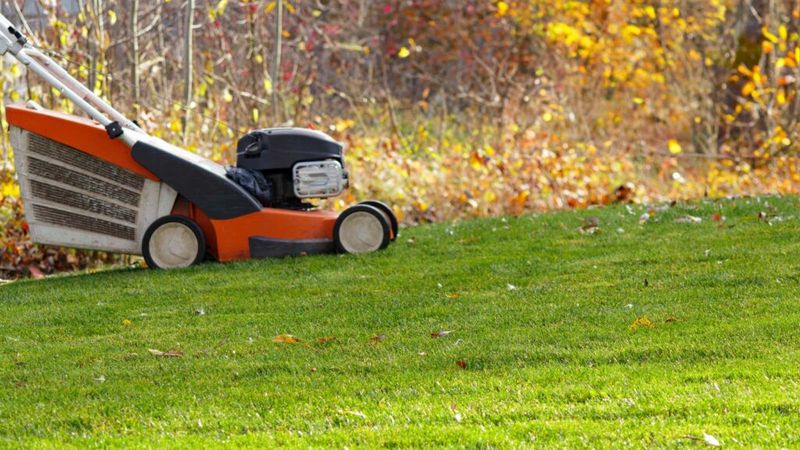
Fresh seedlings do not need an immediate haircut.
Careful mowing during fall recovery protects young plants while keeping the established lawn dense.
Let new grass reach the recommended height for its variety before the first cut. A sharp blade slices cleanly instead of tearing.
Cutting too low is the common error, particularly when homeowners want a tidy yard heading into winter.
Short grass shades soil less, dries faster, and stresses seedlings still building roots.
A slightly taller mowing height supports fall overseeding by holding moisture and maintaining cover through changing weather. Three inches suits most cool season lawns.
The one third rule applies here as strongly as ever. Removing more than a third of the leaf blade in one pass sets the lawn back.
Wet soil deserves consideration too. Mowing a soft seedbed can pull up seedlings and rut the surface.
Fallen leaves need clearing so light and air reach the grass. Mulching them into the lawn works when the layer stays thin, though heavy accumulation smothers new growth.
Mowing looks like the simplest job on this list and shapes how the lawn enters winter. Patience here protects everything the previous six weeks accomplished.
8. Roots Built In Fall Carry The Lawn Through Summer
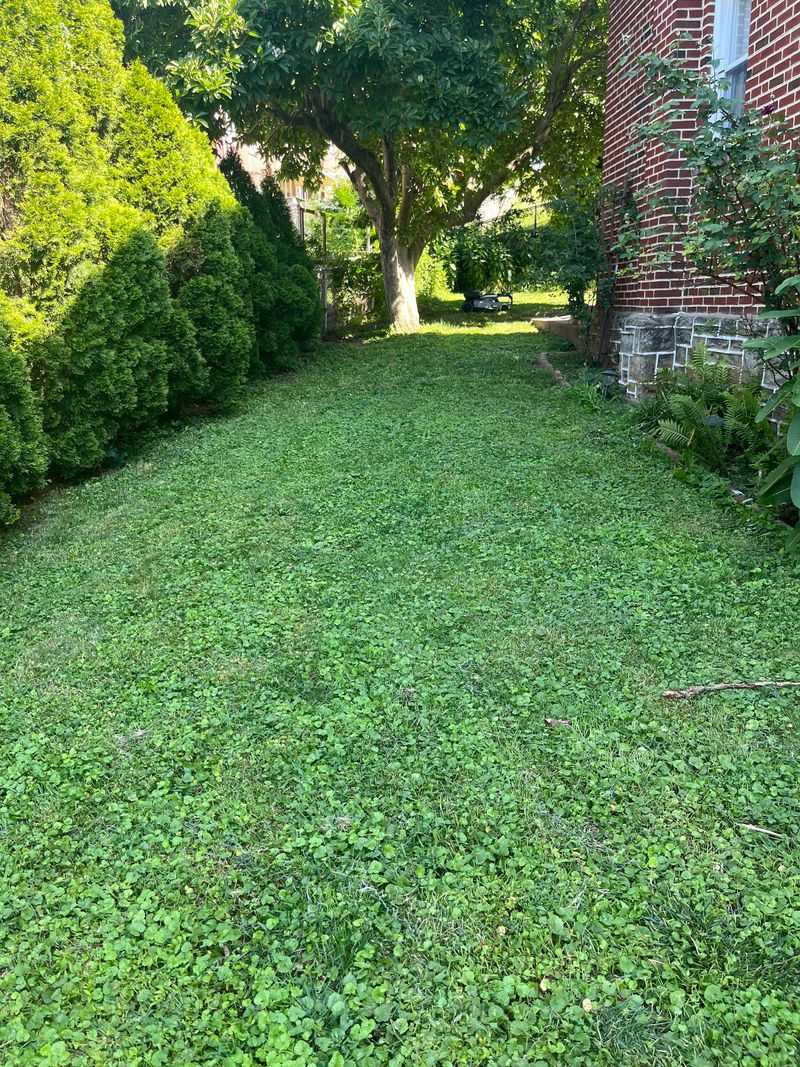
Some lawn work pays off immediately. September overseeding belongs in the other category.
By next summer, grass that started in fall generally carries a deeper root system and thicker coverage.
Roots explain why spring lawns look so good after a solid fall seeding. Cool weather keeps top growth moderate while underground development continues.
That root depth lets turf reach water more effectively, recover from stress faster, and hold color longer during difficult stretches.
Density does its own work. Thick turf shades the soil surface, leaving less room for weeds to establish.
It also softens rainfall impact and creates a better surface for kids and pets.
Realistic expectations help. A single overseeding rarely transforms a thin lawn completely, and many properties benefit from repeating the process for two or three consecutive falls.
Underlying problems still need addressing separately. Heavy shade, poor drainage, and compacted subsoil limit results regardless of seeding quality.
Consistency across seasons matters more than intensity in any one of them.
September seeding works with Pennsylvania’s climate rather than against it. Start in fall, stay steady, and the lawn arrives at next summer considerably better equipped than it would otherwise.