Why Pennsylvanians Should Plant Marigolds In Their Gardens
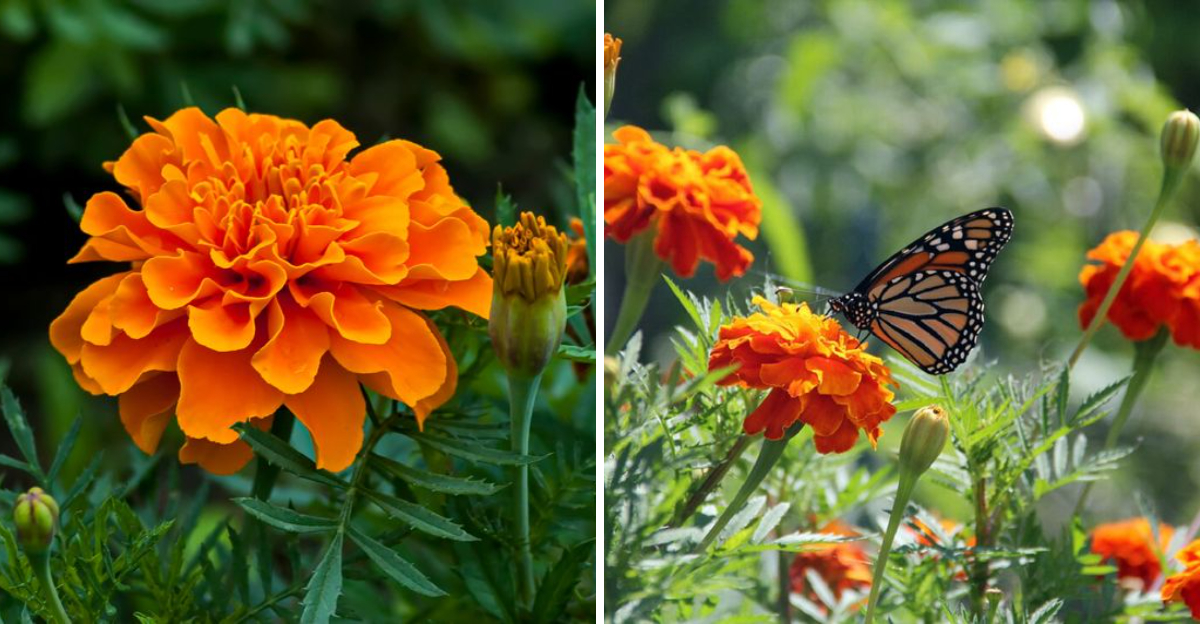
Marigolds might not be the most glamorous flower at the garden center. They don’t have the exotic appeal of some trendy perennials or the drama of a climbing rose.
But don’t let the humble appearance fool you. These cheerful blooms are quietly one of the hardest working plants you can put in a Pennsylvania garden, and once you learn what they actually do, you’ll wonder why you haven’t been planting more of them all along.
Marigolds pull serious double duty. They bring warm, vibrant color from late spring all the way through fall, which is already a win.
But behind the scenes they’re doing far more than looking pretty. From deterring pests to improving soil health to attracting beneficial insects, marigolds earn their spot in the garden in ways that most flowers simply don’t.
And they thrive in Pennsylvania’s climate without demanding much in return. Here’s every reason to start planting them this season.
1. Natural Pest Deterrent
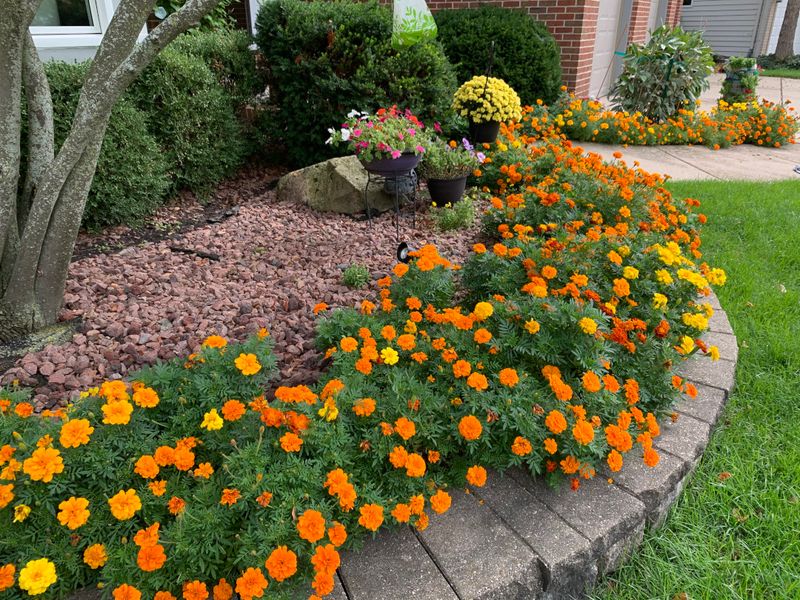
Gardeners have known for generations that marigolds are one of nature’s best defenses against unwanted pests. These flowers release natural compounds through their roots and leaves that repel some of the most damaging garden invaders around.
Nematodes, aphids, and certain beetles do not stand a chance when marigolds are nearby.
The secret weapon is a chemical called alpha-terthienyl, which marigold roots release into the soil. This compound is toxic to root-knot nematodes, tiny worm-like creatures that attack vegetable roots and stunt plant growth.
Planting marigolds in or around your vegetable beds creates a natural barrier that keeps these underground troublemakers away from your crops.
Aphids are another common headache for Pennsylvania gardeners. These tiny sap-sucking insects can multiply fast and weaken plants quickly.
The strong scent of marigold foliage confuses and repels aphids, making it harder for them to locate and settle on your vegetables and flowers.
Some beetles, including Mexican bean beetles, also tend to avoid areas where marigolds are growing.
This means your beans, tomatoes, and other crops get a layer of natural protection without you having to spray a single drop of chemical pesticide. That is great news for families, pets, and the environment.
French marigolds, in particular, are known for being especially effective pest repellers. Their compact size makes them easy to tuck in between rows of vegetables or along garden borders.
A single season of planting marigolds can even improve soil health for the following year by reducing nematode populations in the ground. It is a simple, affordable, and eco-friendly way to keep your Pennsylvania garden healthy and thriving all summer long.
2. Attracts Beneficial Insects
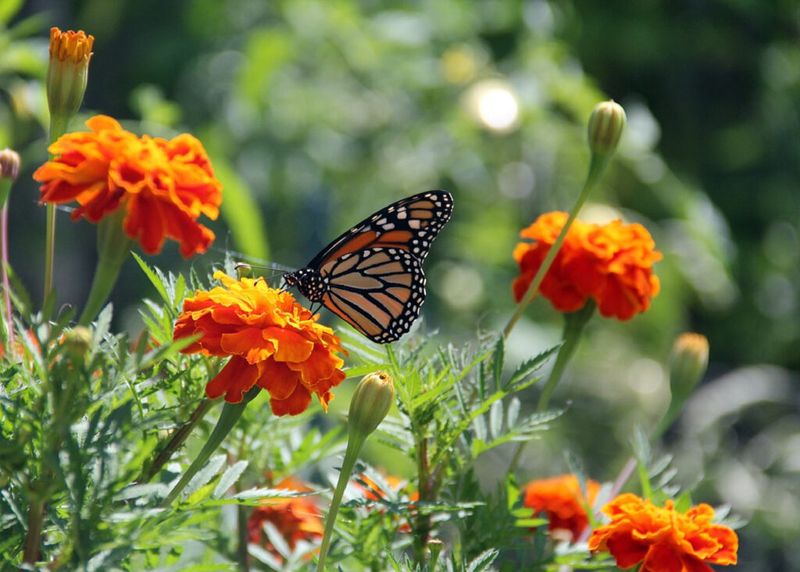
Not all insects are bad news for your garden. In fact, some are absolutely essential for keeping your plants healthy, productive, and well-pollinated.
Marigolds act like a welcome sign for these helpful garden visitors, drawing them in with their bright colors and sweet nectar.
Bees are among the most important pollinators in any garden. Without them, many vegetables and fruits would struggle to produce a good harvest.
Your Pennsylvania Garden Changes Every Week. Your Plan Should Too.
Gardening in Pennsylvania changes quickly throughout the season. Every Friday you’ll receive a simple weekly plan showing exactly what to plant, prune, fertilize, harvest, and protect so you never miss the right timing.
Marigolds are a magnet for both honeybees and native bees, offering them a reliable food source throughout the growing season. More bees buzzing around your garden means better pollination and bigger yields from your tomatoes, squash, and peppers.
Ladybugs are another wonderful visitor that marigolds attract. These spotted little beetles are fierce predators of aphids, mites, and other soft-bodied insects that can damage your plants.
Having a healthy population of ladybugs patrolling your garden is like having a free, natural pest control team working around the clock.
Hoverflies are also drawn to marigold blooms. These fascinating insects look a bit like small bees but are actually flies.
Their larvae feed on aphids, while the adult hoverflies help with pollination. Many gardeners do not even realize how much work hoverflies do behind the scenes to keep pest populations under control.
By planting marigolds throughout your garden, you create a balanced ecosystem where helpful insects thrive and harmful ones are kept in check. Pennsylvania gardens can face a lot of insect pressure during the warm summer months.
Having marigolds on your side encourages a natural, self-regulating environment that reduces your workload and keeps your plants looking their best all season long.
3. Long-Lasting Blooms
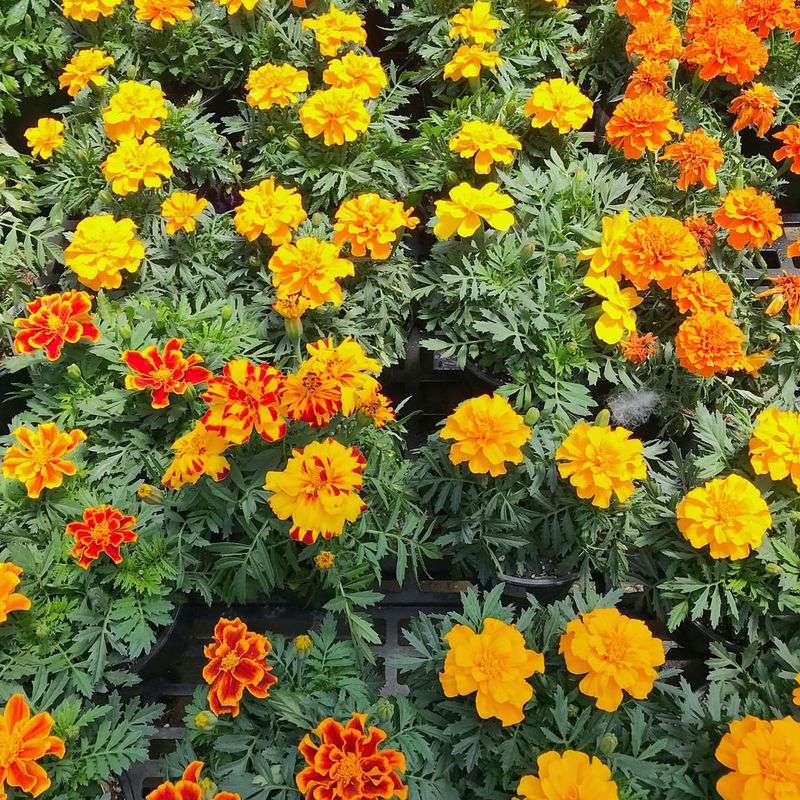
Walk through any Pennsylvania neighborhood in July, and chances are you will spot a burst of orange, yellow, or deep red tucked along a garden border or spilling out of a container. That cheerful splash of color almost certainly belongs to marigolds.
Few flowers can match their staying power throughout the growing season. Marigolds typically begin blooming in late spring and keep going strong all the way through the first frost of fall. That is months of continuous color with very little effort on your part.
Most other annual flowers start to fade or slow down by midsummer, but marigolds just keep going, pumping out new blooms week after week.
One of the best tricks to keep marigolds blooming is deadheading. That simply means pinching off spent flowers before they go to seed.
When you remove old blooms regularly, the plant puts its energy into producing fresh new flowers instead of making seeds. It takes just a few minutes a week and makes a huge difference in how full and colorful your plants look.
Marigolds are incredibly versatile when it comes to where you can plant them. They look stunning in raised garden beds, along walkway borders, or tucked into pots and window boxes on your porch.
Their compact, bushy shape makes them easy to fit into almost any garden design without overwhelming nearby plants.
For Pennsylvania gardeners who want reliable, low-effort color from spring through fall, marigolds are a top choice. They thrive in the warm, sunny summers the state is known for.
Whether you are dressing up a front yard or brightening a backyard vegetable patch, marigolds deliver beautiful results season after season.
4. Easy To Grow
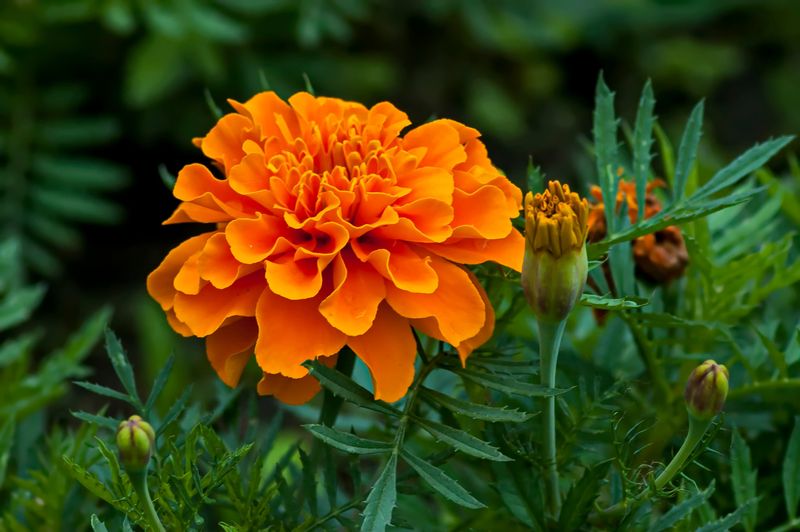
Gardening does not have to be complicated, and marigolds are proof of that. These plants are about as forgiving and straightforward as flowers get.
Whether you are planting seeds directly in the ground or picking up a tray of seedlings from your local nursery, marigolds make the whole process easy and rewarding.
All marigolds really need is full sun and well-drained soil. They love soaking up at least six hours of direct sunlight each day, which Pennsylvania summers provide in abundance.
As for soil, they are not picky at all. Average garden soil works just fine, and you do not need to spend a lot of money on fancy fertilizers or soil amendments to get great results.
One of the most impressive things about marigolds is their drought tolerance. Once established, they can handle dry spells without wilting or struggling.
Pennsylvania summers can sometimes bring stretches of hot, dry weather, but marigolds take it all in stride. Water them occasionally during extended dry periods, and they will reward you with non-stop blooms.
Pests and diseases rarely bother marigolds themselves, which means you spend less time troubleshooting and more time enjoying your garden. They are resistant to many common fungal problems that plague other flowers, especially when planted in spots with good air circulation.
Starting marigolds from seed is incredibly affordable and simple. Sow seeds directly in the garden after the last frost, usually around mid-May in most parts of Pennsylvania.
Within a week or two, you will see seedlings popping up. Within a month, you will have blooming plants.
For beginner gardeners especially, marigolds offer a satisfying and confidence-building gardening experience from start to finish.
5. Companion Planting Benefits
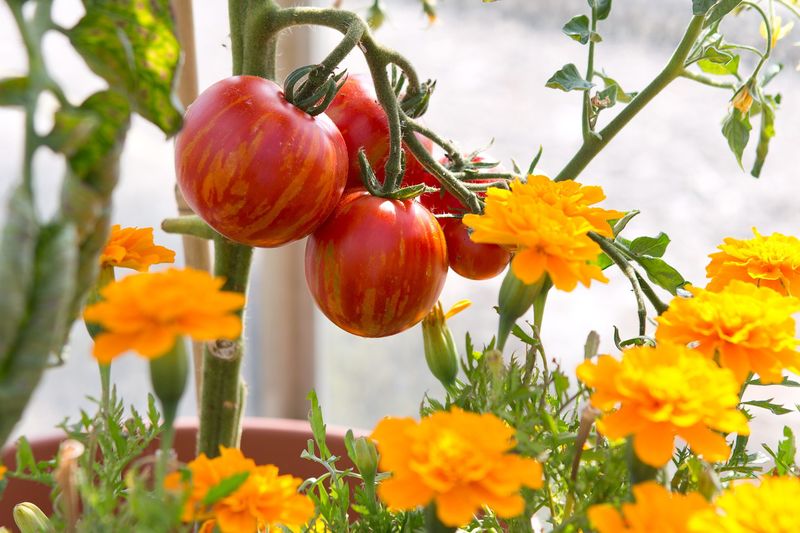
Smart gardeners have been using companion planting for centuries, and marigolds are one of the most popular and effective companions you can choose. The idea is simple: certain plants grow better when they are planted near each other.
Marigolds happen to be a fantastic neighbor for many common vegetable crops. Tomatoes and marigolds are a classic pairing that Pennsylvania home gardeners swear by. Marigolds help deter whiteflies and other insects that commonly target tomato plants.
The strong scent of marigold foliage masks the smell of tomatoes, making it harder for pests to track them down. The result is a healthier tomato plant with fewer pest problems throughout the season.
Peppers, eggplants, and squash also benefit from having marigolds nearby. These vegetables are prone to attracting aphids and other sap-sucking insects that weaken plants over time.
Planting a row of marigolds alongside these crops creates a natural buffer zone that interrupts pest activity without any chemicals involved.
Beyond pest control, marigolds contribute to overall soil health. French marigold roots release substances that suppress harmful soil pathogens and reduce nematode populations over time.
After a season of growing marigolds in a bed, the soil is often in better condition for the next round of crops you plant there.
Another benefit worth mentioning is that marigolds attract pollinators to your vegetable garden. More pollinators visiting your garden means better fruit set on your tomatoes, peppers, and cucumbers.
It is a win on multiple levels. For Pennsylvania gardeners looking to get the most out of every square foot of growing space, pairing vegetables with marigolds is a tried-and-true strategy that delivers real, measurable results every growing season.
6. Edible And Medicinal Uses
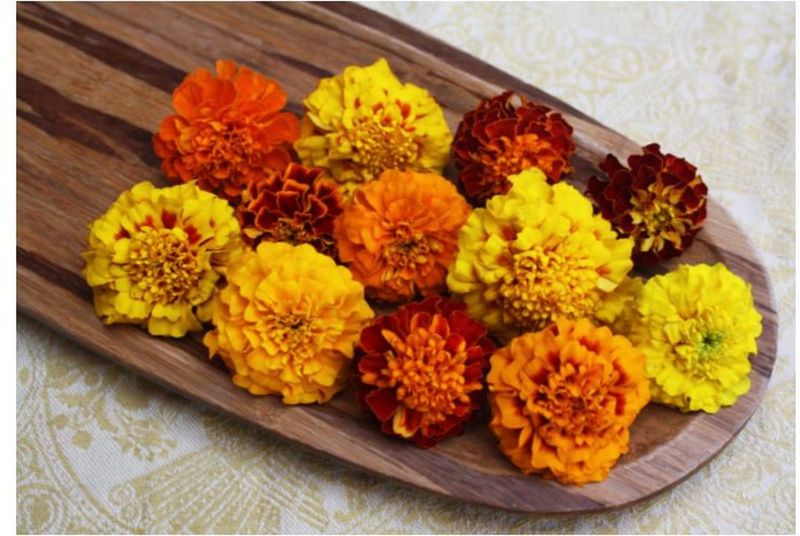
Most people think of marigolds purely as decorative plants, but there is a lot more to these flowers than meets the eye.
Certain varieties, particularly pot marigolds known as Calendula officinalis, have been used for both culinary and medicinal purposes for hundreds of years. They are genuinely useful plants that earn their place in the garden in more ways than one.
In the kitchen, marigold petals can be sprinkled over salads to add a pop of color and a mildly spicy, tangy flavor.
They have historically been used as a natural food coloring, sometimes called poor man’s saffron, because of their ability to give rice and soups a golden hue.
Edible marigold petals can also be steeped in hot water to make a soothing herbal tea that many people enjoy for its mild, earthy taste.
On the medicinal side, calendula has a long tradition of being used to soothe minor skin irritations. Calendula-infused creams and ointments are popular natural remedies for dry skin, minor cuts, and mild rashes.
Many herbal skincare products found in health food stores across Pennsylvania feature calendula as a key ingredient because of its gentle, skin-friendly properties.
It is worth noting that not all marigold varieties are edible. Common French and African marigolds, while safe for most people, are primarily grown for ornamental and pest-repelling purposes.
Always make sure you are using the right variety and that your flowers have not been treated with pesticides before consuming them.
Growing edible marigolds at home gives Pennsylvania gardeners a fun, creative way to connect with their garden beyond just tending to it. It adds a whole new dimension to what these hardworking, beautiful flowers can offer throughout the growing season.