Why Planting Near A Woodpile Is The Biggest Snake Mistake Florida Gardeners Make
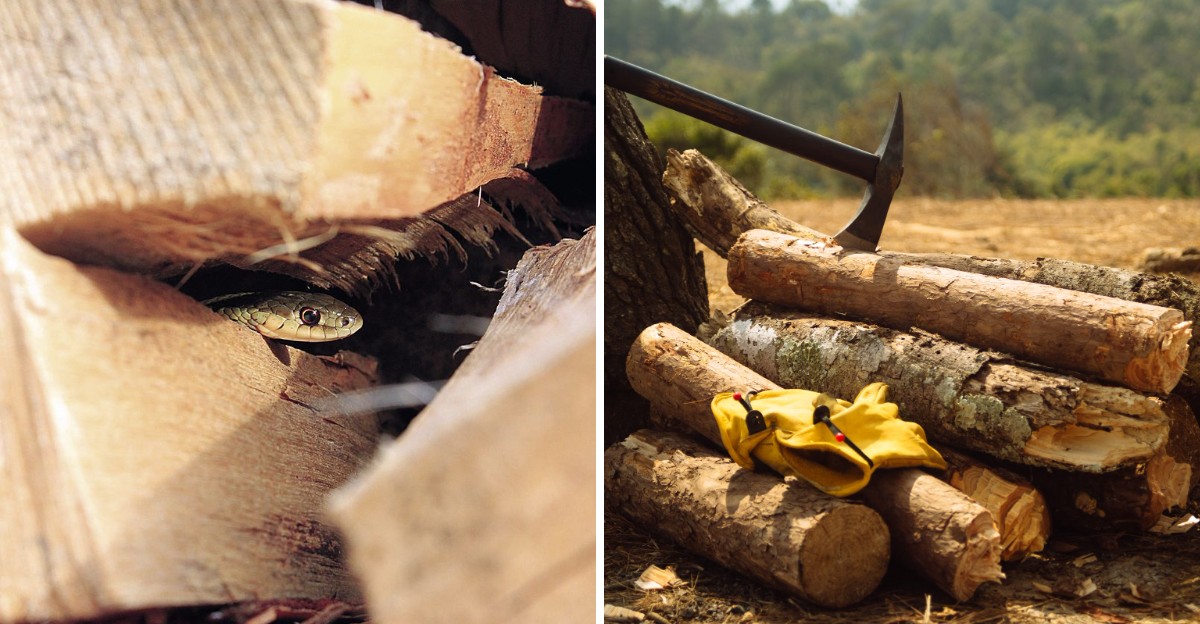
Some rattlers in my part of the world grow no longer than a school ruler and a half. They are gray, spotted, and blend into bark like a magic trick. I found that out while weeding beside my firewood stack.
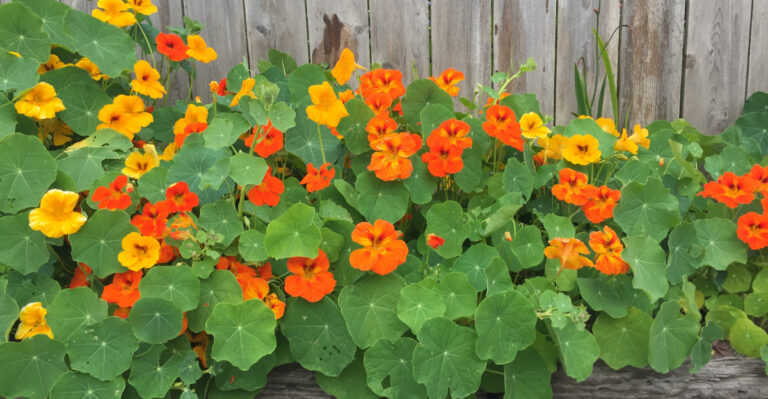
I’ll admit it, I planted my prettiest zinnias right against those logs. The wood looked rustic and the flowers loved the sunny edge. What I built, without meaning to, was a shady hideout with a garden hose and a snack bar next door.
Florida yards stay warm most of the year, so reptile visitors rarely take a long break. Mice move into stacked wood, and frogs and lizards follow the water from my sprinkler. Then the hungry hunters show up for all of them.
So why does a simple pile of oak splits cause more trouble than a messy flower bed? The answer surprised me.
That Firewood Stack Beside Your Flower Bed Is Doing More Than Looking Rustic
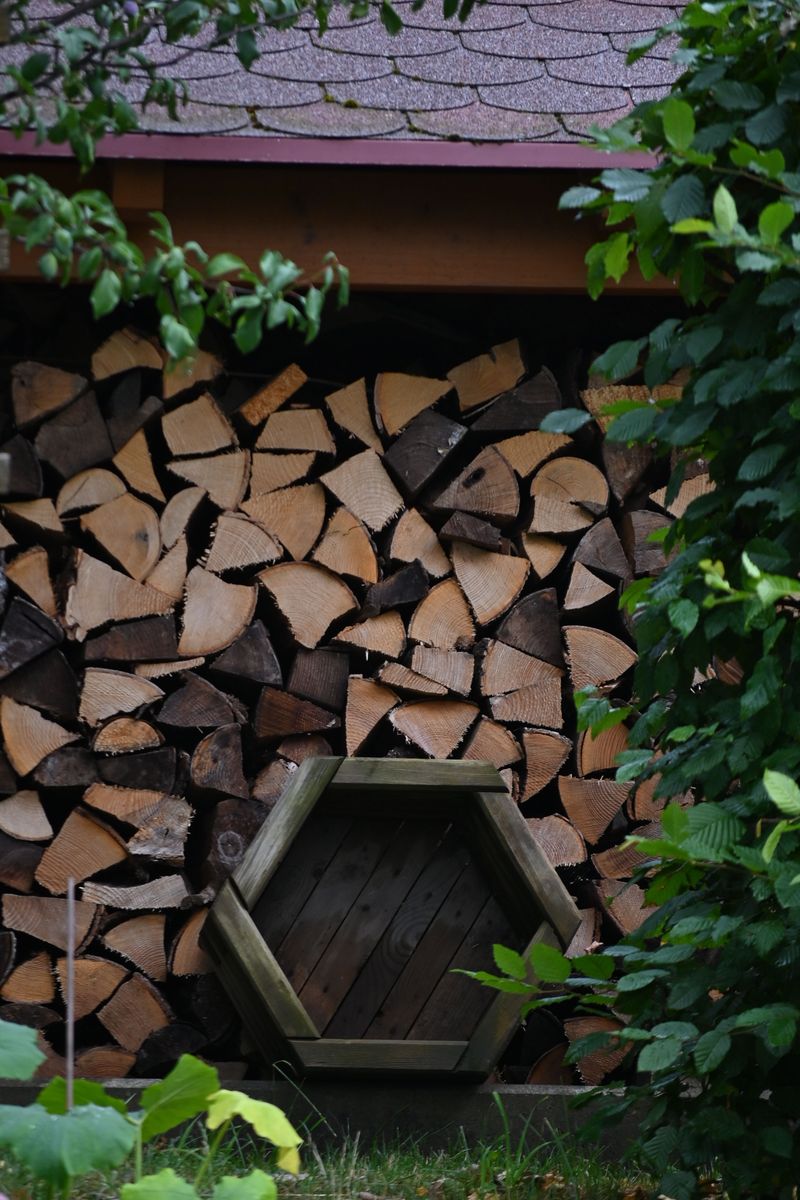
Not going to lie, my woodpile used to be my favorite garden backdrop. The gray logs made my red pentas pop. Then I learned what was living in all those gaps.
A stack of firewood is full of dark, tight spaces that stay cooler on hot afternoons and drier during summer storms. Snakes are cold-blooded, so they hunt for places that help them manage their body temperature. Logs on bare ground give them shade, shelter from hawks, and a safe spot to rest after a meal.
Now add a flower bed right up against that pile. Your plants get watered, which keeps the soil damp and the leaves lush. That moisture draws insects, frogs, and lizards, and the thick foliage gives everything extra cover.
The result is a cozy hideout with a food court attached. University of Florida wildlife experts point to woodpiles, brush, and debris as some of the top features that bring snakes into yards. Planting beside one doubles the appeal.
The flowers themselves are not the problem. The trouble is the combo. Separate shelter from food and water, and your yard becomes far less inviting to a passing serpent looking for a place to settle in.
Mice Hiding In The Logs Bring Hungry Snakes Along
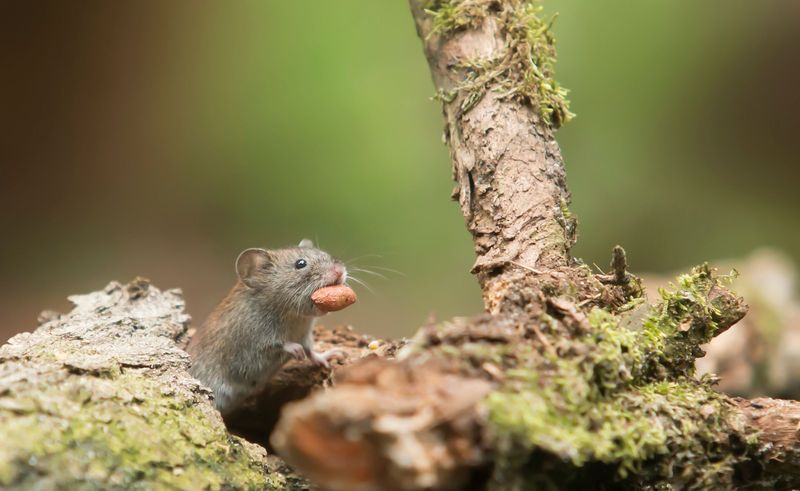
Here’s what gets me about woodpiles. Snakes are not really after the wood. They are after whoever moved into the wood first.
Mice and rats love stacked firewood. The gaps make perfect nesting spots, and nearby gardens supply seeds, fallen fruit, and bugs to snack on. Once rodents settle in, a rat snake or a pygmy rattlesnake can pick up their scent and follow it straight to your backyard.
Toads, anoles, and treefrogs add to the menu. They hang around damp plant beds and the shady edges of a log pile. Smaller snakes, like ring-necked and garter snakes, happily feed on these little critters and on earthworms in moist soil.
Wildlife specialists agree that cutting off food is one of the most effective ways to reduce snake visits. A few simple habits help a lot.
Pick up fallen fruit from citrus and mango trees. Store birdseed and pet food in sealed metal or thick plastic bins. Clean up spilled seed under feeders each week. Set traps or call a pro if you notice droppings or chewed bags in a shed.
Fewer rodents means fewer reasons for a snake to linger. Think of it as closing the buffet early.
Move Your Firewood Rack At Least 20 Feet From The Garden
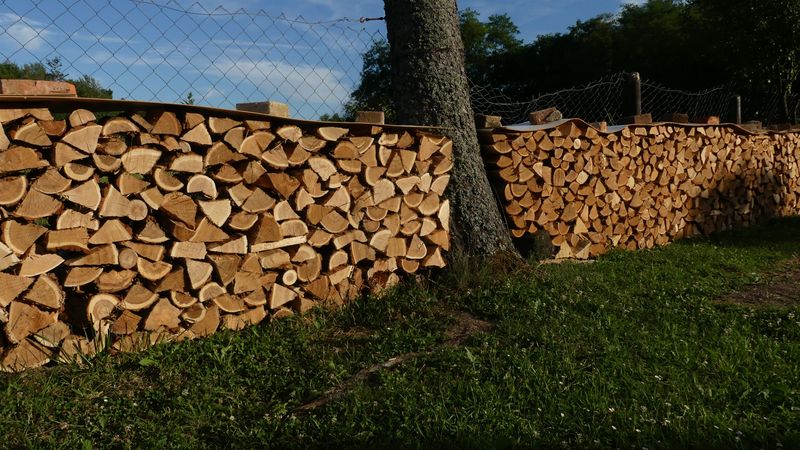
Moving day was a sweaty Saturday for me, but it paid off fast. My firewood now sits on a metal rack at the back of the yard, and my vegetable beds feel a lot less spooky.
Pest and wildlife experts commonly suggest keeping firewood at least 20 feet from your house and away from busy garden areas. That distance puts a stretch of open ground between the shelter and the spots where you kneel, weed, and harvest.
Height matters too. Raise the wood about one to two feet off the ground using a sturdy rack or cinder blocks. A raised stack has less ground contact, stays drier, and gives rodents and snakes fewer hidden entry points.
A few extra tips make the setup even better:
Keep the area under and around the rack bare or covered in gravel instead of thick mulch. Stack only what you will burn this season. Leave a small gap between the wood and any fence or wall.
Bonus perk, raised and distant wood also discourages termites from heading toward your home. Subterranean termites are a big deal in warm, humid areas. One smart move solves two headaches, and your garden gets a cleaner look as a reward.
Thick Shrubs Hugging The Logs Turn Into A Snake Highway
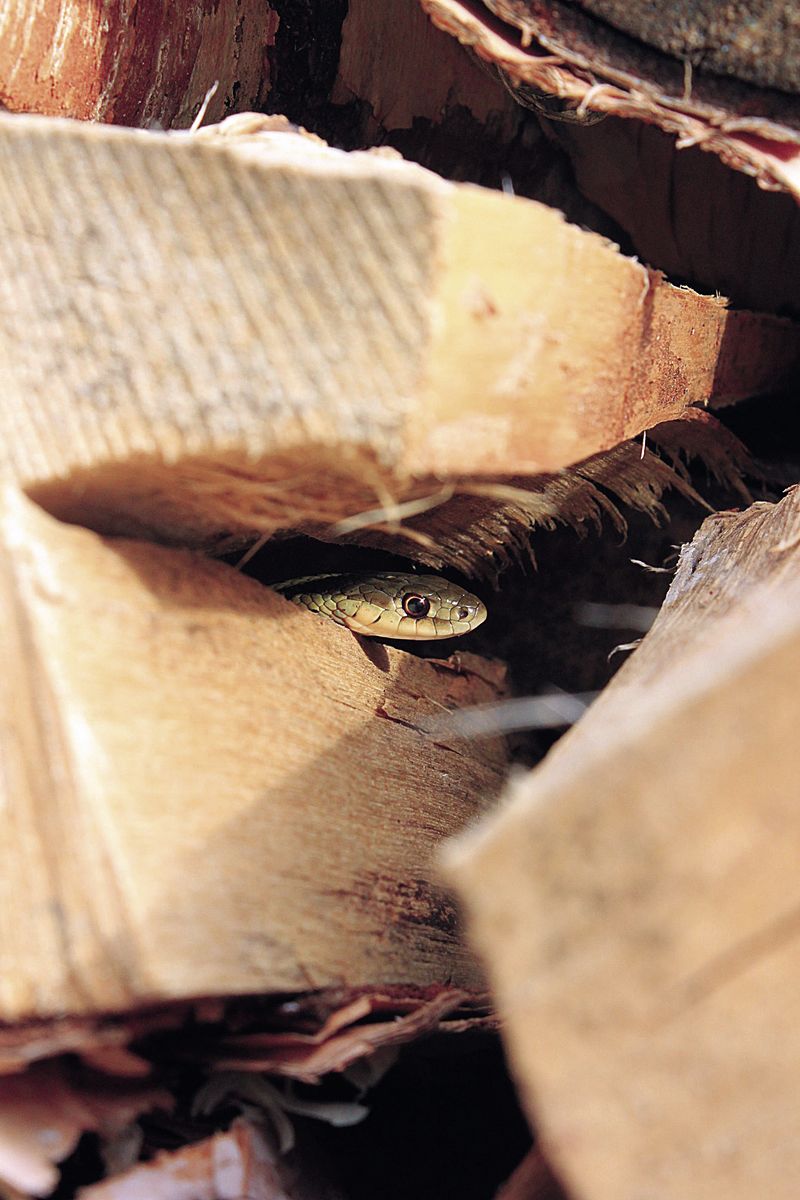
Snakes are shy travelers. Most would rather slide under cover than cross a wide, sunny lawn where a hawk might spot them.
That is why dense plantings connecting a woodpile to your garden can act like a hidden hallway. Overgrown shrubs, tall ornamental grasses, and sprawling groundcovers let a snake move from shelter to food without ever stepping into the open.
I used to let my firebush and coontie grow right up against the logs. It looked wild and lovely, but it gave visitors a private tunnel straight into my tomato bed.
Breaking that path is easier than you might expect. Trim the lower branches of shrubs so you can see the ground beneath them. Keep grass mowed short around the edges of beds and woodpiles. Rake up leaf litter and old brush piles that pile up after storms.
You can still enjoy native plants and a pollinator-friendly yard. Just give them breathing room. Leave a strip of short grass, gravel, or pavers between any wood storage and your planting areas.
Snakes in warm regions stay active much of the year, with many encounters happening from spring through fall. Regular tidying during those months keeps the welcome mat rolled up.
Gloves And A Garden Tool Beat Bare Hands Near Stacked Wood
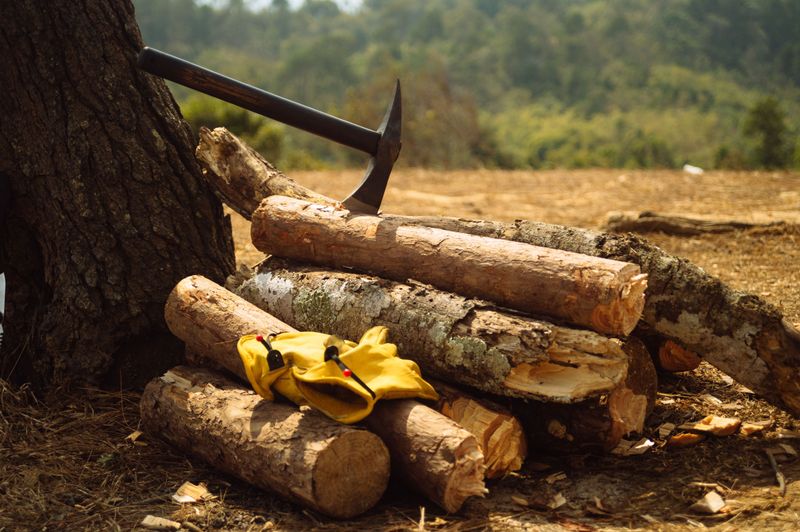
Trust me on this one, the scariest moment in my garden happened in half a second. I reached under a log to grab a stray hose nozzle, and something gray shifted beside my fingers.
Plenty of snakebites happen when hands and feet go where eyes cannot see. Woodpiles and the thick plants around them are classic trouble zones. A pygmy rattlesnake curled in bark-colored shadows is very easy to miss.
Planting right next to the pile means you spend more time reaching into that risky space. Every weeding session, every harvest, and every mulch refresh puts your hands close to the hiding spots.
Some simple habits lower the odds a lot:
Wear thick leather gloves and closed boots when working near wood or brush. Use a rake, hoe, or grabber tool to move logs and debris before touching them. Lift wood so the open side faces away from you. Carry a flashlight when gardening near dusk, since many snakes get busier in warm evenings.
If a bite does happen, stay calm, keep the area still, remove rings or tight items, and call 911 or head to the nearest hospital. Skip ice, cutting, and suction. Fast medical care is what matters most.
Learn To Spot The Pygmy Rattlesnake Before It Spots You
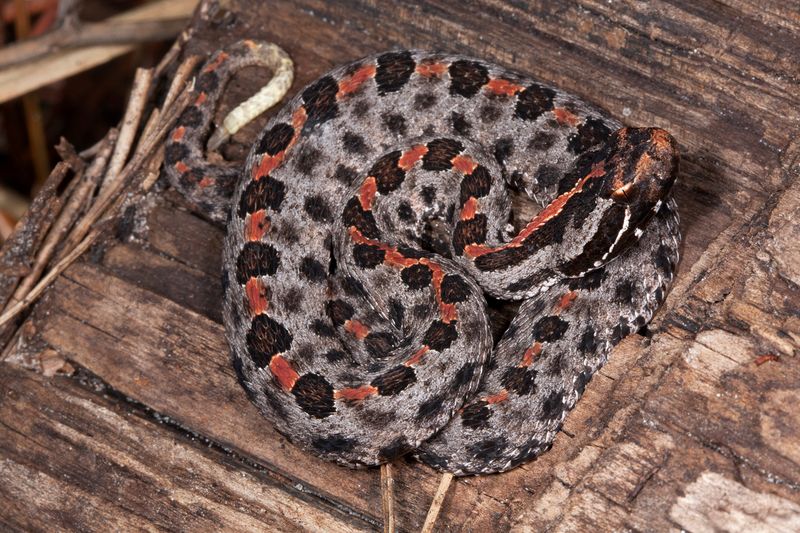
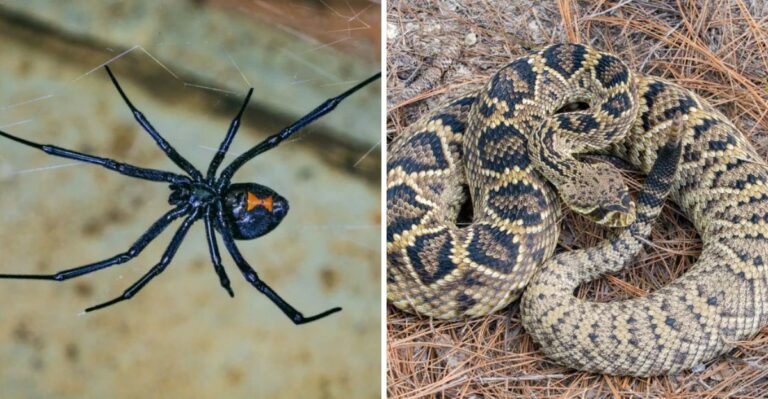
Small but feisty, the dusky pygmy rattlesnake is the venomous species many Florida gardeners meet near home. Adults usually stay under two feet long and carry a gray body with dark blotches and a rusty stripe down the back.
Their rattle is tiny. It sounds more like a buzzing insect than the dramatic rattle you hear in movies, so many people miss the warning.
The state has six venomous snakes in total. Along with the pygmy, there are the eastern diamondback rattlesnake, timber rattlesnake, cottonmouth, copperhead, and eastern coral snake. Copperheads live mainly in the Panhandle and timber rattlesnakes mostly in northern Florida, while the others range more widely.
Most snakes you will find around a woodpile are harmless. Southern black racers, eastern rat snakes, ring-necked snakes, and garter snakes show up often, and they help control rodents and insects.
Coral snakes have a harmless lookalike, the scarlet kingsnake. Many people use the old rhyme about red touching yellow, but wildlife experts say it is not reliable everywhere, so distance is your best tool.
Keep at least six feet between you and any snake you cannot identify. Snap a photo with your phone zoom and check it with the University of Florida snake guide online.
A Black Racer Sliding Past Your Garden Can Be A Good Sign
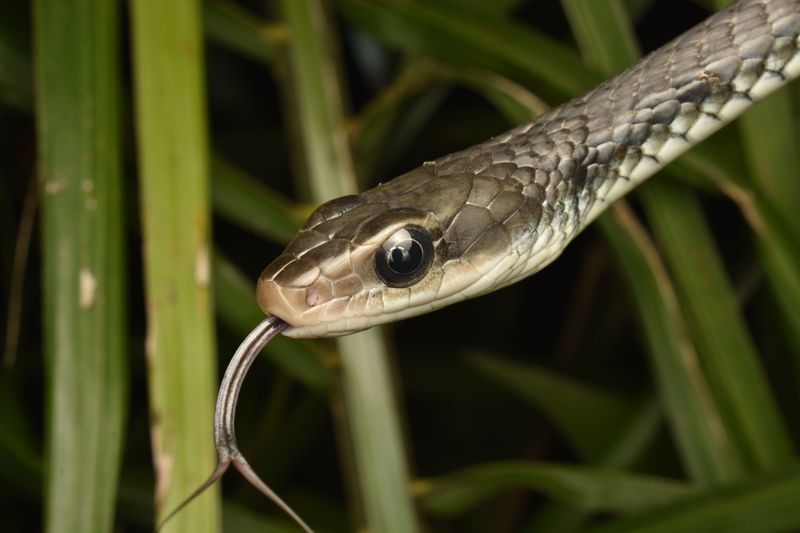
I get it, a snake zipping past the tomatoes can make anyone jump. Still, I have started to see these visitors a little differently.
Snakes are part of a healthy backyard. A southern black racer or eastern rat snake helps keep rodents in check, and those rodents can damage crops, chew wiring, and carry diseases. Removing every snake is not the goal.
The real aim is balance. Keep snakes from setting up camp right where you dig and pick. Moving the woodpile away from your planting beds is one of the biggest steps toward that.
If you see a snake, give it space and let it leave on its own. Most will slip away quickly. Keep kids and pets back, and call a licensed wildlife trapper if one shows up indoors or will not move along.
Florida wildlife rules protect many native species, and the eastern indigo snake is federally threatened. Harming protected wildlife can bring fines, so gentle removal is the smart path.
Here is your quick checklist. Relocate firewood at least 20 feet away and raise it off the ground. Cut back cover, control rodents, and wear gloves. Your garden can stay beautiful, productive, and a lot less surprising.