Should You Evict An Opossum From Under Your Ohio Porch In Winter?
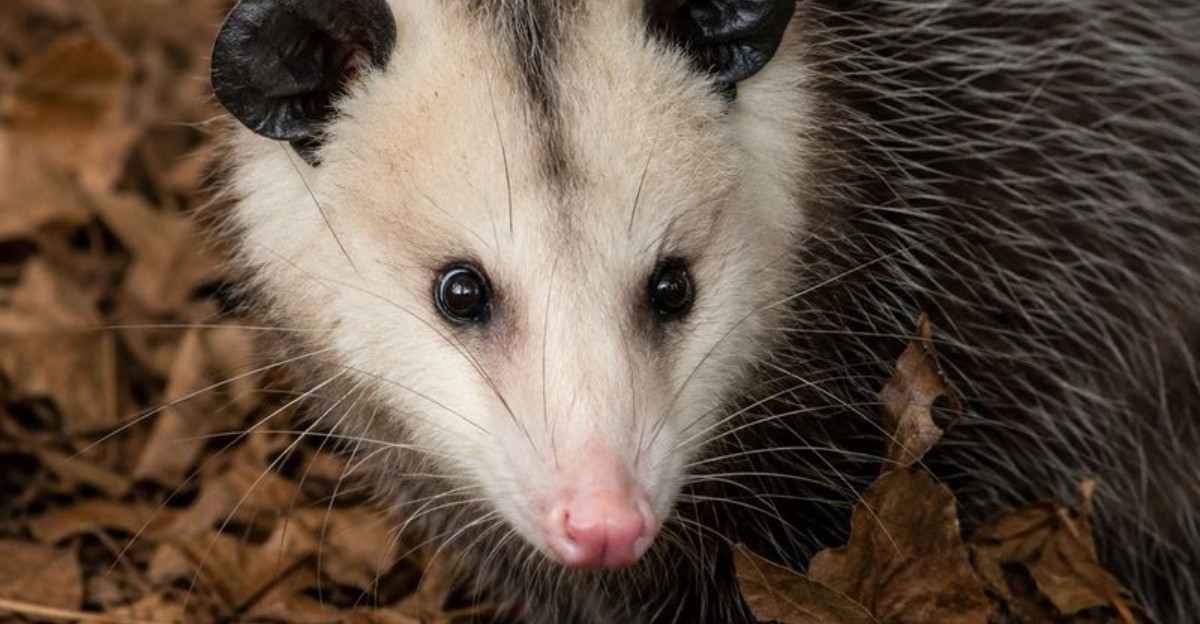
North America has exactly one marsupial, and it might be snoring under your front steps right now. That pouch-carrying oddball has 50 teeth, more than any other land mammal on the continent.
I find it funny how often these visitors get blamed for things they rarely do. They don’t dig burrows, they don’t hibernate, and they mostly want a dry place to wait out the cold. Their bare ears and tails can suffer frostbite during a hard Ohio freeze.
You probably heard rustling one frosty night and felt your heart jump. Personally, I think that moment deserves a calm second look before anyone grabs a flashlight and a broom.
Who is really bunking beneath your boards, and what happens if you kick them out in January? The answer is kinder, smarter, and a bit more surprising than most folks expect.
That Grumpy Gray Face Under Your Porch Steps Has a Simple Agenda
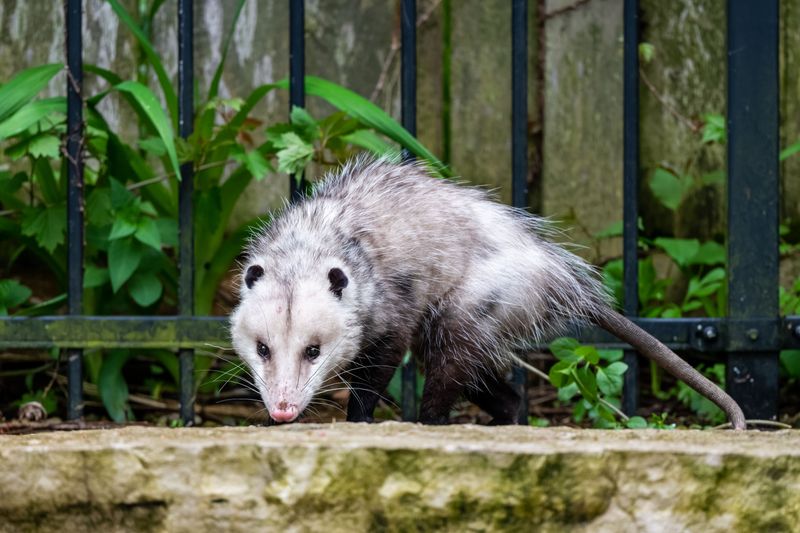
Your porch guest is not plotting a takeover. A Virginia opossum is a wanderer that borrows shelter for a few days or weeks, then moves on to the next spot.
Opossums can’t dig proper burrows, so they rely on empty dens, hollow logs, brush piles, and spaces people create. A gap under porch boards checks every box.
It is dry, out of the wind, and close to food.
Winter makes that hideout extra valuable. Opossums stay active all season, though they often stay tucked in during the coldest stretches and come out when temperatures climb a bit.
Their thin fur and bare ears and tails make frostbite a real risk, which is why you may spot one with nicked or crinkled ear tips.
I like knowing that most of these animals are just passing through. Ohio wildlife experts describe opossums as nomadic, rarely settling in one place for long unless a mother is raising young.
That changes how you might feel about the rustling. You are probably hosting a short-term tenant who wants warmth, not a forever home.
Understanding that agenda is the first step toward making a calm, smart decision about what to do next.
Waiting Until Spring Is Usually the Kindest Move for Your Opossum
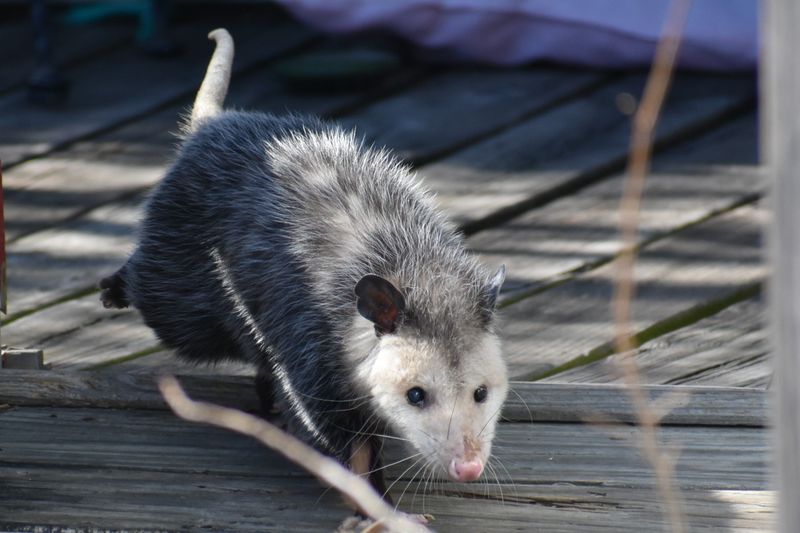
Short answer? In most cases, let it stay until the weather warms up.
Forcing an opossum out during a deep freeze can leave it scrambling for shelter with little food around.
Wildlife rehabilitators in the state see frostbitten and starving opossums every winter. A sudden eviction in January can push a healthy animal into that group.
Natural shelters are scarcer, and the ground offers slim pickings.
Late winter brings another wrinkle. Opossum breeding can begin as early as January or February in Ohio, and a female may soon carry tiny babies in her pouch.
Removing a mother during that window can separate her from her family.
So when is eviction reasonable? If the animal is damaging wiring, ductwork, or insulation, or if it has found its way into your living space, action makes sense.
Otherwise, patience pays. Mark your calendar for a mild spell in early spring, when food returns and the animal has better options.
You will likely find the opossum has already wandered off on its own. Then you can seal things up for good, with a clear conscience and a quieter porch.
Ohio Rules Make Trapping and Relocating Opossums Trickier Than You Expect
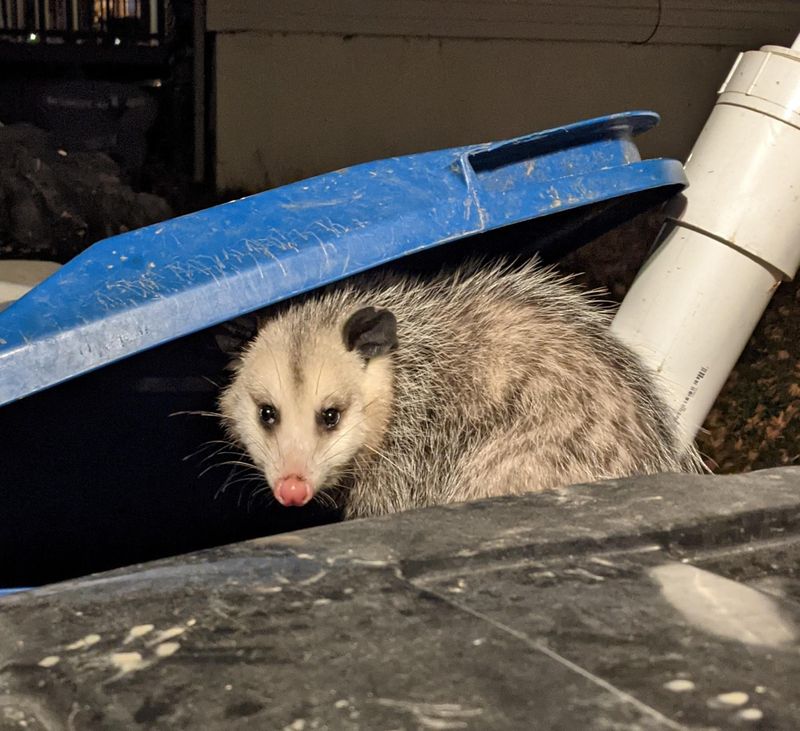
Many homeowners figure they can trap the animal and drive it to a park. Ohio law sees things differently.
Opossums are classified as furbearers in the state. Under Ohio Department of Natural Resources rules, a landowner may deal with a nuisance animal causing damage on their own property.
However, moving wildlife off your property is generally not allowed without authorization.
In practice, a trapped nuisance opossum must typically be released on the same property. Driving it across town is not a legal option for most people.
Relocation also tends to go poorly for the animal, which lands in unfamiliar territory with no shelter in midwinter.
Licensed nuisance wildlife control operators know these rules well. Hiring one can save you from fines and from handling a stressed animal with a mouthful of teeth.
Local ordinances can add another layer, so a quick call to your city or county office is smart. You can also contact your ODNR district wildlife office with questions.
Checking first takes ten minutes and keeps everyone, including the opossum, out of trouble.
Opossums Clean Up More of Your Yard Than You Realize
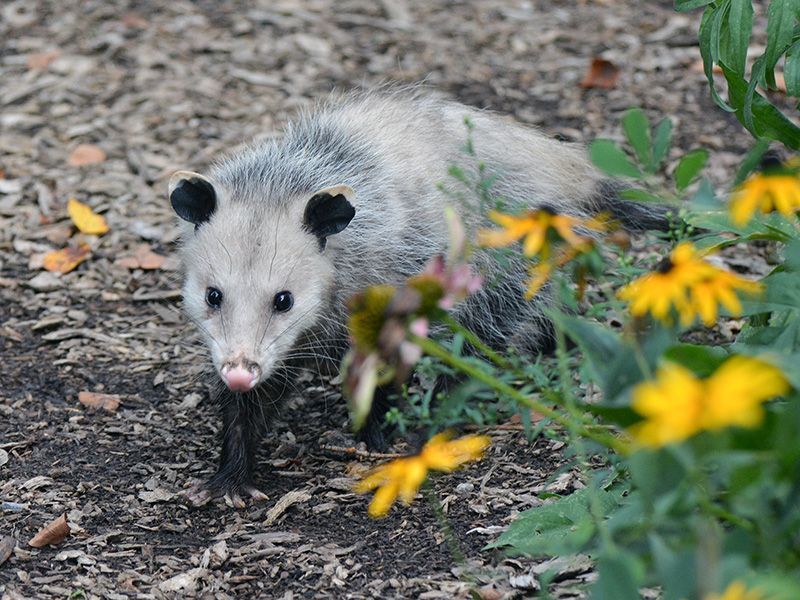
Call them the night shift crew. While you sleep, an opossum patrols your yard eating things most gardeners are happy to lose.
Their menu is wide and flexible. Slugs, snails, beetles, crickets, and other insects all go down easily.
They also eat mice, fallen fruit, and carrion, which helps tidy up messes that might attract flies or other scavengers.
In spring, that slug-eating habit pays off in your hosta beds and lettuce rows. An opossum that sticks around nearby can quietly lower the number of soft-bodied pests chewing holes in your leaves.
Fun fact. Opossums have a lower body temperature than many mammals, and studies suggest rabies is rare in them.
That does not make them pets, but it does ease a common worry.
They also play lifeless when frightened, a reflex called playing possum. The animal may drool, go stiff, and give off a foul smell for minutes or even hours.
It is a bluff, and it usually means the critter is terrified, not aggressive.
All in all, your shy visitor earns its keep in ways you may never see.
The Famous Tick-Eating Opossum Story Needs a Reality Check
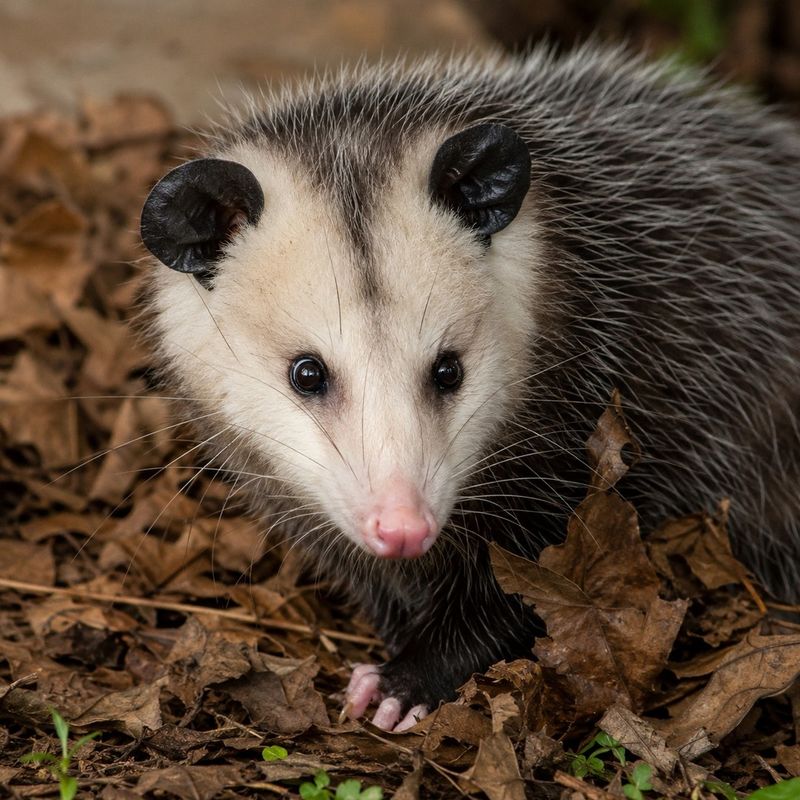
Maybe you saw the meme. It claims one opossum eats thousands of ticks every season, making it a superhero against Lyme disease.
That number came from a 2009 lab study where opossums groomed off many ticks. Later research took a closer look.
A 2021 study examining wild opossums found very few ticks in their stomachs, suggesting ticks are not a regular menu item.
So the honest picture is more modest. Opossums do groom themselves, and some ticks surely get removed.
But scientists now say there is not enough evidence to count on them for tick control.
I still love opossums, and I don’t need a tall tale to appreciate them. Their pest-eating and cleanup habits are plenty impressive on their own.
For real tick protection, stick with proven steps. Keep grass trimmed, clear leaf litter near play areas, and check yourself and your pets after time outdoors.
Ohio State University Extension offers solid guidance on local tick species and prevention.
Bottom line, enjoy your opossum for what it truly does. Just don’t toss the tick checks because of a viral post.
Trash Cans and Pet Bowls Keep That Hungry Marsupial Coming Back
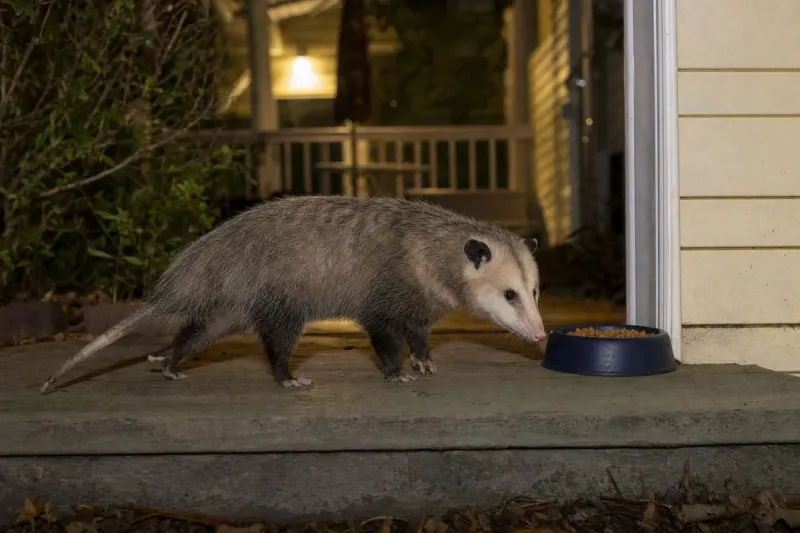
Food is the magnet. Cut it off, and your porch suddenly looks a lot less like a winter resort.
Start with garbage. Use cans with tight-fitting or locking lids, and store them in a garage or shed if possible.
A bungee cord across the lid works wonders.
Pet food is the next big draw. Feed dogs and cats indoors, or pick up bowls right after mealtime.
Even a few leftover kibbles can turn into a nightly buffet.
Bird feeders matter too. Spilled seed on the ground attracts opossums and mice alike.
Use a tray beneath the feeder or rake up spills every few days.
Take a quick walk around your yard for other snacks. Fallen apples, an open compost pile with kitchen scraps, or a grill with grease drippings can all tempt a curious nose.
Covered compost bins help a lot.
These changes are cheap and easy. They also make your property less inviting to raccoons, skunks, and rodents.
Once the snacks disappear, your visitor has far less reason to linger, and it may choose to move along on its own.
Sealing the Porch Gap With Hardware Cloth Ends the Cycle
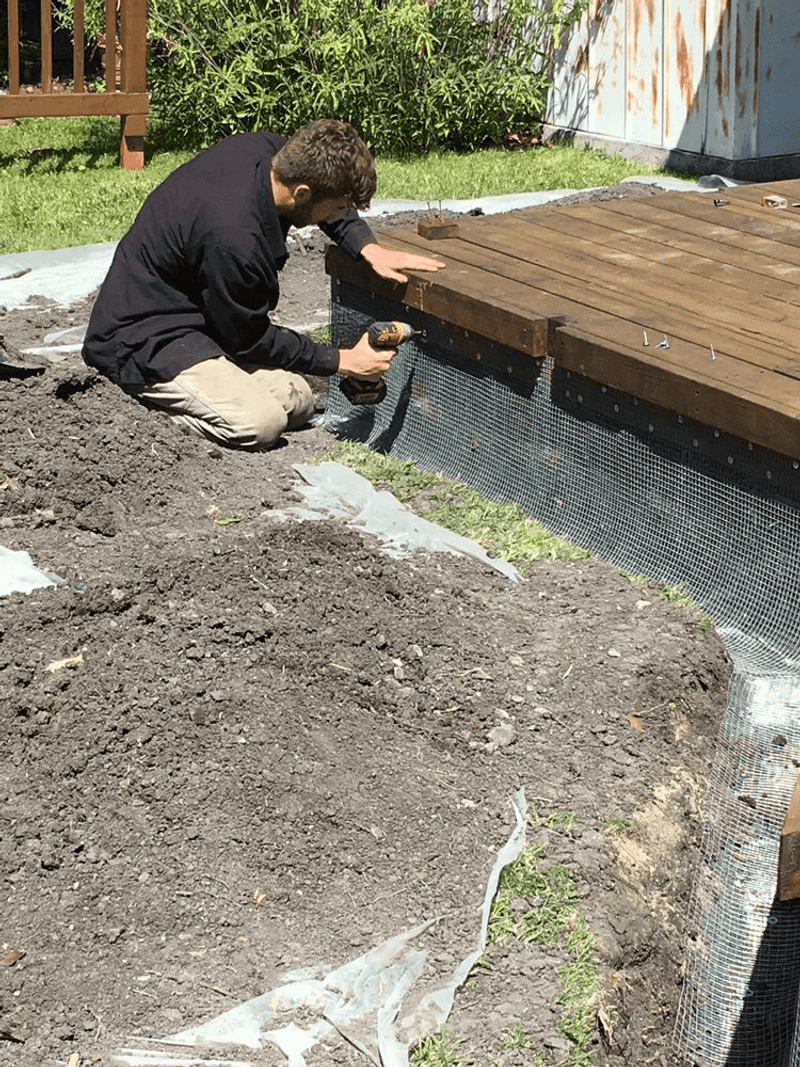
Exclusion is the long-term fix, and timing is everything. The goal is to block the opening only after the animal has left.
Opossums usually head out at night to forage. Loosely stuff the entrance with crumpled newspaper or leaves at dusk.
If it stays pushed out for two or three nights, the space is likely empty.
Another option is a one-way exclusion door. It lets the animal leave but not return.
Avoid this tactic in late winter and spring if a mother with young might be inside.
For the barrier itself, use galvanized hardware cloth or heavy welded wire mesh with half-inch to one-inch openings. Lattice alone won’t stop a determined critter.
Dig a trench about 6 to 12 inches deep around the gap. Bury the mesh and bend the bottom outward in an L shape, which discourages digging under.
Secure the top firmly to the porch frame.
Early spring in Ohio is often ideal, once the ground thaws enough to dig. Skip ammonia-soaked rags and mothballs, since they are unreliable and can be harmful.
Solid mesh does the job far better.
A Little Patience With Your Porch Opossum Pays Off Come Spring
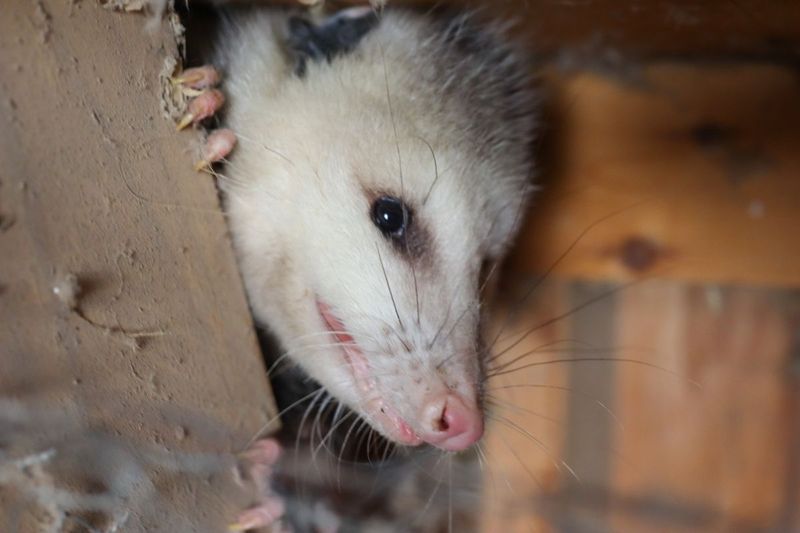
Here is my honest take after weighing it all. Unless there is real damage or a safety concern, a winter opossum under the porch is a guest worth tolerating for a few weeks.
Make a simple plan. Remove food sources now, watch for signs of damage, and keep pets away from the opening.
Then wait for a mild spring stretch to confirm the space is empty and seal it.
If you see an injured, frostbitten, or orphaned opossum, don’t handle it with bare hands. Contact a licensed Ohio wildlife rehabilitator, which you can find through the ODNR website.
Tiny babies clinging to a mother are fine and should be left alone.
Call a licensed wildlife control operator if the animal gets inside your home or garage. Professionals can solve the problem legally and with minimal stress.
Think of the season as a short lease with a firm move-out date. Your patience gives a cold animal a fair chance.
In return, you get a few nights of quiet slug control and a great story to tell your neighbors over the fence.