Why Pruning Wet Ohio Eggplants After Storms Is The Smartest Thing To Avoid
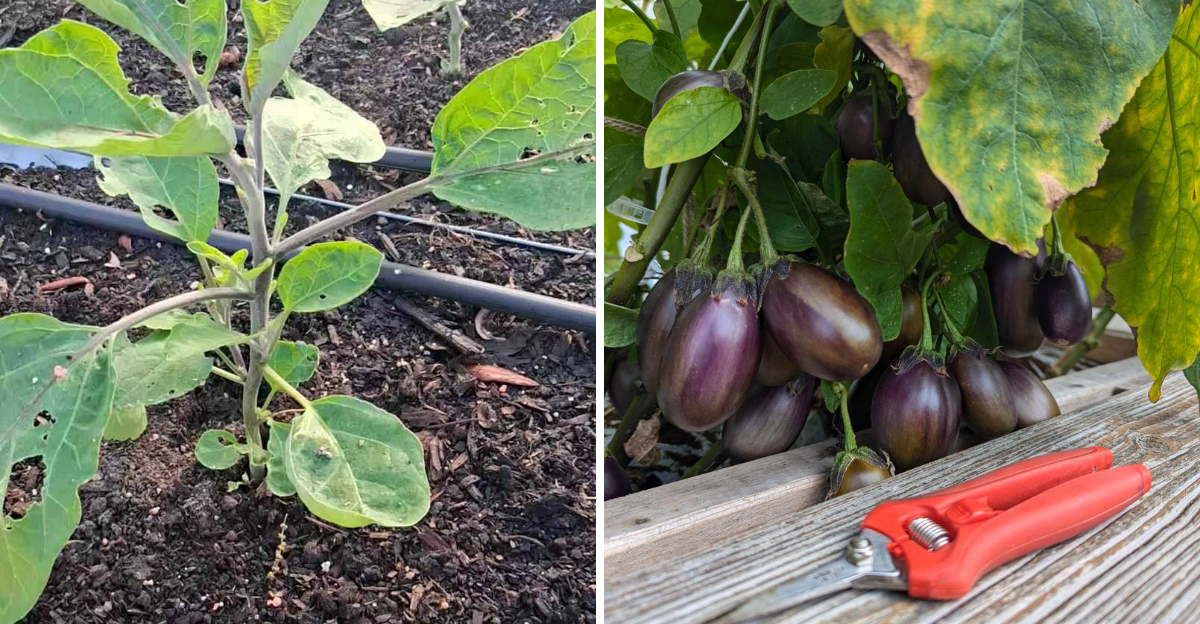
Ohio summer storms can leave an eggplant patch looking rough enough to make immediate pruning feel irresistible.
Leaves hang heavy with rain. Mud splashes the lower stems, branches lean sideways, and the whole plant can look far worse than it did the evening before.
That is exactly when patience matters most.
Wet foliage hides the difference between temporary storm stress and real damage. It also creates a better pathway for bacteria and fungal spores to move across leaves, tools, gloves, and fresh pruning wounds.
Cutting too soon can remove tissue the plant might have recovered while giving pathogens another opening at the same time.
So what should you do first?
Let the plant dry.
Once the foliage is no longer dripping, you can see broken stems more clearly, sanitize your tools properly, and remove only the growth that truly needs attention. Then airflow and dry weather can help the plant recover without another layer of stress.
The smartest post-storm pruning move is often the one you postpone for a while.
1. Wet Leaves Can Make Healthy Growth Look Worse Than It Is
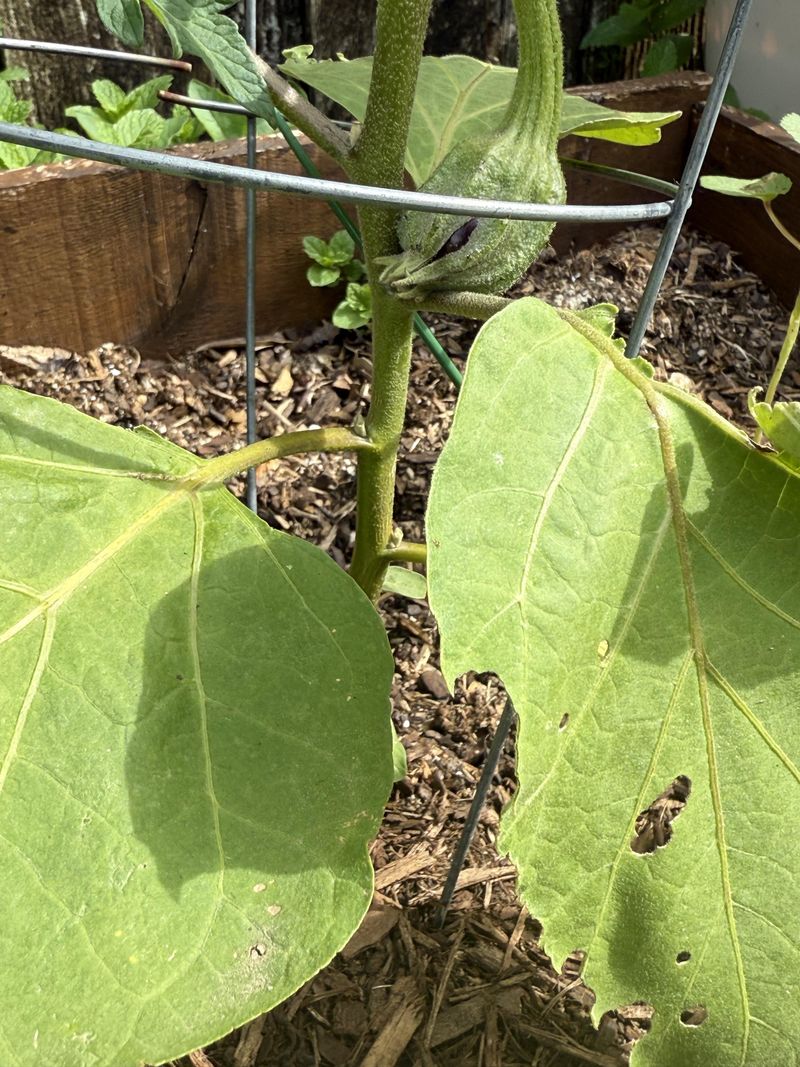
A soaked eggplant can look badly damaged while rain is still clinging to the foliage.
Heavy leaves bend downward, flexible stems sag, and branches that normally stand upright can look bruised or broken. Once the plant dries, some of that apparent damage often disappears.
That is why immediate pruning can be misleading.
A leaf with a few storm-torn edges may still photosynthesize perfectly well. A bent stem may straighten after the water weight is gone.
Removing those parts too early takes useful foliage away from a plant that is already recovering from wind and rain.
Wait until the canopy dries before making decisions.
Dry leaves separate more easily, branch angles become clearer, and genuine breaks stand out from temporary drooping. You can also see soft tissue, splits, or crushed stems without a layer of water disguising the details.
Give questionable growth another day when the damage is not obvious.
Eggplants are sturdier than they sometimes look after an Ohio thunderstorm. A plant that appears flattened at breakfast can look much more normal by the following afternoon once sun and airflow return.
Post-storm cleanup should solve actual problems, not cosmetic ones.
Let the weather reveal what truly failed before the pruners get involved. The plant already survived the storm. It does not need an enthusiastic haircut as the encore.
2. Fresh Pruning Wounds Are More Vulnerable In Wet Conditions
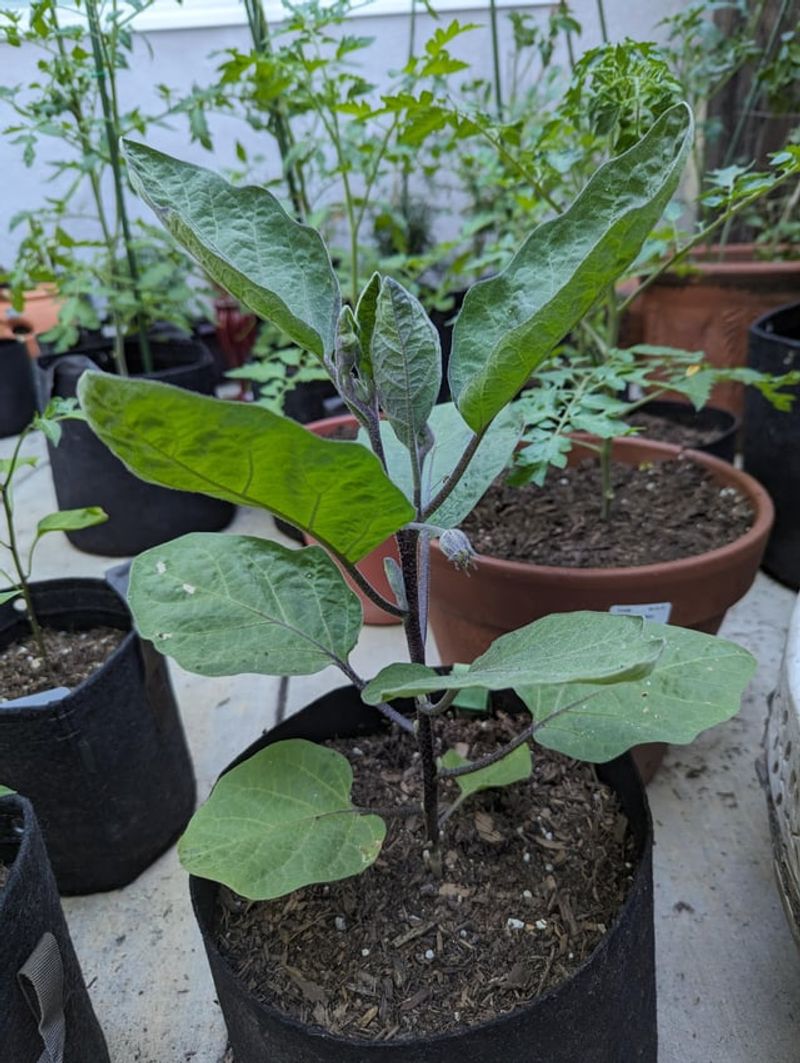
Every pruning cut creates exposed plant tissue.
On a dry day, that wound begins drying and sealing while air moves across the surface. During wet weather, moisture lingers around the cut and creates a more favorable route for some bacteria and fungal spores already present in the garden.
That makes timing important.
Cutting a wet eggplant immediately after a storm stacks several stresses together: soaked foliage, fresh wounds, high humidity, and plenty of splashed soil or plant debris nearby.
Wait for a dry window instead.
A sunny or breezy morning after the foliage has dried gives cuts a better chance to remain clean and begin closing before another round of rain arrives.
Your Ohio Garden Changes Every Week. Your Plan Should Too.
Gardening in Ohio changes quickly throughout the season. Every Friday you’ll receive a simple weekly plan showing exactly what to plant, prune, fertilize, harvest, and protect so you never miss the right timing.
Checking the forecast first can save you from pruning an hour before the next thunderstorm rolls through.
Avoid major cleanup during a string of wet days.
Broken material that is hanging by a thread can be dealt with once conditions improve, unless it poses an immediate physical problem for the rest of the plant. Most cosmetic damage can wait.
Ohio summer weather changes quickly, so use the dry stretches strategically.
The goal is not to create a perfectly sterile garden. That is impossible outdoors. The goal is to avoid handing pathogens a fresh doorway while every surface around the plant is already wet.
Dry weather makes that doorway much less inviting.
3. Wet Tools And Gloves Can Carry Problems From Plant To Plant
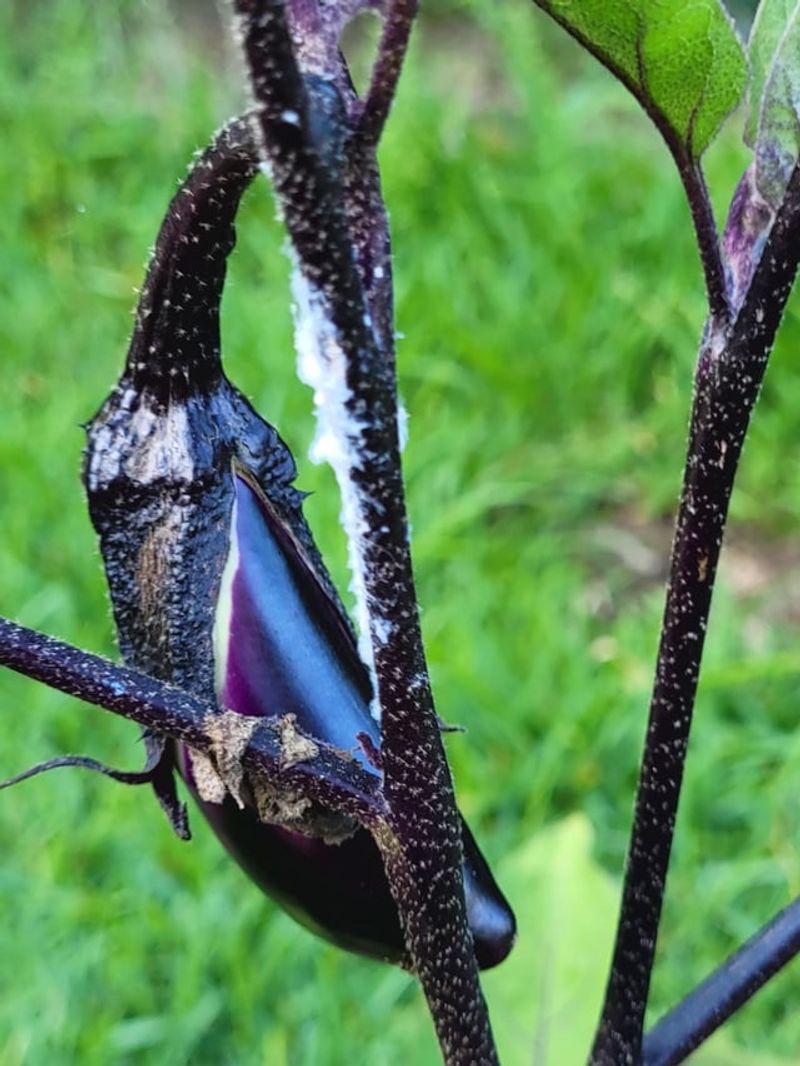
Storm cleanup often turns into a fast tour of the entire vegetable bed.
One eggplant gets inspected, then the next, followed by a tomato, pepper, or another branch that looks battered. Wet hands, muddy gloves, and damp pruner blades travel with you the whole way.
That movement can spread more than soil.
Plant debris, bacterial ooze, fungal spores, and tiny particles from infected tissue can cling to tools or gloves. Cutting a suspicious stem and immediately moving to a healthy plant gives those hitchhikers an easy ride.
Work from healthy plants toward questionable ones.
That simple order reduces the chance of carrying material from a symptomatic plant into one that looks clean.
Stop after handling leaves with spots, lesions, soft tissue, or unusual discoloration and clean your hands or change gloves before continuing.
Keep pruning tools separate from muddy surfaces too.
Dropping clean shears onto saturated soil defeats much of the care you took preparing them.
Wet weather already helps garden problems move through splashing rain and close leaf contact. There is no reason to add gardener-assisted transportation.
A methodical post-storm walk may feel slower, but it prevents a quick cleanup session from becoming a delivery route.
The less your hands and tools shuttle wet plant material around, the easier it is to keep one damaged eggplant from becoming everybody else’s problem.
4. Clean, Sharp Pruners Matter More After A Storm
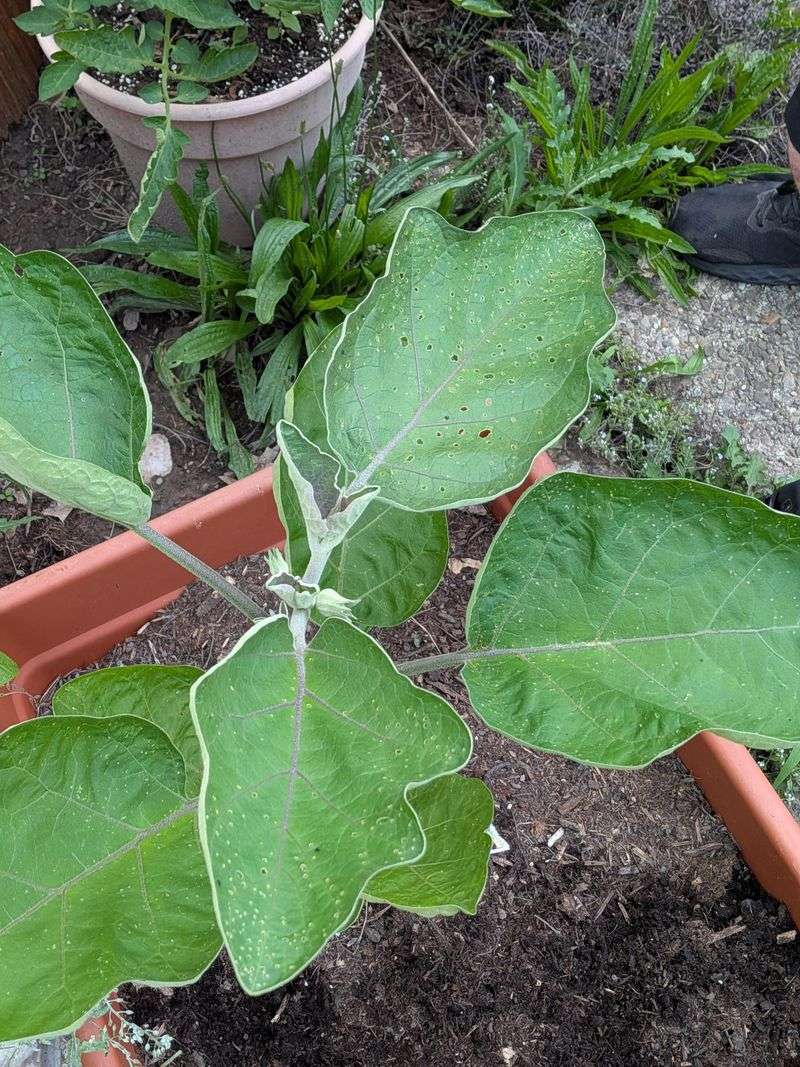
A storm is a terrible time to discover that the pruners in the shed are rusty, sticky, and carrying last week’s plant sap.
Clean blades make smaller, smoother wounds.
Dull or dirty tools crush stems and tear tissue rather than slicing cleanly through it. That leaves a larger damaged area and makes post-storm recovery harder than necessary.
Sanitize the blades before starting.
Seventy percent isopropyl alcohol works well for routine tool sanitation and is less corrosive than repeated bleach use.
Wipe away visible soil and plant residue first, then apply the sanitizer thoroughly before moving between plants, especially after cutting suspicious tissue.
Let the blades dry before the next cut.
Carry a small bottle or alcohol wipes into the garden so sanitation does not require repeated trips back to the house. Convenience makes good habits much easier to keep.
Sharpness deserves attention too.
A clean blade can still make a poor cut once the edge has become dull. Maintain the pruners regularly and replace badly damaged tools rather than forcing them through thick stems.
Storm cleanup is already stressful enough for the plant.
The tool should make one precise cut and move on, not chew through the branch like a tiny pair of garden pliers.
Clean equipment cannot eliminate every disease risk, but it removes one preventable source at the exact moment eggplants are most vulnerable.
5. Only Truly Broken Or Collapsing Growth Needs To Come Off
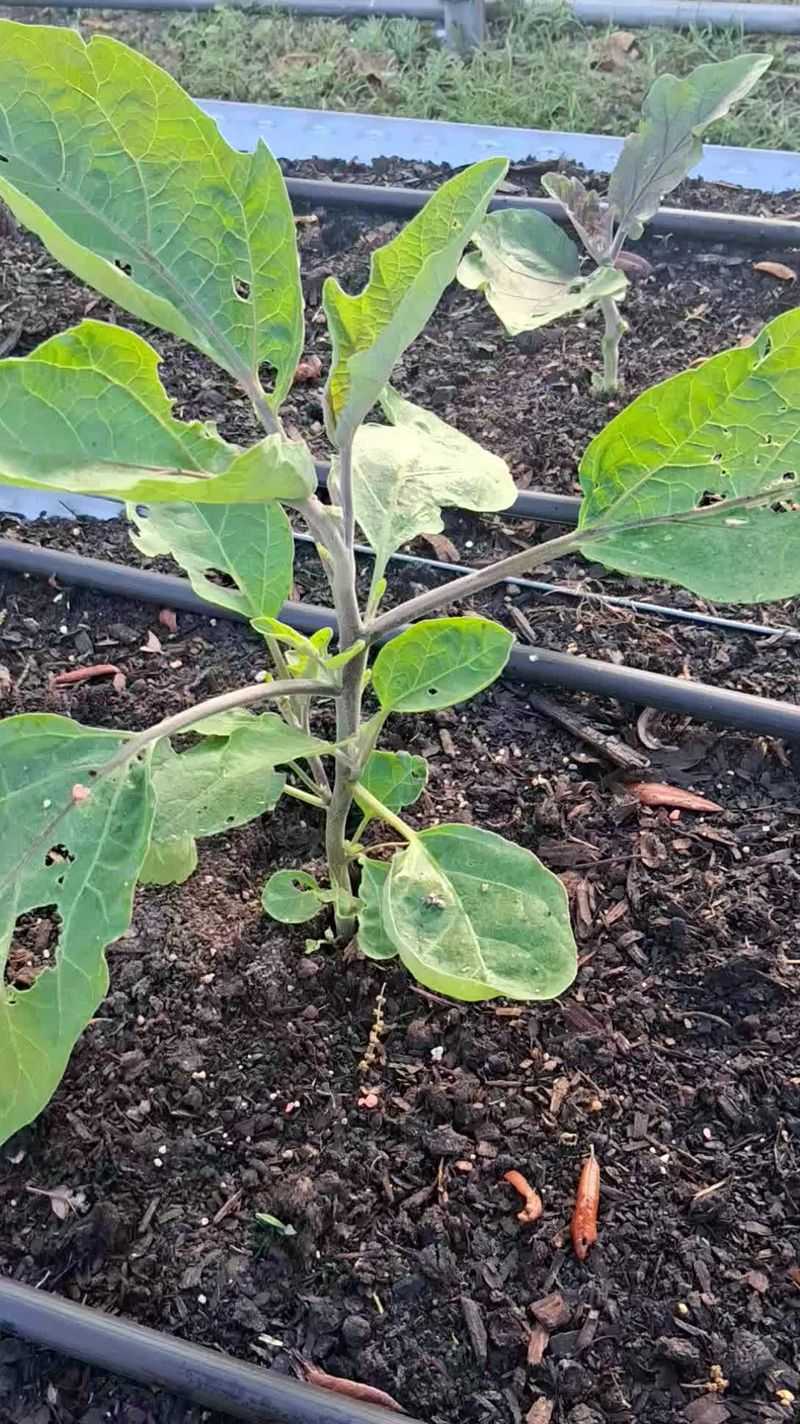
Post-storm pruning should be conservative.
Eggplants rely on healthy foliage to produce the energy that supports new growth, flowers, and developing fruit.
Removing too many leaves after a rough storm can leave the plant with less capacity to recover from the weather that already stressed it.
Start with obvious failures.
Branches split deeply at a junction, stems crushed by wind, or tissue turning soft and collapsing are reasonable candidates for removal once the plant has dried.
Ragged leaves are different.
A few holes, torn edges, or cosmetic bruises do not automatically make a leaf useless. Green tissue still captures light and contributes to the plant’s recovery.
Leave borderline growth in place for another day or two.
Storm-bent stems sometimes regain position once the canopy dries and water pressure inside the plant stabilizes. That extra waiting period keeps useful foliage from being sacrificed for neatness.
Avoid turning cleanup into reshaping.
The goal is to remove material that cannot function normally, not to make the eggplant look symmetrical again.
A fruiting plant benefits from keeping as much healthy leaf area as practical through summer.
Ohio storms can leave the garden looking like it lost an argument with the sky. That does not mean every crooked leaf needs consequences.
Remove what is clearly compromised, support what can recover, and let the plant keep the green tissue that still has a job.
6. Airflow Helps Most After The Foliage Is Dry
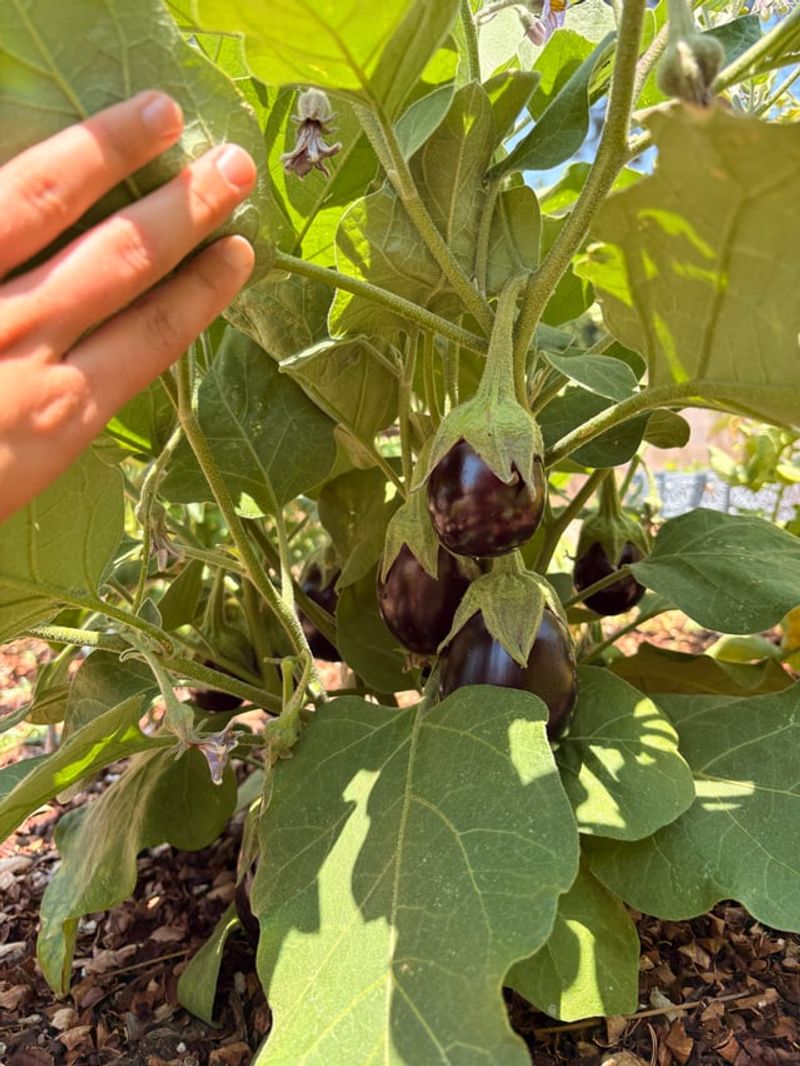
Once the eggplant dries and truly damaged growth is removed, a little selective thinning can improve the canopy.
Crowded branches hold humidity.
Leaves pressed tightly together dry more slowly after rain, especially during warm Ohio weather when the air already carries plenty of moisture. Opening a few congested areas can help future storms dry off the plant faster.
Keep the thinning light.
Remove stems that cross tightly through the center, damaged shoots that block airflow, or low growth that stays pressed against neighboring foliage. Leave the broader healthy canopy intact.
Eggplants need those leaves.
Excessive pruning can reduce photosynthesis and expose fruit to stronger summer sun. A suddenly bare plant may trade humidity problems for sunscald and additional heat stress.
Step back between cuts.
Look through the center of the plant and stop once some daylight and open space are visible. The canopy should feel less crowded, not stripped.
Spacing between plants matters too.
Eggplants planted too close together create a humid wall that pruning cannot completely fix. Make a note for next season when the row feels packed after every rain.
Airflow is a recovery tool, not an excuse for a dramatic makeover.
Once the leaves are dry, a few careful cuts can help the plant stay that way longer. The pruners should create breathing room, not turn the eggplant into a collection of lonely sticks.
7. Muddy Lower Leaves Signal A Splash Problem
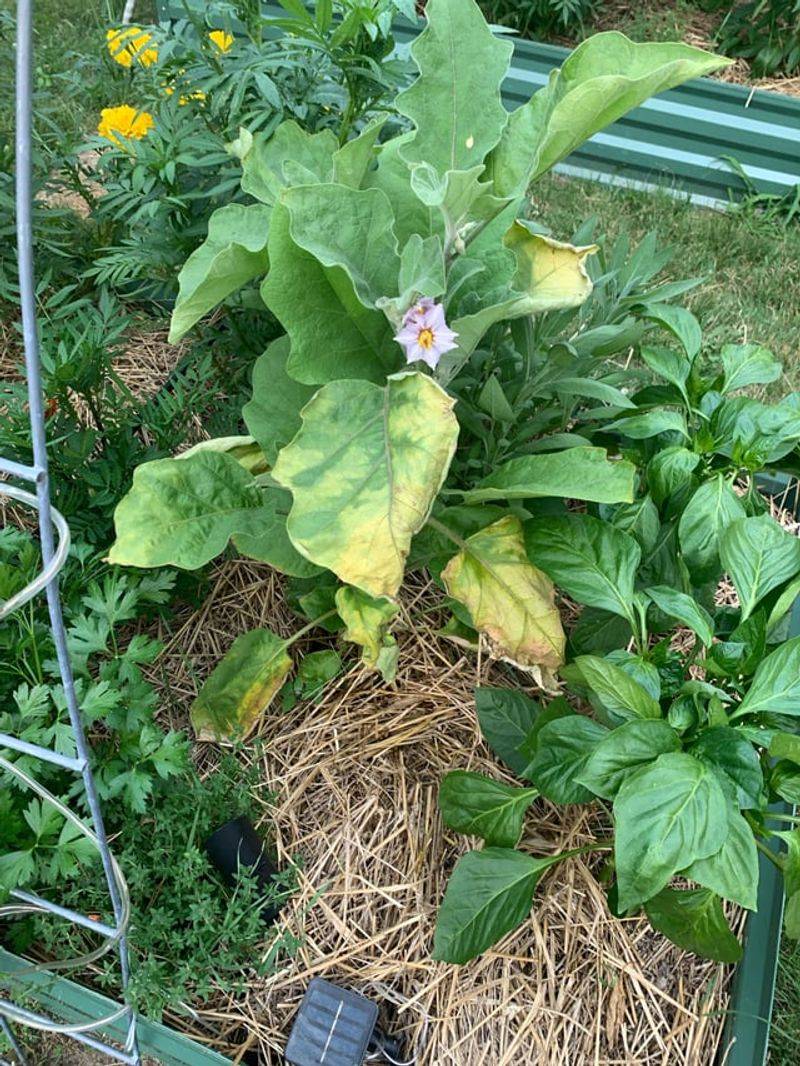
Heavy rain can decorate the bottom of an eggplant with mud.
That splash matters because soil particles can carry organisms onto leaves and stems, but the first response should not be frantic pruning while everything is still wet.
Let the foliage dry, then inspect the lowest growth.
Leaves that remain healthy despite a little dried mud can often stay. Foliage that repeatedly rests on the soil, shows clear lesions, or has been badly damaged may be worth removing once conditions are suitable.
Then fix the splash source.
Spread two to three inches of clean straw, shredded leaves, or another suitable organic mulch across exposed soil. Keep the material slightly away from the main stem so moisture does not remain packed against the crown.
Check stakes after storms too.
Wind can bend branches downward until lower leaves touch wet ground. Retie or support those stems after the plant dries so they stay above the soil during the next rain.
Mulch may shift during a strong downpour.
Redistribute thin areas once the surface is firm enough to work around without compacting wet soil.
The point is prevention.
Pruning one muddy leaf does little when the next storm can splash five more. Covering bare soil and keeping branches elevated reduces the source of the problem.
Solve the mud before making the eggplant pay for where the rain threw it.
8. Dry Air And Time Finish The Recovery Better Than Cutting
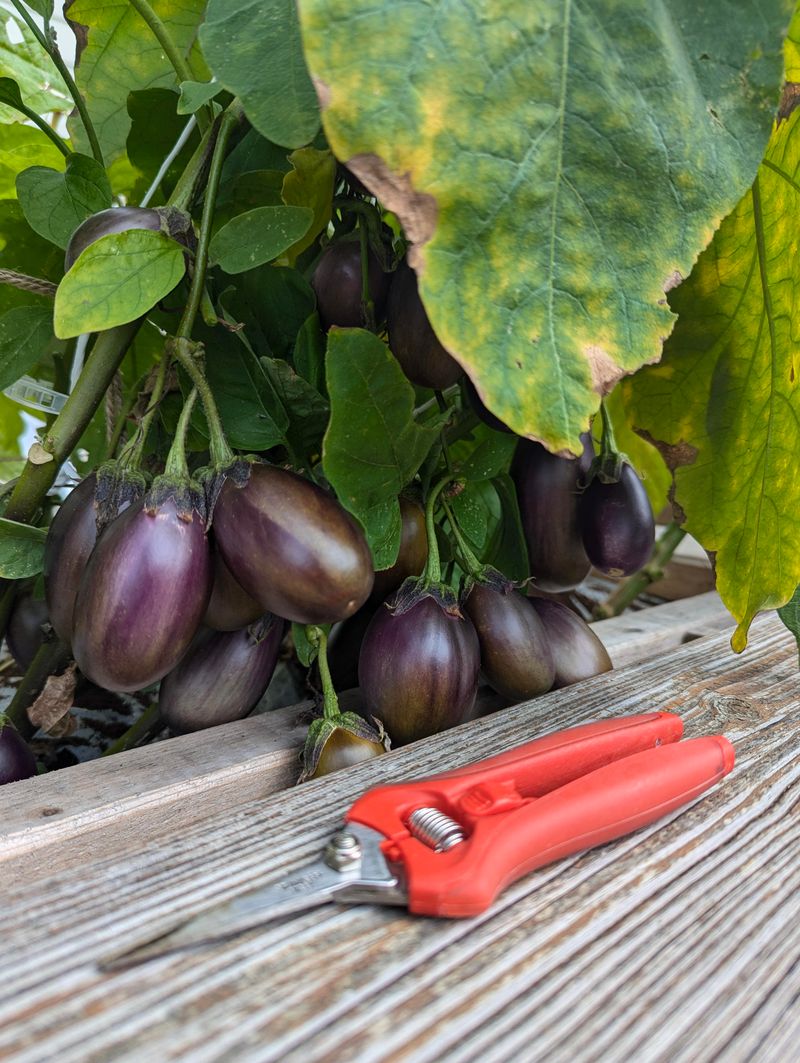
After a storm, gardeners naturally want to do something.
Once broken growth is handled, mulch is restored, and branches are supported, the best next move may be leaving the plant alone.
Airflow and time do a surprising amount of work.
Drying leaves become easier to evaluate. Flexible stems regain shape. Small wounds begin sealing, and the canopy returns to its normal posture without another round of human intervention.
Watch the plant for several days.
New spots, expanding lesions, soft stems, or continued collapse deserve attention. Stable foliage and fresh growth suggest the eggplant is recovering normally.
Keep future irrigation at soil level.
Drip lines or soaker hoses add moisture where roots can use it without soaking the canopy again. Avoid watering merely because the storm has passed.
Check the root zone first, since Ohio soil can remain moist well below the surface after several rainy days.
Give neighboring plants room too.
Leaves from crowded eggplants rubbing together stay wetter and make post-storm drying slower. Better spacing next season can reduce how much cleanup feels necessary after every thunderstorm.
Recovery does not always need another cut.
Sometimes the smartest gardening skill is recognizing when the plant has already started fixing itself.
Once dry weather returns, let sun, breeze, and healthy foliage handle their share of the job. Your pruners do not need to be the hero of every storm story.