Why ‘See It, Squish It’ Is The Rule For Ohio Lanternflies This October
October in Ohio smells like fallen leaves, warm donuts, and woodsmoke drifting over quiet backyard fences. But lately a new guest has crashed the party, and it wears polka dots like a costume.
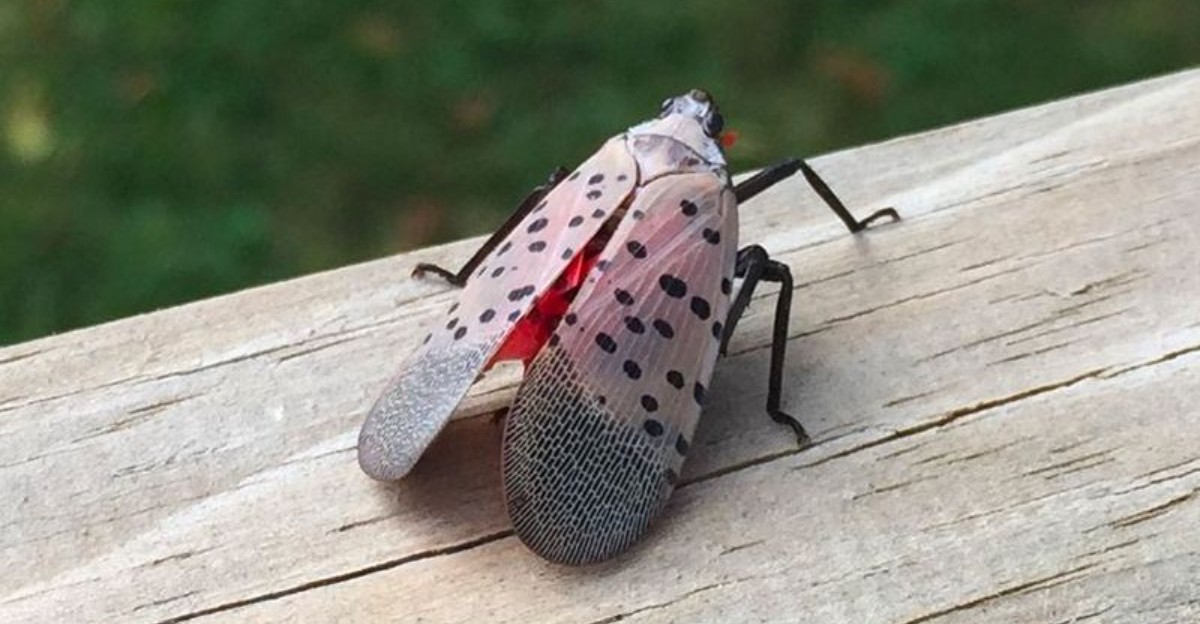
This visitor hops more than it flies, landing on sneakers and flashing a surprising patch of red. Farmers and scientists across the state ask residents to take it seriously.
Grapevines, maples, and gardens across Ohio all sit on the menu of this sticky little troublemaker. It drips sugary goo that makes patio chairs shiny and invites black mold to move in.
Fall is when these bugs grow largest and boldest, and they are eager to leave eggs behind. That timing turns an ordinary autumn walk into a helpful project for the whole family.
Every October Adult Means Fewer Spring Hatchlings
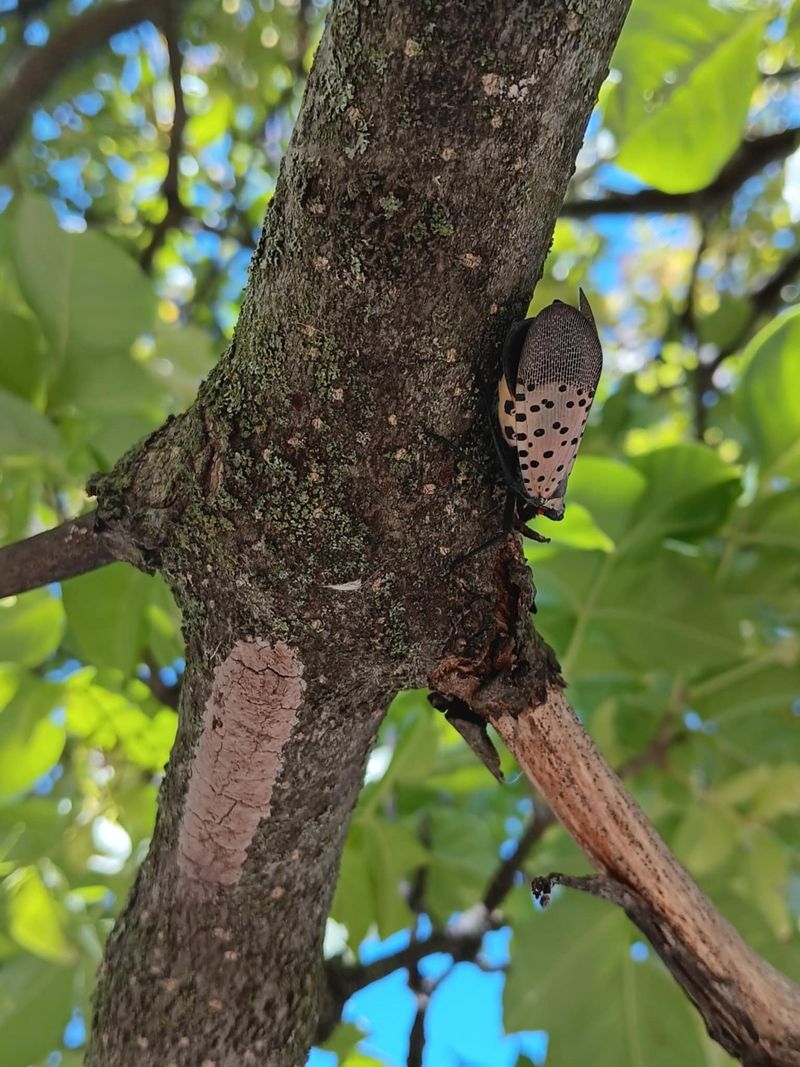
Picture one female spotted lanternfly quietly laying a mud-colored patch of thirty to fifty eggs on your tree. Removing her before she lays can keep that patch from ever existing, which is why experts urge acting early.
Adults in Ohio spend fall feeding hard, mating, and searching for flat surfaces to hide their egg masses. Many females lay more than one mass, so a single bug can mean dozens of hungry nymphs next year.
The adults themselves usually fade away once hard frosts arrive in late fall, but their eggs survive the winter. Those tough little packets can sit through snow and ice, then hatch when warm weather returns in spring.
That makes October a kind of last chance, a short window where your actions count more than usual. Every female you remove now is one less egg-laying adult on your backyard maple.
Experts at Ohio State University and the Ohio Department of Agriculture both encourage residents to report and squish them. Their message is simple, because slowing the spread mostly depends on lots of regular people doing small things.
You do not need special training, fancy gear, or a science degree to help your neighborhood this fall. A quick press with a sturdy shoe or a firm swat with a flyswatter often does the job nicely.
Think of each squish as a small gift to next spring, when your trees and grapes can breathe easier. Fewer adults now mostly means fewer sticky surprises later, and that tradeoff feels pretty satisfying underfoot.
The Hungry Biology Behind The Spread
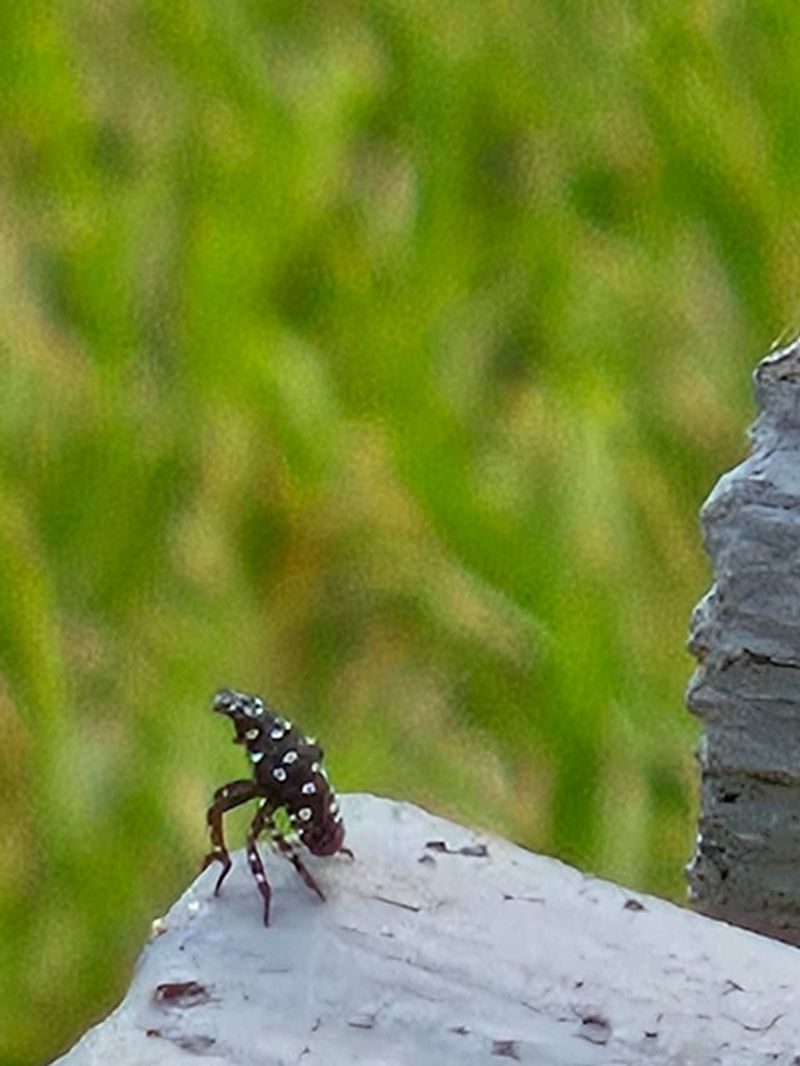
Fun fact: the spotted lanternfly is not actually a fly at all, but a planthopper originally from China. It first showed up in Pennsylvania in 2014, and it has been hitchhiking westward toward Ohio ever since.
Its mouth works like a tiny straw, piercing bark and sucking sap straight out of stems and trunks. Heavy feeding drains sap from the plant, which can leave it stressed and weaker.
Its favorite meal is the tree of heaven, an invasive tree that grows along Ohio highways and railroad tracks. Still, it happily snacks on grapevines, maples, black walnuts, willows, and dozens of other common plants.
Your Ohio Garden Changes Every Week. Your Plan Should Too.
Gardening in Ohio changes quickly throughout the season. Every Friday you’ll receive a simple weekly plan showing exactly what to plant, prune, fertilize, harvest, and protect so you never miss the right timing.
All that sap goes in one end and comes out the other as a sweet, sticky liquid called honeydew. It coats leaves, decks, and cars, then grows a dark sooty mold that blocks sunlight from reaching plants.
Wasps and bees love honeydew too, so infested trees can turn into buzzing hangouts nobody wants to visit. Picnic tables under those branches can end up sticky and hard to enjoy.
Without natural predators keeping them in check, these bugs can multiply quickly across a neighborhood in one season. Birds and praying mantises sometimes grab a few, but they rarely make a big dent alone.
That missing balance is exactly where people step in, quite literally, with their shoes and swatters ready. Understanding what these bugs eat and leave behind helps explain why experts take them so seriously.
Peak Season For Adults On The Move
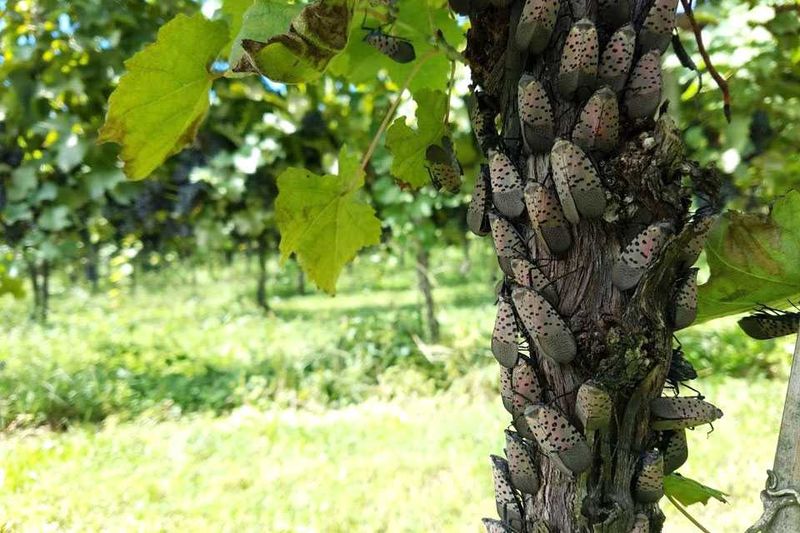
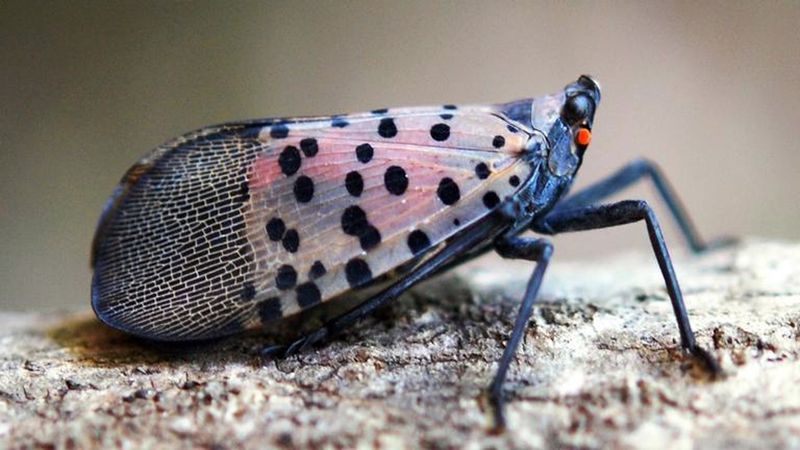
Walk past a grape farm near Lake Erie in early October, and you might spot clusters of bugs on trunks. Their folded wings look plain at first, until one leaps and flashes bright red hindwings like a magic trick.
Adults usually appear in July, but September and October are when their numbers and activity mostly peak. They gather in groups on trees, fences, and buildings, often crawling upward toward warm afternoon sunlight.
Their bodies are about one inch long now, which makes them far easier to see than tiny spring nymphs. Bigger bugs also move slower on chilly mornings, giving you a better chance to catch them off guard.
Cool fall mornings make them sluggish, so early hunting trips work well. By afternoon they warm up, hop farther, and become much trickier to sneak up on with a shoe.
Ohio has reported established populations in many counties, including areas around Cleveland, Toledo, Columbus, and Cincinnati. The map keeps changing each year, so checking the state’s online tracker can show what is near you.
Look closely at the trunks of tree of heaven, maples, and grapevines, where adults like to cluster together. Shady sides of buildings and wooden fence posts are also popular hangout spots during sunny fall afternoons.
Once several hard frosts roll through in November, adult activity usually slows down and finally fades away. Until then, October gives you the clearest view of the adults, so keep your eyes on those tree trunks.
The Hitchhiker Mistake At Fall Festivals
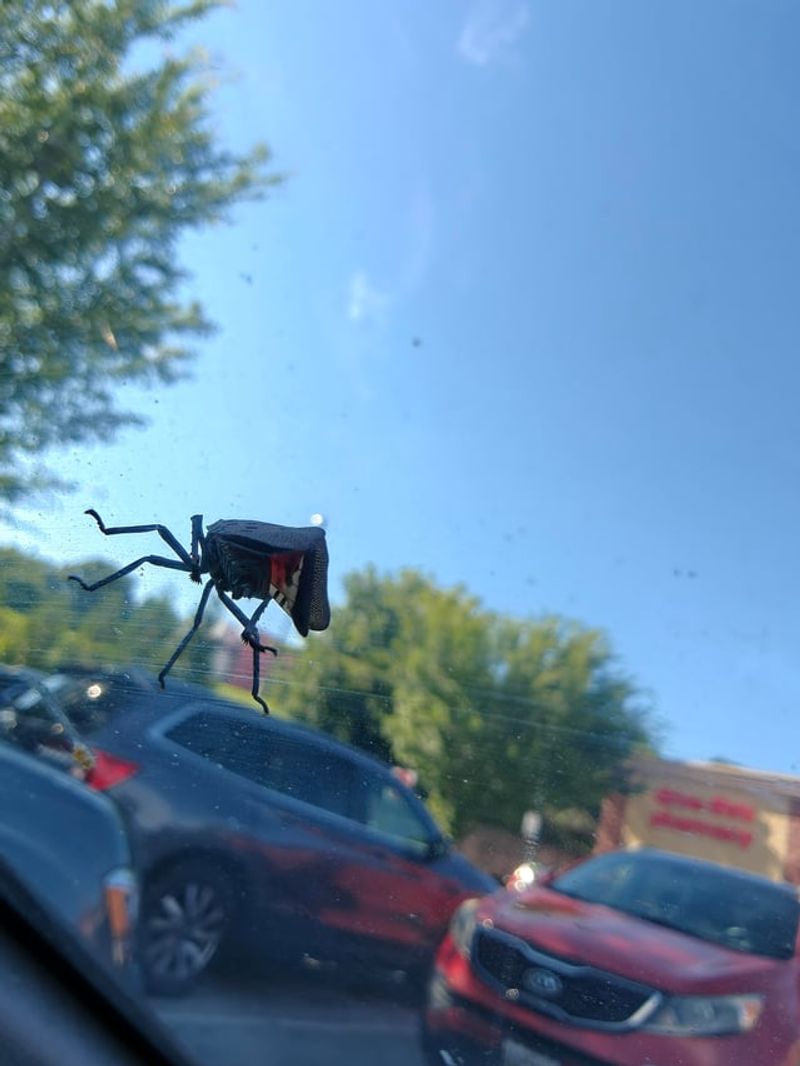
A family drives home from a pumpkin patch with a trunk full of gourds and one very sneaky passenger. Nobody notices the gray bug on the bumper, and it may travel miles before anyone spots it.
That scene is how many new infestations start, because these insects spread mostly by riding along with people rather than flying. Cars, trucks, trailers, and train cars carry them much farther than their weak wings could ever manage.
October is packed with apple orchards, corn mazes, and harvest festivals that pull visitors from all over Ohio. More travel means more chances for a stowaway to sneak home on a jacket, stroller, or car door.
Egg masses cause even bigger trouble, since they look like smears of dried mud on almost any surface. Firewood, patio furniture, campers, and outdoor decorations can all hide them through the long Ohio winter.
The biggest mistake many people make is assuming somebody else will handle the problem when they spot one. Moving a live bug to a new place, even by accident, can start a brand new population.
Before leaving any orchard or campground, take thirty seconds to walk around your car and check carefully. Peek at wheel wells, bumpers, and roof racks, and shake out jackets before everyone piles back inside.
Buy firewood near where you plan to burn it, and leave any extra behind instead of hauling it home. Those tiny habits feel almost silly, but they stop free rides that help this pest reach new towns.
Smart Tactics For Removing Adults
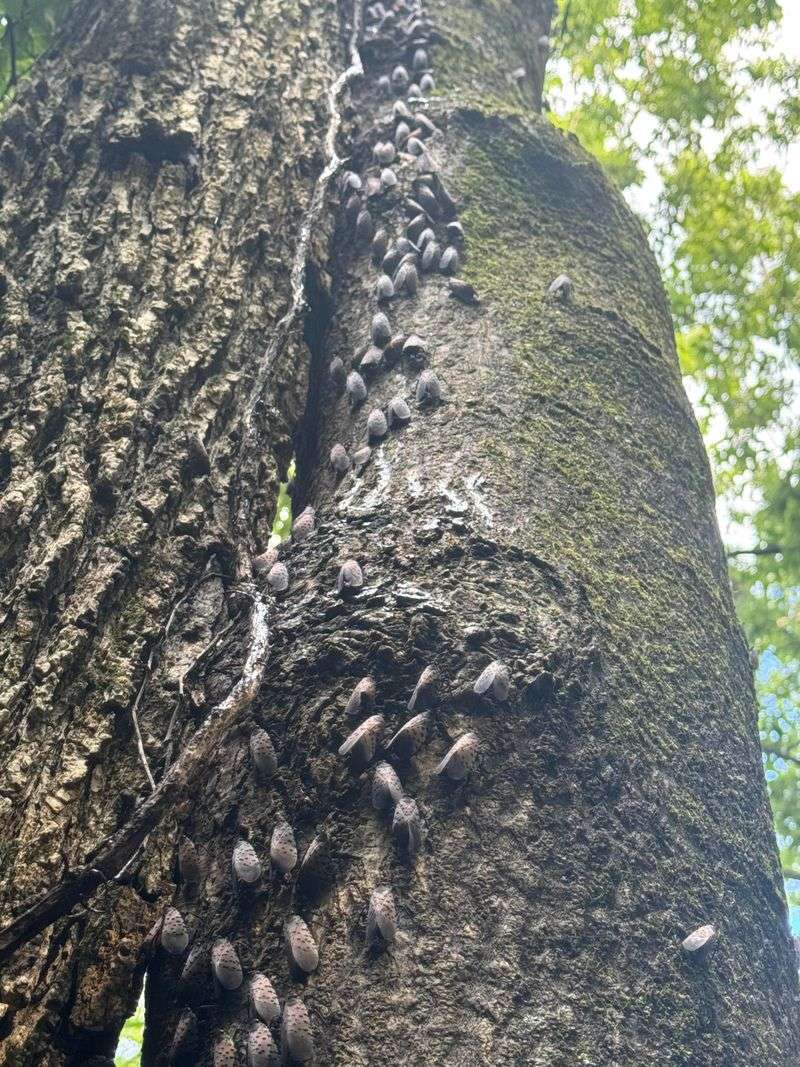
Lanternflies are strong jumpers, so a little strategy helps before you swing. Done right, it turns a frustrating chase into a quick win, and it can even feel like a game.
Approach from above or behind, since they usually jump forward and away from whatever is moving toward them. Holding a flyswatter or shoe slightly ahead of the bug helps you catch it right as it hops.
A handheld vacuum works wonders on groups clustered high on a wall, porch ceiling, or tree trunk. Empty the canister into a sealed bag afterward, and toss it in the trash so none can crawl back out.
Circle traps wrapped around tree trunks also help, since adults crawl upward and get funneled into a collection bag. Skip sticky bands without a protective cage, because birds and squirrels can get stuck on them too.
Egg masses deserve attention now as well, since females start laying them in late September and keep going. Scrape each gray, muddy patch with a plastic card into a zip bag, then crush it firmly.
Pesticide sprays are rarely needed for a few bugs, and they can harm helpful insects like bees. Homeowners with heavy infestations should contact a licensed professional or their county extension office for guidance.
After each squish, snap a quick photo and report the location through the Ohio Department of Agriculture website. Your sighting helps scientists track where the bugs are heading, which makes your effort count twice.
A Lighter Spring Thanks To Fall Effort
Some Pennsylvania grape growers reported major crop losses in heavily infested vineyards. Ohio has a chance to learn from that story, and everyday squishing this fall is part of the plan.
The state produces grapes, maple syrup, and hardwood lumber, which all rely on healthy trees and vines. Slowing these bugs protects farm jobs, fall color, and the shady backyard trees your family loves.
Each October squish trims the number of egg masses resting quietly on fences and bark through winter. Fewer eggs lead to fewer nymphs in spring, and that gives young plants room to grow strong.
Over the winter, keep scanning for egg masses on patio furniture, grills, swing sets, and stacked firewood piles. Scraping them off on a sunny December afternoon can feel oddly relaxing, like a treasure hunt in reverse.
Removing tree of heaven from your property also helps, since it acts like a favorite restaurant for these pests. Ask your county extension office about safe removal, because cut stumps often sprout back with stubborn energy.
Teaching kids to recognize the spotted adults turns them into sharp-eyed helpers on walks, bus stops, and playgrounds. Kids who learn to spot them often enjoy counting every one they find.
Nobody expects one person to stop the spread alone, but thousands of small efforts can slow it down considerably. Next spring, when your maple leafs out clean and green, you can thank your October sneakers.