Why Using Mothballs To Keep Snakes Away Is Illegal In Georgia
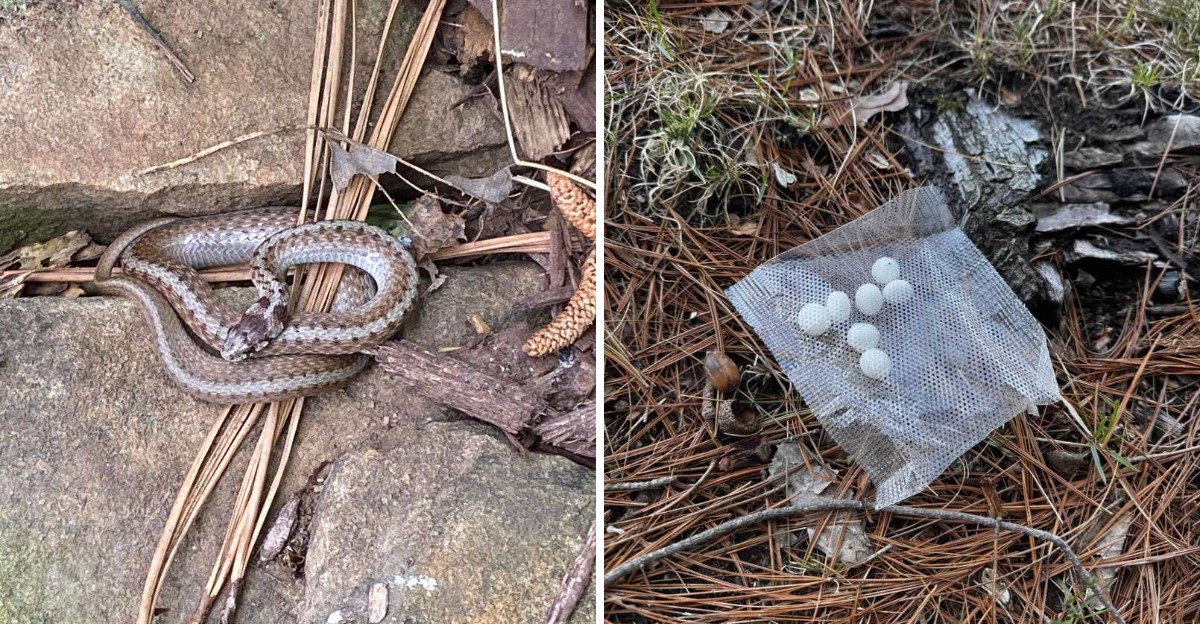
Mothballs scattered around a crawl space have been a go-to snake remedy for generations. Plenty of homeowners still swear by the trick after hearing it from a neighbor.
Most of those little white balls are registered pesticides, so their use is governed by law, not tradition.
Every package carries a label spelling out exactly where and how the product can be used.
Open ground and flower beds are not approved uses, and Georgia enforces pesticide rules like these. Their chemicals can also seep into soil and water near your home.
Snakes, meanwhile, rarely seem bothered by the smell, so the effort does little good anyway.
Skip the mothballs and look at what draws snakes to the spot. Kids and pets that find a stray mothball face real risks, reason enough to leave them in the closet.
1. Mothballs Are Registered Pesticides With Strict Label Rules
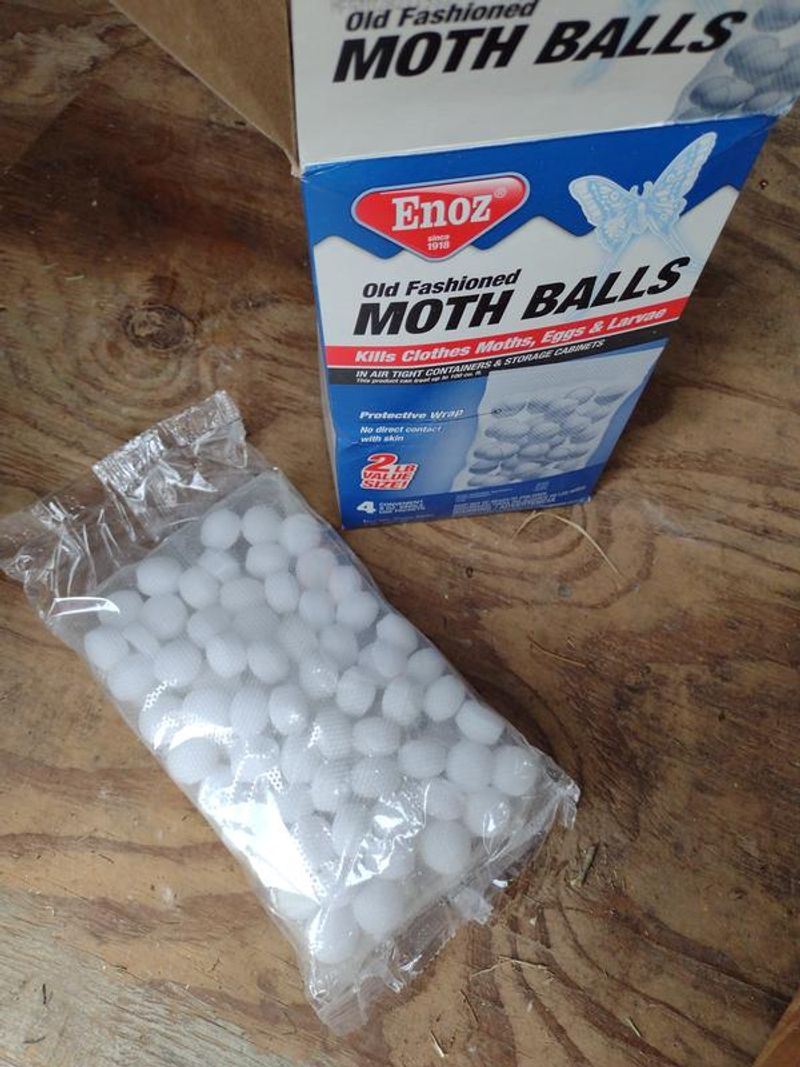
Mothballs look like a simple household item, yet they are regulated as pesticides, just like many products used to control insects and weeds.
Under federal law, pesticide products generally must be registered with the EPA.
Most mothballs contain either naphthalene or paradichlorobenzene as the active ingredient.
Both chemicals turn from a solid straight into a gas over time. That slow release of fumes is how mothballs work against clothes moths in a sealed space.
Registration comes with a detailed label, and that label is not just friendly advice.
Federal pesticide law treats the label as the legal rulebook for the product. Using it in a way the label does not allow can count as a violation.
Georgia enforces these same pesticide rules through the Georgia Department of Agriculture.
So when you buy a box of mothballs, you are agreeing to follow the directions printed on the package. Reading those directions before opening the box is a simple habit worth building.
Look for sections on approved pests, where the product may be used, and safety warnings for children and pets.
If the label wording seems confusing, your local county Extension office can help explain it in plain terms.
2. Off-Label Use Breaks Both State And Federal Law
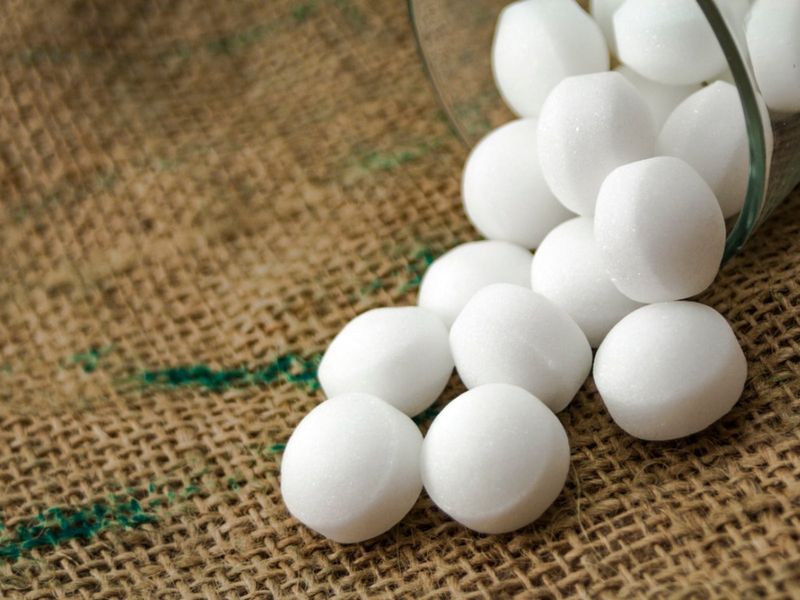
Here is the part that surprises a lot of homeowners. Pesticide labels often include a line stating it is a violation of federal law to use the product inconsistently with its labeling.
That one sentence is what makes tossing mothballs in the yard a legal problem.
Federal rules come from a law called FIFRA, which governs how pesticides are sold and used across the country.
States add their own layer of oversight. In Georgia, the Department of Agriculture handles pesticide regulation and can respond to misuse complaints.
Does that mean officers patrol backyards looking for mothballs? Not likely, and most cases never reach that point.
Still, problems can come up if a neighbor complains about strong odors or a pet gets sick. A complaint like that may lead to questions about how the product was used.
Penalties, if any, depend on the situation and how regulators view it.
Your Georgia Garden Changes Every Week. Your Plan Should Too.
Gardening in Georgia changes quickly throughout the season. Every Friday you’ll receive a simple weekly plan showing exactly what to plant, prune, fertilize, harvest, and protect so you never miss the right timing.
Rather than worry about fines, think of the law as a signal. Regulators set those limits because the chemicals can cause harm when used carelessly.
Sticking to the label keeps you on solid legal ground and protects the people and animals around you.
If you are unsure whether a use is allowed, a quick call to your county Extension agent can save you trouble later.
3. Mothball Labels Restrict Where And How They Can Be Used
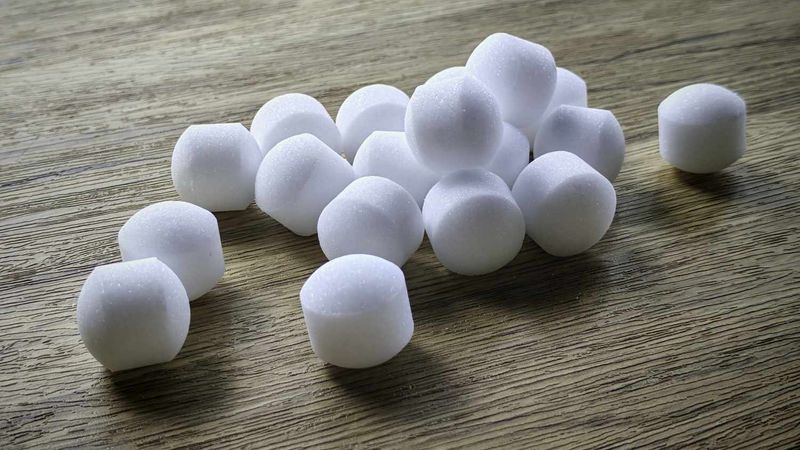
Picture a tightly closed storage chest full of wool sweaters. That is the kind of space mothballs are designed for.
Labels typically direct users to place mothballs in airtight containers, such as garment bags or sealed bins.
Inside a closed container, the fumes build up enough to affect clothes moths and their larvae. Out in an open yard, the vapor simply drifts away into the air.
Gardens, flower beds, attics, crawl spaces, and lawns are generally not listed as approved sites.
Some labels also warn against using the product in living areas where people spend a lot of time. Breathing the fumes over long periods is a concern regulators take seriously.
Humid summers in Georgia can make the smell linger in damp spaces like crawl spaces and basements.
Odors that seep into a home can be hard to air out. Fabrics, carpets, and wood may hold onto the scent for a while.
So the practical takeaway is simple. Keep mothballs in sealed storage containers, follow the amount listed on the package, and keep the box out of reach.
If you no longer need them, check with your local waste program about proper disposal of household chemicals.
4. Snakes Aren’t Among The Pests Mothballs Are Approved To Control
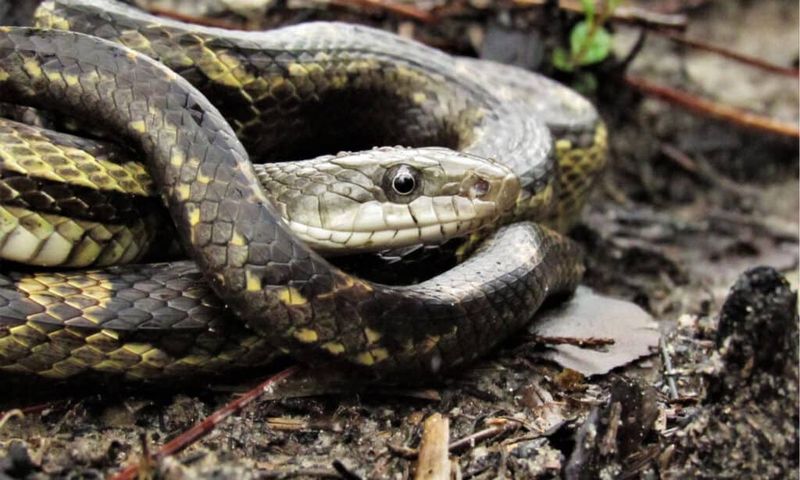
Snakes do not appear on mothball labels as a target pest. The approved list usually centers on clothes moths, their larvae, and sometimes carpet beetles.
Wildlife experts have also raised doubts about whether mothballs repel snakes at all.
Snakes sense their world largely through smell, using their tongues to pick up scent particles. It sounds logical that strong fumes would bother them, but reliable evidence for that effect is lacking.
University Extension specialists have generally said mothballs are not an effective snake repellent.
Even some commercial snake repellents have shown mixed or limited results. Snakes may simply move around a treated spot if food or shelter is nearby.
It also helps to know who is visiting your yard.
Georgia is home to dozens of snake species, and most of them are nonvenomous. Rat snakes, garter snakes, and brown snakes often show up around homes and gardens.
Many of these snakes eat rodents, slugs, or insects that gardeners dislike anyway.
If a snake concerns you, give it space and let it move along on its own. For a venomous snake near the house, contacting a licensed wildlife removal professional is a safer choice than handling it yourself.
5. Scattered Mothballs Can Harm Children And Pets Who Find Them
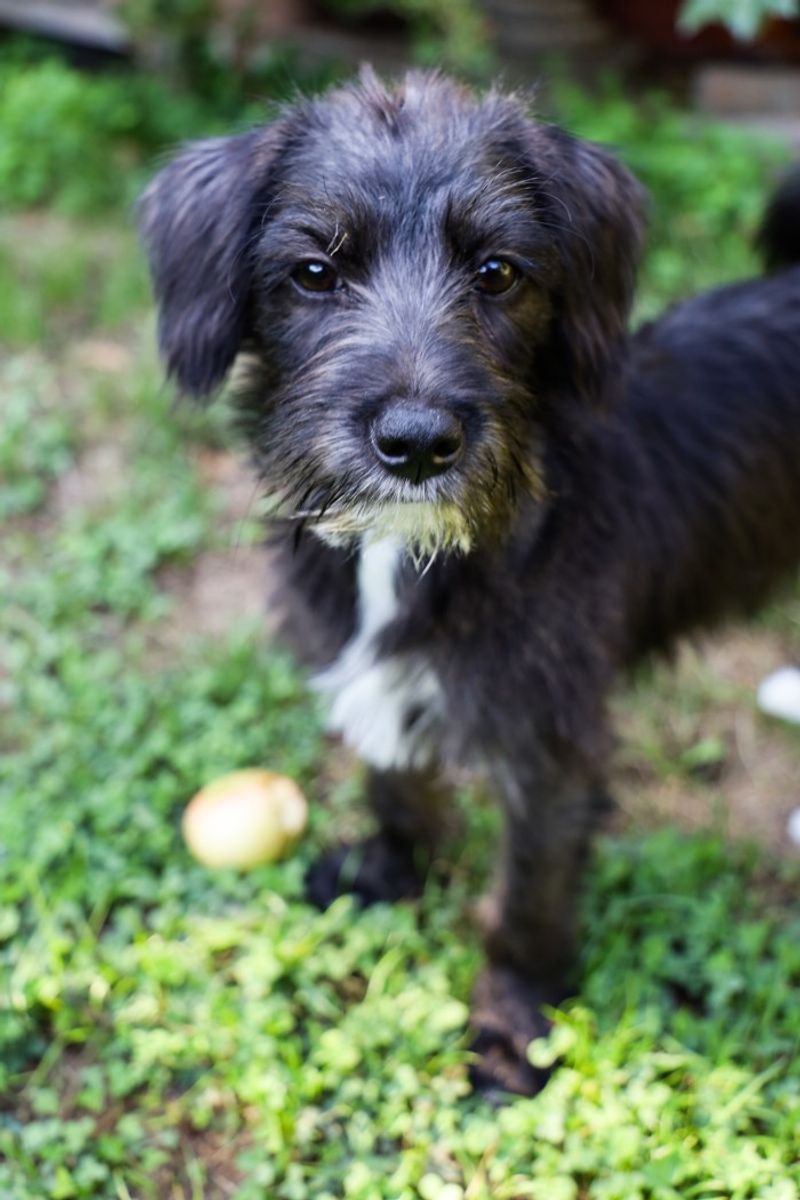
To a toddler, a mothball can look a lot like candy. To a curious dog, it is just another interesting thing to sniff and chew.
Swallowing mothballs can cause serious poisoning in both kids and animals.
Naphthalene can damage red blood cells, especially in people with a certain inherited enzyme deficiency. Symptoms may include vomiting, stomach pain, and unusual tiredness.
Dogs and cats may show drooling, vomiting, weakness, or trouble breathing after eating one.
Breathing heavy fumes over time can also cause headaches, nausea, or eye irritation. Small children and pets spend a lot of time close to the ground, so they are more exposed.
Across Georgia, families spend long stretches outside during warm months, which raises the chance of contact.
Rain can also scatter mothballs farther than you placed them. One might roll under a swing set or into a dog run without anyone noticing.
If a child swallows a mothball, call Poison Control right away at 1-800-222-1222.
For pets, contact your veterinarian or an animal poison hotline quickly. Keeping the product box handy helps responders know which chemical is involved.
6. Mothballs Scattered Near Vegetables Can Create Contamination Risks
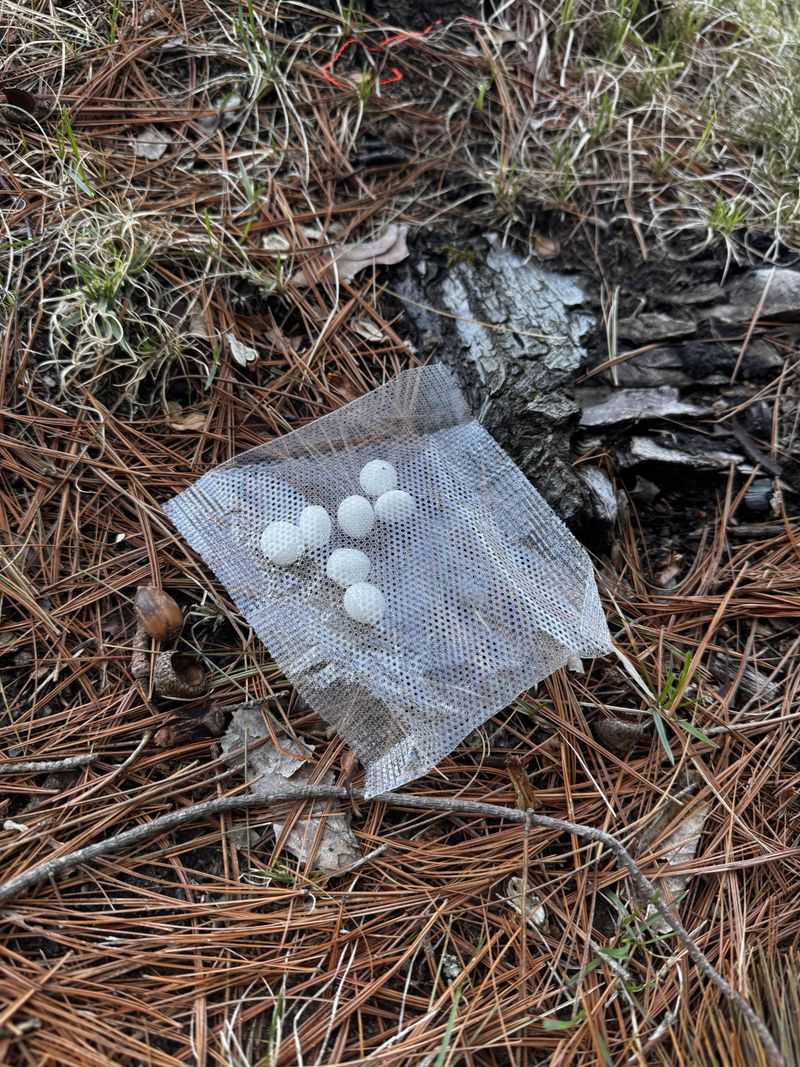
A vegetable bed should be the last place for a household chemical meant for closets. Yet some gardeners tuck mothballs between tomato plants hoping to scare snakes off.
As mothballs break down outdoors, their chemicals can move into nearby soil and water.
Rain and irrigation may carry residue toward roots or into low spots in the yard. How much ends up in the soil depends on rainfall, soil type, and how many mothballs were used.
Those chemicals were never tested or approved for use around food crops.
Leafy greens and root crops grow close to the ground, so they may face more contact. Fumes can also settle on nearby plants in still, humid air.
Gardeners in Georgia often grow okra, peppers, squash, and tomatoes through the long warm season, giving plenty of time for exposure.
If mothballs were already placed in your garden, wear gloves and pick them up promptly. Seal them in a bag and follow your county’s guidance for household hazardous waste.
Avoid tilling the area right away if fragments remain.
When in doubt about soil safety, ask your county Extension office about next steps before planting edible crops there again.
7. Removing Brush And Yard Clutter Helps Reduce Snake Hiding Spots
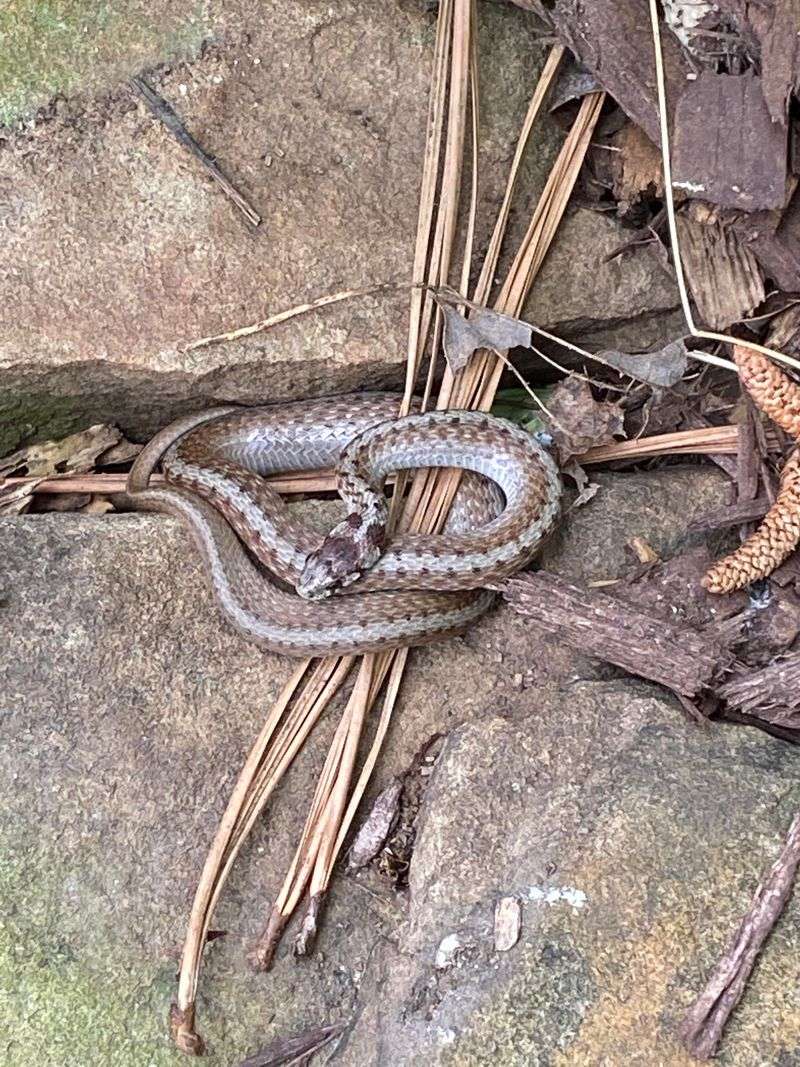
Snakes look for two things in a yard, shelter and food. Take those away, and your property becomes a lot less inviting.
Start by clearing brush piles, old boards, and scrap metal lying on the ground.
Tall grass and dense ground cover near the house give snakes easy cover. Keeping the lawn mowed and edges trimmed can make them feel more exposed.
Firewood is another common hideout, so stack it on a rack away from the home.
Rodents draw snakes in, which means food sources matter too. Store birdseed, pet food, and chicken feed in sealed metal or heavy plastic bins.
Seal gaps around foundations, doors, and crawl space vents with sturdy materials.
Gardeners across Georgia often use thick pine straw mulch, which can offer cover. Keeping mulch layers moderate and pulled back from walls may help reduce hiding spots.
None of these steps will keep every snake out, since snakes may still pass through while traveling.
Still, a tidy yard with fewer rodents usually means fewer snake visits over time. Results vary based on nearby woods, creeks, and fields, so patience and steady upkeep make a real difference.