Why Some Florida Crape Myrtles Rebloom In Late August And Others Don’t
Your neighbor’s Florida crape myrtle just kicked out a fresh round of blooms in late August. Yours quit weeks ago and shows no sign of trying again.
That gap isn’t luck, and it isn’t a better spot in the yard either. Something specific happened to one tree and not the other, and it traces back to a single step taken or skipped much earlier in the season.
Variety plays a role too. Not every crape myrtle reblooms on the same schedule, even under identical conditions side by side.
Your tree’s second show, or lack of one, was decided months ago. The reason comes down to timing, and it’s easier to fix than you’d expect.
1. Some Cultivars Are Built For A Longer Flower Show
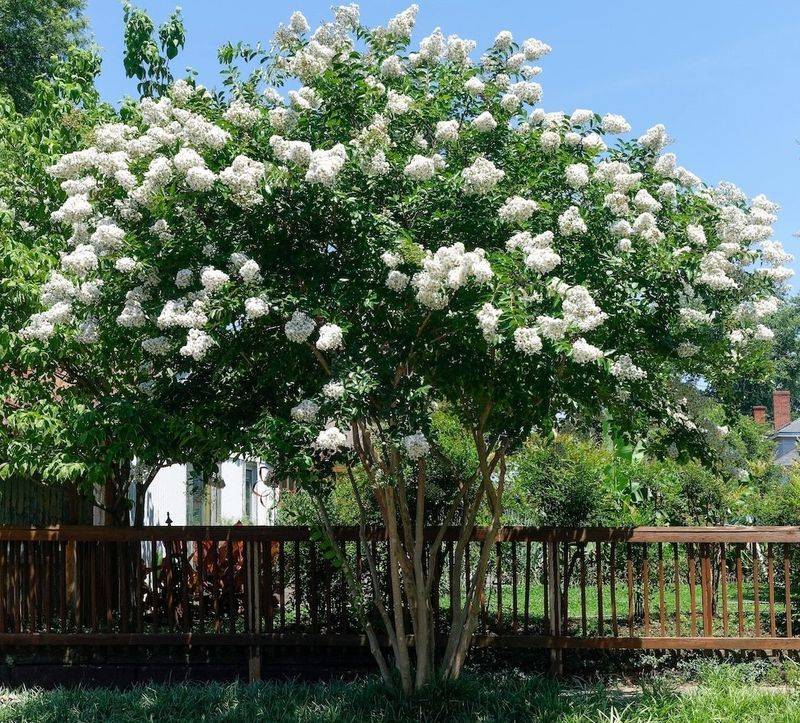
Genetics quietly run the show long before any gardener picks up a pruning tool. Not every crape myrtle variety is wired to produce multiple rounds of flowers, and that difference starts inside the plant itself.
UF/IFAS Extension is clear on this point: some cultivars simply do not rebloom, regardless of how well they are cared for.
Two trees growing side by side can behave very differently because they belong to different cultivar groups. One may carry genes that support repeated flowering cycles, while the other is built to bloom once and stop.
Blaming poor care when the real answer is genetics leads homeowners down the wrong path.
Breeders have developed many cultivars specifically for the Florida climate, selecting for traits like heat tolerance and extended bloom periods.
Varieties in the Natchez, Tuscarora, and Muskogee groups, for example, have been noted in extension literature for reliable performance in the Southeast.
However, not every named cultivar on a nursery tag has been tested for repeat bloom in Florida conditions.
Before assuming a non-reblooming tree needs more water or fertilizer, consider what cultivar it actually is. A quick check with your local UF/IFAS county extension office can help you identify whether the variety you have is even capable of a second flush.
Genetics set the ceiling, and no amount of extra care raises that ceiling.
2. Spent Blooms Can Decide Whether Round Two Starts
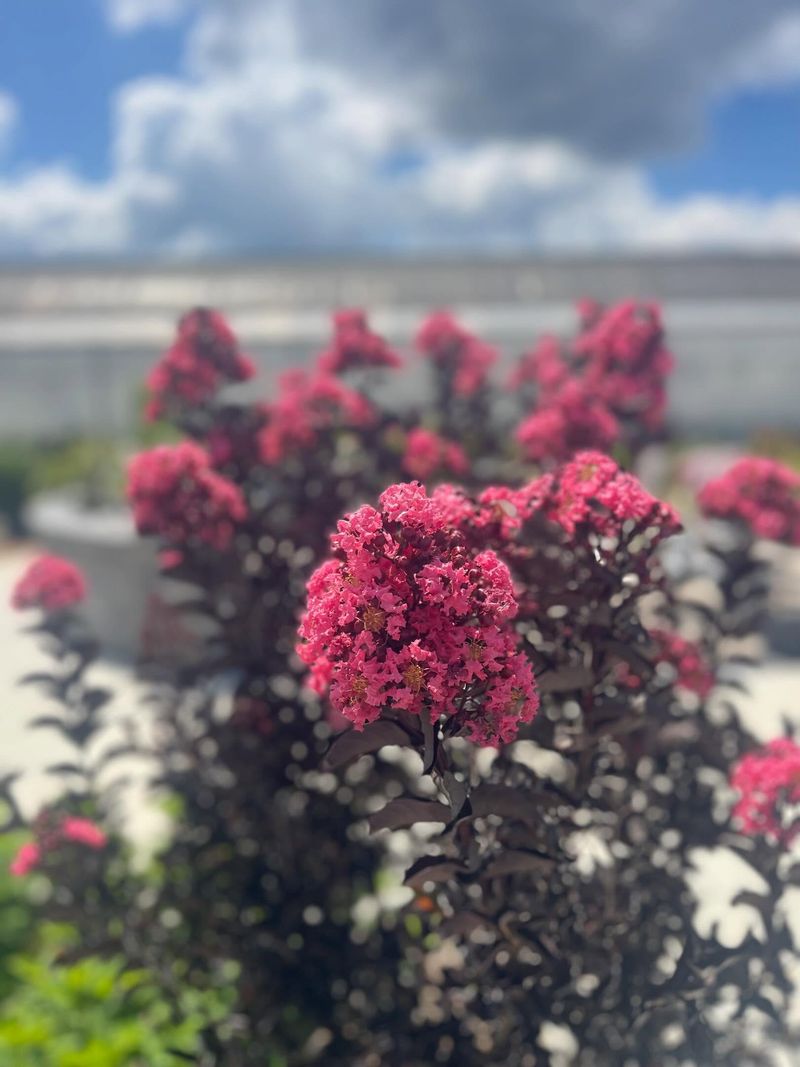
Picture a crape myrtle branch tip covered in dried, papery seedpods from the first bloom. The plant senses that those seeds are developing and shifts its energy toward finishing that reproductive job.
Removing those spent clusters changes that signal entirely.
UF/IFAS guidance explains that lightly removing the terminal flower cluster after the first bloom can encourage a new flush of flowers. That new flush may appear roughly four to six weeks after the spent heads are taken off.
Run that math forward from early-to-mid July and the result lands squarely in late August.
This practice is called trimming, and it is very different from the severe cutting that damages crape myrtles every winter in many Florida yards. Trimming means removing only the finished flower cluster at the tip of a branch.
No large limbs come off, no thick wood gets cut, and the natural shape of the tree stays intact.
Your Florida Garden Changes Every Week. Your Plan Should Too.
Gardening in Florida changes quickly throughout the season. Every Friday you’ll receive a simple weekly plan showing exactly what to plant, prune, fertilize, harvest, and protect so you never miss the right timing.
Trimming does not guarantee a second bloom on every tree. Cultivar genetics still matter, and a variety not built for rebloom will not suddenly change its habits because spent flowers were removed.
However, on a cultivar that does have repeat-bloom potential, removing old flower heads at the right time gives that second flush its best chance. Missing that window by waiting too long can push the timing past the growing season.
3. Full Sun Keeps New Flowering Growth Moving
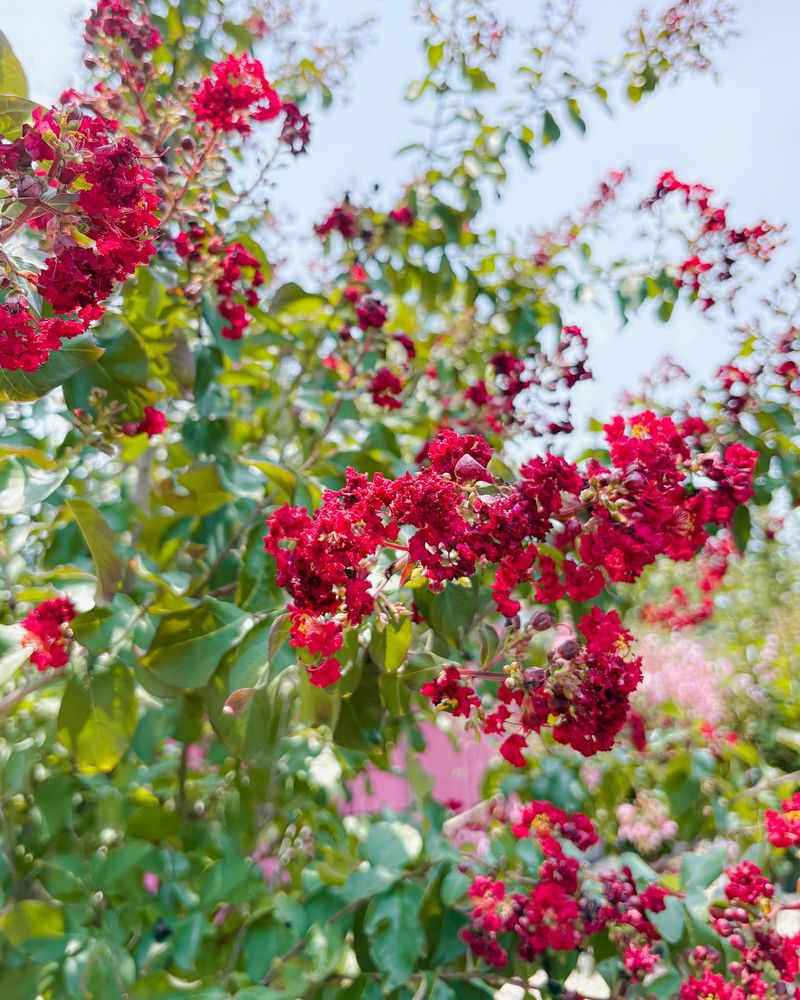
A crape myrtle in full sun on the south side of a yard can look completely different from one in partial shade. A large oak canopy can make a noticeable difference.
Both trees may be watered the same and fertilized the same, yet their flowering behavior can be miles apart.
Crape myrtles are sun-loving plants. UF/IFAS and other university extension sources consistently recommend planting them where they receive at least six hours of direct sunlight daily.
Less light means less energy available for flower production, even when the tree looks green and healthy overall.
In Florida, shade patterns shift through the season as neighboring trees fill out with summer foliage. A spot that received good sun in spring may be partially blocked by July.
A tree that flowered well in May might slow down by August simply because its light budget has been reduced by surrounding growth.
This explains why two crape myrtles in the same yard can behave so differently. A tree near a fence line or under the canopy edge of a large shade tree may produce fewer blooms or stop reblooming earlier than one growing in an open lawn.
Moving a mature tree is not realistic, but knowing that light limitation is the cause helps a homeowner plan better for future plantings. Shade is rarely obvious until you start measuring it.
4. Too Much Fertilizer Can Trade Blooms For Leaves
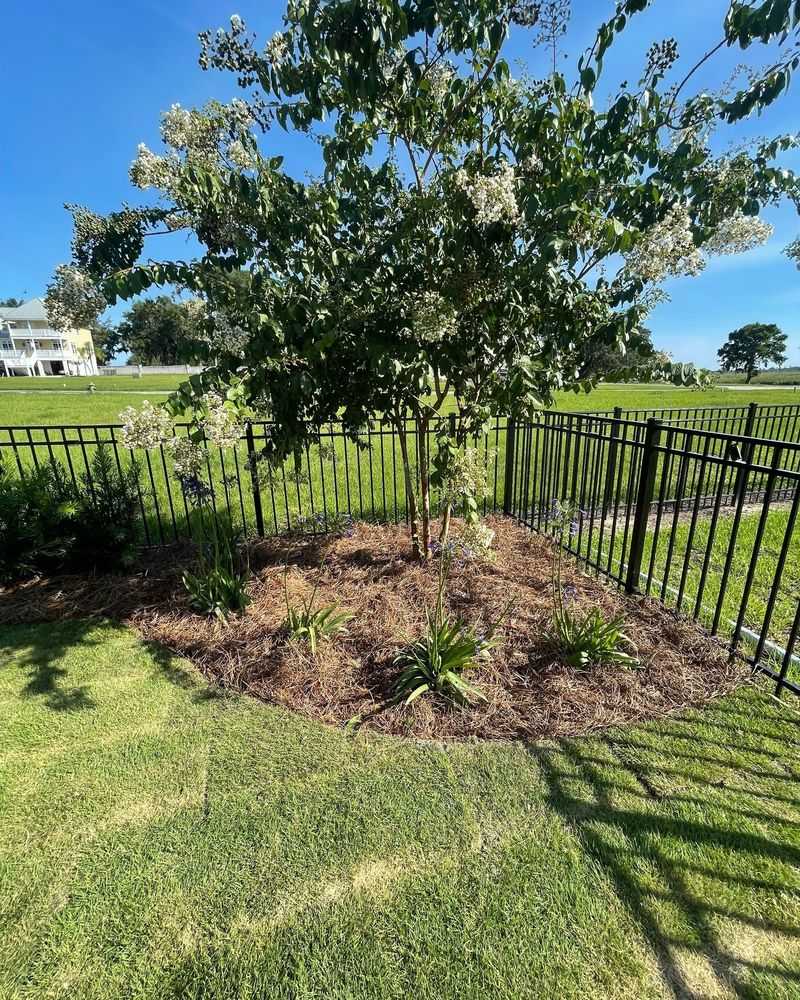
A crape myrtle loaded with thick, dark green leaves but almost no flowers is telling you something. Excess nitrogen pushes a plant toward vegetative growth, meaning stems and leaves get the energy that might otherwise go toward producing flowers.
Extension sources support this connection between heavy nitrogen feeding and reduced bloom output.
Homeowners often do not realize their crape myrtle is being overfed. A tree planted near a lawn that receives regular fertilizer applications can pull in nitrogen from the turf program.
The roots do not stop at the property line of the grass, and nutrients move through soil water. That extra feeding was never intended for the tree, but the tree takes it anyway.
Signs worth watching include rapid, soft new growth with a deep green color combined with a flower display that never quite matches what the tree has produced before. These observations, when supported by a soil test, can point toward an overfeeding situation.
UF/IFAS recommends soil testing before applying any fertilizer rather than following a generic schedule.
Fertilizer is not the enemy of crape myrtles. Applied correctly and at the right time, it supports healthy growth.
The problem is excess, not fertilizer itself. A tree receiving too much nitrogen from lawn programs may not need additional treatment.
Changing where lawn fertilizer is applied can help redirect energy back toward flowers.
5. Hard Pruning Can Push The Flower Show Back
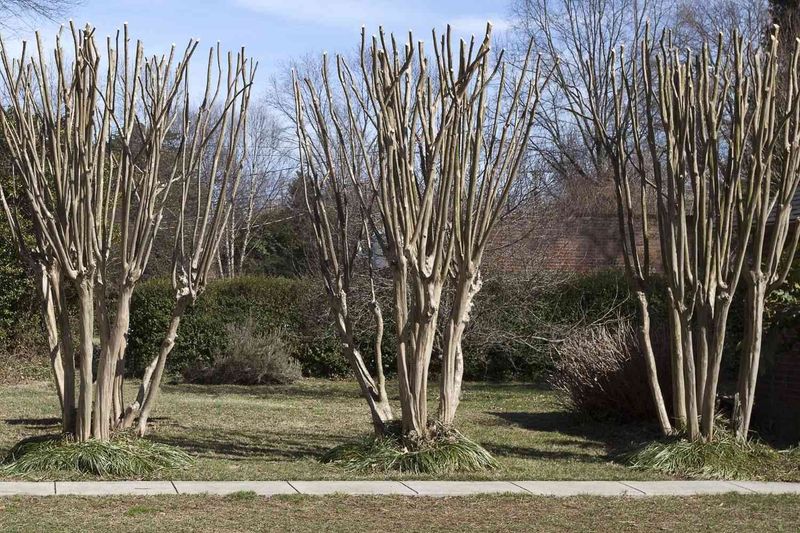
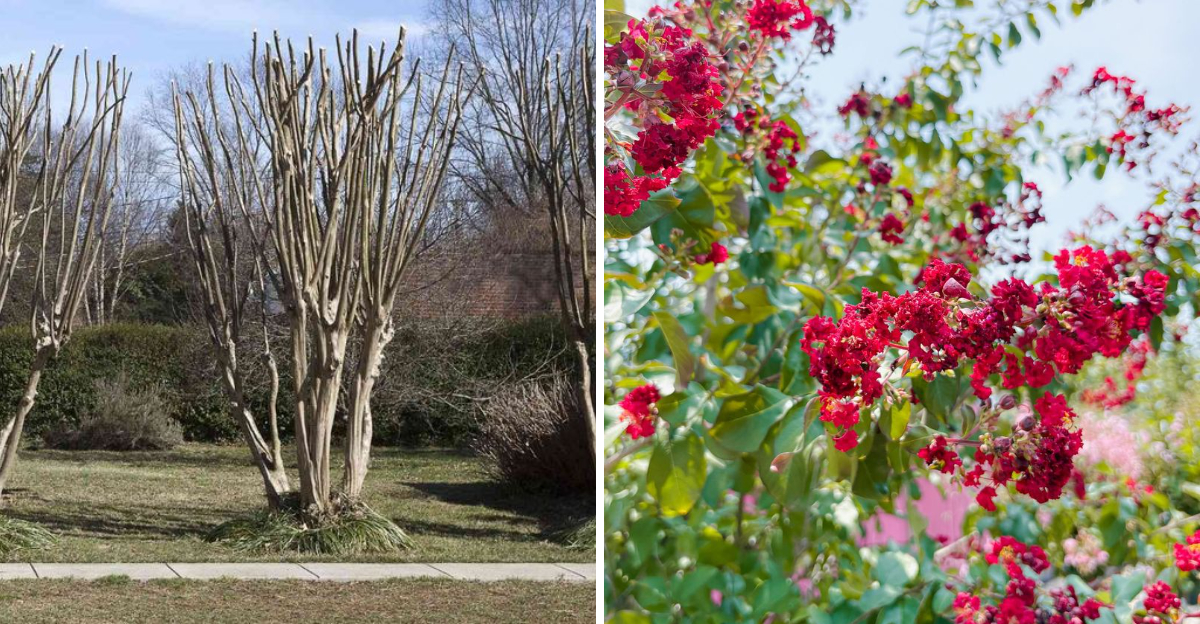
Every spring, a familiar scene plays out across Florida neighborhoods. Crape myrtles get cut back to thick stubs, leaving rows of knobby topped trees lining streets and driveways.
Heavy topping forces the tree to spend enormous energy producing new vegetative growth just to rebuild a functional canopy. All of that regrowth energy comes at a direct cost to flowering.
A severely pruned tree may still be producing long, whippy shoots in July and August. That recovery growth can delay flowering by weeks or even push it past the season.
This is a completely different situation from the light trimming described in an earlier section. Trimming removes only a small, spent flower cluster from a branch tip.
Hard pruning removes major structural wood and forces the plant into a recovery mode that has nothing to do with encouraging a second flush.
A tree that was topped hard in February or March may produce flowers eventually, but the timing and quantity can be significantly altered. UF/IFAS advises removing spent flower heads selectively rather than resorting to heavy cuts.
Keeping the natural form of the tree intact means it spends less energy on recovery and more energy on what homeowners actually want to see: flowers. Avoiding severe pruning is one of the most straightforward steps toward better late-season bloom.
6. Wet Roots Can Quiet Late Summer Blooming
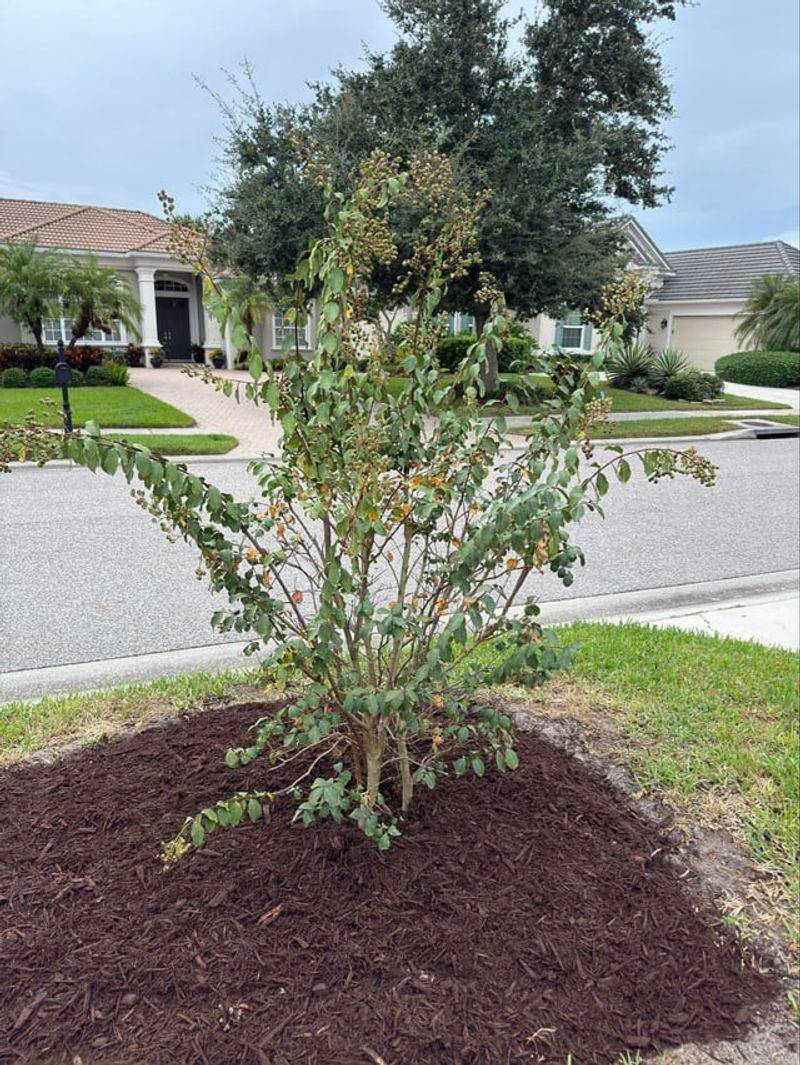
Florida summers bring heavy, frequent rain, and that rain does not always drain quickly. A crape myrtle planted in a low spot or in clay-heavy soil may sit with saturated roots for days after a storm system moves through.
That prolonged wetness creates a very different problem than the occasional afternoon thunderstorm.
Root-zone stress from extended soil saturation can interfere with normal plant function. Roots need oxygen to work properly, and soil that stays waterlogged for extended periods reduces the oxygen available in the root zone.
A plant under that kind of stress tends to slow down growth and reduce flowering as it redirects resources.
One afternoon of heavy rain does not cause this problem. The concern is soil that drains poorly and stays wet for many days in a row.
Sites with compacted soil, hardpan layers beneath the surface, or poor grading that channels water toward the tree base are the ones most likely to create this situation.
Checking drainage before planting is far easier than trying to fix it later. For trees already in place, observing how long standing water remains around the base after a heavy rain gives useful information.
A tree that consistently sits in wet soil through July may simply not have the root health needed to push a strong second bloom by late August. Improving drainage at the site level addresses the root cause rather than treating symptoms.
7. Dry Spells Can Pause Flowers Until Rain Returns
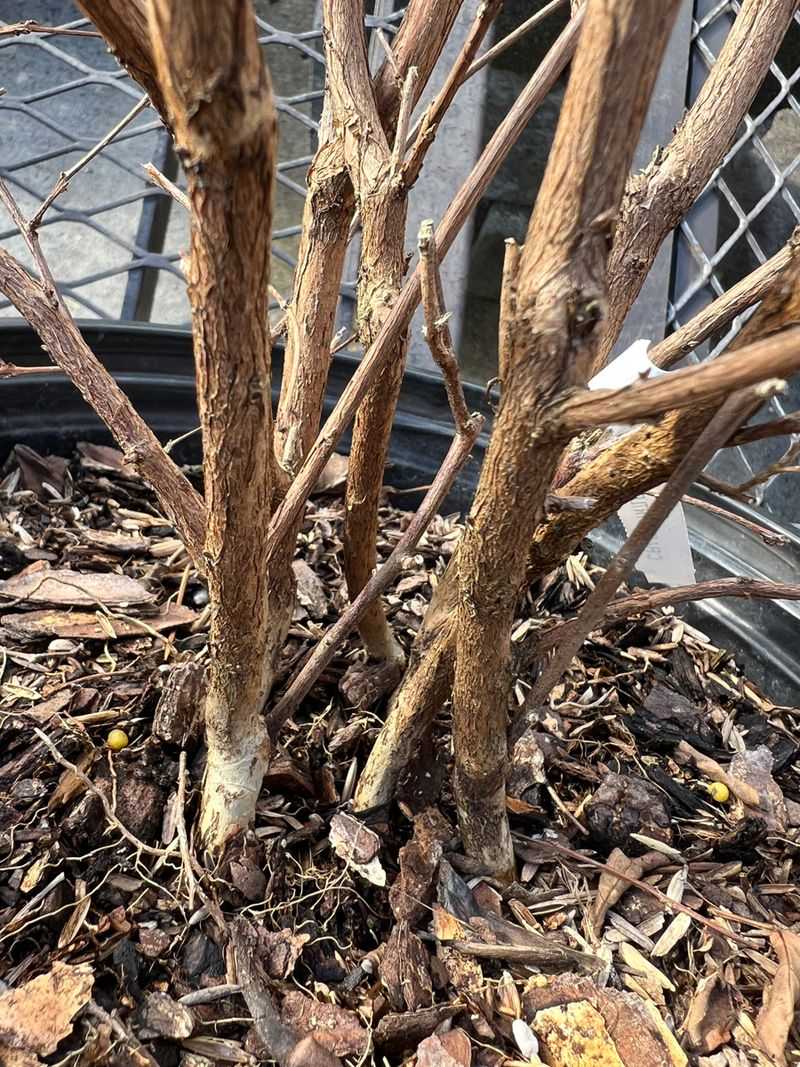
Flip the moisture problem around and you find an equally limiting situation. Extended dry spells during summer slow plant growth across the board, and crape myrtles are not completely immune to that slowdown.
Established trees have reasonable drought tolerance, but tolerance does not mean flowering continues at full strength through severe moisture stress.
A crape myrtle under prolonged drought tends to conserve resources. New shoot growth slows, and the energy available for producing flower buds shrinks along with it.
The tree is not damaged in the way a young plant might be, but its capacity to push a vigorous second flush is reduced when soil moisture runs low for weeks.
Rainfall in Florida can be uneven, even during the wet season. One neighborhood may receive regular afternoon storms while another a few miles away goes two or three weeks without meaningful rain.
A tree in the drier zone may lag behind a neighbor’s tree that received more consistent moisture through July.
Supplemental irrigation during unusually dry stretches can help, but the goal is maintaining steady moisture rather than flooding the root zone to force flowers. Deep, infrequent watering encourages roots to grow deeper and access more soil moisture on their own.
Rain alone does not automatically trigger another bloom flush. Consistent soil moisture keeps the tree better prepared to respond when other conditions line up.
8. Late August Blooms Often Started Weeks Earlier
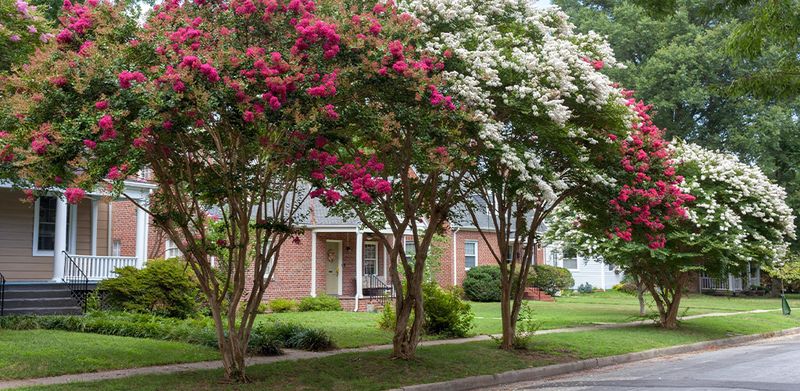
Those fresh blooms opening on a crape myrtle in late August did not appear out of nowhere. They are the visible result of a chain of events that started weeks earlier, and reading that chain tells you far more than simply looking at the tree today.
UF/IFAS guidance puts the window between trimming and a new flush at roughly four to six weeks. A tree that had its spent flower clusters removed in early-to-mid July is right on schedule to show fresh color by late August.
That timing is not a coincidence. It reflects a decision made earlier in the summer.
Cultivar genetics determined whether rebloom was even possible. Sunlight through July kept new growth moving.
Reasonable soil moisture, neither too wet nor too dry, supported active root function. A fertilizer program that avoided excess nitrogen kept the tree focused on flowers rather than leafy regrowth.
None of these factors acted alone.
A tree that is not reblooming in late August likely missed on at least one of those earlier conditions. Maybe spent blooms were left on too long.
Maybe a dry stretch in July slowed new growth at a critical moment. Maybe the cultivar simply was not built for a second flush.
Reading a crape myrtle’s recent history gives you a much clearer picture than guessing. Late-summer flowers are earned early, not conjured at the end of the season.