The Maryland Bedroom Spots Where Cone-Shaped Night Bugs Hide In Fall
Some of the bugs crawling across your bedroom ceiling right now arrived from Asia only a few decades ago. They slipped in during warm September afternoons, and many plan to stay quietly until spring returns.
Despite the creepy reputation, these shield-shaped visitors do not bite people or breed inside your cozy walls. Their real talent is a musty smell that blooms when you squish one, and trust me, it lingers.
I learned the hard way that a cozy flannel curtain makes a perfect winter hotel for these sneaky houseguests. Every fall in Maryland, I find a few more hiding spots that surprise even this seasoned bug watcher.
Some of these spots sit right beside your pillow, while others hide just above your head at night. So how well do you really know the quiet corners of your own Maryland bedroom this season?
1. Sunny Window Frames Lure Stink Bugs Indoors
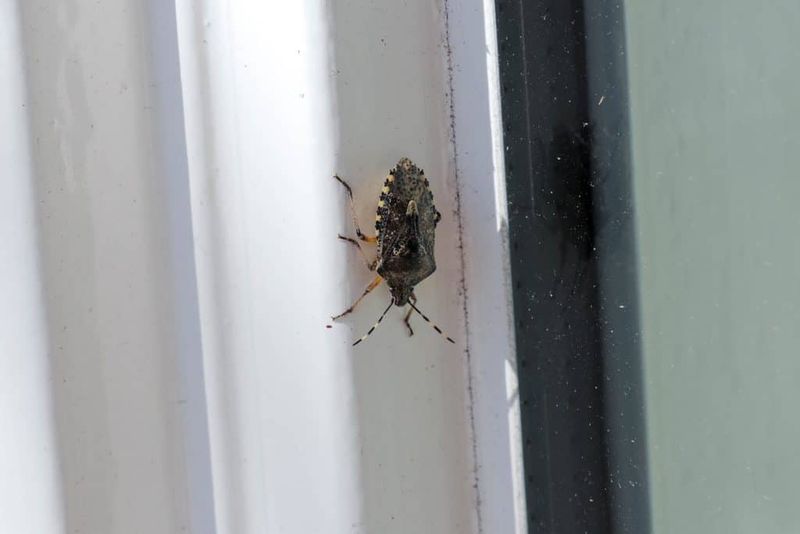
Sunlight warming a window frame on a crisp afternoon acts like a welcome mat for stink bugs seeking shelter. I once counted eleven of them lined up along one sill, basking like tiny tourists on a beach.
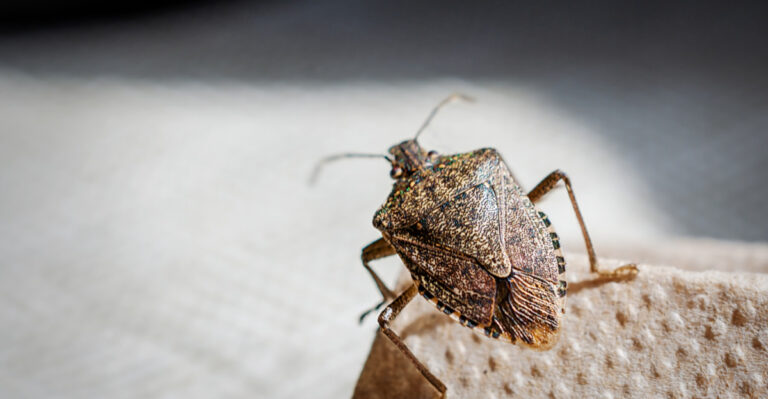
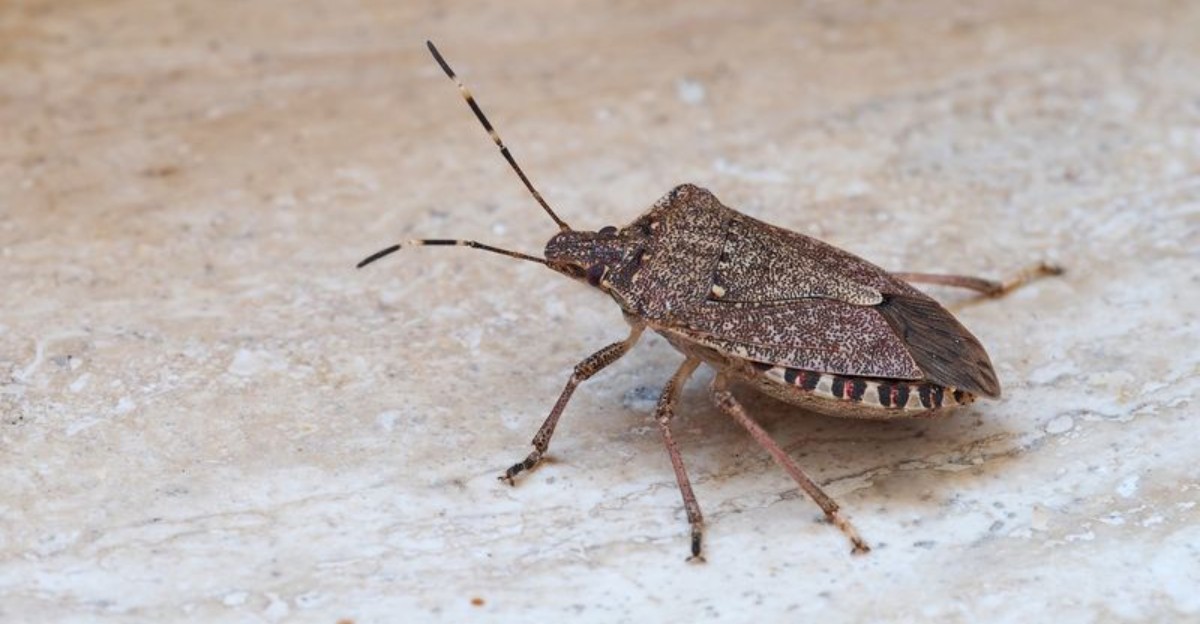
The brown marmorated stink bug, Halyomorpha halys, is a shield-shaped invader from Asia about three quarters of an inch long. Its wide shoulders taper toward the tail, which may explain why some folks describe it as cone-shaped.
Shorter days and cooler nights trigger a resting state called diapause, so the bugs start hunting for protected spots. In Maryland, that big push indoors usually runs from mid-September through October, with stragglers arriving later.
Window frames offer tiny gaps where old caulk has cracked or weatherstripping has pulled away from the wood. Those slim openings let the bugs slip between the window and the wall, right into your sleeping space.
On a warm winter day, sleepy bugs often wake up and wander toward the bright glass again. That explains why you might spot one crawling across the sill in January, long after the fall rush.
My best advice is to inspect each bedroom window now and seal visible cracks with a good silicone caulk. Check that window screens fit snugly too, since even a small tear gives these bugs an easy doorway.
For bugs already inside, grab a vacuum instead of a tissue so you avoid that famously musty odor. Empty the bag or canister outdoors right away, or your room may smell like old cilantro for days.
2. Stink Bugs Tuck Behind Bedroom Curtains And Blinds
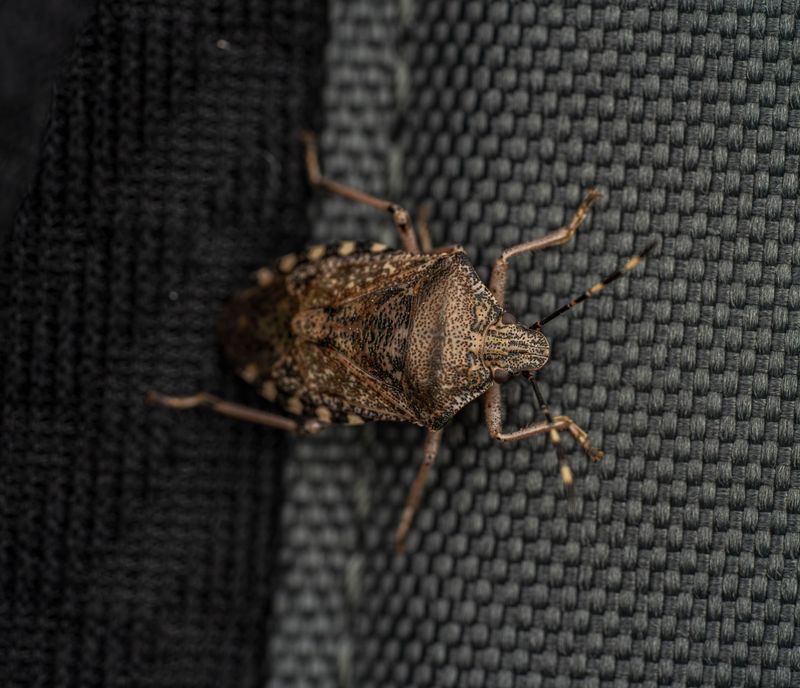
Heavy curtains feel cozy to us, and stink bugs seem to agree with that decorating choice wholeheartedly. Pull back a drape on a chilly morning, and you may find a little brown cluster tucked in the folds.
Folds and pleats create dark, quiet pockets right next to the windows where many bugs first sneak inside. Blinds work the same way, especially the top rail and the headrail box that rarely gets dusted.
Overwintering stink bugs are not feeding or laying eggs, so they mostly just want a calm place to rest. Fabric that hangs undisturbed for weeks gives them exactly that kind of peaceful hideaway near the cold glass.
I’ll admit it, I once shook a curtain hard and released a surprising smell into my whole room. Startled stink bugs release their odor as a defense, so gentle handling works much better than shaking.
A smarter move is to slowly open each curtain and look along the hems with a small flashlight. Use the hose attachment on your vacuum to lift any hiding bugs before they wander toward your bed.
Washing curtains in the fall helps too, since it removes lingering scents and reveals hidden stowaways quickly. Just check the fabric carefully before tossing it in the machine, or a squashed bug might stain it.
Keeping blinds closed at night can also reduce how much light leaks outside and attracts curious insects. It is a simple habit, but it makes your bedroom window a little less inviting each evening.
3. Glowing Ceiling Light Fixtures Draw Western Conifer Seed Bugs
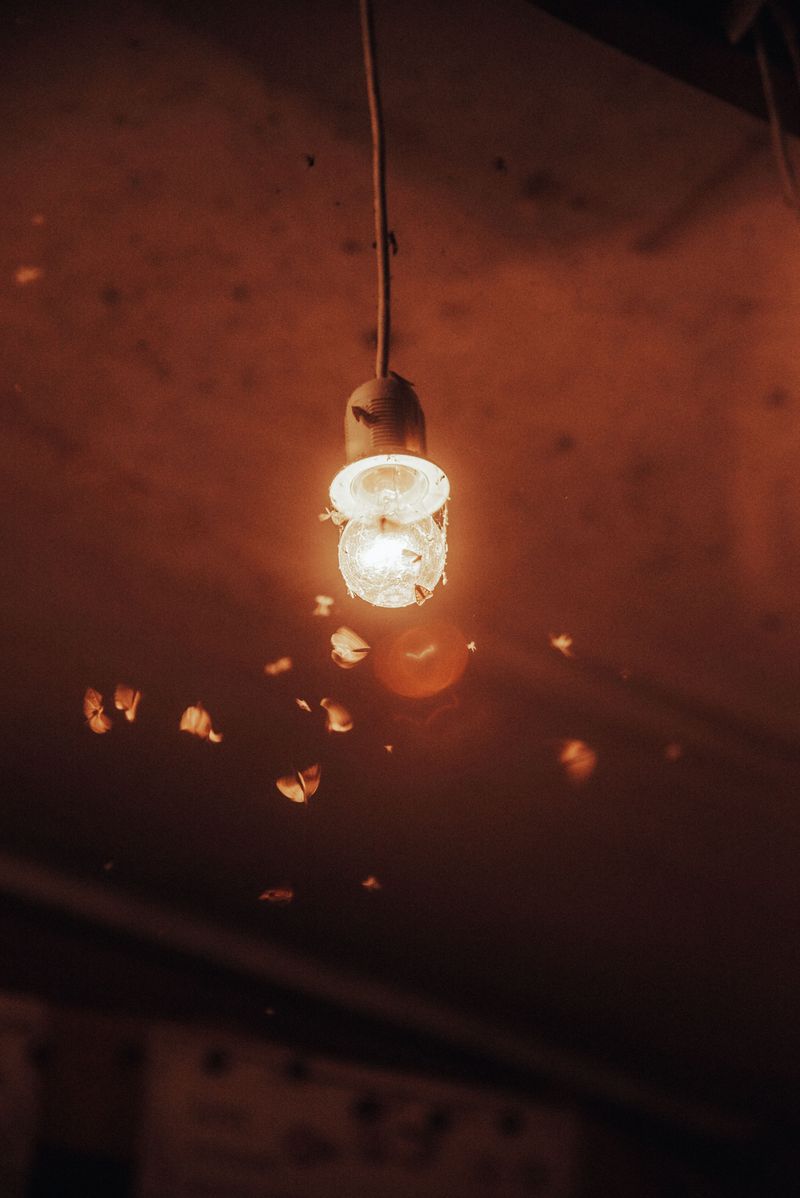
Few things startle me more than a loud buzzing bug circling my bedside lamp just as I settle down. That clumsy flyer is often the western conifer seed bug, and it loves a glowing light fixture.
Known to scientists as Leptoglossus occidentalis, it measures about three quarters of an inch and looks long and narrow. Its hind legs have flattened, leaf-like flaps, which is a handy clue for telling it apart from stink bugs.
Outdoors, these bugs feed on the seeds and developing cones of pines and other conifers during the warmer months. When fall arrives, they look for warm buildings, and homes near pine trees often notice them first.
Ceiling fixtures attract them because the bulbs give off light and a little heat in a chilly room. Some bugs also slip into the room through gaps around the fixture base that connect to attic spaces.
You might find a few bugs resting inside glass globe covers, looking like tiny shadows when the light flicks on. Turn off the power, let the bulb cool, then remove the cover and empty it outdoors.
These seed bugs are harmless to people for the most part, and they will not damage your furniture or wiring. They can release a mild odor when handled, so a vacuum or a jar works better than your bare fingers.
Sealing around the fixture base with caulk can help, but leave any electrical work to a licensed professional. Outside, try dimming porch lights at night so fewer bugs gather near your bedroom windows in the first place.
4. Bugs Creep Out Of Bedroom Outlets And Switch Plates
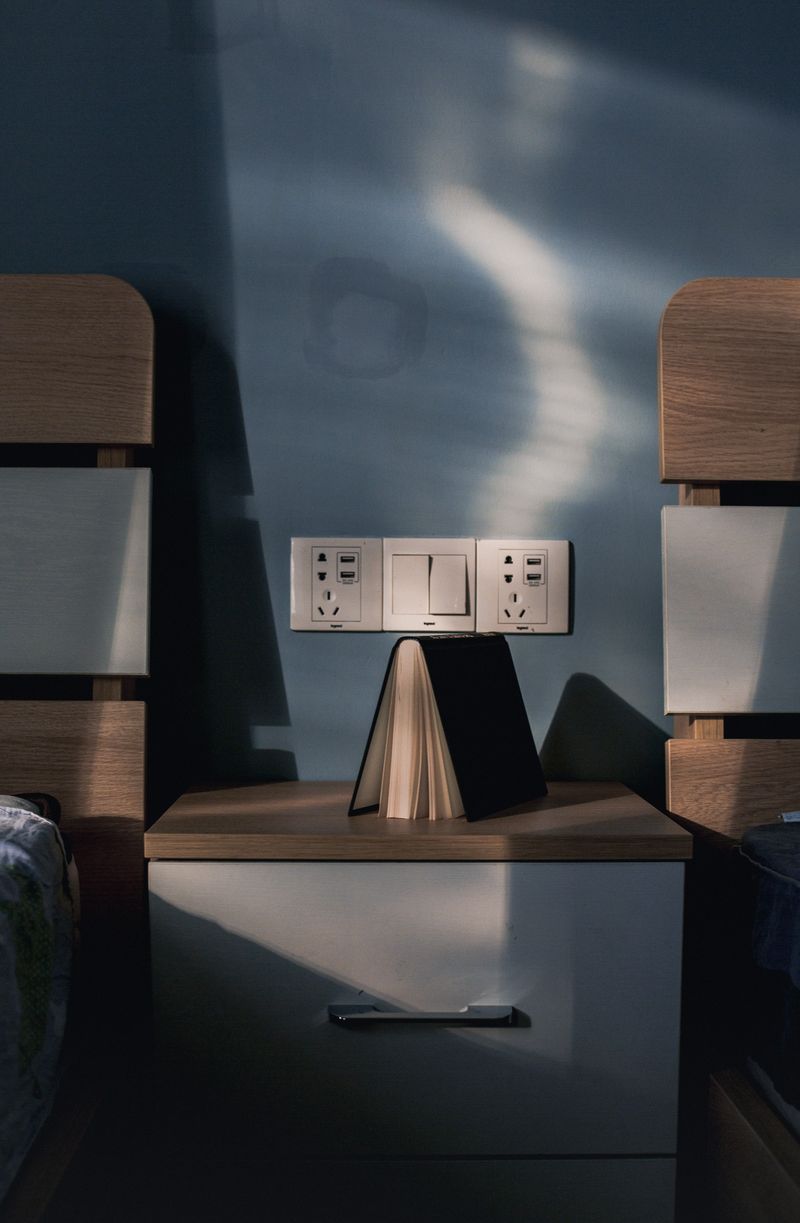
Nothing makes you jump quite like an antenna wiggling out of an electrical outlet beside your nightstand. I’ll be honest, the first time I saw it, I thought my house had developed a strange new feature.
Behind every outlet and switch plate sits a hollow space inside the wall, often called a wall void. Stink bugs and boxelder bugs both use these voids as protected winter shelters, according to many pest experts.
Bugs usually reach these voids from outside through gaps in siding or openings where utility lines enter. Once inside the wall, warmer winter days can coax them toward the tiny openings around your outlet covers.
Bedroom walls facing south or west often feel warmest, so they tend to attract more overwintering insects. If your sunny wall has several outlets, those are the first ones I would check this month.
Inexpensive foam outlet gaskets fit right behind the cover plate and help block drafts along with sneaky crawlers. Turn off the circuit breaker before removing any cover plate, because safety matters more than a quick fix.
Please skip spraying insecticides into outlets, since liquids and electricity create a serious hazard in your home. Vacuuming the bugs as they appear is safer, and a crevice tool reaches right up to the plate edge.
The real long-term fix happens outside, where sealing siding gaps keeps bugs from reaching the walls at all. The real long-term fix happens outside, where sealing siding gaps keeps bugs from reaching the walls at all, and it works best when finished before the fall migration begins.
5. Red And Black Boxelder Bugs Hide Along Baseboards
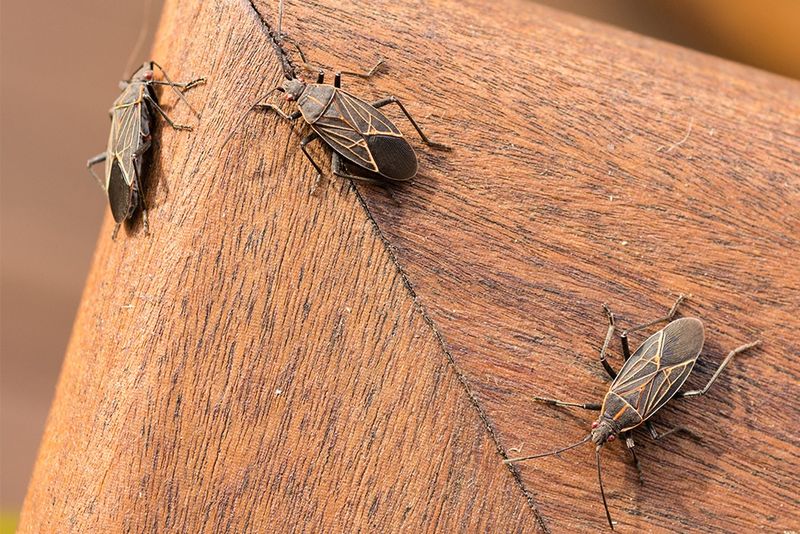
Black bugs with bright red stripes marching along your baseboard look like tiny race cars on a track. Those flashy travelers are eastern boxelder bugs, Boisea trivittata, and they are a familiar fall sight across Maryland.
Adults measure about half an inch long, with red lines along the wing edges that stand out against black bodies. The young nymphs are mostly bright red, so you might see both colors when a group gathers together.
Outdoors, they feed mainly on boxelder trees, though maples and ash trees can attract them as well. As temperatures drop, they cluster on sunny walls before slipping indoors through gaps near the foundation.
Baseboards often hide small gaps where the trim meets the floor, especially in older homes that have settled. Those cracks give boxelder bugs a protected route along the edge of the room, far from your footsteps.
Not going to lie, I have stepped on one barefoot, and the orange stain on my rug lingered. Crushed boxelder bugs can leave reddish marks on carpets and fabrics, plus an unpleasant smell for a while.
Run a thin bead of paintable caulk along gaps between the baseboard and wall to close those hidden highways. A vacuum with a crevice tool handles the stragglers, and it keeps your floors free of stains.
Outside, rake leaves and seed litter away from the foundation, since that debris gives the bugs cozy cover. If a female boxelder tree grows close to your house, expect more visitors each fall than your neighbors get.
6. Shadowy Gaps Behind The Headboard And Dresser
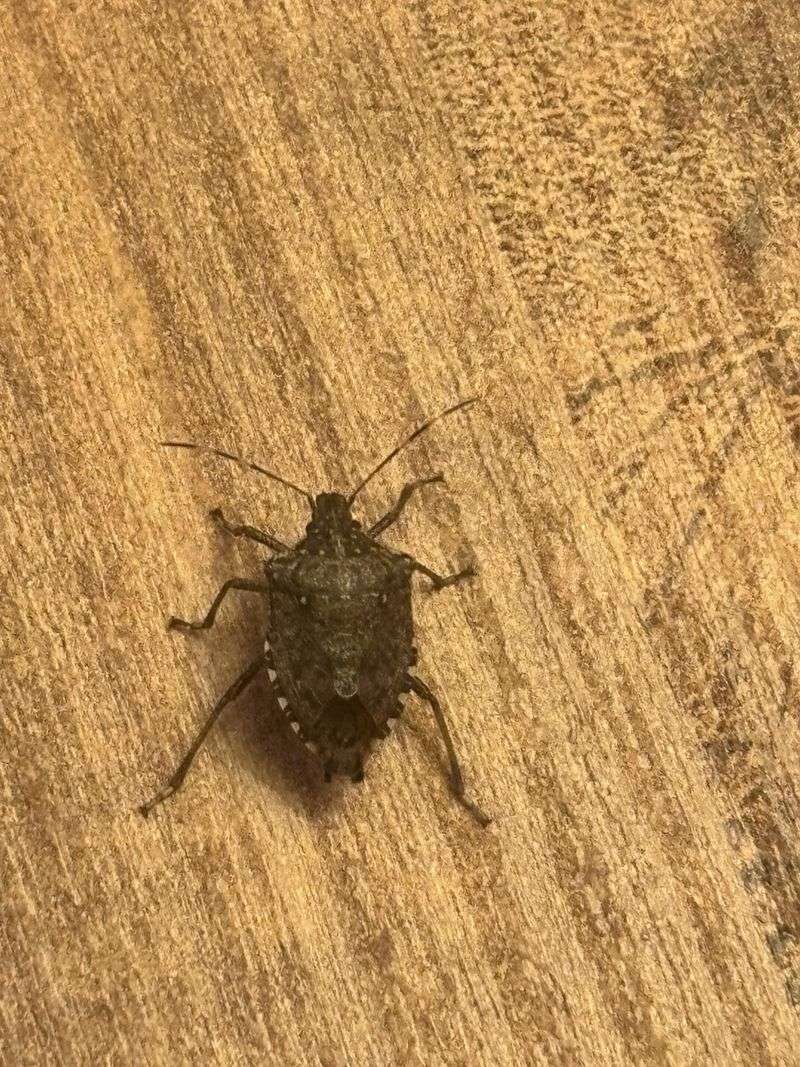
Moving my dresser for a fall cleaning once revealed a secret bug lounge that I had no idea existed. A handful of stink bugs were resting quietly against the wall, tucked behind the heavy wooden back panel.
Furniture pushed against a wall creates a narrow, shadowy gap that rarely sees light or a vacuum cleaner. For overwintering insects that want peace and quiet, that undisturbed strip feels like a perfect hiding place.
Headboards sitting near windows are especially popular, because bugs entering around the frame only need to crawl a short distance. Upholstered headboards add soft fabric seams, which give the critters even more tiny pockets to explore.
Don’t panic if you find a few, because these bugs are not interested in biting you while you sleep. Stink bugs and their cousins are nuisance pests that simply wait out winter, unlike bed bugs that feed on people.
Once each month this fall, slide your bed and dresser a few inches away from the wall to look. A flashlight angled along the baseboard reveals bugs hiding in the shadows much faster than a quick glance.
Vacuum the bugs you find, then wipe the wall with a damp cloth to clean up any smudges left behind. Leaving a small gap between furniture and walls also makes future checks quicker and far less of a chore.
I’m a sucker for a cozy bedroom layout, but a little breathing room behind furniture pays off nicely. Your room still looks great, and those sneaky winter guests lose one of their favorite secret lounges.
7. Quiet Bedroom Closets Shelter Overwintering Stink Bugs
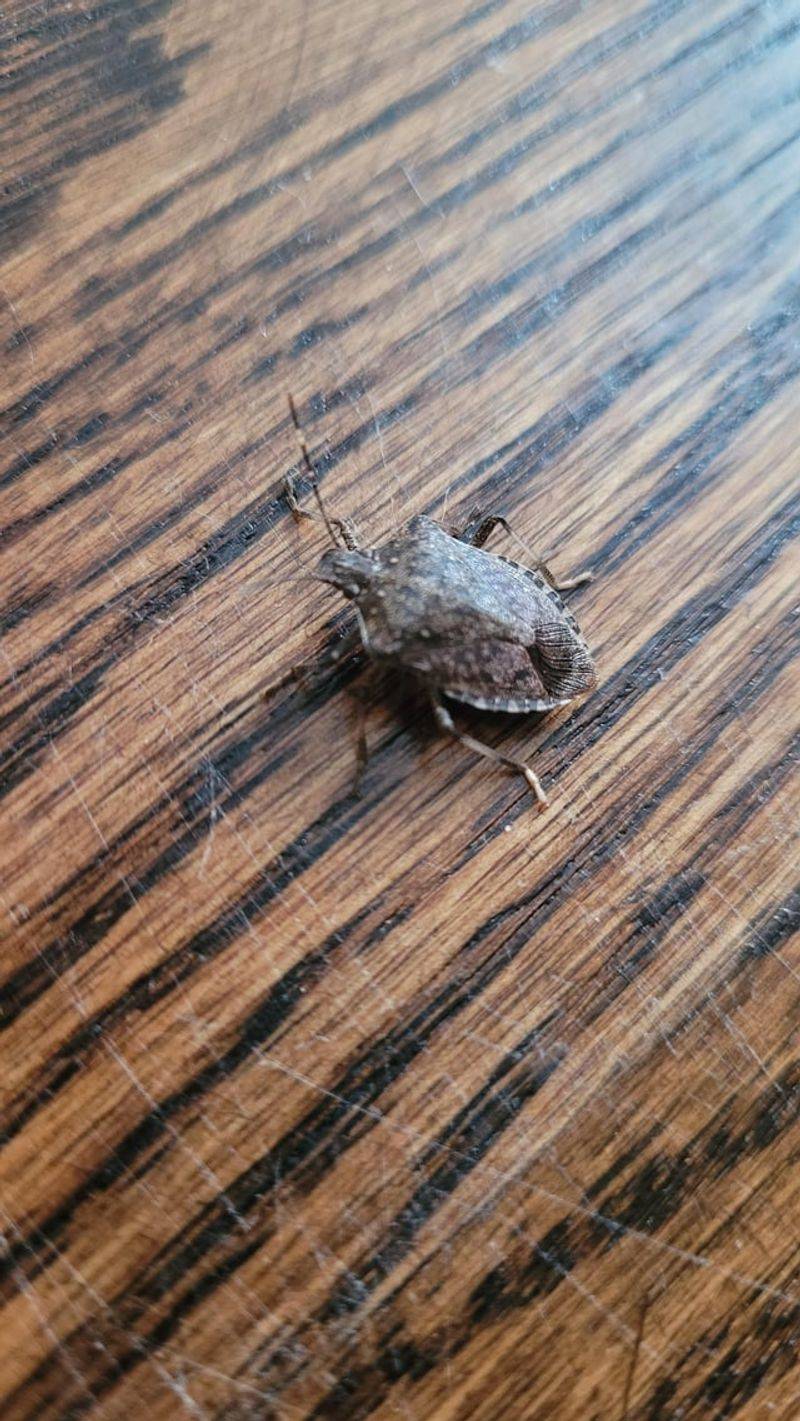
Reaching for a winter sweater and finding a stink bug clinging to the sleeve is a uniquely unpleasant surprise. Guilty as charged, I have done the startled sweater shake more than once in my own closet.
Closets stay dark and quiet for long stretches, which makes them appealing to bugs waiting out the cold. Stored boxes and folded blankets offer extra nooks where a sleepy insect can rest without being bothered.
Closets built against exterior walls are the most likely spots, since bugs can sneak in through wall gaps. Some closets also hide attic hatches in the ceiling, which act like a back door for overwintering pests.
Fair warning, a crushed stink bug on a favorite shirt can leave both a smell and a stain. Shake clothes gently over the floor or outdoors before wearing them, especially items stored since last spring.
Storing off-season clothes in sealed plastic bins keeps bugs out much better than open shelves or cardboard boxes. Garment bags with zippers protect hanging coats, and they make inspecting your closet a quicker job too.
Clutter on the closet floor gives bugs more hiding places, so clearing it out helps you spot them. Vacuum the corners and shelf edges every few weeks through winter, since bugs may wander out on warm days.
Keep the closet door shut when you can, because it limits how far any hidden bugs can roam. That small habit means fewer surprises crawling across your pillow on a sunny February afternoon in Maryland.
8. Attic Access Panels Above The Bedroom Ceiling
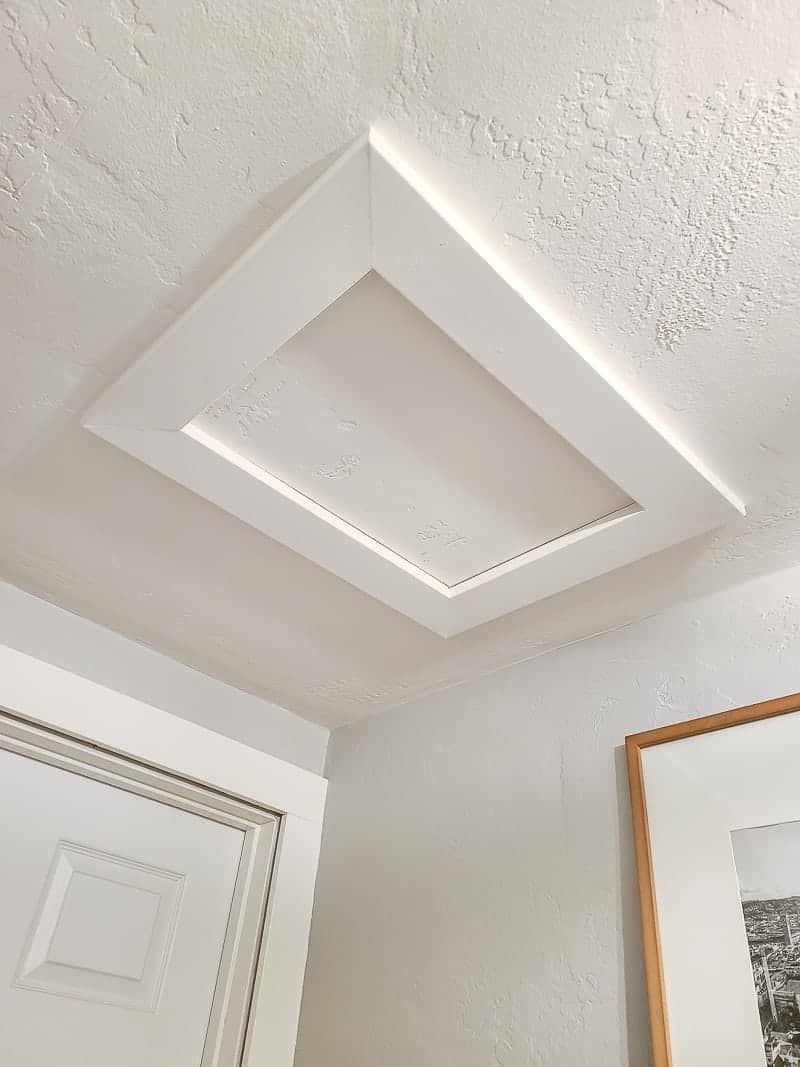
Right above many bedroom ceilings sits the biggest bug hotel in the house, and it rarely gets inspected. Attics rank among the top overwintering sites for stink bugs and their many relatives, according to pest experts.
Bugs reach attics through gaps near soffits and roof vents, then settle among the insulation for the winter. When the house warms up, some of them drift downward and find their way into the rooms below.
An attic access panel in a bedroom ceiling often fits loosely, leaving a small gap around the edges. That thin crack works like an open doorway, which explains bugs appearing on your ceiling seemingly out of nowhere.
It took me a while to notice the pattern, but my ceiling visitors kept clustering near that same hatch. Once I sealed the edges, the number of surprise guests dropped noticeably over the following weeks.
Adhesive foam weatherstripping around the panel frame is a cheap fix that also helps block drafty winter air. Some homeowners add an insulated cover on the attic side, which reduces both heat loss and bug traffic.
If you peek into the attic, wear a mask and gloves, since insulation fibers can irritate skin. A shop vacuum handles larger clusters well, but avoid crushing bugs into the insulation where odors may linger.
Large numbers of overwintering bugs in attics are common, so seeing a crowd does not signal anything unusual. Still, if the problem feels overwhelming, a licensed pest professional can inspect your roofline and suggest sealing priorities.