Why Stink Bugs Suddenly Cover Pennsylvania Houses In Fall
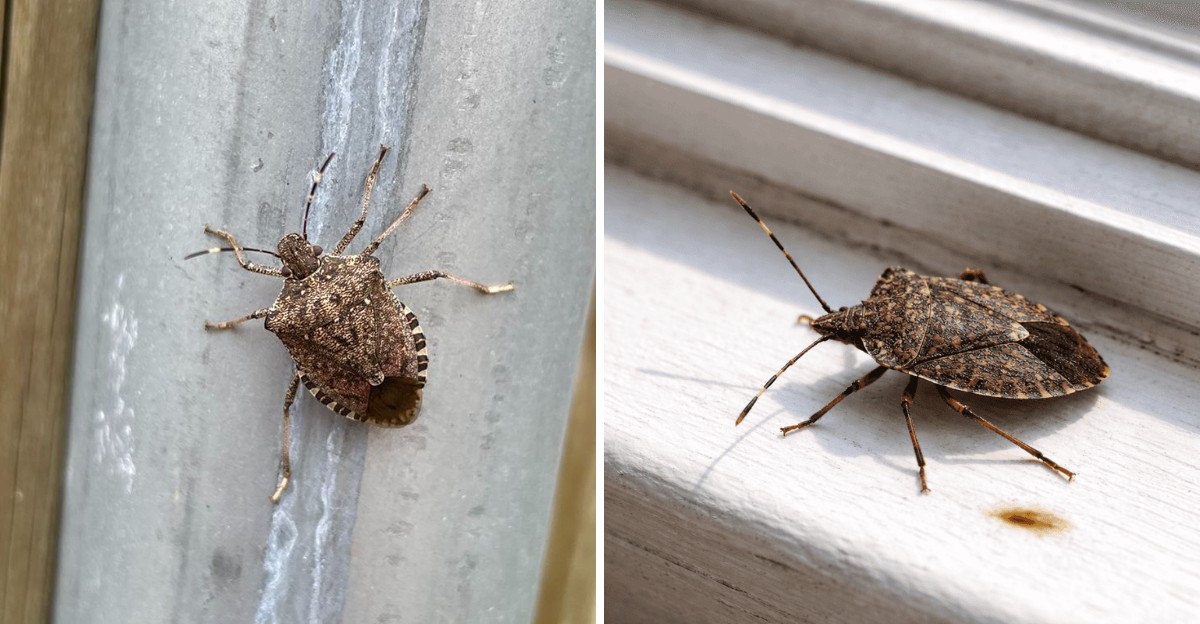
One day your Pennsylvania house looks completely normal. The next, the sunny side of the exterior is covered in stink bugs.
Dozens of them, sometimes hundreds, clustered on walls, window frames, and door edges with a persistence that feels almost deliberate.
If you’ve experienced this, you already know how quickly the situation can feel overwhelming.
It’s not random. And it happens at roughly the same point every fall for very specific reasons.
Stink bugs aggregating on Pennsylvania homes in fall are following biological cues that have been driving this behavior for years.
The houses they choose, and the ones they avoid, tend to reflect specific conditions that most homeowners have never stopped to connect to the insect problem on their walls.
Understanding what’s behind the fall aggregation is the first step toward doing something meaningful about it.
1. Cooling Temperatures Trigger Their Search For Shelter
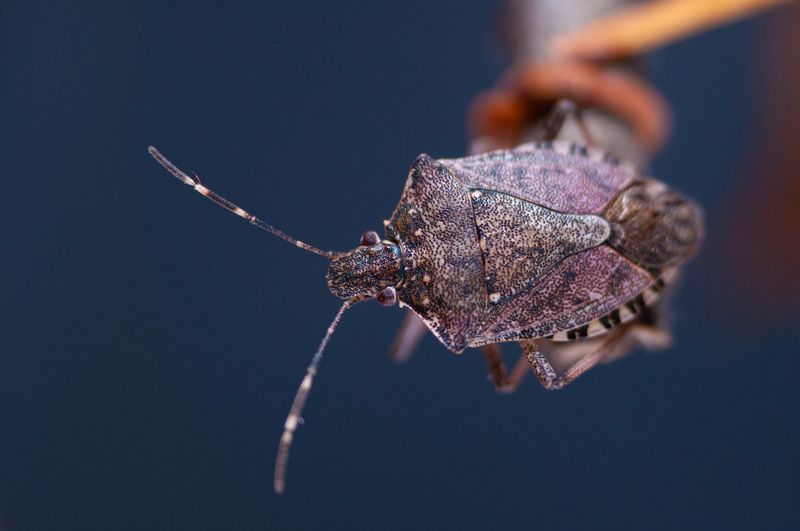
Once summer fades and the nights start feeling chilly, stink bugs get a strong signal that it is time to move. They cannot survive freezing weather outdoors, so their bodies push them to find a cozy hideaway before winter arrives.
Your warm house looks like the perfect escape. Stink bugs are cold-blooded, which means they depend on outside temperatures to stay active. When the air drops into the fifties, they start hunting for spots that hold heat.
Pennsylvania fall weather is exactly the kind of shift that sets them into motion. As soon as those cool snaps hit in September, homeowners suddenly spot dozens of bugs crawling up sunny walls. They are drawn to the warmth radiating off your siding.
The whole thing is a survival plan. Stink bugs enter a resting state called diapause, kind of like a light hibernation, and they need a protected place to do it. A wall gap or attic feels safe and warm enough to make it through winter.
You can stay ahead of them by acting early. Before temperatures really drop, walk around your home and note where the sun hits hardest, since those warm spots attract the most bugs.
Sealing entry points before the first cold nights makes a huge difference. Once bugs feel that autumn chill, they move fast, so timing matters a lot.
Paying attention to the weather forecast can actually help you plan. When you notice the first cool evenings coming, that is your cue to prepare your home and block their favorite warm hideouts.
2. Tiny Cracks And Gaps Give Them Easy Entry
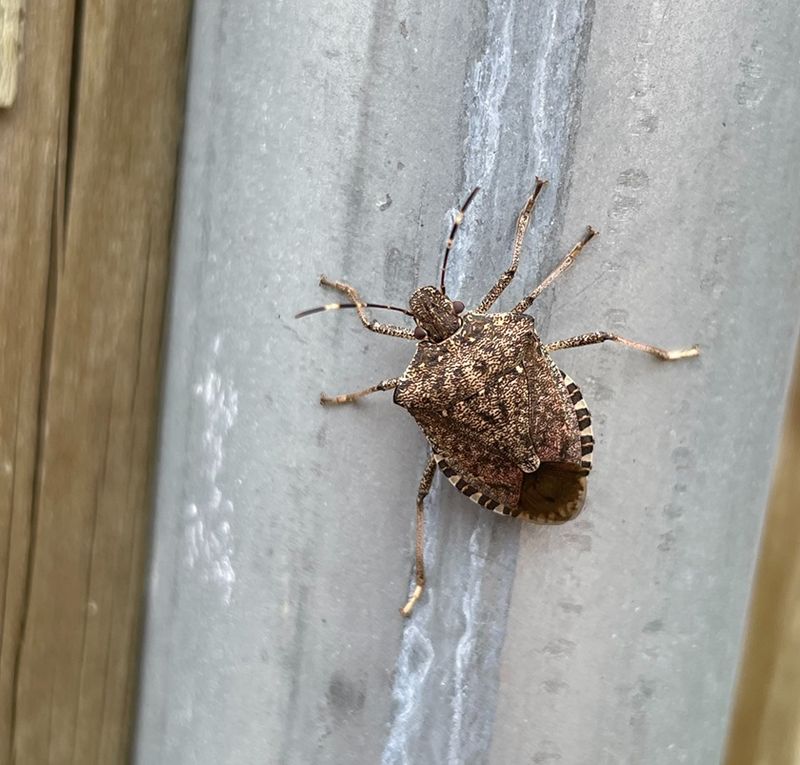
Stink bugs are surprisingly flat, and that shape is their secret weapon. They can squeeze through openings as thin as a credit card, slipping inside spots you might never notice.
Older homes across Pennsylvania often have plenty of these hidden gaps. Around windows, doors, vents, and where pipes enter walls, tiny spaces open up over the years as materials shift and settle.
Think of your house as a giant puzzle with lots of little seams. Every crack around a window frame or gap under a door is basically an open invitation for these bugs.
Your Pennsylvania Garden Changes Every Week. Your Plan Should Too.
Gardening in Pennsylvania changes quickly throughout the season. Every Friday you’ll receive a simple weekly plan showing exactly what to plant, prune, fertilize, harvest, and protect so you never miss the right timing.
They do not need much room at all. A gap the width of a pencil is more than enough for a determined stink bug to wiggle through and set up camp inside your walls.
The good news is that sealing works really well. Grab some caulk and fill the cracks around windows, door frames, and any spot where wires or pipes come through your walls.
Weatherstripping is another cheap and easy fix. Adding it under doors and around loose windows blocks the paths bugs love to use, and it helps with heating bills too.
Screens deserve attention as well. Check every window and vent screen for rips or loose edges, since even a small tear becomes a highway for bugs looking to get in.
Taking a slow walk around your home with a flashlight can reveal surprising gaps. Fixing these small openings before fall saves you from a whole lot of bug-filled headaches later on.
3. Sunny South-Facing Walls Attract Huge Crowds
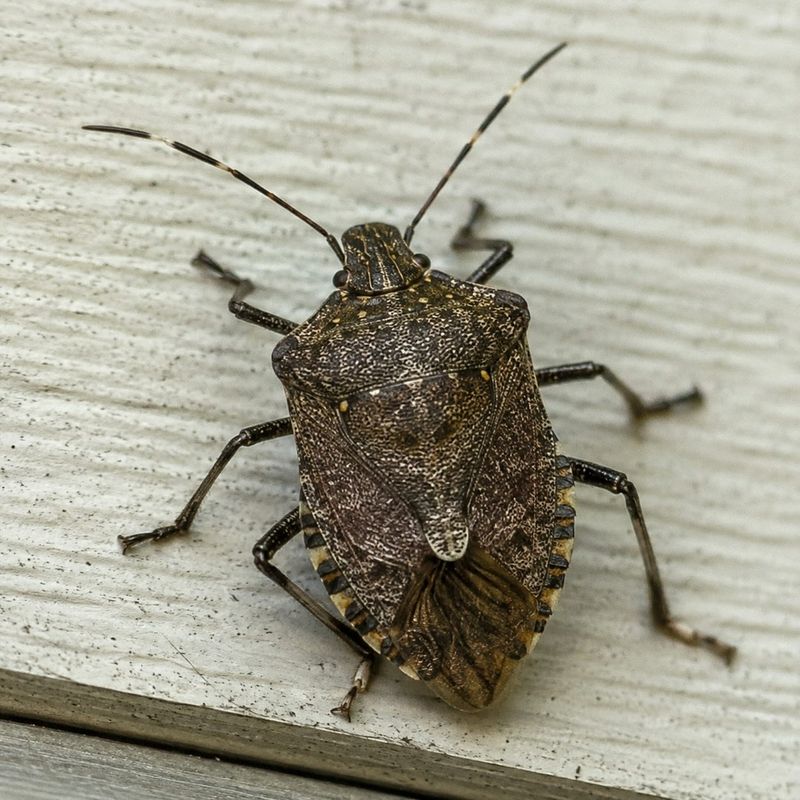
Ever notice that one side of your house always seems buggier than the rest? That is usually the south or west-facing wall, and stink bugs adore it.
Sunlight hits those walls the longest during the day. All that warmth soaks into the siding, creating a toasty surface that bugs gather on like sunbathers at a beach.
Light-colored houses tend to get the worst of it. Stink bugs are especially drawn to pale walls that reflect and hold the afternoon sun, making them gather in big clusters.
The warmth is not just comfortable for them. It is like a signal flare telling every nearby stink bug that this spot is a great place to soak up heat before heading inside.
Once they land on that warm wall, they start looking for cracks to enter. So the sunny side of your house becomes the main gateway for the whole invasion.
You can use this knowledge to your advantage. Focus your sealing and screen repairs on the sunniest walls first, since those areas draw the biggest crowds.
Planting shrubs or adding shade in front of those walls can help a little too. Less direct sun means a slightly less inviting surface for gathering bugs.
Keeping outdoor lights off on that side during evenings also helps. Bright lights combined with warm walls make an even stronger magnet for these autumn visitors.
Checking that wall regularly through fall gives you an early warning. When you see clusters forming, you know it is time to double-check your seals and screens right away.
4. They Follow Each Other Using Scent Signals
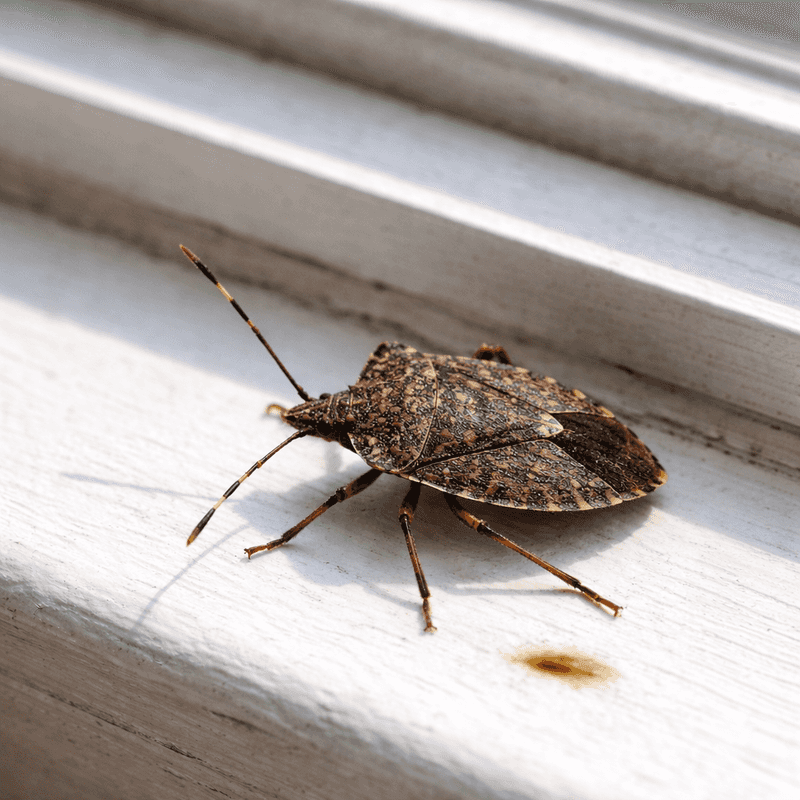
Stink bugs are not exactly loners. When one finds a great warm spot, it sends out a chemical signal that basically says come join me.
That signal is called an aggregation pheromone. It works like an invisible message floating through the air, telling other stink bugs that a safe, cozy place has been discovered.
This explains why they show up in groups instead of one at a time. The first scout finds your warm wall, releases the scent, and soon dozens more follow the trail.
Their teamwork is honestly a little impressive, even if it is annoying. A single bug can turn into a big gathering within just a few days thanks to these chemical calls.
The scent can linger too. Even after bugs leave, traces of the pheromone may stick around and draw new bugs back to the same spot next season.
Cleaning matters because of this. Wiping down walls and window frames where you have seen clusters can help reduce those leftover scent trails.
Avoid squishing them if you can. When crushed, they release their smelly odor along with signals that may attract even more bugs to the area.
Vacuuming is a smarter move. Use a shop vacuum to gently collect them, then empty it far from your house so the scent does not build up.
Understanding their group behavior helps you react faster. The moment you spot a few clustering together, act quickly before their chemical invitation brings the whole neighborhood of stink bugs to your door.
5. Pennsylvania Farms Give Them Plenty Of Food
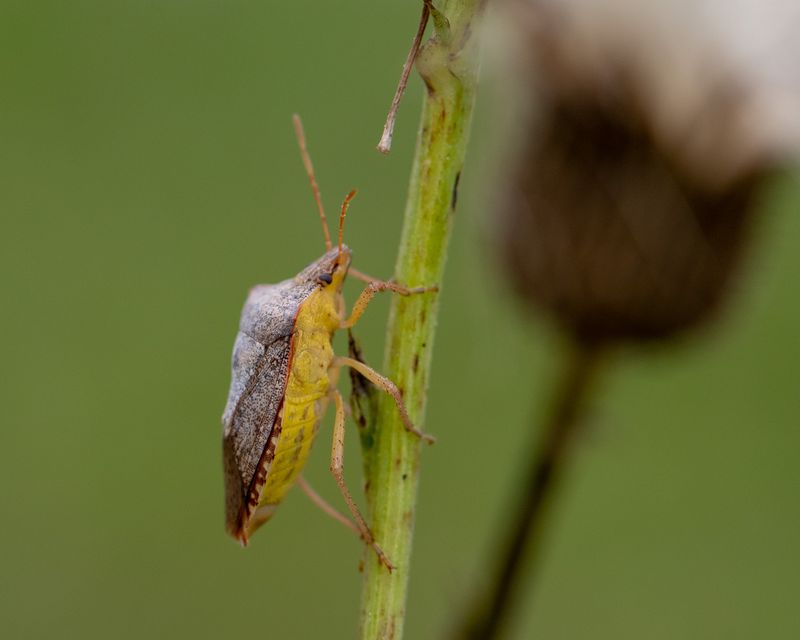
Pennsylvania is full of farms, orchards, and gardens, and stink bugs think that is fantastic. All that farmland means endless food for them during the warmer months.
These bugs love munching on crops. Apples, peaches, corn, soybeans, and tomatoes are just a few of their favorite meals grown widely across the state.
With so much to eat all summer, their numbers grow fast. A well-fed stink bug population means way more of them looking for shelter once fall arrives.
The state actually became a hotspot for these bugs decades ago. The brown marmorated stink bug first appeared in Pennsylvania in the late 1990s and spread quickly.
Fun fact: these bugs are not even from here. They originally came from Asia and hitched a ride to America, then found Pennsylvania farmland perfectly suited to their appetite.
All that rich food supply near homes creates a double problem. Big populations feed in the fields, then move straight to nearby houses when the weather cools.
Living near a farm or orchard means you will likely see more of them. It helps to be extra thorough with sealing and screening if crops surround your property.
Keeping your own garden tidy can reduce their interest too. Removing overripe fruit and clearing weedy areas gives them fewer reasons to hang around your yard.
Knowing the connection between farms and bug numbers helps you plan ahead. If harvest season is booming nearby, expect a bigger push of stink bugs toward your home that fall.
6. Attics And Wall Voids Make Perfect Hideouts
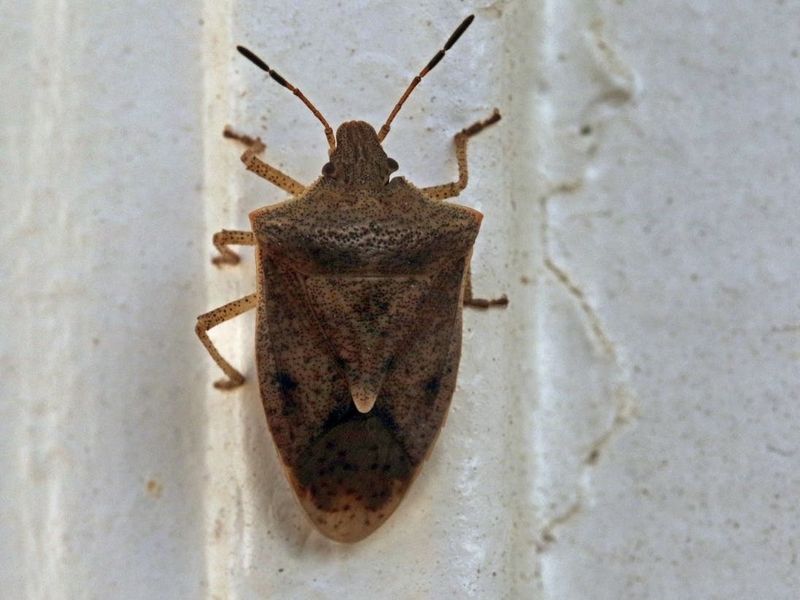
Once stink bugs get inside, they do not want your living room. They head for quiet, hidden spaces where they can rest undisturbed all winter long.
Attics are their top pick. These spaces stay warmer than outside, they are usually calm, and they offer plenty of dark corners to tuck into.
Wall voids work great for them too. The empty space inside your walls is protected, insulated, and completely out of sight, which is exactly what a resting bug wants.
They basically go into standby mode. During this quiet period, they barely move and simply wait for spring, using very little energy while they hide away.
The tricky part comes later. On warm winter days, sunlight can trick them into thinking spring arrived, so they wake up and wander into your rooms.
That is why you sometimes find them buzzing around a window in January. They followed the warmth and light, ending up confused inside your home instead of outdoors.
Blocking their hideouts matters most. Sealing attic vents with fine mesh and closing gaps around light fixtures keeps them from settling in these hidden zones.
Checking your attic in early fall is a smart habit. Spotting a few bugs early lets you seal openings before a small group turns into a crowd.
Keeping storage areas organized helps as well. Fewer cluttered corners and boxes mean fewer cozy spots for stink bugs to disappear into for the winter months.
7. Bright Outdoor Lights Draw Them Closer

Turn on your porch light some fall evening, and you might get more than a warm glow. Stink bugs are drawn to bright lights, and they will gather near them fast.
Light acts like a beacon. In the darkening evenings of autumn, glowing windows and porch fixtures pull bugs straight toward your home from the surrounding yard.
Once they land near a lit doorway, trouble begins. They start crawling around the frame, searching for cracks, and slipping inside every time someone opens the door.
The brighter the light, the bigger the crowd. Powerful white and blue-toned bulbs seem to attract the most bugs during these cooler nights.
You can outsmart them with a few simple swaps. Switching to warm yellow or amber bulbs makes your lights far less interesting to stink bugs.
Turning off lights you are not using helps a ton. A dark porch gives bugs no reason to gather near your main entry points.
Closing your curtains at night matters too. Blocking the glow from indoor lamps stops that inviting shine from leaking out and calling bugs over.
Positioning lights away from doors is another clever trick. Placing a light on a pole a little distance from the house draws bugs there instead of your doorway.
Being mindful about lighting during fall evenings makes a real difference. Small changes in how and when you use your lights can seriously cut down the number of stink bugs crowding your home when the season turns cold.