New York Gardeners Should Get These 8 Bulbs In The Ground Before Frost
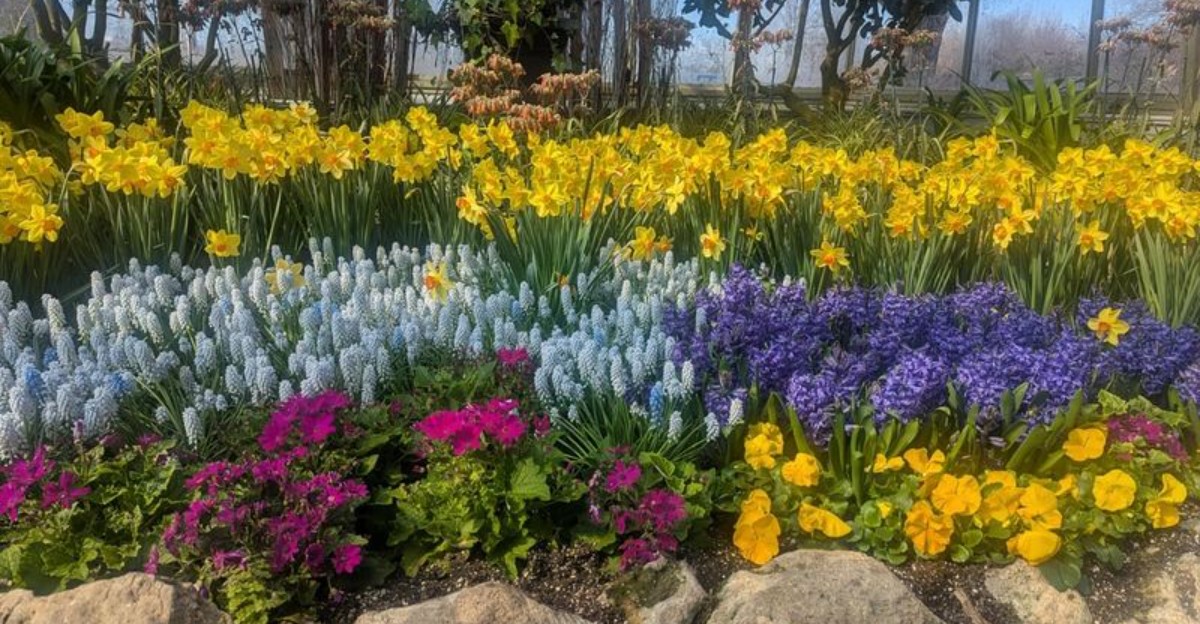
October is when gardens start giving you a clear signal that winter is coming. The air gets colder, the soil cools, and the window for planting spring-blooming bulbs starts to narrow.
Get those bulbs in the ground while the soil is still workable, and you can set yourself up for a yard full of color when spring arrives.
The timing matters because bulbs need time to establish roots before the ground freezes. In many parts of New York, fall provides the ideal window, but the exact timing varies by region and weather.
If you want a brighter, more colorful yard next spring, these bulbs are worth making room for this fall.
1. Tulips Bring Bold Spring Color To Gardens
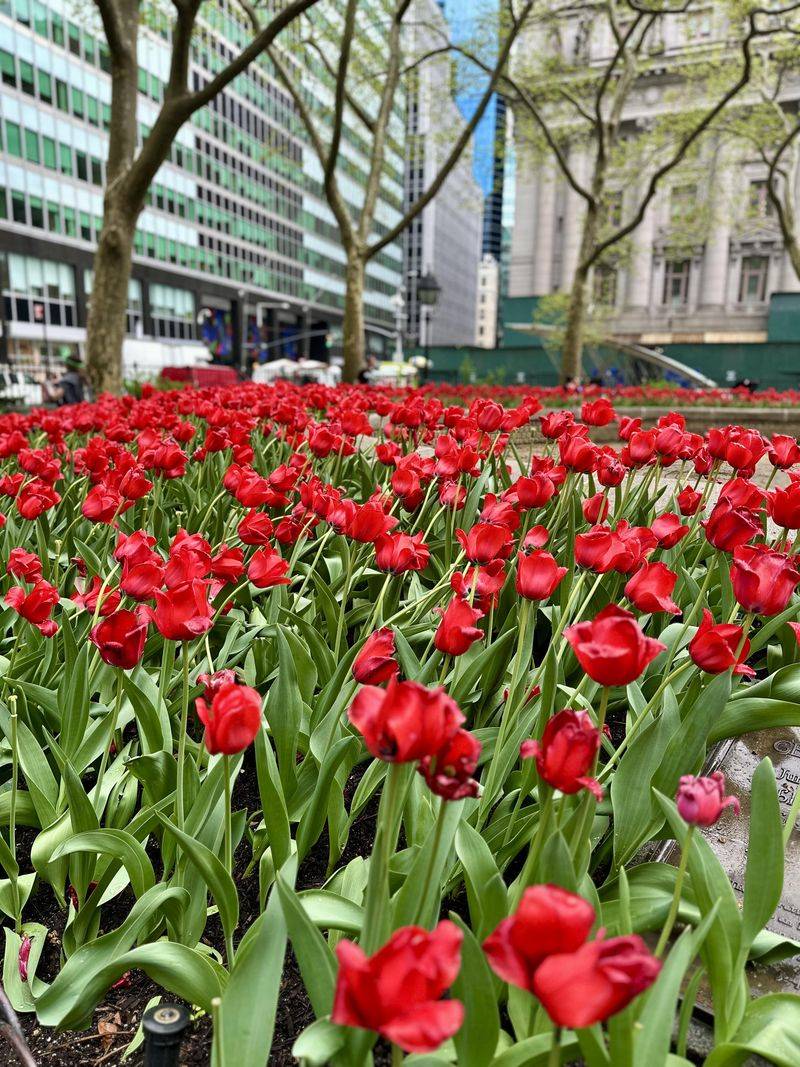
Few flowers shout spring quite like a row of tulips standing at attention. They are the showstoppers of the April garden, and New York weather suits them surprisingly well.
Timing matters here. Most gardeners across the state plant between mid-September and late November, though October tends to be the sweet spot.
Wait until the soil has cooled into roughly the 40s and 50s before planting.
Northern New York gardeners should aim to wrap up by Halloween. Down in New York City and on Long Island, you can often stretch planting into November without trouble.
Tulips want full or partial sun and soil that drains freely. Heavy clay can hold too much water, so improve the soil structure with organic matter and choose a well-drained planting site.
Want color that lasts more than two weeks? Mix early, mid, and late-season varieties in the same bed.
That combination stretches the show from late March through mid-May, with peak bloom usually landing in mid-to-late April.
Triumph tulips deserve special mention for their sturdy stems. Spring here can swing from balmy to blustery overnight, and those thicker stalks hold up when lighter varieties flop.
One warning: squirrels, chipmunks, and deer treat tulip bulbs like a buffet. Laying chicken wire over the planting area or tucking bulbs among daffodils helps keep the nibblers guessing.
Plant them in generous groups rather than single file. Clusters of a dozen or more read as bold color from across the yard.
2. Daffodils Return Reliably After Cold Winters
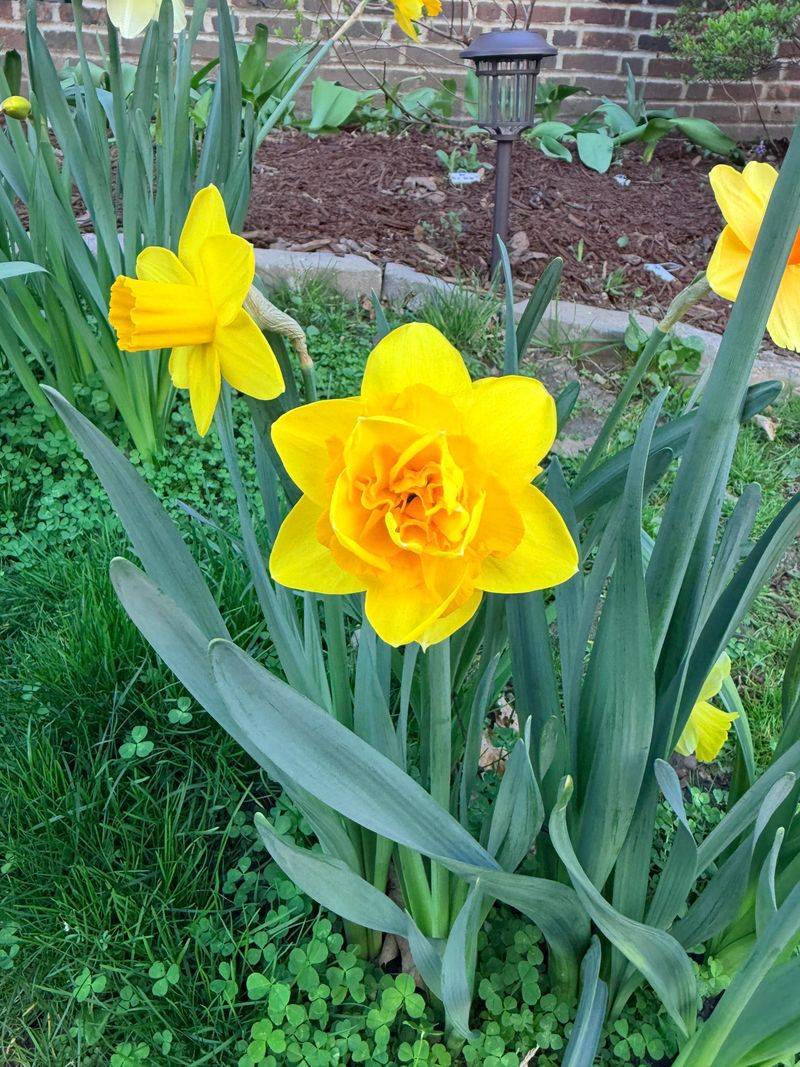
Ask any longtime gardener which bulb never lets them down, and daffodils come up again and again. They shrug off cold, ignore hungry critters, and multiply quietly year after year.
Planting runs from early October through late November across most of the state. The goal is to get them settled roughly two to four weeks before the ground freezes hard.
Plant daffodils in fall while the soil is still workable, ideally several weeks before the ground freezes. Upstate and northern gardeners in Zones 4 and 5 do best with early to mid-October.
Folks in New York City and on Long Island have it easier. Zone 7 conditions often allow planting into November, and sometimes even early December when the ground stays workable.
Give them at least six hours of direct sun daily for the strongest flowers. Partial shade works too, though blooms may lean a little toward the light.
Your New York Garden Changes Every Week. Your Plan Should Too.
Gardening in New York changes quickly throughout the season. Every Friday you’ll receive a simple weekly plan showing exactly what to plant, prune, fertilize, harvest, and protect so you never miss the right timing.
Drainage is the one thing daffodils insist on. If your soil turns to soup after a rainstorm, blend in compost or aged leaf mold before setting bulbs in place.
Here is a nice surprise about winter snow. That white blanket actually insulates the bulbs, buffering them from wild temperature swings that stress plants.
Deer and rodents leave daffodils alone thanks to compounds in the bulbs they find unpleasant. Ring your tulip beds with daffodils and you get a natural fence that also happens to bloom beautifully.
3. Crocuses Deliver Some Of The Earliest Spring Blooms
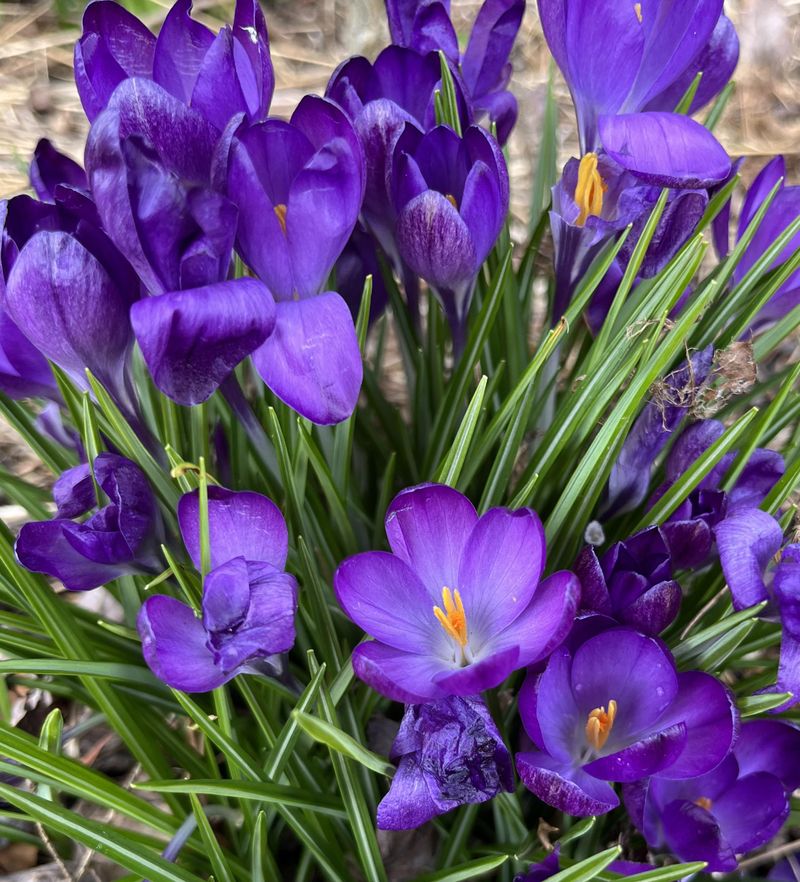
Picture late February, gray skies, dirty snow piles, and then a flash of purple poking through the crust. That small moment is exactly why crocuses earn their spot.
Plant them in early autumn, about six to eight weeks ahead of the first hard frost. Soil temperatures should have already slipped below 60 degrees.
Across much of northern New York, September and October cover the window nicely. Southern parts of the state can sometimes push into November when the weather stays mild.
Gardeners in New York City, including Brooklyn and The Bronx, usually hit the mark between late September and early October. Earlier planting gives roots more time to anchor before the deep chill arrives.
They do best in full sun but tolerate partial shade without much fuss. Drainage still matters, since soggy spots cause bulbs to rot over winter.
Color options run from buttery yellow and clean white to purple, lilac, and warm orange. Several varieties carry a light honey scent that surprises people who kneel down for a closer look.
Deer, squirrels, and rabbits mostly walk right past them. That resistance makes crocuses a low-worry choice for yards backing onto woods.
Try scattering them right into the lawn for a naturalized look. They finish blooming and fade back before the first mowing, so nobody has to choose between flowers and a tidy yard.
4. Hyacinths Add Fragrance To Flower Beds
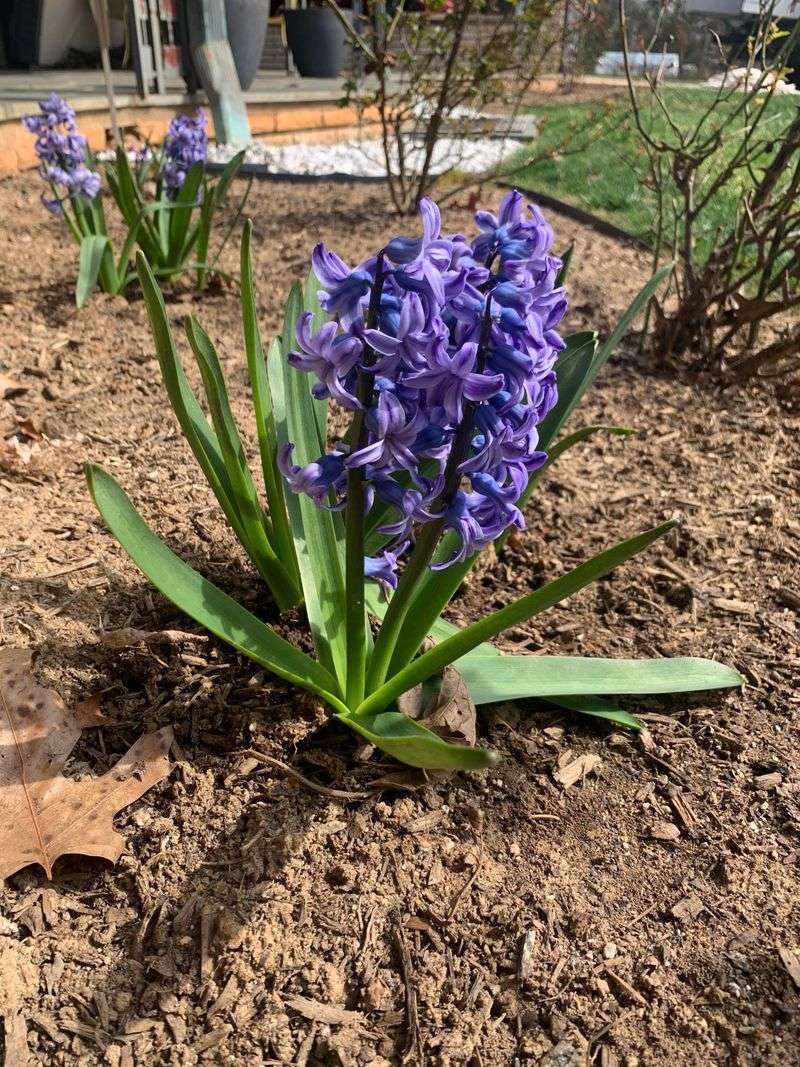
Scent is the whole point with hyacinths. One clump near a doorway can perfume an entire front porch, and neighbors will stop mid-walk to ask what smells so good.
Get them into the ground in mid-to-late autumn, while the soil is still workable and several weeks remain before the ground freezes. October generally hits the mark.
Watch for soil temperatures settling between 50 and 55 degrees. Nighttime air in the 40s and low 50s is another reliable signal that conditions are right.
Aim for roughly six to eight weeks before a hard frost. That cushion lets roots develop while the ground is still workable.
Full sun to partial shade suits them, with at least six hours of direct light producing the fullest spikes. Skimp on sun and you get thinner, floppier flowers.
Soil should be fertile, well drained, and rich in organic matter. Clay-heavy beds benefit from a generous helping of compost worked in before planting.
Blooms arrive in mid-spring, usually April or May, in white, pink, blue, purple, or soft yellow. Expect two to three weeks of color from each spike.
Outdoor hyacinths receive the cold period they need naturally through winter, so there is no need to provide a separate chilling treatment. Winters handle that job for free, which is one less thing on your list.
5. Alliums Create Striking Late Spring Flower Displays
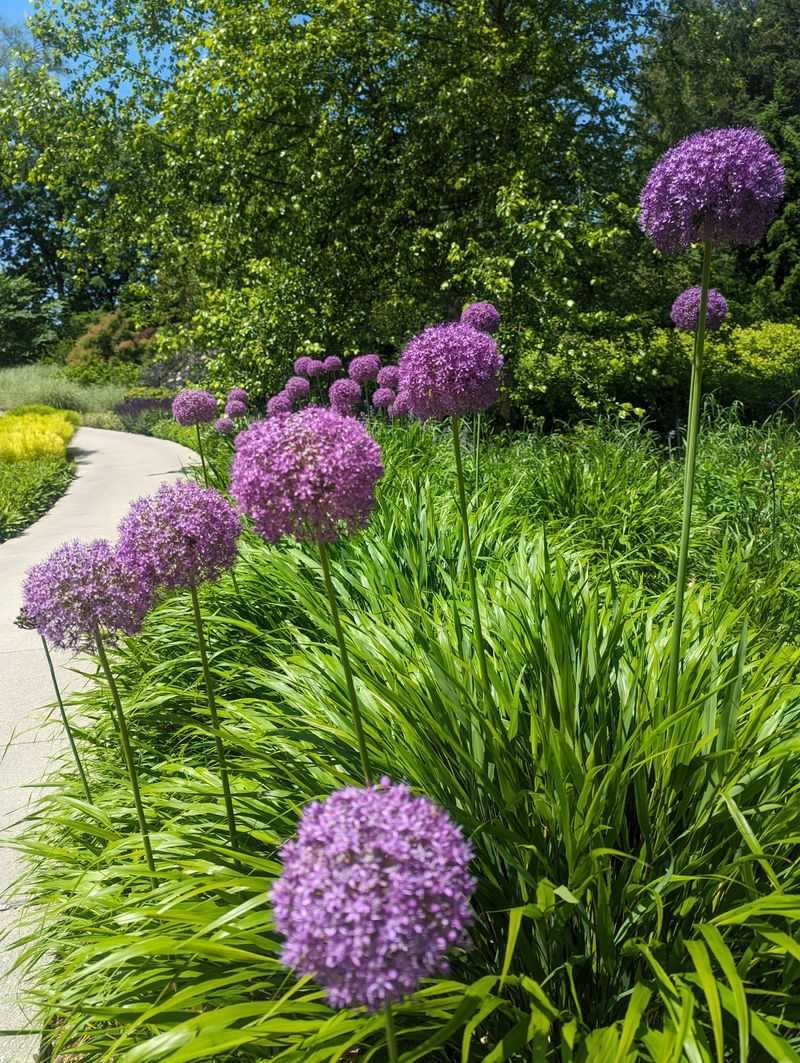
Ornamental onions sound about as glamorous as a grocery list, yet alliums produce some of the most sculptural flowers you can grow. Those purple globes floating on bare stems look almost engineered.
Fall planting is the rule, ideally after the first frost but before the ground locks up. In cooler climates, September through November works, with October standing out as prime time.
Look for soil around 60 degrees or cooler that still digs easily. Northern gardeners should target six to eight weeks ahead of the first expected frost.
Sun is non-negotiable for the best performance. Six to eight hours of direct light daily keeps stems strong and flower heads full.
Sandy or loamy soil with sharp drainage suits them perfectly. Alliums rot in soggy ground, so amend clay generously or plant on a slight slope.
Sizes vary wildly, from ankle-high varieties to giants topping four feet. Colors include white, yellow, pink, purple, and dusty blue.
Bloom time is the real gift. Alliums open from late spring into early summer, right as tulips and daffodils finish, filling that awkward gap in gardens.
Deer and rodents generally avoid them because of their onion-like scent. Butterflies and bees, meanwhile, swarm the flower heads, turning your garden into a busy pollinator stop for weeks.
6. Grape Hyacinths Fill Garden Beds With Clusters Of Blue
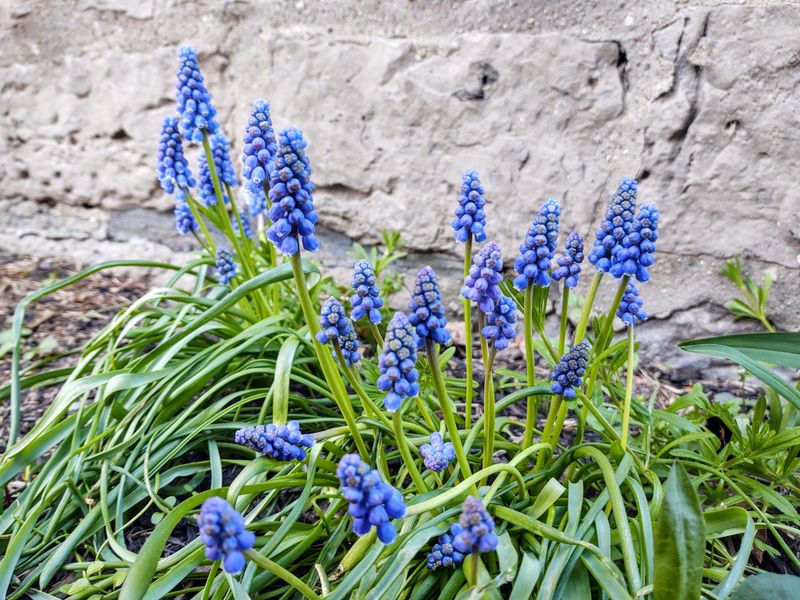
Tiny, stubborn, and wonderfully blue, Muscari look like someone scattered handfuls of miniature grapes across the garden. They cost little and spread generously, which makes them a favorite among frugal gardeners.
Plant them in fall, a few weeks ahead of the first hard frost, once soil drops below 60 degrees. Around New York City, late September into early October gives roots plenty of time.
A quirk worth knowing: their leaves often sprout in autumn and hang around all winter. Nothing is wrong, that is simply how they grow.
Light requirements are refreshingly flexible. Muscari handle full sun to partial shade, giving you more flexibility than many spring bulbs.
Well-draining soil keeps them happiest. Mixing compost into heavier ground improves both drainage and root development.
Flowers arrive in early to mid-spring on ankle-high spikes packed with tiny bell-shaped blooms. That intense blue reads beautifully against yellow daffodils or white tulips.
Color can last a full month, which is impressive for something so small. Bees appreciate them too, since they offer early pollen when little else is open.
Deer typically pass them by, another point in their favor for gardeners near woodlands. Plant them in long ribbons along walkways or under shrubs, and within a few seasons you will have a river of blue that returns without any prompting.
7. Fritillaria Adds An Unexpected Touch To Spring Gardens
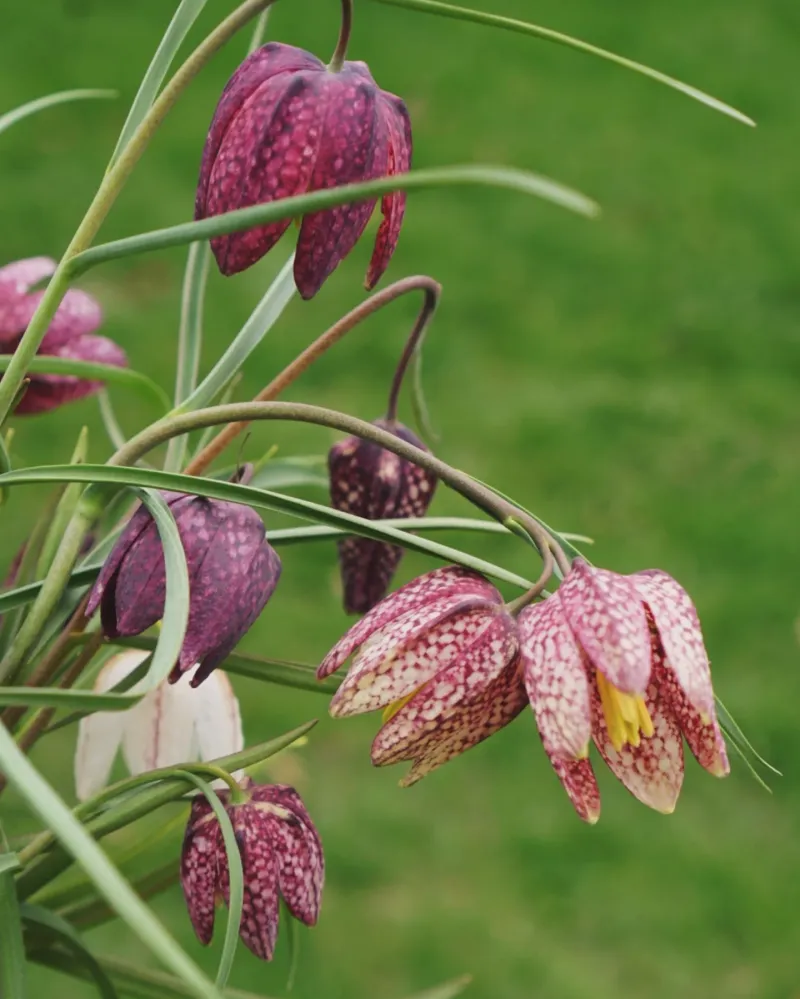
Some flowers whisper and some flowers make visitors stop and squint. Fritillaria belongs firmly in the second camp, especially the checkered lily with its improbable purple grid pattern.
Plant these from late summer into early fall, several weeks before the ground begins freezing. Soil should read 60 degrees or colder when you dig.
Do not let the bulbs sit around in the garage. They are more perishable than tulips or daffodils, so plant them soon after they arrive.
Depending on variety, they accept full sun or partial shade. What they refuse to tolerate is standing water, so sharp drainage is the single most important factor.
Moisture during active spring growth helps them thrive. Drier conditions through summer and fall dormancy keep the bulbs in good shape for next season.
Shapes, patterns, and colors vary enormously across the genus. Expect white, yellow, orange, red, and deep purple, often in nodding bell forms.
Bloom season lands in mid-spring, roughly April into May. The checkered lily stays low and delicate, while crown imperial shoots up with a topknot of leaves above a ring of hanging orange bells.
Deer and rodents give them a wide berth, partly because of a musky scent the bulbs carry. Plant crown imperial near tulips and you may find fewer critters nosing around that whole section of your garden.
8. Camassia Offers Tall Spikes Of Flowers In Late Spring
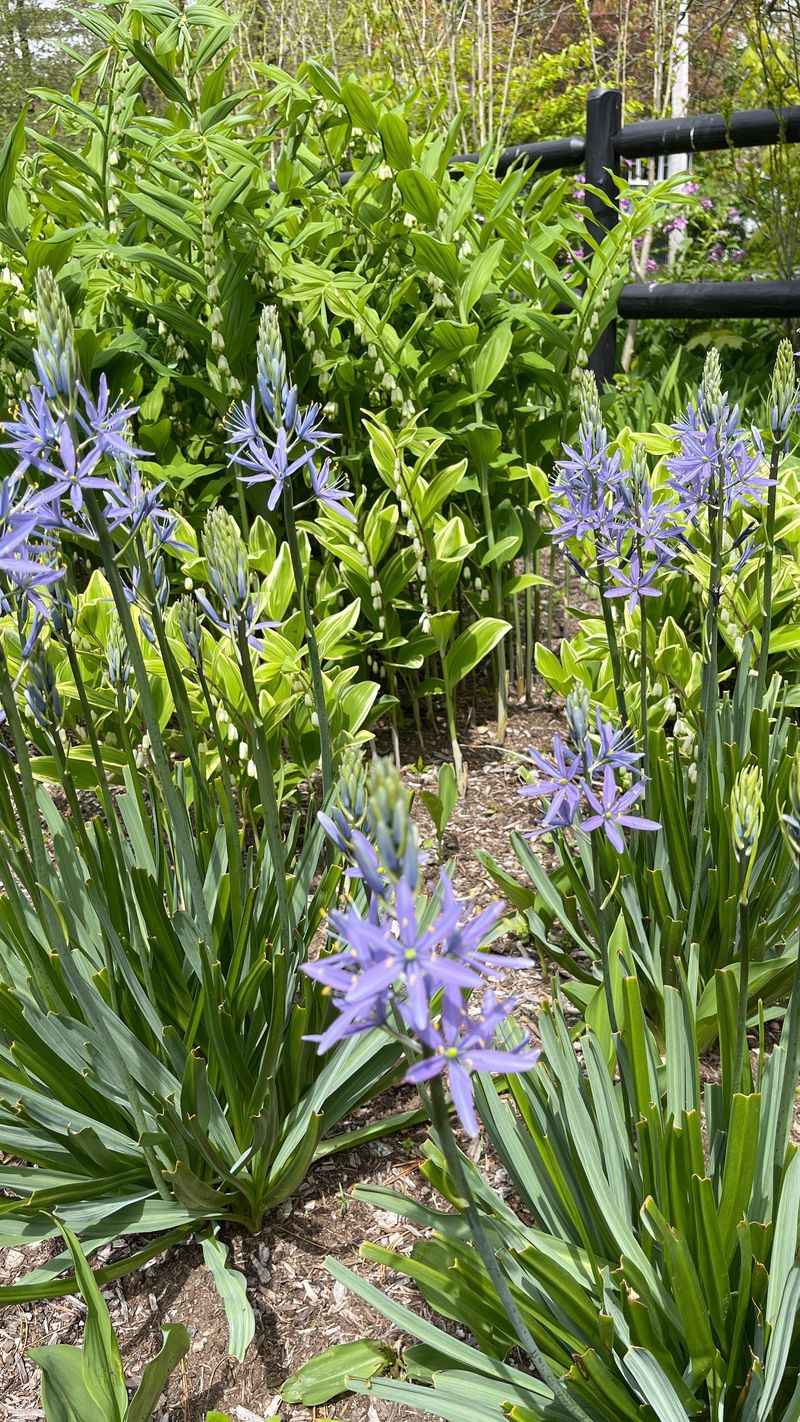
North American native, elegant, and criminally underused, Camassia deserves far more attention than it gets. Indigenous peoples across North America once harvested related species as a food staple, which gives these blue spires a genuine backstory.
Fall or early winter planting works best, before hard frost firms up the soil. Late September through early November is the usual window.
Wait until the ground cools to roughly 55 degrees after a stretch of chilly evenings. That signal means roots can establish before dormancy sets in.
Adaptability is one of their strengths. Full sun or partial shade both produce good results, which helps in yards with uneven light.
They prefer soil that stays moist yet drains well through winter and spring. Once summer dormancy arrives, they handle drier conditions without complaint.
Flowers appear on tall, regal spikes covered in star-shaped blooms. Blue dominates, though purple and white varieties are easy to find.
Height ranges from 12 to 18 inches for most types, with some reaching three feet. That vertical presence fills the late spring stretch when earlier bulbs have finished.
Deer and small critters largely ignore them, and as a North American native they naturalize readily. Give them a spot that stays moist during spring but drains reasonably well, and they can naturalize and return year after year.