Why Strawberry Root Weevils Are Moving Inside Michigan Homes (And What It Means)
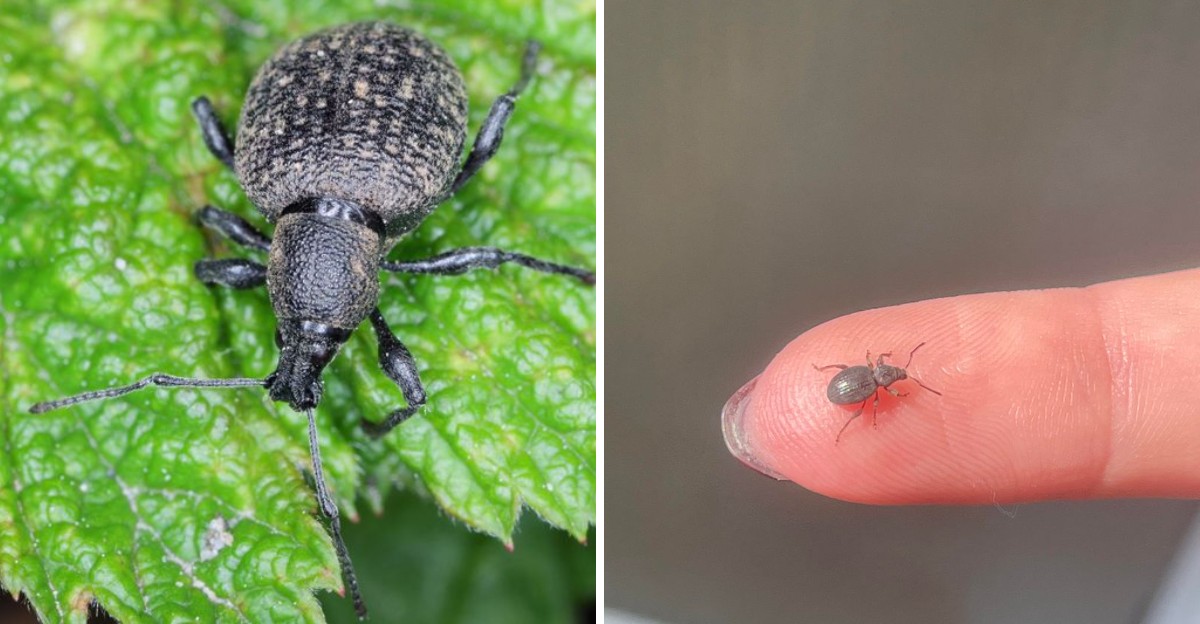
You flip on the bathroom light and there they are.
Six small dark beetles inching along the windowsill. Another two in the tub.
Nothing about them looks familiar, and nothing about your housekeeping explains why they’re inside.
Here’s what’s happening, and it runs on a schedule.
Strawberry root weevils spend summer outdoors feeding on plant roots and leaves. Once soil and air temperatures drop, adults start hunting for somewhere protected to wait out winter.
Your foundation radiates warmth and offers dry gaps. That combination beats a mulch bed as far as they’re concerned.
They also cannot fly, which explains why you find them low down rather than at ceiling level. The reassuring part comes next, and it’s genuinely reassuring.
Curious what’s actually crawling across your sink?
Cooling Weather Pushes Them Indoors
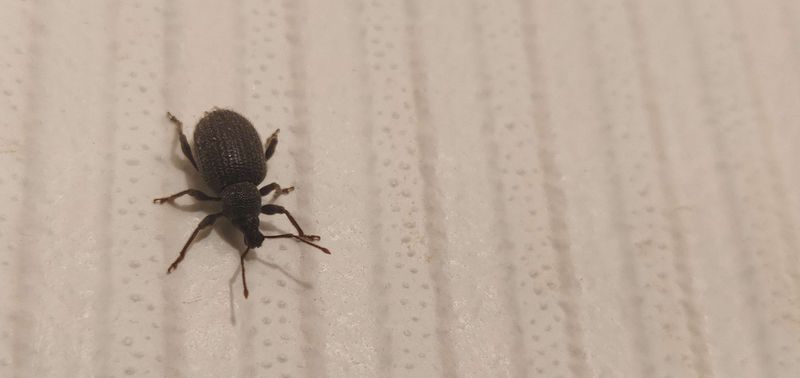
Late September in Michigan has a particular rhythm. Mornings turn crisp and the garden winds down.
Then something small and dark starts crossing the bathroom sink. Timing rarely varies much.
Strawberry root weevils spend warm months outdoors, feeding on plant roots and leaves in lawns, flower beds, and berry patches.
As temperatures drop, adults begin searching for protected spots to overwinter. Instinct rather than intention.
Mulch, leaf litter, and soil under shrubs suit most of them fine. A house radiates warmth and offers dry crevices though.
The ones crawling near your foundation often choose your walls instead. Better shelter, easier access.
These beetles belong to the same general category as boxelder bugs and multicolored Asian lady beetles. Seasonal nuisance invaders.
All of them share one habit, which is a fall push toward shelter. Same trigger, different insects.
Sightings usually spike during the first stretch of cool nights. A second wave often follows on unusually mild afternoons when insects get active again.
Weevils cannot fly, which explains where you find them. Windowsills, tubs, baseboards, and basement window wells.
They walk in, then keep walking until something stops them.
Nothing about your housekeeping invited them. Cool weather started a march that ended at the nearest gap.
Cracks And Gaps Offer Easy Entry
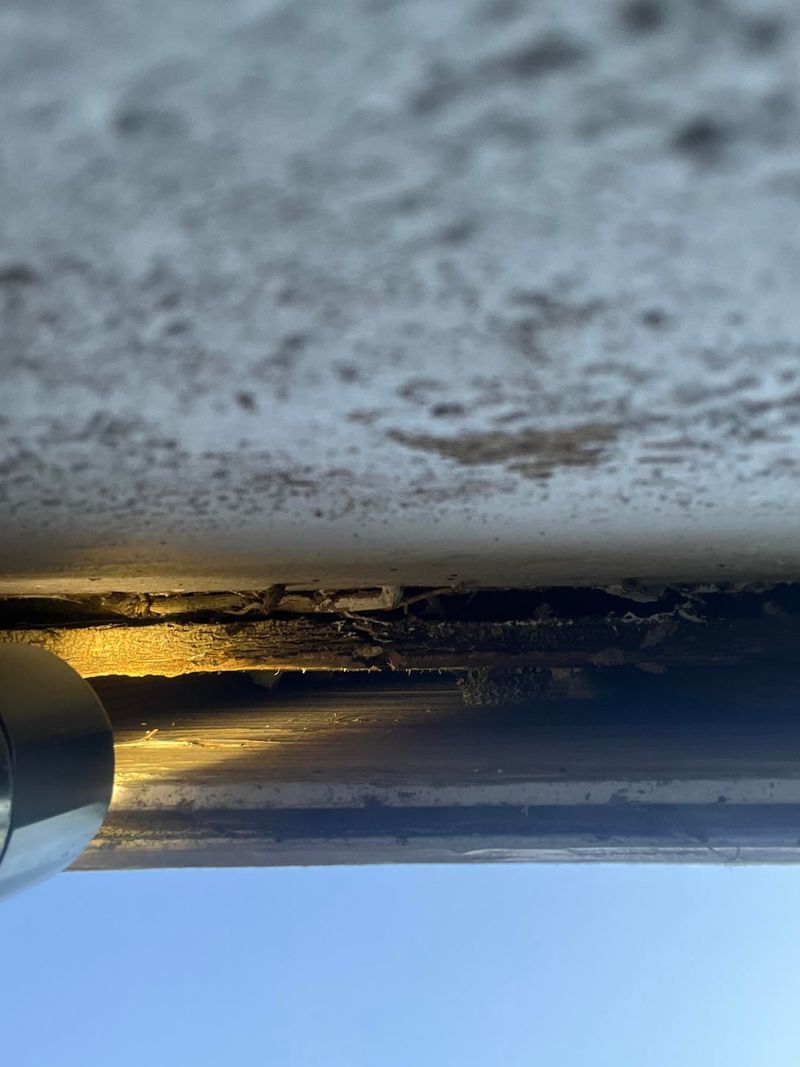
Grab a flashlight and walk your foundation on a cool evening. Gaps that look harmless in daylight suddenly read as doorways.
Perspective changes with a light held at an angle.
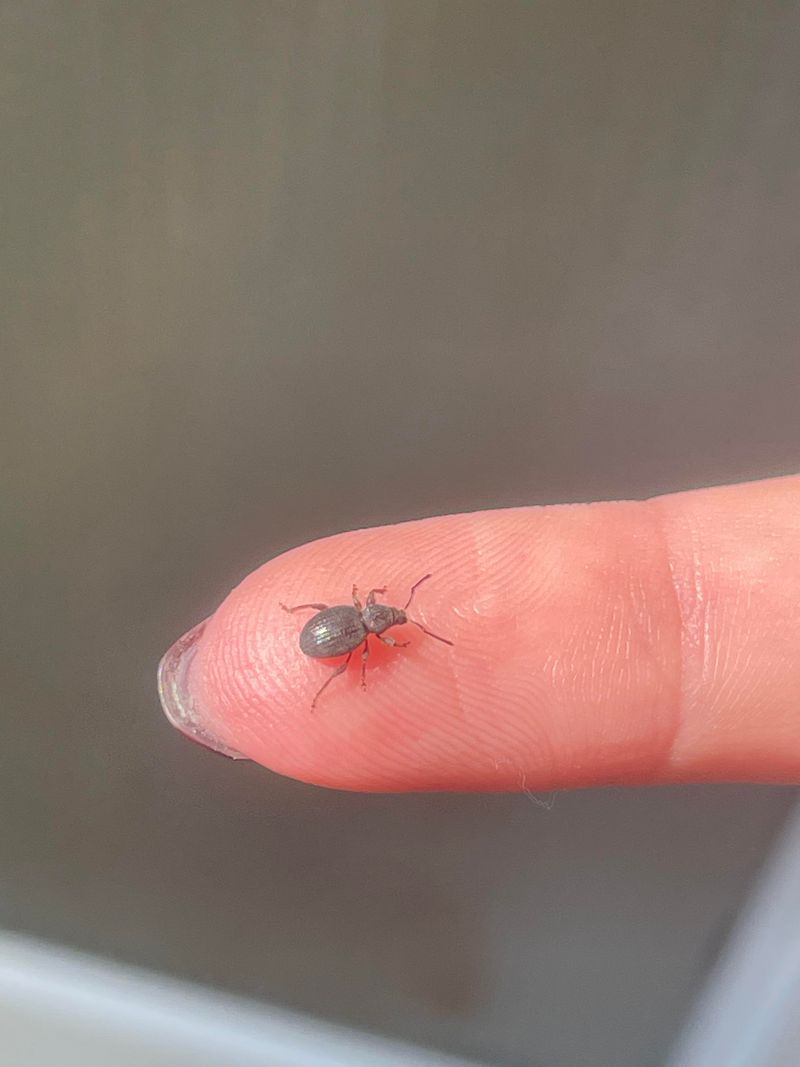
Strawberry root weevils run roughly a quarter inch long. They need very little room to pass through.
An opening about the width of a pencil lead is sufficient. That’s smaller than most people picture.
Common entry routes include the seam where siding meets foundation and unsealed gaps around outdoor faucets.
Dryer vents and holes drilled for cable or utility lines both offer easy access. Those get overlooked constantly.
Doors and windows deserve equal attention. Worn weatherstripping, torn screens, missing door sweeps, and unsealed frames all create paths.
Basement window wells function as collection bowls. Weevils drop in, cannot climb out, and eventually find a crack around the frame.
Plants growing tight against the wall raise the odds considerably. Ground cover, thick mulch, ivy, and strawberry beds put large numbers within inches of siding.
Your Michigan Garden Changes Every Week. Your Plan Should Too.
Gardening in Michigan changes quickly throughout the season. Every Friday you’ll receive a simple weekly plan showing exactly what to plant, prune, fertilize, harvest, and protect so you never miss the right timing.
Homes with crawl spaces or older stone foundations see more traffic simply because more openings exist.
Newer homes aren’t exempt either, since settling creates hairline cracks over time.
Check sill plates and openings behind loose bricks too. Making a written list while inspecting turns observation into a repair plan.
They Pose No Threat To Your Home
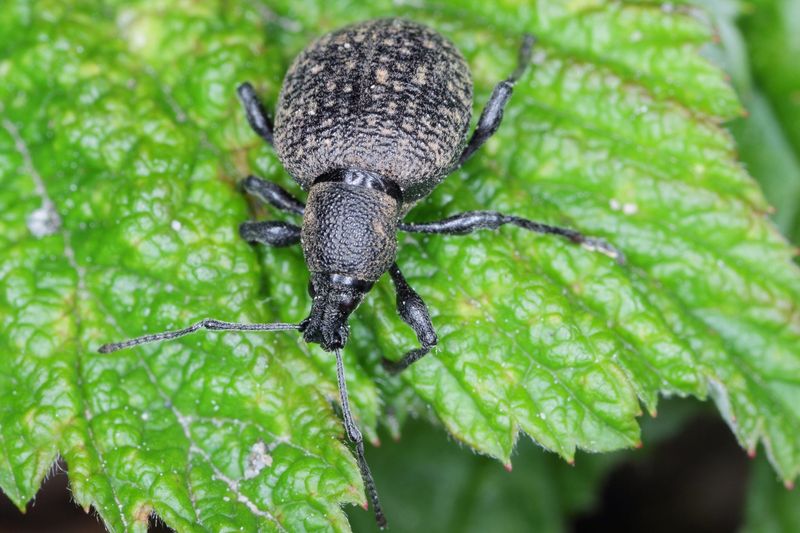
Here’s the part worth reading carefully: these beetles won’t harm your house or anyone in it.
Strawberry root weevils don’t bite or sting. They carry no disease relevant to people or pets. Nothing venomous about them either. That covers most of what people worry about.
Wood is safe as well. Unlike carpenter ants or termites, weevils have no interest in structural timber, drywall, or insulation.
They don’t chew or tunnel through building materials at all. Different biology entirely. Stored food generally isn’t a target. Adults feed on plant leaves outdoors while larvae feed on roots in soil.
Your cereal boxes hold no appeal. Pantry pests are a separate category of insect.
Indoors, they mostly wander and expire. Nuisance invaders like these don’t reproduce inside homes.
The ones you see are simply the ones that walked in. No hidden population building behind walls.
Dry indoor air works against them. Many are drawn toward moisture, which is why sinks, tubs, and damp basements collect the most.
Houseplants or fabric may get an occasional nibble. Even that stays uncommon.
The real cost is annoyance. Sweeping the same windowsill twice weekly gets tiresome fast.
No emergency exists here, and no fumigation is warranted. Calm cleanup genuinely suffices.
Vacuuming Handles Most Indoor Sightings
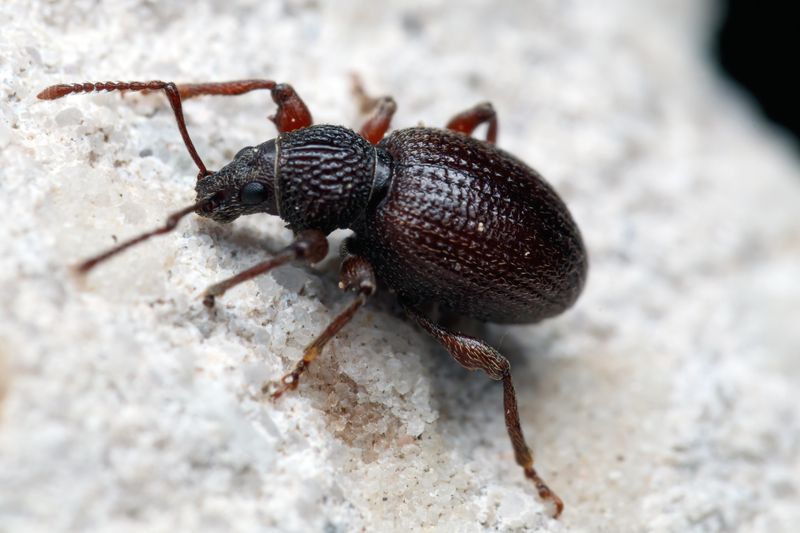
The most effective tool is already in your closet. No warning label required.
Run a vacuum along windowsills, baseboards, tub edges, and basement corners. The problem largely disappears within minutes.
Physical removal beats spraying indoors for this pest. Insecticides applied inside offer little lasting benefit.
New weevils keep walking in from outside regardless. The affected ones still need sweeping up afterward.
Squashing them is worth avoiding. Crushed weevils leave small stains on light paint, grout, or fabric.
Scooping stays tidier. A dustpan handles most sightings.
A shop vacuum or hose attachment works best in tight corners. Some people slip a knee-high stocking into the wand to trap insects in a removable pouch.
Tie it off and toss it outside. Simple and effective.
Empty the canister promptly either way. Live weevils crawl back out of an open canister, which nobody wants.
Sticky traps along basement walls and under window wells provide low-cost backup. They also reveal where the heaviest traffic enters.
That information guides repairs later. Useful beyond the immediate catch.
Cutting indoor moisture helps too. Fixing a dripping faucet and running a dehumidifier both make rooms less appealing.
Two or three quick passes weekly during peak season keeps sightings to occasional stragglers.
Sealing Entry Points Stops Future Visits

Vacuuming handles today. Sealing handles next October and the one after that.
Exclusion is the closest thing to a lasting solution. Same repairs also block mice, spiders, crickets, and boxelder bugs.
Multiple problems addressed at once. Reasonable return on an afternoon.
Start with caulk. Quality exterior silicone or polyurethane sealant closes foundation cracks and gaps around pipes and wiring.
Seams where trim meets siding matter too. Those open up as houses settle.
Expanding foam or copper mesh fills larger voids. For bigger openings behind utility lines, pack the space first, then cap it with sealant.
Doors and windows come next. Fresh weatherstripping, a new door sweep, and repaired screens shut down the easiest routes.
Cover vents and window wells with fine screening. Check that basement window frames still sit tight, since old wood shrinks over time.
Landscaping belongs in the plan as well. Pulling mulch back a few inches from the wall reduces insect traffic directly.
Trimming ground cover and moving strawberry beds away from the foundation both help. Distance matters for a flightless insect.
Late summer is the ideal window for this work. Before the first cool snap, and warm dry weather helps caulk cure properly.
Plan on an afternoon with a caulk gun, ladder, and flashlight. Few home projects pay off this visibly for so little money.
Outdoor Populations Explain The Sudden Surge
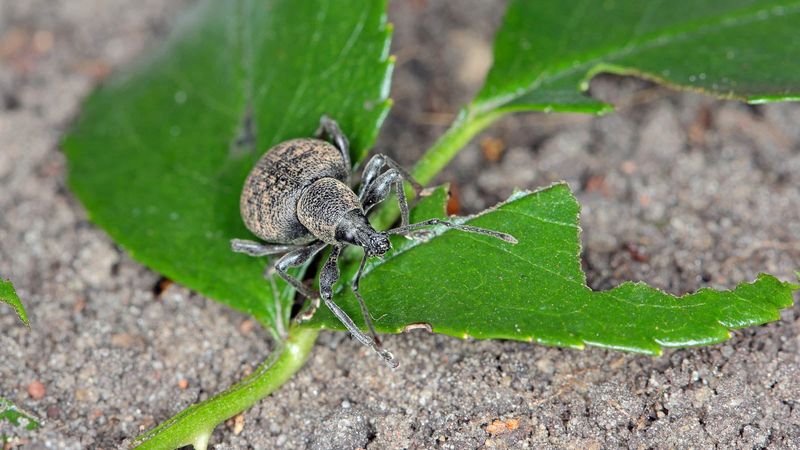
Some falls bring a trickle. Others bring what looks like a slow parade along the baseboard.
The difference usually traces back to how many weevils were in the yard months earlier.
Larvae spend spring and early summer in soil, feeding on roots of strawberries, raspberries, evergreens, and various ornamentals.
Moist soil and thick plantings favor their survival. Conditions determine numbers.
When conditions cooperate, more larvae reach adulthood. Adults emerge in early summer to feed on leaves.
Feeding leaves small notches along leaf edges. That damage is the visible clue outdoors.
A wet spring, heavy mulch, and dense ground cover near the house all boost local numbers.
Neighborhoods built on former farm fields or old berry ground sometimes see especially strong years. History affects the present.
Come fall, that outdoor population becomes the pool hunting for shelter. A larger pool means more insects reaching your foundation.
Weather shapes the timing. A sudden cold snap pushes a large group toward the house simultaneously.
That explains why sightings often feel like they exploded overnight. Synchronized rather than gradual.
Yard-level habits help long term. Watching for notched leaves on strawberries and yews reveals building populations.
Keeping mulch thin near walls and rotating heavily affected plantings trims numbers before autumn.
Patience Beats Panic With This Pest
Every Michigan fall delivers some insect that makes people reach for the phone.
Strawberry root weevils rarely warrant that call. They arrive, they wander, and within a few weeks it’s finished.
Cold weather ends the sequence. Once temperatures settle, sightings drop sharply until the following autumn.
Perspective helps on the worst days. A dozen beetles in a tub is startling.
A dustpan and vacuum settle the matter in five minutes. Scale of response should match scale of problem.
Chemical treatment indoors is usually unnecessary and frequently disappointing. Sprays inside cannot stop insects that keep walking in from the yard.
Exclusion and cleanup remain the practical approach. Extension guidance consistently points that direction.
If numbers seem extreme year after year, a targeted perimeter treatment by a licensed applicator is worth discussing.
Pair that conversation with a hard look at landscaping and foundation gaps. Treatment without exclusion accomplishes less.
Keep a small kit accessible. A hose attachment, a few sticky traps, and a tube of caulk for gaps you spot mid-season.
Kids often find these beetles genuinely interesting, which makes a reasonable excuse for a lesson about how insects survive winter.
Pointing out the weevil’s small snout usually earns a reaction. Free entertainment.
Treat the season as a maintenance reminder rather than an invasion. Handle the gaps, run the vacuum, and let the calendar finish the job.