Why Deer Are Eating Your Ohio Shrubs in Winter and How to Stop Them
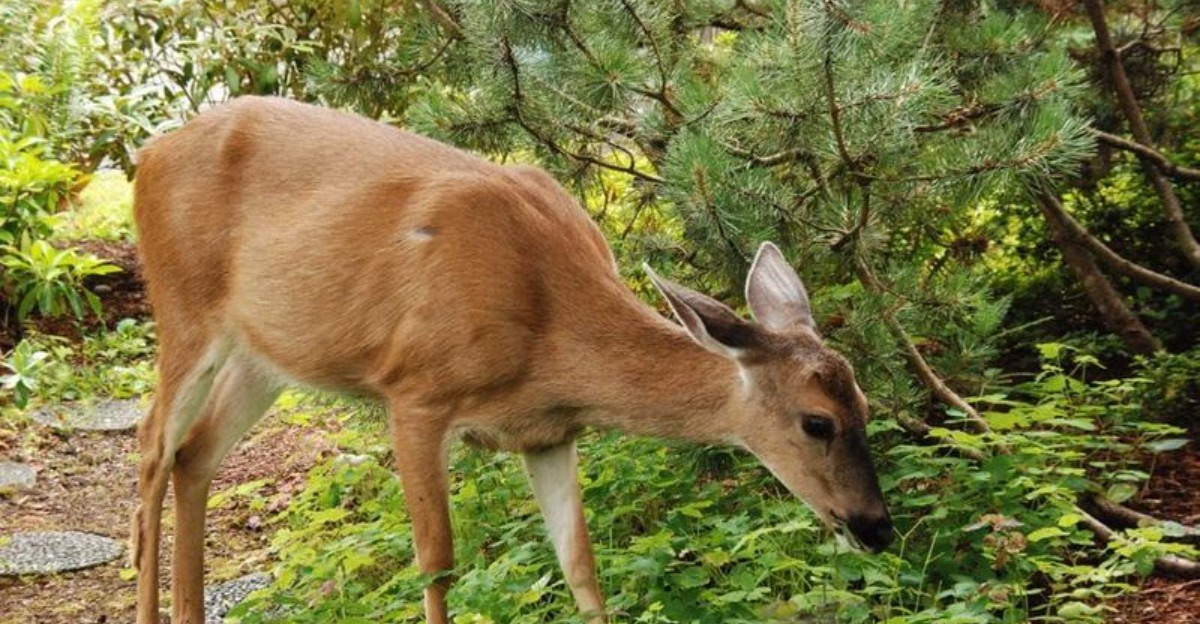
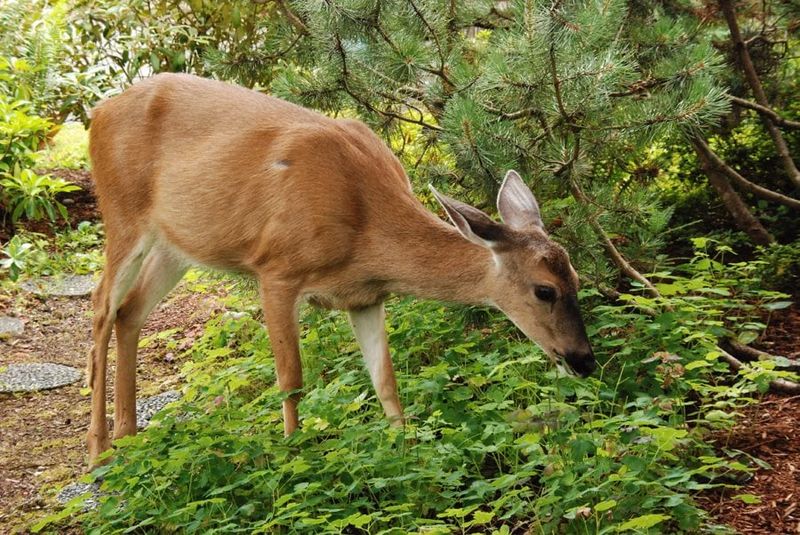
A white-tailed deer has no upper front teeth, so it tears twigs instead of snipping them cleanly. That ragged, frayed edge on a branch tip is the calling card left behind after a night visit.
I learned the hard way how much that matters. One January morning, my arborvitae looked like someone had shaved the bottom half with a dull razor. The top was perfect, and the lower branches were bare sticks.
Here in Ohio, plenty of us blame rabbits first. Rabbits leave a neat, angled cut close to the ground, though, while deer chew higher and rougher. Once you know the difference, the mystery in your yard gets a lot smaller.
The part I can’t shake is how picky these animals seem in July. By February, they act like your foundation plantings are the last open restaurant in town. Here is what changes in winter, and what you can do about it before the snow returns.
Those Torn Arborvitae Branches Point to a Hungry Winter Visitor
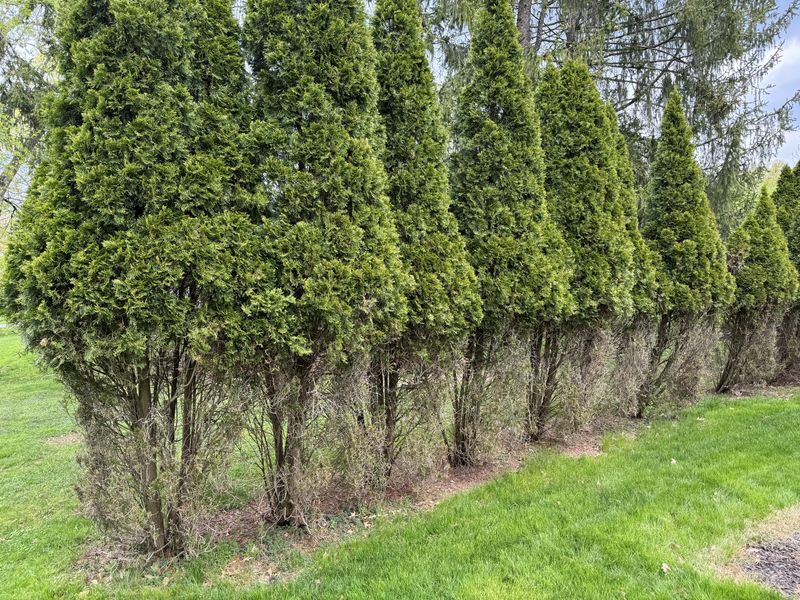
Torn twig tips, hoofprints in the snow, and a neat browse line about four to six feet high tell the story. White-tailed deer are the likely culprits, and winter is when their diet changes most.
During warm months, deer munch on tender leaves, clover, flowers, and fresh shoots. Once those fade, they switch to woody browse like buds, twigs, and evergreen needles. Biologists often describe winter as a survival season for deer, when they eat to get by rather than to gain weight.
Acorns help in fall, but supplies vary a lot from year to year. A poor acorn crop can send deer looking for other food sooner. Deep snow makes things harder by burying low plants they would normally eat.
Your yard also offers something the woods may not. Landscape shrubs are often well fed, watered, and packed with buds, which makes them more nutritious than scraggly forest growth.
Deer living near homes are used to people, too. Ohio has a large deer herd, and many animals spend their whole lives in suburban edges between woodlots and neighborhoods. To them, a row of shrubs along your house is simply part of the home range they visit every night.
Wrapping Shrubs in Netting or Fencing Works Better Than Anything Else
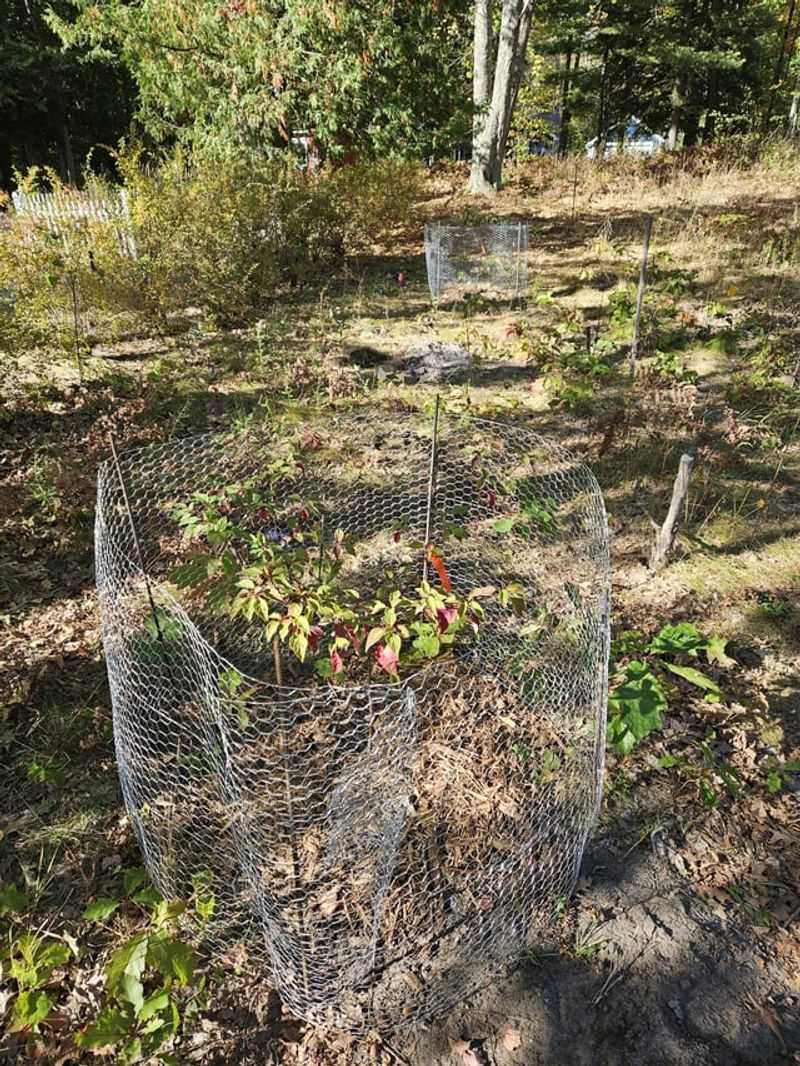
Ask almost any extension expert about stopping deer, and you will hear the same answer. Physical barriers are the most reliable tool available to home gardeners.
For single shrubs, black plastic deer netting is cheap and hard to see from the street. Drape it over the plant or attach it to stakes so branches are not crushed. Burlap screens on stakes also work and add some protection from drying winter wind.
Timing helps a lot. Put barriers up in late fall, before the soil freezes, because pounding stakes into frozen ground is miserable work.
Bigger beds may need fencing. Deer can clear about eight feet when motivated, so tall fencing is the gold standard for full exclusion. A shorter fence can still cut damage, especially if it is paired with other methods.
Some gardeners try two parallel shorter fences spaced several feet apart. Deer tend to avoid jumping into narrow spaces where they cannot judge the landing.
Remove netting in spring once new growth begins and other foods return. Leaving it on can tangle fresh shoots, and birds can sometimes get caught in loose mesh. Store it rolled up, and it will be ready for next winter.
Deer Repellent Sprays Need Switching and Reapplying to Keep Working
Not going to lie, my first bottle of repellent felt like a magic potion for about three weeks. Then the deer got used to it, and the snacking started again.
Repellents work through smell, taste, or both. Products made with putrescent egg solids tend to score well in university trials, and others use garlic, capsaicin, or bitter compounds. Deer learn fast, so rotating between two or three products with different active ingredients can help.
Read the label for winter use. Many sprays need temperatures above freezing to dry and stick properly, so pick a calm, mild day with no rain in the forecast.
Plan on reapplying after heavy rain, melting snow, or new growth. A rough guide is every few weeks, though each product lists its own schedule.
Start early in the season before deer develop a habit of visiting your yard. Breaking an established routine is much harder than preventing one.
Repellents shine where deer pressure is light to moderate. When winter gets harsh and deer are truly hungry, they may ignore unpleasant flavors and eat anyway. Pairing sprays with netting on your most prized shrubs gives you a much better chance.
Yews, Arborvitae, and Rhododendrons Top the Deer Menu
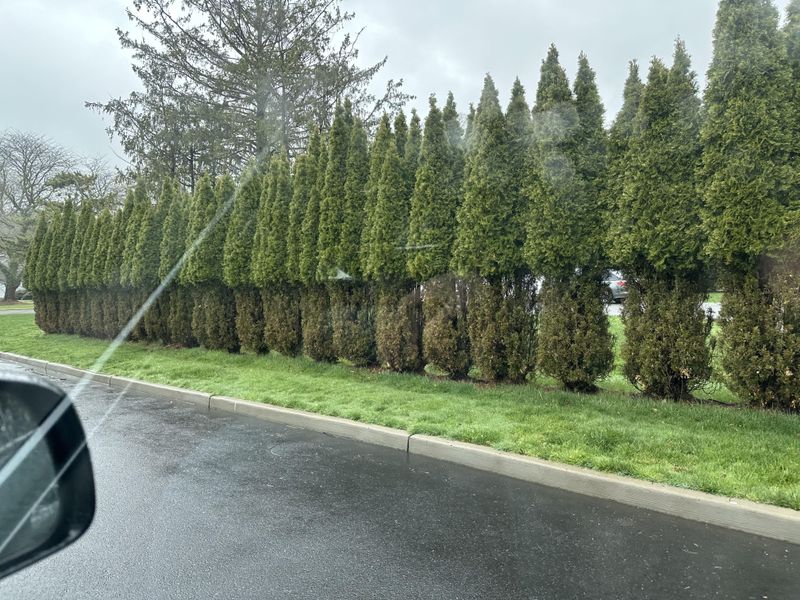
Guilty as charged, I planted three of the shrubs deer love most right next to my front steps. If you have yews, arborvitae, or rhododendrons, you probably understand the frustration.
Yews are a deer favorite even though their needles and seeds are toxic to people, pets, and livestock, which surprises many homeowners. American arborvitae, sometimes called northern white cedar, is another classic winter food, and in northern forests, deer gather in cedar swamps partly because the branches offer food and shelter.
Rhododendrons and azaleas keep leaves and plump flower buds through the cold months. Those buds are rich snacks, so heavy browsing can mean fewer blooms in spring.
Other common targets include euonymus, hydrangea stems, fruit trees, and young saplings. Newly planted shrubs are especially vulnerable because they have small root systems and fewer reserves to bounce back.
Hollies, junipers, and spruces get nibbled less often, though a hungry deer may try almost anything. Knowing which plants rank high on the menu lets you focus your protection where it counts. Wrap the favorites first, then watch the rest of your yard for signs of trouble.
Rabbit Chewing and Deer Browsing Leave Different Clues
Funny thing is, deer get blamed for plenty of damage they did not cause. Checking the evidence first saves time and money.
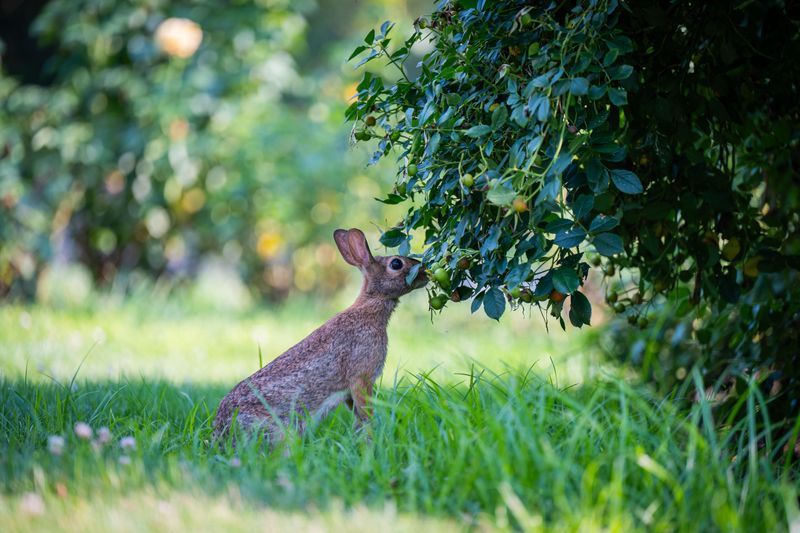
Look closely at a chewed twig. Rabbits have sharp upper and lower front teeth, so they make a clean cut at about a 45 degree angle. Deer lack upper front teeth and pull branches, leaving a shredded, uneven end.
Height matters too. Rabbit damage usually sits within about two feet of the ground or the snow line. Deer feed higher, often up to six feet, creating that obvious browse line.
Voles chew bark near the base of trunks, sometimes hidden under snow. Their small tooth marks and girdled stems call for hardware cloth guards rather than tall netting.
Tracks and droppings help confirm your suspect. Deer prints look like split hearts, and their pellets are larger than the round, pea-sized droppings rabbits leave.
Bark scraped off a young tree trunk in fall usually comes from a buck rubbing his antlers. Plastic tree guards or wire cages around the trunk stop that injury. Matching your solution to the right animal makes every dollar and every weekend spent on protection worth it.
Bird Feeders and Corn Piles Can Lure Deer Closer to Your Shrubs
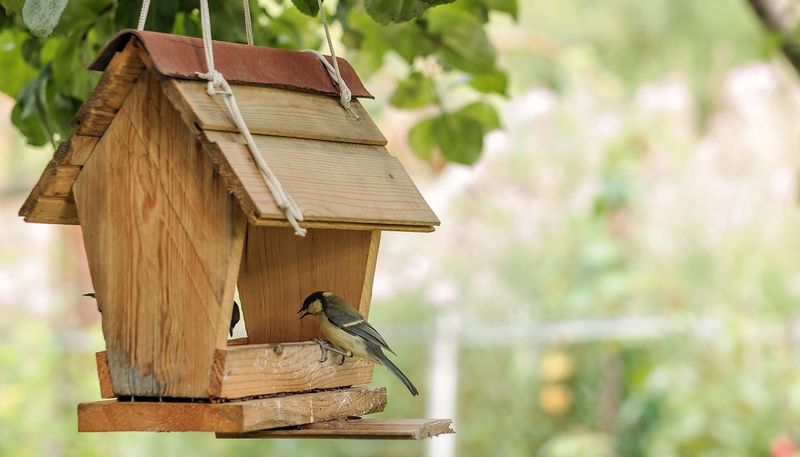
I’m the first to admit I love watching cardinals at my feeder on snowy mornings. The trouble is, spilled seed underneath can draw deer right up to the house.
Once deer find an easy food source, they return night after night. While they are there, your nearby shrubs become dessert.
Wildlife agencies across the country discourage feeding deer. Piles of corn can upset their digestion in winter, crowd animals together, and raise the risk of spreading diseases such as chronic wasting disease. Ohio has confirmed that illness in wild deer in parts of the state, and the Ohio Department of Natural Resources has set feeding restrictions in some counties.
Check current state rules and local ordinances before putting out any food that deer could reach. Some cities have their own bans.
You can keep birds happy with a few changes. Use tray feeders that catch dropped seed, clean up spills often, and hang feeders high. No-mess seed blends without shells also cut down on waste.
Moving feeders away from prized shrubs helps as well. Small habits like these quietly make your yard less of a gathering spot for hungry visitors.
Deer-Resistant Natives Like Spicebush Make Spring Planting Smarter
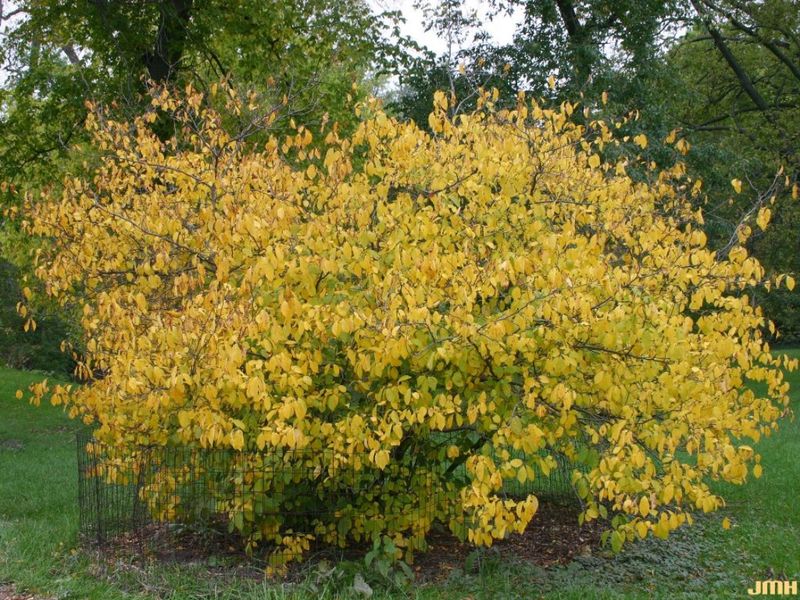
Trust me on this one, the easiest deer fight is the one you never have to start. When you replace or add shrubs next spring, lean toward plants deer usually skip.
Deer often avoid plants with strong scents, fuzzy leaves, or tough, prickly textures. Spicebush, a native shrub with a peppery smell, is a solid option for shady spots in Ohio. It also feeds spicebush swallowtail caterpillars.
Other choices often listed as less appealing include bottlebrush buckeye, arrowwood viburnum, American holly, common ninebark, and native junipers. Boxwood is another evergreen deer usually ignore. In parts of the state, though, the box tree moth has become a pest, so check local guidance before buying.
Steer clear of invasive shrubs like burning bush, Japanese barberry, and bush honeysuckle, even if deer pass them by. Those plants spread into woodlands and crowd out native species.
Keep in mind that no shrub is fully deer-proof. Resistance ratings change with deer numbers and winter conditions.
Mixing in these tougher plants still lowers the overall appeal of your yard. Pair them with a few protected favorites, and your landscape will look much better by March.
A Late Winter Shrub Checkup Helps Browsed Plants Bounce Back
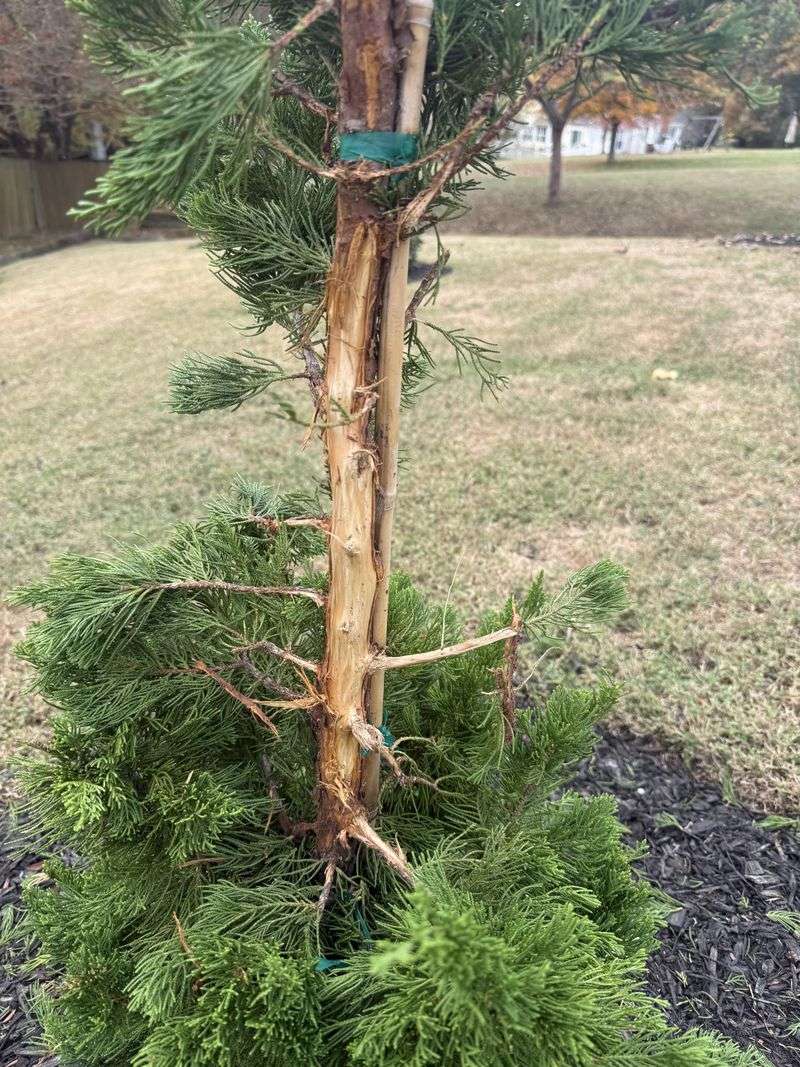
Every March, I walk my yard with pruners and a cup of coffee, checking which shrubs took the worst hits. That simple habit tells me exactly what to change for next winter.
Many browsed shrubs recover better than you would expect. Deciduous plants like viburnum and hydrangea usually push new growth from buds lower on the stems. Wait until early spring to prune, then trim ragged tips back to a healthy bud.
Evergreens are trickier. Arborvitae and junipers rarely sprout from bare wood, so badly stripped sections may stay thin. Yews handle pruning far better and often refill over a season or two.
Skip heavy fertilizing right away. A light layer of mulch and steady watering during dry spells will help roots recover. Keep mulch a few inches away from stems.
Write down which plants got hit, how high deer reached, and when damage started. Those notes guide where to put netting next fall.
Talk with neighbors too, since deer travel across property lines. When several yards protect plants and skip feeding, browsing pressure often eases. A little planning now keeps your shrubs looking full next winter.