The 103-Degree Forecast Means Texas Gardeners Should Skip This Morning Chore
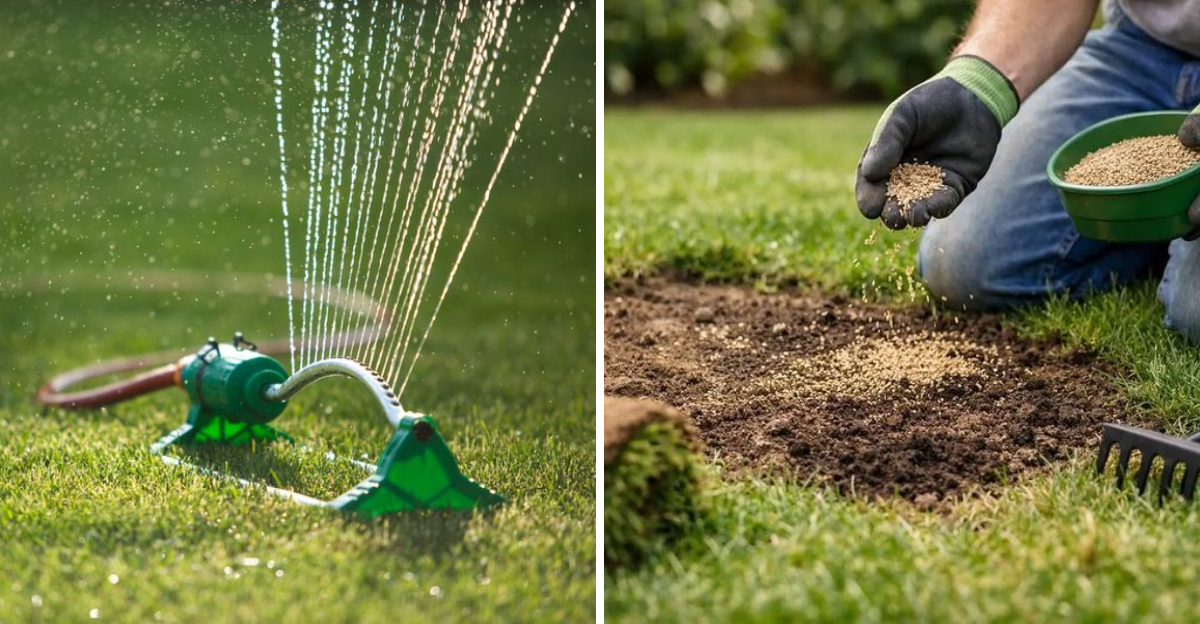
A Texas lawn can look rough before the sun even gets high.
The grass may seem dull, curled, or tired. The driveway is already radiating heat. The forecast says the afternoon will push past triple digits, and that early morning window feels like the only reasonable time to get yard work done.
That instinct makes sense.
But some lawn chores become risky when the day is heading toward 103 degrees. What looks like a responsible effort to help the grass can create more stress at the exact moment the turf is already working hard to survive.
Extreme heat changes the rules.
Dry soil, watering limits, stressed roots, pest pressure, and weak new growth can all turn a normal summer task into a problem.
The lawn may not need a push. It may need patience, moisture checks, and a little protection from extra strain.
So which morning chore should Texas gardeners skip during a 103-degree forecast?
Put the spreader away, then wait for cooler conditions and better soil moisture before feeding the lawn.
Skip Lawn Fertilizer This Morning
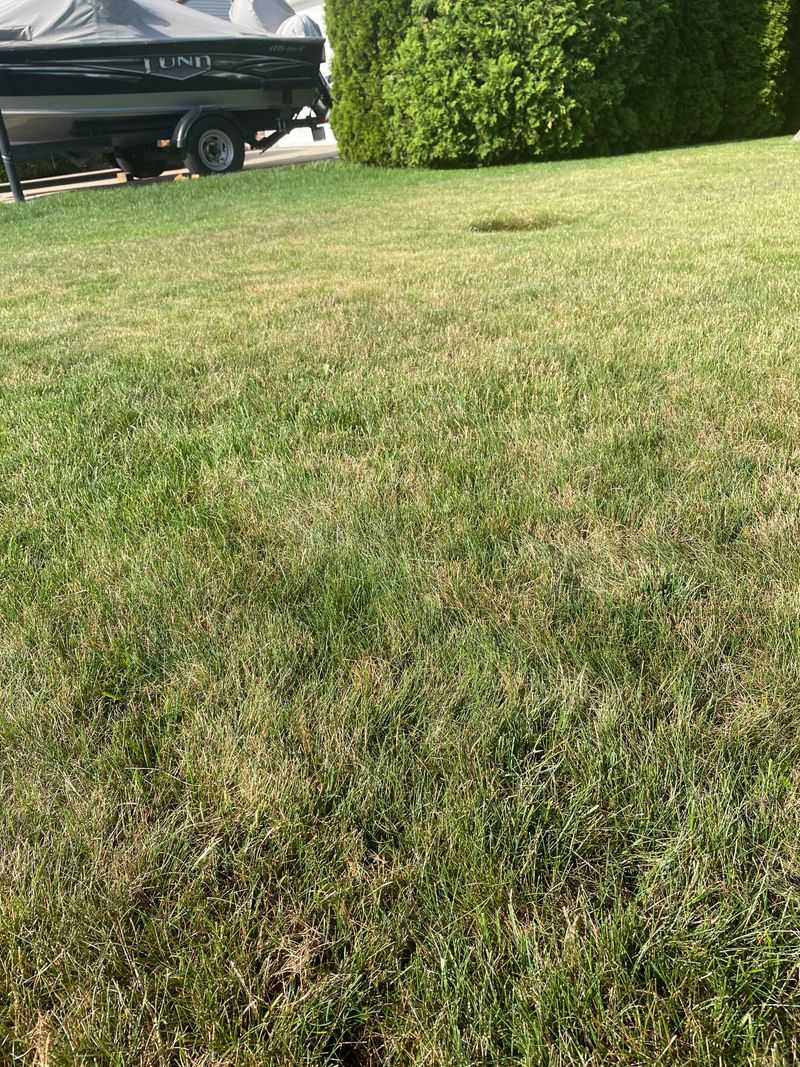
Lawn fertilizer should stay in the bag during extreme heat.
A 103-degree forecast is the wrong moment to spread high-nitrogen fertilizer across a Texas lawn, even early in the morning. The grass may be green in places, but that does not mean it is ready to use a strong feeding well.
Heat changes turf behavior. Warm-season grasses like St. Augustine, bermuda, and zoysia can grow actively in summer, but triple-digit stress pushes them into survival mode.
The blades may curl slightly. Color may turn dull or blue-gray. Growth may slow even though the season is technically warm enough for turf activity.
That is not a clear call for fertilizer. It is often a sign that the lawn is managing heat and moisture stress.
Fertilizer needs water to work properly. Granules have to dissolve and move into the soil where roots can use the nutrients.
Dry soil raises the risk. Fertilizer salts can sit near the surface and stress roots instead of supporting growth.
Watering restrictions make timing even harder. A lawn that cannot be watered soon after feeding is not a safe candidate for fertilizer during a heat wave.
Skipping this chore is not neglect.
It is the smarter Texas summer move, because the right feeding window comes when grass is actively growing and soil moisture can support the application.
Heat Stressed Grass Uses Nutrients Poorly
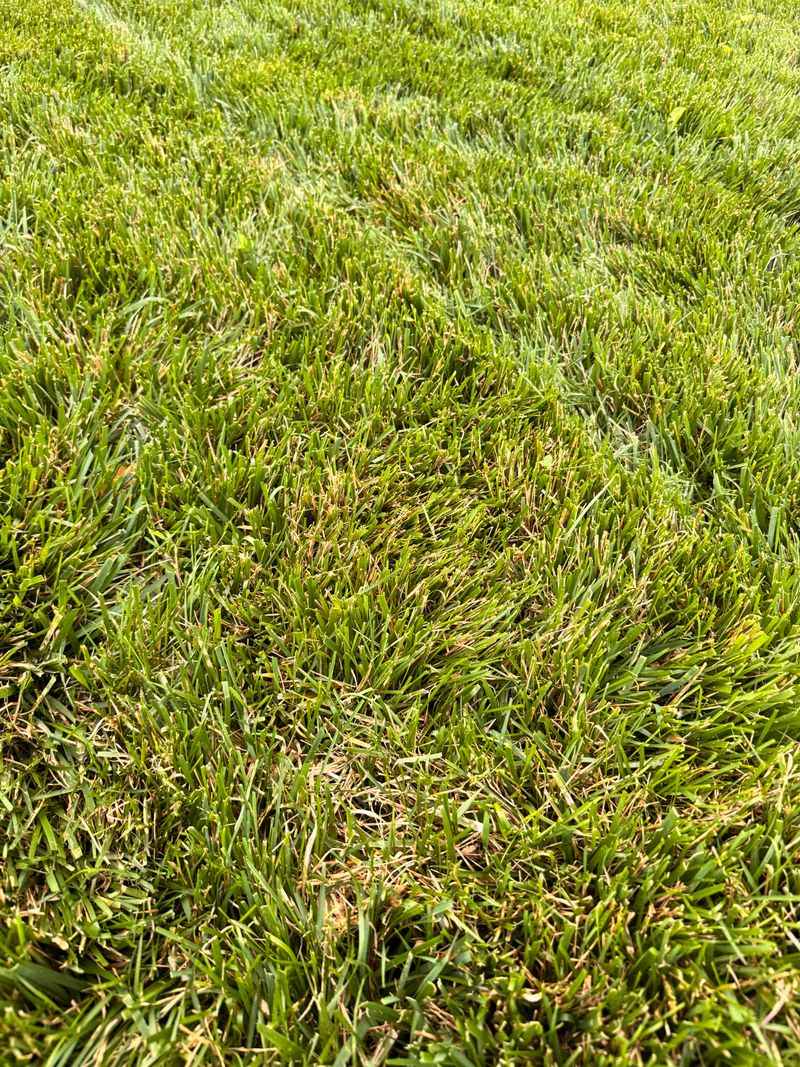
A stressed lawn does not process fertilizer efficiently.
During extreme heat, grass plants often slow their top growth and conserve energy. Roots may become less efficient, and the plant’s main job becomes staying hydrated rather than pushing fresh blades.
That matters because fertilizer is not magic. Nutrients help most when the plant is ready to use them.
A dull lawn is not always hungry. It may simply be too hot, too dry, or too stressed to respond well.
Curled blades are a moisture clue. Turf often folds or curls leaves to reduce water loss.
A blue-gray cast points toward drought stress. That color change can appear before browning begins.
Your Texas Garden Changes Every Week. Your Plan Should Too.
Gardening in Texas changes quickly throughout the season. Every Friday you’ll receive a simple weekly plan showing exactly what to plant, prune, fertilize, harvest, and protect so you never miss the right timing.
Footprints that stay visible are another sign. Grass that does not spring back quickly is often short on moisture.
Feeding will not fix that. Nitrogen cannot replace water or restore root function during a heat-stress episode.
St. Augustine often shows stress early. Its broad blades may curl and fade when moisture falls short.
Bermuda is tougher, but not invincible. Even hardy turf slows under repeated triple-digit days.
The lawn needs recovery conditions first. Cooler temperatures, adequate moisture, and active growth all make fertilizer safer and more useful.
Read the grass before feeding it.
A heat-stressed lawn usually needs moisture management and time, not a nitrogen push.
Quick Nitrogen Pushes Weak Growth
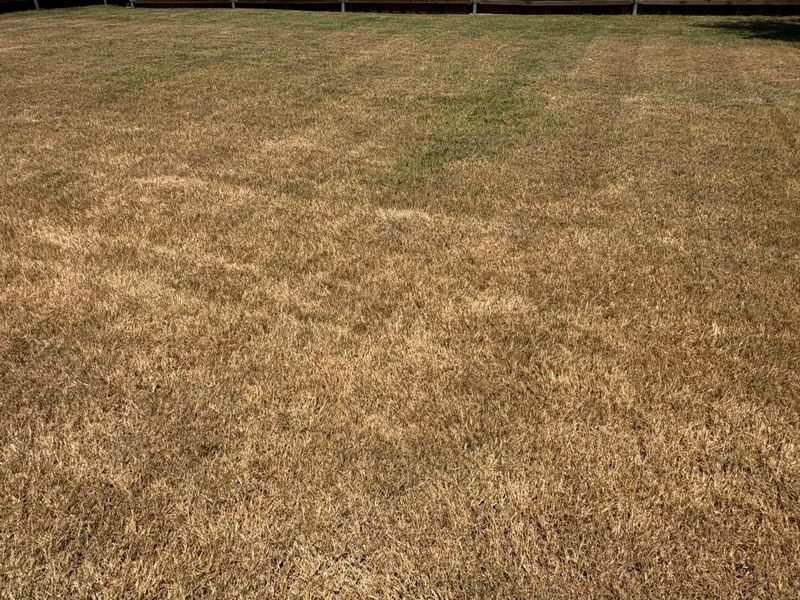
Dry soil turns fertilizer into a bigger risk.
Granular fertilizer is designed to dissolve with moisture. When it lands on dry, hot ground, the nutrients do not move evenly into the root zone. They can remain concentrated near the surface where roots are already under pressure.
Those salts matter. Fertilizer products contain soluble salts, and high concentrations can pull moisture away from roots.
That can make drought stress look worse. The lawn may appear even more scorched or uneven after a poorly timed feeding.
Patchiness can follow. Dry soil does not always absorb or move dissolved nutrients evenly.
Compacted areas are especially vulnerable. Water and nutrients may run off or stay shallow rather than reaching active roots.
Bare spots heat faster. Soil exposed between thin blades can become hotter and drier than dense turf.
Granules on pavement are another problem. Fertilizer left on driveways, sidewalks, or curbs can wash away during the next storm or irrigation cycle.
Sweep stray product back onto the lawn only during a safe application window. Do not leave it where runoff can carry it away.
Slow-release fertilizer is still not a free pass. It may reduce sudden release, but it still needs adequate soil moisture and appropriate timing.
A screwdriver test can help. Dry, hard soil that resists a long screwdriver is not ready for feeding.
Fertilizer needs the soil to cooperate.
During a 103-degree stretch, dry ground often turns a helpful product into another source of stress.
Dry Soil Concentrates Fertilizer Salts
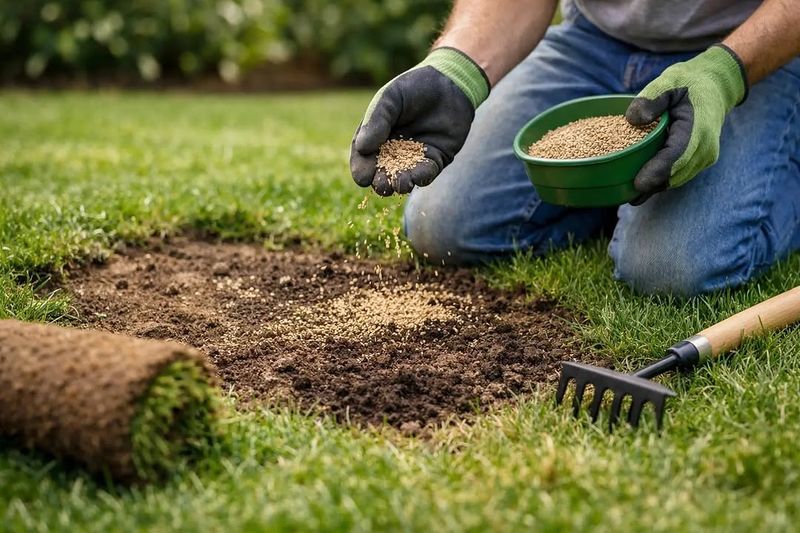
Nitrogen creates growth the lawn must support.
That sounds good until the forecast turns brutal. A quick nitrogen application can push tender new blades during a period when roots may not have enough moisture or strength to sustain them.
Fast green-up is tempting. Many homeowners feed because they want the lawn to look better quickly.
The new growth can be soft. Tender blades lose moisture faster and may show heat stress sooner.
That growth also needs mowing. More top growth during a heat wave means more cutting, more foot traffic, and more stress on turf.
Mowing stressed grass can add pressure. Every cut removes leaf surface the plant uses to make energy.
Soft growth can attract pests. Lush, tender tissue may be more appealing to certain insects.
Disease risk can rise too. In warm, humid conditions, excessive tender growth can be more vulnerable to fungal problems.
This is especially risky on St. Augustine. It can respond to nitrogen with lush growth, then suffer when heat and moisture stress collide.
Bermuda may handle summer feeding better under good moisture. Triple-digit stress still makes timing important.
The goal is strong growth, not rushed growth. Grass fed under better conditions builds more resilient blades and roots.
A lawn does not need caffeine during a heat wave.
It needs the kind of care that helps it survive today without creating more demand tomorrow.
Tender Growth Demands More Water
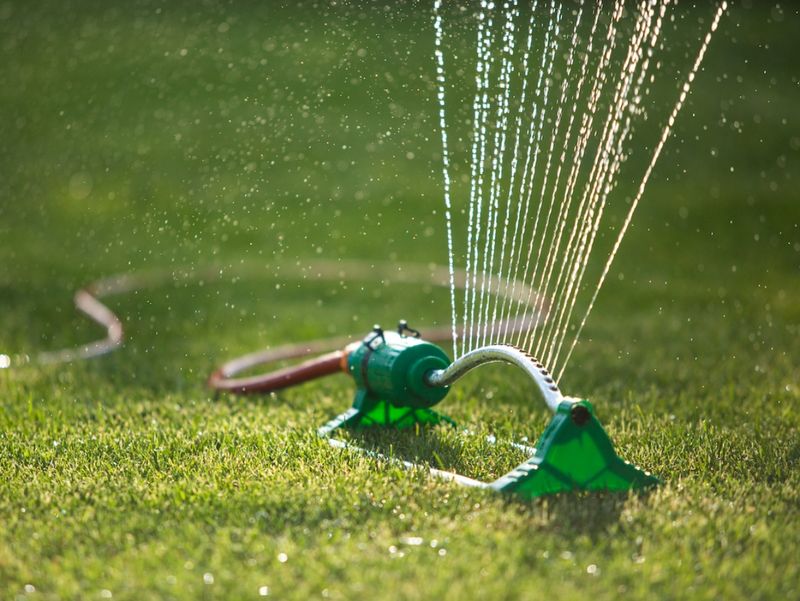
New growth comes with a water bill.
Every fresh blade pushed by fertilizer increases the plant’s need for moisture. During a 103-degree forecast, that extra demand can become difficult to meet, especially under city watering rules.
Larger leaf area loses more water. Fresh growth gives the sun more surface to pull from.
Roots may not keep up. Fertilizer can push top growth faster than the root system can expand.
That imbalance shows quickly. Turf may wilt, curl, or brown at the tips when the canopy demands more than the roots can supply.
Irrigation may not be available. Many Texas cities limit watering days, watering hours, or sprinkler use during summer peaks.
A fertilizer application without timely watering becomes risky. Nutrients need moisture to move safely and evenly.
Even allowed watering may not be enough. A short irrigation window may wet the surface without reaching deeper roots.
Deep watering matters more than frequent splashing. Roots need moisture below the hottest soil layer.
New growth also raises mowing needs. More mowing means more stress while the lawn is already under heat pressure.
This is why timing matters. Feeding should line up with weather and moisture that can support the response.
Fertilizer creates expectations the lawn must meet.
During triple-digit heat, those expectations may be more than the turf can handle.
Heavy Feeding Can Worsen Lawn Problems
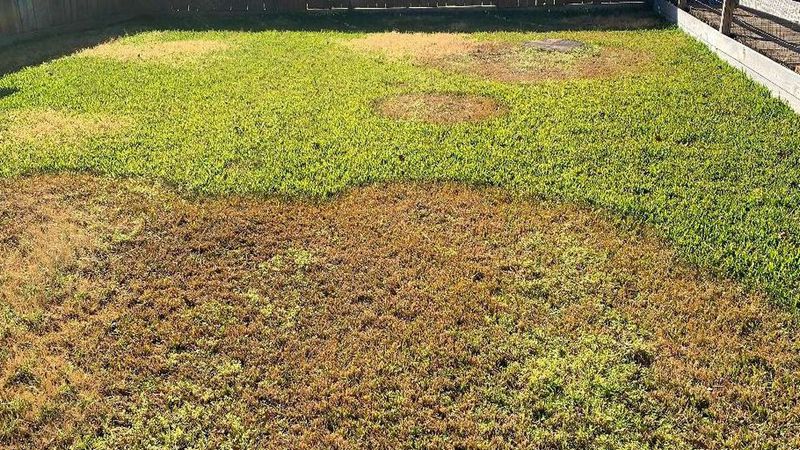
Local watering rules can make fertilizing even riskier.
A lawn feeding should be followed by enough moisture to move nutrients off the blades and into the soil. During summer restrictions, that may not be possible when the forecast turns extreme.
Cities do not all follow the same schedule. One neighborhood may allow irrigation on certain days while another has tighter limits.
Check before planning any application. The fertilizer timing should match the legal watering window, not just your free morning.
A delayed watering raises risk. Granules sitting on hot turf or dry soil can create uneven stress.
A sudden heavy watering later is not ideal either. Running the system too hard can create runoff and waste.
Sprinkler coverage may be uneven. One dry corner can receive fertilizer but not enough water to carry it safely into the root zone.
Runoff matters. Fertilizer washed off lawns can move into storm drains, streets, and waterways.
Hand watering rules may differ. Some cities allow limited hand watering even when sprinklers are restricted, but that still may not support a full lawn application.
Drip or hose-end irrigation may have separate rules. Confirm the details rather than guessing.
The safest choice during extreme heat is delay. Wait until water, weather, and turf condition all align.
Restrictions are not just an inconvenience.
They change what your lawn can safely handle after fertilizer hits the ground.