This Toxic Pennsylvania Ornamental Gets Less Attention Than A Rattlesnake But Harms More Pets Every Summer
Most Pennsylvania pet owners think about obvious hazards when it comes to keeping their animals safe outdoors. Traffic, aggressive dogs, the occasional wildlife encounter.
But there’s something growing in countless Pennsylvania yards and gardens right now that sends more pets to the emergency vet every summer than most people would ever expect. It’s an ornamental plant.
And there’s a good chance it’s already in your yard. This toxic plant gets almost no attention compared to the dangers most pet owners worry about.
It looks beautiful, it’s widely sold at garden centers, and it blends seamlessly into residential landscapes without raising any concern.
But to dogs and cats who chew on leaves, investigate fallen flowers, or drink from puddles near the base of the plant, it can cause serious and rapid harm. Awareness is everything here because the plant is so common and so overlooked.
Azalea, The Toxic Pennsylvania Ornamental Pet Owners Should Watch Closely

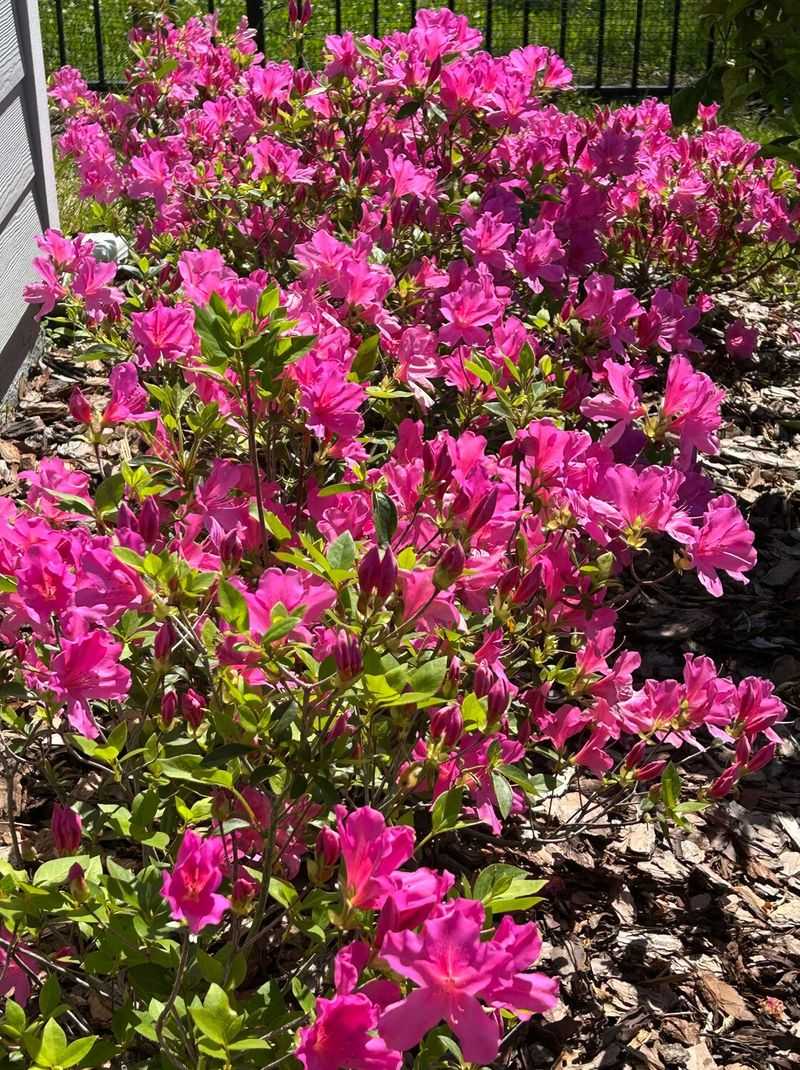
Walk through almost any Pennsylvania neighborhood in May or June, and you will spot azaleas everywhere. They are tucked into foundation beds, lining driveways, and bursting with pink, red, white, or purple blooms.
They look soft, harmless, and almost cheerful. That is exactly what makes them so easy to overlook as a hazard.
Azaleas are part of the Rhododendron family, a large group of flowering shrubs that grow well across Pennsylvania’s climate. They thrive in partial shade, which is why you often see them planted close to homes, fences, and tree lines.
Gardeners love them because they come back year after year with very little effort. But here is the part many pet owners miss. Every part of the azalea plant, including the leaves, flowers, stems, and even the nectar, contains compounds that can make pets very sick.
Dogs, cats, and horses are all vulnerable. It does not take a large amount to cause a reaction. Even a small nibble from a curious dog or cat can lead to noticeable symptoms within a few hours.
The problem is that azaleas look nothing like the plants people typically think of as dangerous. They do not have thorns, a strange smell, or any obvious warning signs.
A dog sniffing around a garden bed might chew a fallen leaf without any hesitation. A cat resting near a shaded shrub might bite at a low-hanging stem out of boredom. These small moments can turn into stressful vet visits fast.
Knowing that azaleas are in your yard is the first and most important step to keeping your pets safer this summer.
Why Azaleas Are Risky For Pets
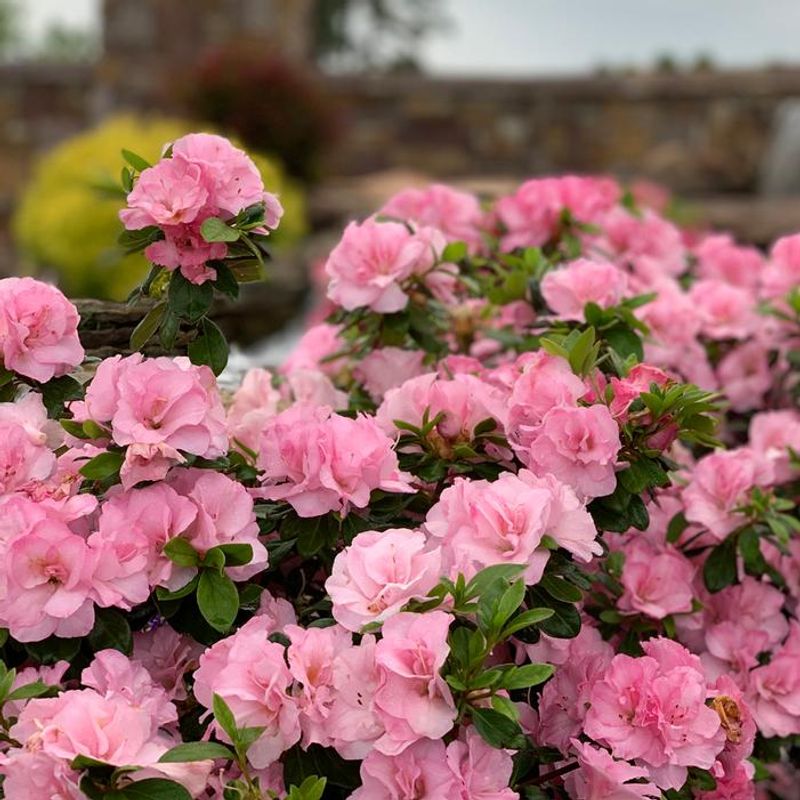
Azaleas contain natural compounds called grayanotoxins. These toxins interfere with how cells in the body manage sodium, which sounds technical, but the effects are very real and very uncomfortable for pets.
The toxins can affect the stomach, the nervous system, and in more serious cases, the heart. One of the first things pet owners usually notice is drooling. A lot of it, and pretty suddenly.
Your Pennsylvania Garden Changes Every Week. Your Plan Should Too.
Gardening in Pennsylvania changes quickly throughout the season. Every Friday you’ll receive a simple weekly plan showing exactly what to plant, prune, fertilize, harvest, and protect so you never miss the right timing.
After that, vomiting and diarrhea are common as the body tries to get rid of whatever was swallowed. Pets may also seem unusually tired, weak, or unsteady on their feet. Some dogs look like they just cannot get comfortable, pacing or lying down repeatedly.
In more serious situations, a pet’s heart rate can become abnormal. It might slow down too much or beat in an irregular pattern.
Low blood pressure is another possible concern. These are the kinds of symptoms that can escalate quickly, especially in smaller pets or animals that ate a larger portion of the plant.
Cats tend to be more cautious about chewing plants than dogs, but they are not immune. Horses that graze near azalea hedges are also at risk, and because of their size, they may consume more plant material before an owner notices something is wrong.
What makes this plant especially tricky is that the symptoms can look like many other common pet illnesses. An owner might assume their dog just ate something bad in the yard without connecting it to the azalea bush nearby.
That delay in recognizing the real cause is what sometimes makes the situation worse. Paying close attention to what your pet was near before symptoms started can save valuable time.
Where Pets Usually Encounter Azaleas

Azaleas are not hiding in remote forests or tucked away in botanical gardens. They are right outside your front door, and that is exactly what makes them such a common risk for household pets.
In Pennsylvania, azaleas are one of the most popular ornamental shrubs used in residential landscaping, and they show up in some very familiar spots.
Foundation plantings are probably the number one place you will find them. Homeowners love to line the base of their house with azaleas because they fill in space nicely and add seasonal color.
That means they are often right next to the areas where pets walk, sniff, and rest every single day. A dog that gets let out into the backyard ten times a day is passing those shrubs every single time.
Shaded garden borders are another hotspot. Azaleas prefer filtered light, so they get planted under trees, along fence lines, and near patios.
These are often the same shady spots where dogs choose to lie down on a hot summer afternoon. It is not hard to see how a bored or resting pet might start chewing on a nearby stem.
Front walkways are also common planting zones. If you have a dog that goes for walks and tends to sniff or mouth plants along the path, azalea exposure can happen even outside your own yard.
Neighbors, parks, and community spaces often feature azaleas in their landscaping too. Woodland-style gardens, which are popular in many Pennsylvania neighborhoods, frequently include azaleas mixed with ferns and native shrubs.
Pets exploring these areas may not even be watched as closely, making the risk even higher in naturalistic settings.
What To Do If A Pet Eats Part Of An Azalea
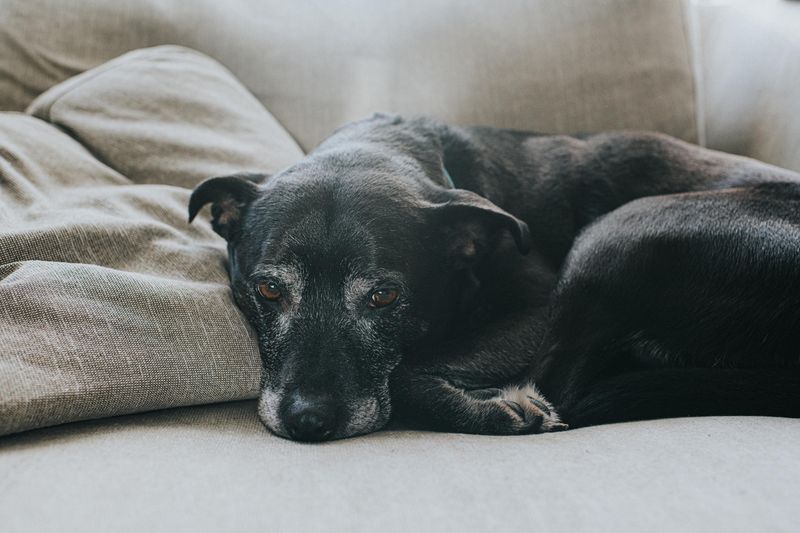
Speed matters here. If you see your pet chewing on an azalea or suspect they just did, do not wait around to see if symptoms show up before taking action.
Early contact with a professional can make a significant difference in how things go from there.
Start by calmly moving your pet away from the plant. Do not panic around them, because animals pick up on stress and it can make them more anxious.
Once they are safely away, check around their mouth for any remaining plant pieces and remove them carefully. If there are fallen flowers or leaves nearby, clear those away too so they cannot go back for more.
Try to figure out roughly how much they may have eaten. Was it a small bite or did they chew through several leaves?
What part of the plant was it, a leaf, a flower, or a stem? This information is genuinely helpful when you call a professional, so try to note it quickly while it is fresh in your mind.
Next, call your veterinarian or the ASPCA Animal Poison Control Center right away. Be ready to share your pet’s weight, age, breed, and what you believe they ate. They will guide you on whether your pet needs to be seen immediately or what to watch for at home.
Do not try home remedies or attempt to make your pet vomit unless a veterinarian specifically tells you to do so. Some well-meaning actions can actually make things harder on the animal. Trust the professionals and follow their lead from the start.
How To Make A Garden Safer Without Removing Everything
Not every pet owner wants to rip out their azaleas, and that is completely understandable. These shrubs can be beautiful, long-established parts of a yard, and removing mature plants is not always practical or affordable.
The good news is that there are real, workable ways to reduce the risk without starting your garden from scratch.
One of the most effective options is physical separation. A small decorative fence, a low garden border, or even a row of dense ground cover can create a barrier between your pet and the plant.
Dogs especially tend to respect boundaries once they are clearly marked, particularly if they have been trained to stay out of garden beds.
Speaking of training, working with your dog on a leave it command is genuinely useful. It takes some patience and practice, but teaching a dog to back away from plants on command can prevent a lot of accidental nibbling.
This skill is helpful far beyond just azaleas and is worth investing time in regardless. Supervision is another layer of protection. If you know your pet tends to explore garden beds, do not leave them unattended in the yard for long stretches.
Even a few minutes of unsupervised time near a toxic shrub can be enough for a curious animal to get into trouble.
Fallen leaves and dropped flowers are easy to overlook but just as risky as the living plant. Make a habit of sweeping or raking around your azalea shrubs regularly, especially during bloom season and again in the fall when leaves drop.
Keeping the area around the base of the plant clean removes a lot of casual exposure opportunities for pets roaming nearby.
Safer Ways To Keep Pennsylvania Gardens Beautiful
Loving your garden and keeping your pets safe are not mutually exclusive goals. With a little planning, you can have a yard that looks great from the curb and still gives your dog or cat a safe space to roam freely.
It just takes a shift in how you think about plant placement and selection. Azaleas do not have to go away entirely. Instead, consider moving them to areas your pets genuinely cannot access.
A fenced front yard bed that pets never enter, a raised planter out of reach, or a decorative container on a porch or elevated deck can keep the visual appeal while removing the everyday risk. Out of reach means out of danger.
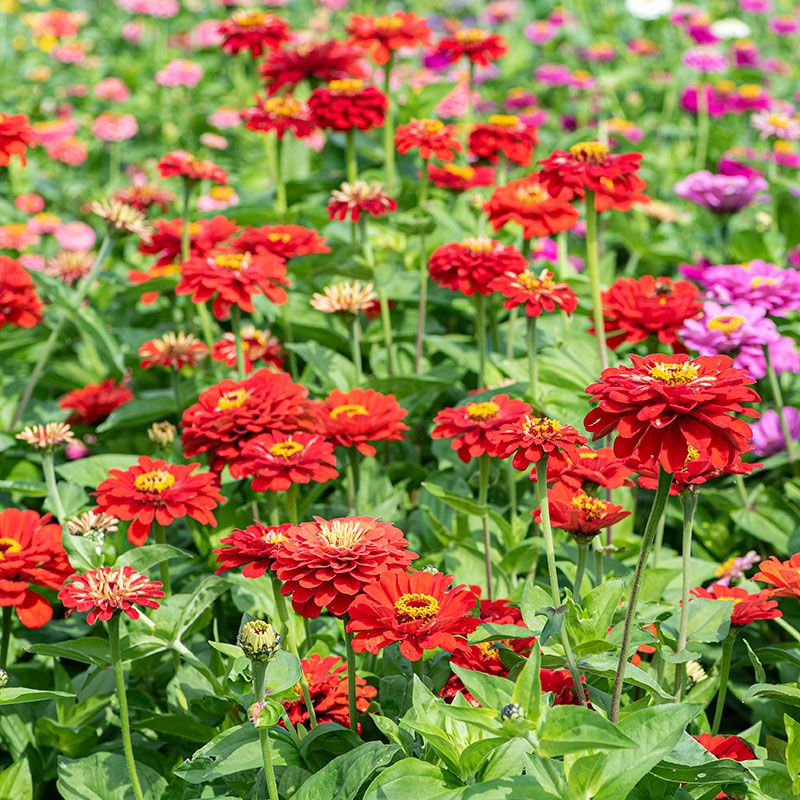
For the areas where your pets spend the most time, think about swapping in some lower-risk flowering plants. Marigolds, snapdragons, sunflowers, and zinnias are all popular Pennsylvania garden plants that add real color without the same level of concern for pets.
Always double-check any plant with a trusted source like the ASPCA’s toxic plant list before adding it to a pet-friendly zone.
Creeping thyme and certain ornamental grasses are also solid ground cover options that look attractive and hold up well to pet traffic. They fill in space nicely without posing the risks that come with shrubs like azaleas or rhododendrons.
Azaleas are genuinely beautiful plants, and it makes sense that so many Pennsylvania homeowners choose them. But for pet owners, they deserve the same careful management as any other known hazard in the yard.
Treat them with awareness, plan around them thoughtfully, and your garden can stay both stunning and much safer for the animals you love.