The September Yard Cleanup Mistake That Gives Ticks More Places To Hide This Fall In Ohio

September rolls in with cool mornings, sweater weather, and a sudden urge to make the Ohio yard look presentable. So out comes the wheelbarrow, and an entire Saturday vanishes without a single complaint.
By Sunday afternoon the lawn looks like a magazine cover, green and smooth and freshly groomed. Behind the shed, though, something far less photogenic is quietly settling in for a long stay.
Most homeowners assume a tidy lawn equals a safe lawn, and that assumption is where things go sideways. The real trouble is not what you cleared away, but where every bit of it ended up.
Somewhere out at the property line, tiny freeloaders are extremely grateful for your hard work this month. They would send a thank-you note if they had hands and decent penmanship.
Raked Debris Parked At The Yard’s Edge
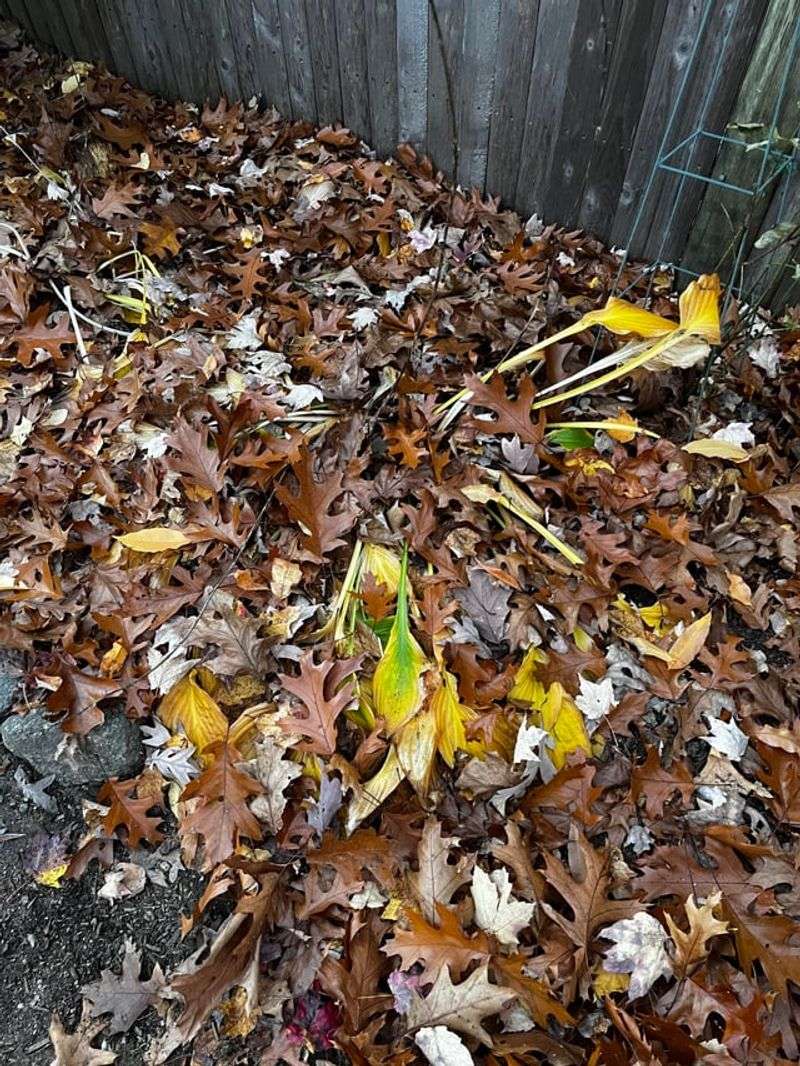
Most fall cleanups end the same way in Ohio, with a big mound of leaves shoved behind the shed. That neat lawn now hides a problem sitting twenty feet away.
Piles parked along fences, stone walls, and woodland edges become prime real estate for eight-legged hitchhikers. Leaf litter gives them shade, moisture, and a place to wait.
Ticks do not travel far on their own, so they stay close to cover. A heap of raked material is basically a hotel with a front door.
Raking is still worth doing, since bare turf dries quickly and offers almost no shelter. The mistake is where the leaves land afterward.
The trouble grows when that pile sits a few steps from a play set or dog run. Pets brush past it daily and carry passengers inside.
Landscapers see this every September, when weekend warriors rake fast and haul slow. The pile stays for weeks, then settles into a soggy mat by November.
Moving debris to the curb, a covered bin, or a hot compost pile solves most of it. Distance from the house matters more than people expect.
Keep at least thirty feet between stored yard waste and any spot where kids sit. That single change shrinks the risk without extra spraying.
Check behind the garage, under the deck stairs, and beside the compost bin before frost arrives. Those forgotten corners collect debris all season long.
Worth knowing, a single pile can shelter hundreds of nymphs and adults through mild weather. Nobody wants that souvenir near the patio table.
The Damp Microclimate Hidden Under A Leaf Layer
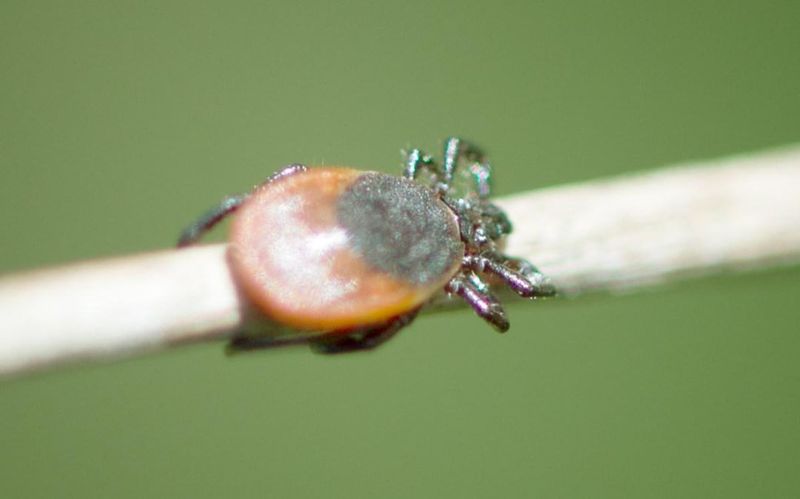
Slide your hand under a week-old leaf layer in an Ohio yard and you will feel it, cool and clammy. That pocket of humidity is the whole reason ticks thrive there.
Ticks dry out fast in open sun and wind, losing moisture through their bodies within hours. Damp litter lets them rehydrate and keep hunting.
Researchers measuring humidity under leaf mats consistently find much higher readings than the open lawn nearby, even on breezy afternoons. Lawn surfaces nearby can sit twenty points lower.
That gap explains why one side of a fence swarms while the mowed side stays quiet. Shade, moisture, and clutter work as a package deal.
Your Florida Garden Changes Every Week. Your Plan Should Too.
Gardening in Florida changes quickly throughout the season. Every Friday you’ll receive a simple weekly plan showing exactly what to plant, prune, fertilize, harvest, and protect so you never miss the right timing.
Fallen leaves also trap heat, which keeps the ground warmer than the air above it. Activity continues into late autumn because of that buffer.
Thinning the layer makes a real difference, since sunlight and airflow reach the soil again. A cleared strip along the woods line dries within a day or two.
A leaf blower moves material quickly, but follow up with a rake to lift the packed bottom layer. The wet stuff underneath matters most.
Mulch behaves the same way when it is piled thick against a foundation or fence. Two inches is plenty for most beds.
Stone walls and ivy patches hold the same clammy conditions, so they deserve attention too. Trim back growth and let sunlight through.
Think of moisture as the utility bill ticks cannot pay. Cut it off and the neighborhood empties out on its own.
Homeowners who clear border litter each September notice fewer surprises during winter dog walks. Small habit, real payoff.
Autumn Activity Peaks And The September Overlap
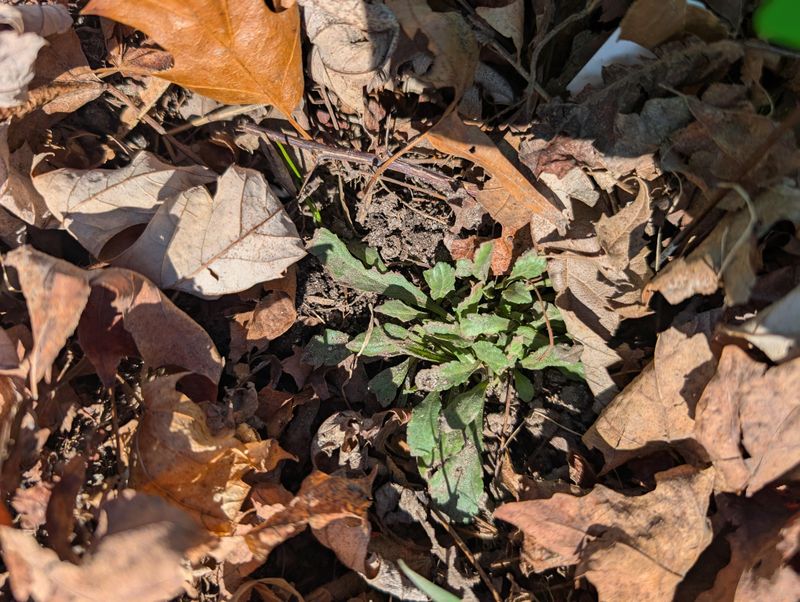
Fall does not mean a break from ticks in Ohio, which surprises plenty of gardeners. Adult blacklegged ticks are just getting started when the leaves turn.
Nymphs stay active through late summer, and adults climb grass stems from October into December. September sits right in the middle of that handoff.
Cooler air feels pleasant to people, and it feels pleasant to ticks as well. Anything above freezing can bring them back to the surface.
Cleanup season lines up with that activity window almost perfectly. You are raking exactly when the largest, hungriest adults are looking for a ride.
Long sleeves, tucked socks, and light-colored pants sound old-fashioned, yet they work during yard work. A quick mirror check afterward costs two minutes.
Permethrin-treated gloves and boots hold up through several washes and protect hands while hauling brush. Treat clothing, not skin, with that product.
Morning dew keeps grass humid until midday, so afternoon raking tends to be a drier bet. Timing your work helps more than you would guess.
Toss work clothes straight into a hot dryer for ten minutes before washing. Heat handles hitchhikers that water alone misses.
Warm spells in November can wake adults right back up after a frost. A single frosty night does not end the season.
One more September quirk, deer move through neighborhoods more often as acorns drop. Their route becomes your yard’s delivery service.
Plan border cleanup for a dry, sunny stretch and finish before heavy rain arrives. The ground stays easier to work, too.
Proper Disposal Of Leaves, Clippings, And Brush
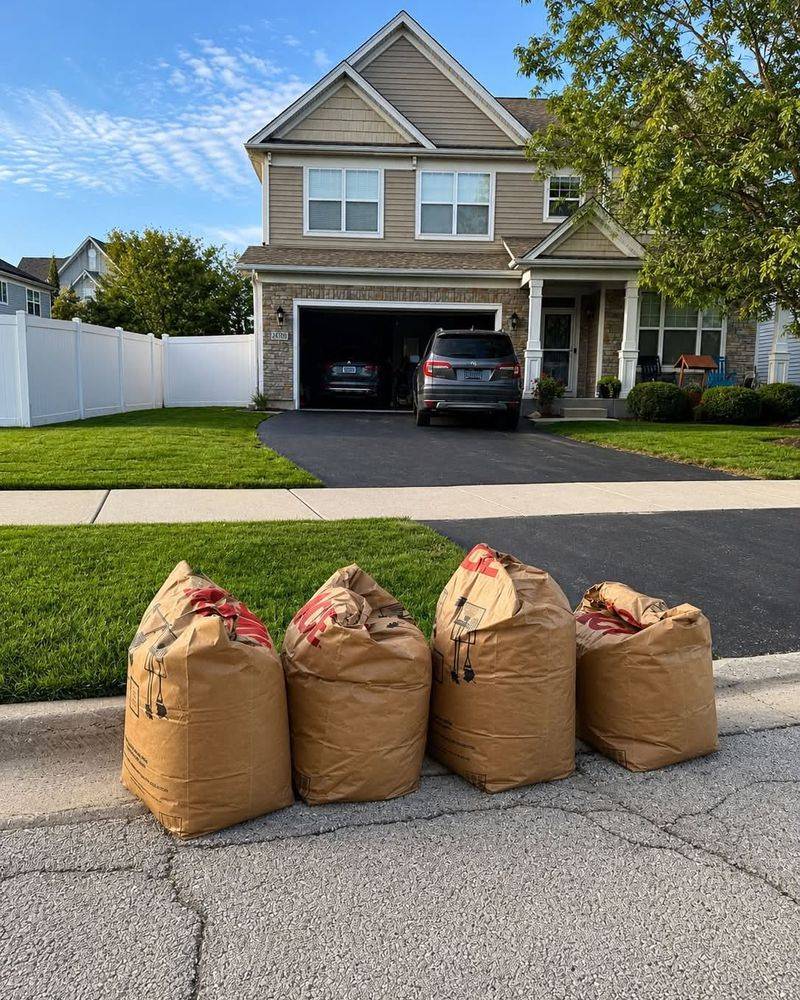
Hauling matters as much as raking in Ohio, though it rarely gets the same attention. Where the debris ends up decides how much your work actually helped.
Municipal pickup is the easiest route, since bagged material leaves the property entirely. Check your town calendar, because fall routes fill quickly.
Paper lawn bags break down at the transfer station and hold damp leaves without tearing. Fill them in the driveway, not on the grass.
Hot composting works when the pile reaches roughly one hundred thirty degrees and gets turned regularly. Cold, forgotten piles do the opposite.
Set any compost bin well away from walkways, swing sets, and the back door. Thirty feet is a reasonable minimum for most yards.
Brush piles left for wildlife sound generous, and they do shelter rabbits and mice happily. Those same rodents are the main source of tick infections.
If you want a habitat pile, tuck it at the far corner of the property line. Keep a mowed buffer between it and the lawn.
Chipping branches into mulch is fine, as long as the finished layer stays thin and dry. Thick, soggy mulch recreates the original problem.
Burning is restricted in many areas during dry autumn weeks, so check local rules first. Fines cost more than a few paper bags.
Rinse the tarp and rake afterward and store them upright in the garage. Small gear can carry small passengers.
Finish the job the same weekend you start it whenever possible. A pile that sits for a month becomes furniture.
A Dry, Sunlit Lawn And Fewer Hiding Spots
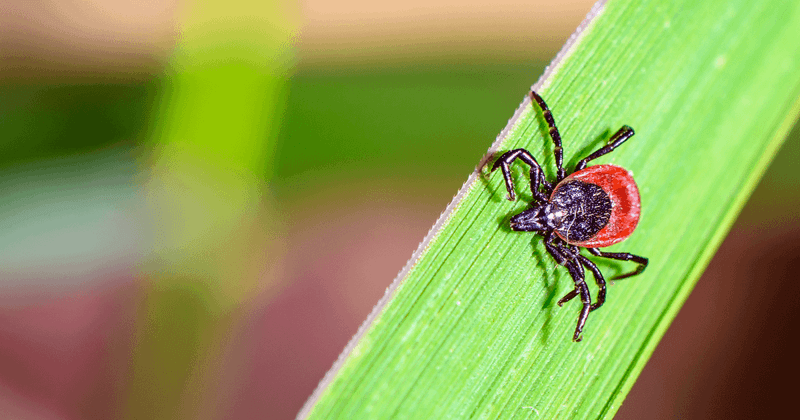
Picture two yards on the same Ohio street after a proper October cleanup. One border stays shaded and littered, the other catches sun by nine.
The sunny yard loses its tick population fast, because exposed ground pulls moisture out of hiding spots. Ticks retreat toward the woods instead.
Studies of suburban properties found most tick encounters happen within thirty feet of the lawn edge. Clearing that strip removes the crossing point.
Wood chip or gravel barriers along the tree line work surprisingly well as a visual reminder. Kids learn where the lawn stops.
Pruning low branches lets afternoon light reach the fence line and dries the soil underneath. Airflow does half the job for free.
Mowing stays useful through September, keeping grass near three inches instead of shaggy and damp. Short turf heats up and dries quickly.
Clear leaves out of window wells, gutters, and stairwells during the same pass. Those pockets hold moisture long after the lawn dries.
Pets benefit immediately, since dogs tend to nose exactly where debris collects. Fewer piles means fewer checks at the door.
A well-lit yard also discourages mice, which prefer covered runways between food and shelter. Break the cover and they relocate.
Expect the difference to show up next spring rather than next week. Populations respond to habitat over a full season.
Neighbors often ask what changed about the yard. The honest answer is usually a rake and a little patience.
The payoff feels ordinary, which is exactly the point. Boring borders make for relaxed evenings outside.
Border Maintenance That Carries Into Winter
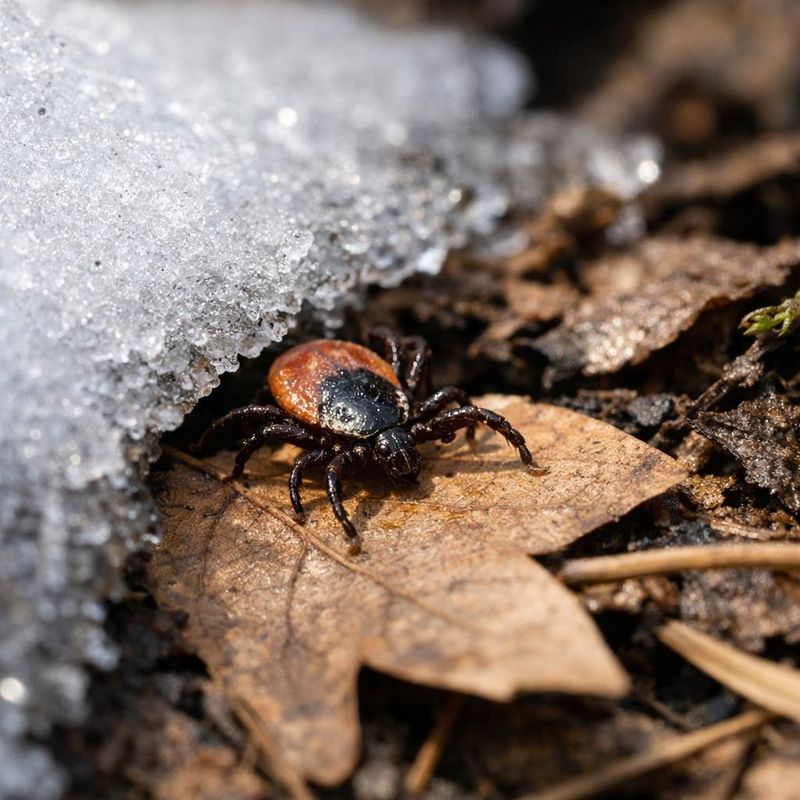
Cleanup is not a one-weekend event in Ohio, no matter how ambitious the Saturday plan looks. Leaves keep falling through November in most regions.
A second pass in late autumn catches everything the first round missed along fences and beds. Twenty minutes with a rake handles it.
Snow cover insulates the ground, and leaf litter underneath makes that blanket even cozier. Ticks overwinter comfortably in those conditions.
Clearing borders before the first snowfall removes that insulation and exposes them to freeze-thaw swings. Fewer survive until spring.
Fencing out deer, even with a simple four-foot barrier around gardens, cuts the delivery route. Deer carry adult ticks straight to your hedges.
Bird feeders and fallen fruit draw rodents, so move them away from patios and doorways. Clean spilled seed weekly during cold months.
Mark a spring reminder now for an April raking session before greenery hides everything. Early cleanup beats fighting through overgrowth later.
Gardeners sometimes leave beds messy for pollinators, which is a fair trade in back corners. Just keep high-traffic areas swept and open.
Check the dog after every walk through tall grass, even in December. Warm spells keep adults hunting between cold snaps.
Keep a tick removal tool in the kitchen drawer beside the scissors. Quick removal lowers the chance of illness considerably.
Habit beats heroics here, and a rake by the back door makes the habit easy. Your future self will appreciate the tidy edges.
Winter yards look bare, yet the edges still tell the story. Tidy ones stay quiet come May.