8 Native Prairie Plants Going To Seed Across Iowa Yards And Roadsides Right Now
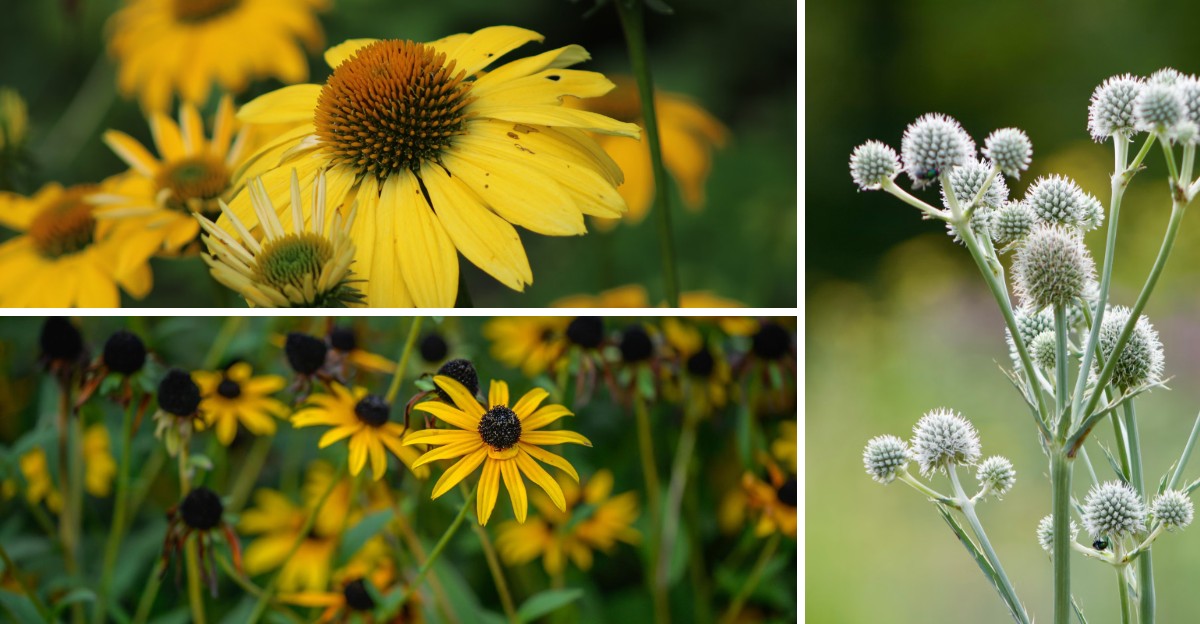
You walk past that brown ditch thinking the show ended weeks ago. Surprise. Those rattling stems hold seed heads timed for next spring. Coneflowers, rattlesnake master, and wild indigo spent summer packing them.
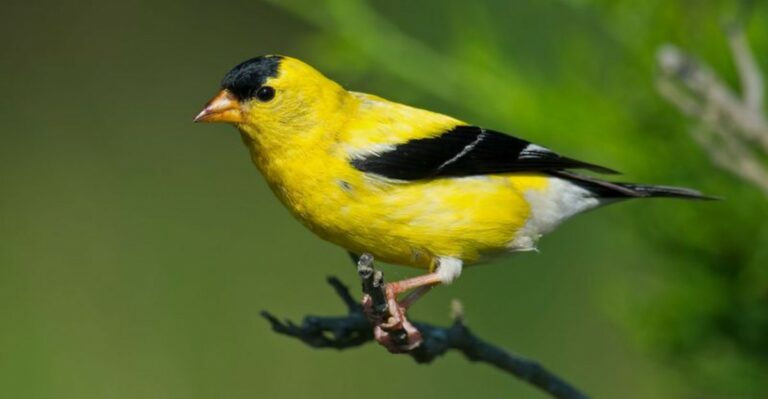
Goldfinches noticed. Iowa’s state bird nests late, waiting for thistle down and coneflower seed. Parents fill their chicks with seed while other songbirds head south.
Milkweed pods crack open and release silk-tailed seeds across your lawn. Beggarticks hitch rides on your socks with tiny hooked prongs. Meanwhile, you control the pantry.
Cutting back stems now takes shelter and food from finches, sparrows, and overwintering bees. Leaving them standing feeds hungry wildlife through winter and thickens next spring’s stand.
Farmland replaced nearly all of Iowa’s original tallgrass prairie. Ditches, roadsides, and backyard beds now carry what remains. Here is exactly what you leave, what you cut, and when.
1. Common Milkweed With Its Silky Bursting Pods
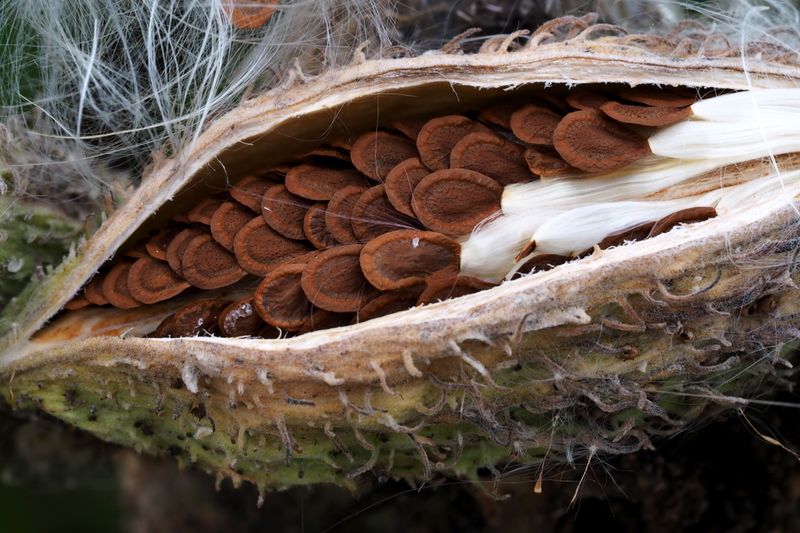
Kids across Iowa have split open these pods for generations, just to watch the silk drift free. Right now, the warty green pods are turning brown and cracking along one seam.
Inside, flat brown seeds are stacked like fish scales, each one tied to a silky parachute. A good gust of September wind can carry them across a whole field.
Monarch butterflies depend on this plant, since their caterpillars feed only on milkweed. Planting milkweed in Iowa supports the monarchs that breed here before flying south to Mexico.
Want to lend a hand to the monarchs this fall? Collect pods once they turn brown and the seam splits with a gentle squeeze.
Pull the seeds off the fluff by holding the silk and scraping downward with your thumb. Doing this inside a paper bag keeps the fluff from floating all over your kitchen.
Milkweed seeds need a cold, damp winter before they sprout. Scatter them on bare soil in late fall, and nature handles the chilling for free.
Roadside plants are often mowed or sprayed, so ask before collecting on public land. Taking just a few pods from each patch leaves plenty behind for wildlife.
Fun fact: during World War II, kids gathered milkweed floss to stuff life jackets for sailors. Schools across the Midwest organized collection drives to gather as many bags as possible.
So if you spot a crackling pod on a roadside, give it a little credit. That humble weed has been a hero for butterflies and people alike.
2. Purple Coneflower With Its Spiky Bird Buffet
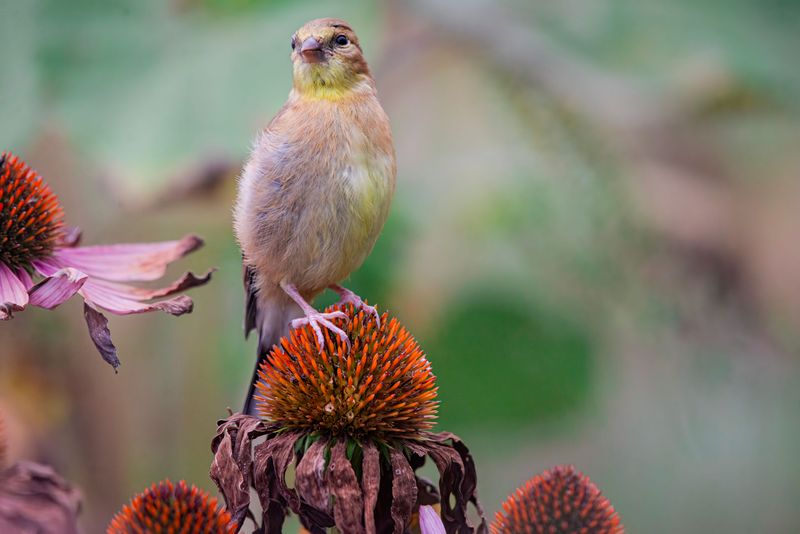
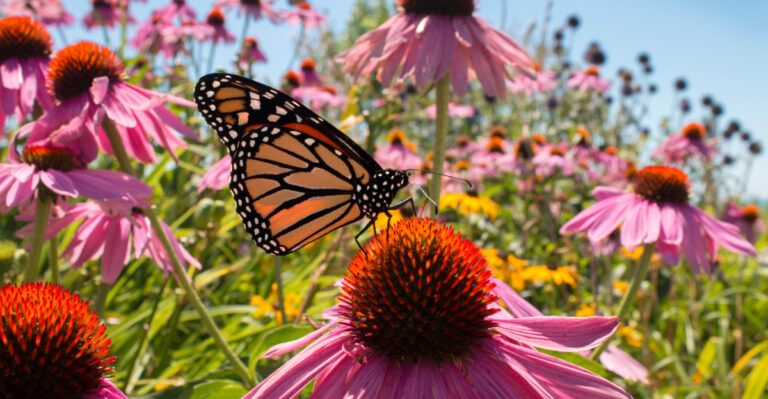
Goldfinches treat a patch of coneflowers like an all-you-can-eat buffet with no closing time. The petals have drooped and faded, but the spiky cones have turned dark brown and heavy with seeds.
Resist the urge to chop off those scruffy heads during your fall cleanup. Leaving them standing feeds hungry birds well into the snowy months of winter.
Native coneflowers also feed bees and butterflies earlier in summer, so they pull double duty. In Iowa’s wild prairies, their close cousin, pale purple coneflower, is even more common. Few garden plants give wildlife this much help from July through February.
Your Iowa Garden Changes Every Week. Your Plan Should Too.
Gardening in Iowa changes quickly throughout the season. Every Friday you’ll receive a simple weekly plan showing exactly what to plant, prune, fertilize, harvest, and protect so you never miss the right timing.
Touch a ripe cone and you will notice it feels sharp, almost like a tiny hairbrush. Its science name, Echinacea, comes from the Greek word for hedgehog.
Collecting seeds is easy but a little ouchy, so grab a pair of garden gloves first. Snip a few brown cones and drop them into a paper bag to dry.
After a week or two, rub the cones over a bowl to loosen the seeds. The seeds are small, grayish, and shaped a bit like tiny arrowheads.
Plant them in fall on top of the soil, pressing them down lightly with your hand. Winter cold wakes them up, and sprouts often appear in May or early June.
Coneflowers are tough cookies that shrug off drought, clay soil, and the hot Iowa sun. Once settled, a single clump can bloom for many years with very little fuss.
Plus, they spread slowly by dropping their own seeds nearby. You might find a few surprise babies popping up next summer, like free bonus plants.
3. Black-Eyed Susan With Its Dark Button Centers
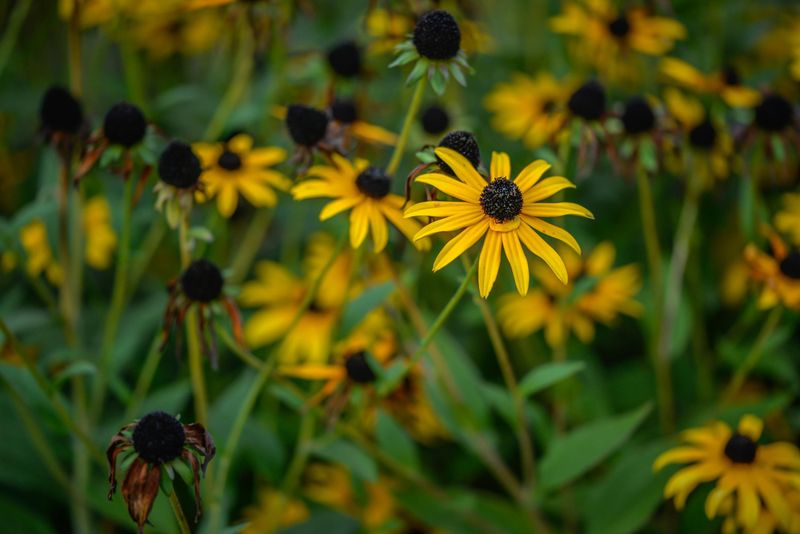
Grandma’s garden probably had a few of these cheerful yellow faces nodding by the fence. By September, most of the golden petals have curled away, leaving those famous dark centers behind.
Each brown button is actually a tight cluster of hundreds of tiny flowers. After blooming, each pollinated flower can turn into a single black seed.
That means one plant can make thousands of seeds in a single season. No wonder these sunny faces pop up along so many gravel roads in the state.
Black-eyed Susans usually live only two or three years, so seeds keep the show going. Letting a few heads drop seeds in your yard is like planting next year for free.
To gather some yourself, wait until the centers look dry and crumbly. Then snip the heads and crush them gently between your fingers over a paper plate.
The seeds are super tiny, a lot like ground pepper, so work on a calm day. A sneeze or breeze could send your whole harvest flying.
Scatter them on loose, bare dirt in fall and skip covering them with soil. They need sunlight to sprout, so a light press with your shoe works best.
Finches and sparrows will peck at any heads you leave standing through the winter. Snow sitting on those dark buttons makes a pretty picture from the kitchen window.
Here is a sweet bit of trivia: this flower is the state flower of Maryland. Iowa’s state flower is the wild prairie rose, but black-eyed Susans still bloom in prairies from Sioux City to Davenport.
4. Wild Bergamot With Its Fragrant Seed Heads
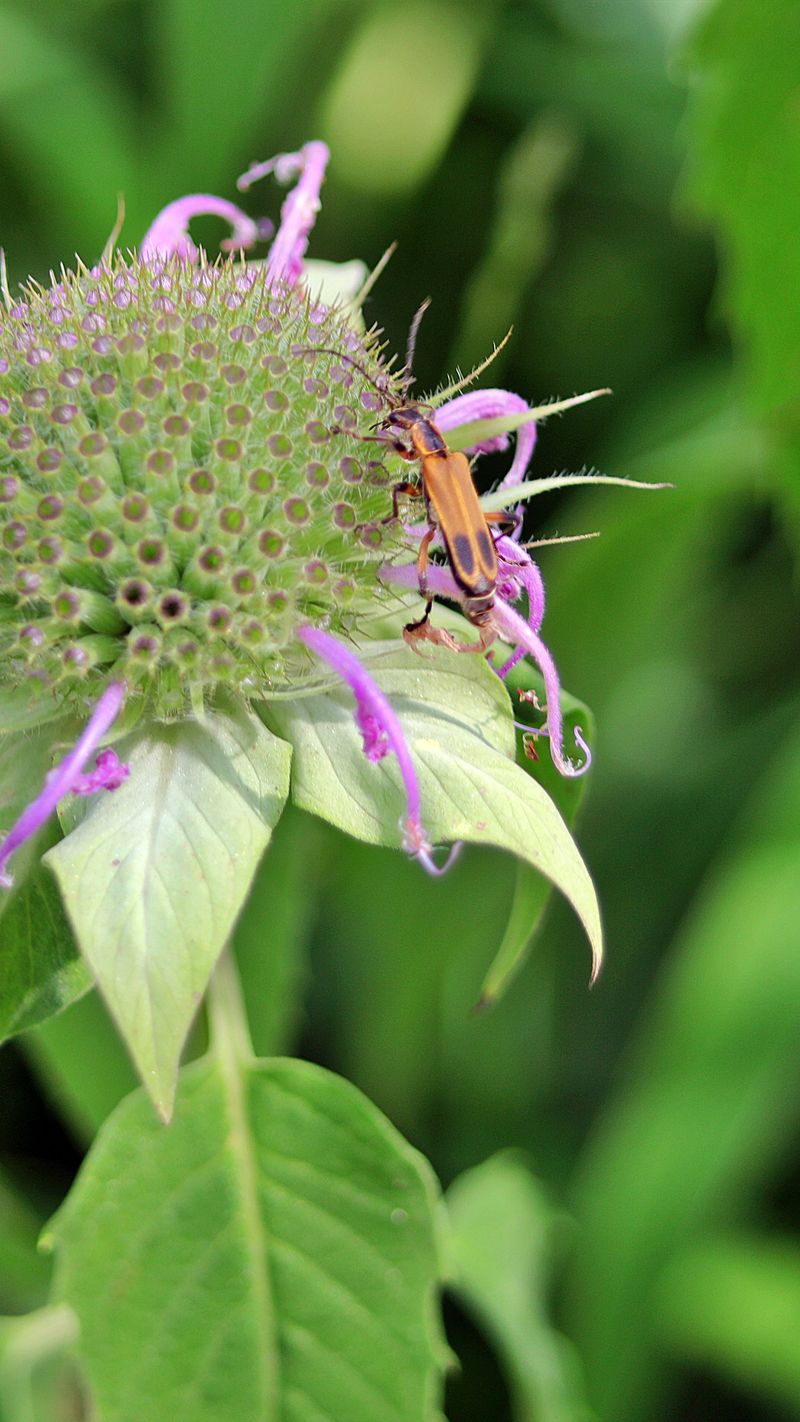
Rub a dry seed head between your fingers, and your hands will smell like oregano pizza. That spicy scent comes from wild bergamot, a prairie cousin of mint that loves Iowa roadsides.
Back in July, the plant wore shaggy lavender blooms that bees and hummingbirds adored. Now those blooms have faded into round, gray-brown puffs that look like tiny fuzzy pincushions.
Each puff holds dozens of little tubes, and each tube hides a few very small seeds. Tip a head upside down over your palm and tap it to see them fall out.
The seeds are dark brown and roughly the size of a single poppy seed. Late September into October is a great window for collecting them in most parts of Iowa.
Native Americans brewed the fragrant leaves into tea to soothe colds and upset stomachs. You can still dry the leaves today for a warm, peppery drink on chilly nights.
Planting bergamot is simple, since it grows happily in full sun or light shade. Sprinkle the seeds over freshly raked soil in late fall and let winter do its magic.
One small warning: the leaves can get a white, dusty coating called powdery mildew by late summer. It looks a bit shabby, but it rarely bothers the plant or the seeds.
Deer and rabbits usually skip this plant because of its strong, herby smell. That makes it a smart pick for yards where hungry critters munch everything else in sight.
5. Rattlesnake Master With Its Prickly Round Balls
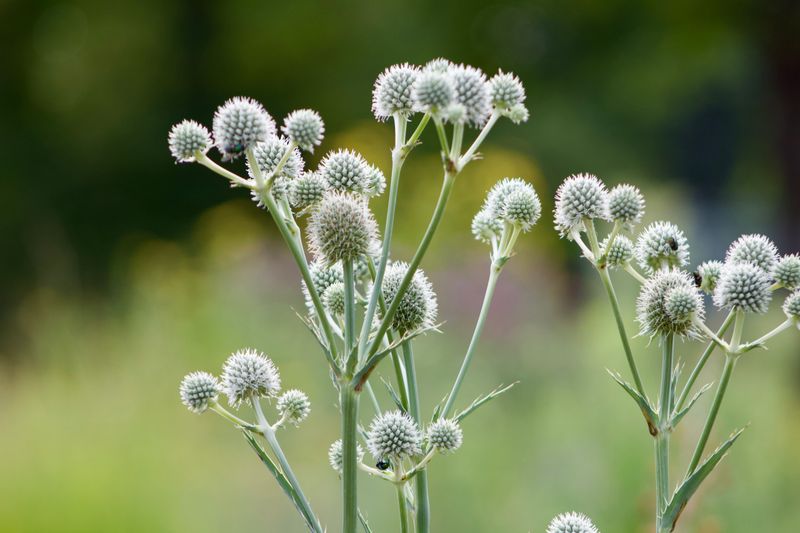
With a name like that, you might expect a tough cowboy instead of a prairie plant. Rattlesnake master looks more like something from outer space, with spiky leaves and round, prickly balls.
Pioneers once believed its roots could treat snakebites, which is how it earned the bold name. Sadly, there is no proof that it works, so please stick with a doctor.
In September, those greenish-white globes turn tan and dry, like little golf balls on sticks. Each one is packed with small, flat seeds tucked between papery scales.
Its leaves are long and stiff, with soft spines along the edges, much like a yucca. People often mistake it for a desert plant that wandered into Iowa by accident.
Oddly enough, it belongs to the carrot family, which surprises nearly everyone who hears it. Pollinators, especially wasps and beetles, swarm its blooms in midsummer.
Look for it in restored prairies and along some county roads in eastern and southern Iowa. Once you know its shape, you will start spotting those spiky globes everywhere.
Gathering seeds takes a bit of patience, since the heads hold on tight well into winter. Snip a few dry balls, let them sit in a bag, then shake hard.
The seeds need a long, cold, wet rest before they will sprout in spring. Fall planting outdoors is the easiest way to give them that chilly nap.
In a garden, this oddball adds instant drama next to softer flowers and grasses. Just be patient, because young plants often take two or three years to bloom.
6. Compass Plant With Its Towering Seed Stalks
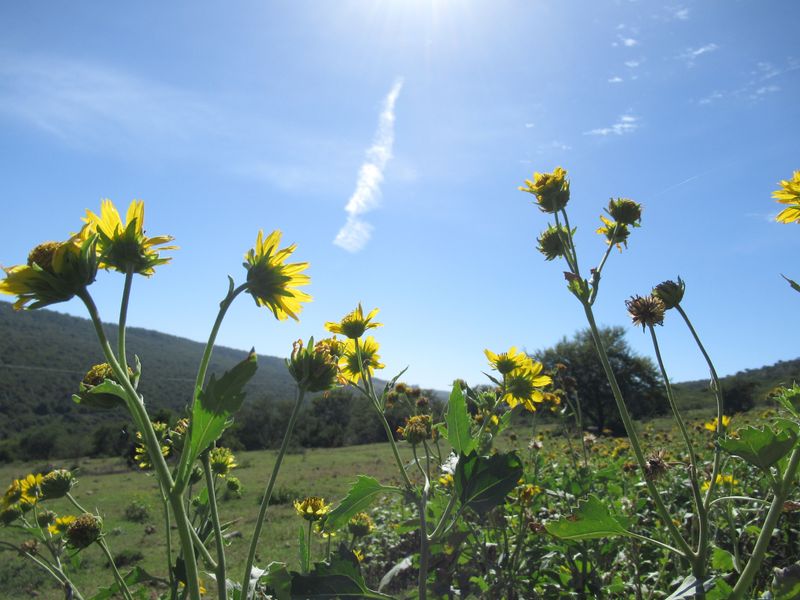
Settlers crossing the tall grass prairie claimed they could find north just by looking at one plant. The compass plant turns its huge, deeply cut leaves so their edges point north and south.
That clever trick helps the leaves dodge the harsh midday sun and save water. It works best in open sun, so plants in shady spots may point any old way.
Lately, its flower stalks tower over roadside ditches, sometimes reaching 8 to 10 feet tall. The cheerful yellow blooms are gone, replaced by clusters of flat, papery seeds.
Those seeds are big enough to spot easily, about the size of a sunflower seed. Goldfinches and other birds pry them loose, so collect yours before the flocks arrive.
Deep below the ground, a compass plant grows a taproot that can stretch 15 feet down. That massive root helps it survive droughts, fires, and frigid Iowa winters with ease.
It also means you cannot dig one up and move it, so start from seed instead. Plant fresh seeds in fall about half an inch deep in a bright, sunny spot.
Patience matters here, because seedlings spend their first years building roots instead of flowers. Expect to wait three to five long years before that first tall stalk shoots up.
Pioneer kids once chewed the sticky sap from broken stems like a homemade chewing gum. Snap a stem on a warm day, and you can still see those golden resin drops.
7. Big Bluestem With Its Turkey Foot Tassels
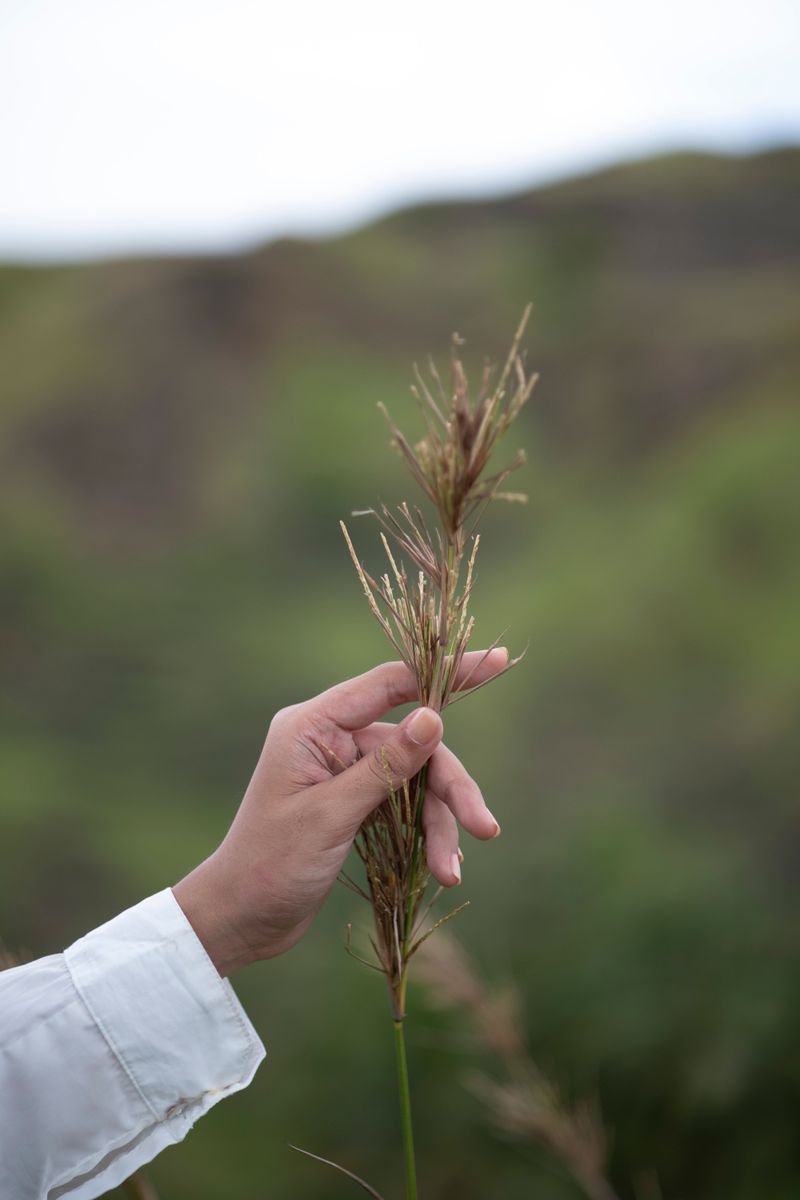
Before farms and highways, tall prairie grass covered most of Iowa. Big bluestem was the king of that prairie, and it is still showing off along roadsides today.
Look for three-pronged seed heads at the top of each stalk, shaped just like a turkey’s foot. That look gives the grass its popular nickname, turkeyfoot, among farmers and prairie fans.
As fall settles in, the stems blush from blue-green to shades of copper, red, and purple. On a sunny afternoon, a whole ditch can glow like embers in the low light.
The seeds ripen slowly, and each tiny seed carries a twisted bristle called an awn. Run your hand up the stalk in late September, and ripe seeds will slide off easily.
Underground, the roots can dig down more than 6 feet, holding soil in place like a net. Those roots also help rainwater soak in, which cuts down on flooding and muddy runoff.
Cattle and bison loved this grass so much that ranchers called it ice cream for livestock. Birds and small mammals also hide in the thick clumps during cold Iowa winters.
For a home yard, big bluestem works best as a tall backdrop or a privacy screen. It can grow 6 to 8 feet, so give it a sunny spot with room to stretch.
Sow the seeds in late fall or early spring, raking them lightly into bare soil. By the third summer, you will have your own little piece of old Iowa.
8. Gray-Headed Coneflower With Its Tiny Thimble Heads
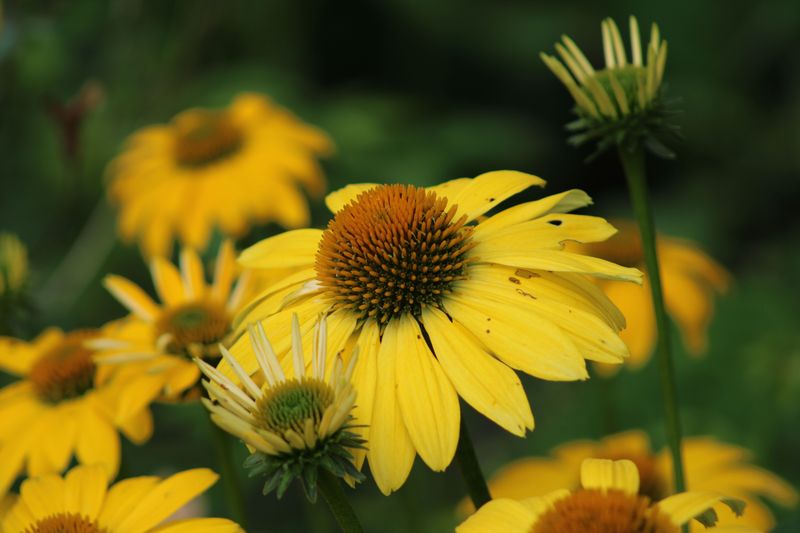
Summer’s floppiest flower becomes one of fall’s best-smelling seed heads. Crush a little brown cone of gray-headed coneflower, and the air suddenly smells like lemonade.
Midsummer brings yellow petals that droop straight down like a badly made umbrella. Now the petals are gone, and the tall, thimble-shaped centers have turned from gray to chocolate brown.
Those brown centers are packed with small, gray seeds that loosen easily when ripe. Roll a head between your thumb and finger, and seeds should crumble right out.
If they cling tightly, give them another week or two on the stem. Collecting too early leaves you with pale seeds that may not sprout next spring.
Among prairie flowers, it ranks as one of the easiest to grow, making it perfect for beginners. It handles clay, sandy soil, and dry spells without much complaint, though it prefers soil that drains well.
Scatter the seeds on bare ground in fall, and many will sprout by late spring. Some plants bloom in their second summer, which is quick for a prairie native.
Gray-headed coneflower grows 3 to 5 feet tall, and its slim stems sway in every breeze. Planting it in a group helps the stems lean on each other for support.
Goldfinches love picking at the heads, so leave a few standing for them. Watching a tiny bird balance on a swaying stalk beats most TV shows.
Plant it in a sunny spot where you walk often, like beside a path or mailbox. That way, you can give the heads a quick squeeze and enjoy the lemony smell.