Why Virginia Trees Can Still Fall Days After the Storm
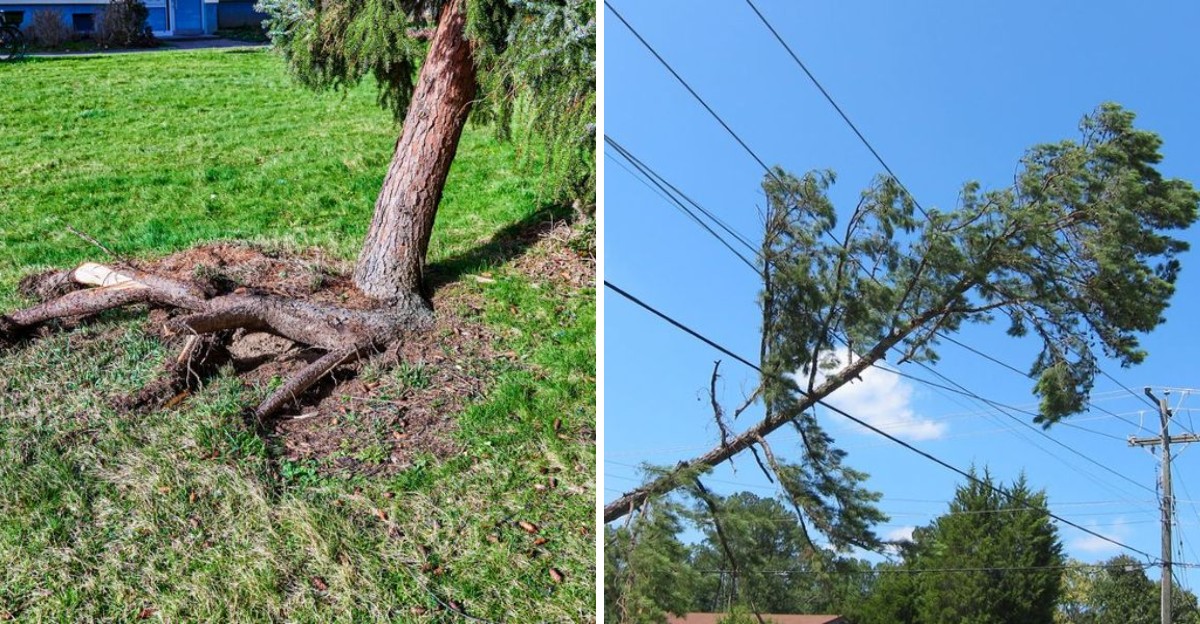
A big oak can ride out a howling storm and then tip over on a calm, sunny afternoon two days later. I watched it happen down the street once, and my jaw hit the driveway.
The trunk looked fine. The branches looked fine. The real trouble was hiding underground, where the roots had lost their grip.
Rain does sneaky work after the clouds move on. Water keeps soaking through the soil for hours and even days, and the ground can stay soft long after your lawn looks dry. Here in Virginia, plenty of yards sit on dense clay that holds water like a bathtub with a slow drain.
I used to think the danger ended when the wind stopped. Now I know better, and I walk my yard with fresh eyes after every soaker. So what is that soggy ground really doing to the trees you love most?
The Trouble Starts Under The Roots Of That Calm-Looking Tree
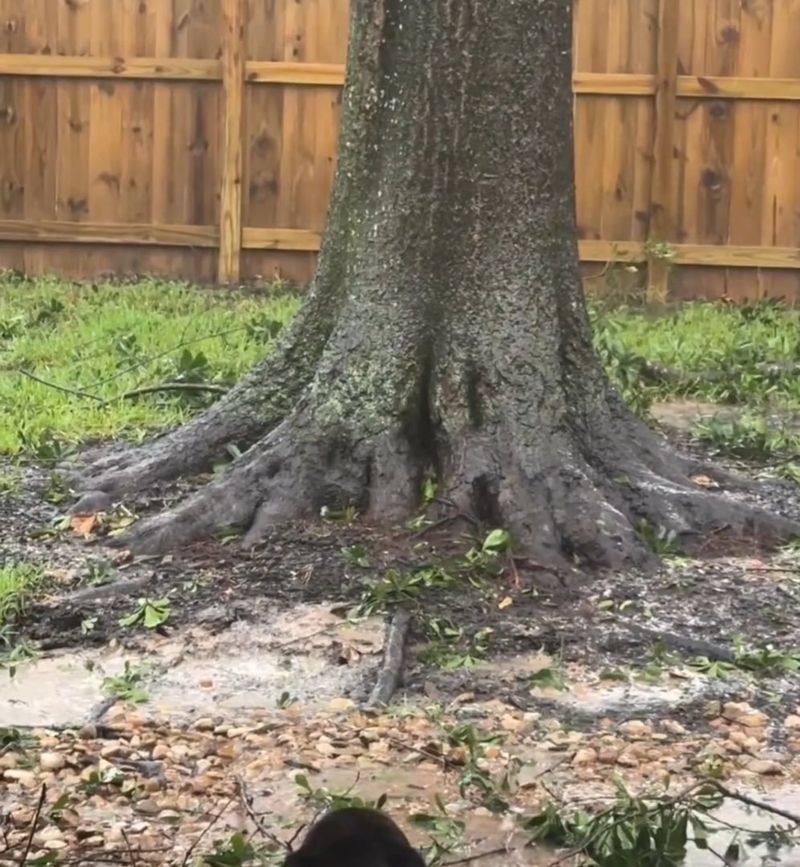
A tree is only as strong as the ground holding it. When I learned that, storm cleanup in my yard started to look a lot different.
Healthy soil has a mix of mineral bits, water, and tiny air pockets. Roots wedge into that mix and use friction to stay put.
After heavy rain, water fills those air pockets, and the soil grains slide past each other much more easily.
Arborists describe the result simply. Wet soil loses strength, so roots lose their grip.
The tree’s anchor gets weaker even though nothing above ground looks wrong.
Wind then becomes the second half of the problem. A gust that a tree would shrug off in dry weather can now pry the whole root system loose.
Sometimes it takes only a moderate breeze, not a big storm.
That explains the head-scratching timing. The soil can stay saturated for a day or more after rain ends, and new wind often blows in behind a passing front.
Put those two things together, and a tree that survived the storm may still go over later.
So the danger window does not slam shut when the thunder fades. If your ground is still squishy and the forecast calls for gusty winds, give large trees near your house some extra attention and respect.
Soggy Ground Turns A Root Plate Into A Loose Anchor
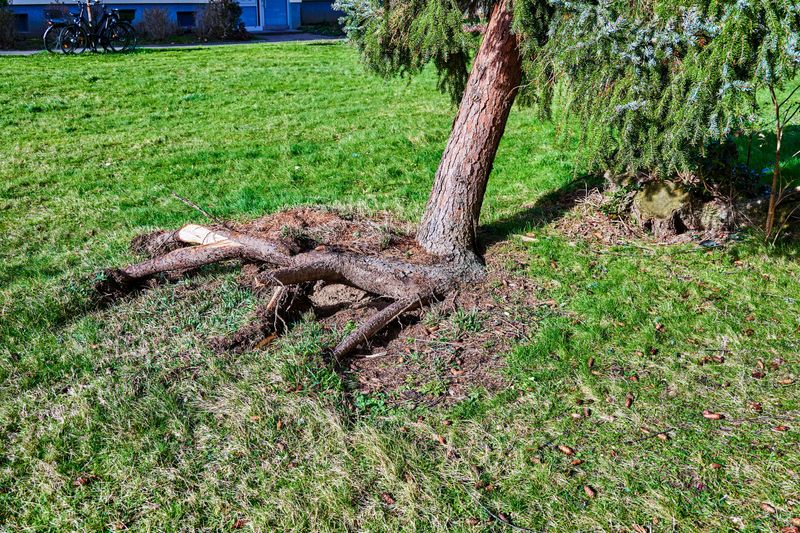
Most folks picture tree roots as deep carrots going straight down. In reality, most roots live in the top foot or two of soil and spread far wider than the branches.
The center of that system is called the root plate. It is the thick zone of big structural roots near the trunk, and it acts like the base of a lamp.
When the plate stays locked in firm soil, the tree stands tall.
Saturation changes the game fast. Wet soil around the plate behaves more like thick mud, so the plate can rock and lift with each gust.
Over time, that rocking tears small roots and loosens the soil even more.
I compare it to wiggling a fence post after a rainy week. The post comes out far easier than it would in July.
Trees follow the same physics, just on a giant scale.
Oxygen matters too. Roots need air to work, and waterlogged soil cuts off that supply.
Short soakings are usually fine, but long or repeated flooding can weaken roots and invite rot.
Your takeaway is practical. After a long, heavy rain, treat the soil as the weak link, not the trunk.
A firm-looking tree on soft ground deserves a careful look before you assume it is safe.
Cracked Soil And A New Lean Are Your Early Warning Signs
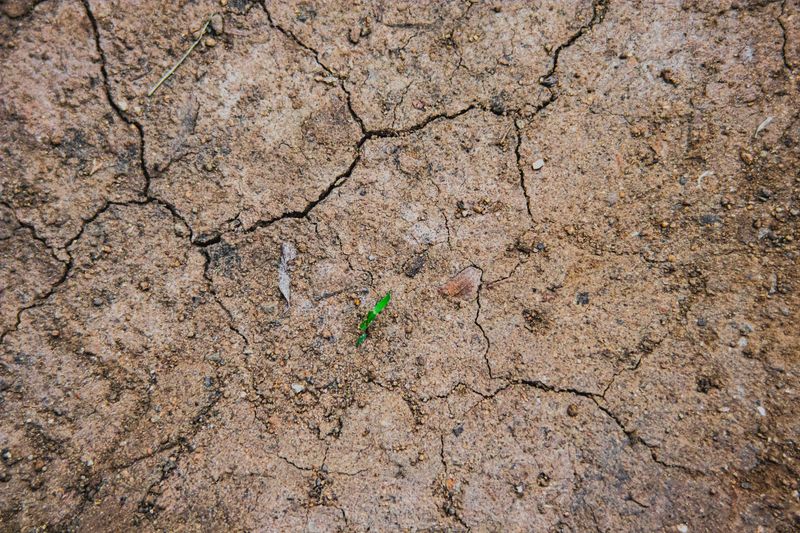
My favorite post-storm tool is a slow walk with a cup of coffee. Trees often drop hints before they fall, and most of those hints sit right at ground level.
Start at the base. Look for cracks in the soil, especially ones that curve around the trunk or run outward on one side.
A raised mound or heaving turf on the side opposite a lean is a classic red flag.
Next, step back and study the trunk. Is it leaning more than it did last week?
A sudden new lean is far more worrying than an old, gradual one that the tree has adjusted to over years.
Check for roots that suddenly peek out of the soil or look snapped. Fresh mushrooms at the base after rain can also hint at older root decay worth checking.
Snap a few photos from the same spot each day. Comparing pictures makes small changes much easier to spot than memory alone.
If you see heaving, cracking, or a fresh lean, keep people, pets, and cars away from the fall zone. A good rule is a distance about as long as the tree is tall.
Then call an ISA-certified arborist for an assessment, since a tree in that state can move without much warning.
Virginia Clay Soil Holds Rainwater Longer Than You Expect
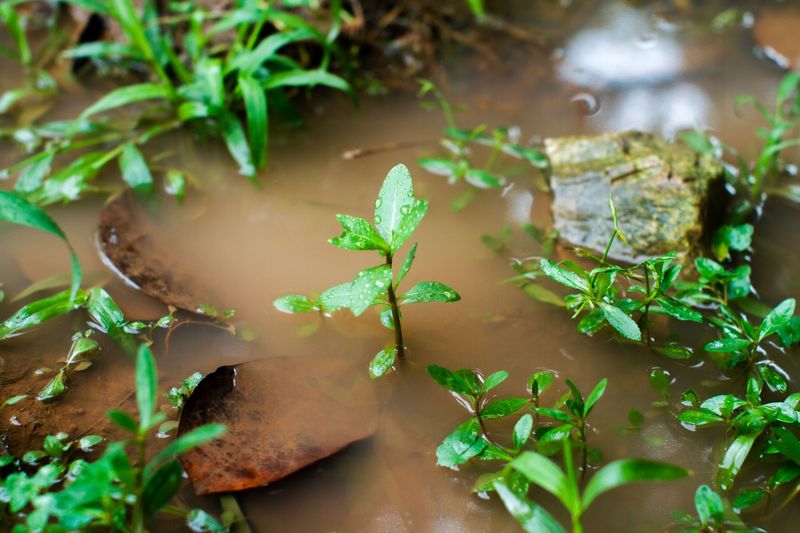
Anyone who has dug a planting hole in the Piedmont knows that sticky red clay. It clings to your shovel and your boots, and it also clings to water.
Clay particles are tiny and packed tight, so water moves through them slowly. Sandy soils can drain within hours, while clay can stay soggy for days after a big storm.
That longer wet spell means a longer stretch where trees have a weaker grip.
Virginia soils vary a lot by region. Much of the Piedmont has clay-rich subsoil, the Coastal Plain mixes sandy ground with poorly drained lowlands and high water tables, and mountain valleys can have shallow soil over rock.
Shallow rooting over rock or hardpan adds even more risk.
Your own lot matters as much as the region. Low spots, downspouts that dump onto tree roots, and yards graded so water collects near trunks all extend saturation.
Here is a simple test I use. Push a screwdriver into the soil near the drip line.
If it slides in like butter and the hole fills with water, the ground is still soaked.
Curious about your exact soil? Virginia Cooperative Extension offers soil information and testing help, and the USDA Web Soil Survey lets you look up soil types for your address for free.
Leafy Canopies Catch Wind Like Giant Sails
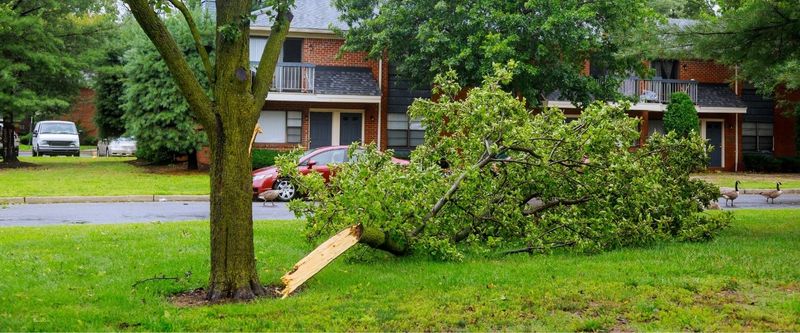
Ever notice how more trees seem to fall in summer storms than in winter ones? Leaves are a big part of that story.
A full canopy acts like a sail. Every leaf catches a bit of wind, and together they add up to a lot of push on the trunk and roots.
In winter, bare branches let much of the wind slip through.
Rain adds weight too. Wet leaves and branches are heavier, so the top of the tree carries more load right when the soil below is weakest.
That combination is rough on a loosened root plate.
Virginia gets plenty of chances for this setup. Summer thunderstorms, remnants of tropical systems in late summer and fall, and spring storms with leafed-out trees can all pair soaking rain with gusty winds.
A front that clears the rain often brings breezy, drier air right behind it.
Evergreens deserve a mention here. Pines and other conifers keep their needles all year, so they catch wind in every season, including winter nor’easters.
I keep an eye on the wind forecast for two or three days after any heavy rain. If gusts over about 30 to 40 mph are coming and the ground is still soggy, I move the car and skip lounging under the big trees.
Compacted Soil And Construction Damage Weaken The Grip
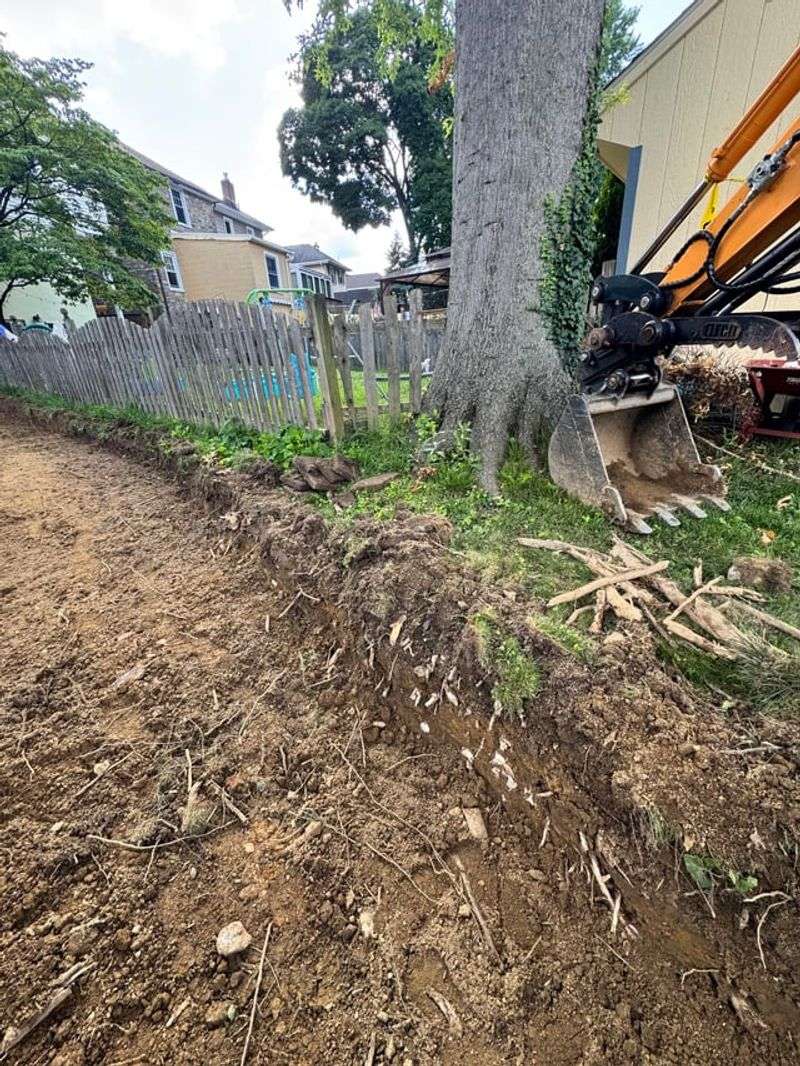
Some tree failures start years before the storm. The culprit is often a project that seemed harmless at the time.
Heavy equipment, parked cars, and steady foot traffic squeeze the air out of soil. Compacted ground drains poorly and pushes roots to stay shallow.
Shallow roots have less to hold on to when rain softens the top layer.
Construction is especially hard on trees. Trenching for utilities, adding new patios, or piling fill dirt over roots can cut or smother the very roots that anchor the tree.
Damage may not show for several years, which is why many homeowners never connect the dots.
Old root rot is another hidden factor. Decay fungi can quietly weaken big anchoring roots, and a tree with partial rot has far less margin when the soil turns soupy.
A dry spell followed by a deluge can add stress too. Drought-stressed roots may be less vigorous, and hard dry soil sheds water at first, then the saturation hits fast.
Think back on your property’s history. Was there digging, grading, or a new driveway near a big tree?
If so, that tree deserves an extra look from an arborist, especially before stormy seasons roll around.
Stay Safe Around Leaning Trees And Downed Lines
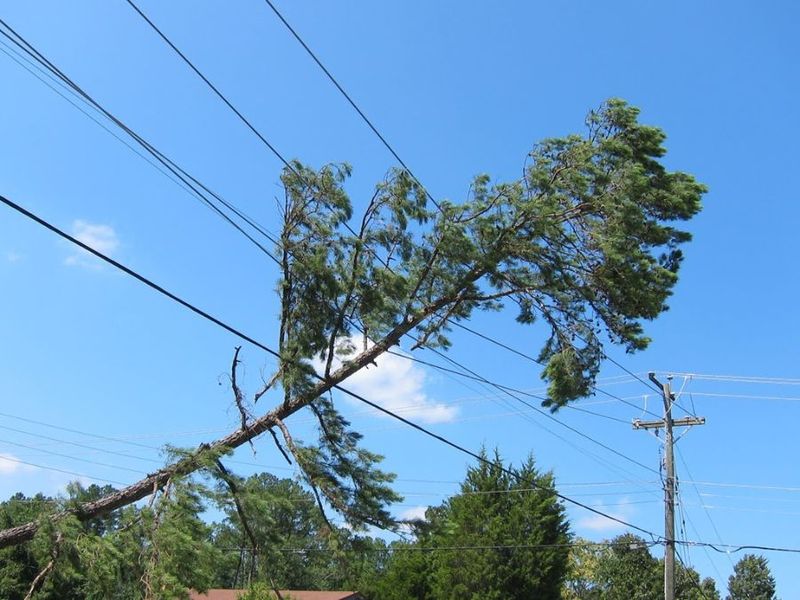
I get it. A tree leaning over the shed makes you want to grab the chainsaw right away.
Please hold off for a moment.
Trees under tension can snap or spring in surprising ways when cut. Leaning or partly uprooted trees are some of the trickiest jobs out there, even for pros.
Leave them to trained crews with the right gear.
Power lines change everything. Treat any downed or sagging line as energized, and stay well back.
In much of the state, report it to Dominion Energy, Appalachian Power, or your local electric co-op, and call 911 if there is immediate danger.
A tree touching a line can carry current into wet ground too. Keep kids and pets out of puddles and soggy spots near any tangled wires.
For your own trees, mark off the fall zone with rope or tape. Move cars, grills, and outdoor furniture out of reach.
If the tree leans toward your house, consider staying in rooms on the far side until it is checked.
When hiring help, ask for an ISA-certified arborist and proof of insurance. Be cautious with door-to-door crews who show up after storms with high-pressure pitches and cash-only deals.
Plant Sturdy Natives And Protect Roots For Storms Ahead
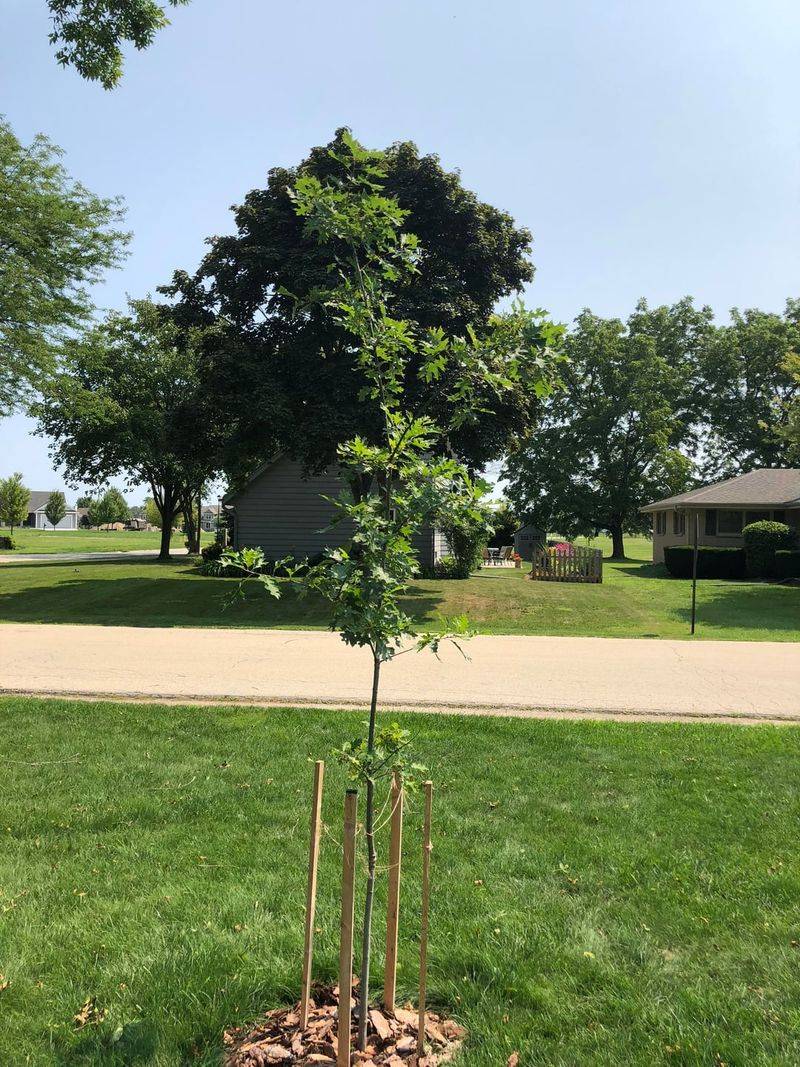
The best storm defense grows slowly, one season at a time. A little planning now can spare you a sinking feeling during the next soaker.
Choose trees with strong wood and a good track record in wind. Native oaks such as white oak and swamp white oak, plus hickories and black gum, tend to hold up well.
Bradford pear is a poor pick, since it splits easily and is invasive here, and silver maple has weak wood.
Match the tree to the site. Bald cypress and river birch handle wet spots, while other species prefer well-drained ground.
Give roots space far from foundations and driveways.
Plant at the right depth so the root flare shows at the soil line. Spread mulch two to three inches deep in a wide ring, but keep it a few inches off the trunk.
Protect the root zone from cars, heavy equipment, and piles of fill. Steer downspouts away from tree bases if water pools there.
Finally, schedule checkups with a certified arborist every few years. Good pruning removes weak limbs and improves structure without topping.
My big lesson? Healthy, well-placed trees on well-cared-for ground give you the best odds when the next storm and its soggy aftermath arrive.