Why Wasps Keep Showing Up Inside Maryland Homes On Warm Winter Days
A single insect crawling across your January window could be the only survivor of an entire summer colony. Every worker that guarded last year’s nest is gone, yet this one made it through the cold, tucked inside your walls.
Last winter I found one buzzing against my kitchen glass on a sunny 60-degree afternoon in Maryland. My coffee went cold while I watched it bump the pane, slow and clumsy, like a guest who overslept and missed the party.
To be honest, I find these visits more fascinating than scary. The sluggish flier has a job to do, and your cozy house happens to be part of the plan.
So why does a warm spell bring them out of hiding? The answer involves hidden shelters, confused body clocks, and one specific kind of insect you probably saw under your porch roof last July.
That Sleepy Wasp On Your Window Is Actually Royalty
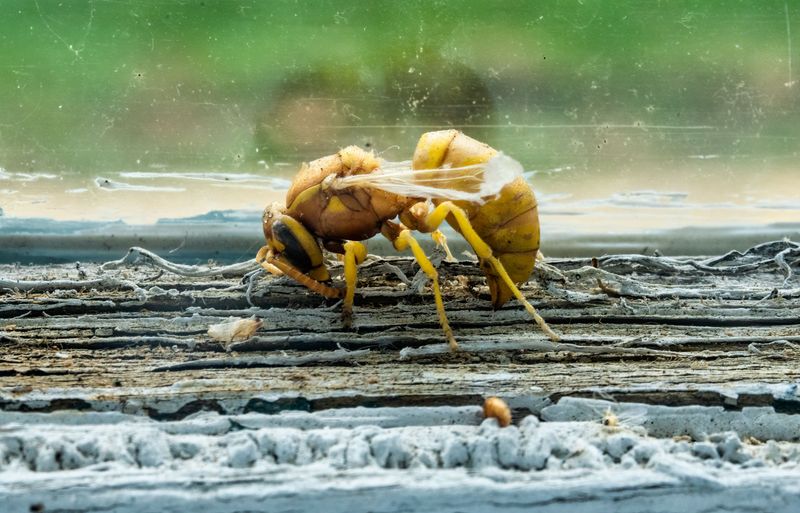
Royalty rarely shows up looking this tired. The wasp crawling on your windowsill in winter is almost certainly a young queen, and she carries the future of next year’s colony inside her body.
Social wasps like paper wasps and yellowjackets build colonies that last just one season. Workers and males fade away as hard frosts arrive in late fall. Only the queens that mated in late summer and early fall survive into winter.
Those queens need a sheltered spot to wait out the cold. In nature, they squeeze under loose bark, into hollow logs, or beneath rocks. Around people, they find attics, wall voids, gaps behind siding, window frames, and spaces around soffits.
I like to think of it as a long, quiet waiting room. The queen tucks in, slows her body way down, and simply holds on until spring. She is not nesting inside your walls, and she is not feeding or building anything there.
Knowing this changes how you see her. One lonely wasp in January is not a sign of a hidden nest humming in your ceiling. It is usually just a single queen who chose your house as her winter hideout.
A Sunny 60-Degree Afternoon Wakes Up Hidden Wasp Queens
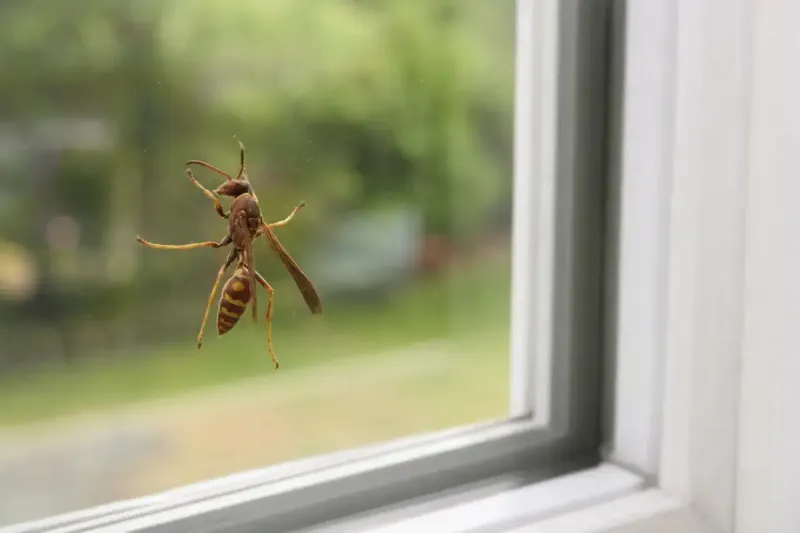
Sunshine on a south-facing wall can feel like spring to a wasp. Overwintering queens rest in a dormant state called diapause, where their metabolism drops way down to save energy through the cold months.
Warmth is the main wake-up call. Maryland winters often swing between freezing days and surprisingly mild ones, especially on the Eastern Shore and in the central part of the state near the Chesapeake Bay. When the sun heats up siding, attic spaces, or wall cavities, the queen tucked inside warms up too.
Your furnace plays a role as well. Heat leaking into wall voids and attics can nudge a resting queen into moving around. Once active, she follows her instincts and heads toward light.
Here lies the problem. Instead of finding her way outside, she often crawls the wrong direction, through a gap around a light fixture, outlet, or window trim, and ends up in your living room.
You will notice these visits cluster around warm, bright days. A string of cold, cloudy weather usually brings things to a quiet pause. Then another mild spell arrives, and suddenly a wasp is back on the curtains.
Paper Wasps Are The Most Likely Indoor Visitors
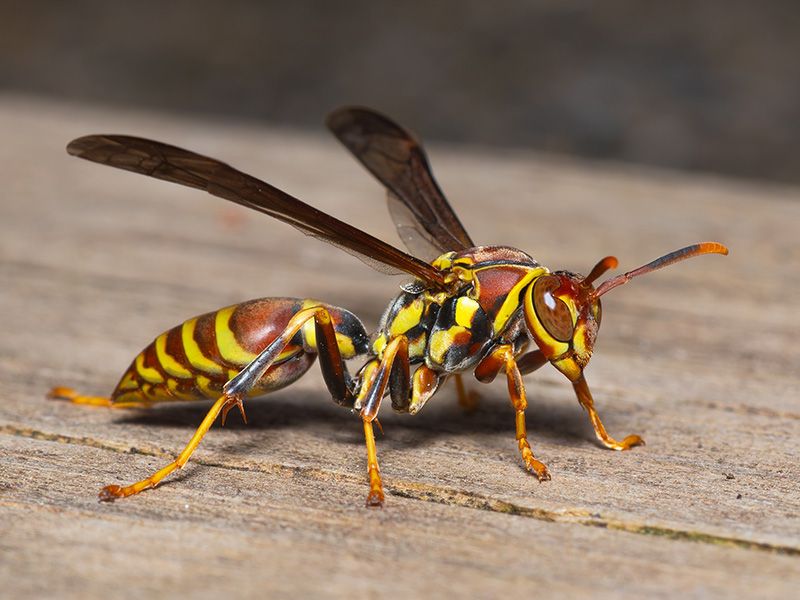
Remember that open, umbrella-shaped nest hanging from your porch ceiling last summer? Its builders are the usual suspects behind winter window visits.
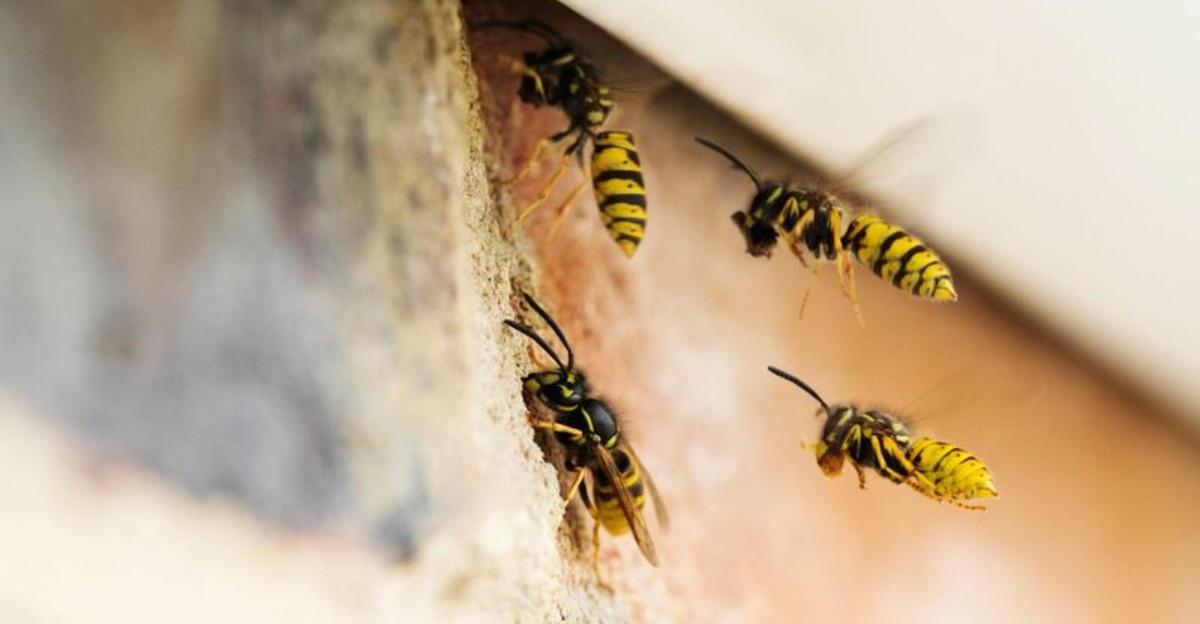
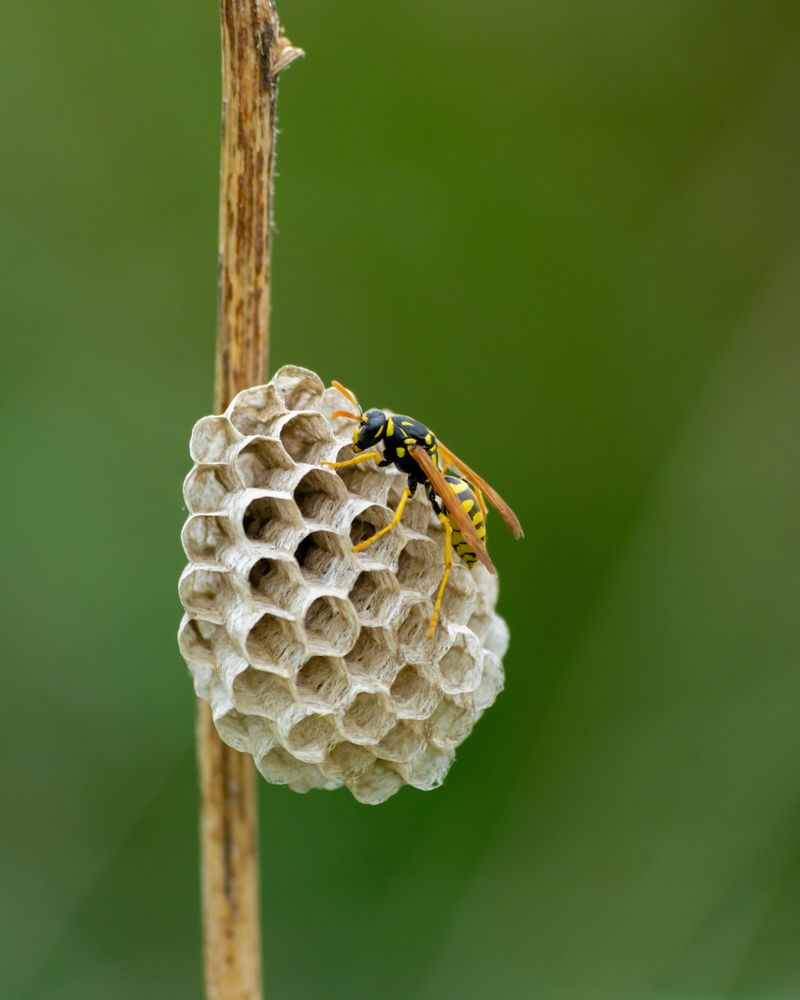
Paper wasps are slender, with long legs that dangle when they fly. In Maryland, you will commonly see the northern paper wasp, which is mostly brown with orange and yellow touches, and the European paper wasp, which looks more yellow and black like a yellowjacket.
These insects love buildings. Their queens often overwinter in the same kinds of spots where workers built nests, like eaves, shutters, and attic edges. That habit puts them very close to your living space.
Yellowjacket queens also overwinter, but they more often choose protected spots outdoors, such as under bark or in leaf litter. Bald-faced hornet queens behave in a similar way. Both can wander inside occasionally, but paper wasps lead the pack.
A quick look helps you tell them apart. Paper wasps have a thin waist and a lanky shape, while yellowjackets are stockier and fly fast with legs tucked in.
Telling the species apart matters because it hints at where they spent winter and where you should focus your sealing efforts next fall.
Slow, Wobbly Winter Wasps Are Rarely Looking For Trouble
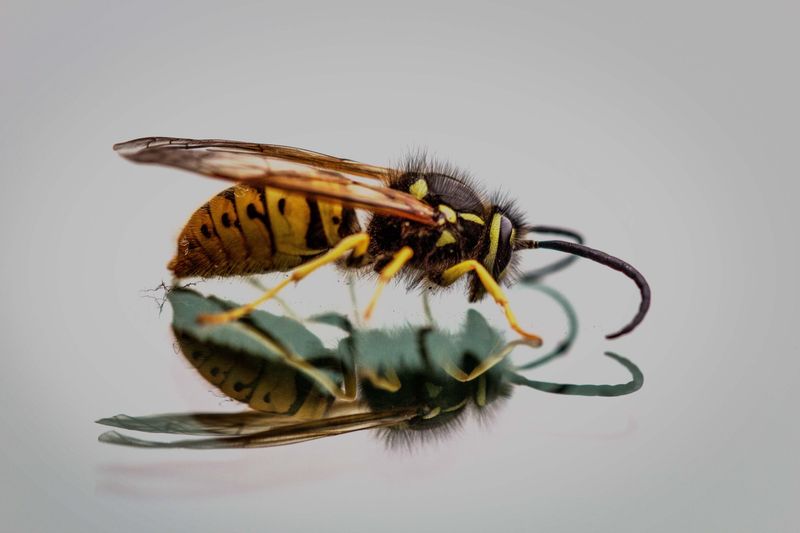
Honestly, these winter wanderers act more like confused sleepwalkers than angry guards. A queen fresh out of dormancy is cold, low on energy, and focused on one goal, getting outside.
Summer stings mostly happen when workers defend a nest. In winter, there is no nest to protect, so that defensive behavior drops off. You will usually see the queen crawling slowly, flying in short, clumsy bursts, or resting near glass.
Still, she has a working stinger. Pressing her against your skin, stepping on her barefoot, or grabbing her with bare hands can earn you a painful surprise. Kids and pets who poke at a slow bug are most at risk.
Watch where you sit and step during warm spells. Queens sometimes land on couches, curtains, bedding, or clothing left near windows. A quick glance before you settle in helps a lot.
People with known allergies to stings should treat even a sleepy wasp with care. Keep any prescribed epinephrine handy and let someone else handle removal if possible.
For everyone else, a calm approach works best. No swatting, no panic, just a little patience.
A Cup And A Piece Of Paper Solve Most Wasp Encounters
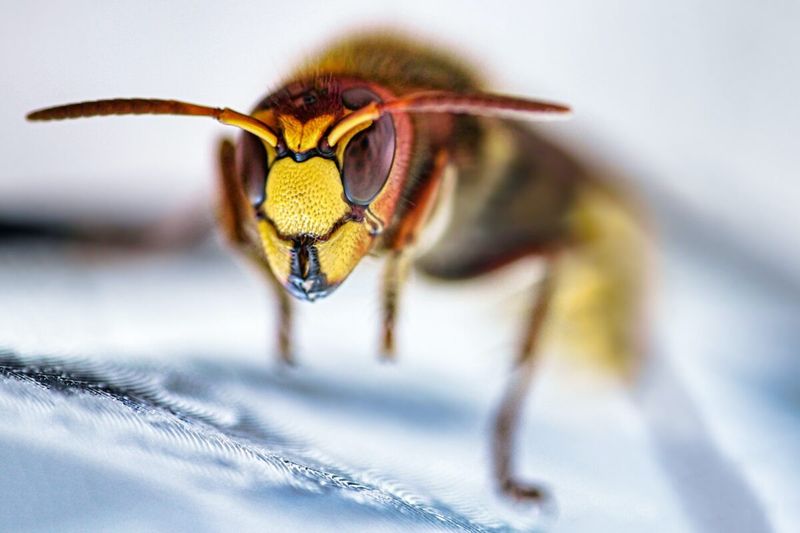
My favorite tool for indoor wasps lives in the kitchen cabinet. A clear cup and a stiff index card handle almost every winter encounter.
Wait until the wasp lands on a flat surface like a window or wall. Slowly place the cup over her, then slide the card underneath. Carry her outside and release her away from doors.
Keep in mind that a queen tossed into freezing air may struggle. On a warm afternoon, she might tuck back into a sheltered spot. Some homeowners prefer to vacuum her up instead, and that choice is up to you.
Opening a window on a mild day also works. Turn off nearby lights, open the sash, and give her a few minutes to find the bright exit.
Skip the spray cans indoors. Insecticide fogs and sprays add chemicals to your living space and are rarely needed for one or two insects.
Seeing lots of wasps, day after day, tells a different story. That pattern can point to many queens using one entry gap, and a licensed pest professional can help you find it.
Tiny Gaps Around Soffits And Window Frames Let Queens Slip Inside
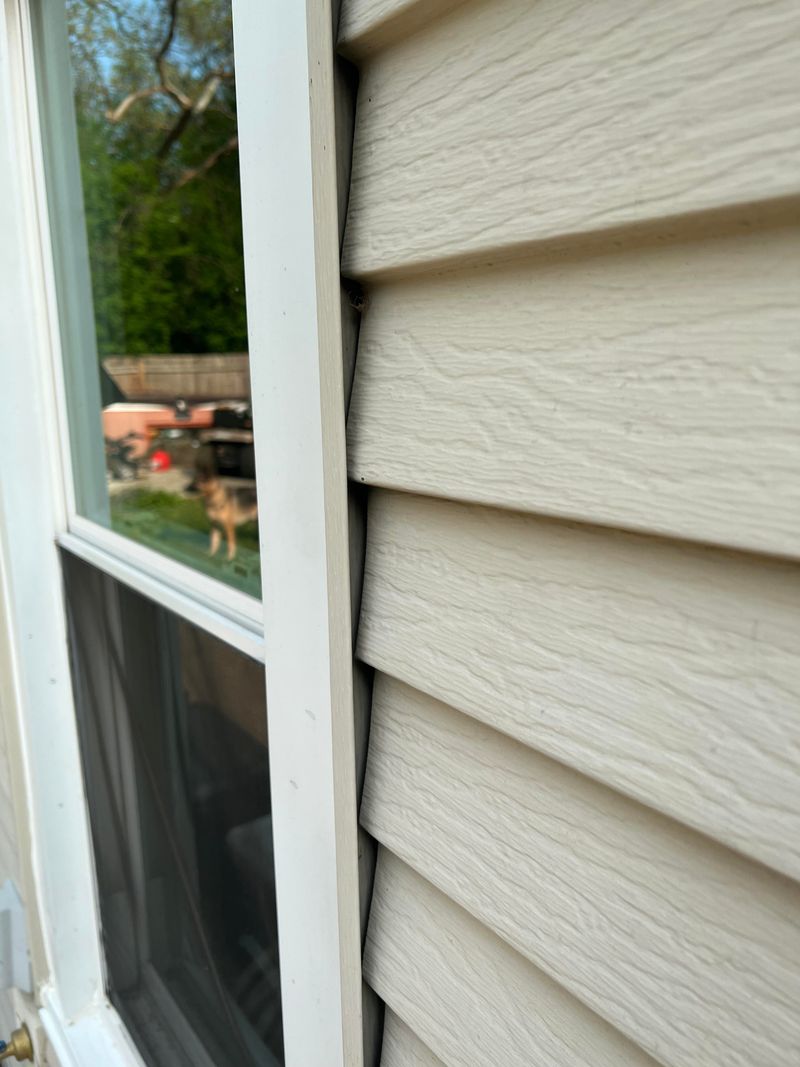
A wasp queen can squeeze through a gap of roughly a quarter inch. Your house probably has dozens of these spots without you knowing.
Start by walking around the outside on a dry day. Check where siding meets the roofline, gaps along soffits and fascia boards, cracks around window and door frames, and spots where cables, pipes, and dryer vents enter the walls.
Inside, look for a second set of clues. Queens that wake up in wall voids often reach rooms through gaps around ceiling light fixtures, recessed lights, outlet covers, baseboards, and window trim. A little caulk here can block that indoor route.
Attic and gable vents matter too. Torn or missing screens give insects an open doorway, so replace damaged mesh with sturdy window screening.
Exterior-grade silicone or acrylic latex caulk works well for small cracks. Foam backer rod helps fill wider gaps before caulking. Weatherstripping on doors adds another layer.
Bonus perk, sealing these gaps also keeps out stink bugs, ladybird beetles, and cluster flies. Those pests follow the same fall search for shelter, and Maryland homeowners know them well.
Late Summer Is Prime Time To Block Wasp Hideouts
Timing beats effort when it comes to keeping queens out. Sealing gaps in January helps, but the real window opens months earlier.
New queens start scouting for winter shelter in late summer and early fall. In Maryland, that search usually runs from September into October, before the first hard frosts. Fixing entry points before then means fewer queens settle in at all.
Do your exterior check on a cool morning when wasps are less active. Wear gloves, long sleeves, and look before you reach under eaves, since active nests may still be present.
Old paper wasp nests deserve a mention. Paper wasps rarely reuse last year’s nest, so empty ones you find in winter are harmless and easy to knock down. Removing them can keep your eaves tidy and help you spot active nests the next summer.
Be careful with active summer nests, though. Spraying or knocking them down in the heat of July invites stings. Small nests can often be left alone if they are away from doors.
A simple calendar reminder for early September can save you from a winter full of buzzing windows.
Those Same Paper Wasps Help Your Garden Come Spring
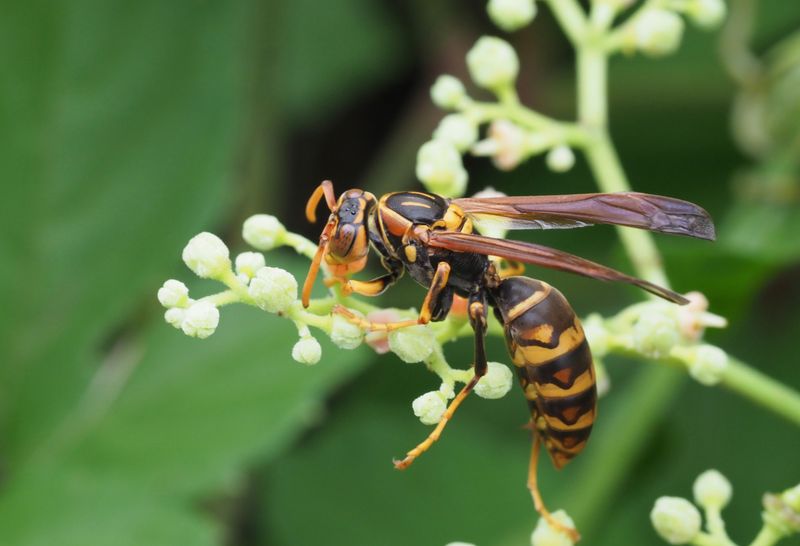
Gardeners, here is a twist worth smiling about. The queen bumping your window today may help protect your tomatoes next summer.
Paper wasps are skilled hunters. Workers chew up caterpillars, including hornworms, armyworms, and cabbage worms, then feed them to growing larvae back at the nest. Adults also sip nectar and do a little pollinating along the way.
Each surviving queen starts a brand-new colony in spring, often in April or May. By midsummer, that colony can include dozens of workers patrolling your vegetable beds.
So the goal is balance, not war on every wasp. Keep them out of your home, and let them work outdoors where they help. Nests far from doors, patios, and play areas can often stay put.
Native flowering plants like goldenrod, mountain mint, and asters feed adult wasps and many other helpful insects. University of Maryland Extension offers free advice on identifying pests and choosing native plants.
My takeaway is simple. Seal the gaps in early fall, calmly escort winter visitors, and remember that these sleepy queens are part of the busy, beneficial life buzzing through your garden every season.